BestNatural Phenomena
Natural events with a specific window — aurora, bioluminescence, migrations, eclipses and volcanic activity — where the answer is as much when as where. These are the only entries on the site that can fail: aurora needs darkness, clear sky and solar activity at once, and no destination guarantees all three, so build in more nights than you think you need.
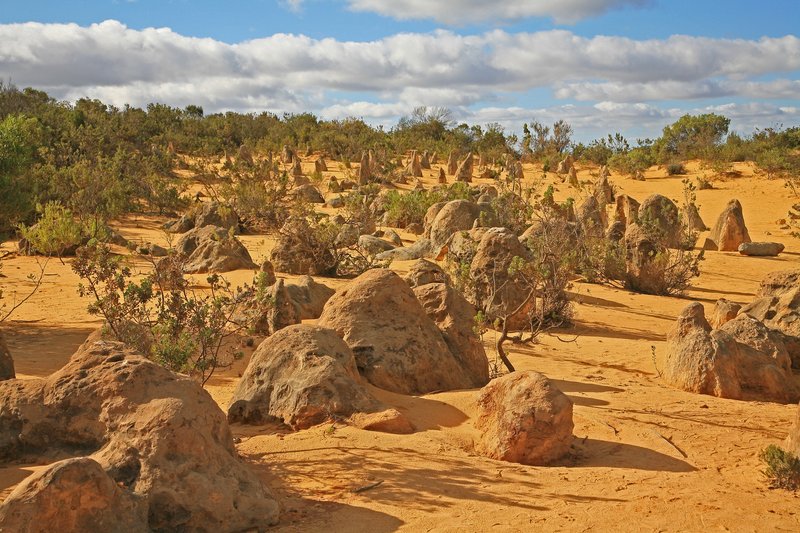
The Pinnacles
Nambung National Park, Western Australia, Australia
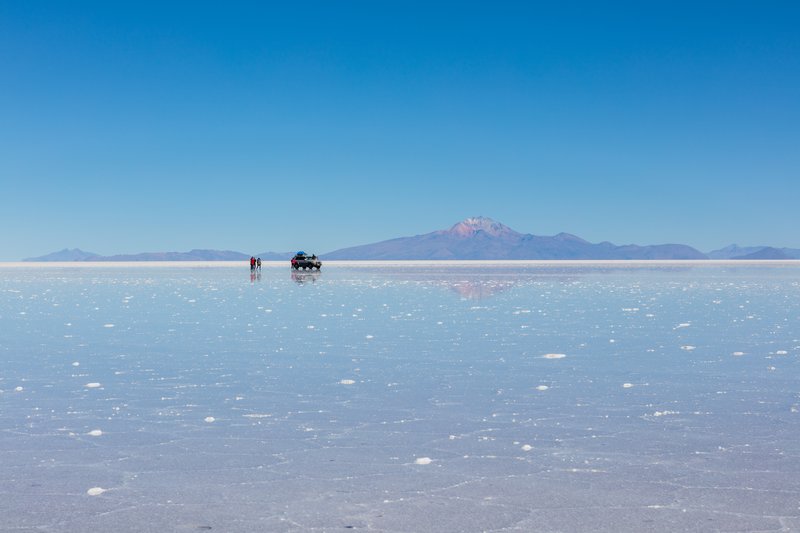
Salar de Uyuni Mirror Effect
Potosí Department, Bolivia
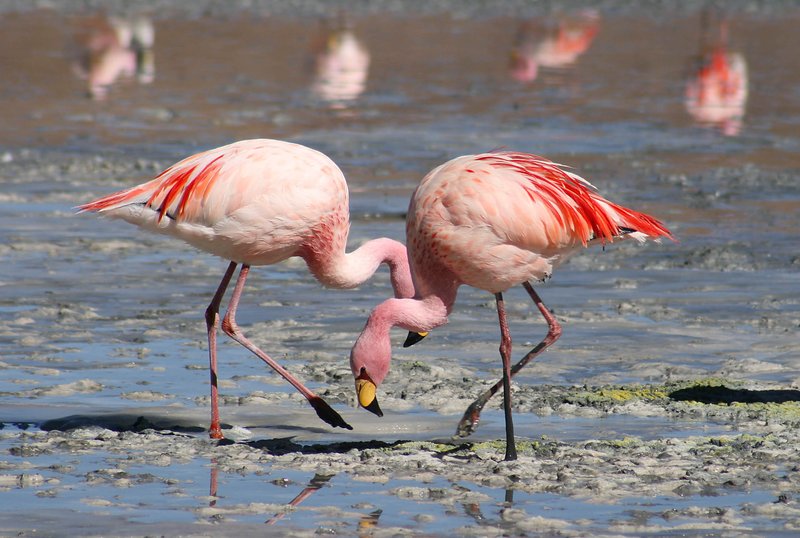
Laguna Colorada
Eduardo Avaroa Reserve, Bolivia
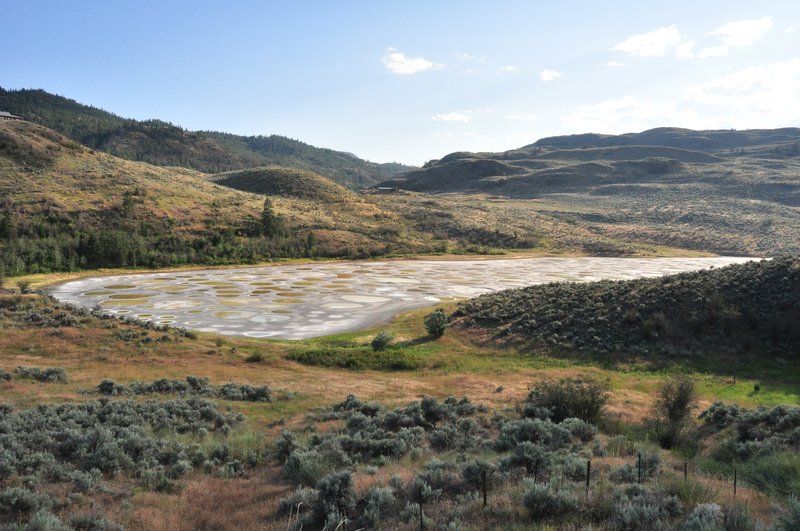
Spotted Lake (Kliluk)
Osoyoos, British Columbia, Canada
Details & links
In summer, evaporation concentrates the lake's mineral-rich water into colourful circular pools that shift from blue to green to yellow with their mineral makeup. The lake is sacred to the Syilx Okanagan people; visitors must remain at the highway viewpoint and may not enter the site.
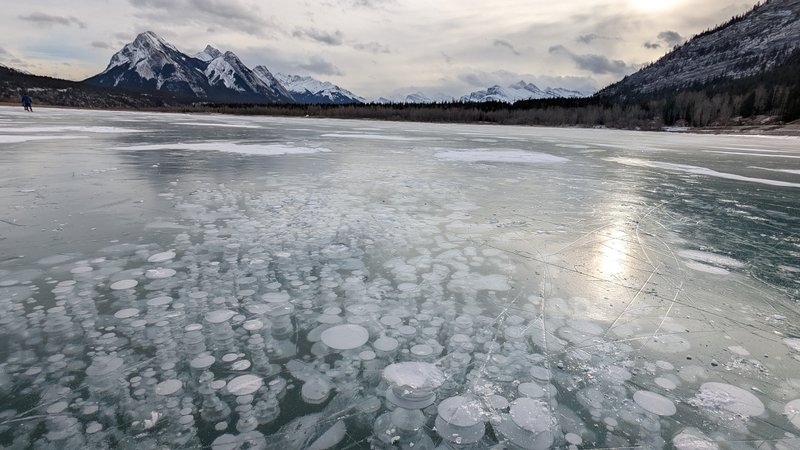
Abraham Lake Frozen Bubbles
Rocky Mountains, Alberta, Canada
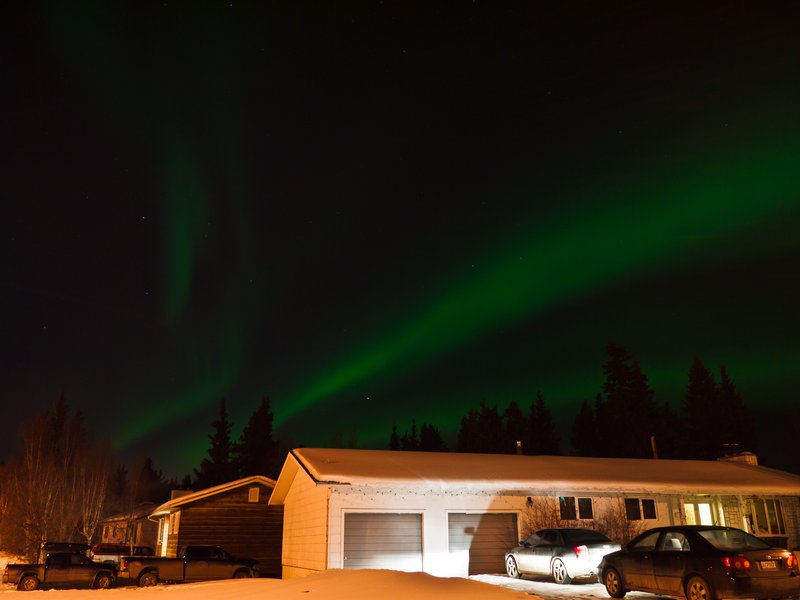
Northern Lights, Yukon
Whitehorse, Yukon, Canada
Details & links
Whitehorse sits directly beneath the auroral oval, making it one of the most reliable viewing locations in North America for the aurora borealis. The season runs from late August to April, with peak activity around the equinoxes. Clear nights away from town light are common in the surrounding wilderness.
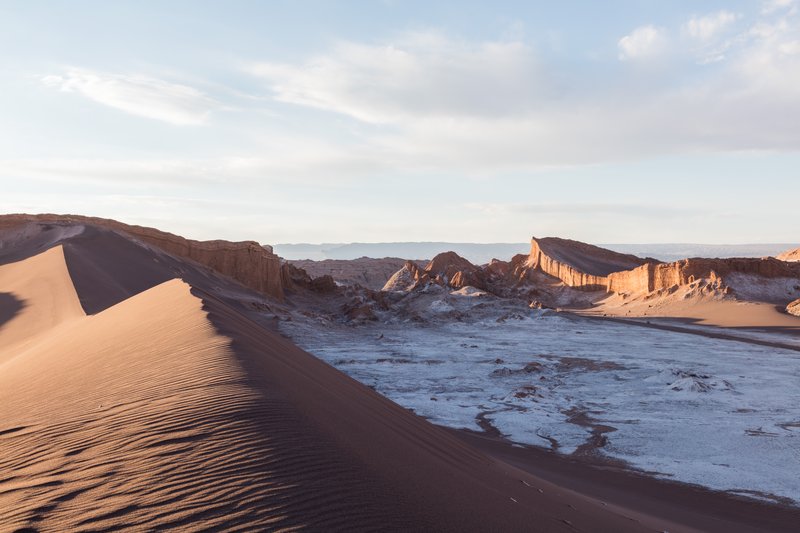
Valle de la Luna
Atacama Desert, Antofagasta, Chile
Details & links
A barren valley in the Atacama carved by wind and water into dunes, salt formations, and jagged ridges that turn amber and violet at sunset. At roughly 2,500 metres elevation in one of the driest places on Earth, the landscape has an uncanny resemblance to the lunar surface.
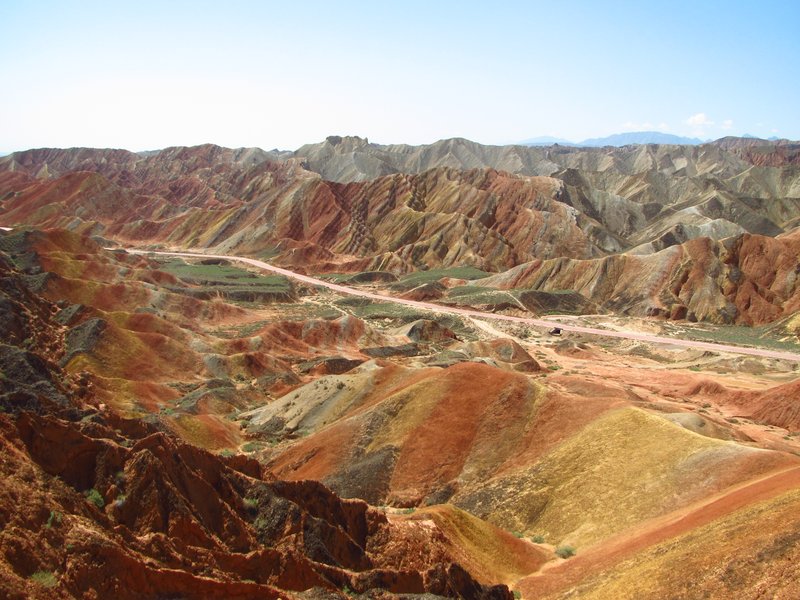
Zhangye Danxia Landform
Zhangye, Gansu, China
Details & links
Layered sandstone and mineral deposits eroded over millions of years into undulating ridges striped in red, orange, yellow, green, and blue. The colours are most vivid after rain and in the soft light of early morning or late afternoon. Boardwalk platforms allow views across the full extent of the formations.
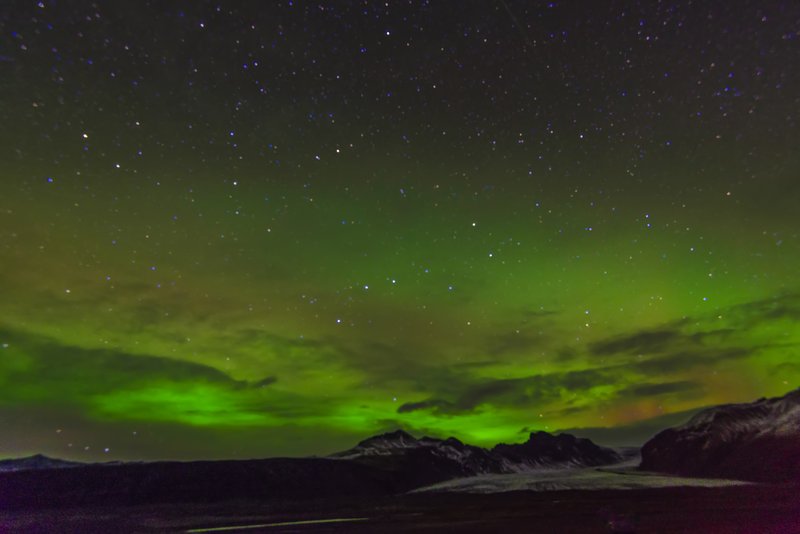
Northern Lights
Iceland
Details & links
Iceland's position just below the auroral oval, combined with minimal light pollution outside Reykjavik, makes it one of the world's top aurora destinations. The season runs from September to March; the Snæfellsnes Peninsula, Þórsmörk, and Ásbyrgi canyon are among the best vantage points away from city glow.
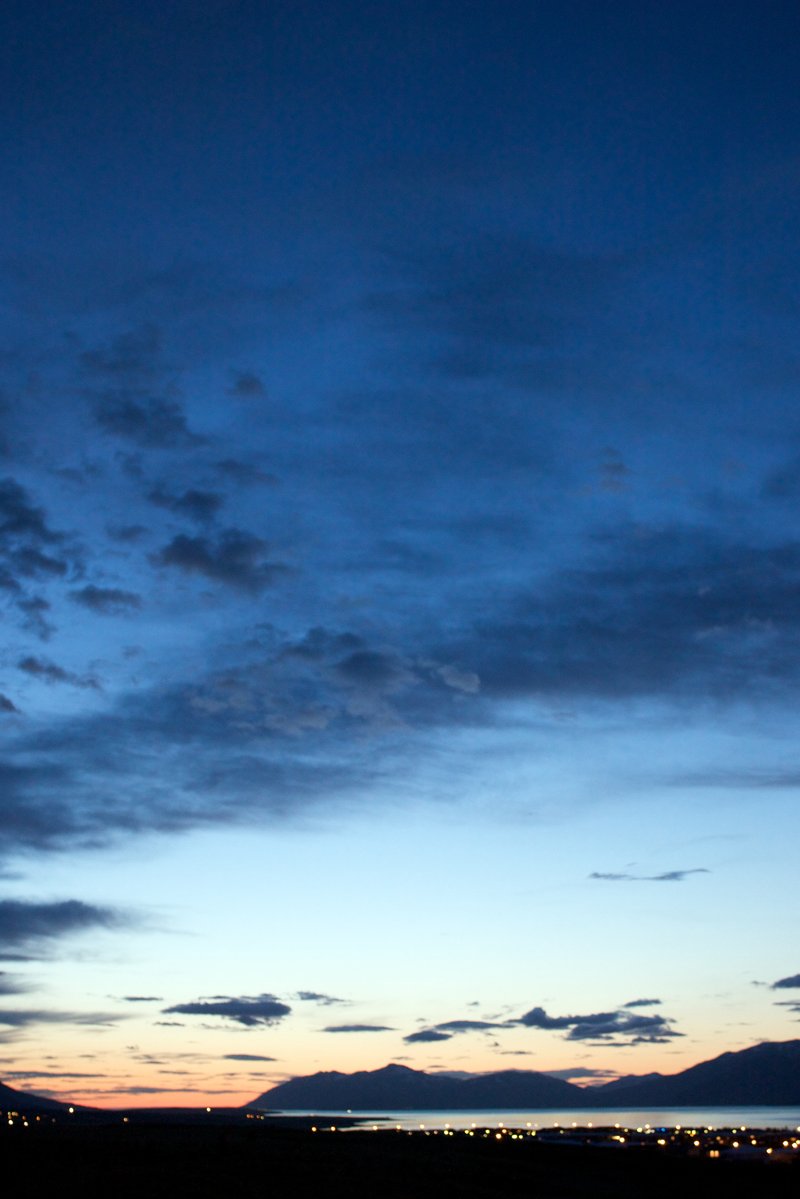
Midnight Sun
Akureyri and the North, Iceland
Details & links
North Iceland has bright nights from early May to mid-August. On the mainland near Akureyri the sun still dips below the horizon, while Grímsey, on the Arctic Circle, offers the true midnight sun around the summer solstice.
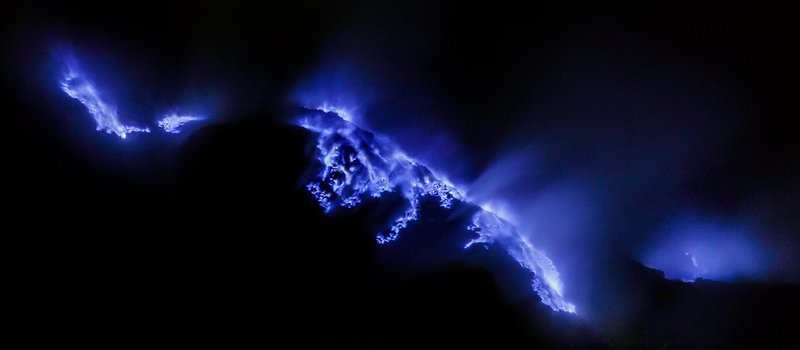
Kawah Ijen Blue Fire
Banyuwangi, East Java, Indonesia
Details & links
Sulphuric gases escaping through cracks at Kawah Ijen's acidic crater lake ignite on contact with air, producing vivid blue flames visible only in darkness. Hikers descend to the crater before dawn to witness the phenomenon, which is unique among the world's volcanoes at this scale.
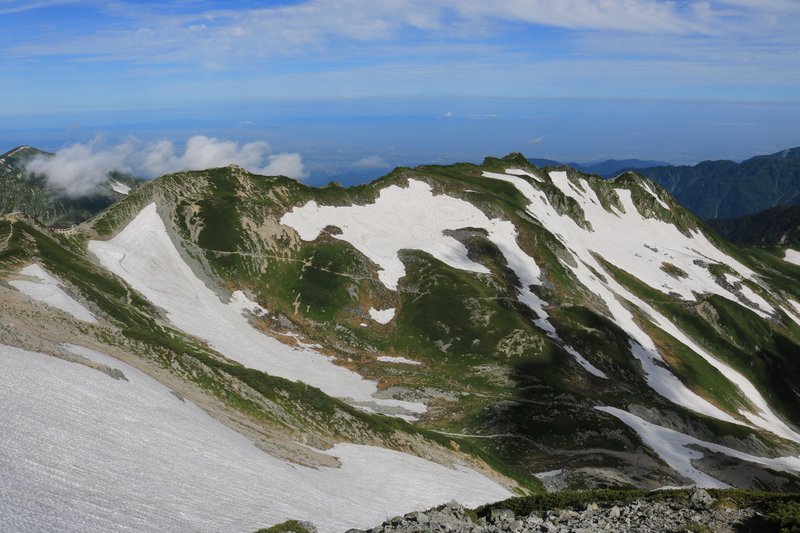
Firefly Squid Bioluminescence
Toyama Bay, Toyama, Japan
Details & links
Each spring, firefly squid rise from Toyama Bay's deep water to spawn and emit a vivid blue bioluminescence. Reserved pre-dawn sightseeing boats observe fixed-net fishing during a short April-to-May window, with departures dependent on sea conditions.
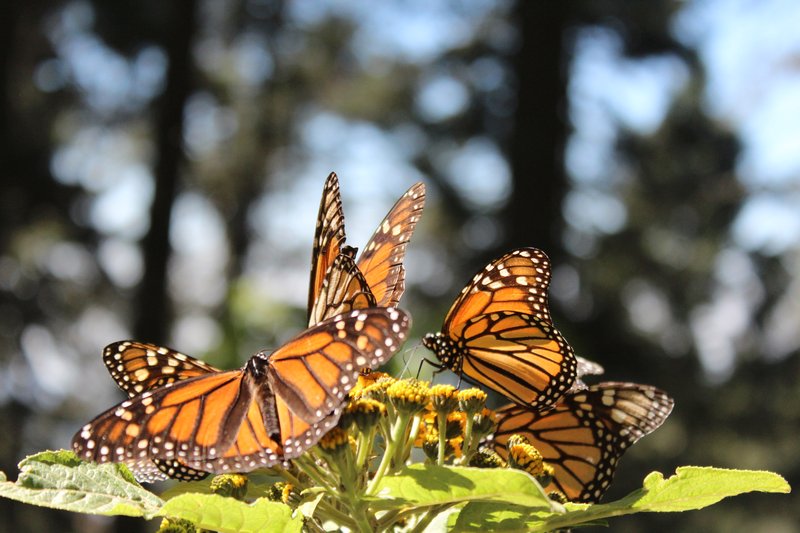
Monarch Butterfly Migration
Monarch Butterfly Biosphere Reserve, Michoacán, Mexico
Details & links
Each winter, hundreds of millions of monarch butterflies arrive in the oyamel fir forests of central Michoacán after a journey of up to 4,500 km from Canada and the United States. The trees bend under the weight of clustered wings, and the sound of flight is audible at peak congregation. Season runs November to March.
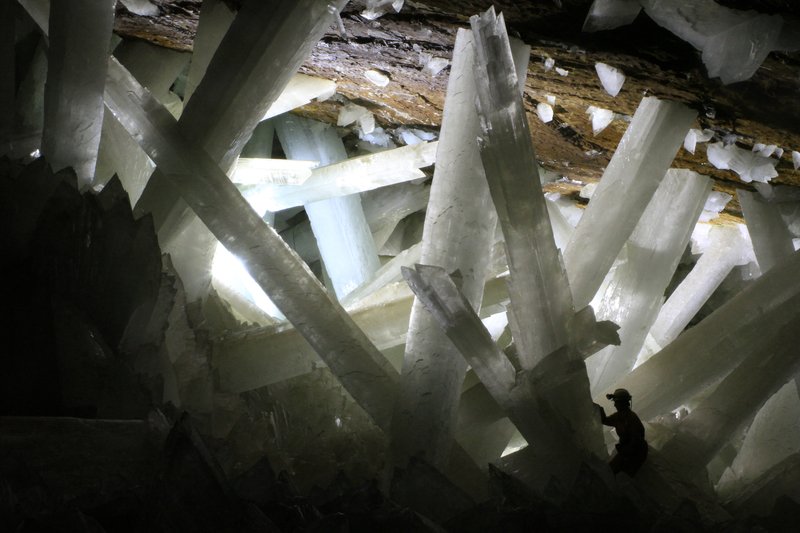
Cave of Crystals (Cueva de los Cristales)
Naica, Chihuahua, Mexico
Details & links
A limestone cave beneath the Naica mine holding some of the largest natural crystals ever found — selenite beams up to 12 metres long and weighing 55 tonnes, grown over 500,000 years in superheated mineral water. Access is restricted to scientific expeditions; the cave remains flooded.
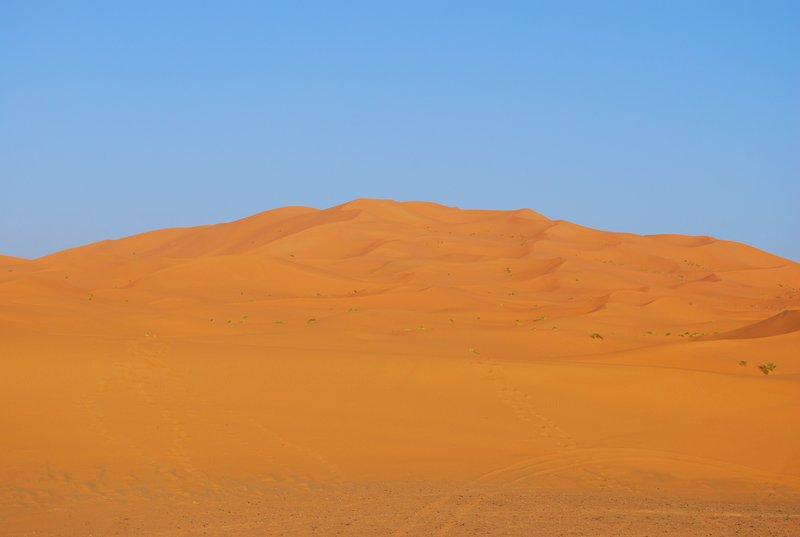
Erg Chebbi Dunes
Merzouga, Drâa-Tafilalet, Morocco
Details & links
An isolated sea of Saharan sand dunes rising to 150 metres near the village of Merzouga, close to the Algerian border. The dunes shift in colour through the day — pale gold at noon, deep orange and red at sunset — while their remote setting offers a low-light night sky.
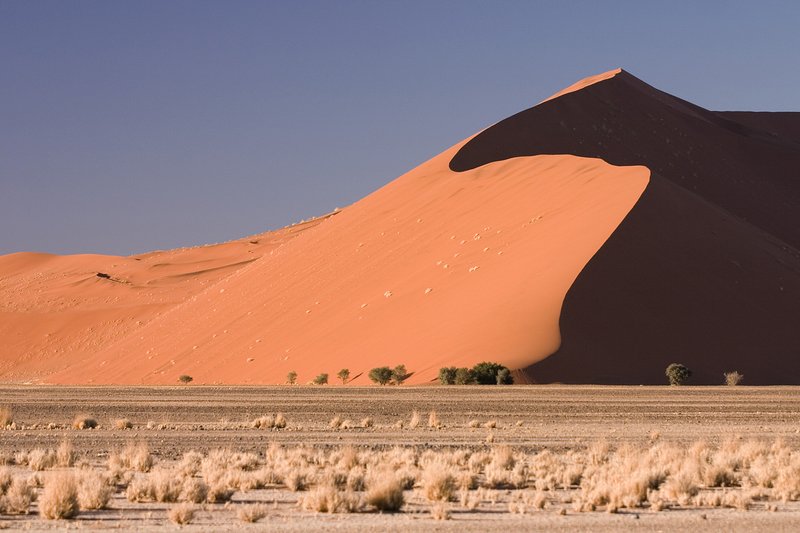
Sossusvlei Red Dunes
Namib-Naukluft National Park, Namibia
Details & links
Some of the world's tallest sand dunes, reaching over 300 metres, their iron oxide–rich sand ranging from apricot to deep crimson depending on the light and time of day. Deadvlei, a white clay pan at the base of the dunes, holds ancient blackened camel thorn trees that have stood dead for centuries.
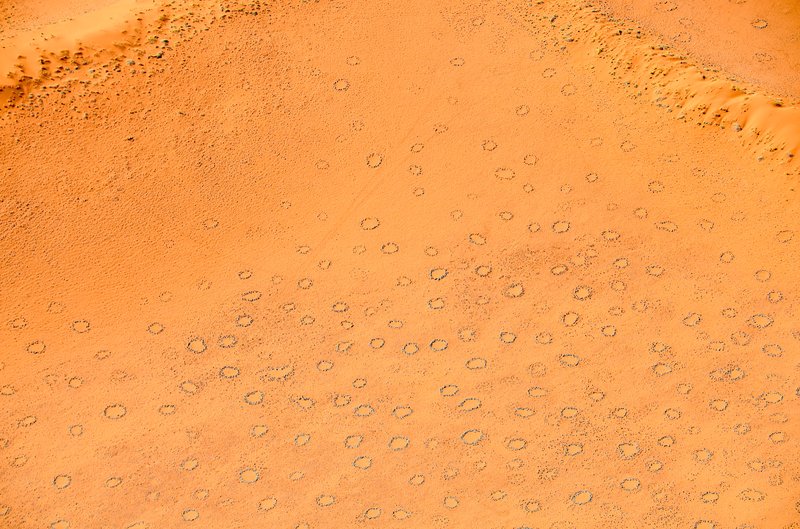
Fairy Circles
Namib Desert, Namibia
Details & links
Circular bare patches of sand, ranging from two to fifteen metres in diameter, dotting the Namib grasslands in regular patterns that extend for hundreds of kilometres. Their cause remains debated — competing hypotheses include termite activity and plant competition for water. The scale and regularity of the pattern is visible from the air.
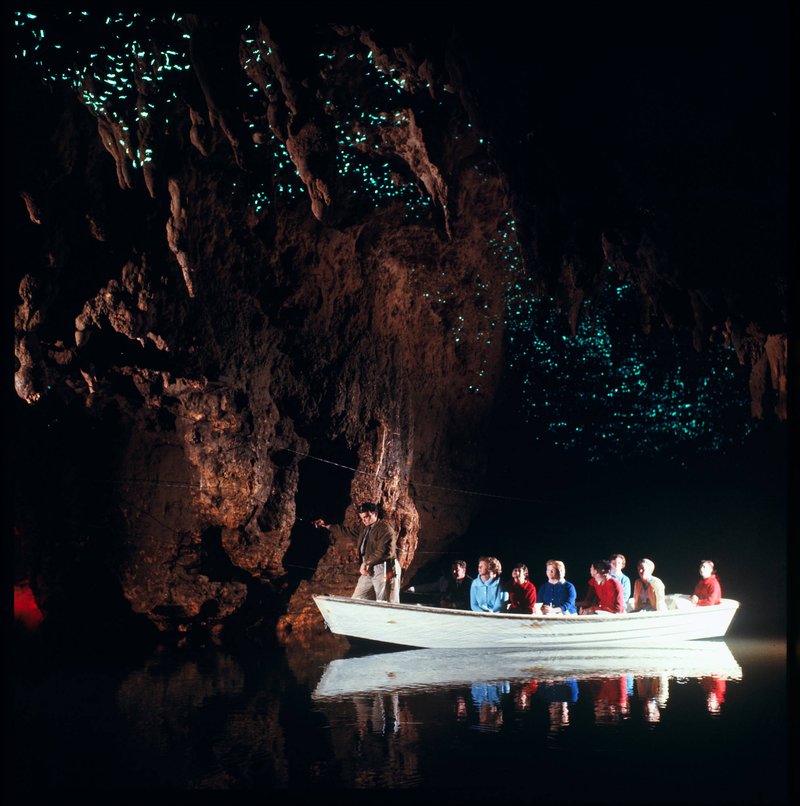
Waitomo Glowworm Caves
Waitomo, Waikato, New Zealand
Details & links
A network of limestone caves whose ceilings are studded with thousands of Arachnocampa luminosa — a glowworm species found only in New Zealand — casting a continuous blue bioluminescent light above the underground rivers. Boat tours pass silently beneath the living constellations.
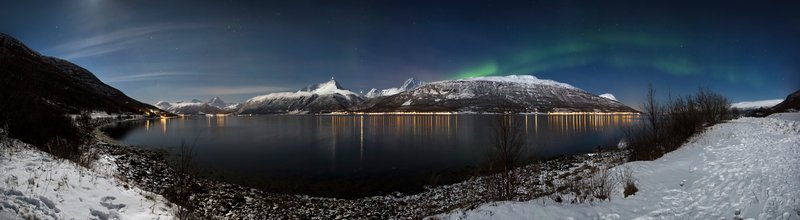
Northern Lights, Tromsø
Tromsø, Troms, Norway
Details & links
Tromsø sits inside the auroral zone at 70° north, giving it some of Europe's most dependable Northern Lights viewing from October to March. The city serves as a base for chase tours into the surrounding wilderness, and the fjords and snow-covered mountains provide dramatic foregrounds on clear nights.
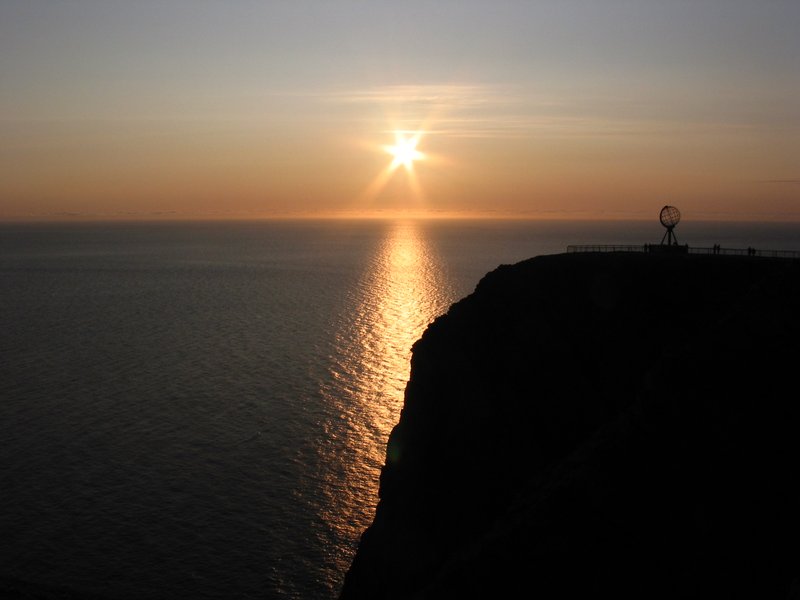
Midnight Sun, North Cape
Nordkapp, Finnmark, Norway
Details & links
The North Cape plateau, one of mainland Europe's northernmost points, experiences continuous daylight from mid-May to late July. The midnight sun dips to just above the horizon over the Barents Sea before rising again — an event marked each night by visitors gathered at the cliff edge.
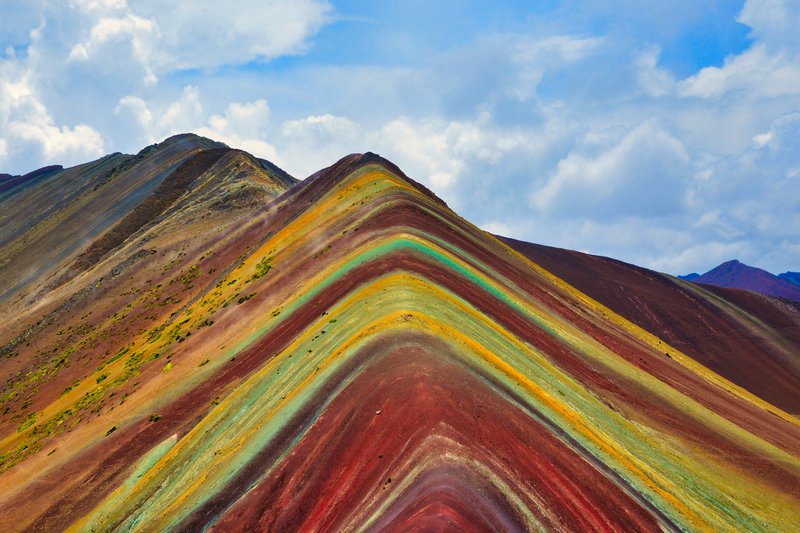
Rainbow Mountain (Vinicunca)
Cusco Region, Peru
Details & links
A high-Andean mountain at 5,200 metres whose slopes are striped in red, purple, yellow, and turquoise from layered mineral sediments exposed by glacial retreat and erosion. The vivid colour bands were hidden under snow and ice until relatively recently; the mountain became a major destination only after 2015.
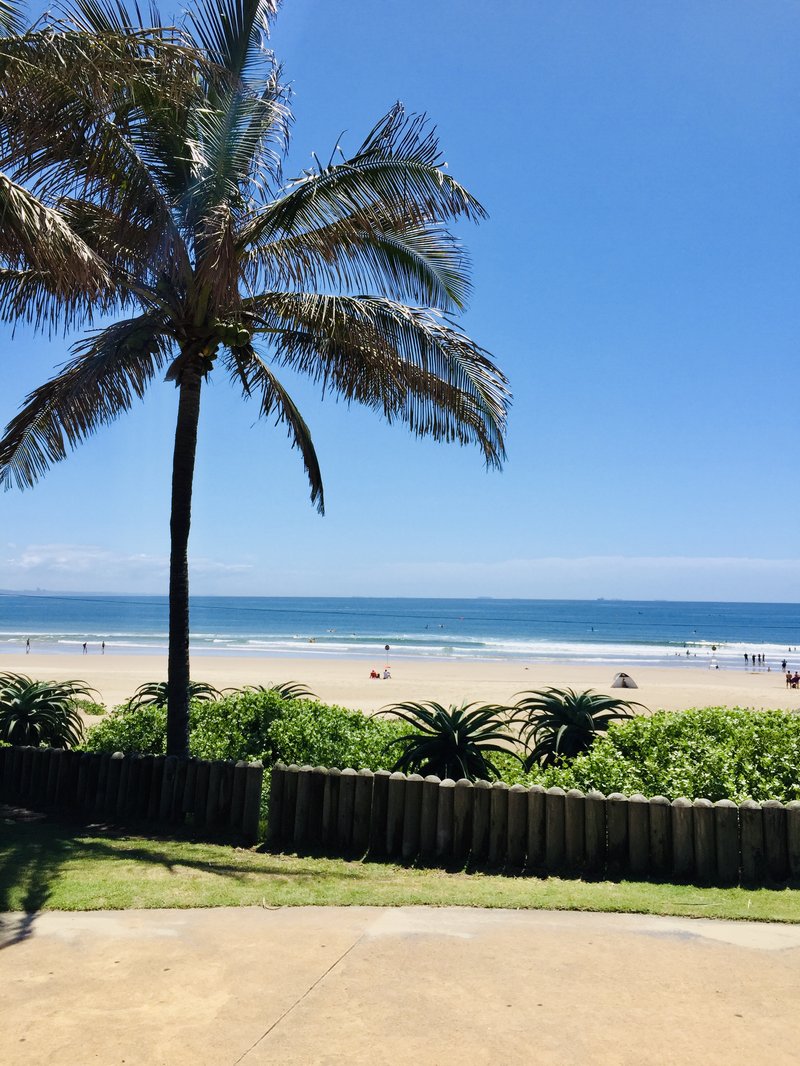
Sardine Run
KwaZulu-Natal Coast, South Africa
Details & links
Each year from May to July, billions of sardines migrate northward along the Wild Coast and KwaZulu-Natal shore in a dense shoal that can stretch 15 kilometres. The biomass draws sharks, dolphins, gannets, and whales in a compressed feeding frenzy visible from beaches and charter boats.
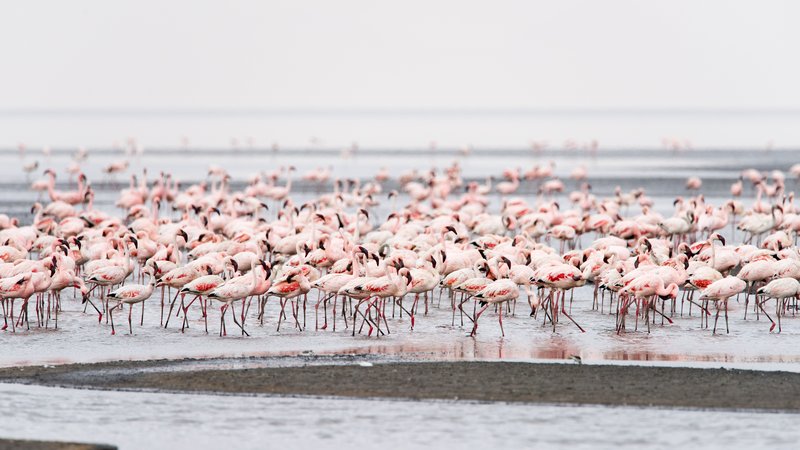
Lake Natron
Arusha Region, Tanzania
Details & links
A shallow soda lake in the East African Rift whose waters reach 60 °C and a pH near 10.5, tinted deep red and orange by salt-tolerant cyanobacteria. It is the primary breeding ground for East Africa's lesser flamingo, with up to 2.5 million birds nesting on its caustic mudflats.
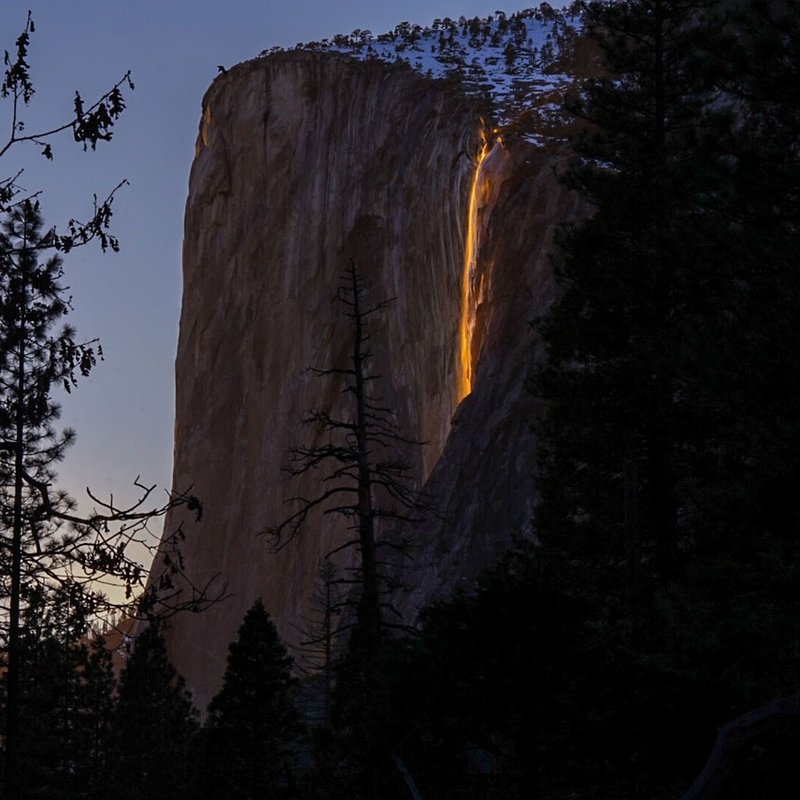
Firefall at Horsetail Fall
Yosemite National Park, California, United States
Details & links
For roughly two weeks each February, the setting sun strikes Horsetail Fall on El Capitan at precisely the right angle to turn the waterfall a deep orange-red, mimicking a flow of lava down the granite face. The window is narrow — clear skies and the correct sun angle must coincide — making the phenomenon unpredictable.
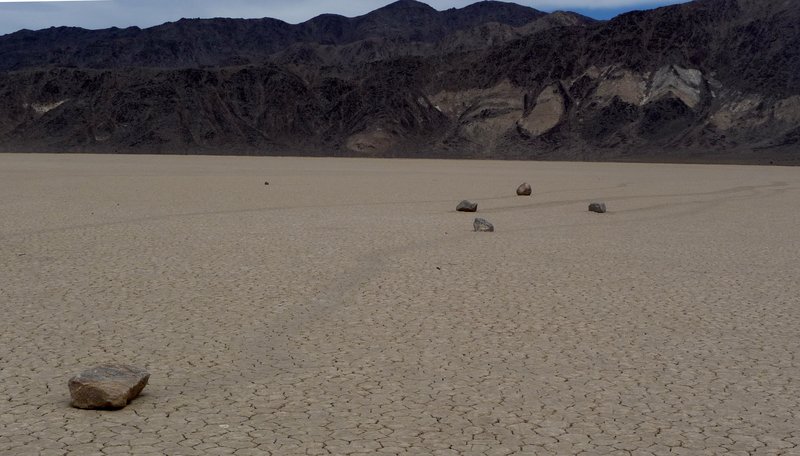
Sailing Stones of Racetrack Playa
Death Valley National Park, California, United States
Details & links
Rocks ranging from pebbles to boulders move across the flat dry lake bed, leaving long tracks behind them, without any human or animal assistance. The mechanism — thin ice sheets formed overnight, broken and propelled by light wind — was confirmed only in 2014. The playa sits at the far end of a rough unpaved road within Death Valley.
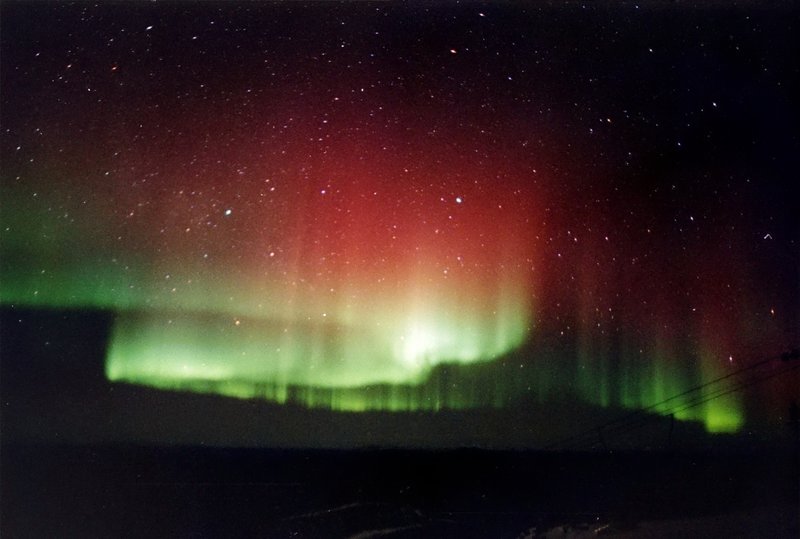
Aurora Borealis, Fairbanks
Fairbanks, Alaska, United States
Details & links
Fairbanks sits beneath the auroral oval and is one of North America's most reliable Northern Lights bases. Its official aurora season runs from August 21 to April 21; dark, clear skies and several nights in the area improve the chance of a sighting.
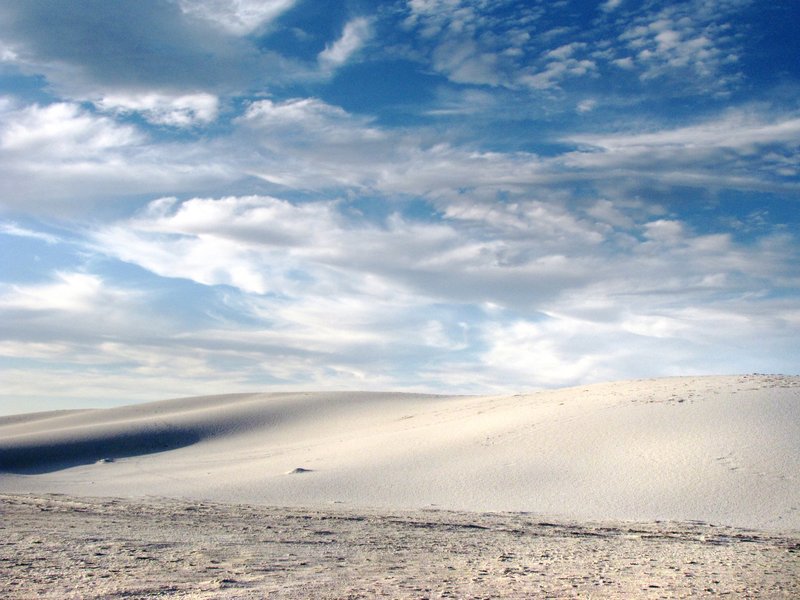
White Sands
White Sands National Park, New Mexico, United States
Details & links
The world's largest gypsum dunefield covers about 442 square kilometres of the Tularosa Basin. Its moist gypsum sand can remain cool underfoot, while wind continually shifts the dunes around specially adapted plants and animals.
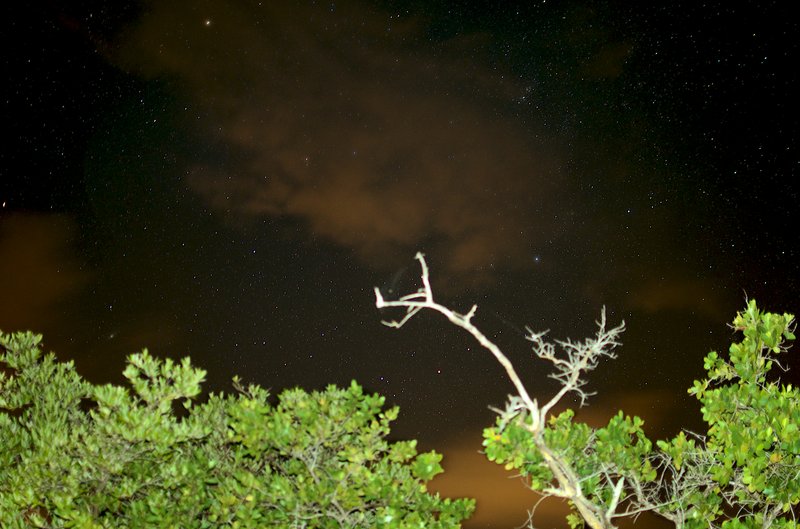
Bioluminescent Bay, Vieques
Mosquito Bay, Vieques, Puerto Rico
Details & links
Mosquito Bay holds an exceptional concentration of dinoflagellates that emit blue-green light when the water moves. It is explored by guided kayak, and swimming is strictly prohibited to protect the bay; darker moon phases make the glow easier to see.
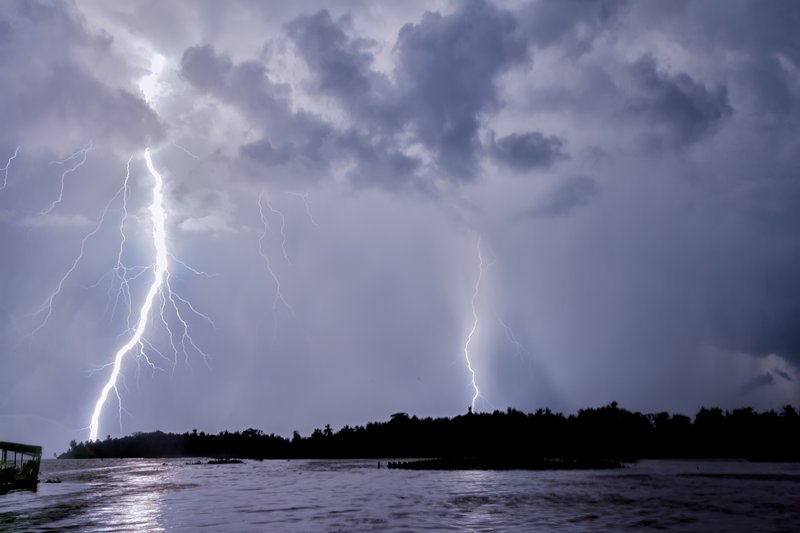
Catatumbo Lightning
Lake Maracaibo, Zulia, Venezuela
Details & links
Repeated nighttime thunderstorms form near the Catatumbo River's mouth at Lake Maracaibo, creating one of Earth's most intense lightning hotspots. NASA reports flashes can occur about 28 times a minute for up to nine hours on active nights.
No results — try a different place or country.