TRIP OVERVIEW
Day 1 – Old Boma · Arusha Declaration Museum · Tanzanite Experience · Cultural Heritage Centre
Day 2 – Arusha National Park
Day 3 – Lake Manyara National Park
Day 4 – Ngorongoro Crater
Day 5 – Tarangire National Park
Day 1
1.Old Boma~2 hr
A fortified compound the German colonial administration completed in 1900 to police the newly subdued Arusha and Meru peoples, now split into wildlife, regional-history and archaeology wings around a small botanical garden.
No pictures available.
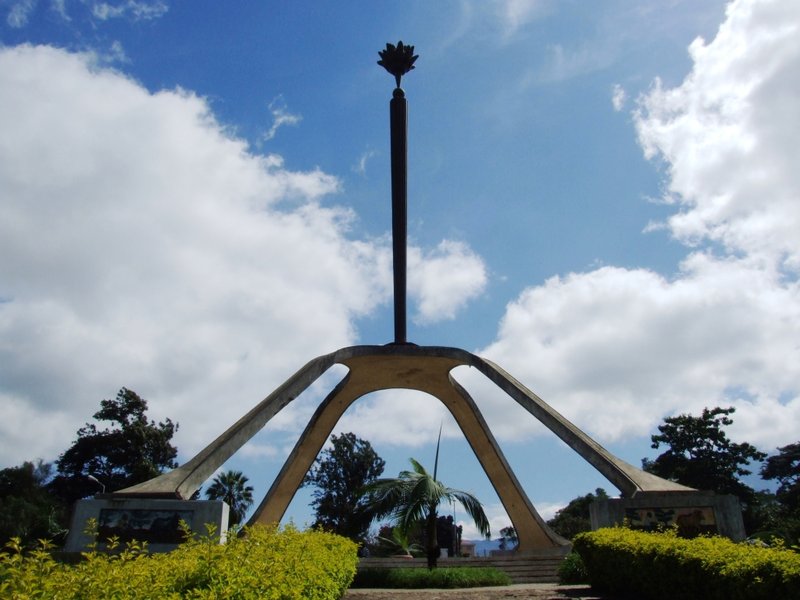
2.Arusha Declaration Museum~1 hr
The building where Julius Nyerere's ruling party unveiled the 1967 Arusha Declaration, the manifesto that set Tanzania on a path of African socialism and self-reliance for the next two decades.
3.Tanzanite Experience~45 min
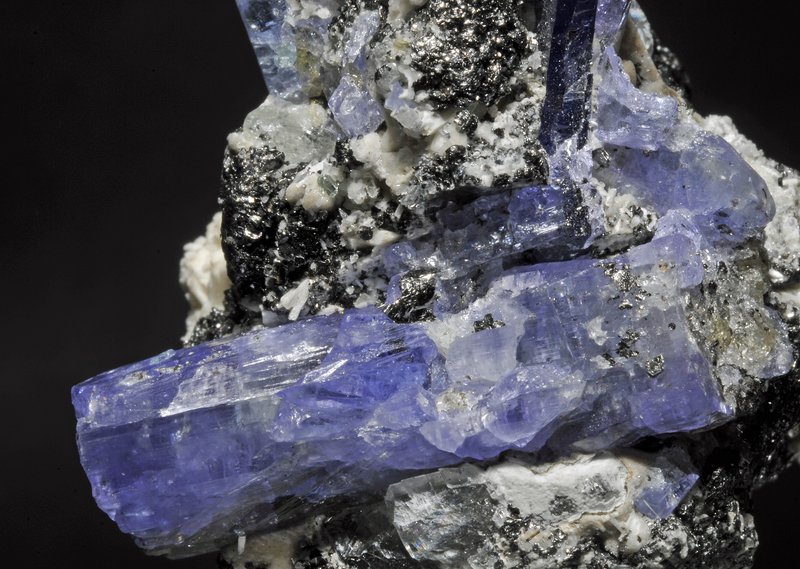
A museum built around the one gemstone found nowhere else on Earth, tracing tanzanite from a single four-kilometre seam at the foot of Kilimanjaro to a cut stone under glass.
4.Cultural Heritage Centre~1 hr
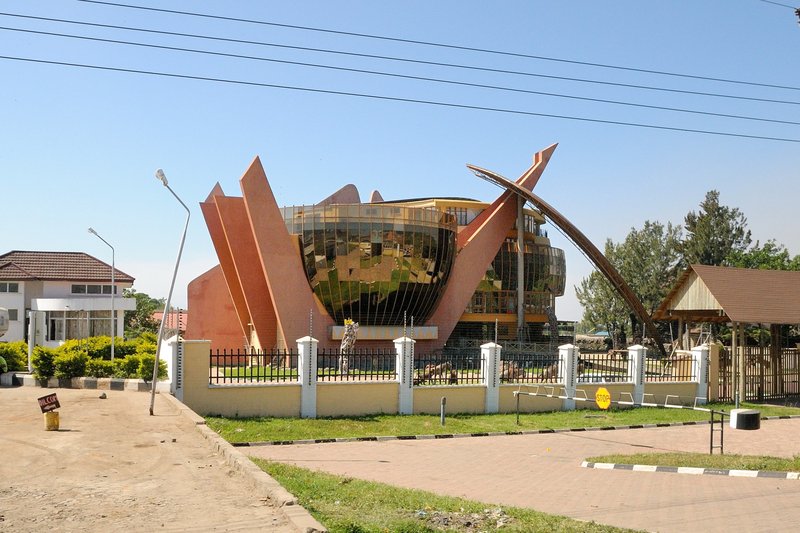
A spiral gallery of East African art and craft built around a central atrium, holding one of the region's largest collections of Makonde ebony carving alongside Tinga Tinga painting and Maasai beadwork.
Day 2
1.Arusha National Park~6 hr
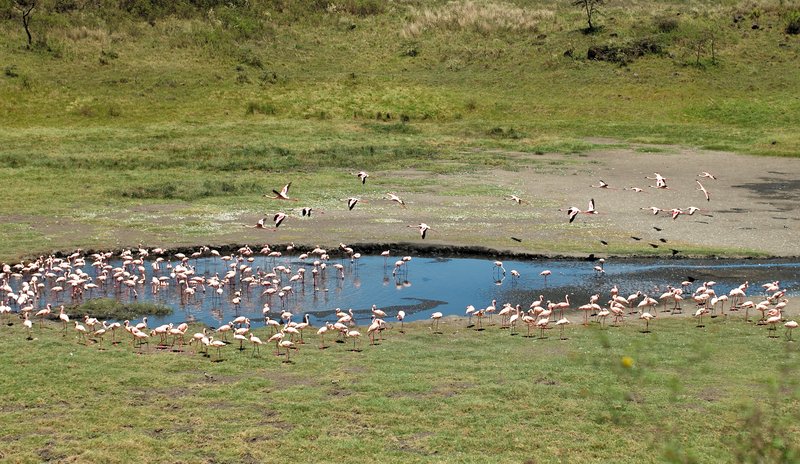
Tanzania's most compact park, climbing from the Momella Lakes' flamingos and giraffe through highland forest to the alpine slopes of Mount Meru, the country's second-highest peak.
Day 3
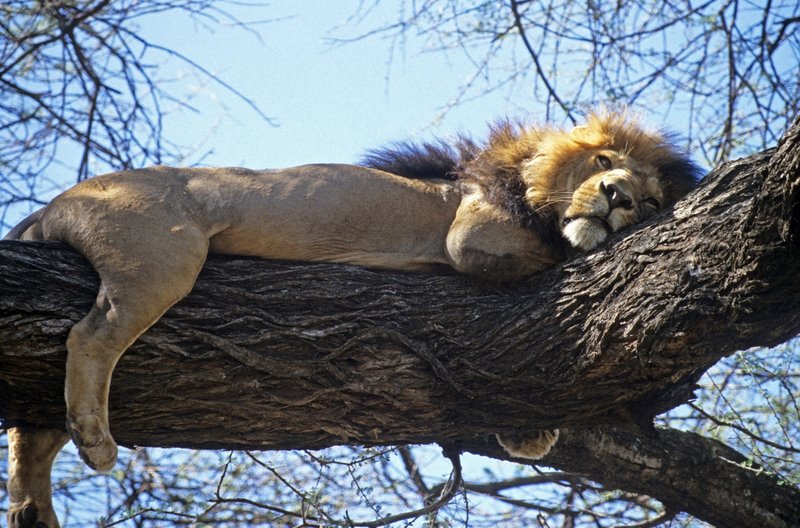
1.Lake Manyara National Park~6 hr
A soda lake beneath the Rift Valley escarpment where tree-climbing lions, the continent's densest baboon population and flocks of flamingos share a narrow strip of groundwater forest and open floodplain.
Daily 6:00am - 6:00pm
Day 4
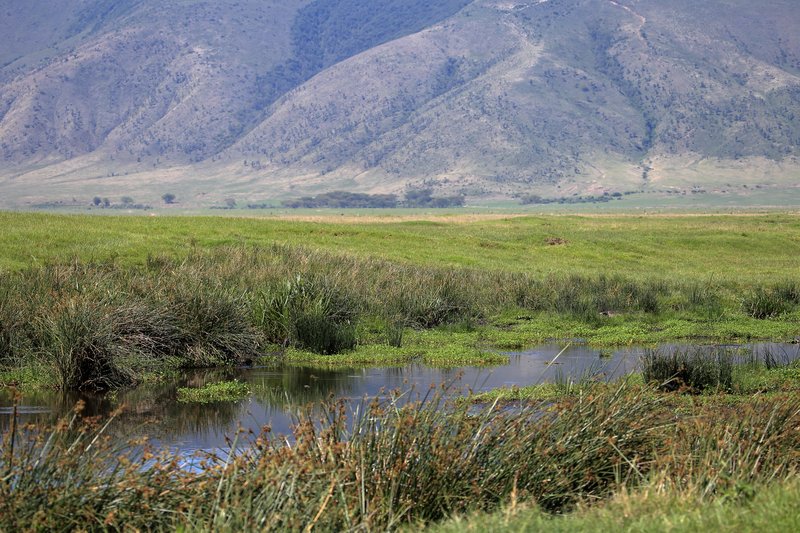
1.Ngorongoro Crater~5 hr
The world's largest intact volcanic caldera, an unbroken crater wall enclosing 260 square kilometers of grassland and swamp that holds one of Africa's densest concentrations of wildlife, including the black rhino.
Day 5
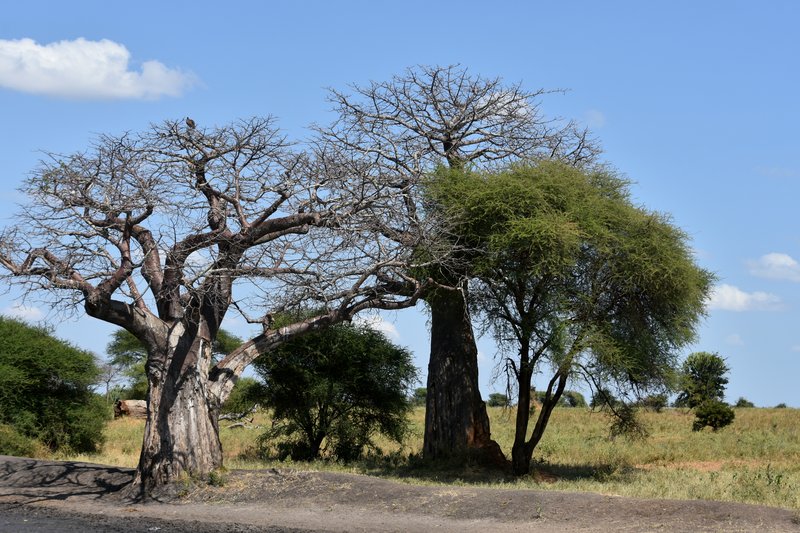
1.Tarangire National Park~6 hr
A river valley studded with ancient baobabs that draws East Africa's largest elephant herds outside the Serengeti ecosystem, when the Tarangire River is the only permanent water for miles.
Daily 6:00am - 6:00pm
Tours
Viator
A guided walk through the Clock Tower Roundabout, the Old Boma grounds and the streets around India Street with Jovial Safaris, tracing the German and British colonial periods and Tanzania's path to independence.
5 hr · Small group
↔
A walk through a Fairtrade, chemical-free coffee farm outside town with Wild Tracks/Kahawa Coffee Walks, tracing the crop from seed to cup, with lunch and a bag of the farm's own roast to take home.
6 hr 30 min · Private
↔
Restaurants Near Hotel
Saba Saba · 4.9 · 1500+ reviews
All-day dining with an open kitchen, local seasonal dishes alongside international plates, and a breakfast and dinner buffet.
In the hotel · Ground floor
Daily 6:30am - 10:30pm
Downtown Restaurants
Matteo Italian Restaurant · 4.9 · 35+ reviews
A real Italian chef's pasta and wood-fired pizza with ingredients imported from Italy, 500 meters from the Clock Tower.
Daily 11:00am - 10:00pm
Local Tastes
Nyama Choma
Grilled goat or beef, seasoned simply with salt and chili and served with hot sauce, the anchor of any Arusha night out and Tanzania's default word for a good meal with friends.
Ugali
A stiff maize porridge worked into a firm dough, eaten by hand alongside meat, greens or stew, the staple that anchors nearly every Tanzanian plate.
Pilau
Rice slow-cooked with cloves, cinnamon and cardamom until the spice colors every grain, traditionally a weekend and celebration dish across northern Tanzania.
Mishikaki
Skewered, marinated goat or beef grilled over charcoal, the street-side answer to nyama choma sold by the stick from roadside grills across Arusha.
Food Delivery
Bolt Food
Foreign number: accepted. — most international SIMs receive the verification SMS, but not all; a local Tanzanian SIM, sold at Kilimanjaro Airport arrivals, is the reliable fallback.
The only food-delivery platform confirmed operating in Arusha, running on the same app as Bolt's ride-hailing; coverage is strongest around Njiro, Kimandolu and the town center, and thinner toward the park roads.
Getting Around
Bolt
Foreign number: accepted. — most travelers verify successfully on a foreign SIM, though some are asked for a Tanzanian number instead; a local SIM removes the uncertainty entirely.
The ride-hailing app that actually works here — Uber suspended its Tanzania operations and has not returned; Bolt covers the town center, Njiro and Kimandolu reliably and accepts cash, card or M-Pesa.
Heads Up
Ngorongoro · Manyara · Tarangire — Dawn Departures
Pickup for the three farther parks runs 6:00am - 6:30am to beat the midday heat before wildlife moves into shade.
National Parks — Cashless Entry Only
TANAPA stopped taking cash at park gates; fees are already folded into this guide's day-trip prices, so nothing further is owed.
Worth Knowing
Arusha is a base camp wearing a town's clothes
Every hotel in this guide's price range assumes you are here for the parks, not the town — breakfast starts at 5:30am on safari mornings, and the front desk keeps a shortlist of drivers because everyone eventually needs one. The Clock Tower's "geographical center of Africa, halfway between Cairo and Cape Town" claim is a colonial-era railway fiction — the real midpoint sits deep in the Congo — but it is still where every safari itinerary in town quietly begins and ends. Bring a fleece for the Ngorongoro rim — at nearly 2,300 meters it is genuinely cold before the sun clears the crater wall, even though Arusha itself never asks for one.
Also on this site