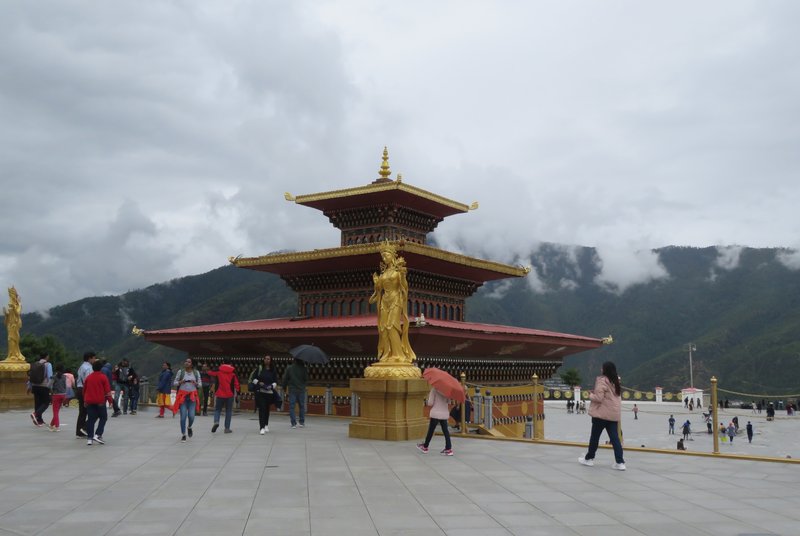
A 54-metre gilded bronze statue of Shakyamuni Buddha on Kuensel Phodrang hill above Thimphu. Built for the centenary of the monarchy, the hollow interior holds 100,000 smaller Buddha statues. The throne terrace delivers a panoramic view over the capital and ridge line.
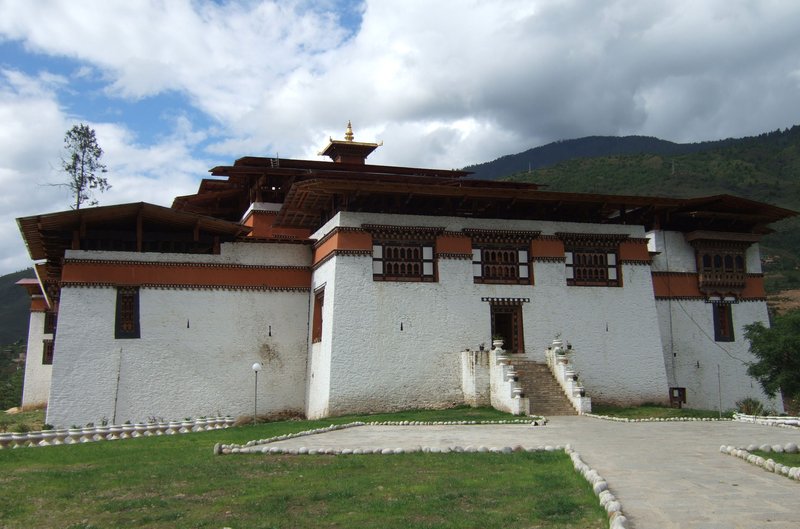
The oldest dzong in Bhutan, built in 1629 by Zhabdrung Ngawang Namgyal on the southern approach to Thimphu. The first fortress of its kind in the country, it combines a fortified exterior with interior murals and slate carvings that set the template for every dzong that followed.
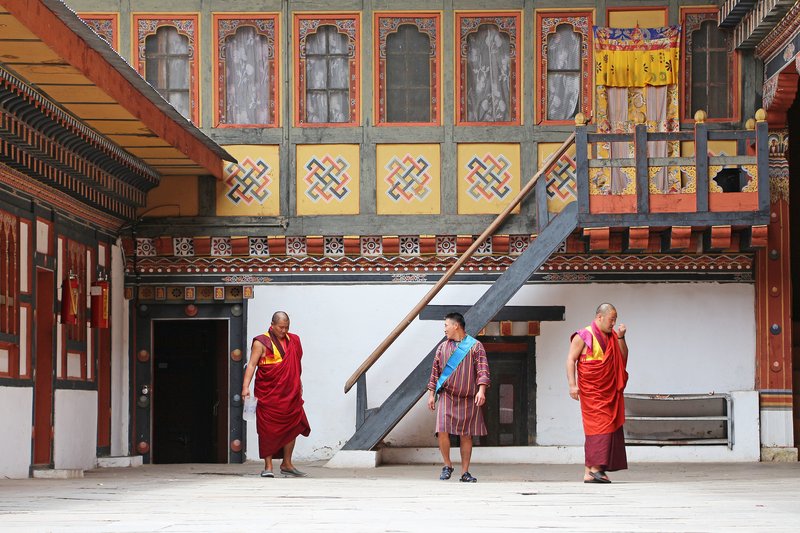
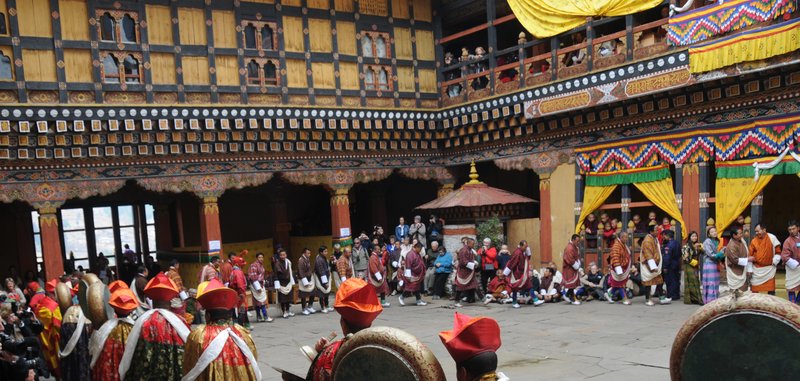
Bhutan's seat of government — a fortress on the Wang Chhu housing the throne room, cabinet secretariat, and two ministries. The gilded rooftops and whitewashed walls are best seen after 5pm on weekdays, when government offices close and the courtyard opens to visitors.
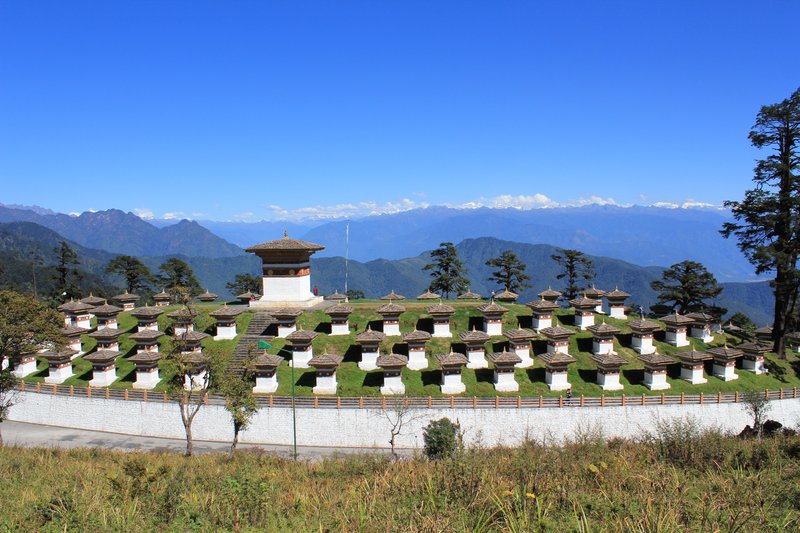
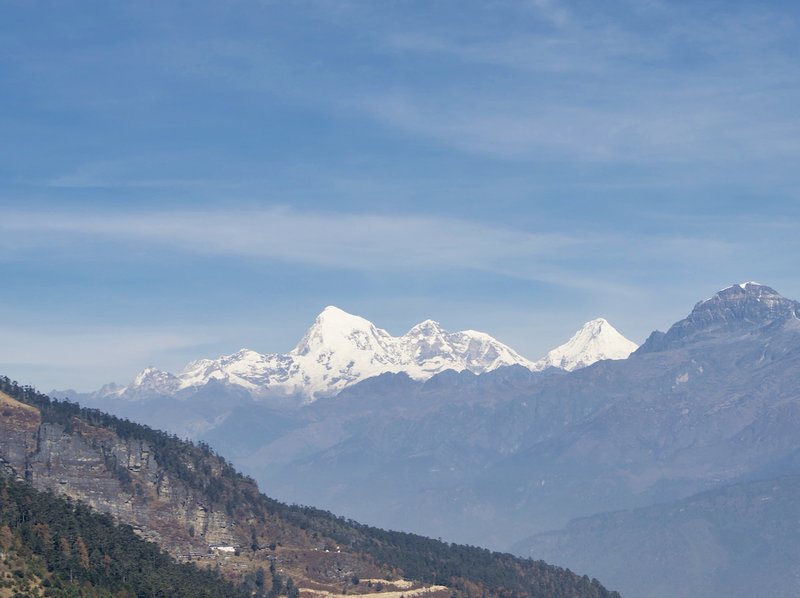
A mountain pass at 3,116m on the Thimphu-Punakha highway, crowned by 108 memorial chortens built to honor soldiers who died in Bhutan's 2003 military operation against insurgents. On clear mornings, Gangkar Puensum at 7,570m and the eastern Himalayan range are visible from the ridge.
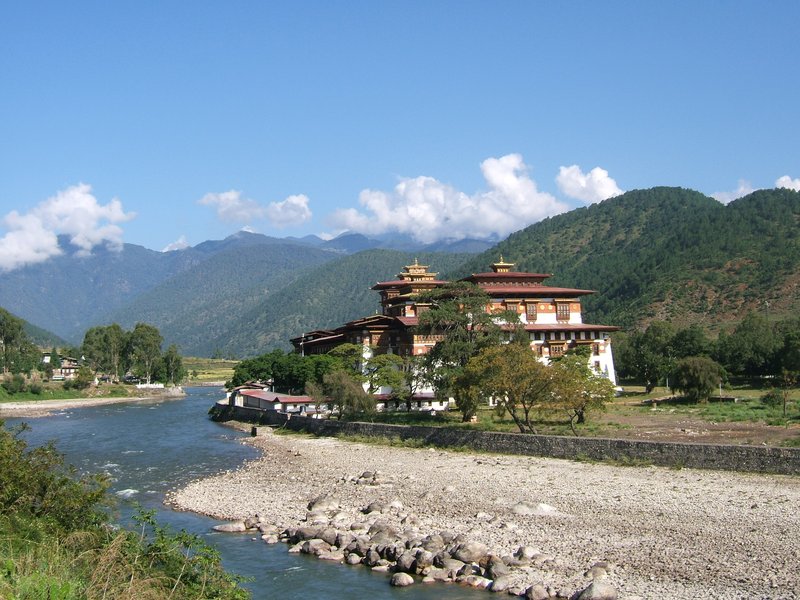
Built at the confluence of the Pho Chhu and Mo Chhu rivers in 1637 and consistently rated the most beautiful dzong in Bhutan. Accessible only across a cantilever bridge, it serves as the winter capital. The interior courtyards reveal gilded temples stacked along the river bend.
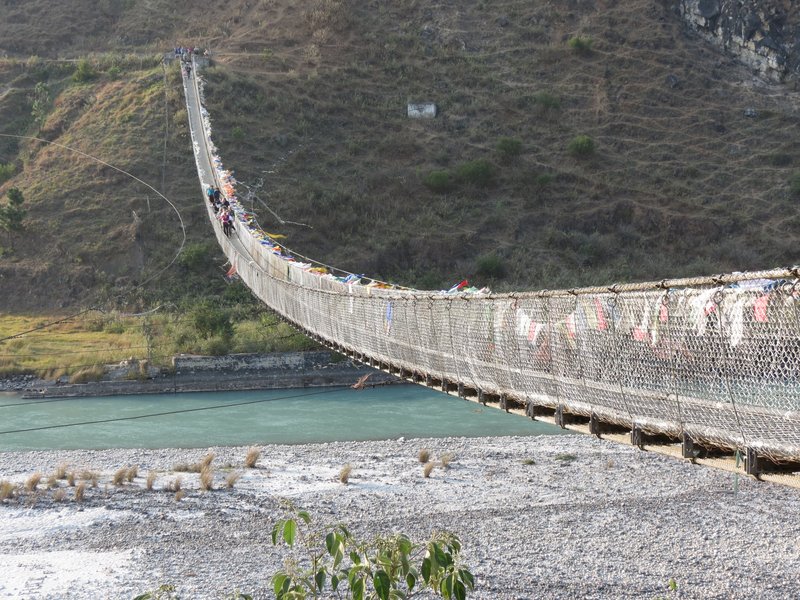
One of Bhutan's longest suspension footbridges at 180 metres, crossing the Pho Chhu river 15 minutes north of Punakha Dzong. The bridge is strung with prayer flags and sways underfoot. River-level views of the forested hills and Himalayan ridgeline extend on both sides.
The highest motorable point in Bhutan at 3,988m on the road between the Paro and Haa valleys. The summit is draped in prayer flags and flanked by dense fir and rhododendron forest. On clear days, Jomolhari at 7,326m fills the northern horizon.
The administrative and religious heart of Paro District, built on a ridge above the valley floor. The dzong is reached across a covered cantilever wooden bridge — the Nyamai Zam — and houses both the district court and the Drukpa Kagyu monastic body. Lower-level courtyards are open to visitors.
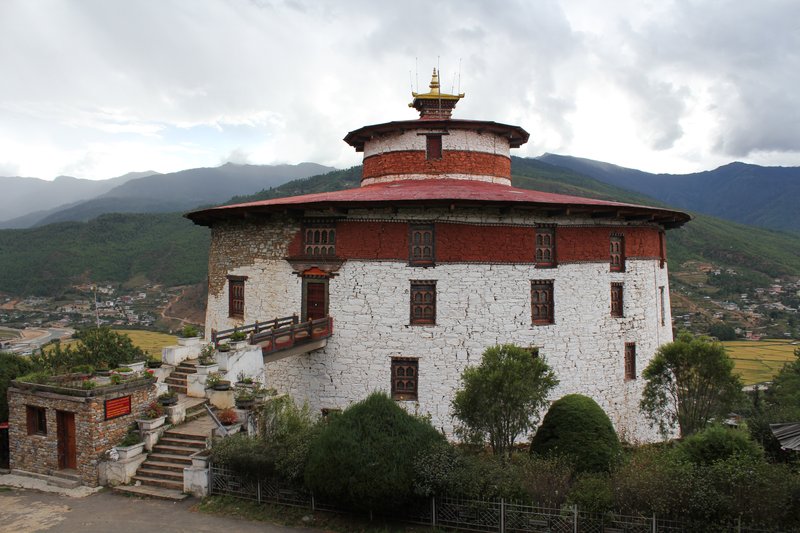
Housed in the Ta Dzong, a circular watchtower built in 1649 above Rinpung Dzong, the national collection spans royal thangkas, ceremonial armour, bronze statues, coins, and stamps across six floors of spiral gallery winding through Bhutanese history from the Drukpa period to the present monarchy.
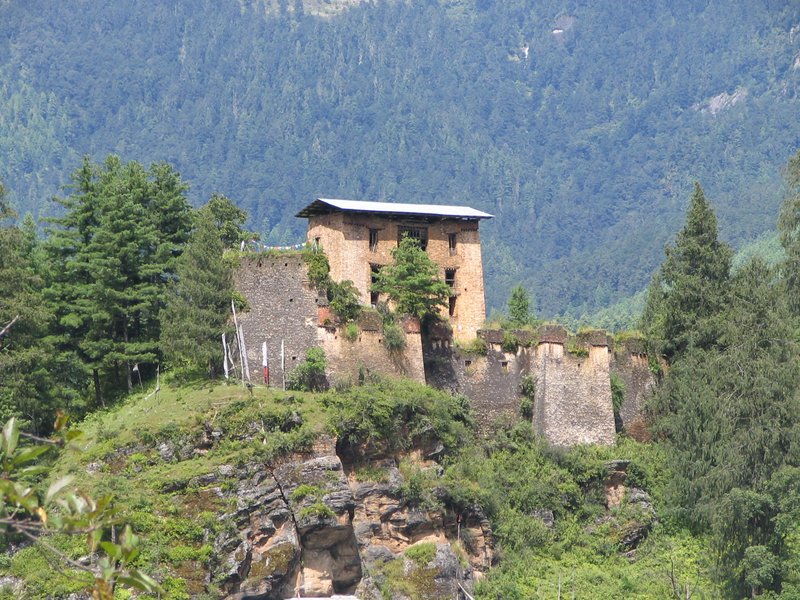
A ruined 17th-century fortress at the head of the upper valley, built in 1649 to mark Bhutan's victory over Tibetan invaders. Destroyed by fire in 1951 and unreconstructed for decades, the ruin commands one of Bhutan's most atmospheric skylines, with Jomolhari visible behind it on clear days.
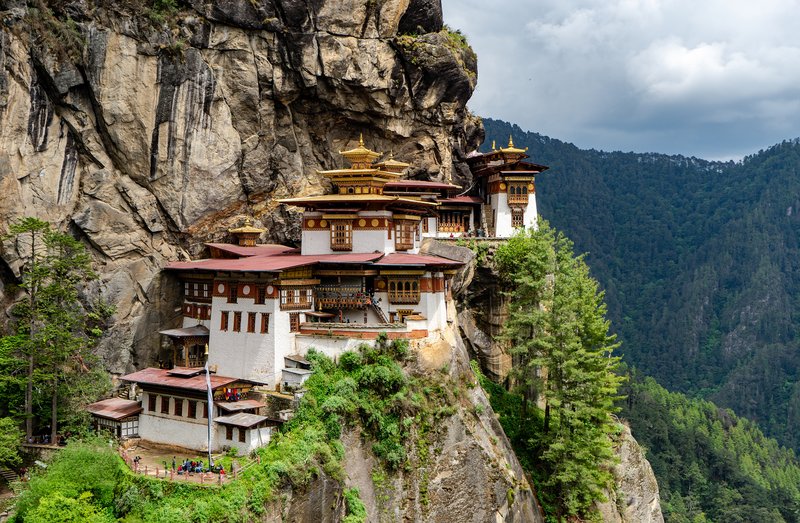
A monastery complex built into a vertical cliff face 900m above the valley — one of the most dramatically situated structures on earth. The trail takes 2-3 hours and climbs through pine forest past waterfalls. A further 30 minutes of descent and re-ascent leads to the monastery entrance.
Bhutan's national dish — whole chili peppers simmered with local datshi cheese until thick and fragrant. Served at almost every meal with red rice. The chili is a vegetable here, not a seasoning.
Steamed or fried dumplings filled with pork, beef, or vegetables, served with a spiced chili dipping sauce. Bhutan's most ubiquitous snack — street stalls compete on the quality of the fold and heat of the sauce.
Sliced potatoes and datshi cheese cooked with dried chili and butter into a thick stew. Milder than ema datshi — the most approachable Bhutanese comfort dish for visitors not accustomed to intense heat.
Pork belly sautéed with dried red chili and sometimes radish. One of the few Bhutanese dishes where the meat carries the main flavour — the dried chili adds fragrance rather than heat.
Foreign number: accepted. — the sign-up number carries a full worldwide prefix list rather than a Bhutan-only one, and Google sign-in skips the code altogether.
Bhutan's leading delivery platform; strongest coverage in Thimphu with more limited reach in the Paro valley.
Foreign number: accepted. — the sign-up form carries an open country-code selector and the account is made with an email and password, so no SMS code has to arrive.
Bhutan's primary ride-hailing app covering Paro and Thimphu; the main option for visitors and foreign numbers sign up without issue.
The 108 chortens at Dochula Pass are simultaneously a battle memorial and a sacred monument. Queen Mother Ashi Dorji Wangmo Wangchuck commissioned them after Operation All Clear in 2003 — a military campaign that cleared ULFA insurgents who had established camps in southern Bhutan. The number 108 is sacred in Buddhism, but this particular hilltop is rooted in a specific military history most visitors don't know when they stop to photograph it.
Every dzong in Bhutan follows a formula that Simtokha Dzong established in 1629: an outer defensive wall, an inner courtyard with the monastic quarters on one side and the administrative offices on the other, and a central tower housing the main shrine. The political arrangement this encodes — monastery and government in the same building — defined Bhutanese statehood for four centuries and is still visible in Tashichho Dzong today, where the king's offices and the monastic body remain in the same compound.
Bhutan's high-value, low-volume tourism model — licensed guide required, minimum daily spend, no independent travel — is directly connected to the quality of the experience on the ground. No queue at the bridge, no ticket booth at the chortens, no crowds at the ruins. The government policy that limits tourist numbers and the traveler's experience of unhurried access are the same policy, and that relationship is unusual enough to be worth noticing.