BIG ISLAND
Waikoloa Beach Marriott Resort & Spa
United States
TRIP OVERVIEW
Day 1 – Ka Lae · Papakolea Green Sand Beach · Punaluʻu Black Sand Beach
Day 2 – Puako Petroglyph Preserve · Kīholo Bay · Manta Ray Night Snorkel
Day 3 – Hawaiʻi Volcanoes National Park · Rainbow Falls · Akaka Falls State Park · Mauna Kea
Day 4 – Kealakekua Bay · Puʻuhonua o Hōnaunau National Historical Park
Day 5 – Waipiʻo Valley Lookout · Pololu Valley Lookout · Moʻokini Heiau · Lapakahi State Historical Park
Day 6 – Ahu'ena Heiau · Hulihe'e Palace · Holualoa Village
Day 1
1.
Ka Lae
~1 hr
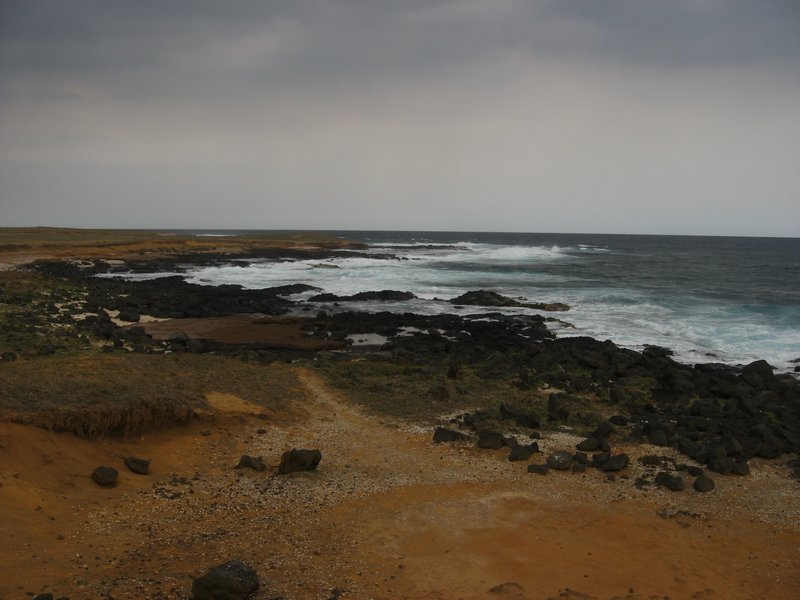
The southernmost point in the United States, where the Pacific extends unbroken to Antarctica. Ancient Hawaiians established one of their earliest settlements here — canoe mooring holes are still carved into the lava rocks at the water's edge. The cliffs drop sheer into deep-blue water that turns jade green in the shallows. The trade winds are constant and relentless.
2.
Papakolea Green Sand Beach
~1 hr 30 min
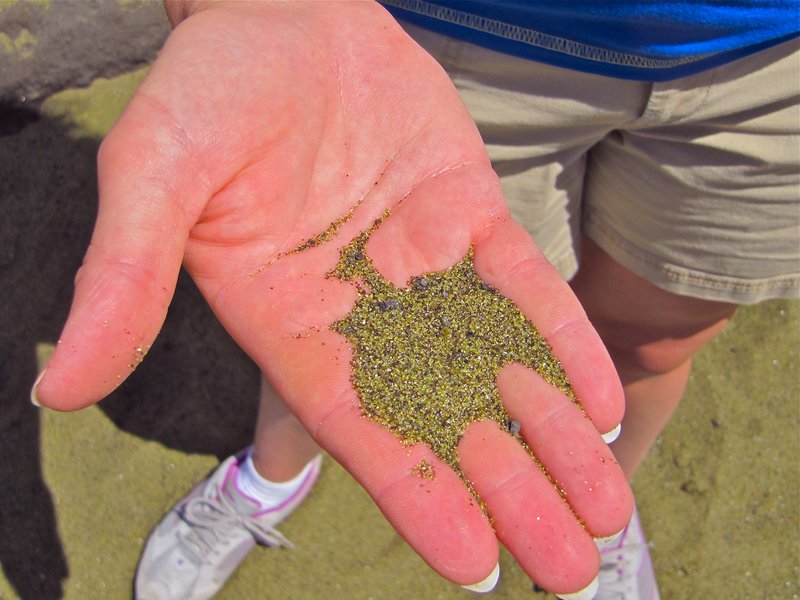
One of very few green sand beaches in the world — its color comes from olivine crystals eroded from the walls of a cinder cone above the bay. The beach sits in a half-sheltered cove below ochre sea cliffs. Reached by a 5-mile round-trip walk from the Ka Lae parking area, or by informal jeep shuttles that operate from the lot.
Open 24/7
Access via 5-mile RT walk from Ka Lae parking, or informal local jeep shuttles from the lot
75 min walk
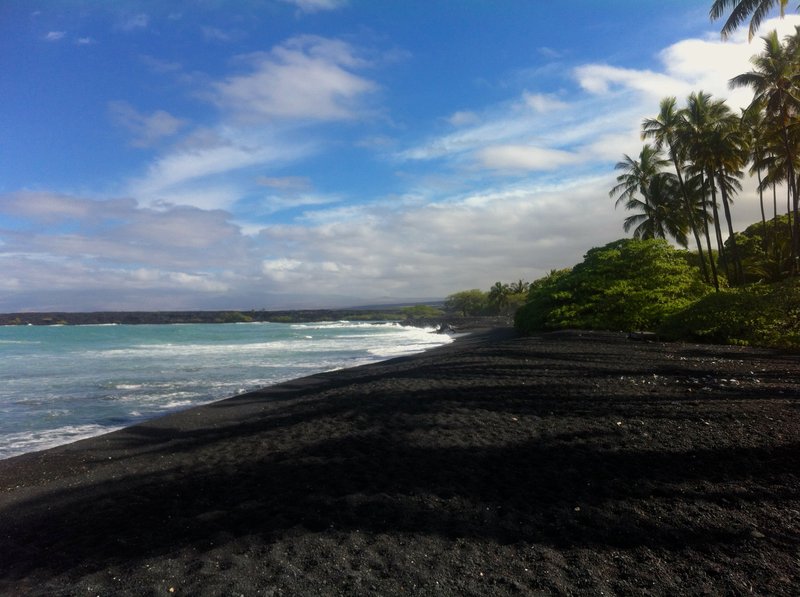
3. Punaluʻu Black Sand Beach~45 min
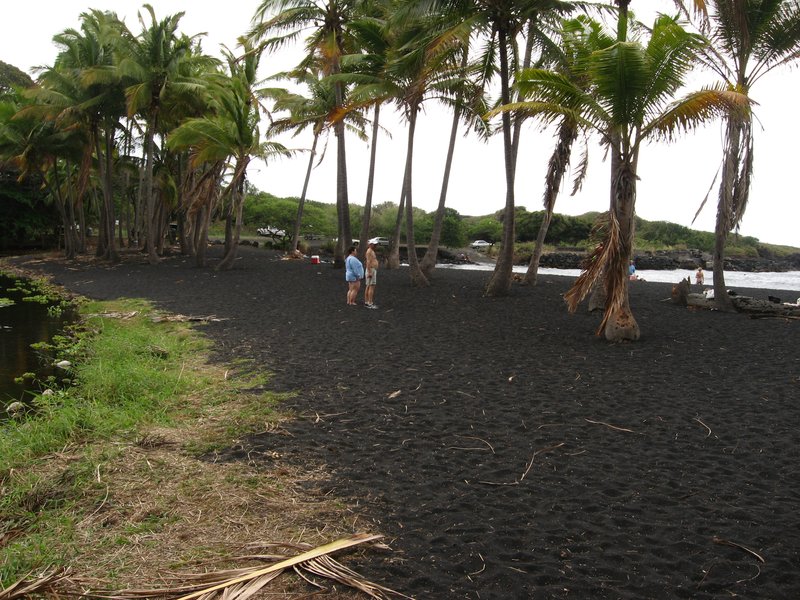
One of the most striking beaches on earth — jet-black volcanic sand formed when lava shatters on contact with the ocean. Hawaiian green sea turtles haul out to bask on the warm black sand throughout the day. You can stand three feet away from an endangered species sunbathing on a beach that shouldn't exist.
Open 24/7
Day 2
1.
Puako Petroglyph Preserve
~1 hr
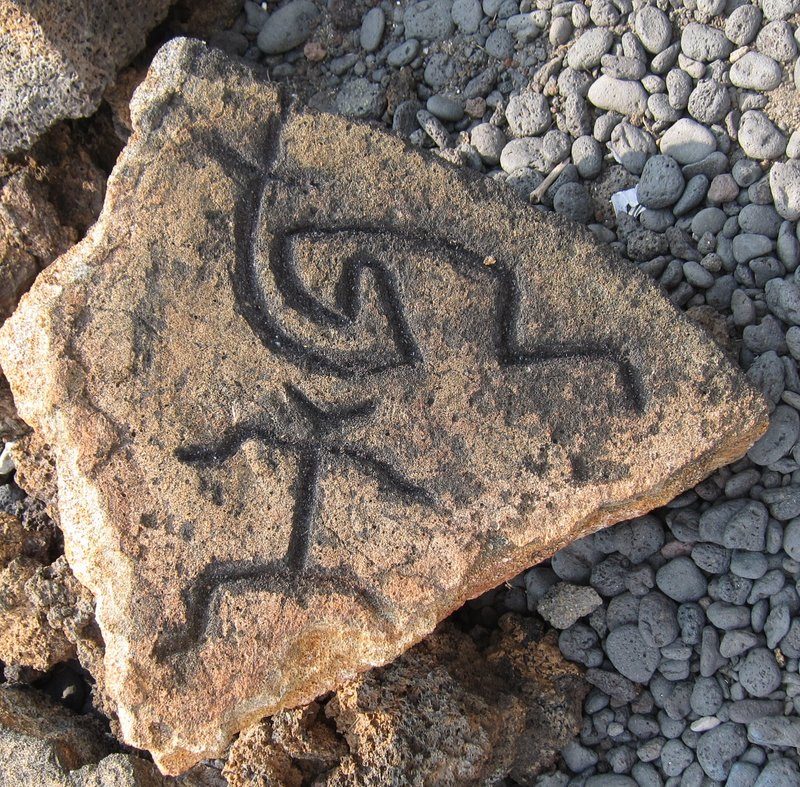
One of the most extensive accessible petroglyph fields in Hawaii, with approximately 3,000 images carved into smooth pāhoehoe lava. Human figures, canoes, and religious symbols cover the rock surface — the oldest predate 1500. A 1.4-mile round-trip boardwalk trail leads through dry lava to the field.
2.
Kīholo Bay
~1 hr 30 min
A remote bay reached by a short walk across ʻaʻā lava from the highway. The brackish Wainanalii Pond — fed by underground freshwater springs mixing with seawater — draws green sea turtles that rest in the warm shallows. The 1859 Mauna Loa lava flow encircled the bay, creating a landscape of black lava meeting turquoise water.
Daily 7:00am - 7:00pm
Free
Park at the Hwy 19 pullout near mile marker 82–83; short trail across lava leads to the bay
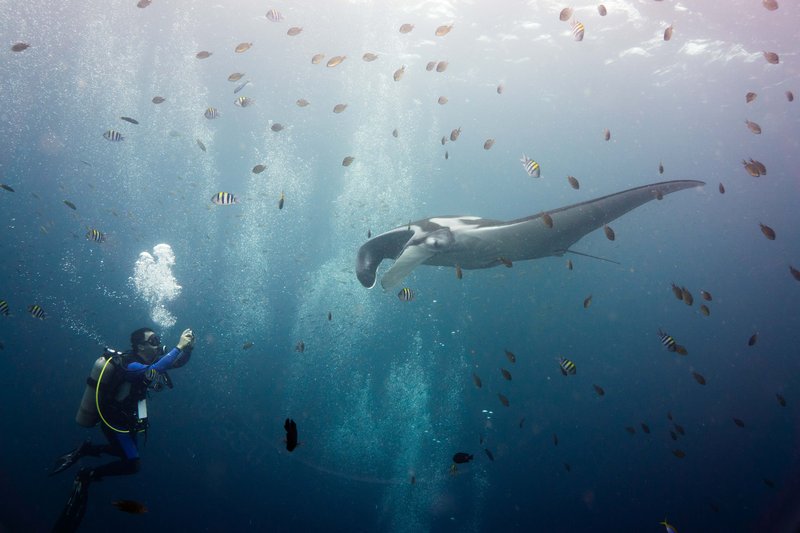
3. Manta Ray Night Snorkel~2 hr 30 min
The Kona coast is one of the only places on Earth where giant Pacific manta rays gather every night without fail. Snorkelers float on the surface holding lit boards; the rays — up to 14-foot wingspans — spiral up through the light column inches below your face. One of the great wildlife encounters on the planet.
Daily 5:00pm - 9:00pm
Day 3
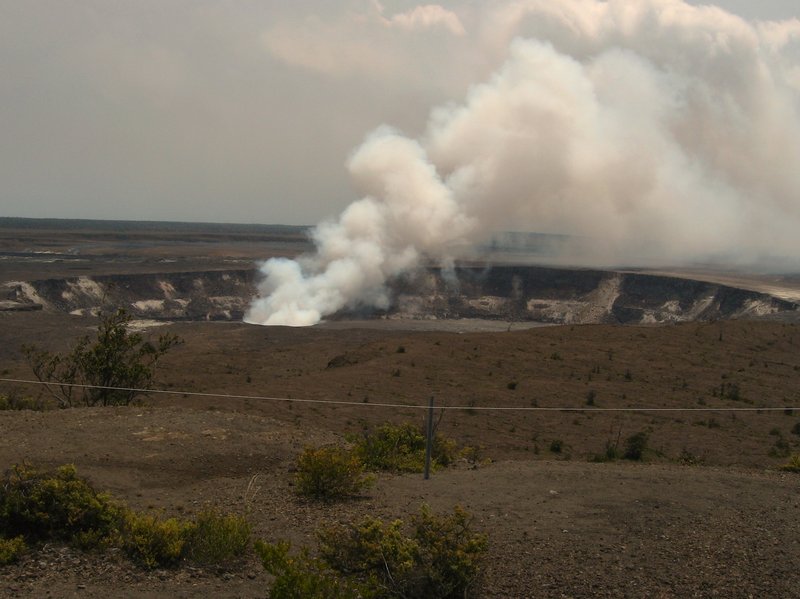
1. Hawaiʻi Volcanoes National Park~4 hr
Home to two of the world's most active volcanoes. Walk the rim of Halemaʻumaʻu Crater, descend into the Thurston Lava Tube, and drive the Chain of Craters Road to where lava flows swallowed entire highways and met the sea. No other national park puts you this close to a live volcano.
Open 24/7
Kīlauea Visitor Center closed for renovation. Temporary Welcome Center at Kīlauea Military Camp open 9:00am - 4:45pm.
Enclosed space
2.
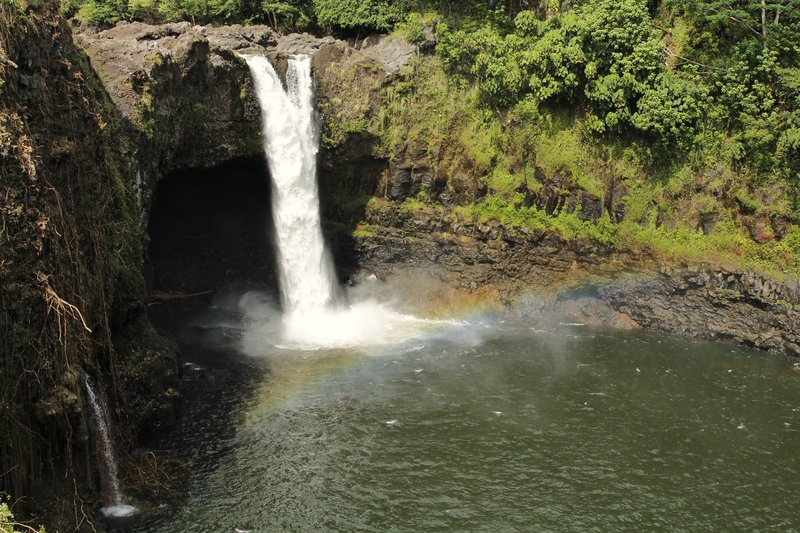
Rainbow Falls
~30 min
A waterfall in Hilo within the Wailuku River State Recreation Area. The falls drop 80 feet over a natural lava cave. The viewing platform is directly above the cave opening, with the full drop visible from a single vantage point.
3.
Akaka Falls State Park
~1 hr
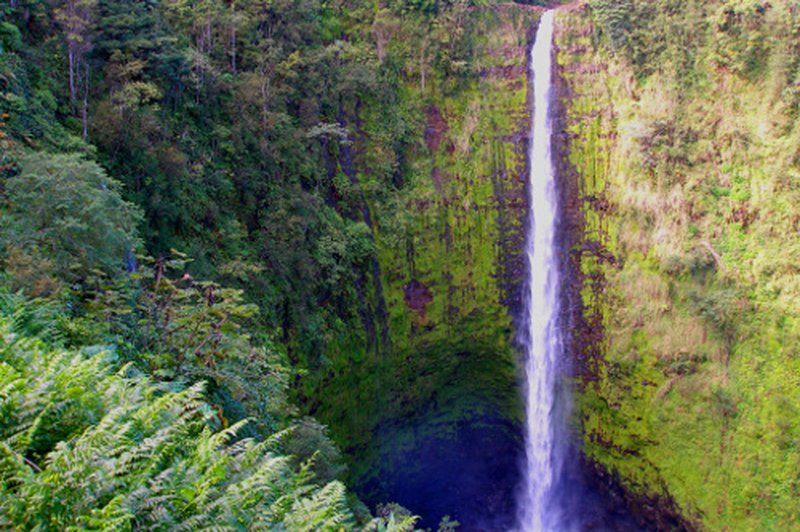
A state park near Honomu on the Hamakua Coast. ʻAkaka Falls drops 442 feet straight into a gorge. A 0.4-mile loop trail through bamboo and tropical vegetation leads to the falls overlook.
Daily 8:00am - 5:00pm
4. Mauna Kea~2 hr 30 min
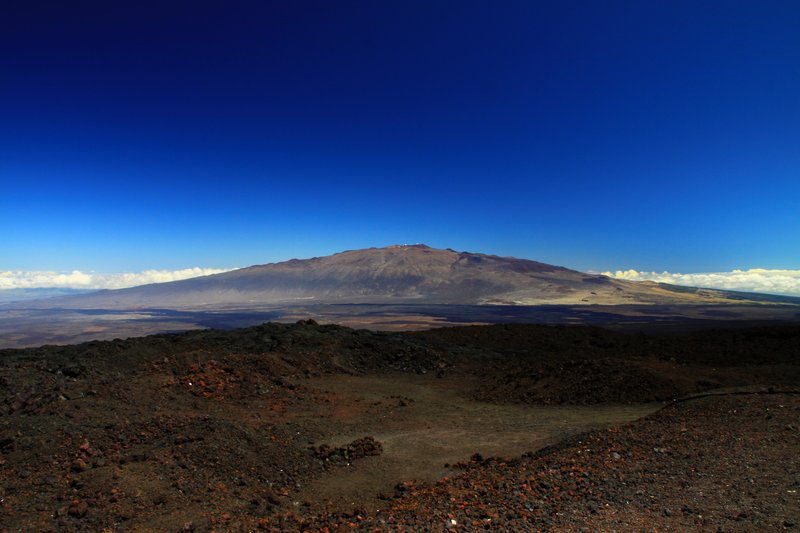
The summit of Mauna Kea rises above 40% of the Earth's atmosphere — 13 international observatories operate here. The free Visitor Information Station at 9,200 feet stays open until 9:00pm nightly for a laser sky tour. The Milky Way from here is genuinely overwhelming.
Daily 9:00am - 9:00pm
Free
Children under 13 and pregnant women should not visit above 9,200 ft due to altitude. Allow 30 min to acclimatize at the VIS before proceeding to the summit.
Day 4
1. Kealakekua Bay~3 hr
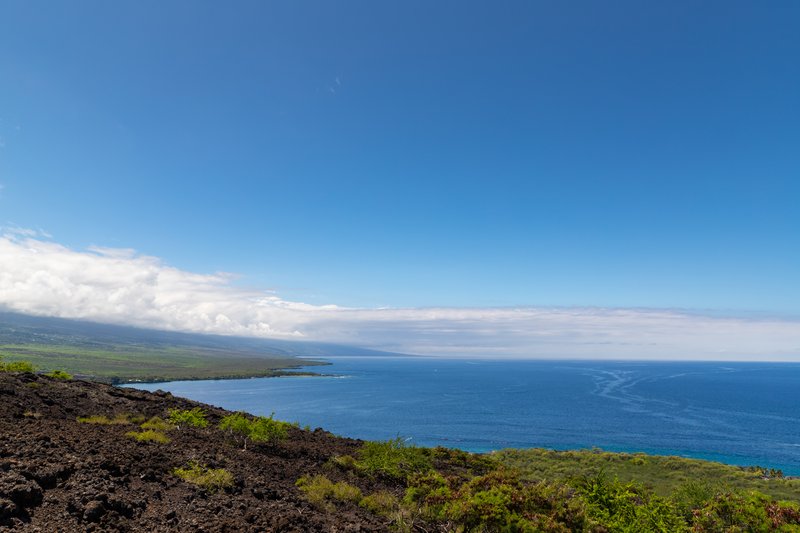
A marine conservation district where visibility reaches 100 feet and coral gardens host spinner dolphins, sea turtles, and tropical fish. The white obelisk at Kaʻawaloa Cove marks where Captain Cook was killed. A small-group boat tour anchors above the best reef in Hawaii.
Daily 7:00am - 12:00pm
2. Puʻuhonua o Hōnaunau National Historical Park~1 hr 30 min
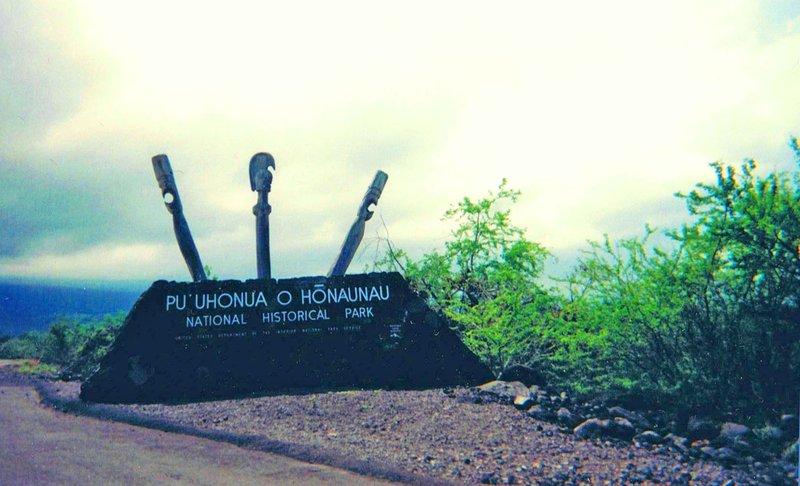
A sacred Hawaiian place of refuge where warriors defeated in battle and kapu violators could reach this sanctuary and be absolved. The Great Wall — ten feet high, seventeen feet thick — still stands. Reconstructed thatched houses and carved god figures face the sea. The most powerful historical site in Hawaii.
Day 5
1.
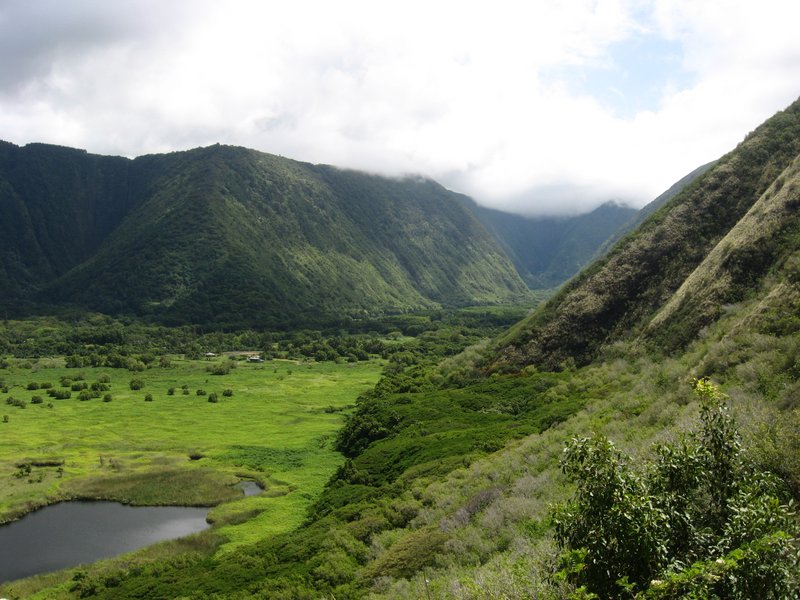
Waipiʻo Valley Lookout
~30 min
An overlook at the rim of Waipiʻo Valley on the Hamakua Coast. The valley is approximately 1 mile wide and 6 miles deep, carved by the Wailoa River. The valley floor is accessible only by 4WD vehicle or guided tour — the lookout at the top provides the full panorama.
Open 24/7
Valley floor descent requires 4WD or guided tour — lookout access only from the top
Heights
2.
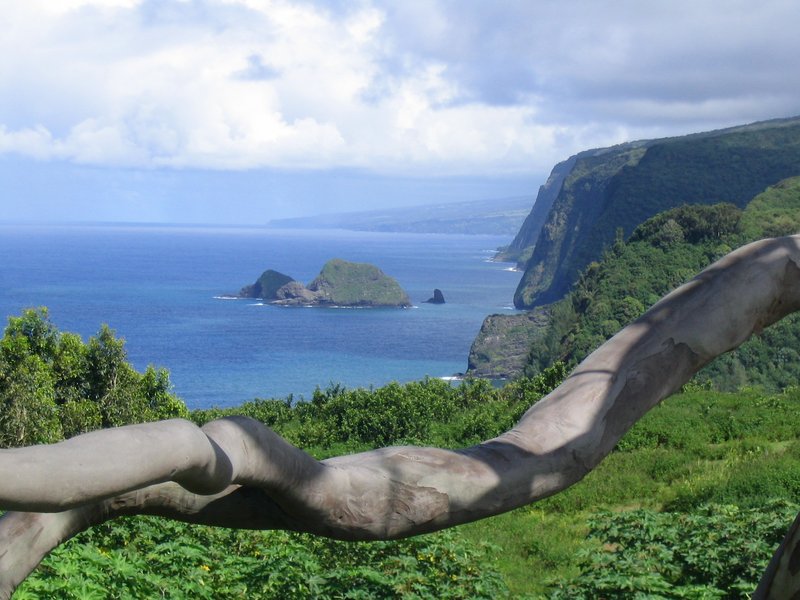
Pololu Valley Lookout
~30 min
An overlook at the northern end of the Kohala Coast, at the terminus of Highway 270. The valley was once farmed for taro. A steep trail leads down to the black sand beach below, approximately a 20-minute descent on foot.
3.
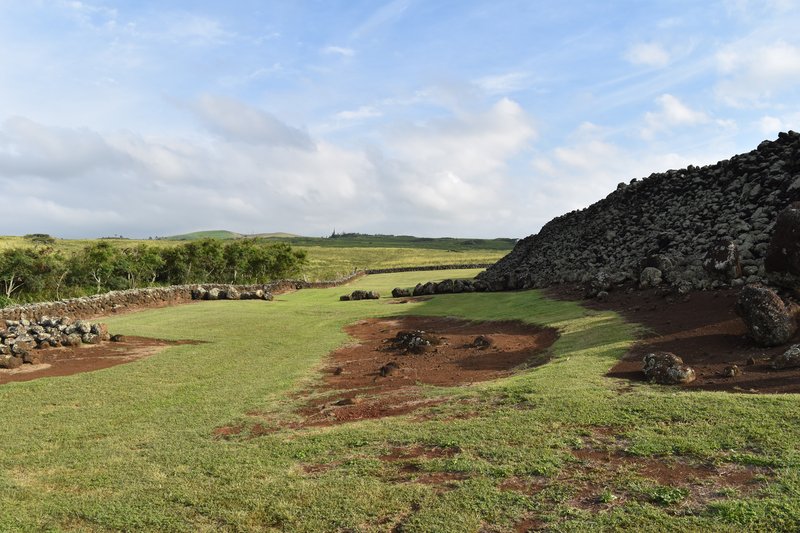
Moʻokini Heiau
~1 hr 30 min
One of the oldest and most sacred heiau in Hawaii, established in the 5th century CE according to oral tradition and rebuilt in the 13th century. The massive enclosure walls stand up to 30 feet tall. The birthplace of Kamehameha the Great — marked by a low stone monument — is a short walk from the entrance. The site is remote and almost always uncrowded.
Daily 9:00am - 8:00pm
Free
Closed every Wednesday
Last 1.5 miles via unpaved Upolu Airport Road — passable for most vehicles in dry conditions
4.
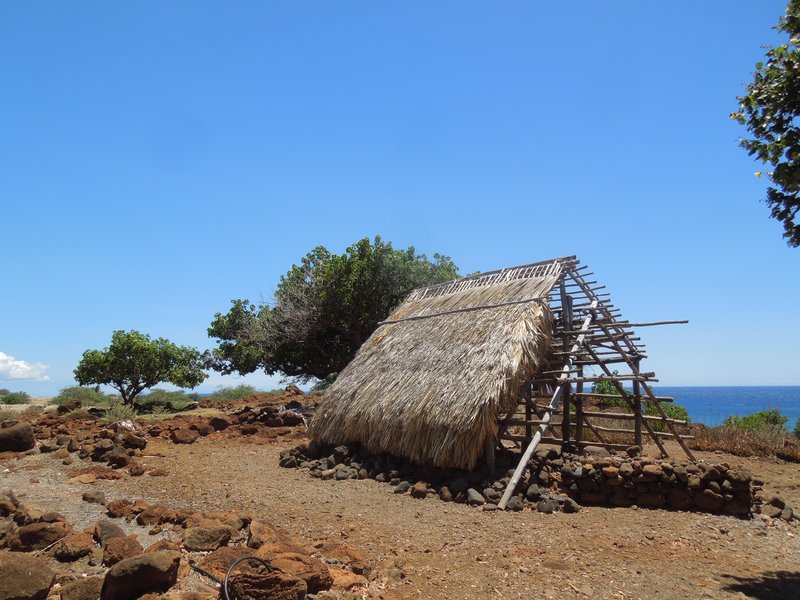
Lapakahi State Historical Park
~1 hr
The ruins of a 600-year-old Hawaiian fishing village on the North Kohala coast, among the best-preserved ancient coastal settlements on the island. Stone foundations, canoe sheds, salt pans, and an ancient konane game board have been partially restored along the shoreline. A self-guided trail with numbered markers runs 1 mile through the site.
Daily 8:00am - 4:00pm
Day 6
1.
Ahu'ena Heiau
~45 min
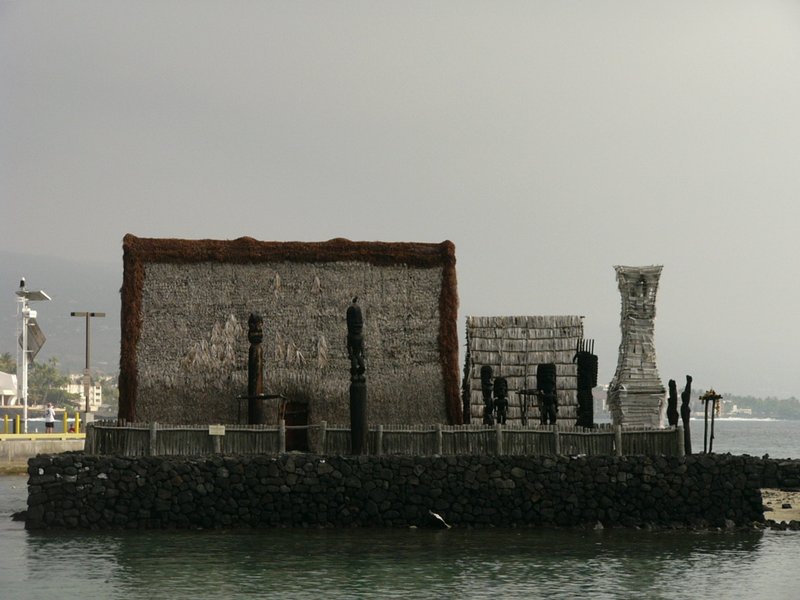
King Kamehameha I rebuilt this heiau in 1813 on a small island in Kailua Bay, dedicating it to the god Lono. Three structures stood here — Hale Mana, Hale Pahu, and the ʻAnuʻu oracle tower — the tallest figure incorporates a golden plover, associated with early Polynesian navigation. Kamehameha died nearby in 1819. The platform is restricted but viewable from Kailua Pier.
2.
Hulihe'e Palace
~1 hr
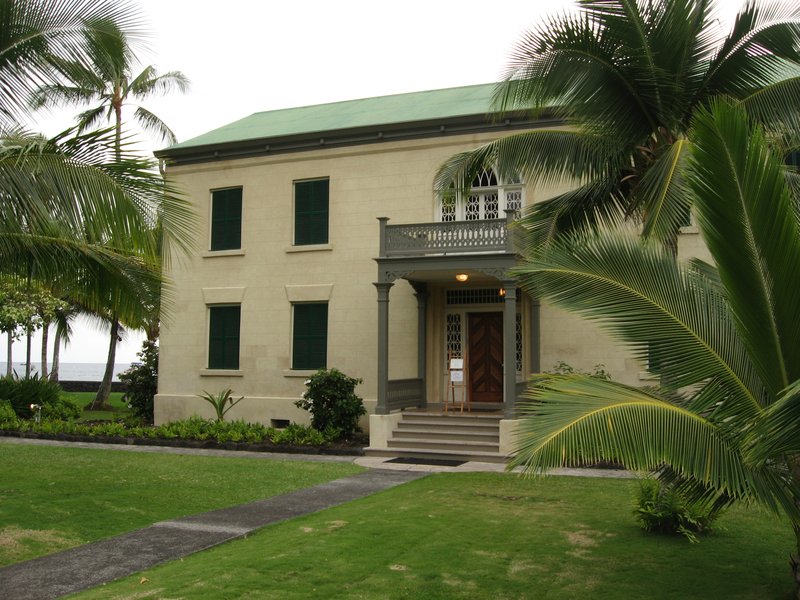
Built in 1838 by Governor John Adams Kuakini, the palace served as a vacation retreat for Hawaiian royalty, most notably King Kalākaua and Queen Kapiʻolani. The Daughters of Hawaiʻi have operated it as a museum since 1927, displaying Victorian furnishings, royal artifacts, and Hawaiian koa wood pieces. The building sits on Ali'i Drive on the Kailua-Kona waterfront.
Wednesday - Saturday 10:00am - 3:00pm
Closed Sunday, Monday & Tuesday
3.
Holualoa Village
~2 hr
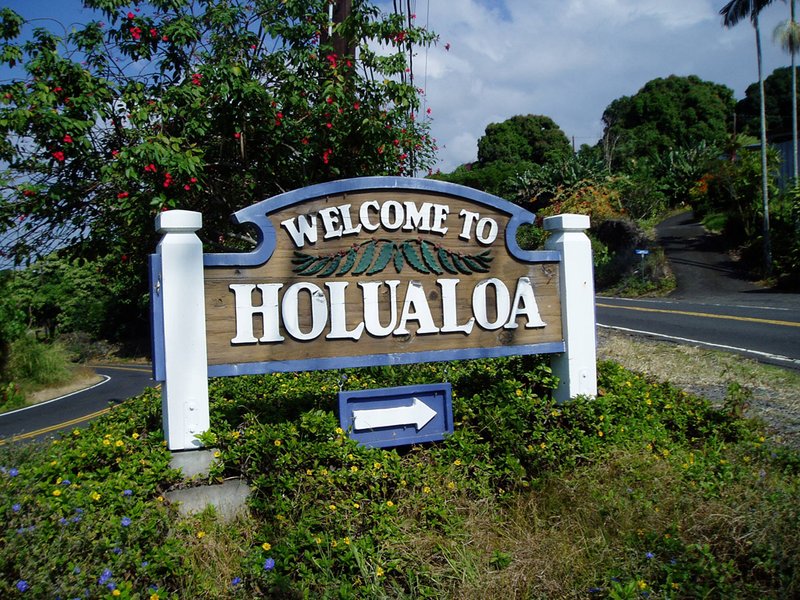
A small upland community in the Kona coffee belt where working coffee farms and art galleries share the same two-lane main road. The art scene has occupied former storefronts along Mamalahoa Highway since the 1960s; farms including UCC Hawaii offer walk-in tours during morning hours. Cloud cover rolls in by early afternoon — mornings give clearer views.
Tours
Viator
Sunset and after-dark snorkel above the Kona cleaning stations where giant Pacific manta rays spiral through lit water. One of the world's elite wildlife encounters. Gear included.
2 hr 30 min · Small group
Small-group guided ascent to the Mauna Kea summit for sunset and stargazing. 4WD vehicle provided, warm parkas loaned at the summit. Telescopes on-site after dark.
8 hr · Small group
Small-group boat tour to the Captain Cook Monument and the marine conservation district at Kaʻawaloa Cove. Snorkel gear and light refreshments included.
3 hr · Small group
Full-day guided experience to Mauna Kea's summit including sunset, astrophotography session, and post-sunset telescope viewing. Parkas, gloves, and 4WD vehicle provided.
7 hr · Small group
Guided night snorkel with giant manta rays at their natural cleaning station. Small group, all equipment provided, departs from Kailua Bay.
2 hr 30 min · Small group
GetYourGuide
Full-day guided circuit: Hawaiʻi Volcanoes National Park, Punaluʻu Black Sand Beach, a Kona coffee farm tasting, and open-sky stargazing near Mauna Kea. Dinner included..
12 hr · Small group
↔
Evening boat to the Kona cleaning stations where giant Pacific mantas spiral through lit water. Small group, all snorkel gear provided. One of the world's premier wildlife encounters.
2 hr 30 min · Small group
Snorkel after dark above the world-famous Kona manta ray cleaning station. Floatboards provided so you can hover at the surface and watch the mantas rise from below. All gear included.
2 hr · Small group
Doors-on or doors-off helicopter over the Hualalai volcano, Kona coffee belt, and the Kohala Coast. Aerial views of lava flows, sea cliffs, and the resort strip. Departs Kona Airport.
45 min · 6
Small-group eco-raft at dusk to the Kona manta feeding grounds. Reef-safe sunscreen required, naturalist guide narrates. Hot chocolate served on board after the dive.
2 hr 30 min · Small group
Restaurants Near Hotel
Hualalai Grille · 4.0 · 92+ reviews
Steakhouse with Big Island beef and cocktails by the pool. Tyler Florence menu.
Daily 5:30pm - 8:30pm
Downtown Restaurants
Kai Eats + Drinks · 4.4 · 716+ reviews
Neapolitan-style pizzas and coastal Italian cooking, oceanfront on Ali'i Drive.
Monday - Friday 12:00pm - 9:00pm · Saturday - Sunday 9:00am - 9:00pm
Kona Brewing Co. · 4.1 · 2500+ reviews
Pioneer craft brewery since 1994. Open-air pub with handcrafted pizzas and ales.
Daily 11:00am - 9:00pm
Broke da Mouth Grindz · 4.5 · 600+ reviews
Local Hawaiian-Filipino-Korean plate lunch spot with garlic furikake chicken.
Tuesday - Sunday 10:30am - 3:00pm
Closed Monday
Big Island Grill · 4.3 · 1200+ reviews
Old-school Kona diner with enormous Hawaiian plate lunches at honest prices.
Daily 7:00am - 9:00pm
Chefs & Table · 4.7 · 180+ reviews
Intimate modern Hawaiian tasting menu. The most refined table in Kailua-Kona.
Tuesday - Saturday 5:30pm - 9:00pm
Closed Sunday & Monday
Local Tastes
Poke
The original Hawaiian preparation: raw ahi tuna with sea salt, roasted kukui nut, seaweed, and soy. Kona's poke comes from fish caught that morning — a completely different product from mainland versions.
Kona Coffee
Grown on Mauna Loa's volcanic slopes between 800 and 2,500 feet, Kona coffee produces a delicate, low-acidity cup prized worldwide. Hand-harvested from small farms along Hwy 11.
Plate Lunch
The quintessential Hawaiian working lunch: two scoops of white rice, mac salad, and kalua pork, teriyaki beef, or chicken katsu. Born on the plantation when Japanese, Filipino, and Korean laborers shared food.
Loco Moco
Invented in Hilo: a bowl of white rice topped with a hamburger patty, a fried egg, and brown gravy. Pure comfort food that became a statewide institution. The Big Island is its birthplace.
Food Delivery
Uber Eats
Foreign number: accepted. — it runs on the same Uber account as the ride app, so no second code has to arrive.
Thin once you leave Kailua-Kona or Hilo — the Kohala Coast resort strip has almost no listings and delivery windows stretch badly outside the two towns. Useful for a Kona evening, not something to plan a night around.
DoorDash
Foreign number: not accepted. — a US mobile number is required to complete sign-up.
Wider Big Island coverage than Uber Eats, particularly on the Hilo side, and the one worth having if you are staying away from Kailua-Kona. Still sparse by mainland standards — expect a short restaurant list and long windows outside peak hours.
Shows, Performances & Concerts
Island Breeze Luau at Royal Kona Resort
Traditional Hawaiian luau — imu ceremony, island feast, and Polynesian revue spanning Hawaiian, Tahitian, Samoan, and Maori dance traditions.
Getting Around
Uber
Foreign number: accepted. — the sign-up form takes any country dialling code, and Google, Apple or email sign-in skips the SMS code entirely.
Uber works reliably on the Kona side of the island; availability on the Hilo side is thinner and waits can be long — have a rental car as a backup for east-coast days.
Pickleball
Old Kona Airport State Recreation Area · Outdoor
9 outdoor courts at the old airport state recreation area next to the beach
Monday 8:00am - 12:00pm · Wednesday 8:00am - 12:00pm · Friday 8:00am - 12:00pm · Saturday 9:00am - 1:00pm
Closed Tuesday, Thursday & Sunday
Worth Knowing
On the Big Island
The Big Island is the only place on Earth where you can stand on an actively erupting volcano in the morning, swim beside an endangered species on a black sand beach in the afternoon, and lock eyes with a 14-foot manta ray spiraling through lit water at night.
Day 2 makes the case even more directly: a 3,500-year-old sanctuary still standing at the sea's edge, the finest reef snorkel in Hawaii in a bay where history ended for a famous explorer, and then the clearest sky on the planet two miles above sea level after dark. Most islands give you one or two of these. The Big Island gives you all of them in 48 hours.
Also on this site