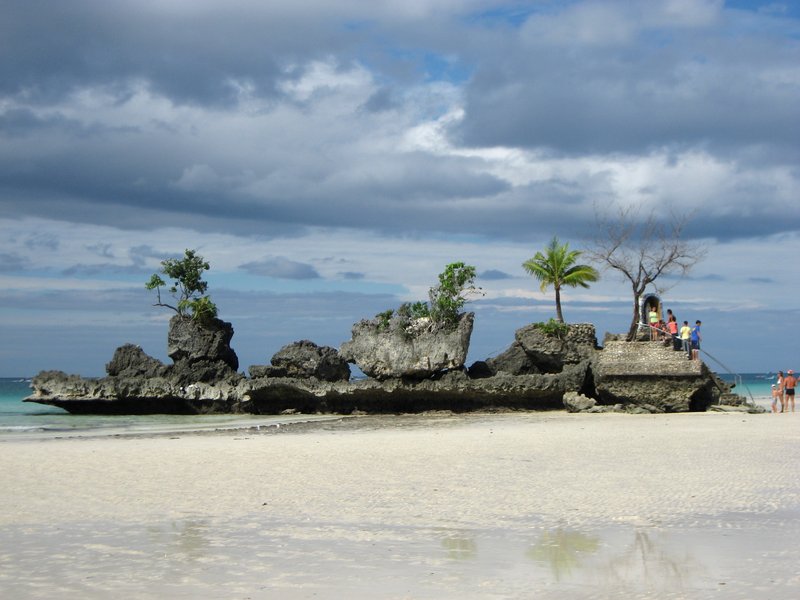
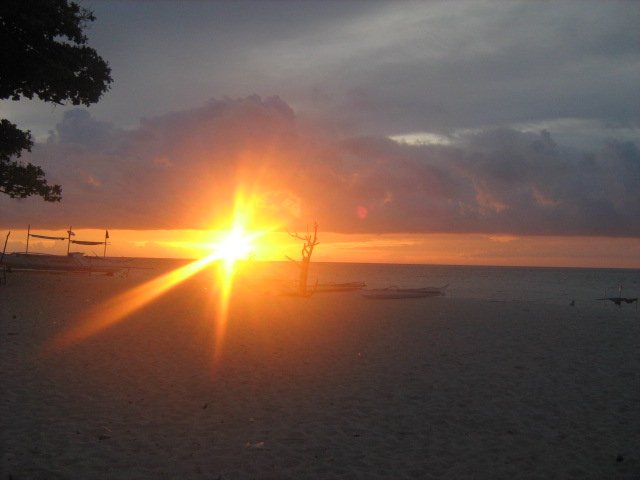
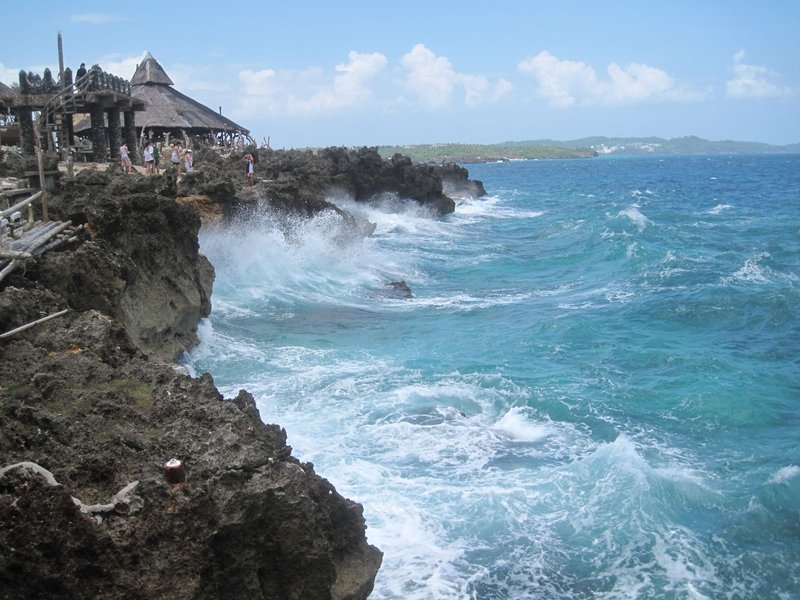
A volcanic outcrop rising from the sand at the north end of White Beach, topped with a small shrine to the Virgin Mary reached by a short flight of steps cut into the rock. Named for the neighboring Willy's Beach Club, it is Boracay's most photographed spot, especially at sunset when the tide is low enough to wade straight out to it.
A small cove tucked around the headland just north of Station 1, reached along a footpath that climbs over the rocks at the tip of White Beach. The sand is finer and the water calmer than the main beach, and a handful of low-key resorts and restaurants are built into the slope above the shore rather than lining a boardwalk.
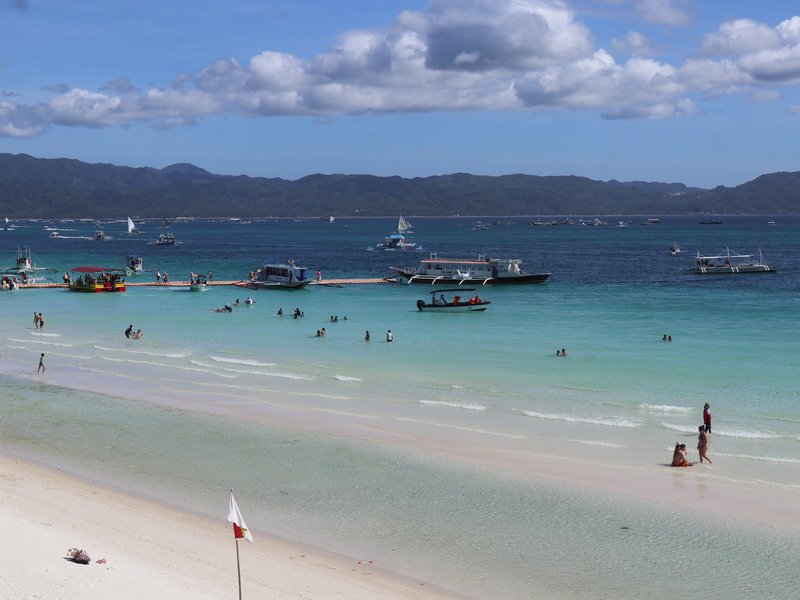
A beachfront launch in front of Astoria Boracay where speedboats ferry visitors out to a floating platform for two of the island's signature watersports: a 15-minute parasail flight above the coastline, and a helmet dive that walks non-swimmers across the sea floor in an air-fed diving helmet without getting their hair wet.
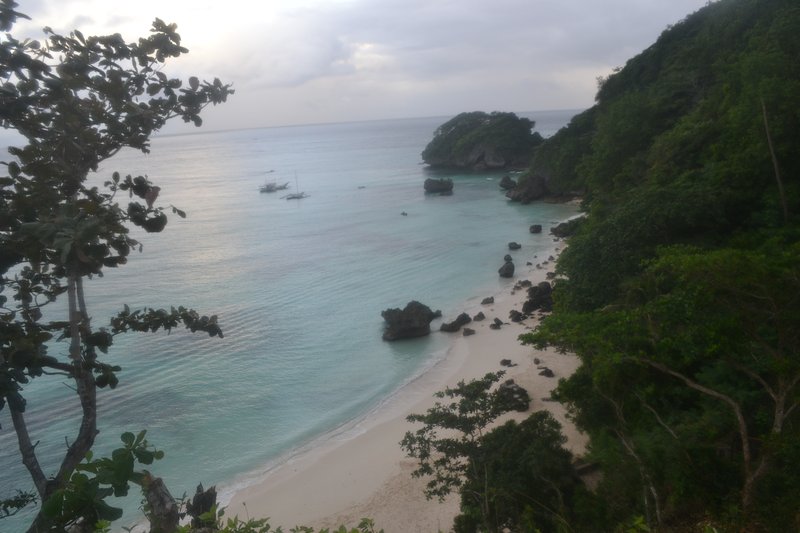
A small, sheltered cove on Boracay's northwest coast, reached down a steep wooded path that drops from the coastal road to a strip of pale sand ringed by limestone cliffs. The water stays calm and clear through most of the year, and the beach draws a fraction of White Beach's crowds even in high season.
Boracay's second-longest beach, stretching along the island's northern tip. Originally called Yapak Beach, it took its current name from the puka shells that wash up on its coarser, shell-flecked sand. The water runs deeper and the current stronger than at White Beach, and the beach is backed by a thin band of forest rather than a resort strip.
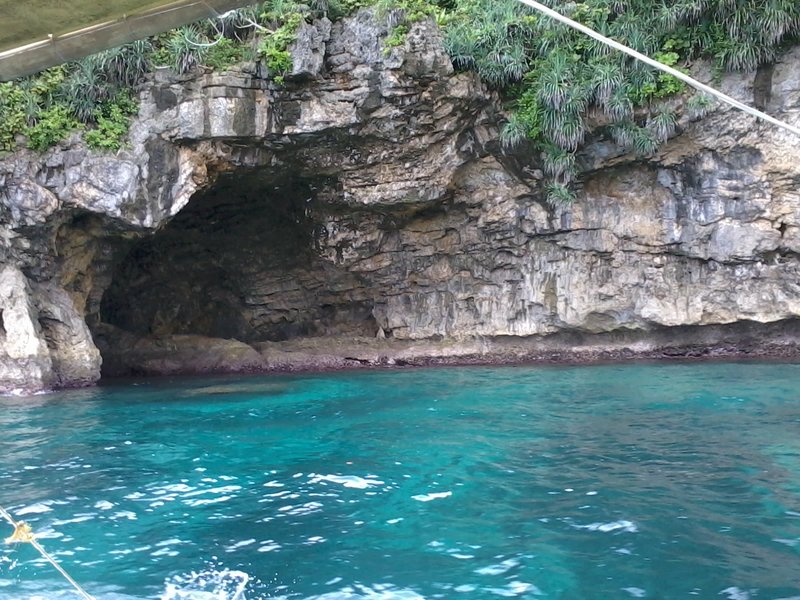
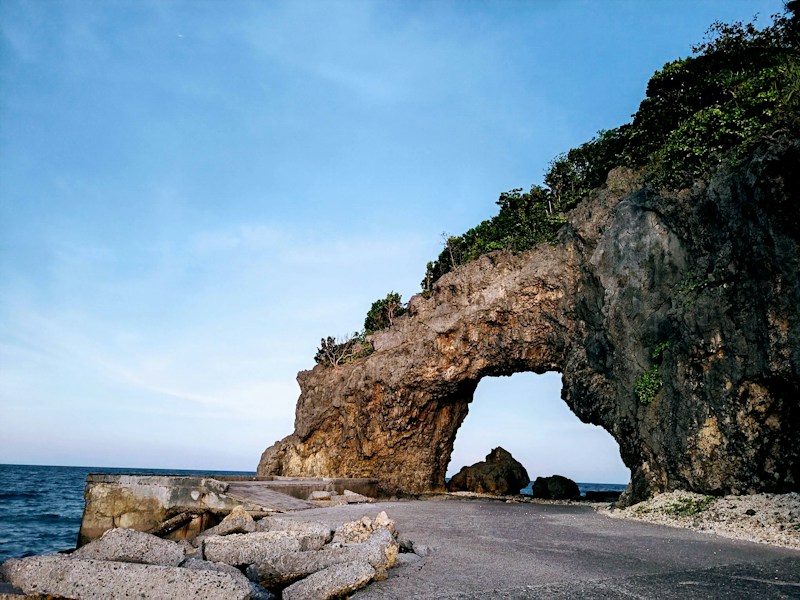
An undeveloped beach on the island's northeast coast, backed by a strip of forest and a run of small limestone coves and caves cut into the cliff. It sees a fraction of White Beach's traffic, has no built-up resort front, and is the closest thing left to how Boracay looked before mainstream tourism arrived.
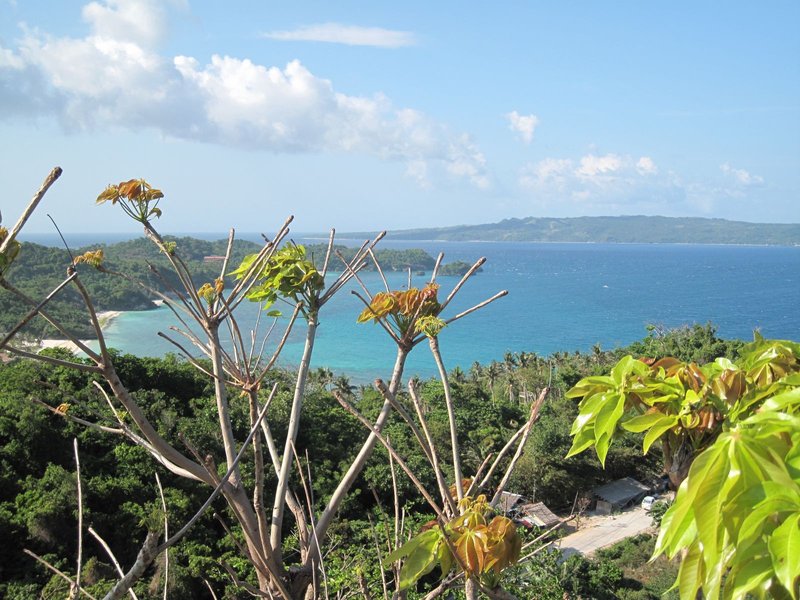
Boracay's highest point at 92 meters, and the only spot on the island with a full 360-degree view — the length of White Beach to the west, Bulabog Beach and the Sibuyan Sea to the east, and on a clear day the outline of Panay across the water. A short paved path leads up from the parking area to the deck; tricycles and ATV tours also run to the top.
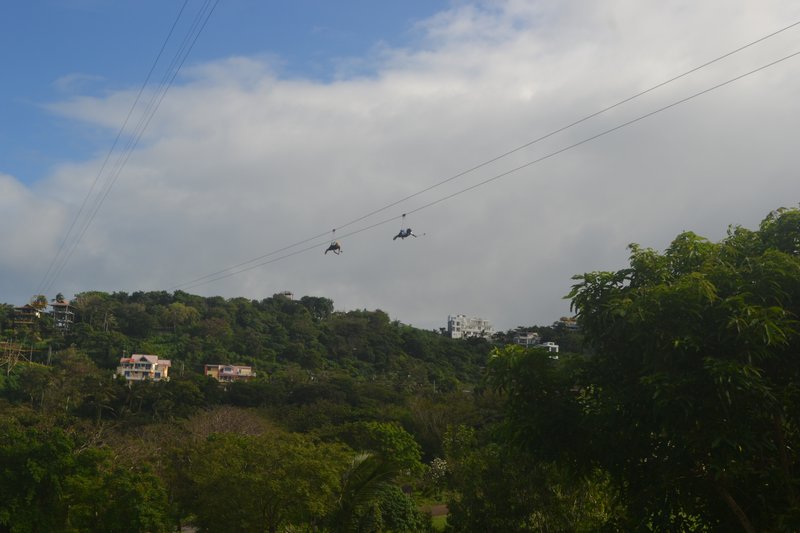
The oldest zipline in the Philippines, launching from the Mount Luho platform and running roughly 200 to 300 meters down the hillside. Two lines run side by side at different heights, so pairs and small groups can ride together, landing back near the base of the hill with a return tricycle to the top.
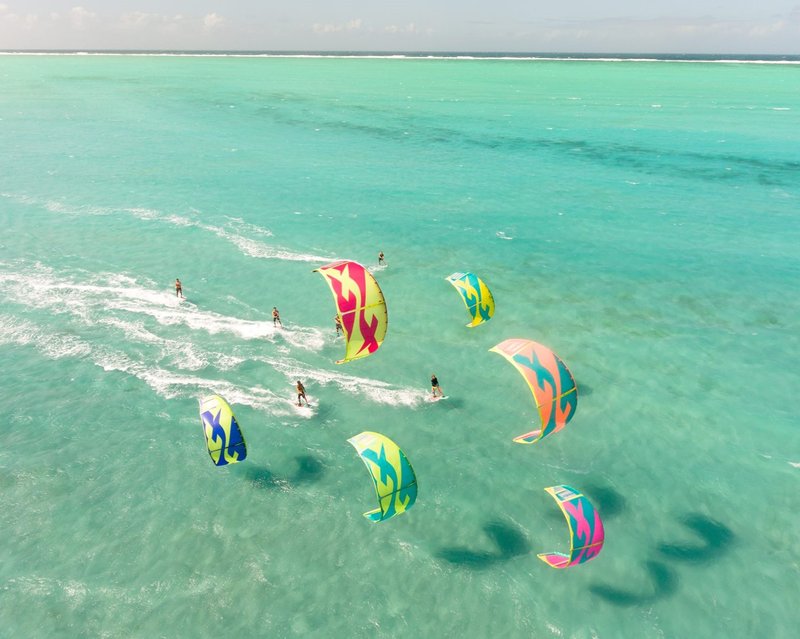
A wide, wind-facing beach on Boracay's east coast, opposite White Beach across the narrow width of the island. A shallow lagoon behind a coral barrier reef and steady onshore winds during Amihan season — November to April — have made it the best-known kiteboarding and windsurfing beach in the Philippines, lined with more than a dozen kite schools.
A short, quiet beach on the southeast coast between Manoc-Manoc and Bantud, backed by coconut palms and used mainly as a jetty for boats out to Crocodile Island's reef a short distance offshore. It draws a fraction of the crowds of the west-coast stations and stays calm even when Bulabog, a few kilometers north, is churned up by wind.
A privately managed island 20 minutes by outrigger boat off Boracay's northeast coast, with two coves cut into its limestone cliffs and a network of caves and lookout platforms connecting them. The larger cove has a sheltered swimming beach; the smaller opens onto the exposed sea and stays closed when the swell is up.
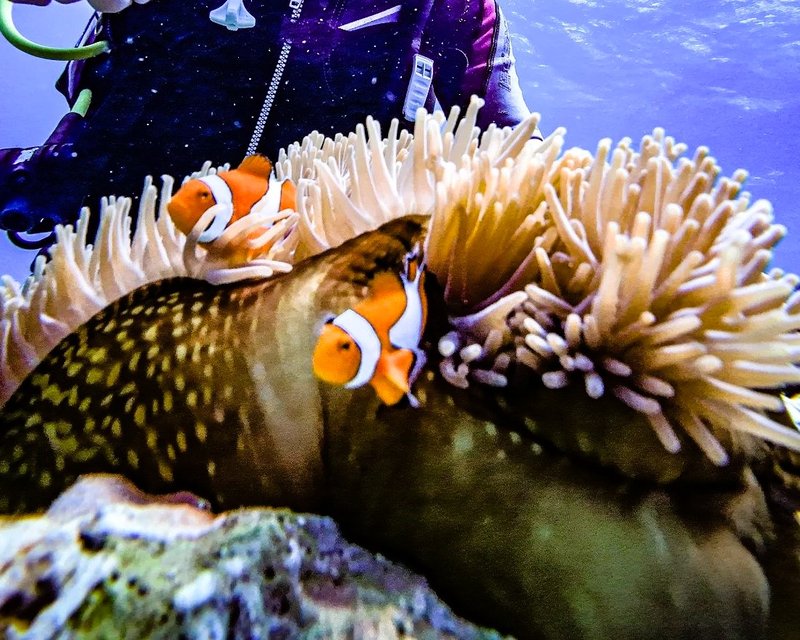
A shallow reef midway along Boracay's west coast, reachable by a short boat ride from either Station 1 or Station 3. Calm, clear water over beds of cabbage coral makes it the island's standard beginner snorkeling stop, with parrotfish, butterflyfish and clownfish among the reef residents most boats anchor here to see.
Two small islands visited back to back on the same boat leg. Crocodile Island, named for its reptile-like silhouette, drops from a shallow sandy shelf to a 3-5 meter reef edge thick with parrotfish and coral — widely rated the best snorkeling on the standard route. A short hop away, Magic Island's volcanic ledges offer cliff-jumping platforms from 3 to 12 meters into deep, clear water.
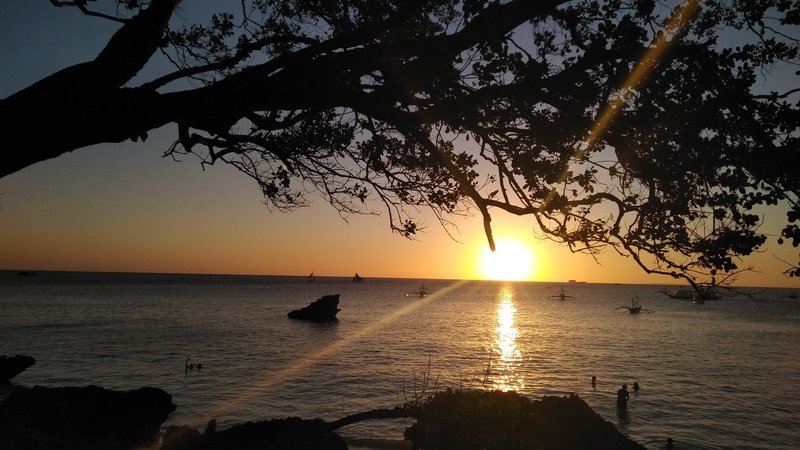
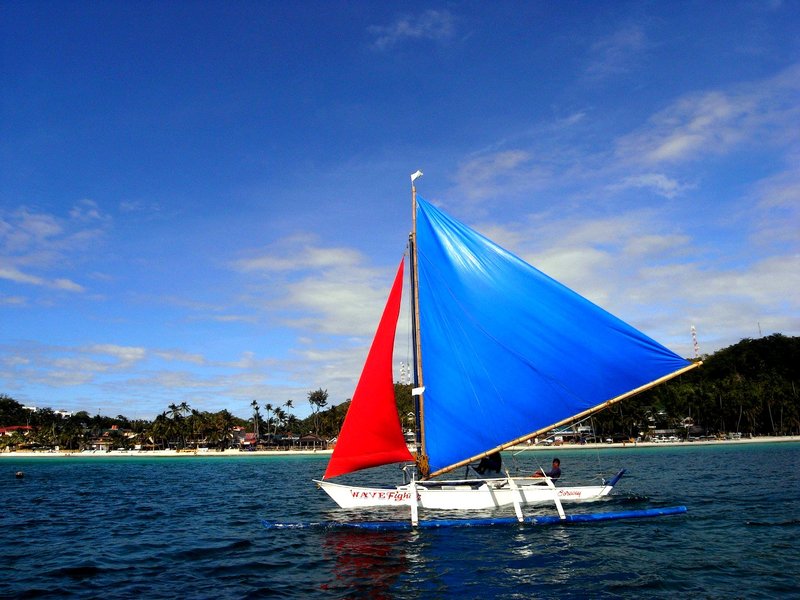
A ride on a paraw — the double-outrigger sailboat used across the Visayas for centuries — timed to catch Boracay's sunset over the Sulu Sea. The boat tacks along the White Beach shoreline under sail alone, engine off, with the sky behind Station 1 turning orange and pink as the sun drops.
A private eco-adventure cove on the Buruanga coast across the strait from Boracay, reached by a 35-45 minute ride on a traditional outrigger boat. Five diving platforms cut into the volcanic rock rise from 3 to 15 meters above the water, with kayaking, snorkeling and paddleboarding around the cove and a barbecue lunch buffet included in the day.
A 2-hour sunset cruise from Station 1 with a stop at a popular snorkeling site — snorkel, try stand-up paddleboarding, or float in an inner tube while a live musician plays, then watch White Beach's sunset from the water. Includes a free 10-minute back massage.
A PADI-supervised Discover Scuba Diving lesson for complete beginners — a safety briefing and shallow-water skills practice, then a guided open-water dive over White Beach's reef. No certification or prior experience needed; gear and boat transport are included.
A half-day Discover Scuba Diving session for first-timers — an orientation and shallow-water skills practice, then a guided 30-40 minute reef dive to a 6-metre depth off White Beach. Photos, video and a completion certificate are included.
A speedboat ride out to a reef site for a guided walk along the ocean floor inside an oxygen-fed helmet — no swimming skill or diving experience required. Photos and video of the walk are included.
The same 2-hour Station 1 sunset cruise as above, booked through TripAdvisor rather than Viator — a stop to snorkel, paddleboard or float in an inner tube, a free back massage, and White Beach's sunset from the water.
The same beginner-friendly Discover Scuba Diving lesson as above, booked through TripAdvisor — shallow-water training then a guided open-water reef dive off White Beach, no certification required.
Guided fun diving for certified divers across Boracay's 20-plus dive sites — Crocodile Island and Friday's Rock for open-water divers, wreck and drift dives at Camia, Tribird and Yapak for advanced divers, led by experienced dive masters.
A boat transfer from Boracay to a mainland zipline strung across Panay's coastal hills — a harnessed cable descent with views back over the rocky cliffs and green hills to White Beach.
A 30-minute electric ATV ride around a fenced course of forest trails on the island, guided lap by lap by a tour crew — a beginner-friendly taste of Boracay's inland greenery away from the beach.
Chicken marinated in calamansi, garlic and annatto oil, grilled over coconut-husk charcoal — a Visayan specialty from Bacolod, now the everyday grilled chicken across the Western Visayas, served with garlic rice and vinegar-soy dip.
A layered shaved-ice dessert — evaporated milk poured over sweet beans, jellies, coconut strips, ube jam and a scoop of ube or mango ice cream — the Philippines' signature cold treat, sold island-wide.
A dense, citrus-glazed muffin made with calamansi — the small, tart Philippine lime — invented at Real Coffee & Tea Café in the 1990s and sold island-wide as a Boracay pasalubong, a take-home gift.
Foreign number: not required. — checkout is guest ordering via the website or web-app; a phone number is only collected for the rider to reach you at drop-off, no account or SMS step.
Boracay's own delivery platform, built because GrabFood and foodpanda do not cover the island. Over 60 restaurants, bakeries, cafés and milk-tea shops are listed, most open 9:00am - 10:00pm, and a "Pabili" service buys items not on any menu and brings them to the hotel.
Foreign number: accepted. — the app takes international numbers, but the SMS code comes from a domestic carrier and often fails to arrive; a PH SIM or eSIM makes registration reliable.
Grab's private-car hailing does not reach Boracay's sand-and-concrete lanes, but the same app books e-Jeepney rides around the island and is the most familiar option for visitors who already use it elsewhere in the Philippines.
In April 2018, President Duterte shut Boracay to every tourist for six months, calling the island a "cesspool" over failing sewage systems and unpermitted construction crowding the beachfront. Hotels, bars and dive shops across the island stood empty while crews rebuilt the drainage network and cleared illegal structures; when Boracay reopened that October, it did so under a cap of 19,000 visitors a day, still in force today.
The "Station 1 / 2 / 3" addresses used throughout this guide aren't neighborhoods — they're a north-to-south system along White Beach's single unbroken shoreline, named for the old boat landings. Station 1, where this guide's hotel sits, is the quietest and priciest stretch, anchored by Willy's Rock; Station 2 in the middle is the crowded, mall-and-nightlife core; Station 3 to the south is the budget end, slower-paced and a longer walk from the restaurants. There's no border between them — just keep walking the sand.