HILTON HEAD ISLAND
Westin Hilton Head Island Resort & Spa
United States
TRIP OVERVIEW
Day 1 – Sea Pines Forest Preserve · Harbour Town Lighthouse · Coligny Beach Park · Stoney-Baynard Plantation Ruins
Day 2 – Fort Howell · Mitchelville Historic Freedom Park · Coastal Discovery Museum at Honey Horn · Pinckney Island National Wildlife Refuge
Day 3 – Hunting Island · Bluffton · Fish Haul · Driessen Beach
Day 4 – St. Helena's Episcopal Church · Beaufort National Cemetery · Henry C. Chambers Waterfront Park · Penn Center
Day 5 – Forsyth Park · Cathedral Basilica of St. John the Baptist · River Street · Bonaventure Cemetery
Day 6 – Old Sheldon Church Ruins · Zion Chapel of Ease Cemetery · Green's Shell Enclosure
Day 1
1.
Sea Pines Forest Preserve
~1 hr
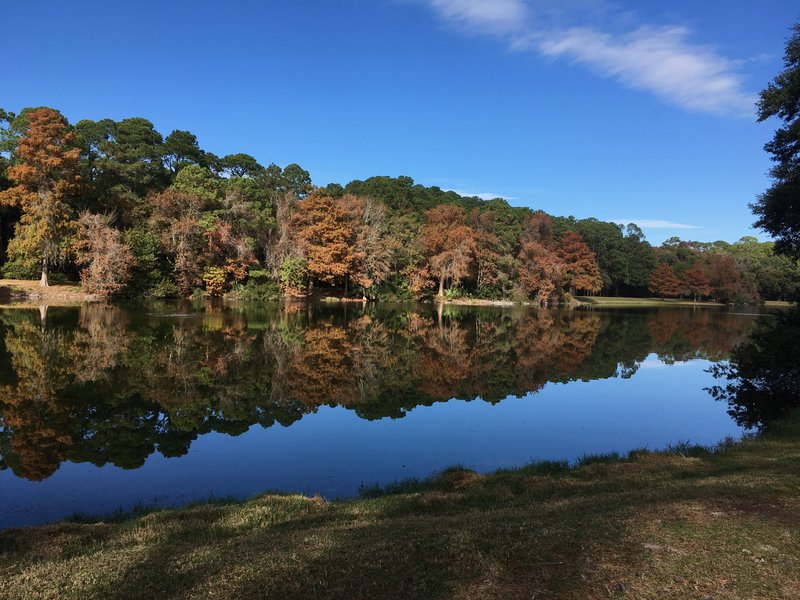
A 605-acre maritime forest sheltering live oaks, freshwater lagoons, and the 4,000-year-old Indian Shell Ring — among the oldest monuments in the Southeast, built by Archaic peoples over centuries. The 3-mile trail passes lagoons where alligators and wood storks share the shallows. Sea Pines gate fee applies.
2.
Harbour Town Lighthouse
~1 hr 30 min
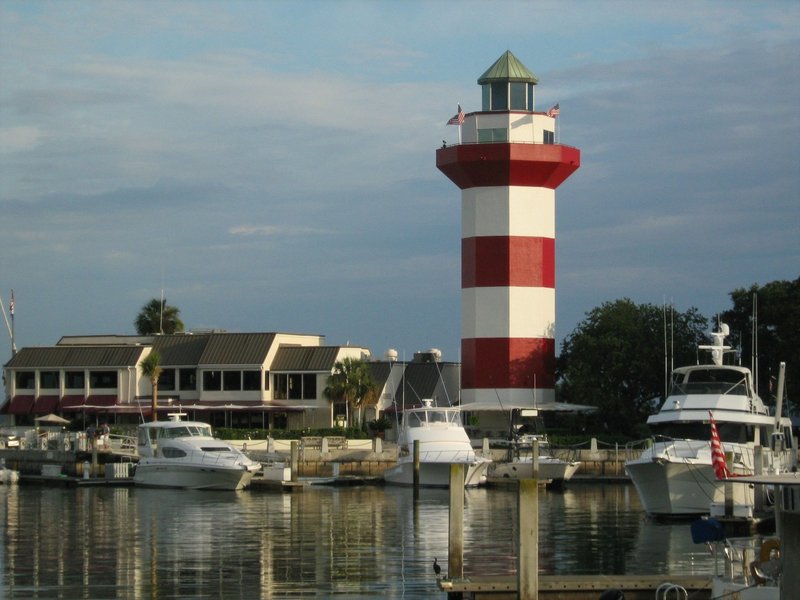
The octagonal red-and-white lighthouse rising 90 feet above Calibogue Sound at the southwestern tip of Sea Pines. The 114-step climb yields panoramic views to Daufuskie Island; the base holds maritime heritage exhibits. Admission charged at the door; Sea Pines gate fee also applies.
3.
Coligny Beach Park
~2 hr
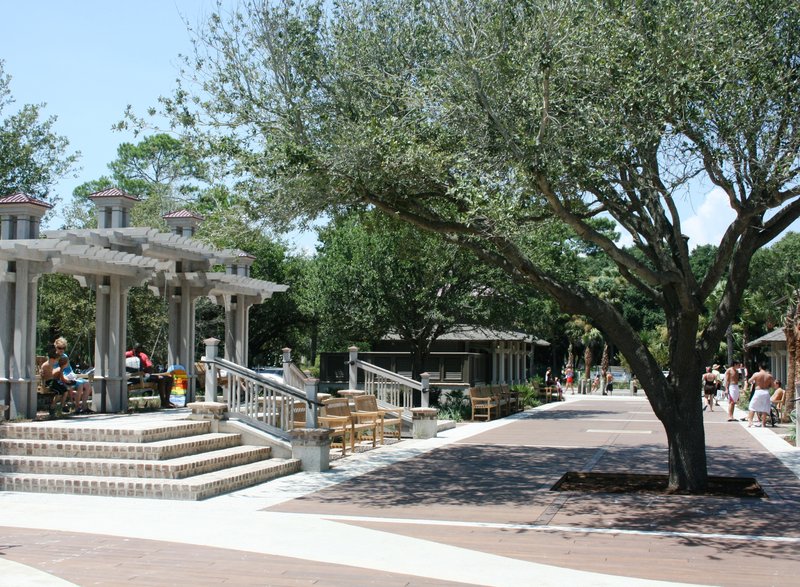
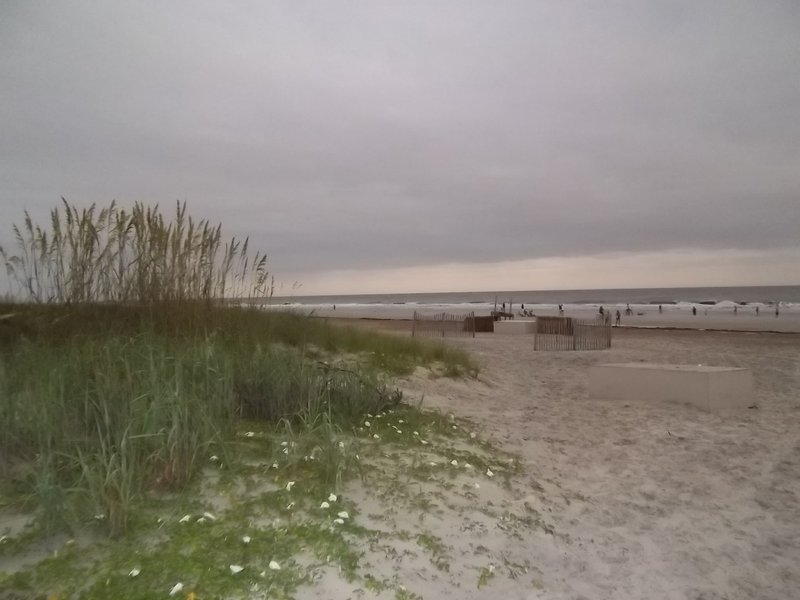
The island's most popular public beach, a wide Atlantic strand where packed sand stretches in both directions. Lifeguarded in season, with restrooms, outdoor showers, and bike racks. Coligny Plaza boardwalk sits just behind the dunes with surf shops, rentals, and casual eateries.
Daily 6:00am - 9:00pm
4.
Stoney-Baynard Plantation Ruins
~45 min
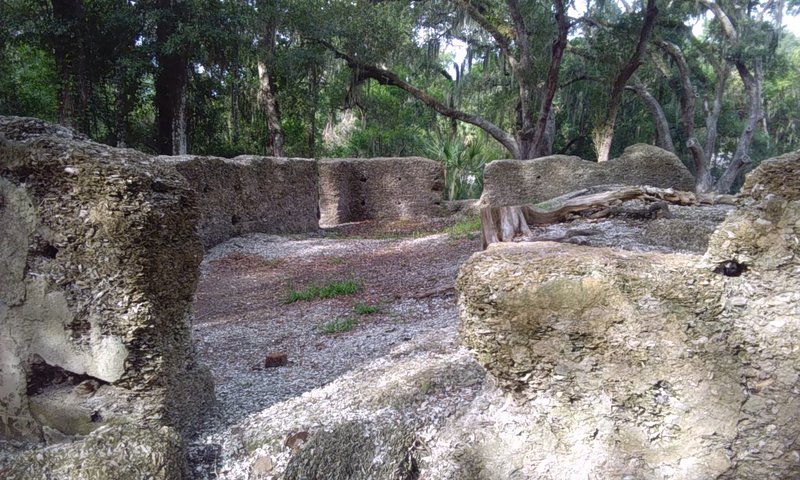
Tabby ruins of a late-18th-century plantation house built by Captain Stoney around 1793, standing amid live oaks and Spanish moss deep inside Sea Pines. The two surviving chimneys are among the oldest structures on Hilton Head. A non-resident gate fee applies to enter Sea Pines.
Day 2
1.
Fort Howell
~45 min
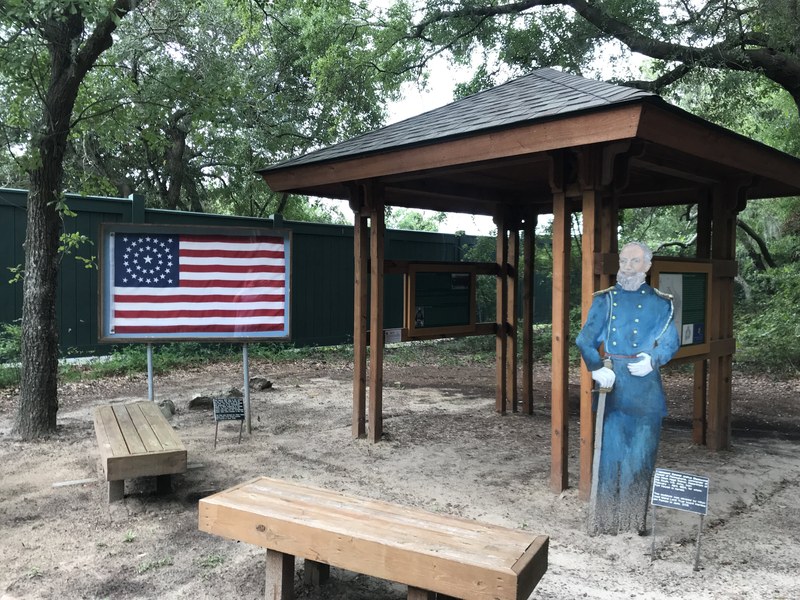
Earthwork fortification built in 1864 by the 32nd United States Colored Troops to defend Mitchelville from Confederate raids. The surviving ditches and ramparts are the only remaining Civil War fortification on Hilton Head — built by the same formerly enslaved soldiers who garrisoned them.
2.
Mitchelville Historic Freedom Park
~1 hr
The site of Mitchelville, established in 1862 as the first self-governed community of freed Black people in America — predating the Emancipation Proclamation. Freedpeople here created the first compulsory public school for Black children in the country. Interpretive panels and a memorial pavilion mark the ground.
Daily 6:00am - 9:00pm
3.
Coastal Discovery Museum at Honey Horn
~2 hr
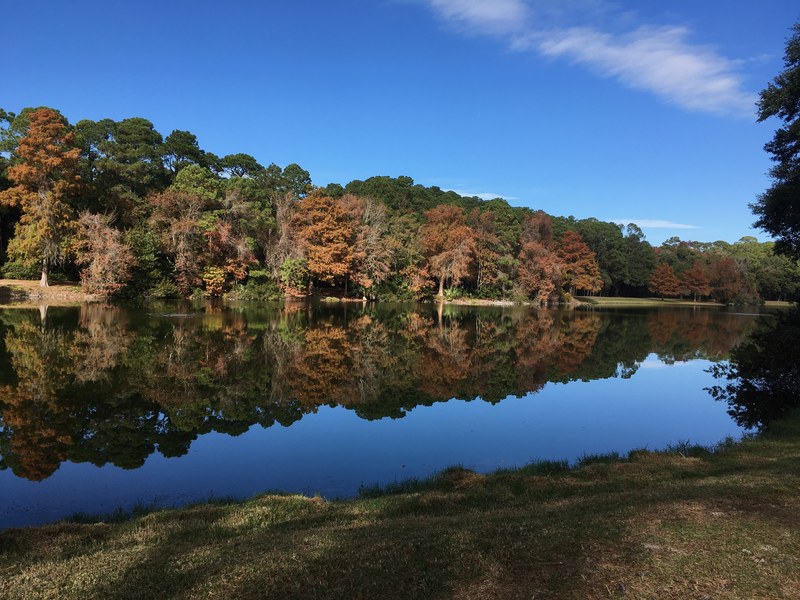
A Smithsonian Affiliate on 70 acres of historic Honey Horn Plantation, where live oaks shade walking trails, a salt marsh boardwalk, and the island's oldest surviving plantation buildings. Exhibits cover Lowcountry ecology, indigenous history, and Gullah Geechee culture. Free; farmers market every Tuesday.
4.
Pinckney Island National Wildlife Refuge
~3 hr
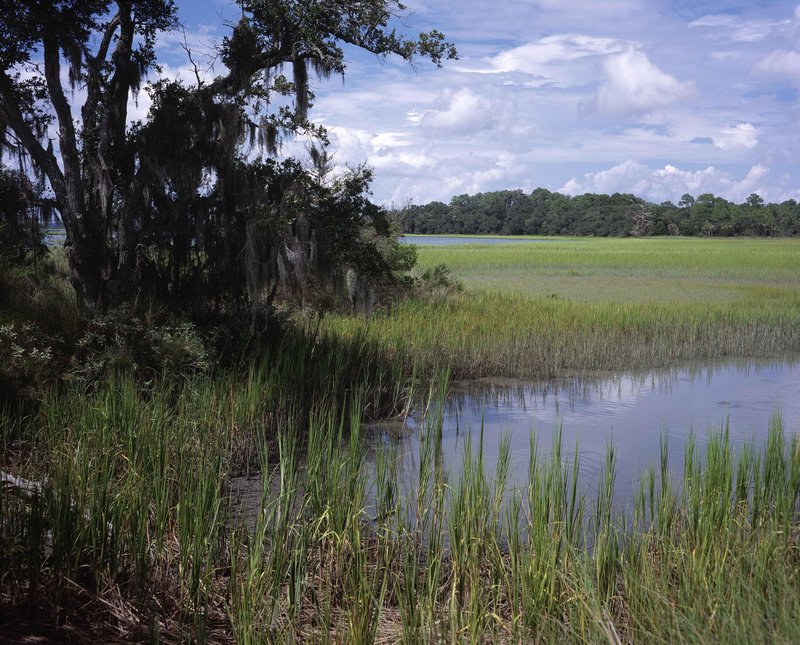
A 4,053-acre mosaic of salt marsh, tidal creek, and maritime forest just west of the causeway, managed by U.S. Fish and Wildlife. Trails from a 1-mile loop to a 4.5-mile circuit to Shell Point run through territory of egrets, roseate spoonbills, and alligators. No vehicles beyond the parking area.
Day 3
1.
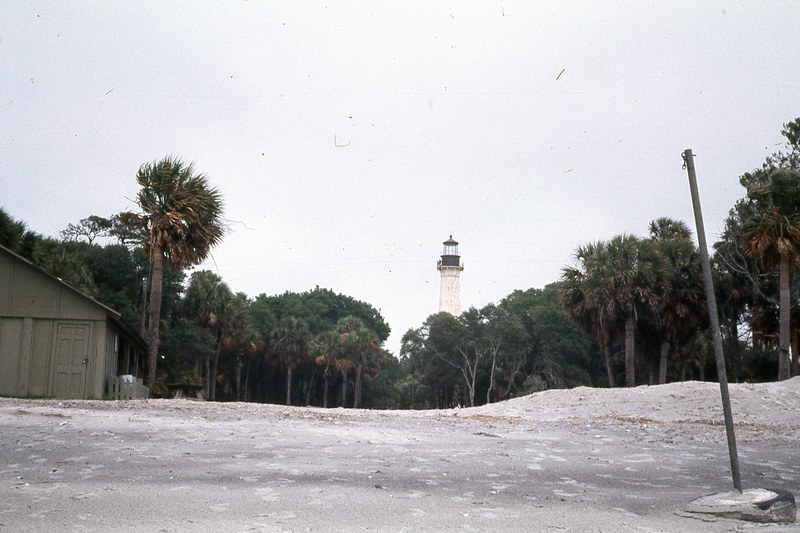
Hunting Island Lighthouse
~3 hr
South Carolina's only publicly accessible lighthouse, rising 136 feet in Hunting Island State Park 42 miles from Hilton Head. The 1875 cast-iron tower was moved inland as the shoreline shifted; 167 steps yield one of the coast's most dramatic panoramas. State park entry required.
2.
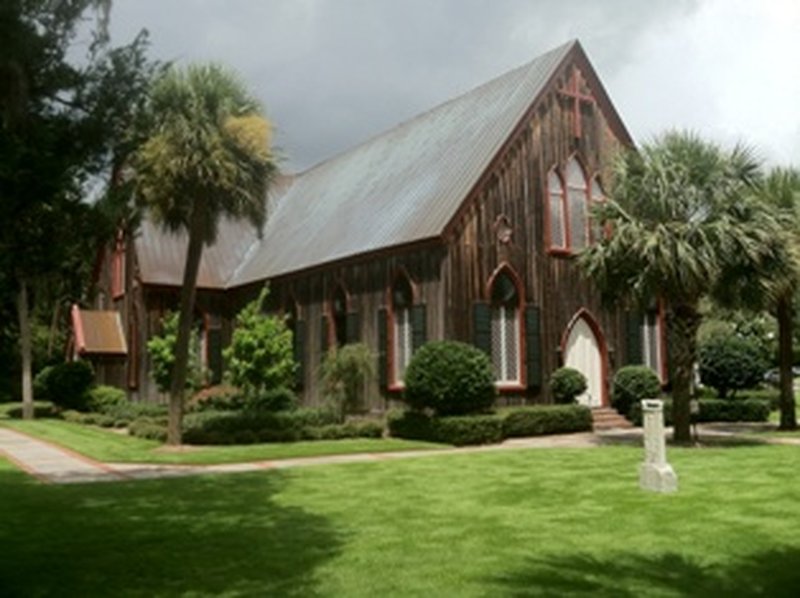
Old Town Bluffton
~2 hr
The historic core of Bluffton on a bluff above the May River, where the 1857 Church of the Cross anchors antebellum cottages converted into art studios, galleries, and farm-to-table restaurants. The waterfront Promenade overlooks the tidal river and the oyster beds that define the Lowcountry table.
Open 24/7
3.
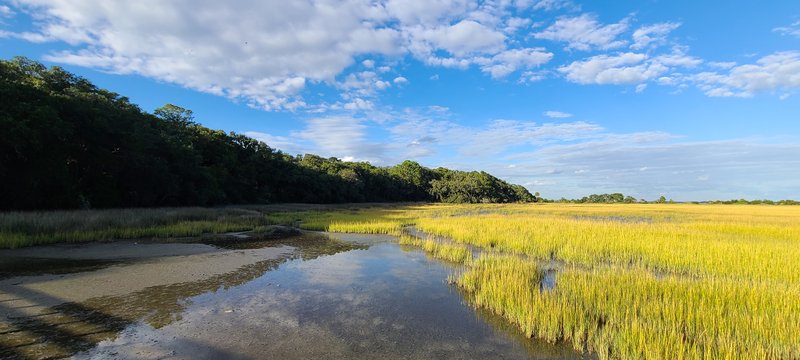
Fish Haul Creek Park
~1 hr
A county park on the northern salt marsh fringe of Hilton Head, where a boardwalk trail leads through spartina grass to an overlook on Fish Haul Creek. One of the island's best birding spots for shorebirds, clapper rails, and wintering waterfowl — consistently uncrowded.
Daily 6:00am - 9:00pm
4.
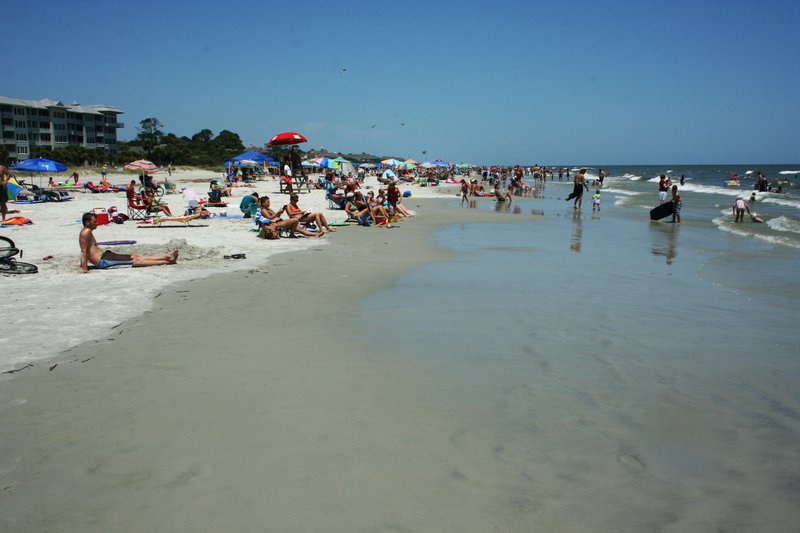
Driessen Beach Park
~2 hr
A broad public beach on Hilton Head's Atlantic coast, noticeably less crowded than Coligny, with a fishing pier, shaded picnic shelters, restrooms, and open ocean views. Late afternoon draws dolphins working the surf line.
Daily 6:00am - 9:00pm
Day 4
1.
St. Helena's Episcopal Church
~30 min
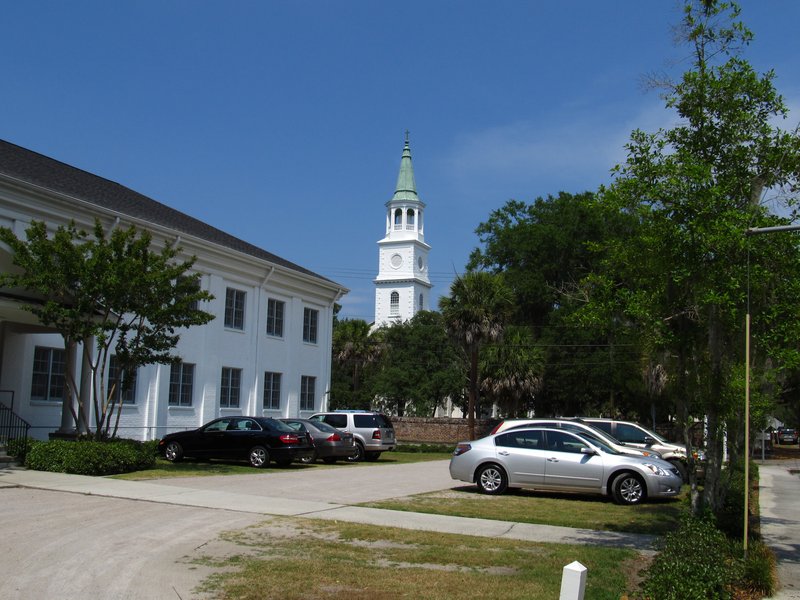
Founded in 1712 and built in 1724, one of the oldest Episcopal parishes still in continuous use in the country. When Union forces occupied Beaufort in November 1861 the congregation fled, and the church was stripped and converted into a hospital — its marble tombstones pulled from the churchyard and pressed into service as operating tables. The historic churchyard remains open to walk.
2.
Beaufort National Cemetery
~45 min
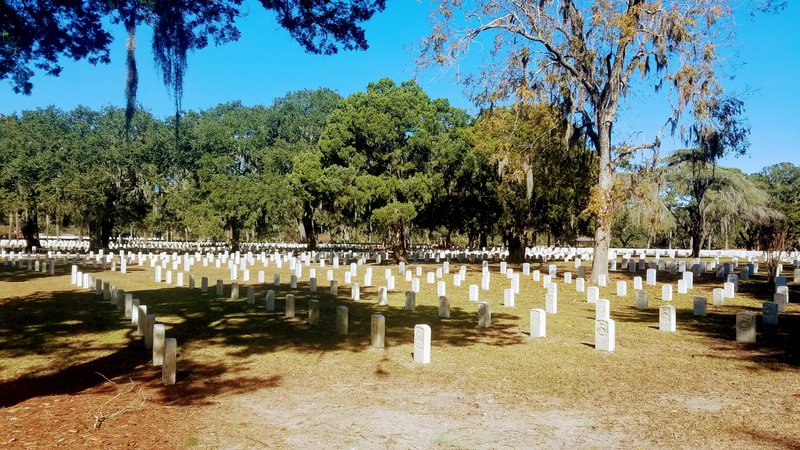
Established by Abraham Lincoln in 1863 as one of the first national cemeteries, now holding more than 28,000 interments behind a red brick wall raised in 1876. Union dead from the Beaufort hospitals share the ground with 1,700 Black soldiers of the U.S. Colored Troops and 117 Confederate prisoners of war — the same occupation that produced Mitchelville and Fort Howell back on Hilton Head.
3.
Henry C. Chambers Waterfront Park
~1 hr
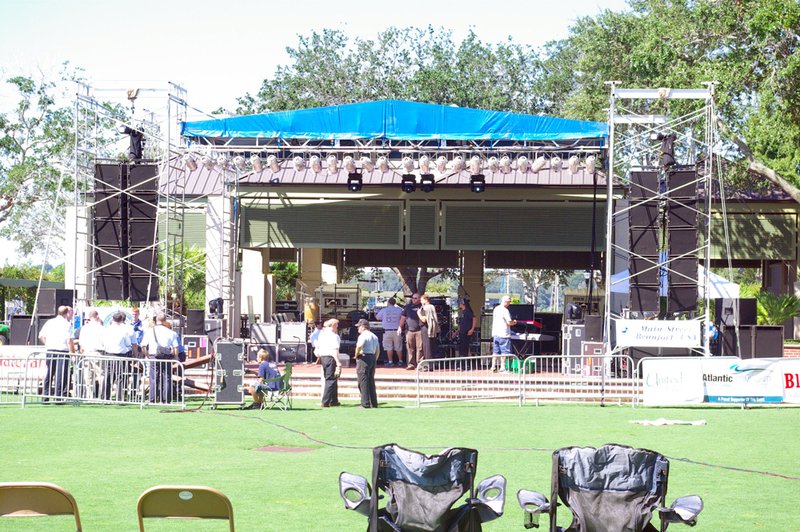
A green stretch of lawn and boardwalk along the Beaufort River, anchored by a row of swing benches that face the water and the shrimp boats working the channel. Restaurants, galleries, and antebellum storefronts line Bay Street just behind it, and most of Beaufort's festivals and outdoor concerts play out on this lawn.
Daily 6:00am - 9:00pm
4.
Penn Center
~1 hr 30 min
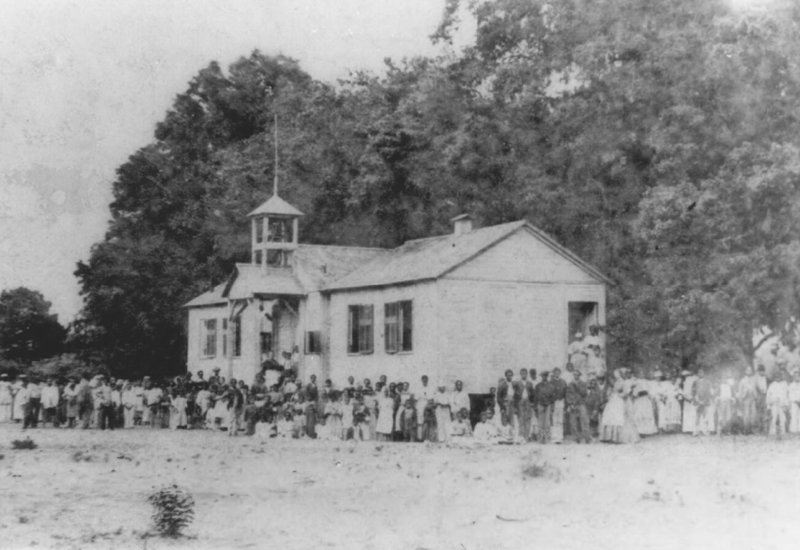
Founded in 1862 by Quaker missionaries as the Penn School — the first school in the South established to educate formerly enslaved people, predating the Emancipation Proclamation. The 50-acre National Historic Landmark District holds 25 historic buildings; the York W. Bailey Museum tells the story of the school and the Gullah culture it served. $5 admission at the door.
Tuesday - Saturday 10:00am - 4:00pm
Closed Sunday & Monday
Cash Only
Day 5
1.
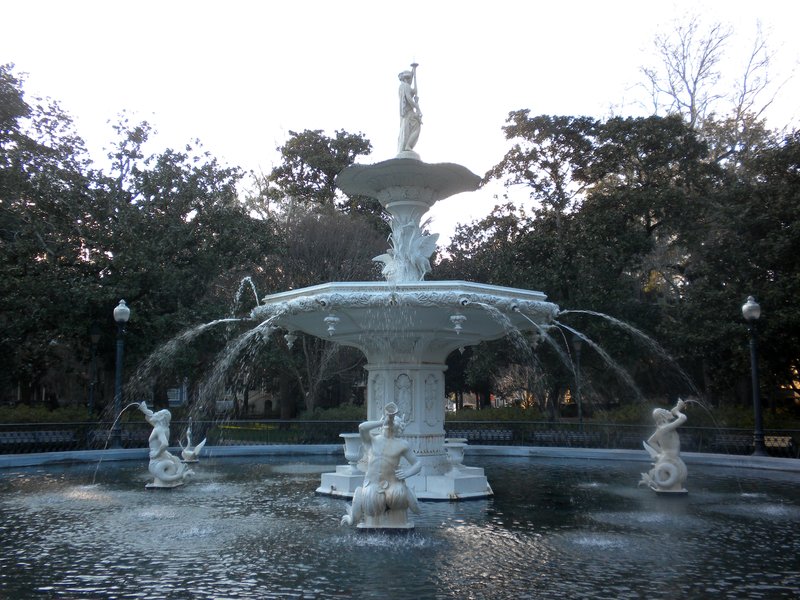
Forsyth Park
~1 hr
A 30-acre park anchoring the south end of Savannah's Historic District, laid out in the 1840s and named for Georgia governor John Forsyth. Its cast-iron fountain, installed in 1858 and modeled on a fountain in Paris's Place de la Concorde, is the most photographed landmark in the city — dyed green every St. Patrick's Day. Live oaks draped in Spanish moss shade the walking paths on every side.
Daily 6:00am - 10:00pm
2.
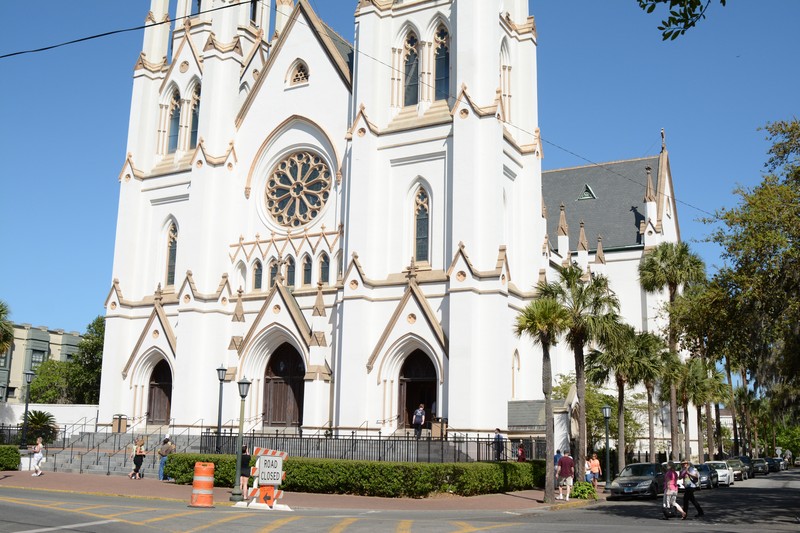
Cathedral Basilica of St. John the Baptist
~45 min
The twin-spired seat of the Diocese of Savannah, rebuilt in French Gothic style after a fire gutted the original 1876 building in 1898. Vaulted ceilings, imported stained glass, and hand-painted murals fill the interior, which remains an active parish church between masses and weddings.
Monday - Saturday 9:00am - 5:00pm · Sunday 12:00pm - 5:00pm
Free
3.
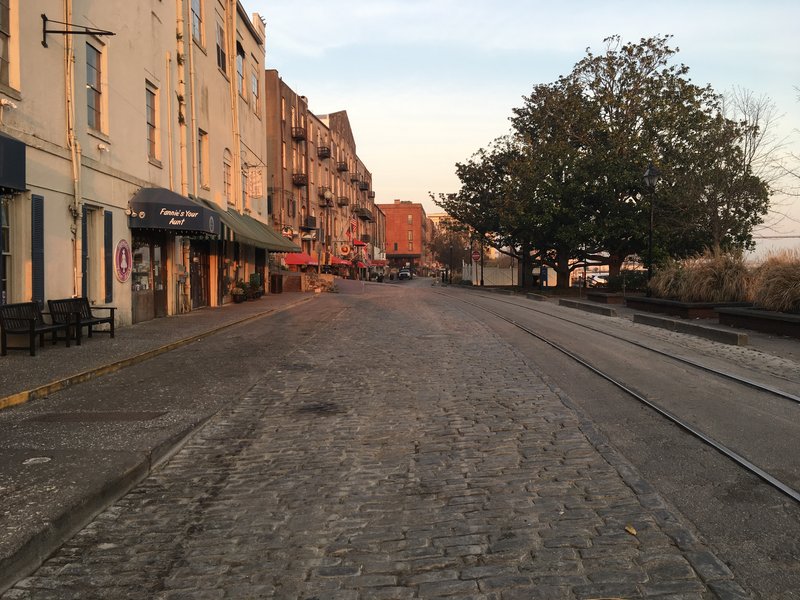
River Street
~2 hr
A cobblestoned riverfront promenade below Bay Street, where 19th-century cotton warehouses now hold shops, restaurants, and bars along the Savannah River. It anchors the Savannah Historic District, one of the largest National Historic Landmark districts in the country, and stays busy with tour boats, street performers, and the working port traffic passing behind them.
Open 24/7
4.
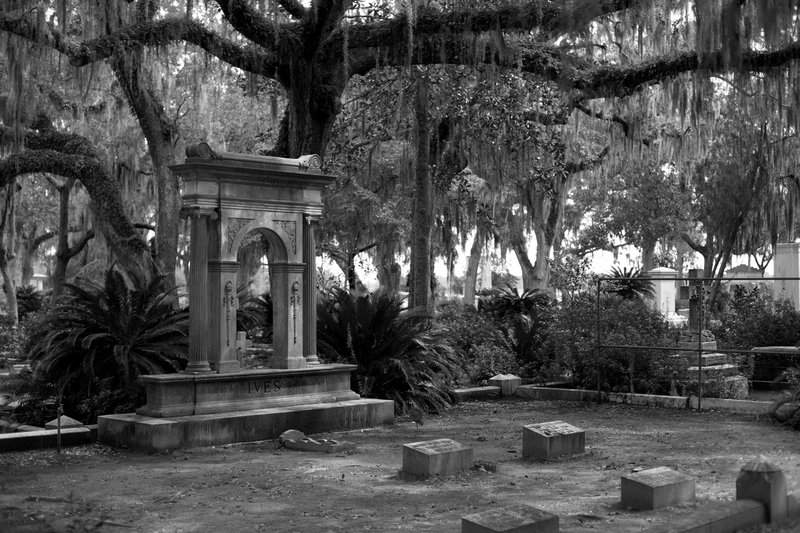
Bonaventure Cemetery
~1 hr
A 100-plus-acre Victorian cemetery on a bluff above the Wilmington River, its avenues shaded by live oaks hung with Spanish moss and lined with ornate 19th-century statuary. Made famous by John Berendt's Midnight in the Garden of Good and Evil, it remains an active cemetery and a quiet, atmospheric walk in its own right.
Day 6
1.
Old Sheldon Church Ruins
~45 min
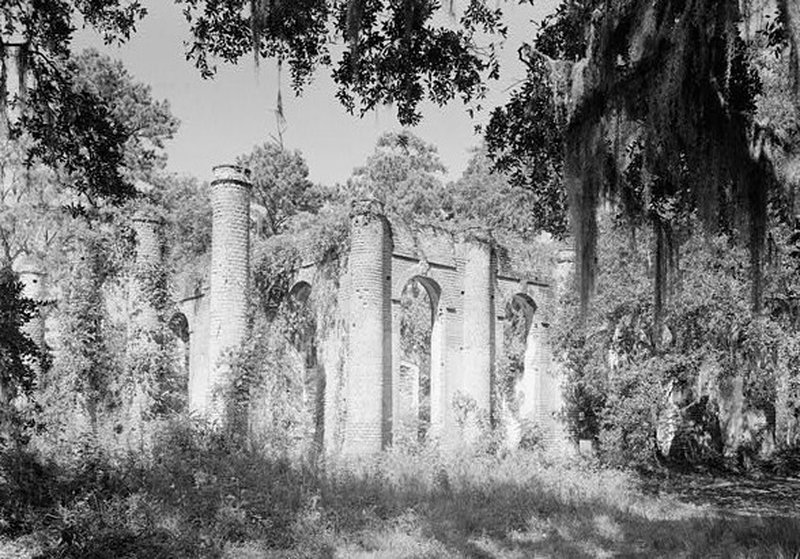
Built between 1745 and 1753 as Prince William's Parish Church, burned by British troops in 1779, rebuilt in 1826, then burned a second time in 1865 by General Sherman's army — leaving the roofless brick colonnade that stands today. Royal Governor William Bull, who helped James Oglethorpe lay out Savannah, is buried inside the ruins. An Easter service has been held here every year since 1925.
2.
Zion Chapel of Ease Cemetery
~30 min
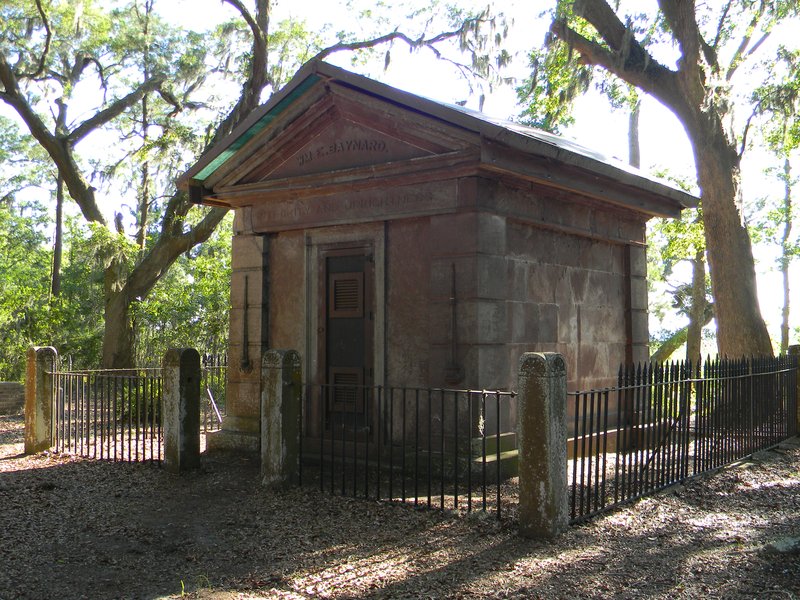
The Chapel of Ease was built after 1786 to spare islanders the boat trip to St. Luke's Parish church on the mainland; Union troops occupied the site in 1862, and by 1868 nothing remained of the wooden chapel but its cemetery. The graveyard still holds four Revolutionary War patriots and the 1846 Baynard Mausoleum, the oldest surviving structure on Hilton Head Island.
3.
Green's Shell Enclosure
~30 min
A low earthen embankment on the edge of the marsh beside Skull Creek, raised by farmers of the Irene period between 1300 and 1450 AD as a fortified village. Shell tools and ceremonial objects recovered here rank it among the oldest and best-preserved Native American sites on Hilton Head Island; a short interpretive loop circles the enclosure through maritime forest.
No pictures available.
Tours
Viator
Narrated 90-minute cruise through Hilton Head's tidal waterways in search of Atlantic bottlenose dolphins; guides explain dolphin behavior, tidal ecosystems, and Lowcountry history.
90 min · Max 49
90-minute sunset cruise through Hilton Head's tidal waterways; Atlantic bottlenose dolphins at golden hour as the sky turns over Calibogue Sound.
90 min · Max 49
2-hour cruise with a stop on Disappearing Island — a tidal sandbar accessible only at low tide — where starfish, sand dollars, and shells cover an otherwise invisible beach.
2 hr · Max 40
Salt marsh paddle through Broad Creek's tidal waterways; expert naturalist guides explain Lowcountry wildlife and the history of the Gullah people who shaped these marshes.
2 hr · Max 12
Boat to car-free Daufuskie Island followed by a golf cart tour of Gullah-Geechee sites — First African Baptist Church, Mary Fields School, and working artisan studios.
4 hr 30 min · Max 16
500 years of Beaufort history on foot through antebellum mansions, historic churches, and Civil War and Revolutionary War sites; the most storied walking tour in the Lowcountry.
2 hr 15 min · Small group
2-hour walk through Beaufort's historic district combining Civil War sites with filming locations from Forrest Gump, GI Jane, and The Big Chill.
2 hr · Small group
GetYourGuide
Boat to car-free Daufuskie Island; guided golf cart tour of Gullah-Geechee historic sites and working artisan studios — island culture little changed in 150 years.
4 hr 30 min · Max 16
90-minute sunset cruise through Hilton Head's tidal waterways; Atlantic dolphins against a Lowcountry sky at the most scenic hour of the day.
90 min · Max 49
2-hour boat tour with a low-tide stop on Disappearing Island — accessible only a few hours per tidal cycle — wading among starfish and sand dollars while dolphins cruise the channel.
2 hr · Max 40
Three-hour guided walk through Beaufort's antebellum mansions, waterfront parks, and Civil War landmarks covering 500 years of Lowcountry history.
3 hr · Small group
2-hour guided sea kayak tour through Hilton Head's tidal salt marshes; naturalist guides explain Lowcountry ecology and the wildlife of Broad Creek.
2 hr · Max 12
TripAdvisor
Narrated 90-minute cruise through Hilton Head's tidal waterways in search of Atlantic bottlenose dolphins, with expert guides explaining Lowcountry coastal ecology.
90 min · Max 49
Salt marsh paddle through Broad Creek's tidal waterways; expert naturalist guides explain Lowcountry ecology, island history, and Gullah culture throughout.
2 hr · Max 12
Boat ride to car-free Daufuskie followed by golf cart tour of Gullah-Geechee historic sites — First African Baptist Church, Mary Fields School, and working artisan studios.
4 hr 30 min · Max 16
30-minute guided Jet Ski tour through Hilton Head's tidal waterways and coves that run between the island and the Intracoastal Waterway.
30 min · Max 8
2-hour boat tour with a low-tide stop at Disappearing Island — accessible only a few hours per tidal cycle — wading among shells and starfish while dolphins work the channel.
2 hr · Max 40
Cappuccino
Sweet Al's · 4.5 · 60+ reviews
Restaurants Near Hotel
One Hot Mama's · 4.0 · 1674+ reviews
Award-winning BBQ; baby back ribs and smoked meats.
Daily 11:30am - 10:00pm
Reilley's Restaurant · 4.0 · 412+ reviews
Casual American pub with burgers; local gathering spot since 1986.
Daily 11:30am - 9:00pm
Nunzio · 4.5 · 434+ reviews
Southern Italian cuisine with locally sourced Lowcountry ingredients.
Tuesday - Sunday 5:00pm - 10:00pm
Closed Monday
Michael Anthony's · 4.5 · 445+ reviews
Award-winning regional Italian; housemade pasta; fresh Lowcountry produce.
Monday - Saturday 5:00pm - 9:00pm
Closed Sunday
Hinoki · 4.5 · 285+ reviews
Japanese izakaya; sushi, noodles, and small plates in a beach-town setting.
Tuesday - Sunday 11:30am - 9:30pm
Closed Monday
Dining Areas
Harbour Town · near the lighthouse
Coligny Plaza · near Coligny Beach
Old Town Bluffton · near the Promenade
Local Tastes
Lowcountry Boil
Fresh shrimp, smoked sausage, corn, and new potatoes boiled in seasoned water — the Lowcountry communal dish, found at casual waterfront spots across the island.
She-Crab Soup
Atlantic blue crab meat and roe simmered with cream and dry sherry — the definitive Lowcountry bisque. The roe gives it a briny depth no substitution can replicate.
Bluffton Oysters
May River oysters from Bluffton's tidal flats — harvested fresh and roasted in the shell over an open fire. At their peak October through April when the water cools.
Boiled Peanuts
Raw peanuts boiled for hours in salted water — South Carolina's state snack, sold from roadside stands. Soft, briny, and nothing like the dry-roasted version.
Food Delivery
DoorDash
Foreign number: accepted. — the verification code arrives by SMS to any international number.
DoorDash dominates food delivery on Hilton Head Island, covering the main resort areas and restaurant corridors along Pope Avenue and Coligny Plaza. Foreign numbers are accepted at sign-up with no restrictions.
Uber Eats
Foreign number: accepted. — the verification code arrives by SMS to any international number.
Uber Eats operates across Hilton Head with solid coverage of the major resort villages and beachside restaurants. A reliable backup to DoorDash, particularly if you already have the Uber app installed.
Getting Around
Uber
Foreign number: accepted. — the verification code arrives by SMS to any international number.
Uber is the primary ride option on Hilton Head Island, covering the resort areas, beach parks, and the main dining strips. Foreign numbers are accepted at sign-up with no restrictions.
Lyft
Foreign number: not accepted. — Lyft's own help says the number must be a US, Canadian or Puerto Rican one, and the code is texted only to that number.
Lyft operates alongside Uber on the island and is worth having installed as a backup. Coverage and pricing are comparable, and it can be quicker in areas where Uber drivers are in short supply.
Pickleball
Chaplin Community Park · Outdoor
4 dedicated public courts; free, first-come first-served.
Daily 6:00am - 9:00pm
Port Royal Racquet Club · Outdoor
2 courts; clinics Monday, open round robin Thursday.
Monday - Saturday 8:00am - 6:00pm
Closed Sunday
Hiking
Sea Pines Forest Preserve · Easy
A boardwalk nature trail past lakes, Indian shell rings and a wildflower field.
3.2 mi loop · 15 ft ascent
55 min
Pinckney Island NWR · Easy
A coastal marsh refuge trail past alligators, egrets and wading birds.
2 mi return · 15 ft ascent
1 hr
Worth Knowing
Mitchelville
The most remarkable thing about Mitchelville isn't that it existed — it's when. In March 1862, nearly ten months before the Emancipation Proclamation, a community of formerly enslaved people on Hilton Head Island had already established a functioning town with elected governance and mandatory public education. The first compulsory public school for Black children in America opened here in 1862, in a place that had been a plantation the year before. Fort Howell stands 0.5 miles away on the same road — built by the soldiers who defended that society. Walking between them on Beach City Road connects two extraordinary chapters of the same story in about ten minutes.
Also on this site