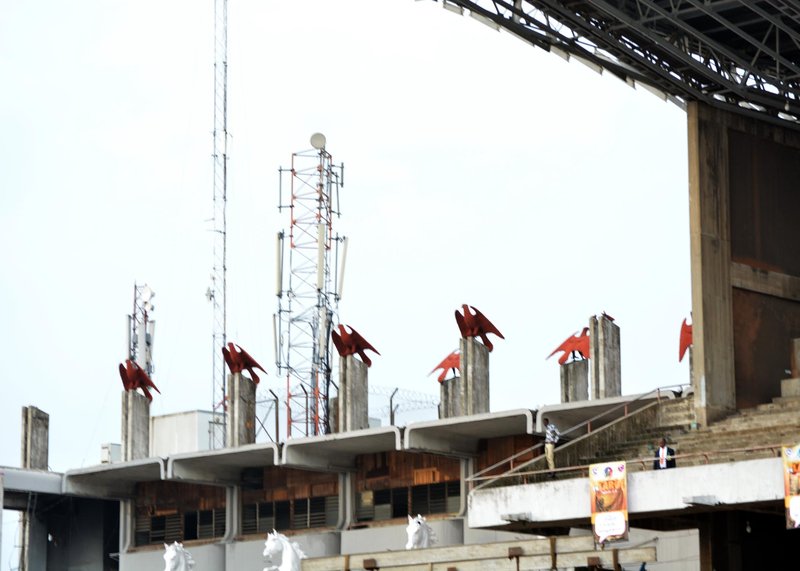
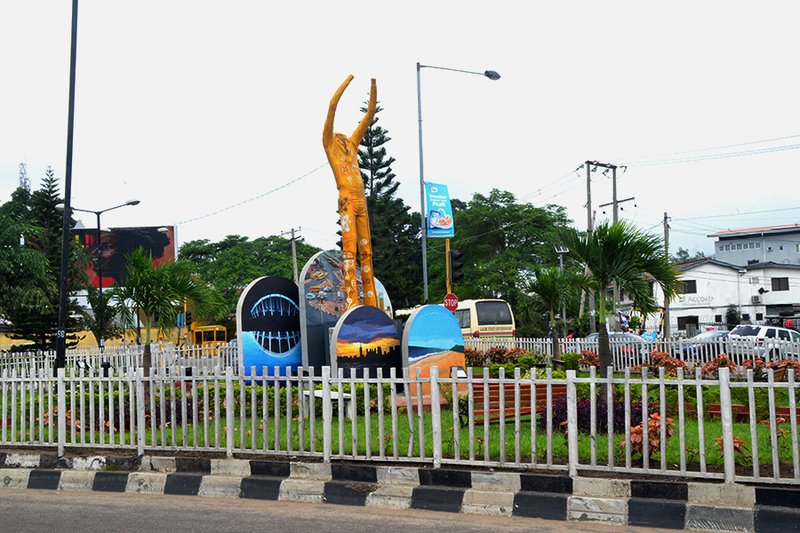
The historic outdoor square where Nigeria declared independence on October 1, 1960, named after the country's first Prime Minister, flanked by colonial-era grandstands and the former Lagos Race Course, now the site of national day celebrations.
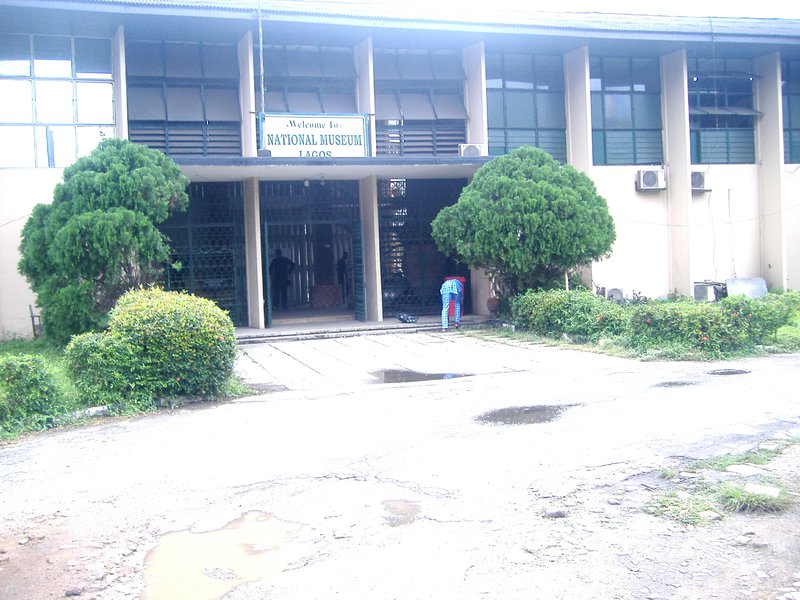
Nigeria's foremost national museum, housing Benin bronze replicas, Nok terracotta figurines, and artifacts spanning 2,000 years of West African civilization, including ancient ironwork, colonial documents, and a permanent gallery on the Ife bronzes.
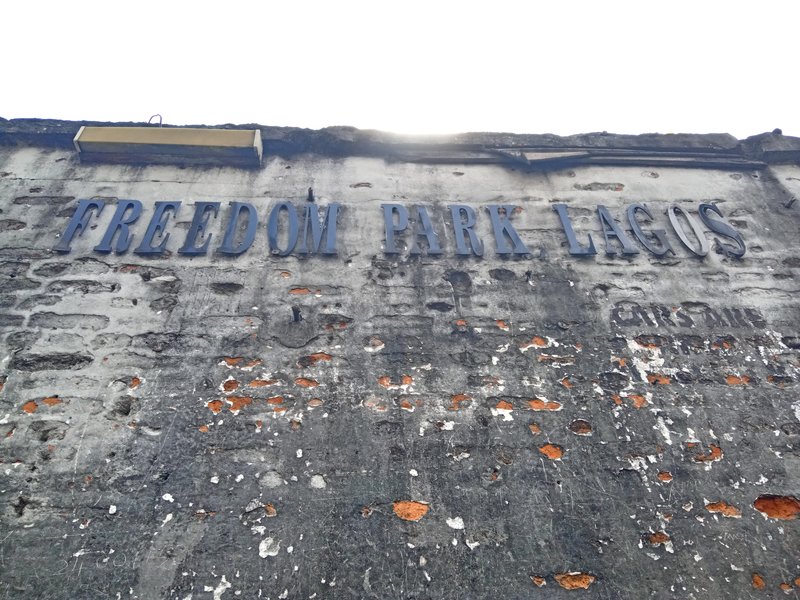
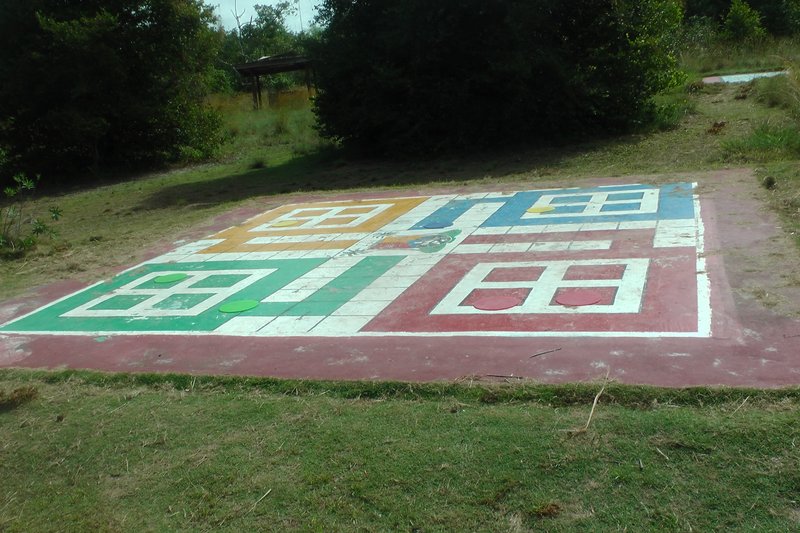
A 19th-century colonial prison converted into a lush open-air cultural park, hosting live music, art exhibitions, and film screenings on the same grounds where political prisoners were once held — the iron cells and original perimeter wall still stand intact.
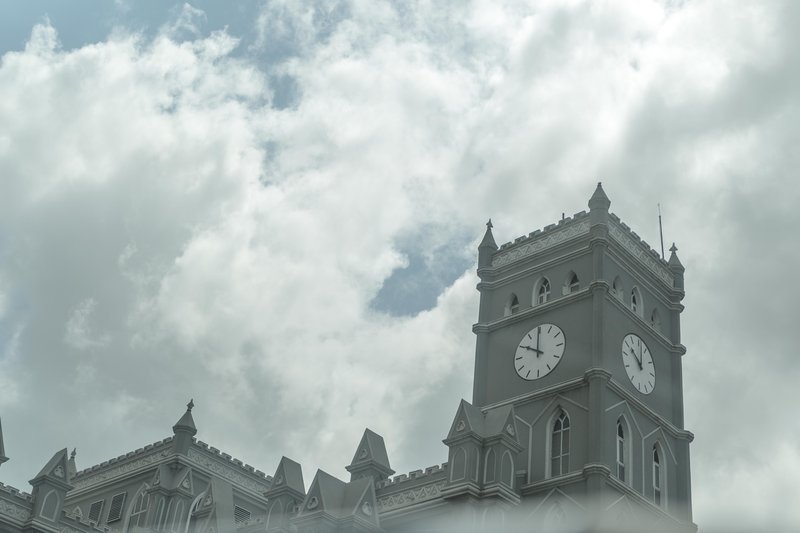
The Gothic Anglican cathedral on Marina houses Bishop Samuel Ajayi Crowther's tomb, a tower clock, stained-glass windows and a pipe organ. Its official weekday tours explore the architecture and the history of Christianity in Lagos.
Victoria Island's foremost arts and culture center, blending a rotating contemporary gallery, a 218-seat theater producing Yoruba and English-language drama, a pan-African bookshop, and a Nigerian restaurant in one interconnected campus.
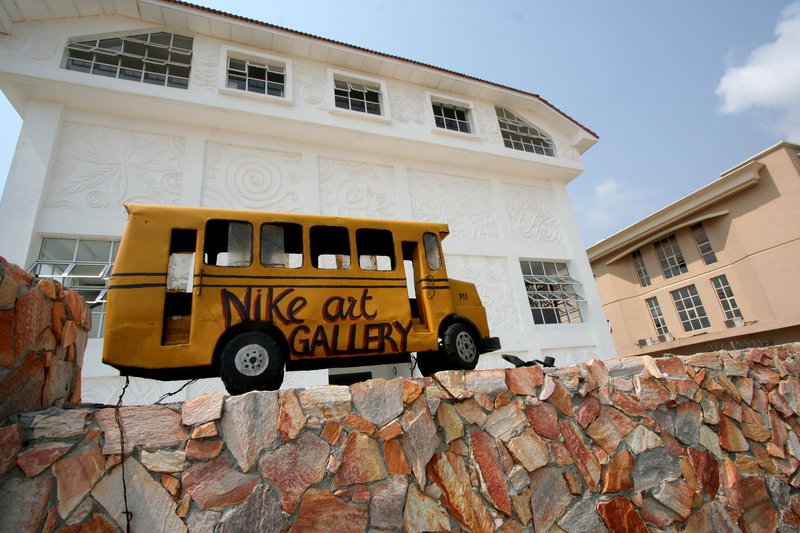
West Africa's largest private art gallery, a five-story labyrinth founded by Nike Davies-Okundaye holding over 8,000 works — batik, embroidery, oil paintings, and sculptures by artists from across Nigeria and the wider continent, all available for purchase.
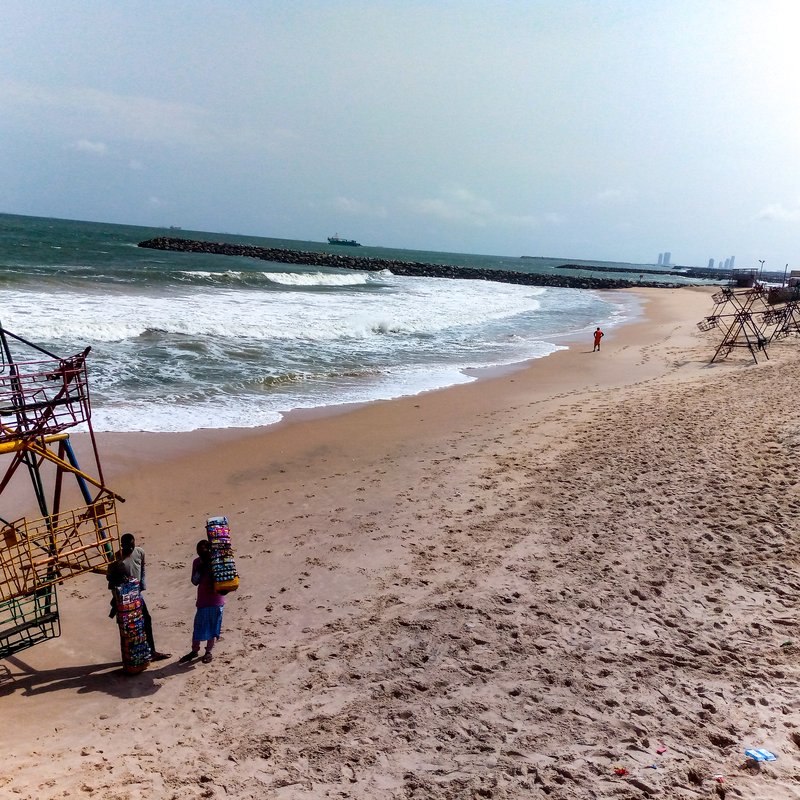
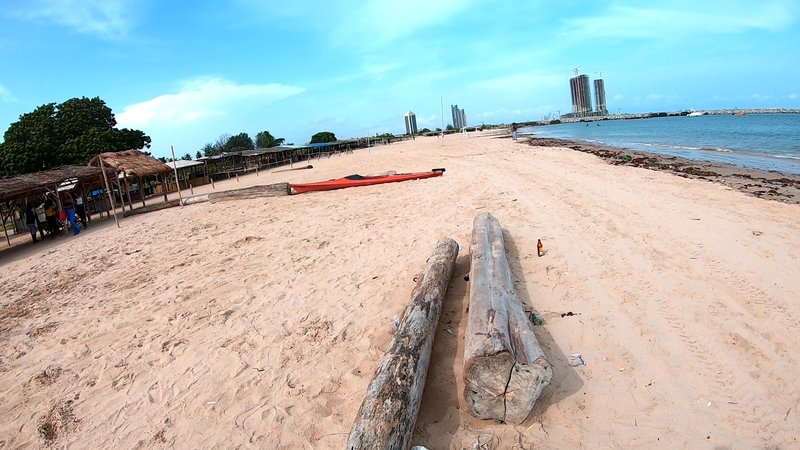
The most popular and best-maintained beach along the Lekki Peninsula, a broad Atlantic-facing stretch with beach bars, vendors selling suya and coconut water, and a relatively calm surf compared to Bar Beach on Lagos Island.
A 78-hectare nature reserve managed by the Nigerian Conservation Foundation, home to the longest canopy walkway in Africa at 401 meters, with crocodiles, monkeys, and over 100 bird species in the wetland below, reached via a 12-minute stair climb.
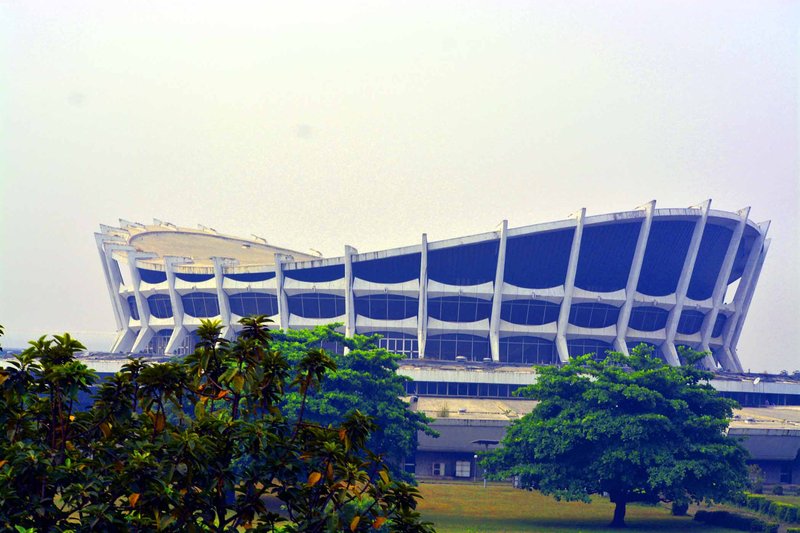
Nigeria's foremost performing arts venue, a striking 1977 brutalist complex modeled on the Palace of Culture in Varna, Bulgaria, hosting dance, music, and theater productions alongside a permanent gallery of Nigerian art and sculpture in its circular body.
The preserved home of Afrobeats legend Fela Kuti, converted into an evocative museum displaying his instruments, costumes, political manifestos, and personal belongings inside the communal compound he declared an independent republic in defiance of the Nigerian state.
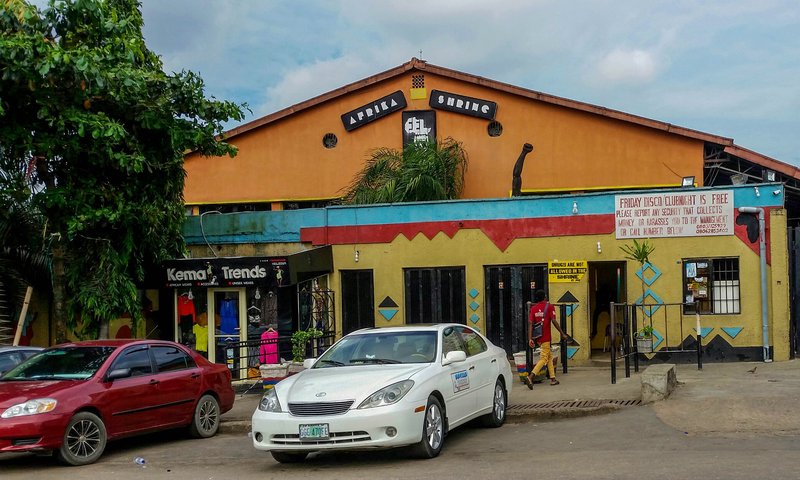
The legendary open-air club founded by Afrobeats pioneer Fela Kuti and now run by his son Femi Kuti, drawing hundreds into its corrugated-roof compound every Thursday and Saturday night for live Afrobeats and Afrojuju — one of the most electric live music experiences in Africa.
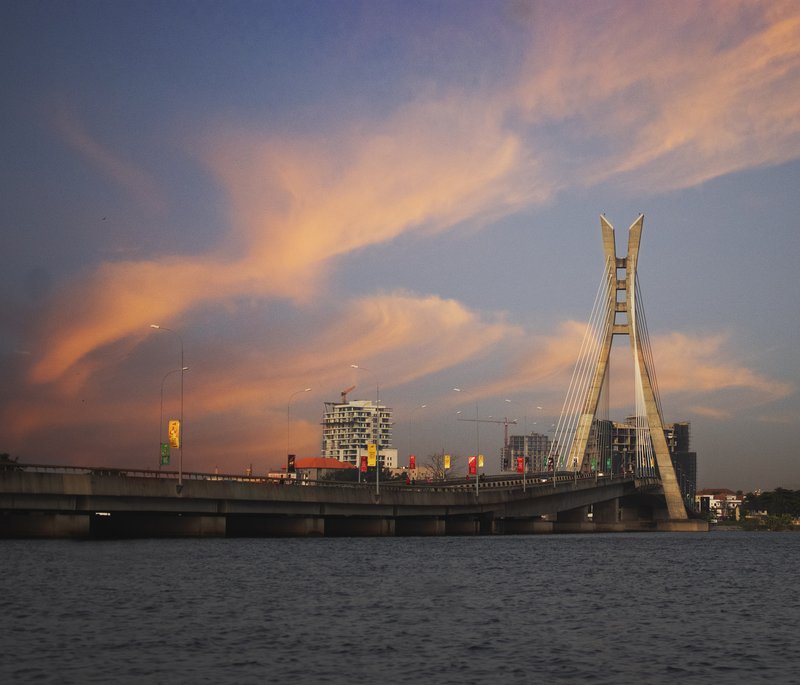
A 1.36-kilometer cable-stayed bridge spanning Lagos Lagoon, offering some of the city's best open vistas — the island skyline on one side, open water and mangroves on the other — especially vivid at sunset when the bridge lights activate against the water.
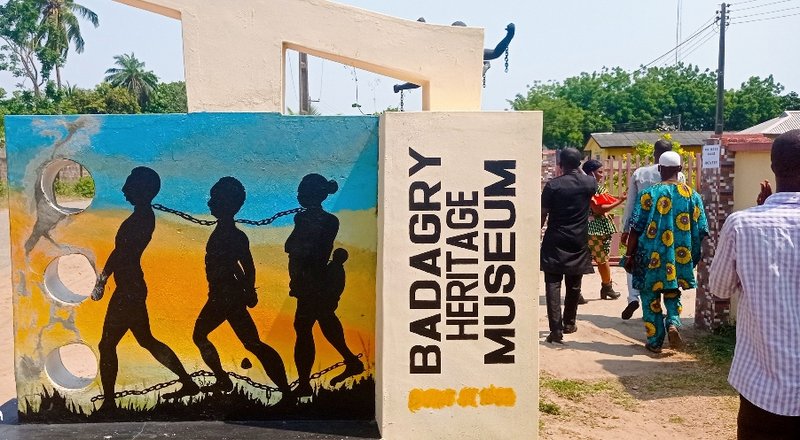
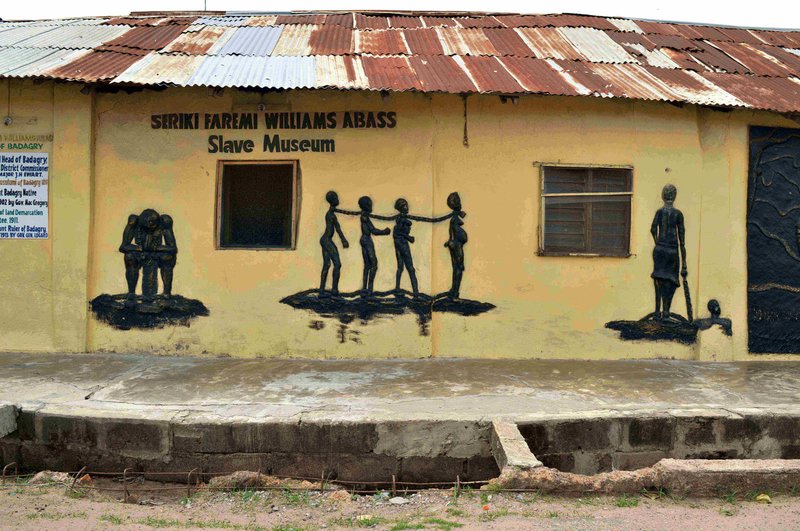
The principal museum documenting the transatlantic slave trade in Southwest Nigeria, housing manacles, whips, slave ledgers, and over 500 artifacts alongside oral histories from Badagry's royal families who both facilitated and ultimately resisted the trade over two centuries.
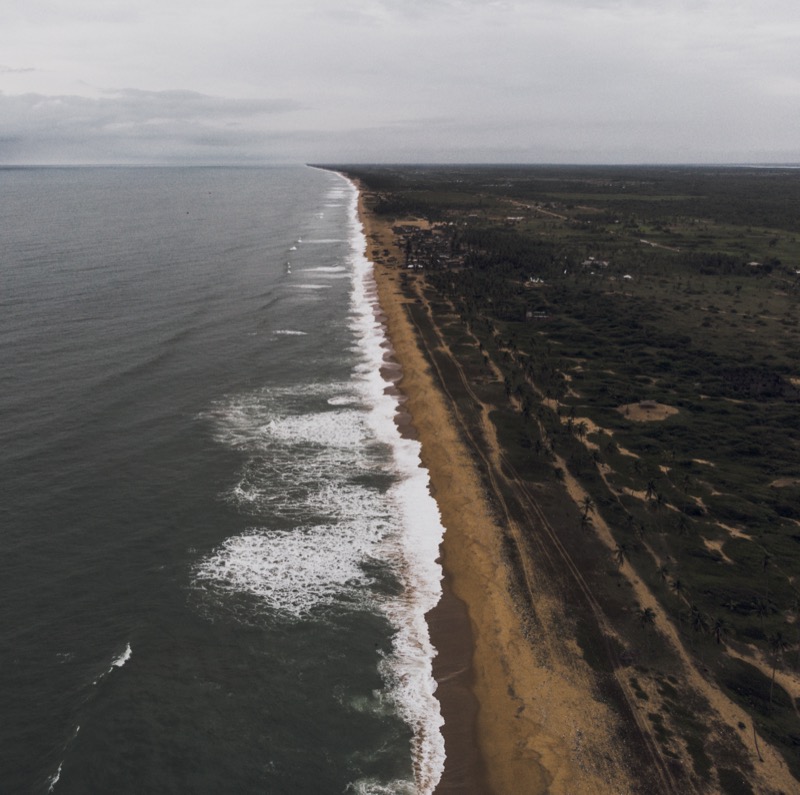
A monument on Badagry Beach marking the precise embarkation point where enslaved Africans were loaded onto ships bound for the Americas, reached by a short boat crossing from the Badagry waterfront and framed by an annual memorial ceremony held each October.
A 19th-century compound belonging to the Seriki Williams Abass slave-trading family, preserved with its underground cellar where enslaved people were held before embarkation — a low, narrow space requiring visitors to bend on entry — offering an unfiltered account of the trade's logistics.
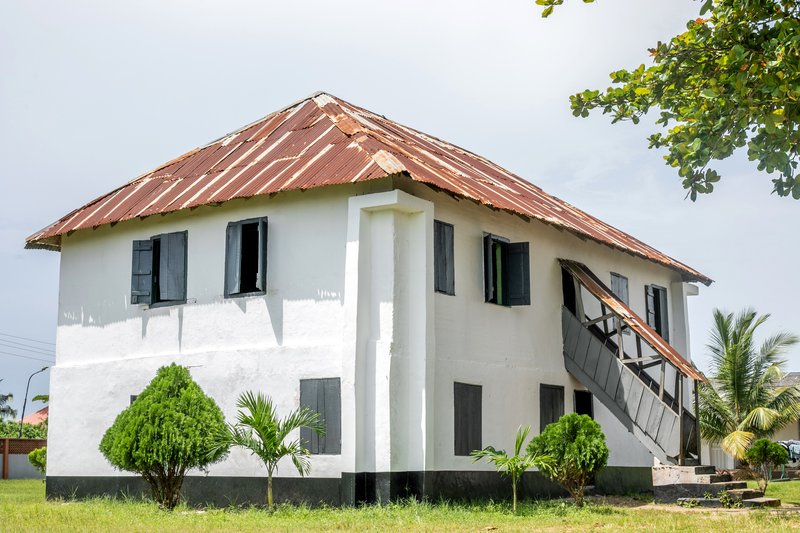
The oldest surviving two-story European-built structure in Nigeria, erected in 1845 by Wesleyan missionary Rev. Thomas Birch Freeman as a mission house, now maintained as a heritage site marking the earliest Western architectural footprint in the country.
The official residence of the Oba of Lagos, Yoruba Lagos's traditional ruler, first built in 1670 for Oba Gabaro and later refurbished with Portuguese-imported materials — a working royal palace that still hosts the annual Eyo festival and administrative functions of the Lagos throne.
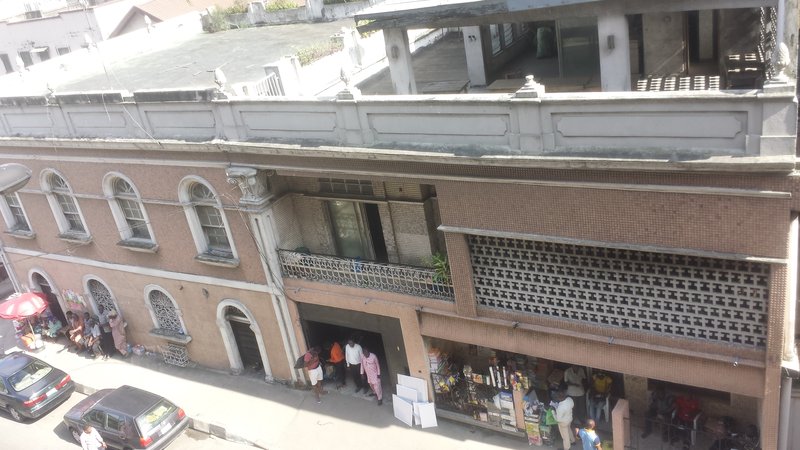
A 19th-century Afro-Brazilian mansion built by Candido Da Rocha, one of the last of Lagos Island's Portuguese-Brazilian-style buildings still standing — named for the private well and Lagos's first freshwater fountain that once stood on the grounds, when Da Rocha sold water to a city with none.
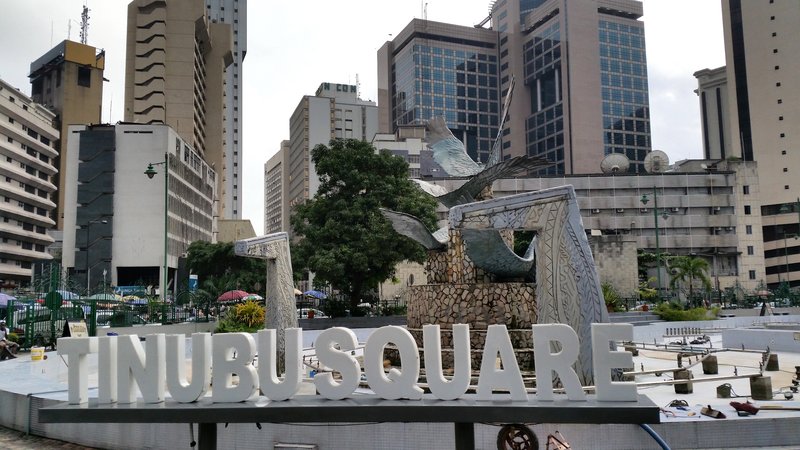
A landscaped public square on Broad Street named for Madam Efunroye Tinubu, the 19th-century Lagos merchant and power broker, remodeled in 2017 around twin fountains, flowering trees and a life-size statue of Tinubu on a cenotaph — a formerly walled Independence Square turned everyday commercial crossroads.
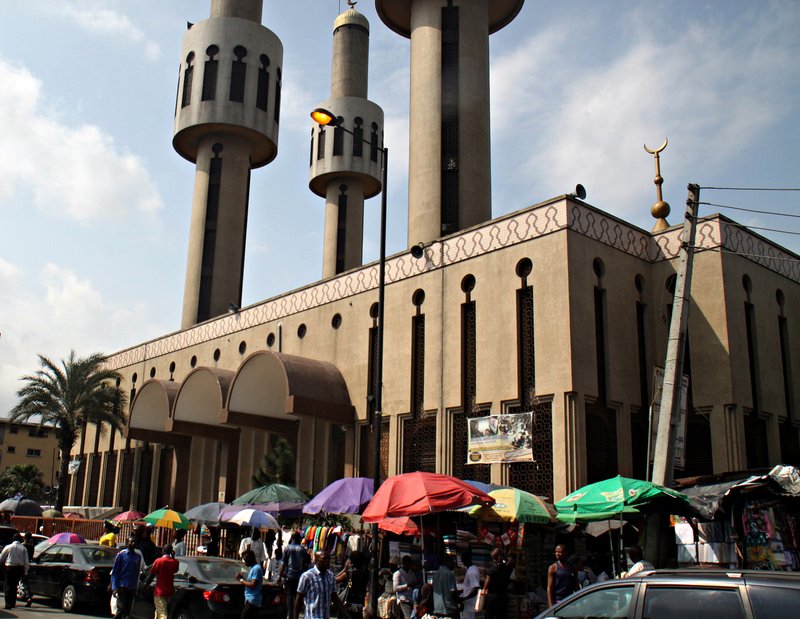
Lagos Island's principal mosque, opened in 1988 to replace an earlier 1913 building, its four minarets and gold-plated 15-meter central dome visible across the Lagos Island skyline — the seat of the Chief Imam of Lagos and the busiest Friday jumu'ah gathering point in the city.
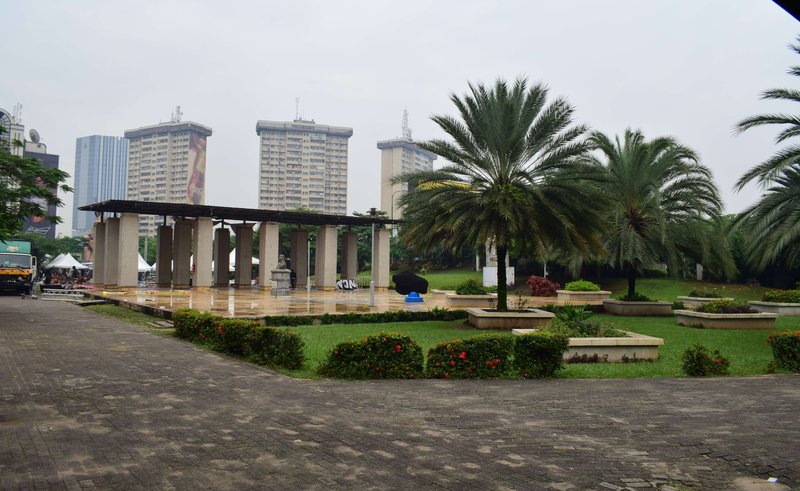
A 2.7-acre landscaped park on Victoria Island, opened in 2008 on the site of the former Cloverleaf Park and named for a respected Nigerian High Court judge — manicured lawns, flower beds, shaded walking paths and rotating public artworks make it one of Lagos's most-visited green spaces.
12 min → Five Cowries Terminal · 20 min → Tarkwa Bay Beach
2.Tarkwa Bay Beach~3 hr
A sheltered, boat-only Atlantic beach formed by the breakwaters of Lagos Harbour, reached by a 20-minute water-taxi crossing from Five Cowries Terminal — calmer and cleaner than the Lekki Peninsula beaches, with a small resident fishing community, beach shacks and no road access at all.
Full-day guided tour from Victoria Island to Badagry covering the Heritage Museum, Point of No Return, Seriki Abass Barracoon, and First Storey Building with a historian guide and round-trip transport included.
Full-day tour covering Tafawa Balewa Square, National Museum Lagos, Freedom Park, and the Kalakuta Republic Museum, led by local guides with deep knowledge of Lagos political and cultural history.
Half-day Afrobeats music culture tour taking in the Kalakuta Republic Museum, an optional evening at the New Afrika Shrine for Femi Kuti's live performance, with transport from VI hotels included.
Two-hour lagoon boat tour departing Five Cowries Terminal on Victoria Island, taking in Tarkwa Bay beach, the Ikoyi shoreline, and views of Eko Atlantic from the water at golden hour.
Private full-day tour of the Badagry slave route with a dedicated historian guide, transport from VI included, with all site entry fees covered — the most thorough Badagry experience available.
Three-and-a-half-hour walking tour of Lagos Island starting at Tafawa Balewa Square and covering Freedom Park, Cathedral Church of Christ, and the Brazilian Quarter with a local guide.
Four-hour art-focused tour of the Nike Art Gallery's five floors followed by visits to independent galleries and studios along the Lekki art corridor, with an art consultant guide.
Three-hour guided walk through Victoria Island markets and street food stalls, tasting suya, puff-puff, and chin chin with a food guide who explains the cultural context behind each dish.
Private full-day tour customized to interests, typically covering Lagos Island heritage, VI art galleries, and an evening at the New Afrika Shrine, with a private driver and expert local guide throughout.
Private Badagry day trip with a specialist guide covering all four slave-route sites; consistently rated the highest-quality Badagry experience on the platform for depth of historical context.
Six-hour private tour of Lagos Island heritage sites including the National Museum, Freedom Park, and Cathedral Church of Christ, tailored to the client's pace with a dedicated guide and private transport.
Five-hour Afrobeats culture tour covering the Kalakuta Republic Museum and ending at the New Afrika Shrine for Femi Kuti's evening performance — the definitive music-history experience in Lagos.
Four-hour nature tour of Lekki Conservation Centre focused on birdwatching and wildlife — crocodiles, vervets, monitor lizards — with a naturalist guide on the canopy walkway and wetland trails below.
Two-and-a-half-hour boat trip across Lagos Lagoon to the car-free Tarkwa Bay beach, with time to swim and explore the bay's calm Atlantic shoreline before returning to Victoria Island.
Aromatic Nigerian rice served with a peppery palm-oil stew. A southwestern favourite, served in leaves at Terra Kulture with locust beans and diced beef.
Yam-flour swallow from Yoruba cooking, eaten with soup rather than on its own. Pair it with ewedu, gbegiri and stew for the classic southwestern combination.
Foreign number: accepted — email OTP is documented; SMS delivery to foreign carriers is not independently verified.
Wide Nigerian-food selection across Victoria Island and Lekki, with order tracking and support in the app. Check the delivery address before choosing a restaurant; recent app-store reviews report inconsistent deliveries and refunds.
Terra Kulture's 218-seat theater on Victoria Island runs rotating Yoruba-language drama, spoken word, and contemporary theatre productions throughout the year.
Foreign number: accepted — the verification code reaches most international carriers via SMS.
The safest and most reliable option for visitors across Victoria Island, Lagos Island, Lekki, and Ikeja. Surge pricing applies on weekend evenings; avoid UberPool during rush hour as shared rides become very unpredictable in Lagos traffic.
Foreign number: accepted — the verification code reaches most international carriers via SMS.
Strong competitor to Uber across VI and Ikoyi with competitive pricing and high driver availability. Often faster to match than Uber on Victoria Island during peak periods. Negotiate with the driver before accepting if the route looks congested.
Olumo Rock rises above the Egba city, with Itoku’s adire textile market nearby. The morning NRC service leaves time to explore before the evening return; check the timetable for your travel day.
Keep your Cowry card for exit as well as entry. Report a failed tap-out to station staff so an incorrect fare can be investigated.
Abeokuta — Check Both Trains
NRC departure times differ by weekday. Check the outward and return timetable before booking your day trip.
Worth Knowing
Lagos traffic — Lagos traffic ranks among the worst globally. A 15-kilometer journey can take 20 minutes or 2 hours depending on the time of day. Plan activities outside peak hours — 7–10am outbound, 4–8pm return. Victoria Island to Lagos Island: 25–40 minutes off-peak, over an hour in rush hour. Day 4 — Badagry: depart by 7:30am to beat the worst of the outbound traffic.
Safety in Lagos — Victoria Island and Ikoyi are the safest areas for visitors and where most international hotels, restaurants, and attractions are concentrated. Avoid displaying expensive jewelry or phones in open markets. Use a registered Uber or Bolt rather than flagging taxis on the street. Badagry is safe for daytime visits; go with a guide.
Currency and cash — The Nigerian Naira — ₦, NGN — is the currency. ATMs are available across Victoria Island and accept international cards, though withdrawal limits are low at ₦20,000–₦40,000 per transaction. Carry some Naira cash for markets, suya vendors, and BRT. Most hotels and upscale restaurants accept Visa and Mastercard.
Dress in houses of worship — Cathedral Church of Christ and other Lagos Island churches require covered shoulders and knees for entry. Carry a light scarf or overshirt when visiting religious sites.