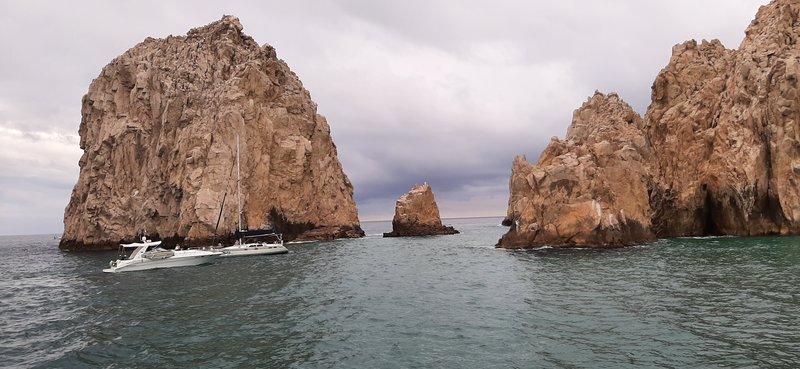
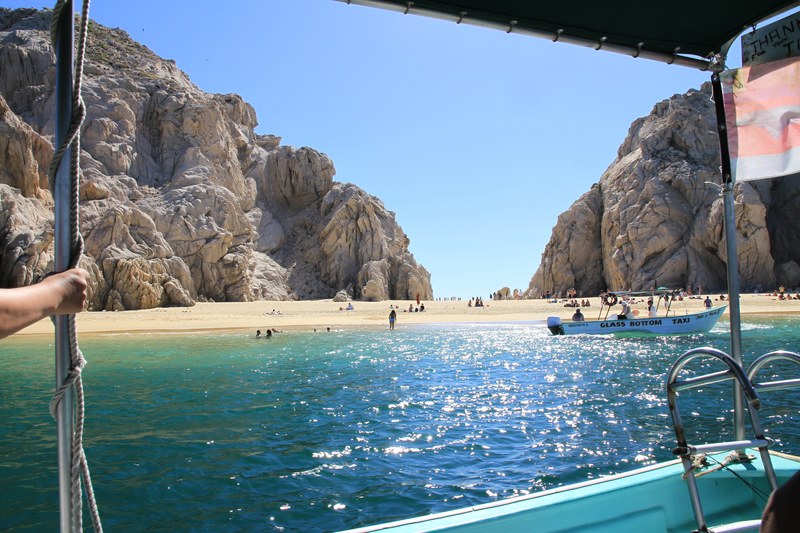
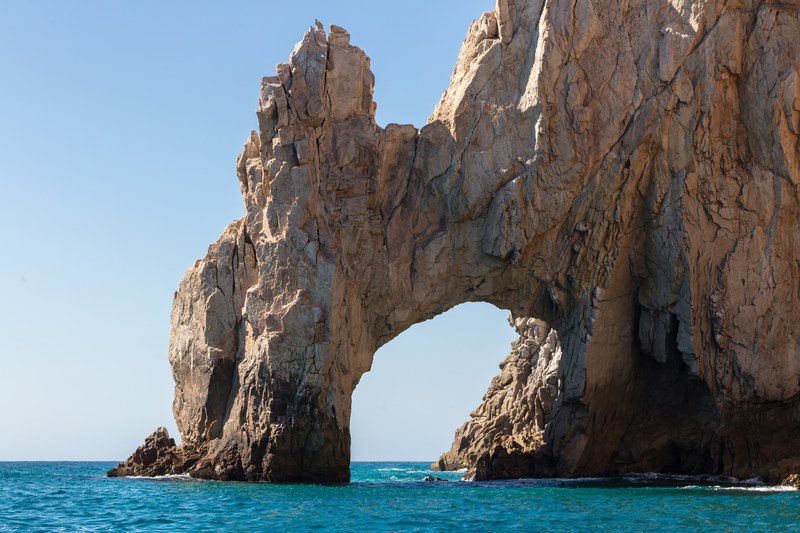
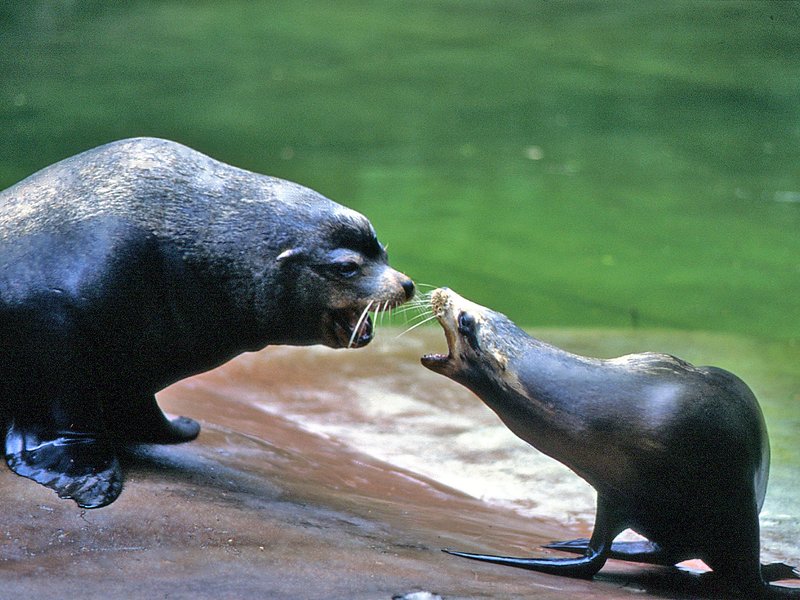
The granite arch at Land's End marks where the Pacific Ocean meets the Sea of Cortez. A water taxi from the marina loops the arch, drops at Playa del Amor, and passes the California sea lion colony at Pelican Rock. The color difference between the two bodies of water is visible from the boat.
The main resort beach in Cabo San Lucas — a 3 km stretch of calm, swimmable water on the Sea of Cortez. Parasailing, banana boats, and jet-ski rentals line the beach. The marina water taxi drops at the east end; it is the most accessible and most populated stretch of coast in the Corridor.
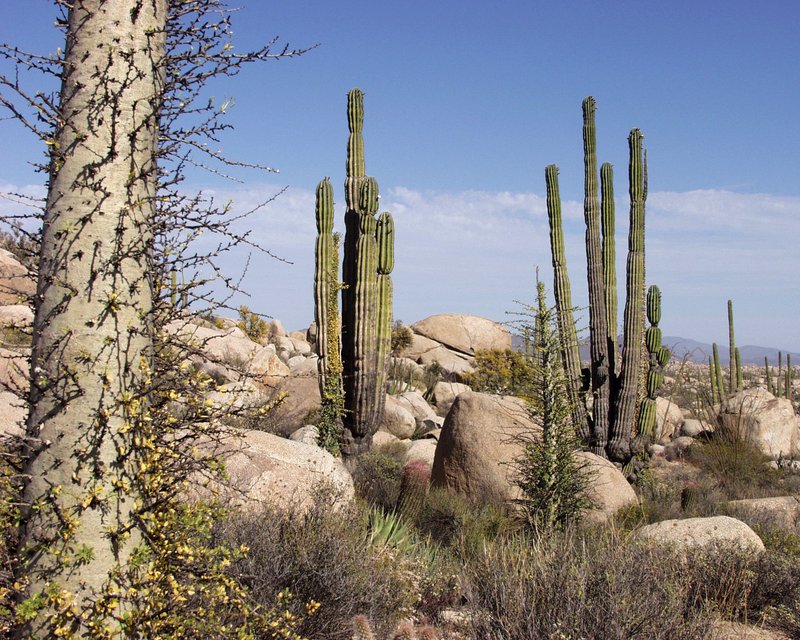
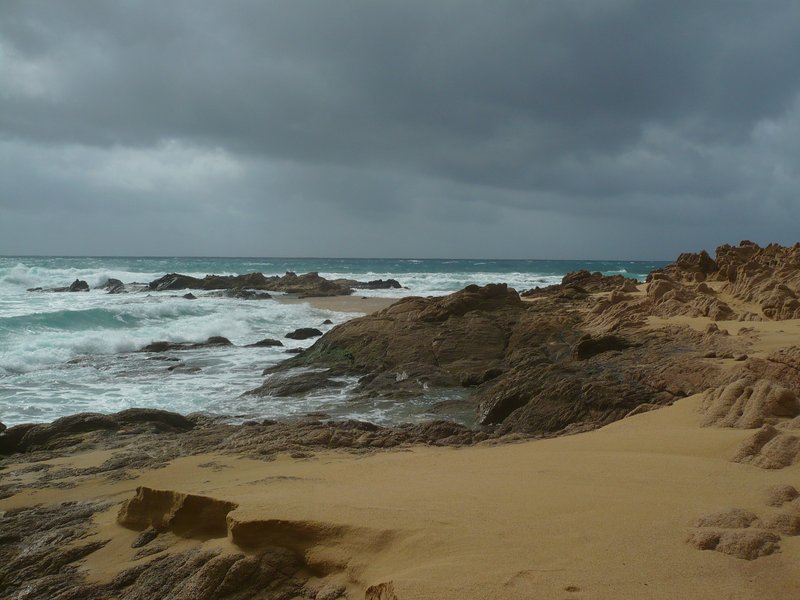
Pacific-facing sand dunes and Baja desert on the western edge of Cabo San Lucas are the backdrop for the area's most popular off-road adventure. A small-group ATV ride covers desert terrain, sand dunes, and a Pacific viewpoint, finishing with a traditional lunch at a local ranch.
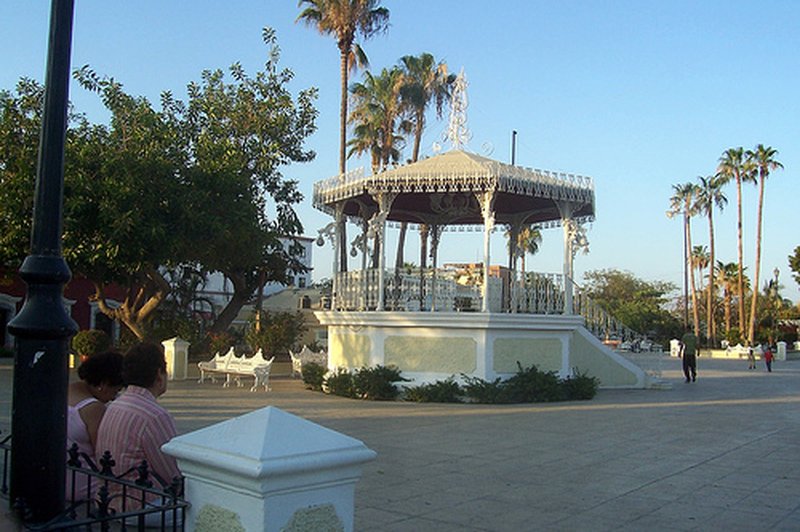
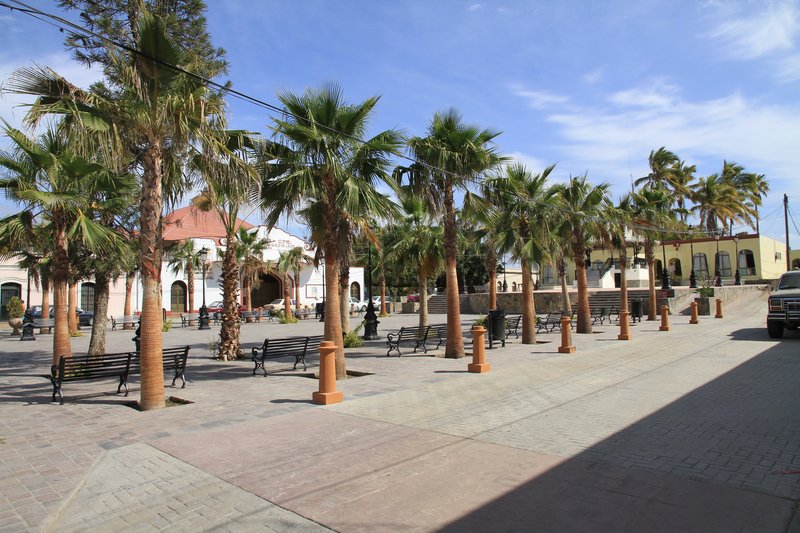
The main plaza of Cabo San Lucas — Plaza Amelia Wilkes — is the historical core of the city, a 15-minute walk from the marina. The malecon along the waterfront connects it to the Mercado de Artesanías, where local crafts and regional specialties are sold. The pedestrian downtown core is compact and walkable.
A protected double cove along the Tourist Corridor with some of the clearest water on the Baja peninsula — visibility can exceed 15 meters. The shallow reef supports sea turtles, tropical fish, and rays. A catamaran cruise from the marina combines this stop with El Arco in one half-day on the water.
The most swimmable public beach on the Corridor — a sheltered cove with calm, clear water and a protected reef just offshore. Snorkeling gear can be rented at the beach concession. No resort footprint on the public section; the water is calmer and more accessible than Santa Maria Bay.
A 115-hectare canyon park on the Tourist Corridor with zip lines crossing the gorge, a bungee platform, a giant swing, and UTV and ATV rides through desert terrain. An SEMARNAT-certified animal sanctuary is on-site. The park has operated since 2006 and is the only adventure complex of its scale in Cabo.
A state ecological reserve and 125-hectare coastal wetland where a freshwater lagoon meets the Sea of Cortez — protected since 1944. Over 200 bird species use the estuary, including frigate birds, white herons, and red-tailed hawks. The contrast between the lush wetland and surrounding desert is immediate.
A Pueblo Mágico on the Pacific coast of Baja California Sur, 80 km north of Cabo San Lucas. The historic center has 19th-century sugar-mill architecture and a dense concentration of art galleries. The coastal position where the Sierra de la Laguna meets the Pacific is unlike anything on the Corridor.
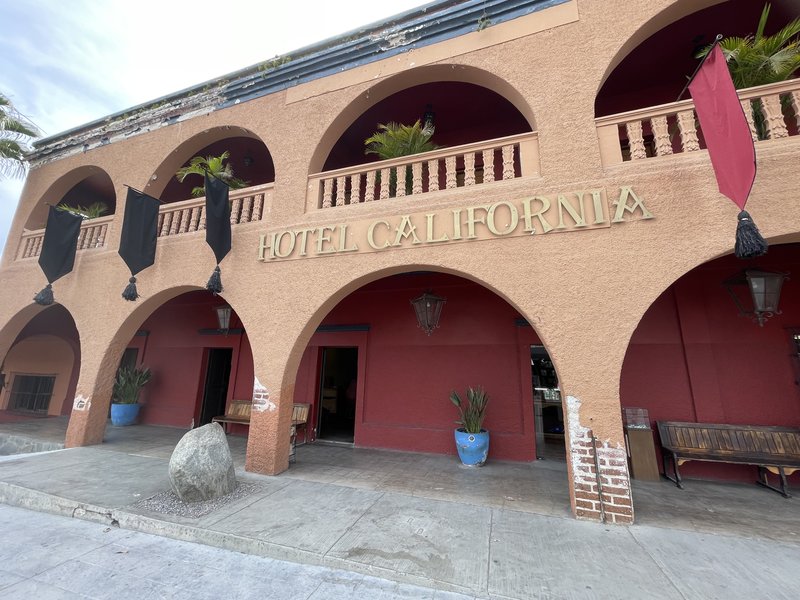
A 19th-century hacienda operating as a hotel since 1947, widely associated with the Eagles song — though the band disputes any connection. The lobby and courtyard hold an eclectic collection of Mexican folk art and antiques. The ground-floor cantina and boutique are open to walk-in visitors.
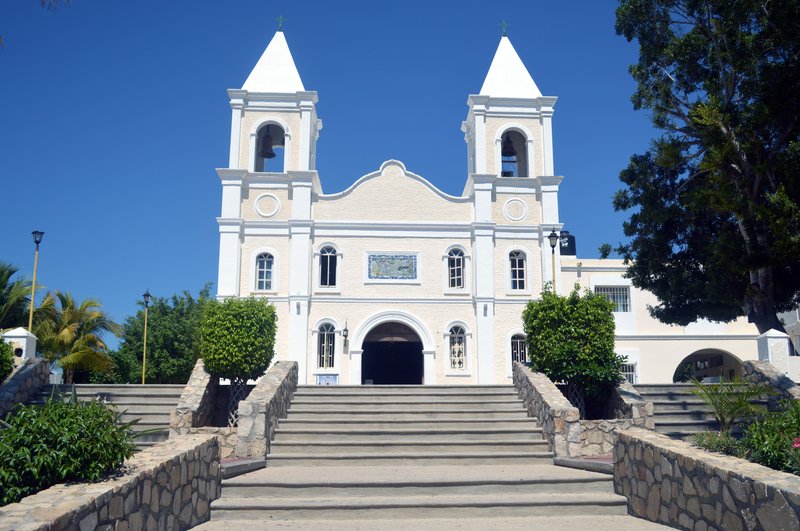
The parish church on the main plaza of San José del Cabo stands on the site of the 1730 Jesuit mission Misión San José del Cabo Añuití. The 1940 building features a mosaic mural above the entrance depicting the 1734 Pericú uprising. The surrounding plaza is the historic and social core of the town.
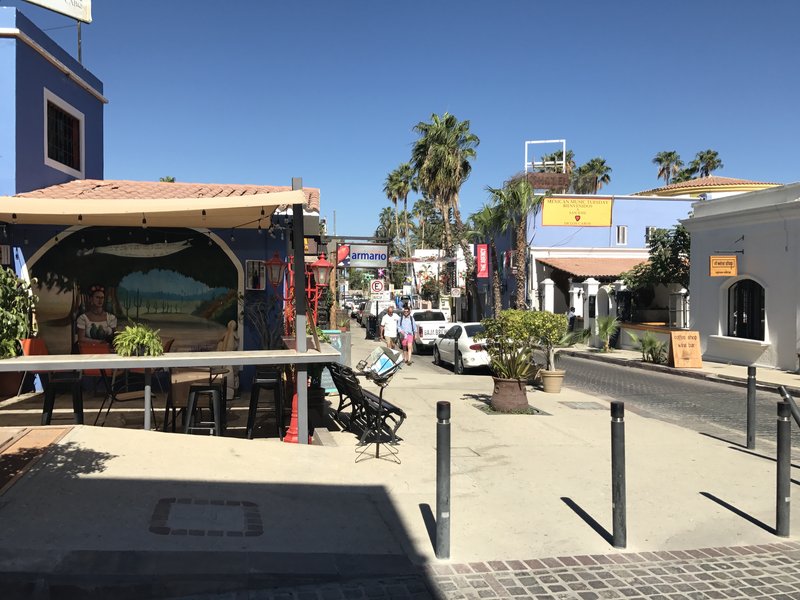
The historic district around Calle Obregón holds over 20 contemporary and folk-art galleries that formed in the 1990s. On Thursday evenings in season, the Art Walk runs 5:00pm - 9:00pm with open studios, live music, and food stalls.
A UNESCO World Heritage Site and the only living hard coral reef on the west coast of North America. Snorkeling from the beach reaches the reef in minutes. The park recovered from near-collapse in the 1990s after the local community banned fishing — one of the most cited marine conservation outcomes globally.
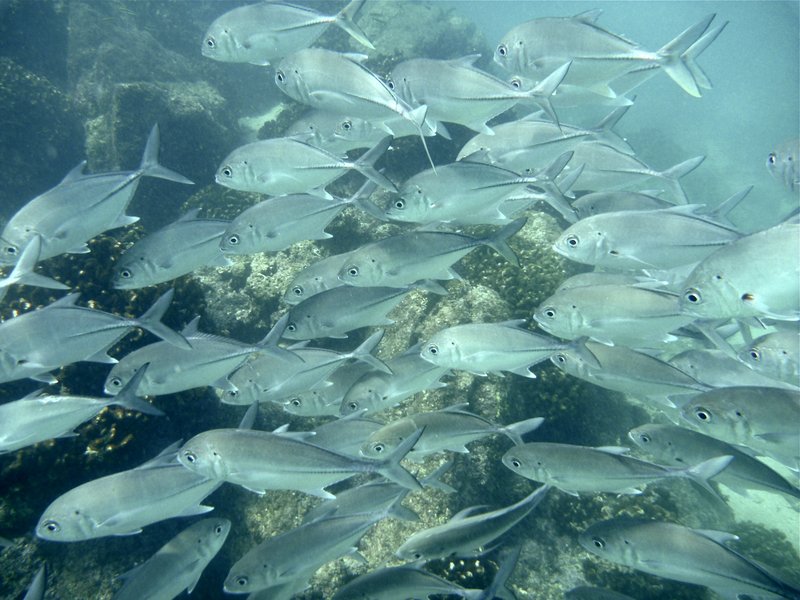
The small fishing settlement adjacent to the park — palapa restaurants, dive shops, and rental casitas that resisted development after the community voted to protect the reef in 1995. Local operators offer guided snorkel and dive trips into deeper reef sections where bull shark and giant jack aggregations occur.
A kite-surfing and sportfishing village on the East Cape, 30 km north of Cabo Pulmo on the Sea of Cortez. The consistent afternoon wind from November through March draws kiters from across Baja. The main strip has palapa restaurants, dive operators, and watersport rental shops.
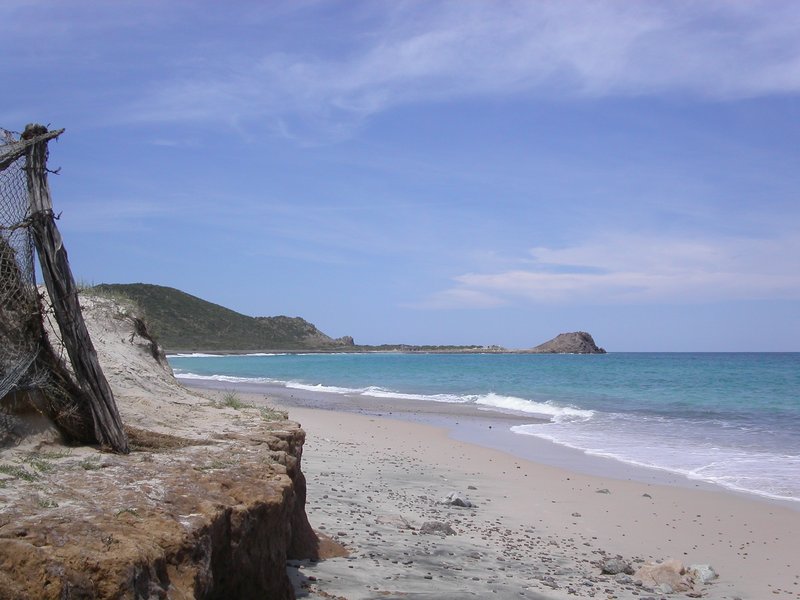
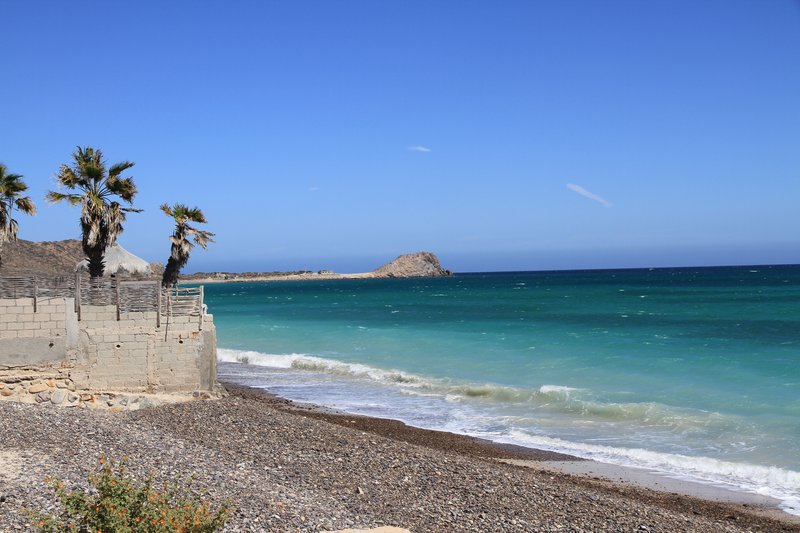
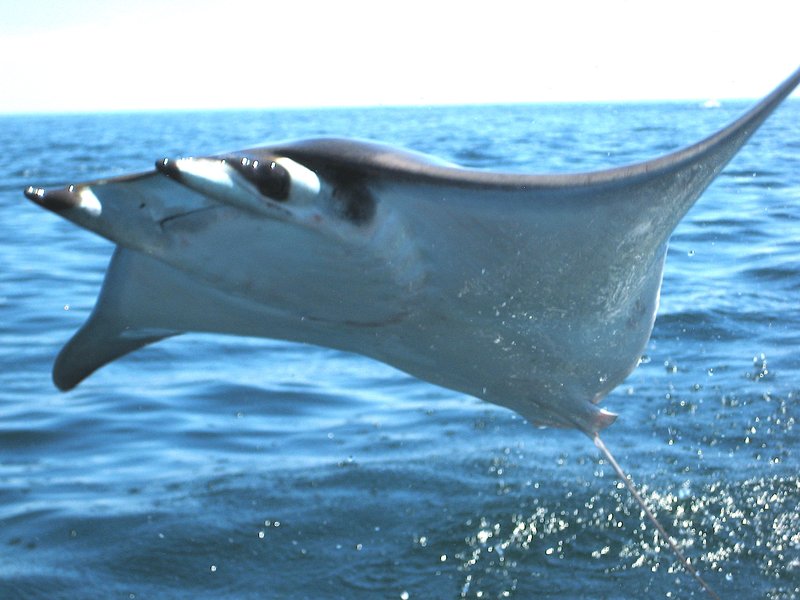
The coastal highway north of Cabo Pulmo follows the Sea of Cortez through 60 km of undeveloped desert shoreline with near-zero infrastructure. From October to March, mobula rays aggregate offshore in numbers visible from the road. The seascape is the same body of water as the Corridor, without a resort in sight.
Small-group ATV ride through Pacific-facing desert terrain and sand dunes, finishing with a traditional lunch at a local ranch. Departs from the operator's base near the Pacific dunes.
Water taxi circuit from the marina to El Arco, Playa del Amor, and the California sea lion colony at Pelican Rock — the standard way to see Land's End from the water.
Marine-biologist-led whale watching from the marina targeting humpback and gray whales. Operates December through April only during the annual migration through the Sea of Cortez.
Catamaran cruise from the marina combining El Arco and Santa Maria Bay snorkeling with open bar and snacks; 3.5-hour circuit covering the two most popular water stops on the Corridor.
White fish in a beer batter, topped with shredded cabbage, crema, and lime in a corn tortilla. The style originated in Ensenada and spread south; every taquería in the region serves it.
Raw shrimp cured in lime juice with serrano chile, cucumber, and red onion, served chilled. The Baja version is sharper than ceviche; found on nearly every menu in Cabo San Lucas.
Locally smoked marlin mixed with tomato, onion, and chile. A Cabo-specific variation rarely found elsewhere; Las Guacamayas on Calle Cabo San Lucas is the long-established local address for it.
A herbal liqueur from the Damiana plant, which grows wild in the Baja desert. Sold in a gourd-shaped bottle; served as an aperitif or in cocktails. Produced commercially in Cabo San Lucas since the 1940s.
Foreign number: accepted. — it runs on the same Uber account, so the sign-up code comes to any international number.
Covers the main tourist corridors between Cabo San Lucas and San José del Cabo with a decent selection of local restaurants and resort-adjacent dining; delivery times can vary outside the hotel zones.
Foreign number: accepted. — the sign-up code comes by SMS to any international number, with a voice-call option as fallback.
The most practical way to get between Cabo San Lucas and San José del Cabo; also useful for reaching beaches and restaurants along the Corridor where taxis can be expensive.
The thing about Cabo San Lucas that stays with you isn't the resort strip or the tequila or the sport fishing. It's that geographic fact at Land's End — the exact point where the Pacific Ocean becomes the Sea of Cortez.
Jacques Cousteau called the Sea of Cortez the world's aquarium, and standing in a boat at the Arch watching the water change color from green-grey to turquoise across a visible line, you understand why. One side is cold, rough, and largely empty. The other is warm, calm, and dense with life.
The whole four-day arc of this guide is shaped by that boundary: the Pacific-facing dunes and desert rides on Day 1, the Sea of Cortez snorkeling and reef on Days 2 and 4, the desert interior on Day 3. The corridor between the two oceans at the tip of the Baja peninsula is only 30 kilometers wide. It doesn't take long to see both.