From Hotel: 34 min · 8 min → Karnak Temple Complex
1.Karnak Temple Complex~3 hr
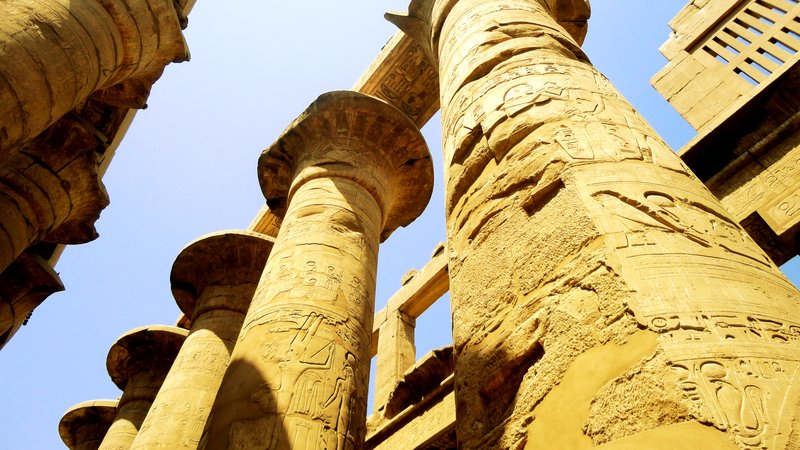
The largest religious building complex ever constructed, built up over 2,000 years by successive pharaohs and dedicated chiefly to the god Amun-Ra. The Great Hypostyle Hall alone holds 134 towering sandstone columns, and a sacred lake and processional avenues fill out the wider precinct.
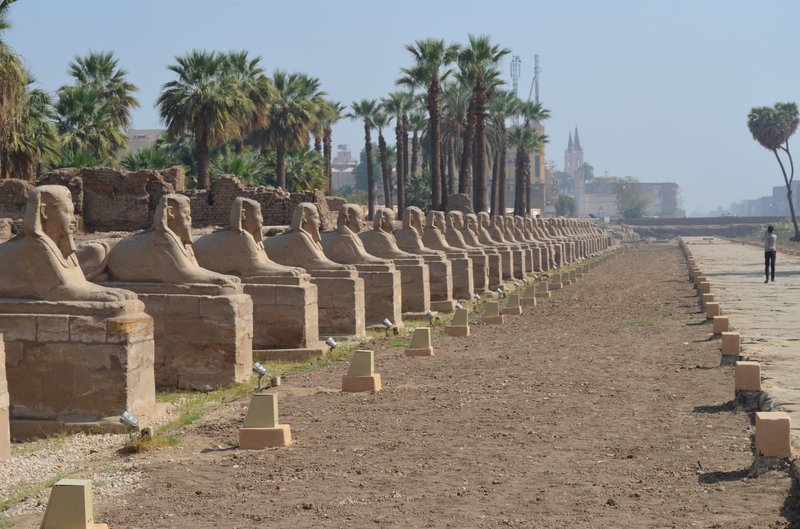
A 2.7-kilometer processional road lined with human-headed and ram-headed sphinx statues, connecting Karnak to Luxor Temple. Built up over centuries and completed under Nectanebo I, the avenue was fully excavated and reopened to walkers only in recent years, after decades buried under the modern town.
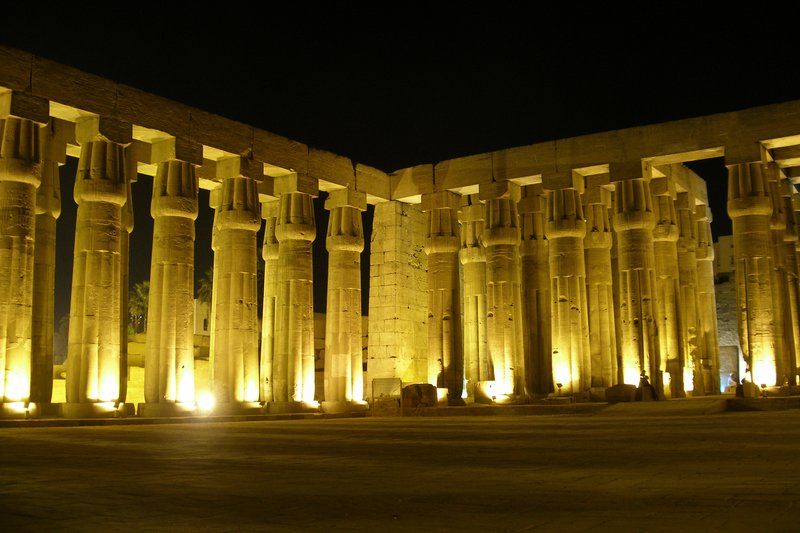
A sandstone temple built largely by Amenhotep III and Ramesses II on the Nile's east bank, once linked to Karnak by the Avenue of Sphinxes. Unusually among Egyptian temples it has stayed in continuous religious use — a Roman legionary chapel and, still active today, the Mosque of Abu al-Haggag stand within its walls.
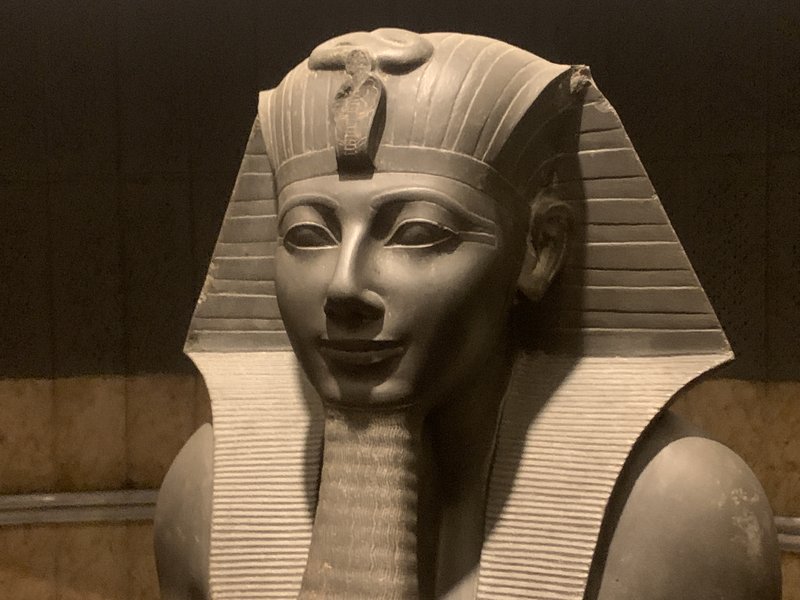
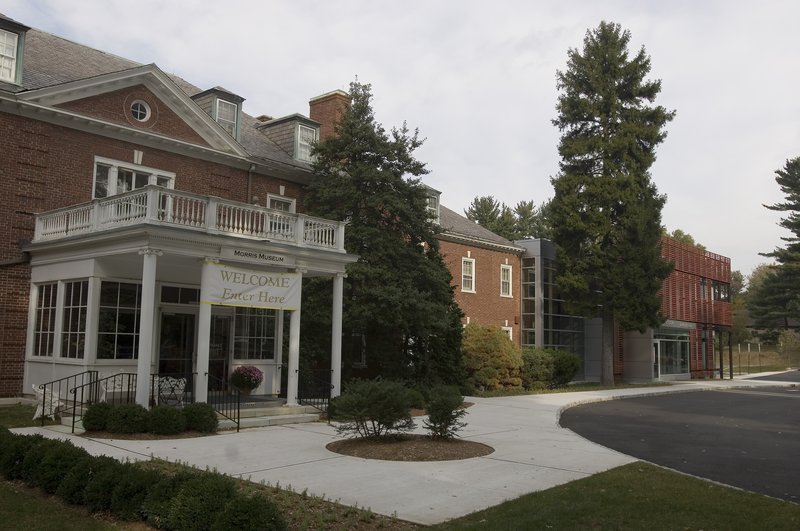
A small, carefully curated museum opened in 1975 on the Corniche, holding a fraction of the objects the larger Cairo and Grand Egyptian museums do but displaying each one with room to breathe. Highlights include the mummies of Ahmose I and a second royal mummy usually identified as Ramesses I, and sandstone reliefs from Akhenaten's dismantled Karnak temples.
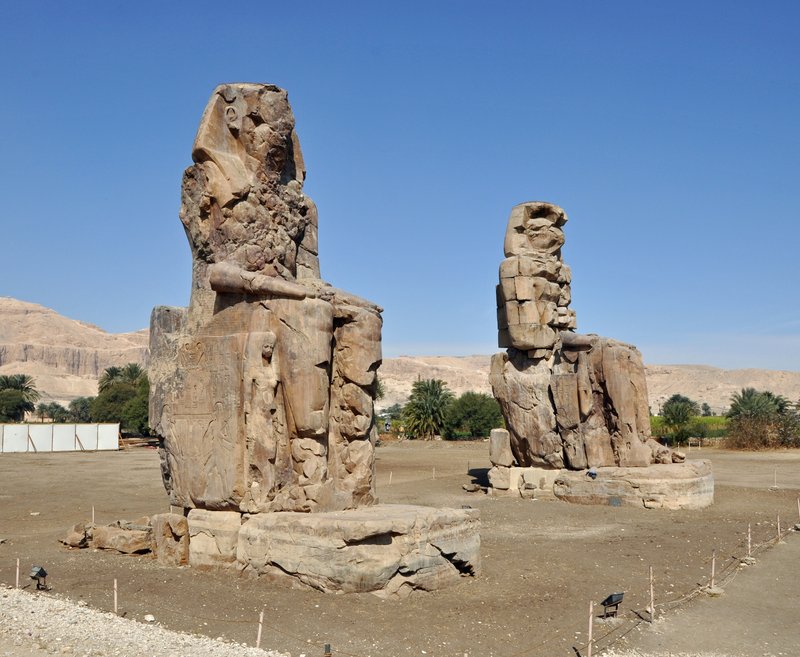
Two 18-meter quartzite statues of a seated Amenhotep III, all that survives above ground of what was once the largest mortuary temple in Egypt. In antiquity, one figure was famous for "singing" at dawn as the stone warmed — a phenomenon that stopped once Roman-era repairs sealed the crack that caused it.
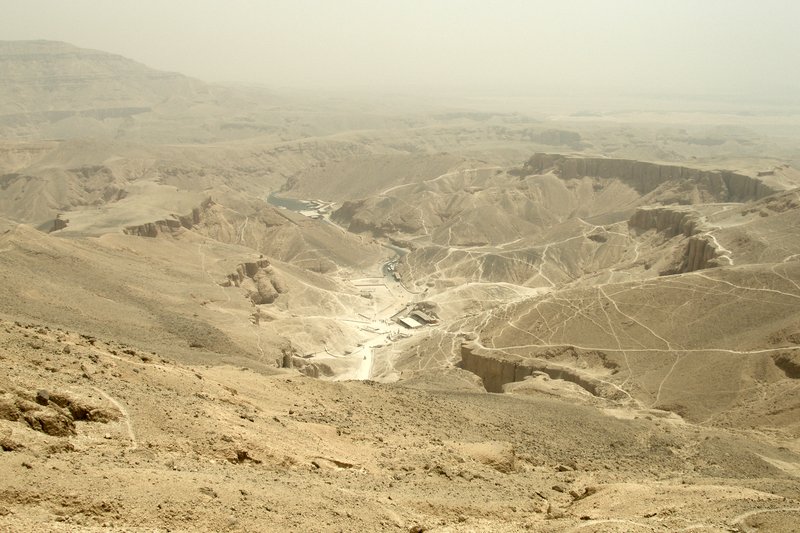
The royal burial ground of the New Kingdom, holding more than 60 tombs cut into the limestone hills, including Tutankhamun's still-intact KV62. Standard entry covers three tombs of the visitor's choosing among those open that day; Tutankhamun's tomb and Seti I's tomb are ticketed separately.
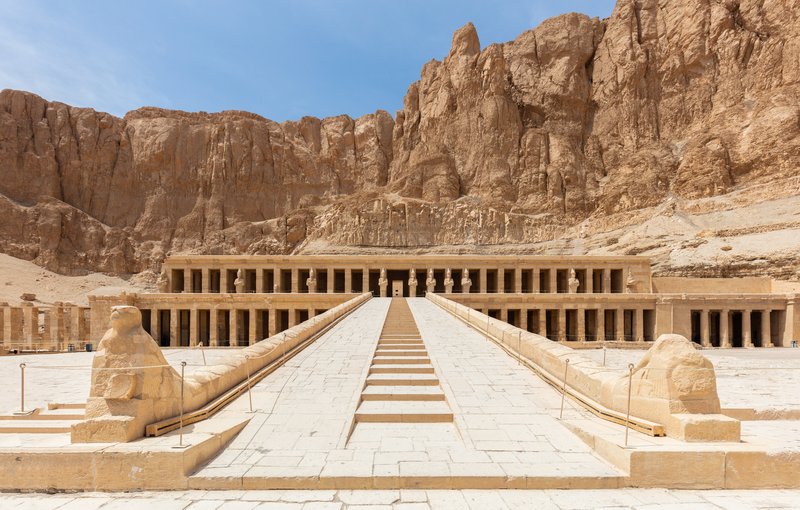
The mortuary temple of Hatshepsut, Egypt's most successful female pharaoh, its three colonnaded terraces cut directly into the cliff face at Deir el-Bahari. Her architect Senenmut designed it to echo the older Mentuhotep II temple next door; reliefs inside record her trading expedition to the land of Punt.
The burial ground of royal wives, princes and princesses of the 18th through 20th dynasties, holding around 90 tombs in a side valley south of the Valley of the Kings. Its most celebrated tomb, Nefertari's — long ranked among the most richly painted in Egypt — is currently closed to visitors pending conservation.
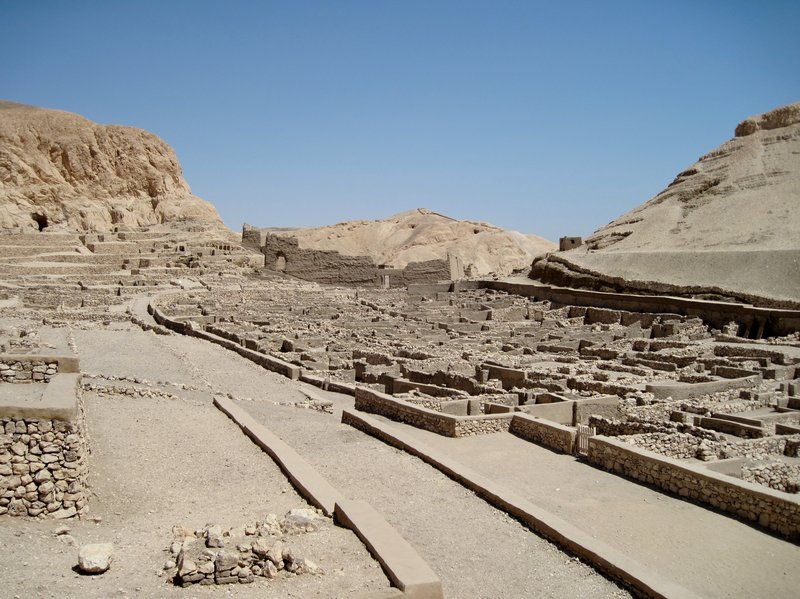
The excavated village of the artisans, scribes and laborers who cut and painted the royal tombs, occupied for some 450 years during the New Kingdom. The workers' own small necropolis on the hillside above is decorated as brightly as anything they built for their kings, and the site's papyri and ostraca record their strikes, gossip and daily wages in unmatched detail.
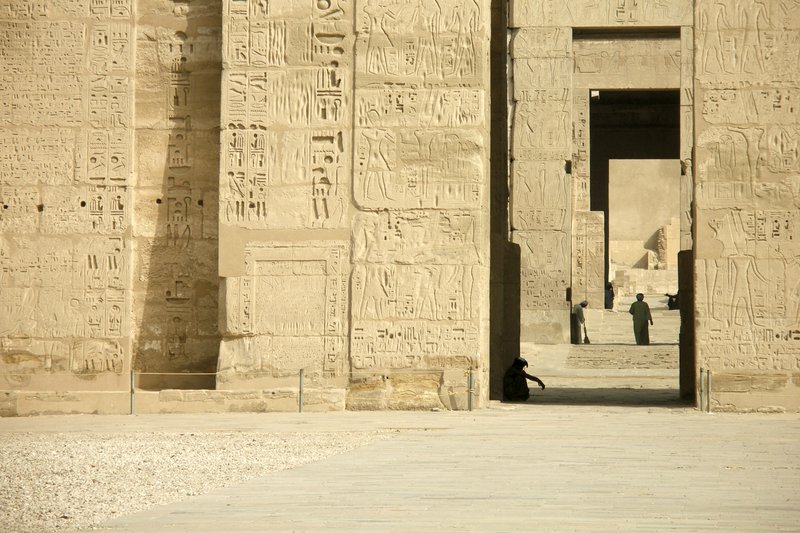
The mortuary temple of Ramesses III, the second-largest ancient temple in Egypt after Karnak and among its best preserved, complete with its outer enclosure wall, palace ruins and fortified gatehouse. Vivid painted reliefs along the walls record his campaigns against the invading Sea Peoples.
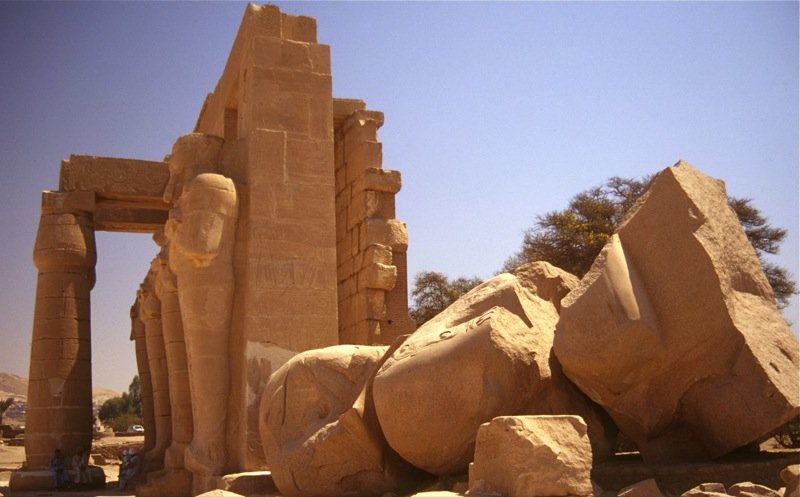
The mortuary temple of Ramesses II, its once-20-meter granite colossus now toppled and shattered across the first court — the fallen giant that inspired Shelley's poem "Ozymandias." A still-standing hypostyle hall, storerooms and a small on-site museum round out one of Thebes' most atmospheric ruins.
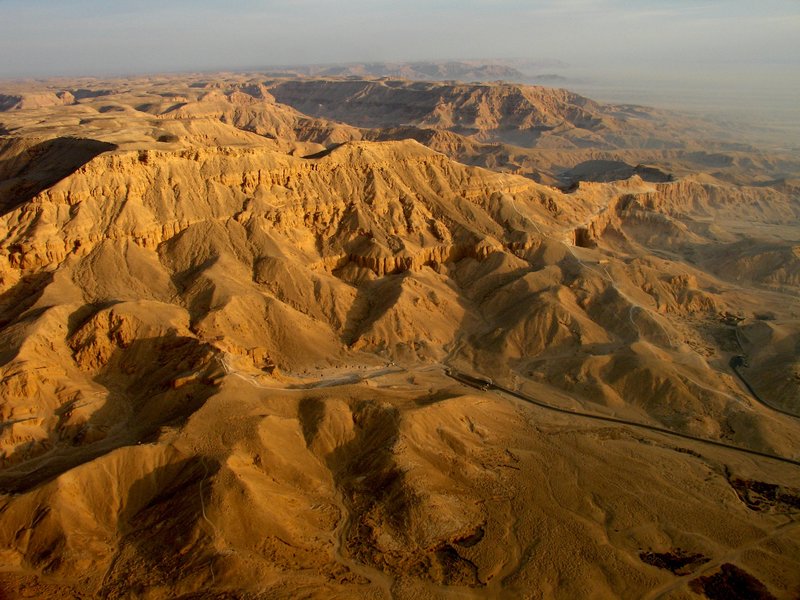
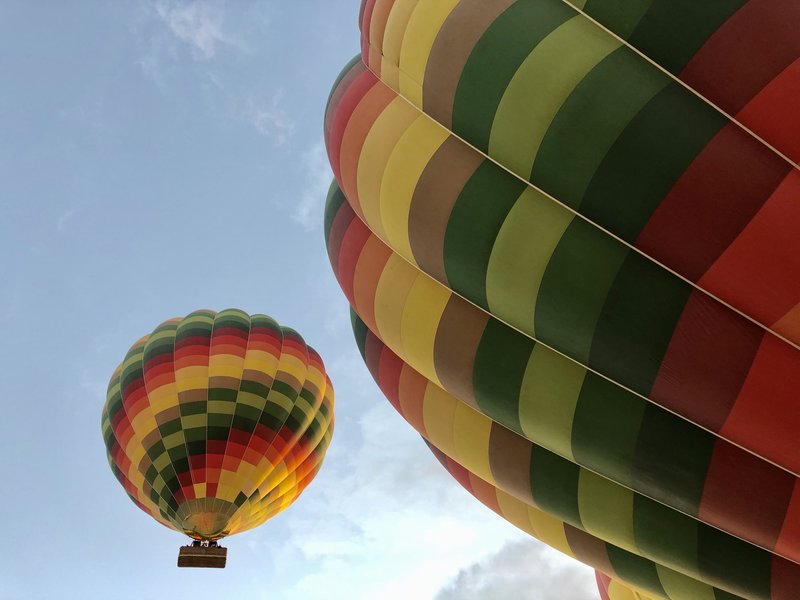
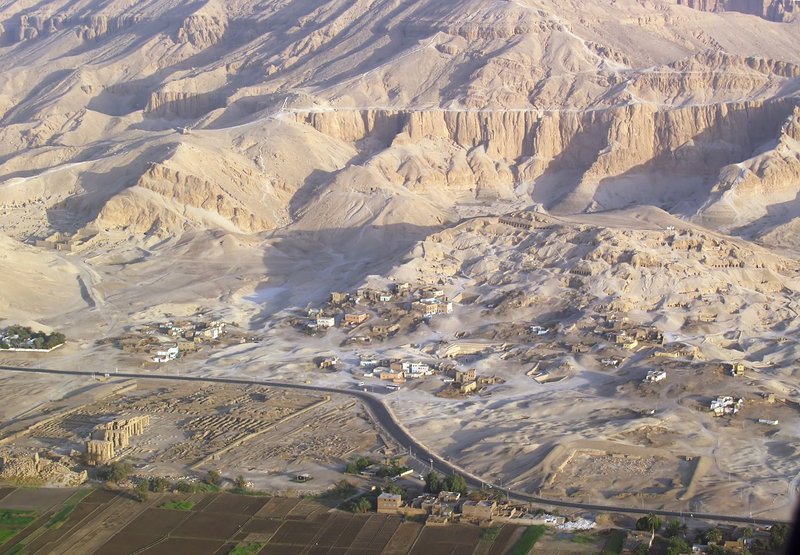
A sunrise flight over the West Bank necropolis — the Colossi of Memnon, the Valley of the Kings hillside, and Hatshepsut's temple laid out below the basket as the desert catches the first light. Pilots collect guests from the hotel before dawn, cross the Nile by boat, and fly for 45 minutes once conditions clear for launch.
More than 400 tombs cut into the hillside at Sheikh Abd el-Qurna for the officials, scribes and priests who served the pharaohs rather than the pharaohs themselves. Away from the crowds of the royal valleys, tombs like Sennefer's and Rekhmire's keep some of the liveliest, best-preserved paintings of everyday New Kingdom life anywhere in Thebes.
A small, single-subject museum on the Corniche opened in 1997, covering the practice of mummification in more depth than any larger collection has room for. Embalming tools, canopic jars, and mummified cats, fish and crocodiles set out the beliefs and techniques behind the process, along the Nile-facing façade opposite the Mina Palace Hotel.
ARRIVE Aswan Railway Station: 8 min → Unfinished Obelisk
1.Unfinished Obelisk~45 min
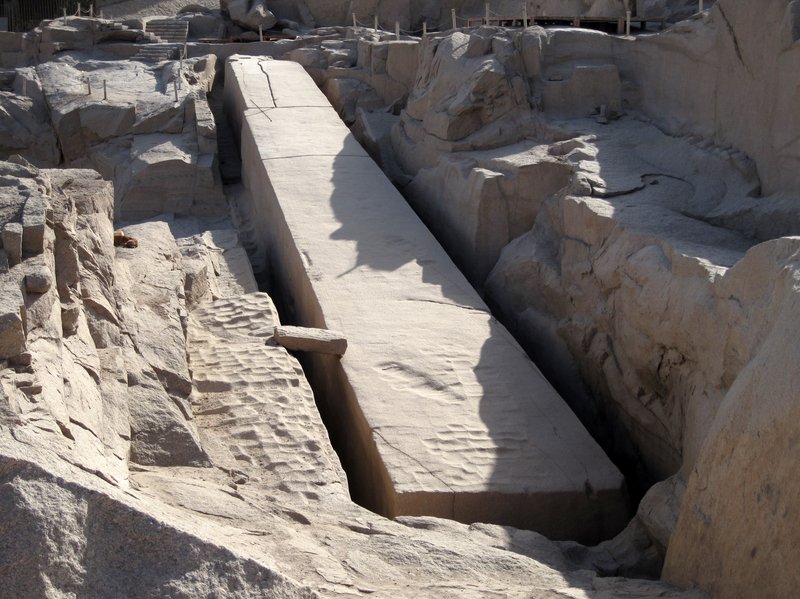
The largest known obelisk ever attempted, still lying in the granite quarry where it cracked and was abandoned partway through carving. Scholars attribute the commission to Hatshepsut; finished it would have stood nearly 42 meters and weighed close to 1,200 tonnes; the quarry marks around it show exactly how ancient workers freed stone from bedrock.
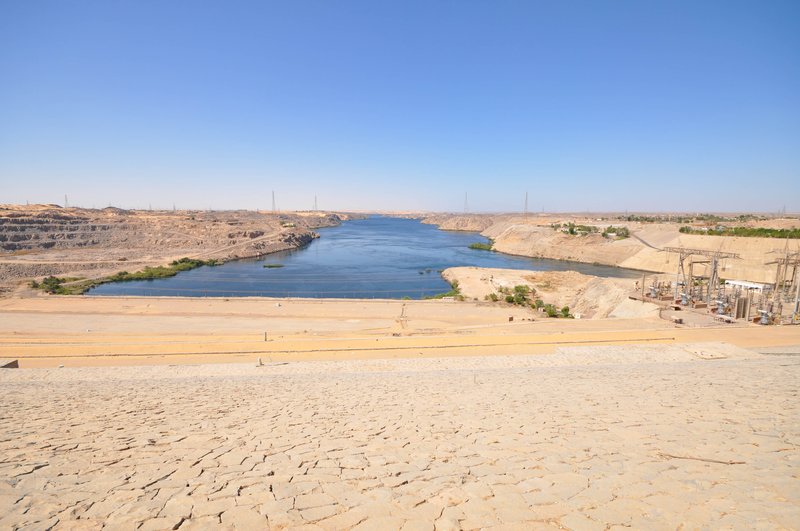
A rock-and-clay embankment dam completed in 1970 across the Nile, built with Soviet backing to end the river's centuries-old flood cycle and generate hydroelectric power. It impounds Lake Nasser, one of the largest reservoirs on Earth, and its construction was the reason the Philae and Abu Simbel temples had to be relocated.
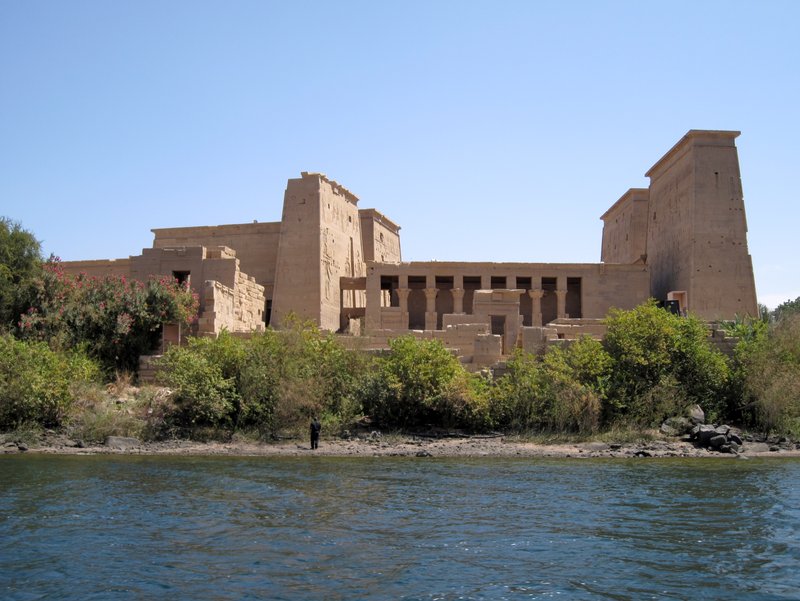
The Ptolemaic-era Temple of Isis, dismantled block by block and reassembled on Agilkia Island in a 1970s UNESCO rescue project after the High Dam threatened to submerge its original site. Reached only by a short boat crossing, the temple's colonnaded courts and Kiosk of Trajan make it one of the best-preserved in Egypt.
A private felucca sail on the Nile at sunset, with a motorboat tow if the wind drops, tea served on board and running commentary on the riverbank sights from the crew.
A multi-level café-restaurant directly across from Luxor Temple — coffee, pastries and full breakfasts with a Corniche and temple view from the upper floors.
Egyptian classics on a Nile-view terrace across from the West Bank — mashi, tagines, grilled kofta and kebab, feluccas leaving from the dock out front.
A dark-green stew made from finely chopped jute leaves, cooked in garlic-and-coriander broth and ladled over rice, usually beside grilled or stewed chicken or rabbit — an everyday Egyptian staple.
Bolti, the local name for Nile tilapia, and other river fish grilled whole over charcoal with cumin and lemon — a riverside standard in a city built along the Nile's banks.
A tart, deep-red hibiscus infusion served hot or iced, grown chiefly in Upper Egypt around Luxor and Aswan and poured everywhere from hotel lobbies to street stalls.
Foreign number: not accepted. — the sign-up country-code list covers only Talabat's own Middle East markets, so a European or American number is never offered the code.
Egypt's dominant delivery app and the one with the deepest Luxor list — hotel restaurants, Corniche cafés and the koshary and grill counters around the market; a visitor in practice orders through the hotel concierge or on a local SIM, with cash on delivery still standard.
Foreign number: accepted. — the code arrives by SMS on a foreign SIM; Careem occasionally rejects a foreign-issued card, so Apple Pay or Google Pay is the fallback.
Uber does not reliably operate in Luxor, so Careem is the default fixed-fare app here — cars are a few minutes out around the Corniche and hotel district, and it is the easiest way to reach the West Bank ferry landing without haggling.
Foreign number: accepted. — the verification code arrives by SMS on a foreign SIM, and the app also accepts cash payment to the driver.
A bid-based ride app where the rider proposes a fare and a driver accepts it — often a few pounds cheaper than Careem on the same Corniche-to-West-Bank run, and useful as a second option when Careem is short of cars.
A provincial capital an hour north of Luxor, the jumping-off point by taxi for the Temple of Hathor at Dendera — one of Egypt's best-preserved temple complexes, with a richly decorated astronomical ceiling.
The standard ticket picks three tombs from the general rotation — Tutankhamun's tomb needs a separate ticket at the same window.
West Bank Sites — Buy Tickets First
Most West Bank sites sell tickets only at the Antiquities office near the Valley of the Queens, not at each gate — buy them on the East Bank first.
Worth Knowing
A Hotel Noticeboard Broke the Biggest Archaeological Story of the Century
When Howard Carter's team found the sealed entrance to Tutankhamun's tomb in November 1922, the Winter Palace — this guide's hotel — became the story's unofficial press office. Reporters from around the world checked in and filed their dispatches from its terrace for months afterward, and news of each fresh discovery inside the tomb was posted on the hotel's own noticeboard before it reached any newspaper. Carter's patron, Lord Carnarvon, had kept a suite at the hotel since it opened in 1907, which is part of why the discovery's aftermath played out on its grounds rather than anywhere else in Luxor.
Egyptian tourism literature routinely describes Luxor as holding roughly a third of the world's most significant ancient monuments — a figure with no rigorous scientific source behind it, but one that captures something real: within a few square miles sit two of the largest temple complexes ever built, a royal valley with more than 60 tombs, and a second valley for queens and princes, none of it counting the west bank's mortuary temples or the noble tombs above them. The other common shorthand for the same idea is "the world's largest open-air museum" — the entire modern town sits on top of, or beside, ancient Thebes.