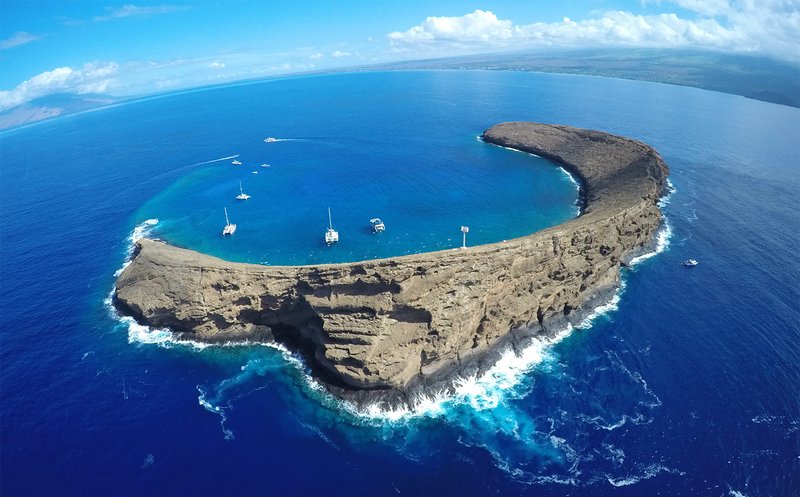
A half-submerged volcanic caldera 2.5 miles offshore — one of Hawaiʻi's only Marine Life Conservation Districts, with 100-foot visibility and 250+ reef fish species in a sheltered crescent accessible only by licensed boat.
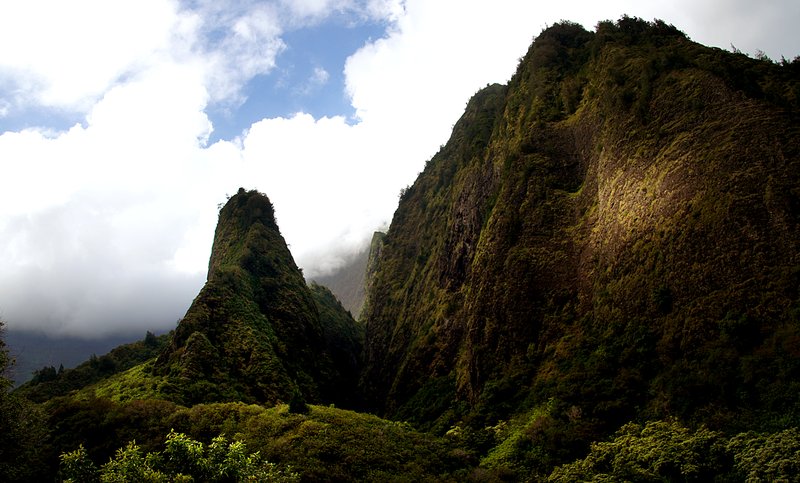
A sacred 2,250-foot basalt spire rising from a lush stream valley — the ʻIao Needle is Maui's most iconic landmark, revered by Native Hawaiians and the site of the decisive 1790 Battle of Kepaniwai that united the Hawaiian Islands under Kamehameha I.
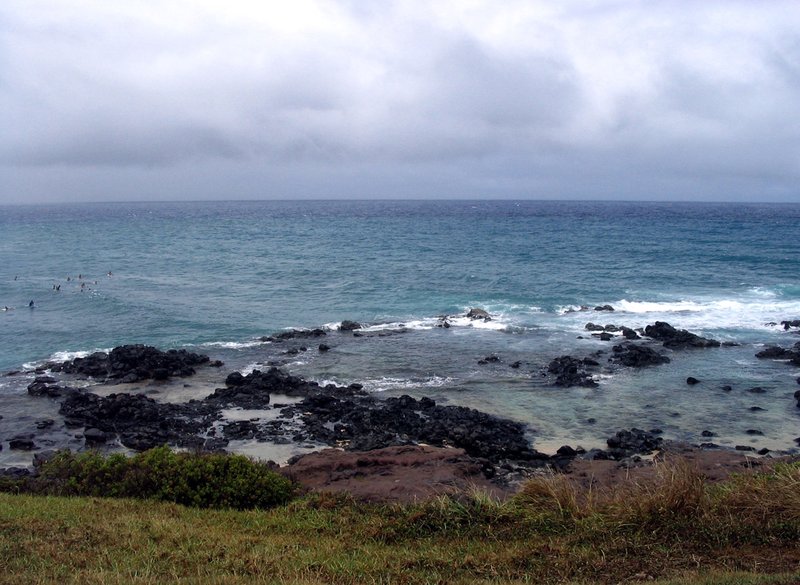
Maui's legendary windsurfing arena — the north shore's crescent bay frames year-round board sports action in world-class trade winds, and each evening Hawaiian green sea turtles haul out on the sand below the clifftop lookout.
From Hotel: 2h 14min → Pīpīwai Trail & Waimoku Falls
1.Pīpīwai Trail & Waimoku Falls~3 hr
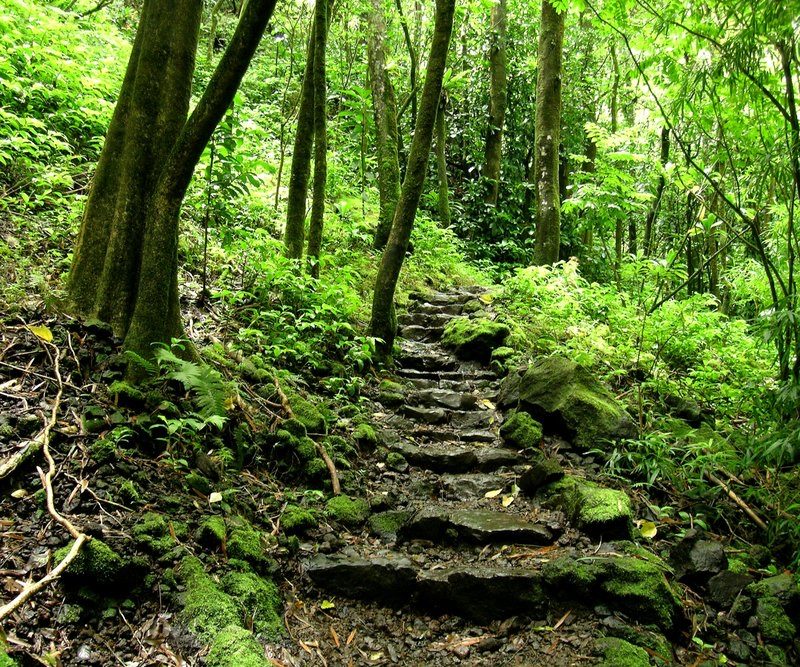
A 4-mile round-trip hike through a cathedral bamboo forest to a 400-foot waterfall — the trail passes Makahiku Falls and an extraordinary bamboo grove before opening to Waimoku Falls. Haleakalā NP entrance receipt from Day 1 is valid for 3 days.
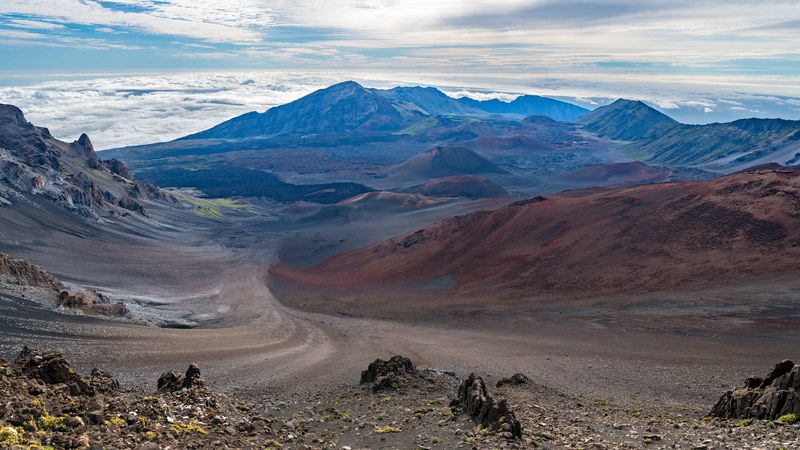
A 10,023-foot shield volcano where the summit reveals a vast caldera of red and black cinder cones — the same moonscape that trained Apollo astronauts. Sliding Sands Trail descends into the crater while Koʻolau Gap frames clouds pouring through sheer cliff walls in one of Hawaiʻi's most otherworldly panoramas.
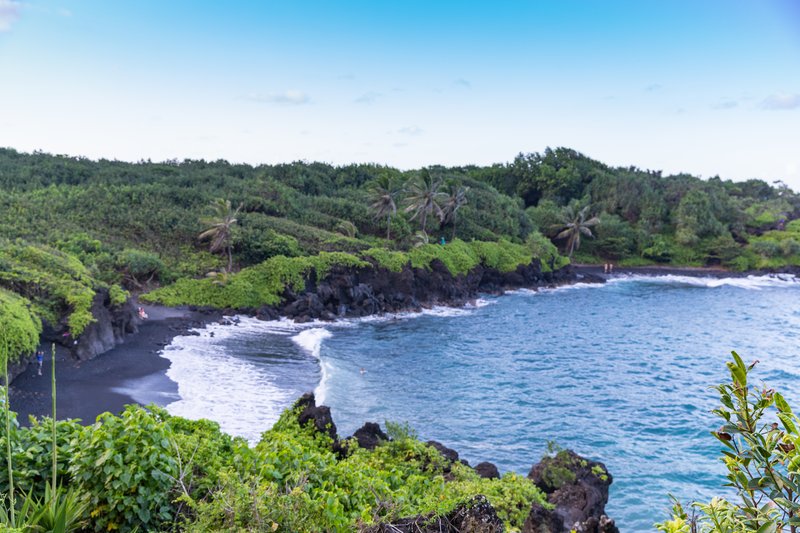
A jet-black sand beach carved from ancient lava on the Road to Hana — volcanic sea arches, a freshwater lava tube cave, and a 12th-century Hawaiian heiau frame one of the world's most dramatically beautiful shorelines.
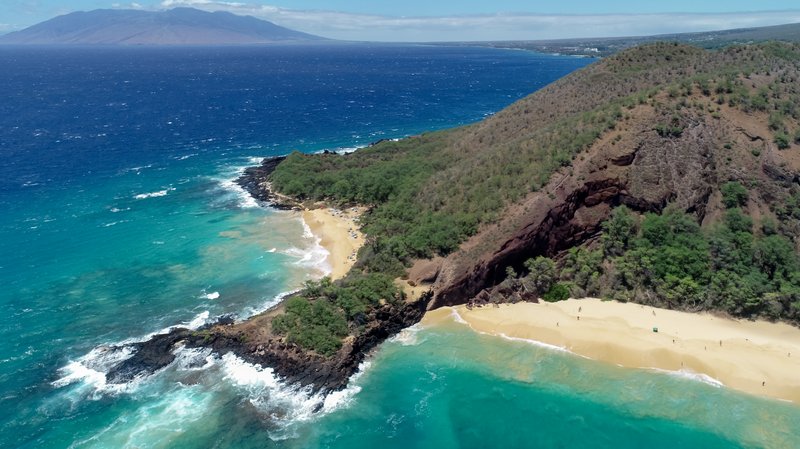
Big Beach — Oneloa — is a half-mile sweep of coarse white sand backed by kiawe scrub and the lava slopes of Puʻu ʻŌlaʻi cinder cone. A short scramble leads to Little Beach, a sheltered cove for bodyboarding. The finest undeveloped coastline on Maui's south shore.
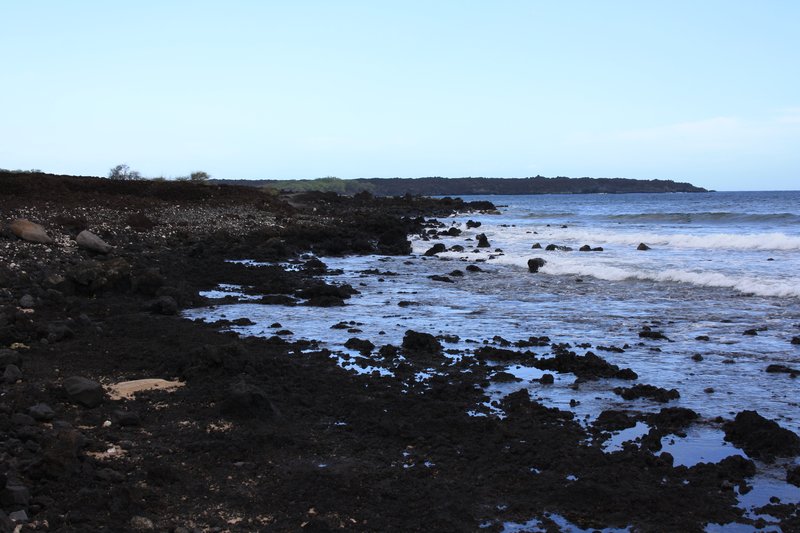
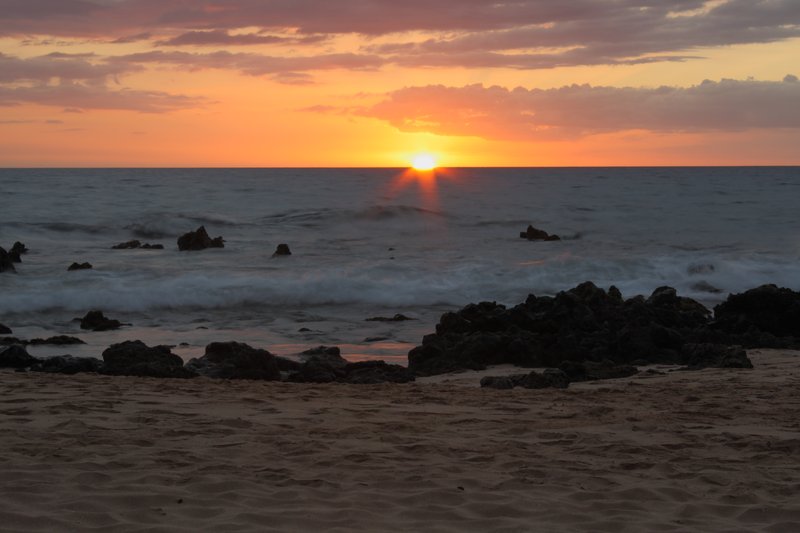
The southern end of Mākena Alanui Road terminates at a vast 18th-century lava field — the most recent volcanic flow on Maui, dating to roughly 1790. The bay beyond it holds some of the clearest water on the island, with spinner dolphins and dense reef fish in the submerged lava formations along the shore.
A wide crescent of golden sand between Wailea and Kīhei, less trafficked than the resort beaches to the south and fringed by kiawe trees. Snorkeling reefs anchor both ends of the bay; at the north end a small rocky point holds turtles. Sunsets here are unobstructed over the Kahoʻolawe silhouette.
From Hotel: 52 min → Kaʻanapali Beach & Puʻu Kekaʻa
1.Kaʻanapali Beach & Puʻu Kekaʻa~4 hr
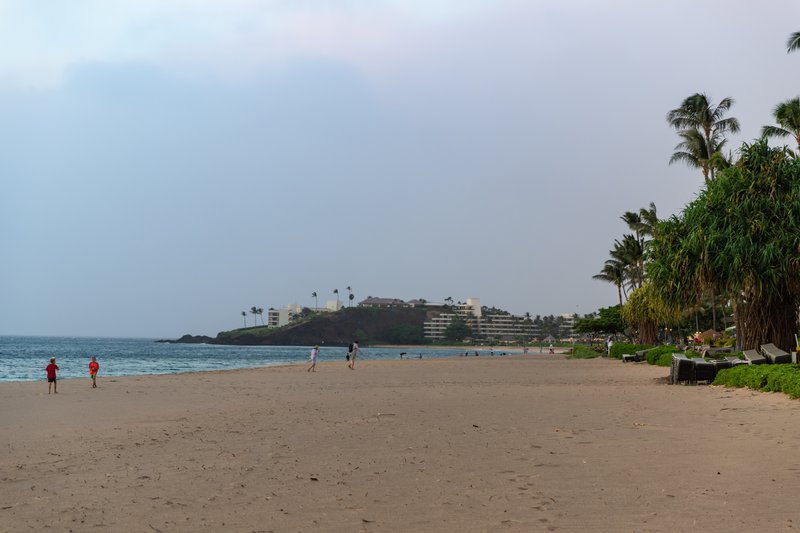
A two-mile crescent of white sand along Kaʻanapali Parkway backed by resort towers. Puʻu Kekaʻa — Black Rock — marks the north end of the beach, where the reef drops into clear water holding green sea turtles, reef fish, and eagle rays. The Sheraton performs a nightly torch-lighting cliff dive ceremony from the rock at sunset, reenacting the dives of Chief Kahekili.
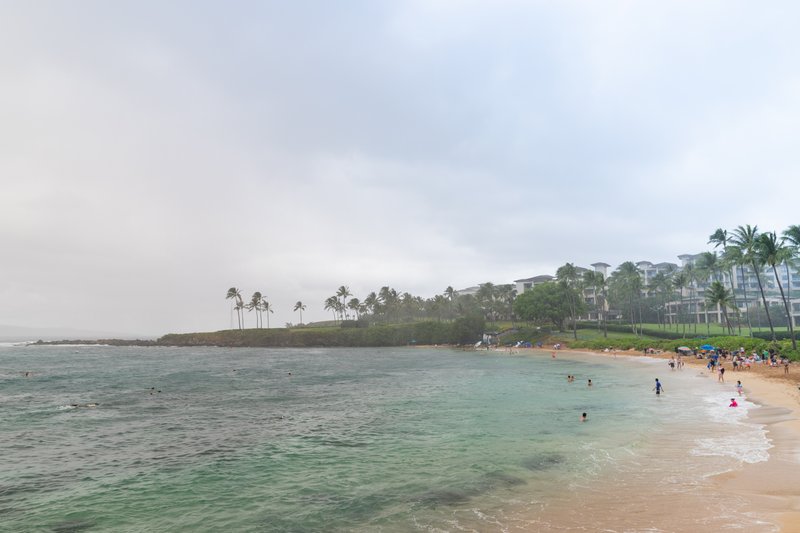
A sheltered crescent at the north end of the Kapalua resort with calm water, high visibility, and abundant marine life including green sea turtles and tropical reef fish. The bay is protected by two lava points; the calm conditions make it accessible for all ability levels. Best snorkeling is along the rocky points at each end of the beach.
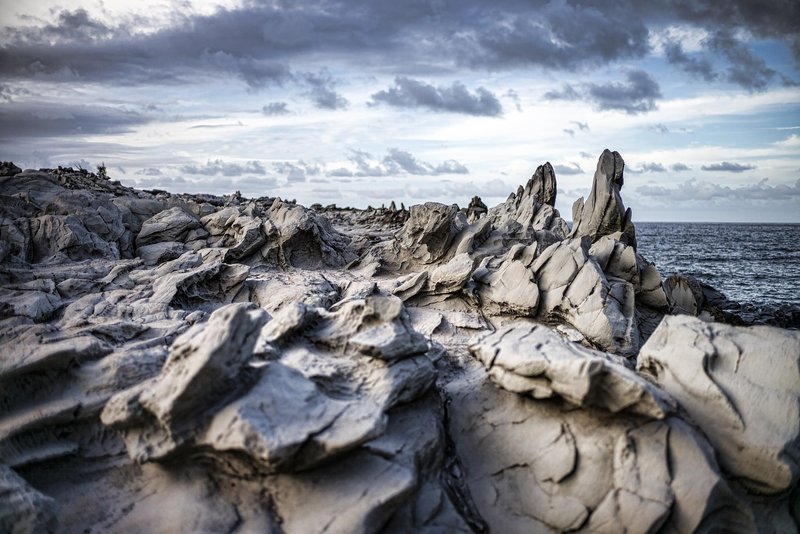
A volcanic promontory at the north end of the Kapalua resort where wave erosion has sculpted shoreline lava into jagged, tooth-like spires facing the open ocean. A 0.3-mile path leads from the parking area along the Plantation Golf Course edge to the point. The Honokahua ancient Hawaiian burial ground at the base is marked — visitors should not enter.
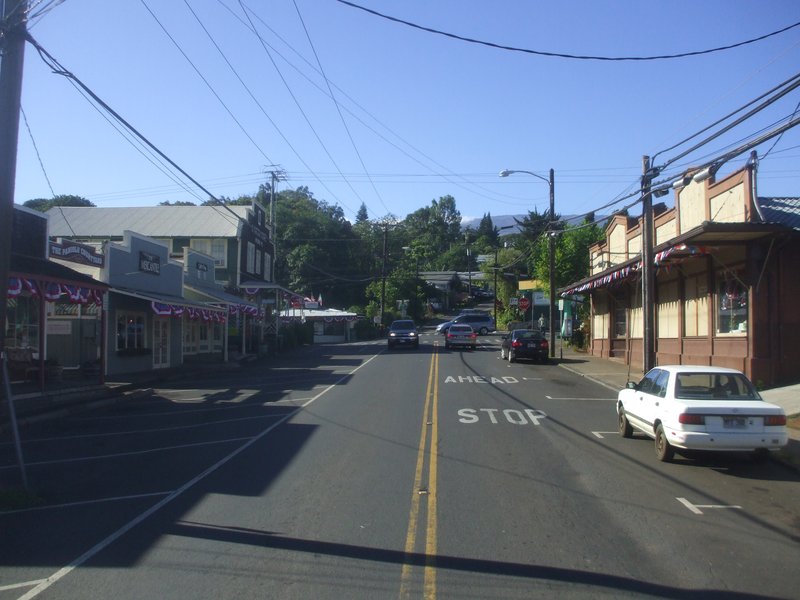
An upcountry ranching town at 1,578 feet on the slopes of Haleakalā — the center of Maui’s paniolo cowboy tradition since Mexican vaqueros arrived in 1830 to teach Hawaiians cattle work. The intersection at Baldwin and Makawao Avenues holds art galleries, woodwork studios, and Komoda Store and Bakery, open since 1916 and known for cream puffs and stick doughnuts.
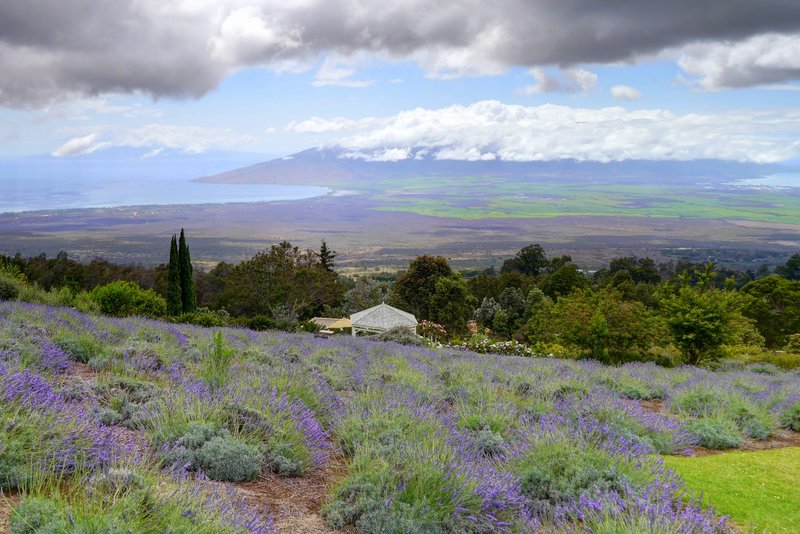
A four-acre farm at 4,000 feet on Haleakalā’s western slope cultivating 45 varieties of lavender alongside protea, roses, and kitchen herbs. High elevation produces aromatic oils more concentrated than lowland lavender. Guided garden walks and self-guided trails wind between planted terraces with views across West Maui and the ocean.
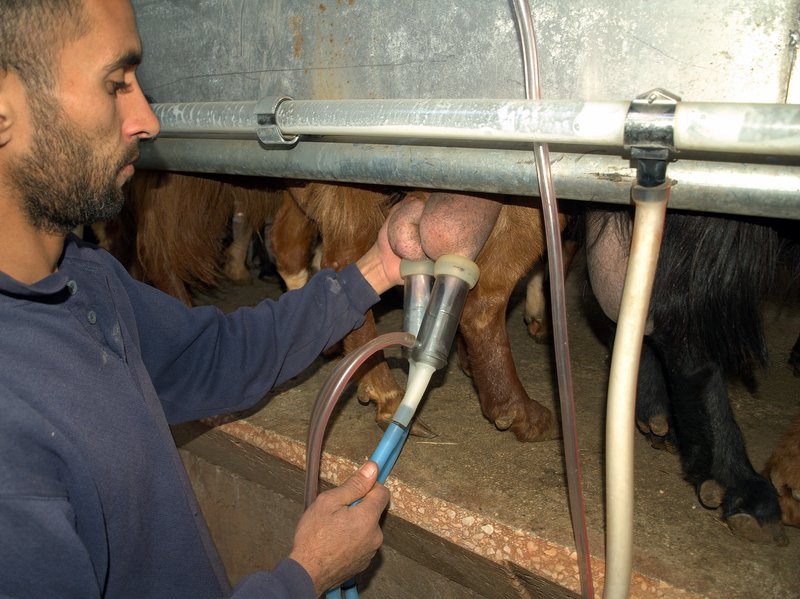
A family-owned goat dairy at 3,200 feet in the Kula highlands — one of Hawaiʻi’s only commercial goat dairies, producing award-winning cheeses and truffles from a herd of Nubian and Saanen goats. The 40-acre farm offers guided milking and cheesemaking tours on a working agricultural schedule. Book tours in advance; walk-in cheese tasting available during business hours.
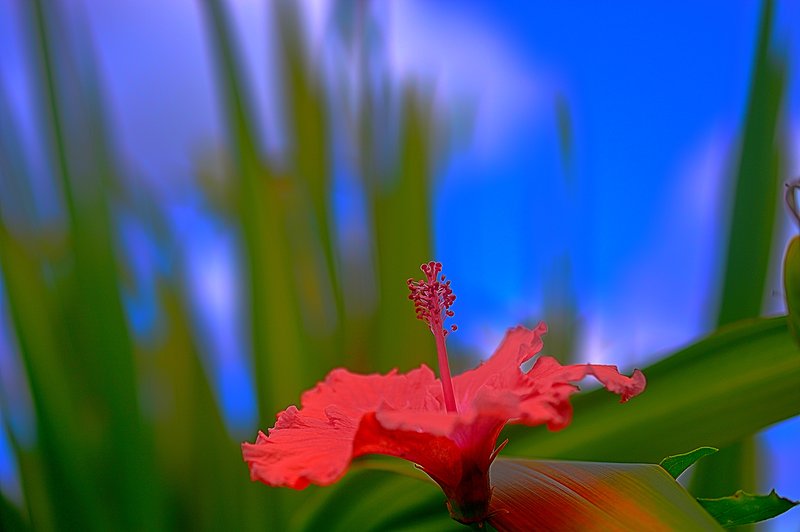
An eight-acre hillside garden at 3,300 feet established in 1971 — Maui’s first public garden, with nearly 2,000 plant varieties including protea, orchids, bromeliads, and native koa. The garden includes an aviary, koi pond, two waterfalls, and a covered bridge. Native Hawaiian honeycreepers including ʻApapane are regularly observed in the native plant sections.
Fly along the world's tallest sea cliffs on Molokai and the emerald valleys of West Maui in a small-group helicopter — 45 minutes over inaccessible waterfalls, hidden valleys, and pristine coastline.
A guided loop through rainforest, twin waterfalls, Waiʻānapanapa's black sand beach, and Keʻanae Peninsula in an air-conditioned van with lunch included.
Snorkel Molokini Crater aboard a small-group raft with 100-ft visibility, then swim with Hawaiian green sea turtles at sheltered Turtle Cove. Breakfast, lunch, and all gear included.
Drive the Road to Hana in a plush limo-van with stops at Keʻanae and a waterfall swim, then return by helicopter over Haleakalā Crater — the island's most spectacular combo tour.
A 55-minute aerial tour over the world's tallest sea cliffs on Molokai's north shore, then the verdant valleys and waterfalls of Maui's lush interior and north coast.
Full-day Road to Hana guided tour with breakfast, outdoor picnic lunch, and Waiʻānapanapa admission — 64 miles of rainforest, black sand, waterfall swims, and Keʻanae taro fields.
Voted Best Small Group Road to Hana Tour by US News & World Report — continental breakfast, Hawaiian BBQ lunch, and a max-8 group for an unhurried guide-narrated adventure.
Summit Haleakalā before dawn with a guide handling the drive — watch the sky ignite above the clouds at 10,023 feet, then descend for breakfast at a Maui farm. Entrance fee included.
Doors-off aerial tour over West Maui and Molokai — open-air thrills and unobstructed photography over sea cliffs, inaccessible waterfalls, and emerald valleys.
Board a power catamaran at Maui's main harbor for a 2-hour whale watch along the south coast — expert naturalist narration, open-air decks, and humpback whale sightings guaranteed in season.
Small-group rigid-hull inflatable raft puts you closer to humpback whales than any larger vessel — eye-level encounters with breaching and tail-slapping whales. Naturalist guide narrates throughout.
Expert-guided ascent to Haleakalā's 10,023-ft summit at golden hour — watch the sun sink into the clouds, then telescope-guided stargazing with hot drinks and warm parkas provided. Max 7 guests.
Guided Road to Hana adventure hitting the best stops — bamboo forest hike, waterfall swim, Waiʻānapanapa black sand beach, and Keʻanae taro fields. Narrated van tour with lunch included.
Pre-dawns for the summit sunrise — guide handles parking and permits, warm parkas loaned at the top. Watch the sky light up above the cloud layer at the world's largest dormant volcano.
Warm, moist loaves sold from roadside stands along the Hana Highway — baked daily and eaten still warm from the bag. Aunty Sandy's in Keʻanae is the original; the stand at Halfway to Hana is the most visited.
The island's founding meal — kalua pork slow-roasted in an underground imu oven, served with two scoops of rice and mac salad on a paper plate. Loco moco is its cousin. Tin Roof does the definitive version.
Ultra-fine Hawaiian shaved ice — silk-smooth texture drenched in tropical syrups, served over azuki beans and vanilla ice cream. Ululani's Hawaiian Shave Ice is the island's most celebrated.
A Maui-grown pineapple variety from Haliʻimaile Pineapple Company — noticeably sweeter and less acidic than standard pineapples, with a golden core. Sold at roadside stands islandwide.
Foreign number: accepted. — it uses the same Uber account, so the SMS code reaches foreign carriers and Google or Apple sign-in works without one.
Broadest restaurant coverage on the island, reaching Wailea, Kihei, Lahaina and Kahului. Strong on resort-adjacent options and casual plates; some smaller local spots have limited delivery windows. Delivery times average 30–45 minutes; expect longer on weekend evenings.
Foreign number: accepted — SMS delivery can be slower on a foreign number, but sign-up works.
Solid coverage in central Maui and West Maui; competitive with Uber Eats for restaurant selection in Kihei and Lahaina. Particularly good for plate lunches and local Hawaiian joints that list exclusively on DoorDash. Weekend and evening delivery times run 35–50 minutes from South Maui.
Foreign number: accepted. — the SMS code reaches foreign carriers, and Google or Apple sign-in works without one.
Active across South Maui, West Maui and the Kahului corridor; the most reliable rideshare option on the island. Useful for resort-to-restaurant trips along Wailea Drive and for reaching trailheads. Driver supply in Lahaina and remote east Maui can be limited — book in advance where possible.
Foreign number: not accepted. — Lyft's own help says the number must be a US, Canadian or Puerto Rican one, and the code is texted only to that number.
Available in South Maui and West Maui; covers the same core tourist zones as Uber and is a reliable fallback when Uber shows surge pricing. Supply thins noticeably outside Kihei, Wailea and Kāʻanapali, particularly after midnight.
A Valley Named for the Dead, a Bay Named for the Vanished
ʻĪao Valley's 1790 battle left behind a name that still describes exactly what happened there. Kamehameha I's forces trapped Maui's defenders in the narrow valley and fought so ferociously that fallen warriors are said to have literally blocked the ʻĪao Stream — giving the battle its name, Kepaniwai, "the damming of the waters." Hawaiian accounts describe the river running red for days afterward. The victory here was decisive in Kamehameha's campaign to unite the islands under one ruler.
La Pérouse Bay carries the name of a man who came, left, and was never seen again. French navigator Jean-François de Galaup, comte de La Pérouse, anchored here in 1786 — the first European to ever set foot on Maui — then continued his Pacific expedition. Two years later his ships sailed out of Botany Bay, Australia, and vanished completely. Nothing was known of their fate for nearly forty years, until wreckage was finally traced to a reef in the Solomon Islands, where the ships had gone down in a storm and survivors had been killed onshore. The bay is the last confirmed place his expedition made friendly contact with anyone before it disappeared.