From Hotel: 9 min · 5 min → National Museum of African American Music
1.National Museum of African American Music~1 hr 30 min
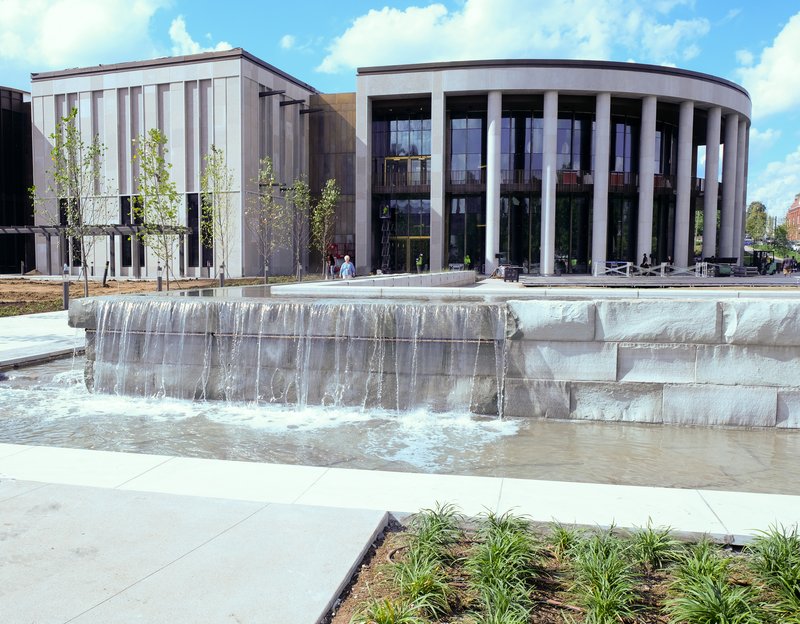
The only museum dedicated solely to preserving and celebrating the many music genres created, influenced, and inspired by African Americans. Interactive galleries move through gospel, blues, jazz, R&B, and hip-hop, with hands-on stations that let visitors mix, sing, and record.
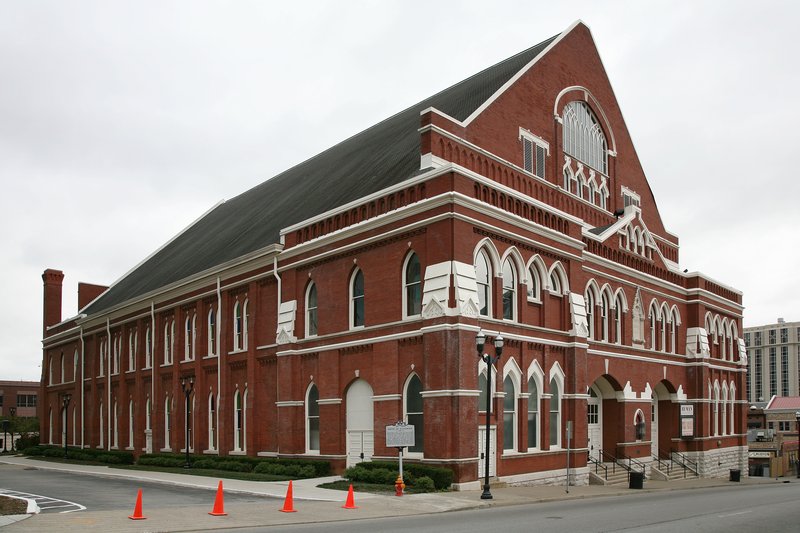
The "Mother Church of Country Music," an 1892 revival hall that was home to the Grand Ole Opry for three decades. The daytime self-guided tour covers the pews, the curved balcony, and exhibits on the legends who played the storied stage. A working concert venue with near-perfect acoustics.
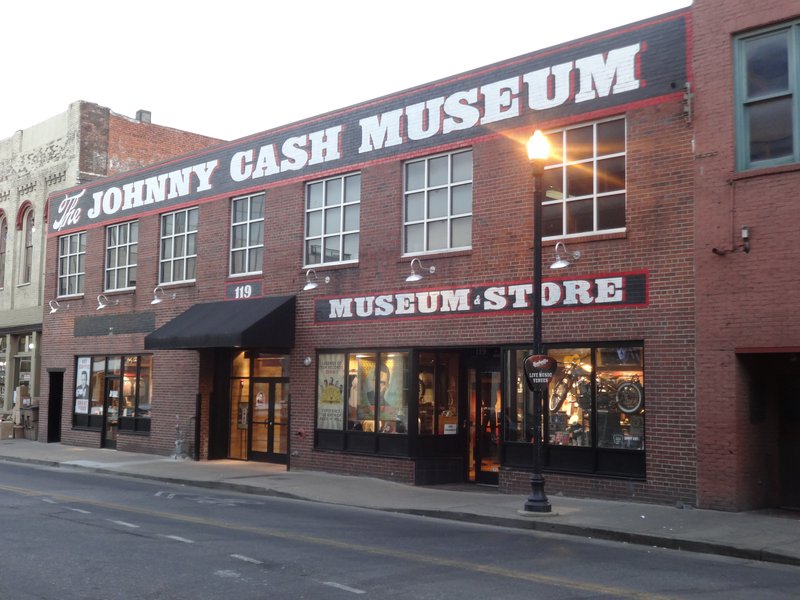
The largest collection of Johnny Cash artifacts and memorabilia in the world, authorized by the Cash estate. Handwritten lyrics, stage costumes, instruments, and recordings trace the Man in Black from Arkansas cotton fields to global fame. Compact and densely packed for fans.
6 min · 2 min → Country Music Hall of Fame and Museum
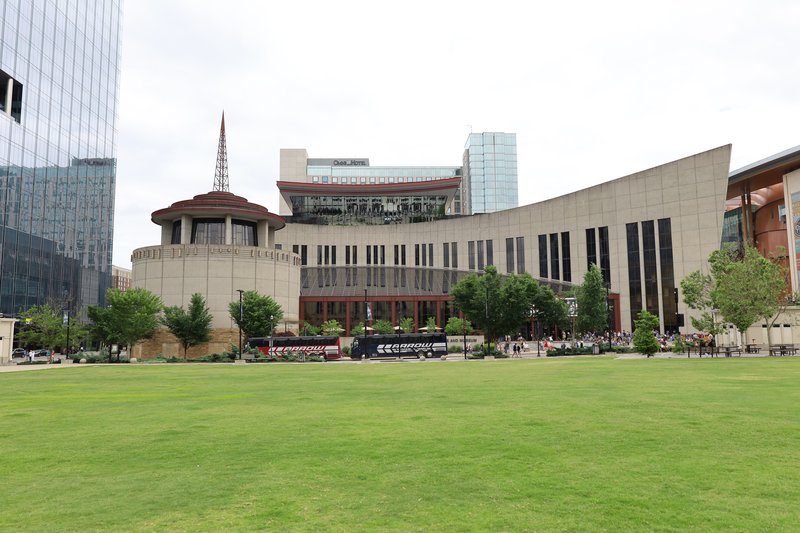
4.Country Music Hall of Fame and Museum~2 hr
The definitive shrine of American country music, holding the genre's largest collection of artifacts, instruments, costumes, and recordings. The Hall of Fame Rotunda honors the music's inducted legends; rotating galleries trace the sound from string bands to modern stars.
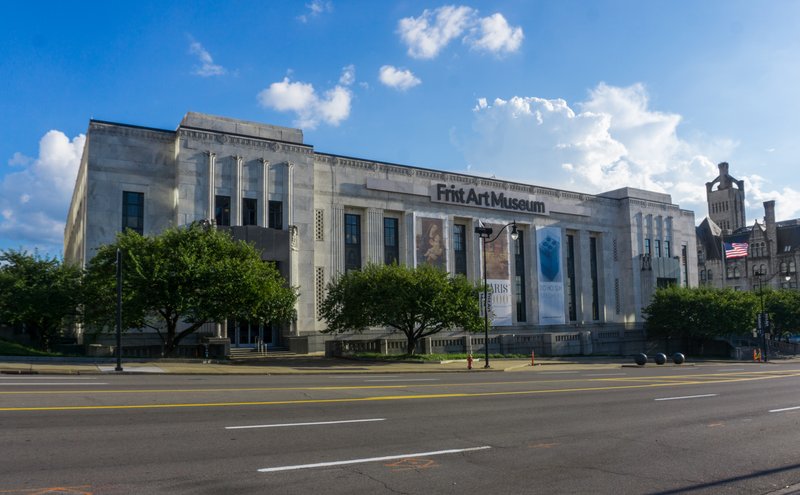
A non-collecting art museum in Nashville's grand 1934 Art Deco former main post office. With no permanent collection, the Frist mounts a constant rotation of major travelling exhibitions spanning ancient to contemporary art, alongside an interactive studio. The marble lobby is a landmark in itself.
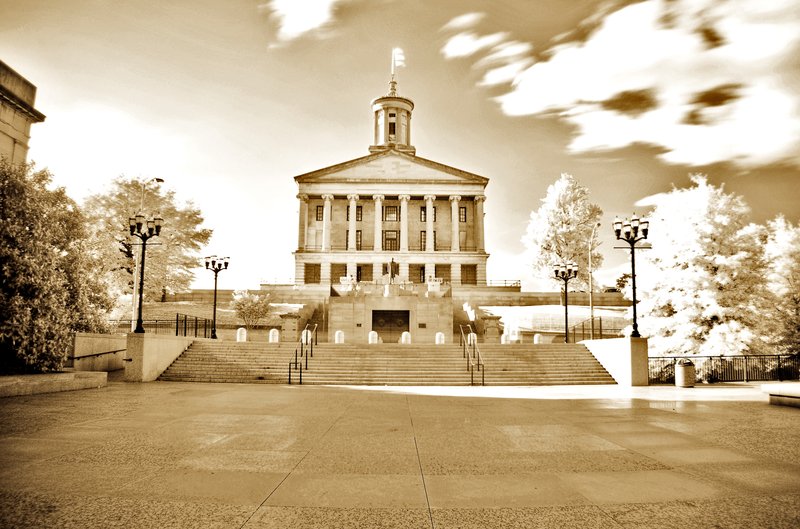
A Greek Revival landmark completed in 1859 and designed by William Strickland, who is buried within its walls. The hilltop building still houses the state legislature; free guided and self-guided tours pass the legislative chambers, the library, and grounds holding the tomb of President James K. Polk.
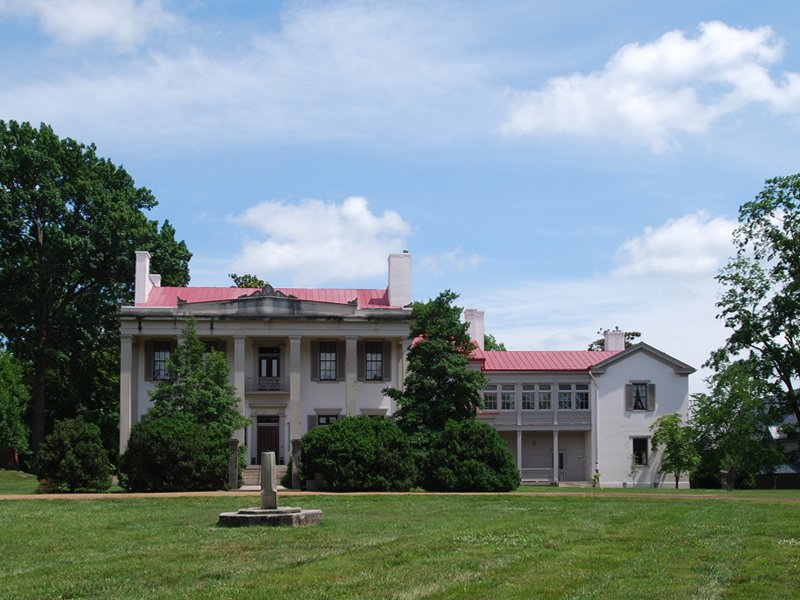
A Greek Revival mansion of 1853 at the heart of what was once a 5,400-acre thoroughbred stud farm that shaped American horse racing bloodlines. Guided tours of the antebellum house and grounds cover the mansion, original outbuildings, and the lives of the enslaved people who ran the famed estate.
A 1930s Georgian-style mansion set in 55 acres of cultivated gardens on the western edge of Nashville. The limestone estate of the Cheek family now serves as a botanical garden and art museum, with formal gardens, a sculpture trail, period rooms, and a permanent collection of American and decorative art.
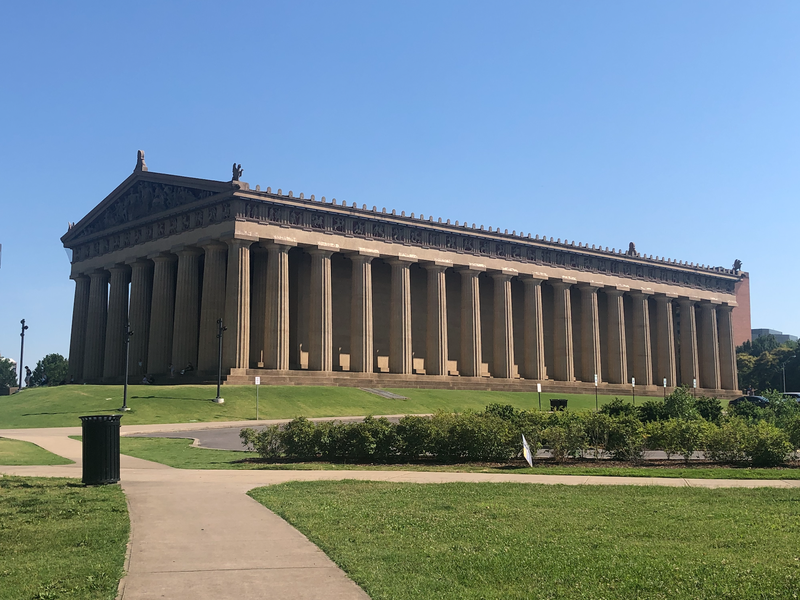
A full-scale replica of the Athenian Parthenon, built for Tennessee's 1897 Centennial Exposition and made permanent in concrete. Standing in Centennial Park, it is the only exact-size reproduction of the Greek temple in the world, complete with reconstructed pediment sculptures.
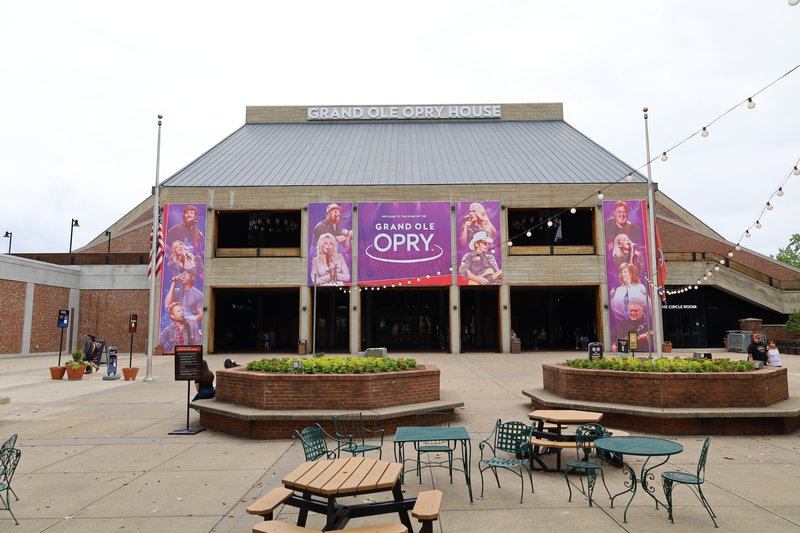
The 4,400-seat home of the Grand Ole Opry, the world's longest-running radio broadcast, since 1974. The daytime backstage tour walks the dressing rooms, the artist entrance, and onto the stage with its circle of oak cut from the Ryman floor, where every Opry performer still stands to sing.
Andrew Jackson's plantation home, a National Historic Landmark on grounds the seventh president owned from 1804 until his death here in 1845. The restored 1830s Greek Revival mansion, gardens, Jackson's tomb, and exhibits on the enslaved community make it one of the best-preserved early presidential sites.
The state's history museum, purpose-built in 2018 at the foot of Capitol Hill. Galleries run from prehistoric Tennessee through frontier settlement, the Civil War, and the civil rights era, with original artifacts, an interactive timeline gallery, and rotating exhibitions. Admission is free.
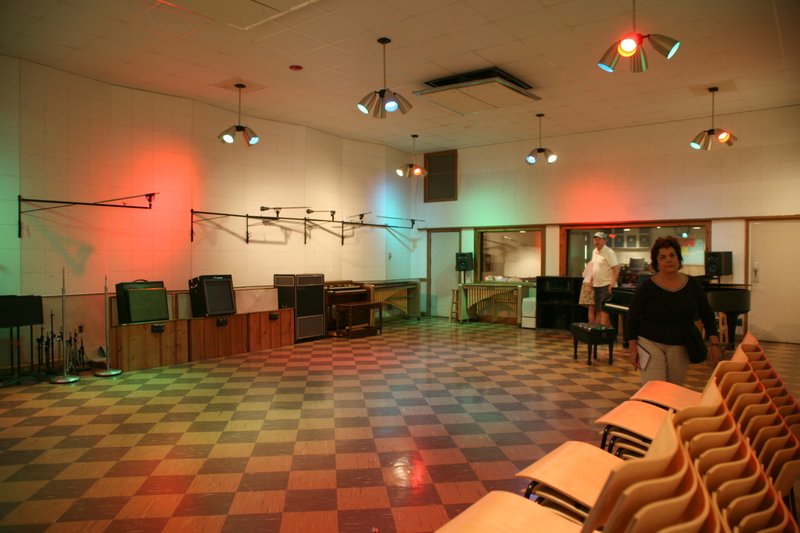
Music Row's legendary recording studio where the Nashville Sound was born. Elvis Presley, Dolly Parton, Willie Nelson, and Roy Orbison made 47,000 recordings here between 1957 and 1977 — 60 percent of Billboard country chart hits of the era. National Register of Historic Places.
39 min · 12 min → Musicians Hall of Fame and Museum
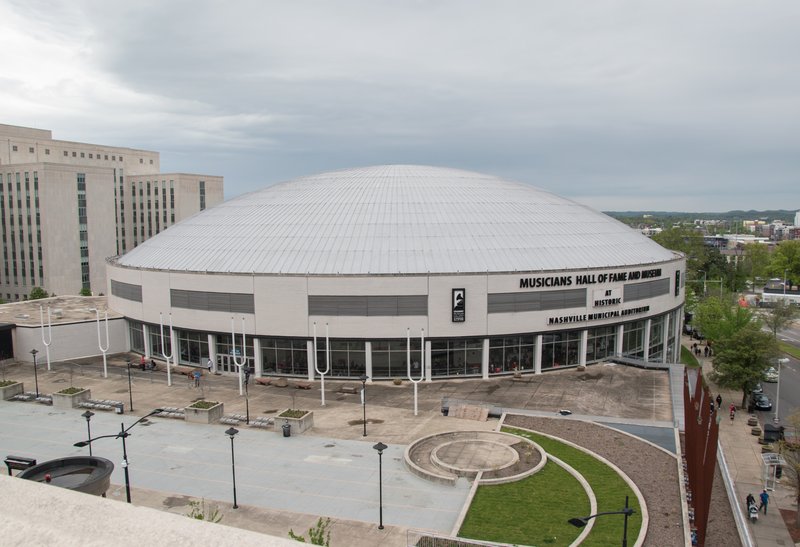
2.Musicians Hall of Fame and Museum~2 hr
A museum honoring the session musicians, producers, and engineers behind popular music's most iconic recordings — the sidemen from Nashville, Memphis, Muscle Shoals, Motown, and New York. Instruments played by Roy Orbison, Tom Petty, and Scotty Moore are on display in 68,000 square feet of exhibits.
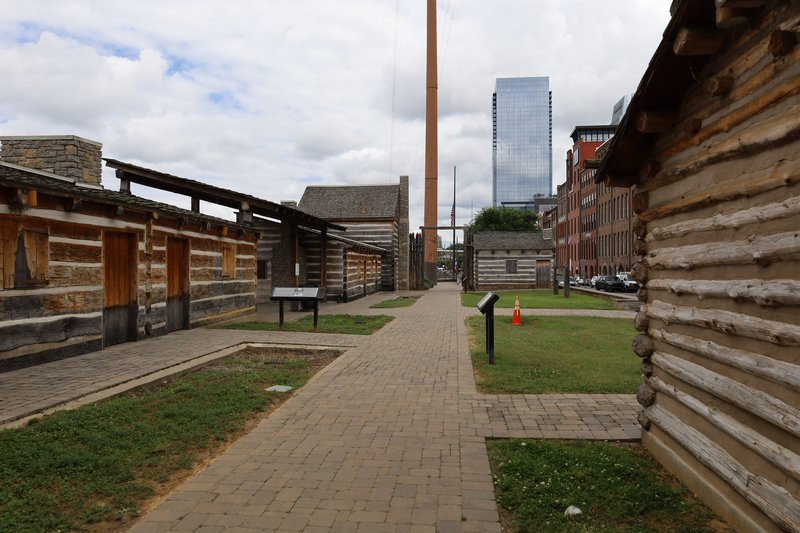
The site of Nashville's founding in 1780, where James Robertson and John Donelson settled on a Cumberland River bluff. The History Center traces the log stockade, the Cumberland Compact — the settlement's first governing document — and Nashville's growth from frontier outpost to state capital.
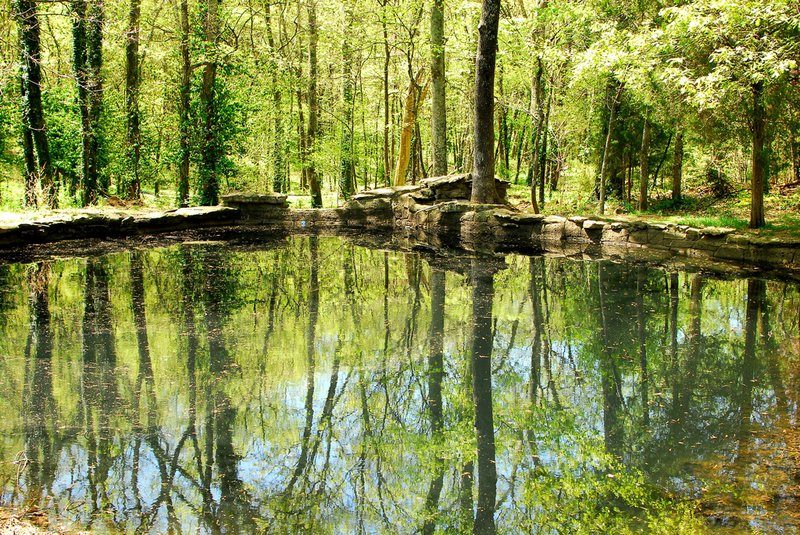
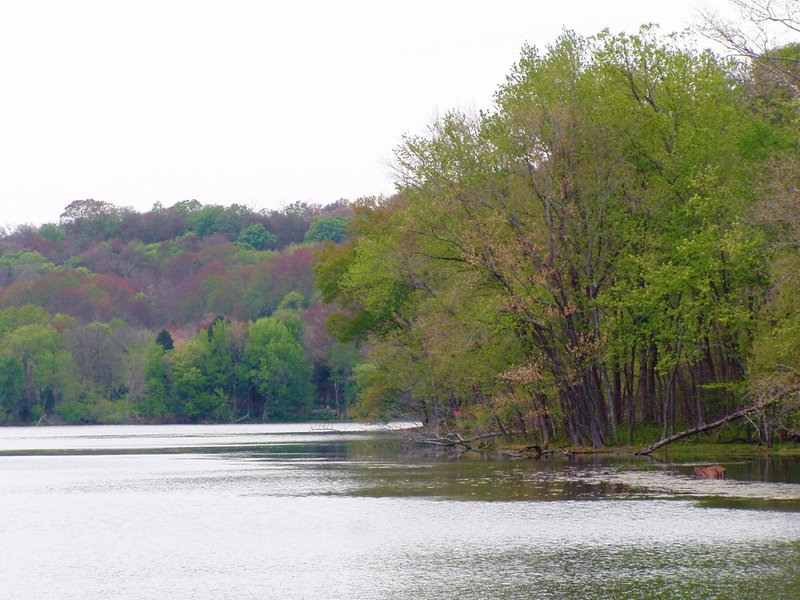
Nashville's premier natural escape — a 1,368-acre Class II Natural Area ten miles from downtown on a lake built by a railroad company in 1914. Five miles of unpaved trails wind through mature forest. The park documents 211 bird species; river otters, beavers, bald eagles, and bobcats are regular sightings.
A small-group downtown walking tour led by a local guide through the stories, scandals, and music history behind Lower Broadway and the honky-tonk district, with insider tips on the city woven in.
A guided stroll through downtown Nashville's past and present, covering the founding of the city, historic architecture, and the landmarks of Music City on a relaxed ninety-minute route.
A music-history walking tour led by Grammy-nominated journalist Bill DeMain, threading the Ryman, Printer's Alley, Tootsie's, and the Country Music Hall of Fame with first-hand stories from a career interviewing Nashville's legends.
Cayenne-lacquered fried chicken, born in Nashville at Prince's after a scorned cook over-spiced a partner's plate. Now a city icon, served on white bread with pickles across heat levels from mild to fiery.
Invented in Nashville in 1912 and billed as the first combination candy bar — caramel, marshmallow nougat, peanuts, and milk chocolate. A flagship downtown shop sells classic and premium handmade versions.
A Southern cafeteria tradition strong in Nashville: one meat plus three sides from a daily-changing board of vegetables and comfort dishes. Order at the counter — a lunchtime ritual at long-running local rooms.
Foreign number: accepted — it runs on the same Uber account, which signs in with an email address or a Google or Apple login, so no local SMS is needed.
The widest Nashville coverage of the three, reaching downtown, the Gulch, East Nashville, Germantown and 12South reliably, and the strongest on kitchens that stay open past midnight around Broadway. Fees climb sharply on game and show nights.
Foreign number: accepted — the account is made with an email address and password, or a Google, Facebook or Apple login, so the sign-up needs no SMS code at all.
The deepest restaurant list in Nashville and the one that still delivers out to Brentwood, Green Hills and Donelson when the others stop at the core. DashPass pays for itself over a few days; without it the service fee on a single downtown order is noticeable.
Foreign number: not accepted. — the site is blocked outright from a non-US connection, so the account cannot be opened or the code received until you are on a US network.
The thinnest of the three here, but it holds a solid downtown and Vanderbilt-campus roster and its Grubhub+ promos undercut the others on chain orders. Outside the core the restaurant list drops off quickly next to DoorDash.
Foreign number: accepted — the account signs in with an email address or a Google or Apple login instead of a number, and the code can be sent over WhatsApp.
Covers the whole metro, out to Franklin and Brentwood, and picks up reliably across downtown, the Gulch and East Nashville within a couple of minutes. Surge on Lower Broadway after the honky-tonks close is steep, and Titans game nights push waits well past the quoted time.
The wooden circle on the Grand Ole Opry House stage was cut from the floor of the Ryman Auditorium when the Opry moved out in 1974. Stand in either building on this trip and you are looking at the same six feet of oak — sawed out of the Mother Church and carried across town so every performer would keep singing on the exact boards Hank Williams and Patsy Cline stood on. Day 1 and Day 3 quietly bookend that same piece of wood.
Nashville keeps building exact copies of things it admires. The Parthenon in Centennial Park is a full-scale concrete replica of the Athenian original — the only one in the world — raised for a fair in 1897 and never torn down. A century later the city did it again in spirit, replicating the Ryman's stage circle inside a brand-new arena. For a place nicknamed Music City, Nashville's deepest instinct may be preservation: copy the thing you love, exactly, so it can never be lost.