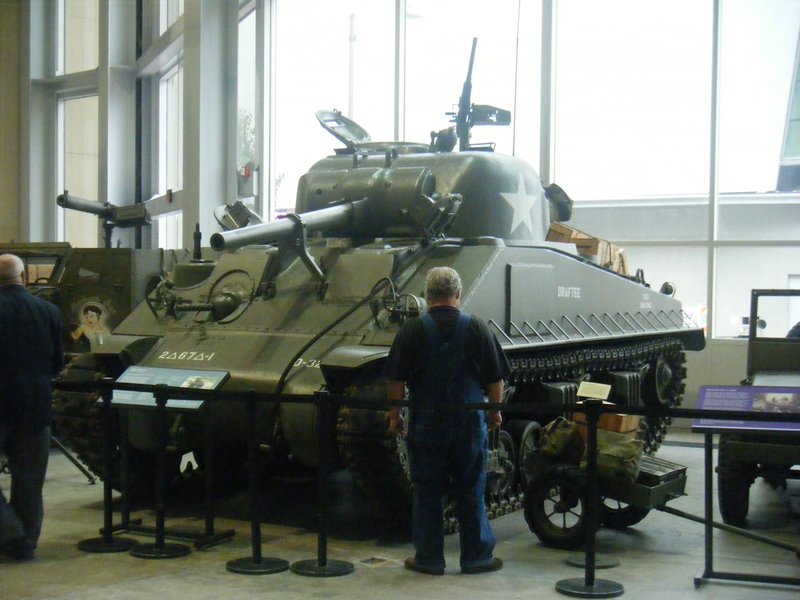
The most comprehensive World War II museum in the United States, located in New Orleans because the Higgins boat — the landing craft that made D-Day possible — was designed and built here. Its campus covers both fronts through immersive exhibits, original aircraft, and first-person accounts.
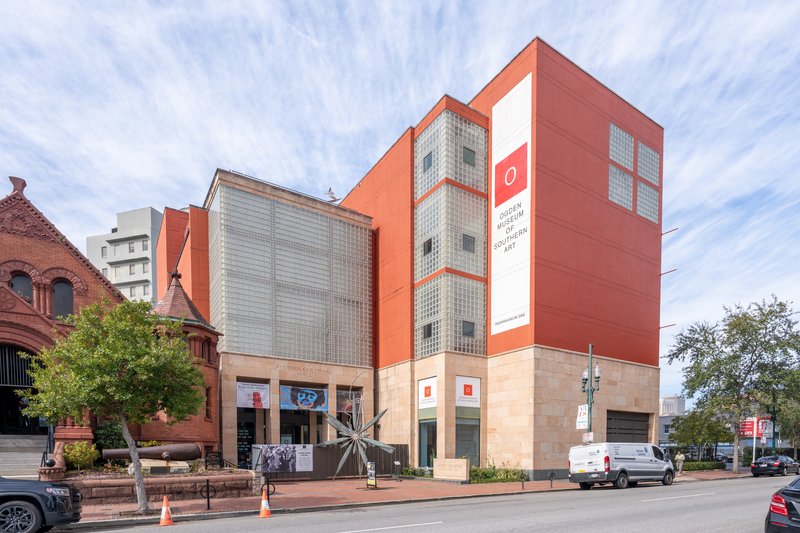
The largest and most comprehensive collection of art by artists from the American South, spanning folk art, photography, and contemporary works across two connected buildings in the Warehouse Arts District.
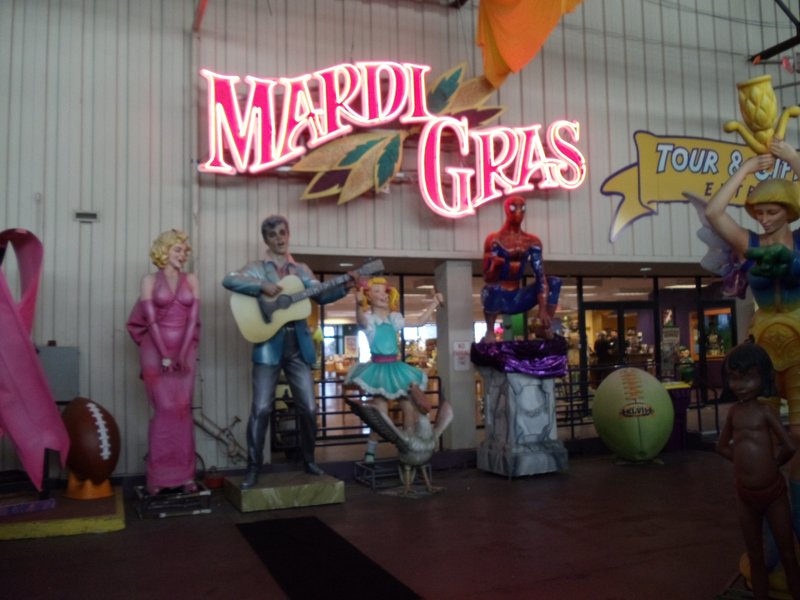
A working 300,000-square-foot warehouse where Blaine Kern Studios builds the floats for New Orleans' Mardi Gras parades year-round. Guided tours walk through active float construction, storage of past-parade giants, and a den of Carnival props found nowhere else.
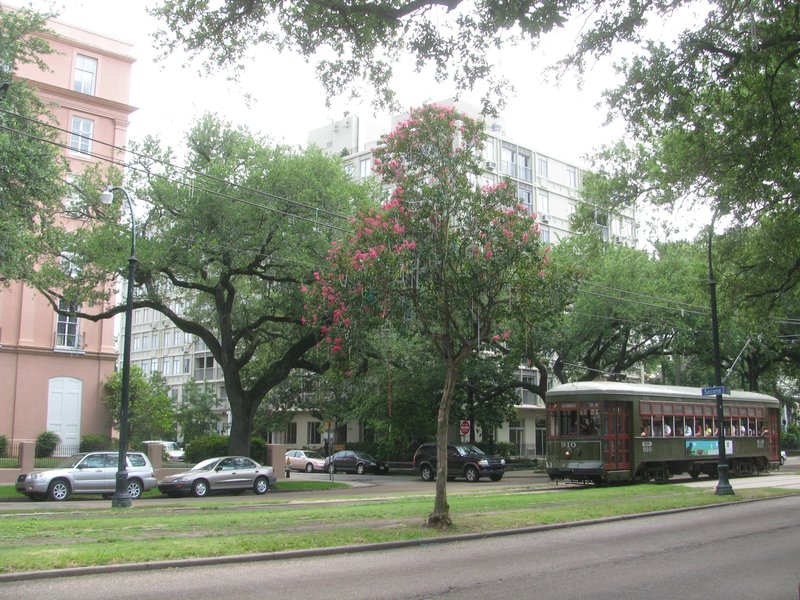
A self-guided walk through the best-preserved collection of antebellum mansions in the American South, developed on former plantation land between 1832 and 1900 for New Orleans' wealthy American newcomers. A National Historic Landmark district since 1974.
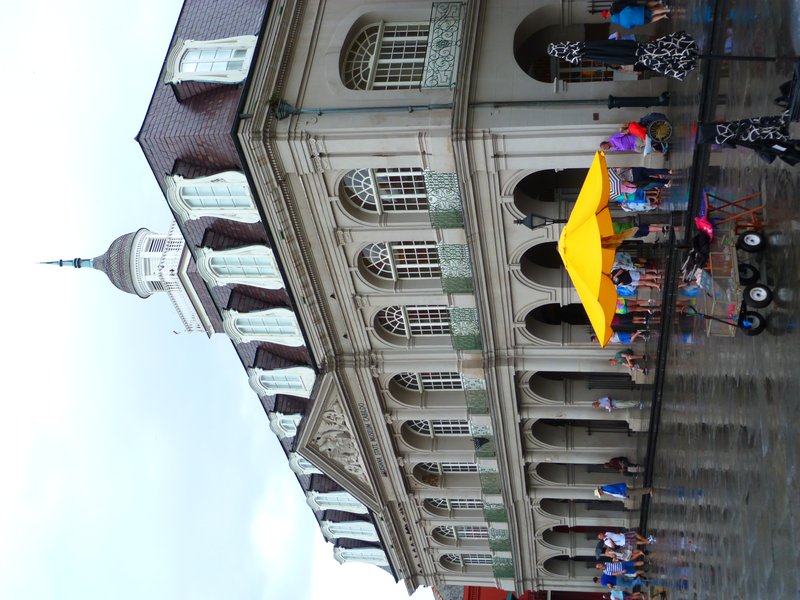
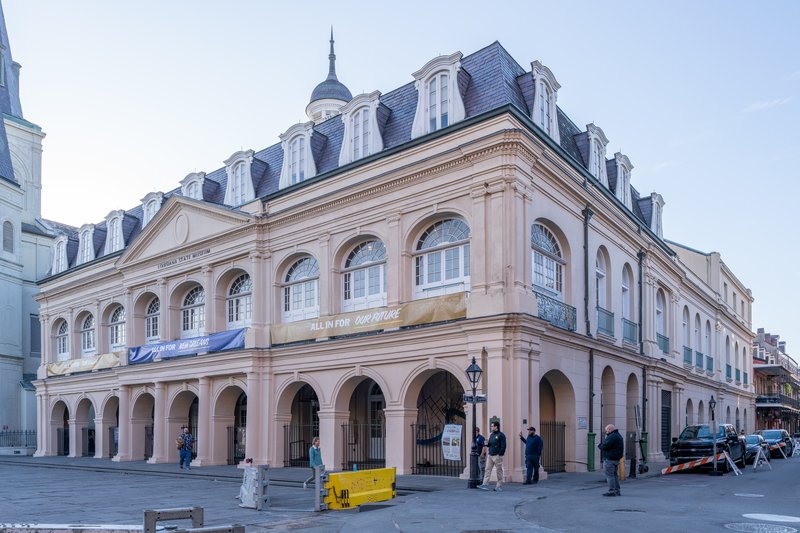
The Louisiana Purchase was signed here in 1803. Now a Louisiana State Museum housing one of the most significant collections of Louisiana history and culture, from colonial-era artifacts to Mardi Gras memorabilia, in a building that predates the United States itself.
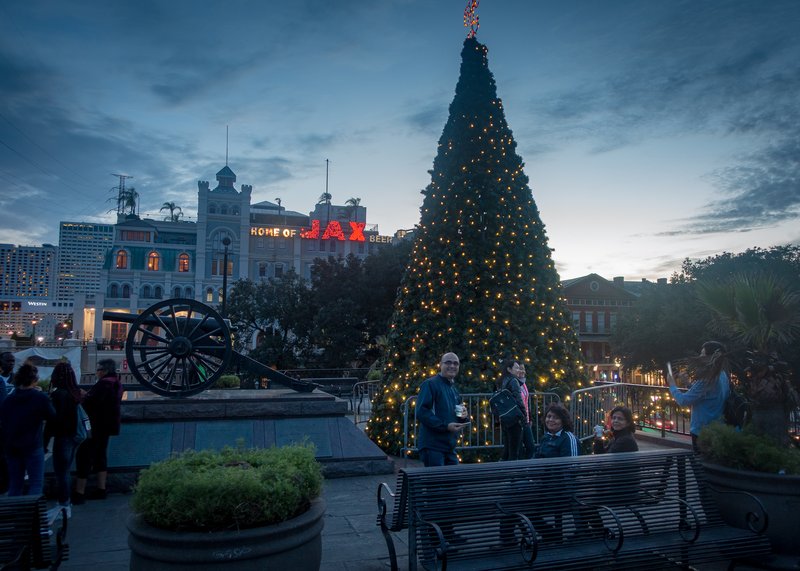
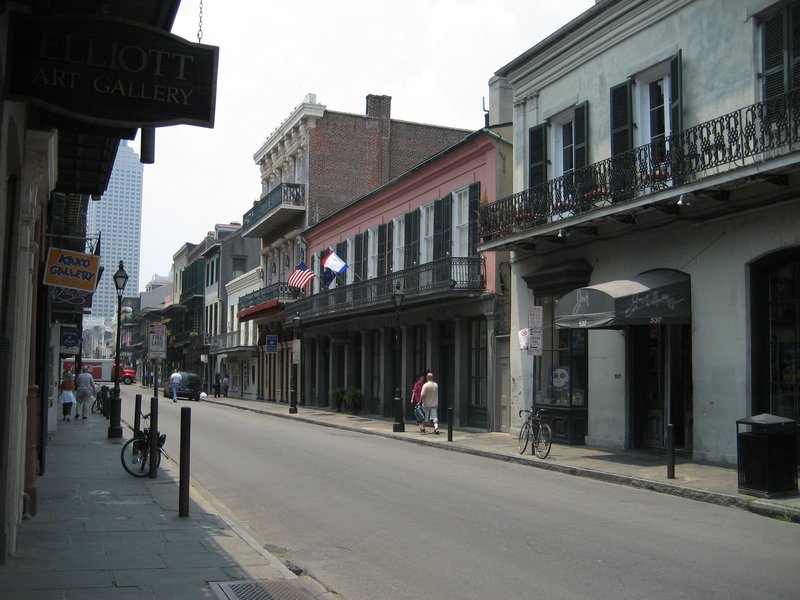
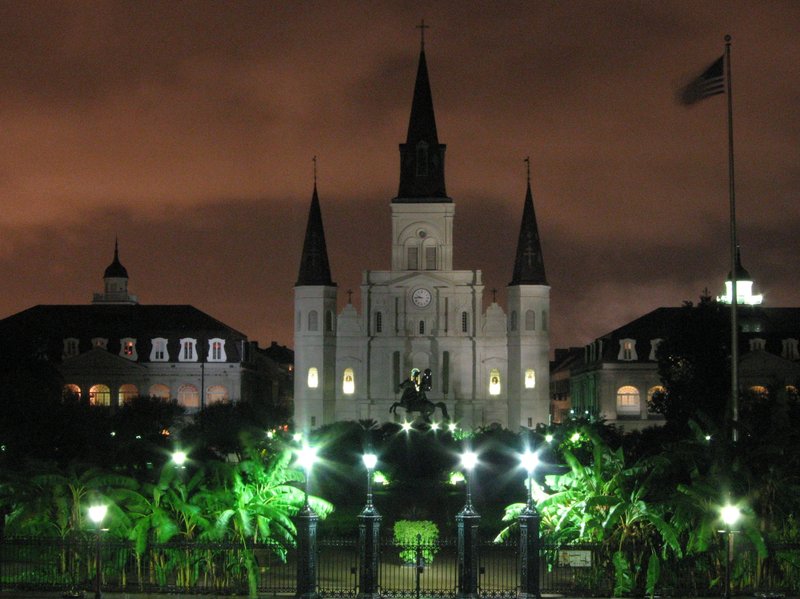
Historic plaza at the heart of the French Quarter, anchored by St. Louis Cathedral and flanked by the Cabildo and the Presbytere. One of the most visited public spaces in the American South and the geographic and cultural center of old New Orleans.
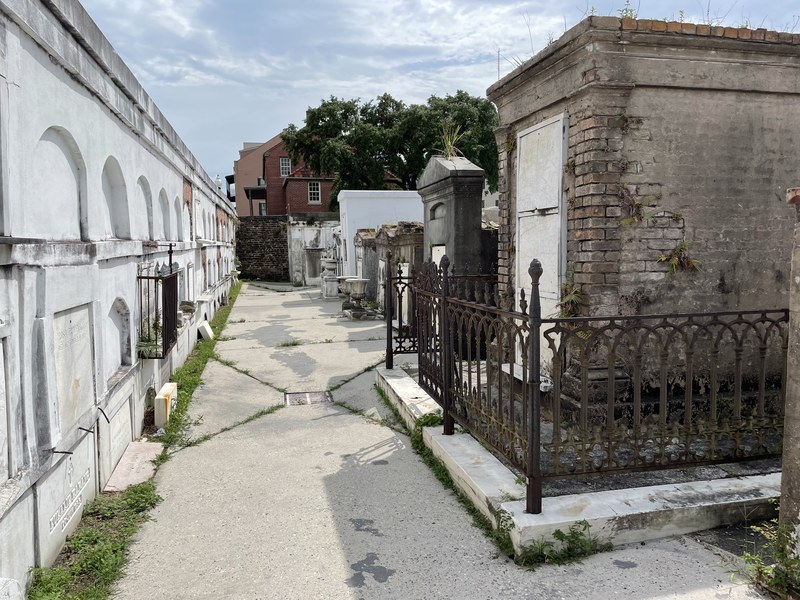
New Orleans' oldest surviving cemetery, established in 1789. Its above-ground whitewashed tombs form a dense marble city within a city. Entry requires a licensed guided tour; independent access has been prohibited since 2015 to prevent vandalism to the historic tombs.
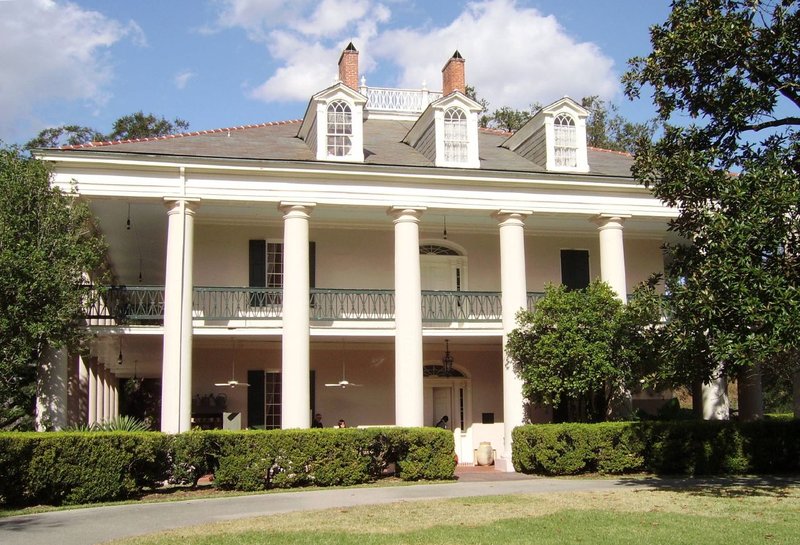
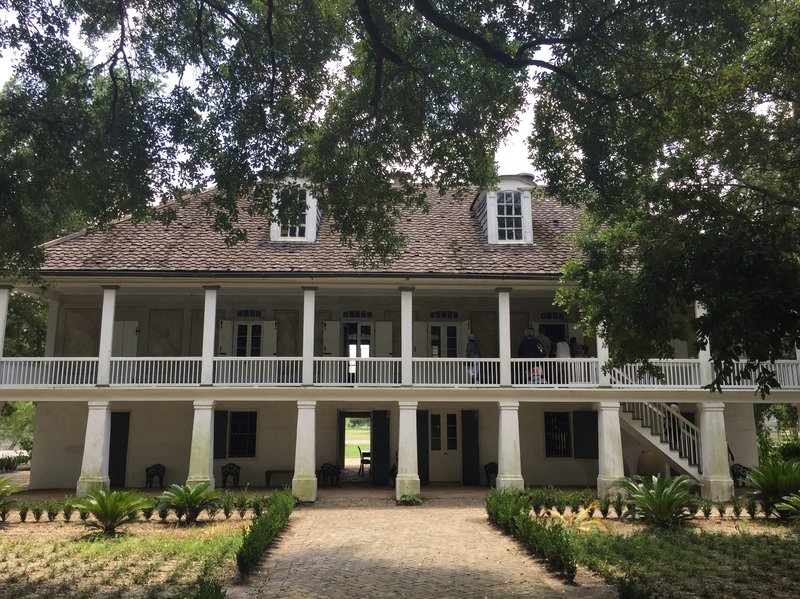
A restored 1839 Greek Revival mansion on the west bank of the Mississippi, named for the 800-foot avenue of live oaks planted nearly a century before the house itself. The tour covers the main house, the grounds, and the reconstructed slave quarters documenting the plantation's enslaved community.
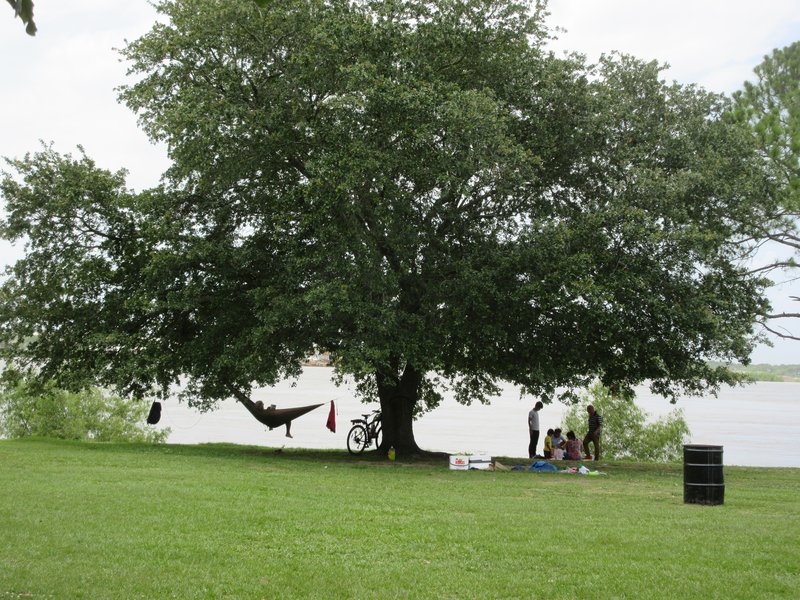
A 350-acre riverside park laid out on the grounds of the 1884 World Cotton Centennial exposition, with a lagoon, live oak allées, and "The Fly" — a broad lawn overlooking a bend in the Mississippi. The green anchor of Uptown New Orleans.
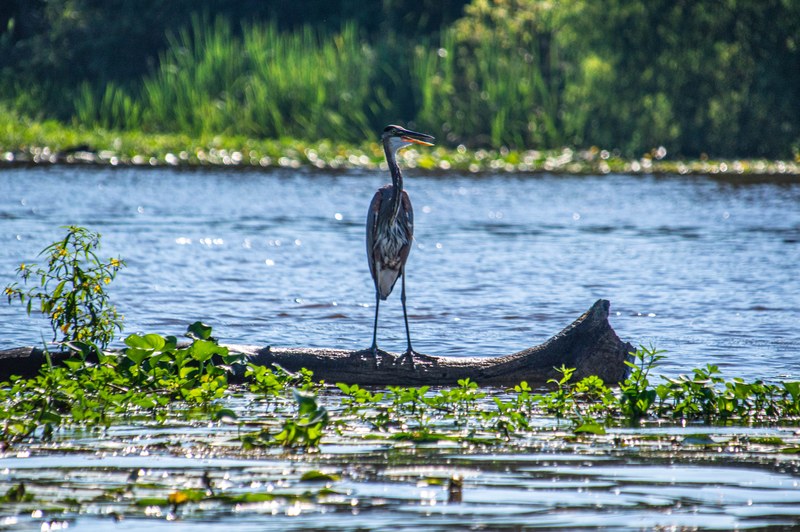
A 70,000-acre wetland on the West Pearl River, more than half of it permanently protected wildlife — one of the least-altered river swamps in the country. A flat-boat tour with a local guide moves through cypress groves and a Cajun houseboat village, spotting alligators and herons along the way.
2.City Park & Besthoff Sculpture Garden~1 hr 30 min
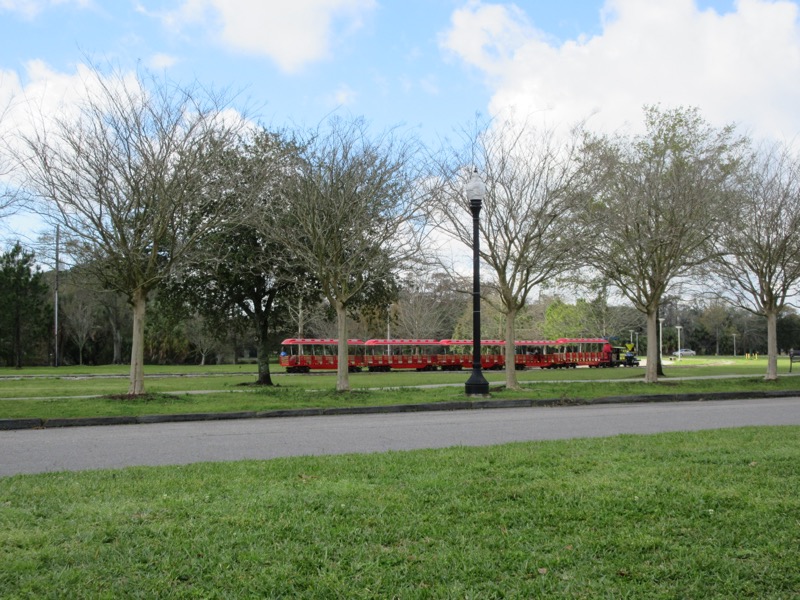
A 1,300-acre park built around lagoons and mature live oaks draped in Spanish moss, home to the free Sydney and Walda Besthoff Sculpture Garden — more than 90 works by international artists set among the trees and water. New Orleans' largest green space, distinct in character from Uptown's Audubon Park.
Built in 1813 as an architectural twin to the Cabildo across St. Louis Cathedral, the Presbytère now houses the Louisiana State Museum's two defining exhibits: "Mardi Gras: It's Carnival Time in Louisiana" and "Living with Hurricanes: Katrina and Beyond."
From Hotel: 10 min · 4 min → Historic New Orleans Collection
1.Historic New Orleans Collection~1 hr 15 min
A museum, research center and rare-book library spread across a restored 1792 Creole townhouse complex on Royal Street. Rotating exhibitions on the city's colonial, Creole and jazz-age history fill the Williams Gallery and the Merieult House, drawing on one of the deepest private archives of Louisiana history anywhere.
The oldest cathedral in continuous use in the United States, its three steeples rising over Jackson Square since the current building's 1851 completion — a seat of Catholic worship on this site since 1718. Marble altars, painted ceiling murals and stained glass fill an interior open to visitors between services.
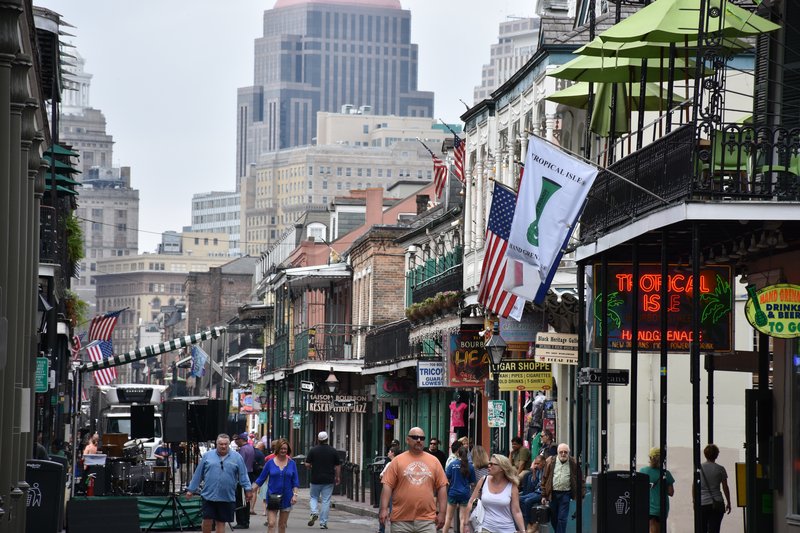
Thirteen blocks of wrought-iron balconies, jazz clubs, and daiquiri bars running through the heart of the French Quarter — named for the French royal house, not the whiskey. By day, a stroll past 19th-century Creole townhouses; by night, the full sensory rush of live brass bands, neon and crowds the city is famous for.
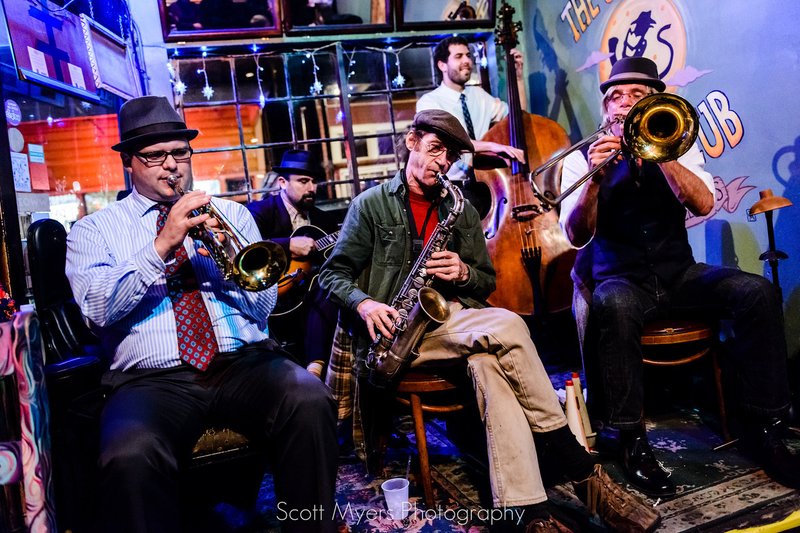
A three-block strip in the Faubourg Marigny, just past the Quarter's edge, packed with back-to-back live-music clubs — jazz, brass, funk and blues spilling from open doorways every night of the week. The Spotted Cat, d.b.a. and the Blue Nile anchor a scene locals call their own answer to Bourbon Street.
A former sugar and indigo plantation on the River Road, restored as the only Louisiana plantation museum narrated entirely from the perspective of the enslaved people who lived and worked here. Restored slave cabins, a memorial Wall of Honor naming more than 100,000 formerly enslaved Louisianans, and haunting statue installations make it the state's most direct reckoning with slavery's history.
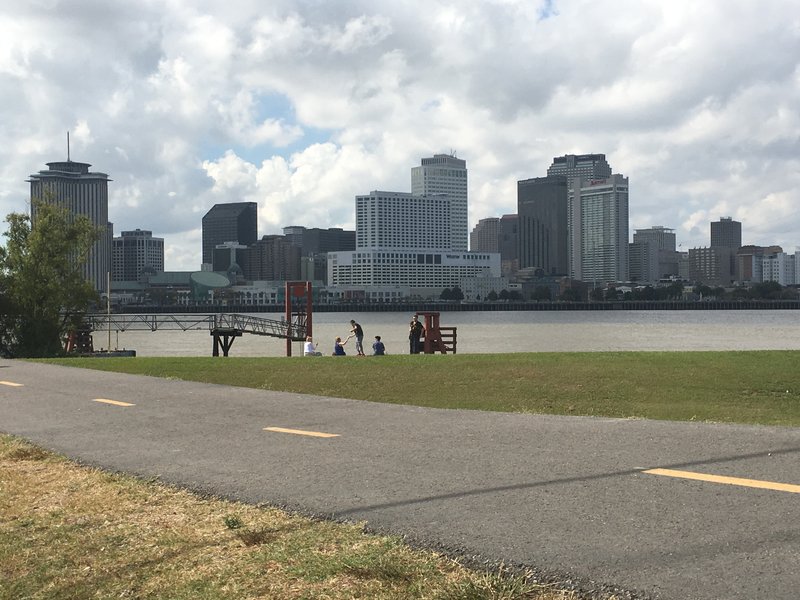
A quiet Victorian neighborhood on the Mississippi's West Bank, its gingerbread shotgun houses and oak-lined streets a world away from the French Quarter just across the water. The century-old Canal Street ferry — running since 1827 — makes the short river crossing on foot a highlight in itself, with the best skyline view of downtown New Orleans from the levee.
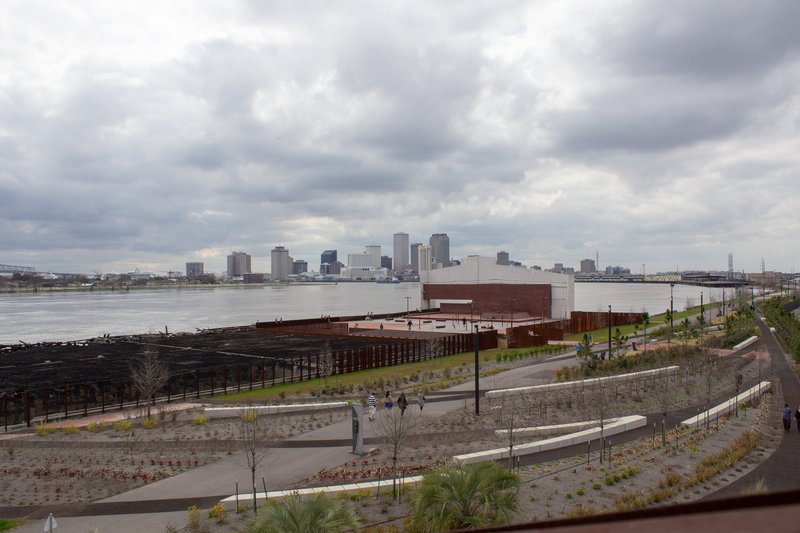
A 1.4-mile linear park along the Mississippi in the Bywater and Marigny, built on reclaimed wharf and rail land after Hurricane Katrina. A steel promenade runs the length of the levee, crossed at Piety Street by a rust-colored arched pedestrian bridge — nicknamed the Rusty Rainbow — designed by architect David Adjaye.
Guided walking tour of the French Quarter covering its colonial history, architecture, and cultural landmarks from the Spanish colonial era to the present.
Small-group walking tour focused on the distinctive Creole and Spanish Colonial architecture of the French Quarter, including ironwork, courtyards, and building history.
Comprehensive city tour covering the French Quarter, Garden District, and St. Louis Cemetery No. 1 by coach, providing an overview of the city's history and culture.
Licensed guide-led tour through the 1789 cemetery covering the above-ground tombs and their history. Entry requires this tour — independent access prohibited since 2015.
Walking tour through the French Quarter with local storytellers bringing the history and architecture to life through the neighborhood's most compelling characters and events.
Guided tour through the Garden District covering its antebellum mansions, historic churches, and the architectural contrast between the American sector and the older French Quarter.
Small-group tour through the Tremé neighborhood — the oldest African American neighborhood in the United States — exploring Creole culture, music history, and the community that shaped New Orleans.
Small-group guided tour exploring the French Quarter's culinary past through its most celebrated restaurants and local institutions, tracing the origins of New Orleans' most distinctive food traditions.
Full-day guided tour covering the city's key neighborhoods, history, and culture in a single itinerary including the French Quarter, Garden District, and notable landmarks.
Walking tour through the French Quarter covering the history and architecture of New Orleans' oldest district, with a guide who knows the neighborhood's colonial layers and hidden details.
Small-group tour exploring the French Quarter's past and present through its landmarks, architecture, and hidden stories spanning the colonial period to the modern era.
Guided tour of the French Quarter with knowledgeable local guides covering history, culture, and architecture including sites not typically found in standard itineraries.
Guided tour of the Garden District's antebellum mansions and tree-lined streets, with context on the neighborhood's history as the home of New Orleans' American elite.
Fried dough square dusted heavily with powdered sugar, introduced to Louisiana by French colonists. The French Quarter version served hot from open fryers is one of the defining street foods of the American South.
Louisiana sandwich on crusty French bread stuffed with fried shrimp, oysters, or roast beef. Originated in New Orleans in the 1920s during a streetcar workers' strike when vendors gave free sandwiches to the strikers.
Thick stew combining West African okra traditions with French roux technique and Choctaw filé powder. New Orleans gumbo is the direct ancestor of the dish served across Louisiana — no two versions are exactly alike.
New Orleans coffee tradition: dark-roasted coffee blended with dried chicory root, served with equal parts hot scalded milk. The chicory tradition dates to Civil War-era shortages and became the defining taste of the city's café culture.
Foreign number: accepted — SMS delivery can be slower on a foreign number, but sign-up works.
Strong coverage across the French Quarter, Garden District, Warehouse District, and Mid-City; the widest restaurant selection of any app in New Orleans.
Foreign number: accepted — the SMS verification code reaches most foreign carriers without issue.
Main ride option across New Orleans; covers the French Quarter, CBD, Garden District, and Marigny without issues, and generally has shorter wait times than Lyft in this market.
Gulf Coast arts community with independent galleries, beach access, and a walkable historic downtown on the Mardi Gras Service Amtrak line — a quieter and distinct stop than the casino resorts further east.
Gulf Coast beach town with casino resorts, the Ohr-O'Keefe Museum of Art, and fresh Gulf seafood. The Amtrak Mardi Gras Service runs two round trips daily on this line.
Port city with a compact antebellum historic district, the USS Alabama Battleship Memorial Park, and a distinct Gulf Coast identity. Eastern terminus of the Mardi Gras Service line.
The Cabildo and Jackson Square sit at the same elevation they did in 1803 when the Louisiana Purchase was signed inside those walls. The land under the French Quarter is the highest ground in the city — a natural ridge left by the Mississippi River — which is why it was settled first and why it survived Hurricane Katrina without flooding. Most of the rest of New Orleans was built on drained swampland and sits below sea level. This geographical accident is the reason there is a French Quarter at all.
The above-ground tombs at St. Louis Cemetery No. 1 are often explained by the high water table making underground burial impractical. That is partly true. But the design also reflects the French and Spanish Catholic traditions the city's founders brought with them, where above-ground burial in family vaults was already the cultural norm. The water table confirmed what the culture already preferred.