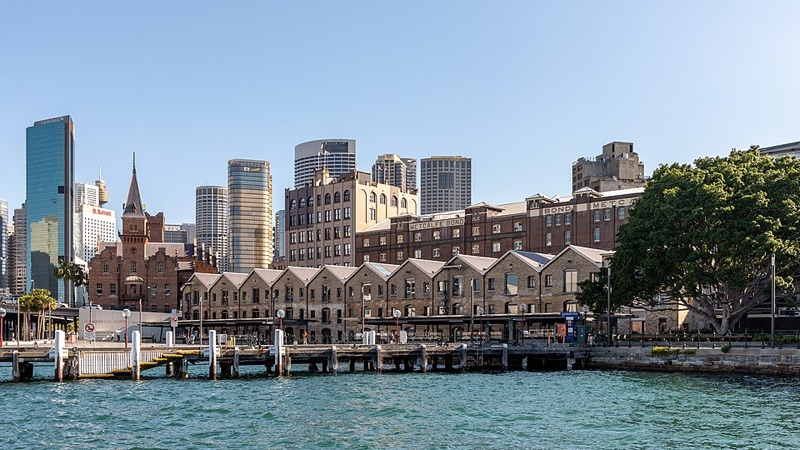
Sydney's oldest neighbourhood, where the First Fleet landed in 1788. Sandstone warehouses, convict-hewn laneways, and colonial-era pubs cluster beneath the Harbour Bridge approaches — the working-class dockside precinct that survived a demolition campaign in the 1970s and retains its original street plan.
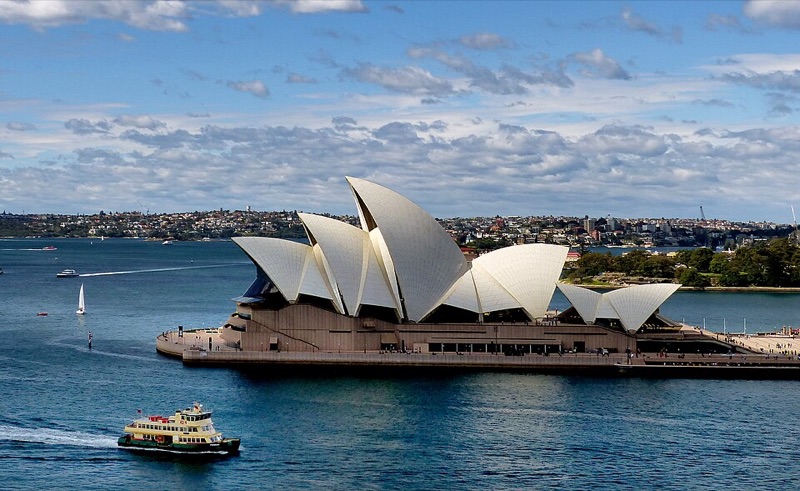
Jørn Utzon's 1973 expressionist landmark — 14 interlocking concrete-shell roofs clad in over a million chevron-patterned tiles at Bennelong Point. Hosts 1,800+ performances a year across five venues; the most photographed building in the Southern Hemisphere and a UNESCO World Heritage Site since 2007.
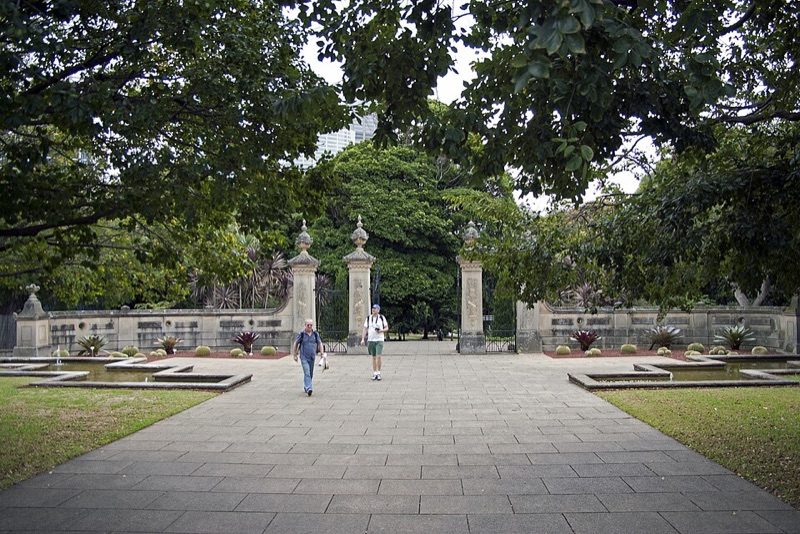
Thirty hectares of cultivated gardens on the foreshore of Sydney Cove, established in 1816 as Australia's oldest scientific institution. The walk from the Cadi Jam Ora First Peoples Garden around Farm Cove gives the best unobstructed view of the Opera House and Harbour Bridge together from the water's edge.
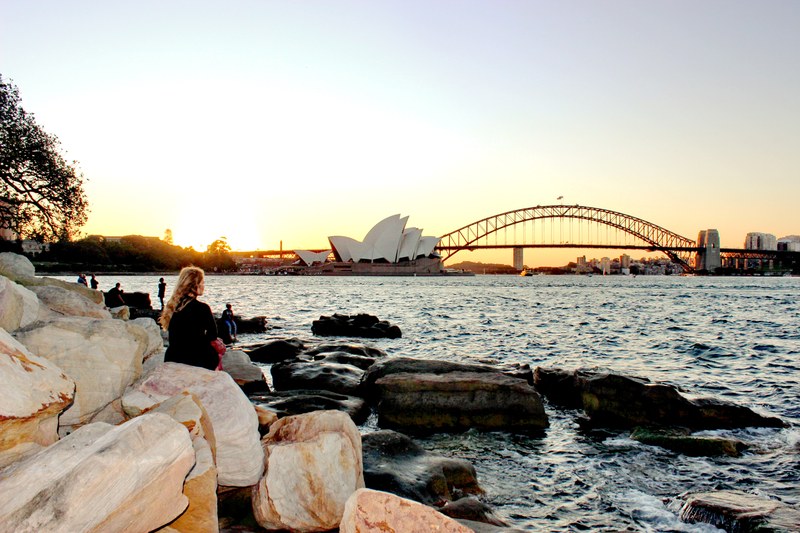
A sandstone bench carved into the headland rock for Governor Macquarie's wife Elizabeth in 1810, at the tip of the Domain promontory. The view from here frames the Opera House, Harbour Bridge, and Fort Denison in a single glance — the one vantage point where all three landmarks align.
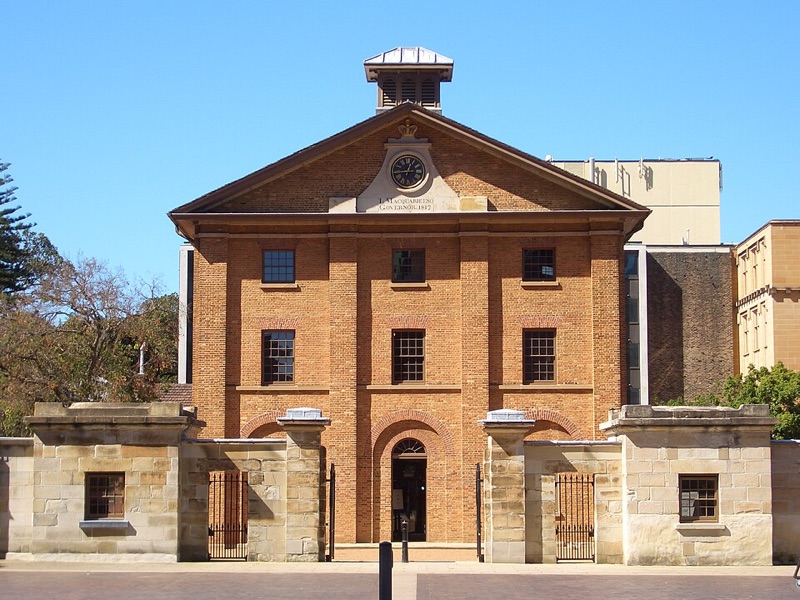
Designed by convict architect Francis Greenway, the barracks housed transported convicts from 1819 to 1848. A UNESCO World Heritage Site — the museum holds one of the most complete archaeological records of convict life in Australia, with artifacts recovered from the building's own walls.
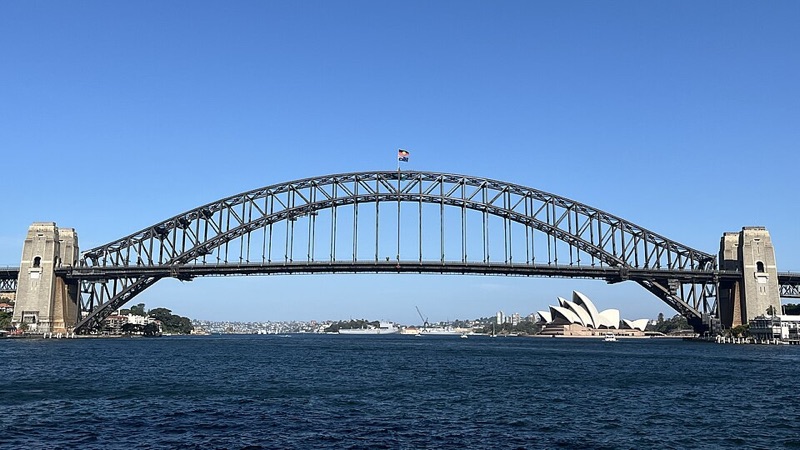
A guided climb to the summit arc of the Harbour Bridge, 134 metres above the water. The bridge opened in 1932 as the world's widest long-span bridge — the climb traces its maintenance catwalks to a 360-degree panorama over the harbour, the CBD, the eastern beaches, and the Blue Mountains.
At 309 metres the tallest structure in Sydney, opened in 1981. The observation deck delivers a 360-degree view on a clear day from the Blue Mountains to the west to the Pacific Ocean to the east. The outdoor SKYWALK platform circles the turret level above the enclosed deck.
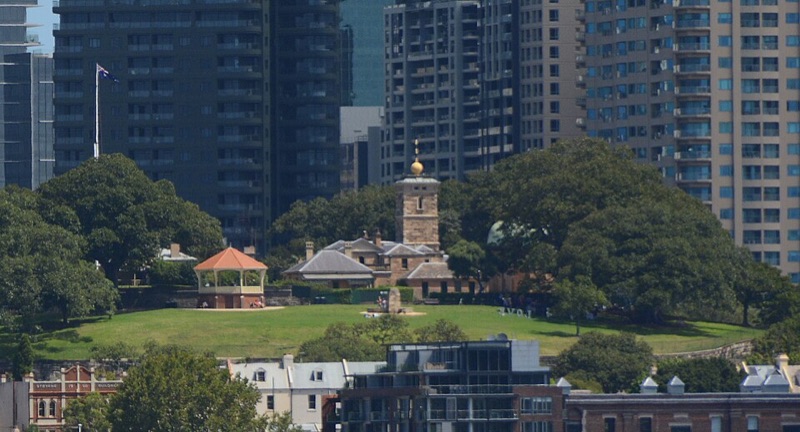
The highest point in the CBD at 40 metres, with Sydney Observatory in residence since 1858 — the 1874 and 1877 telescopes are still in place inside the sandstone dome. The hilltop park looks over The Rocks, Barangaroo, and the Harbour Bridge; sunset over the western harbour from here is the best in the CBD.
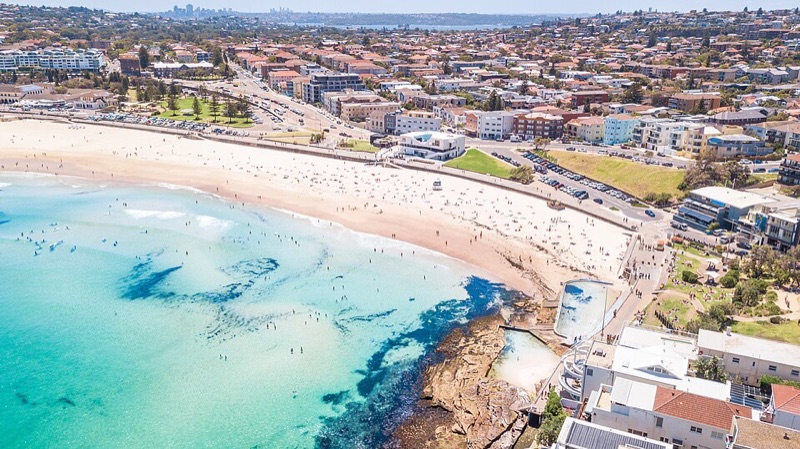
Sydney's defining beach — a kilometre of white sand between sandstone headlands, 8 km from the CBD. Home to the world's oldest surf lifesaving club · 1907 and Bondi Icebergs ocean pool. The northern headland café strip is the best place in Sydney to eat breakfast with salt on your skin.
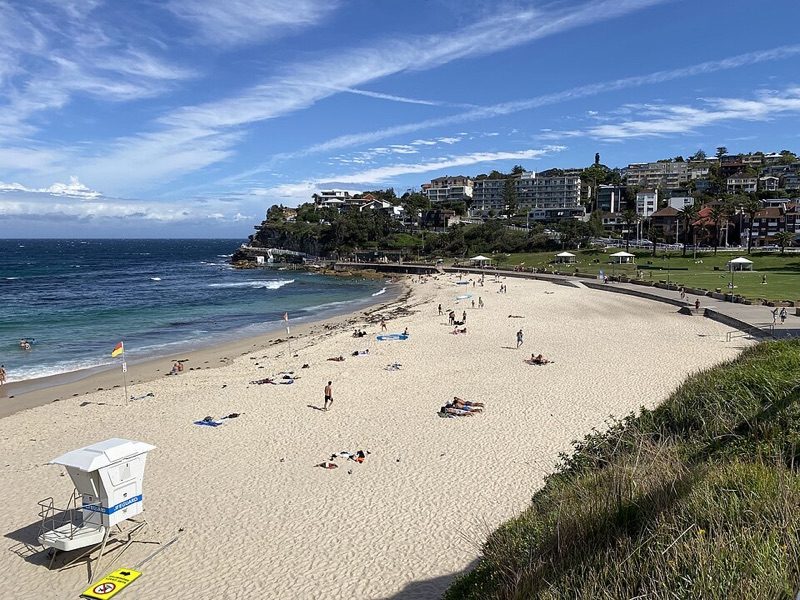
A narrow, sheltered bay one headland south of Bondi — calmer surf, a seawater rock pool at the south end, and a grassed gully park above the beach used as a neighbourhood picnic ground. The walk from Bondi crosses Mackenzies Bay and the clifftop path above Tamarama before dropping into Bronte.
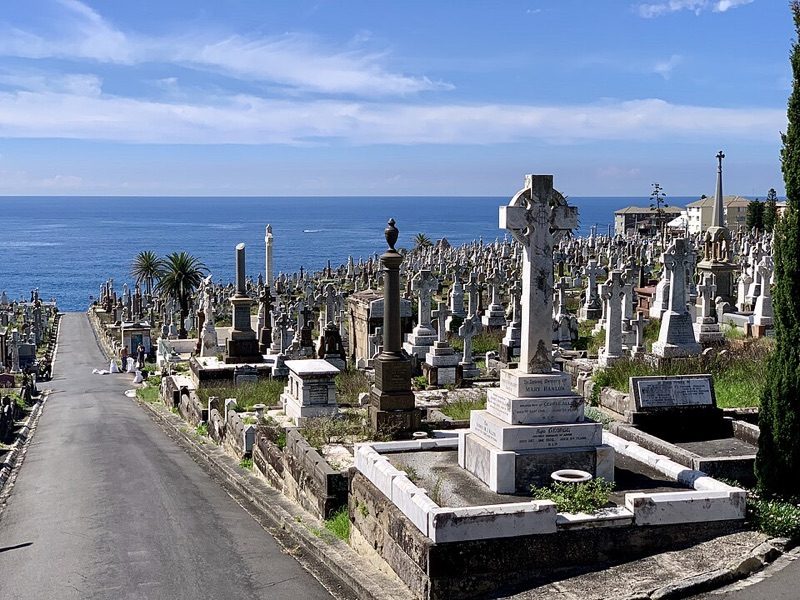
A clifftop Anglican cemetery established in 1877, with headstones along the edge of 40-metre sandstone cliffs above the Tasman Sea. Henry Lawson and Dorothea Mackellar are buried here. The cliff-path along the cemetery's ocean edge is the most dramatic section of the Bondi to Coogee walk.
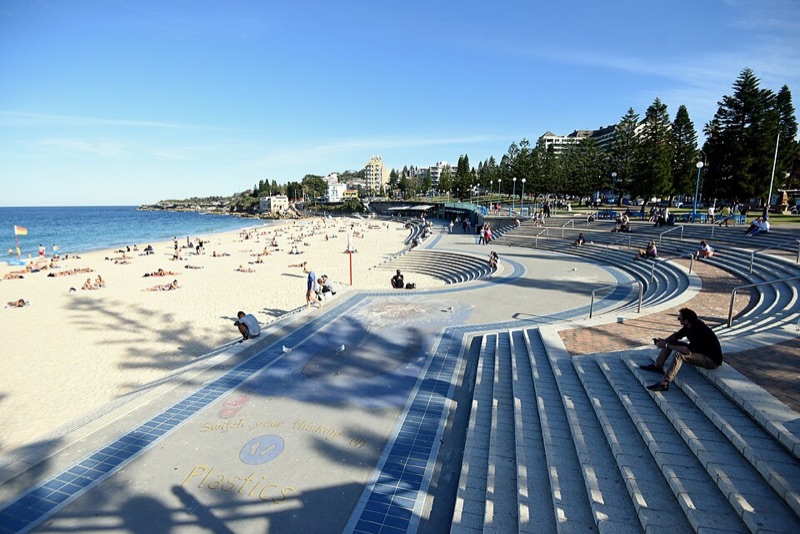
The southern terminus of the Bondi to Coogee walk — a wide, sheltered bay with the Coogee Surf Club · 1888 at its heart. Wylie's Baths, carved into the headland rock in 1907, is the oldest heated seawater pool in NSW; the Ross Jones Memorial Pool on the north headland is the walk's final reward.
A former factory and workers' terrace suburb immediately south of the CBD, now Sydney's most concentrated specialty coffee and independent dining neighbourhood. Crown Street is the spine: roasters, natural-wine bars, Japanese noodle shops, and the Art Deco Clock Hotel anchoring the south. Best on weekday mornings.
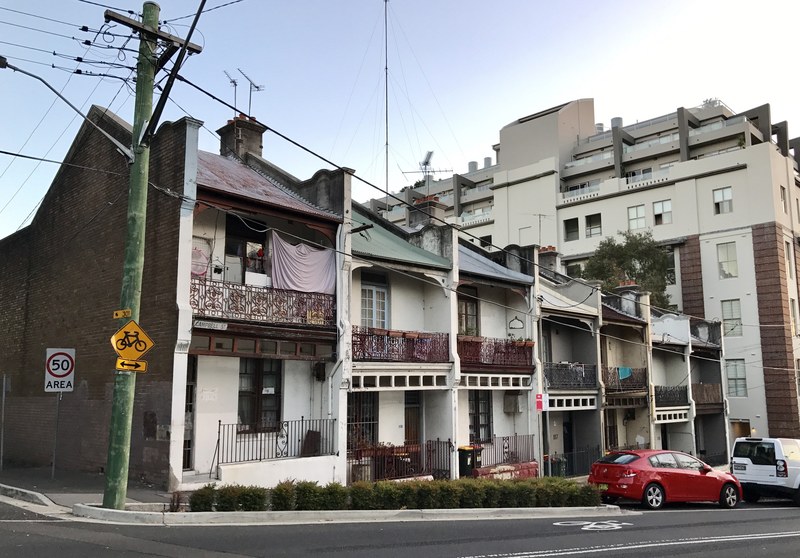
The Victorian terrace neighbourhood east of the CBD, famous for its cast-iron lacework balconies — imported from Glasgow, then manufactured in Australian foundries through the 1880s. Oxford Street runs through the middle; Paddington Markets on Saturdays in the Uniting Church grounds have operated since 1973.
The bohemian inner-west suburb built around King Street — 2.5 km of independent bookshops, record stores, vintage clothing, Thai restaurants, and live-music venues. The University of Sydney is one block north. Newtown has been the centre of Sydney's alternative cultural scene since the 1970s.
A peninsula suburb on Blackwattle Bay with Victorian terrace streets and a foreshore cycleway. Glebe Point Road is the main strip; the Saturday Glebe Markets in the primary school grounds — since 1981 — are Sydney's best second-hand and craft market. The lookout at the road's end faces the city skyline.
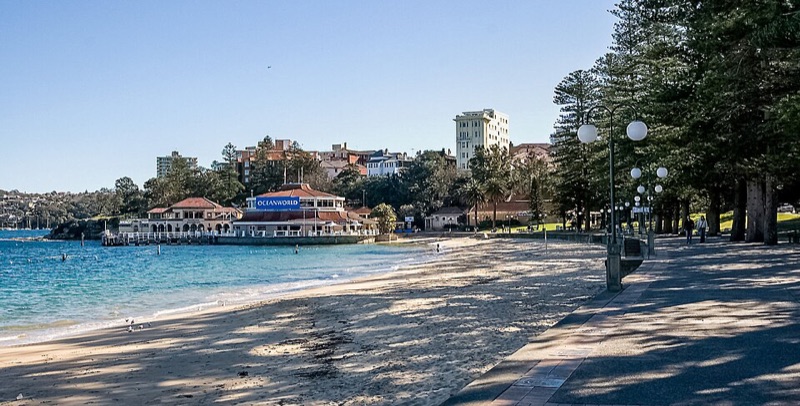
A kilometre-long surf beach 12 km north of the CBD, accessible only by ferry across the harbour. Governor Arthur Phillip named the cove Manly in 1788. The Corso connects the ferry wharf to the ocean beach; the northern end leads to the Manly to Spit coastal walk.
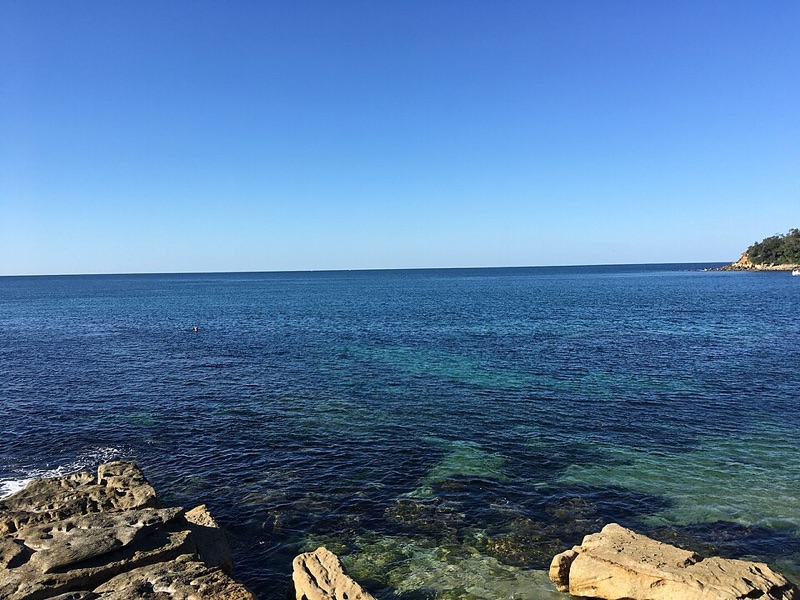
The calm north-facing cove tucked between Manly Beach and Cabbage Tree Bay — sheltered from the surf by the headland, with a natural rock pool and a sandstone path above the water. The track from Manly Beach marks the start of the path to Shelly Beach and the southern headland.
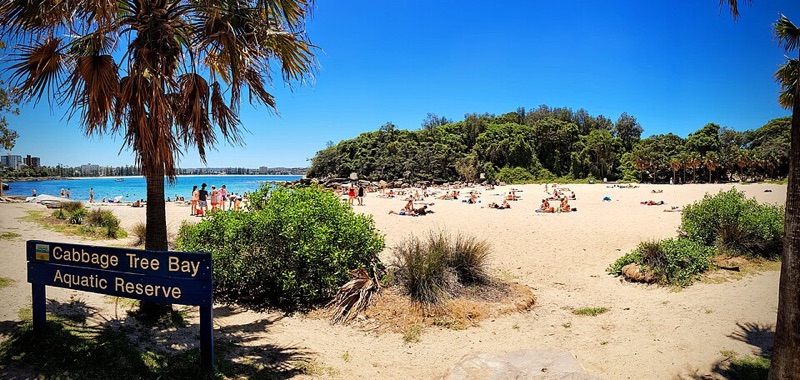
A small, calm cove 800 m south of Manly Beach — the only protected marine reserve in the Sydney Harbour basin accessible on foot from the ferry. No surf, clear water, and underwater rock formations with the best shore-snorkelling visibility within 30 minutes of the CBD.
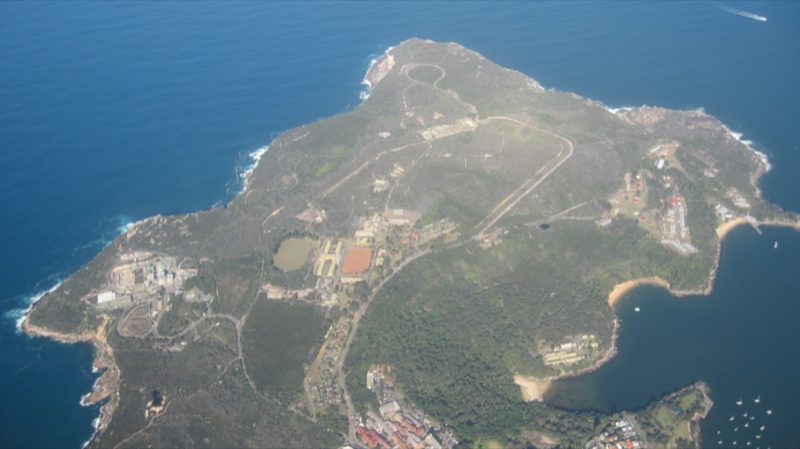
The dramatic sandstone headland at the northern harbour entrance, rising 100 metres above the Pacific. The Quarantine Station operated here 1832–1984 — passenger inscriptions are scratched into the sandstone walls. From the clifftop lookout, the Tasman Sea spreads east and the harbour entrance opens below.
10 min → Manly Wharf · 30 min → Circular Quay · 12 min → hotel
Day 6
From Hotel: 12 min · 2 min → Sydney Harbour Cruise
1.Sydney Harbour Cruise~1 hr 30 min
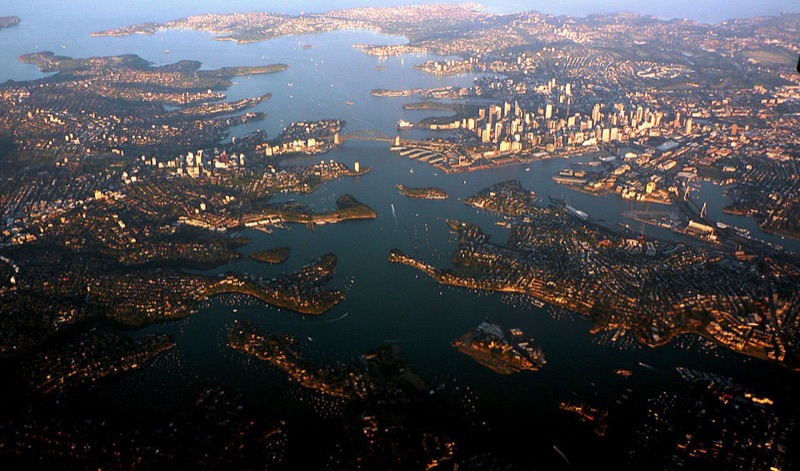
The classic way to understand Sydney's geography — 55 km of waterway stretching from the Heads to Parramatta, flanked by sandstone cliffs and 230 years of waterfront architecture. The Opera House, Harbour Bridge, Fort Denison, Garden Island naval base, and Balmain all pass at water level.
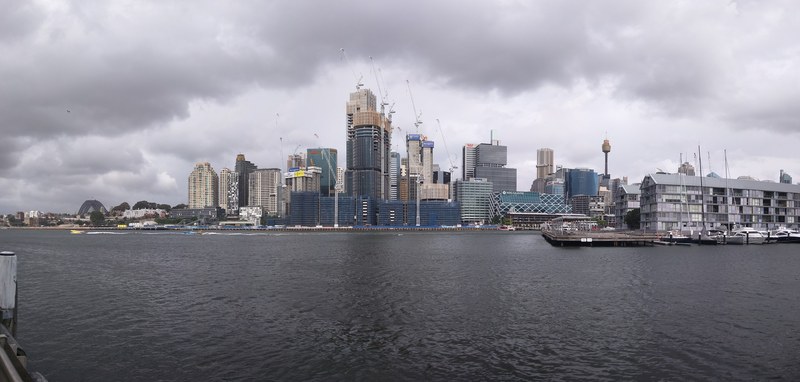
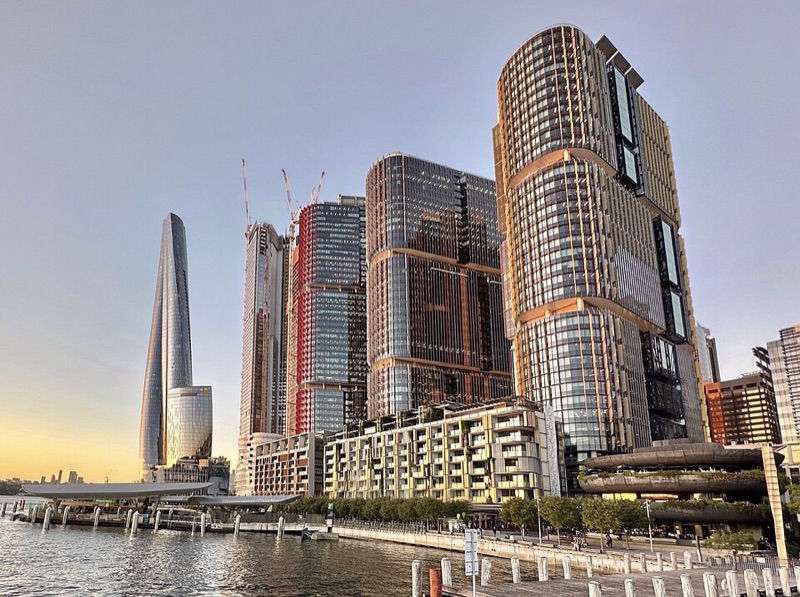
A 22-hectare headland reserve built on former port land north of the CBD, completed 2015. The southern reserve restores a pre-colonial harbour landscape with 75,000 native plants and 10 km of foreshore path — the best land-level Harbour Bridge view from the inner city, named for the Cammeraygal woman Barangaroo.
8 min · 3 min → Barangaroo Ferry Wharf · 15 min → Balmain East Wharf · 10 min → Balmain
3.Balmain~1 hr 30 min
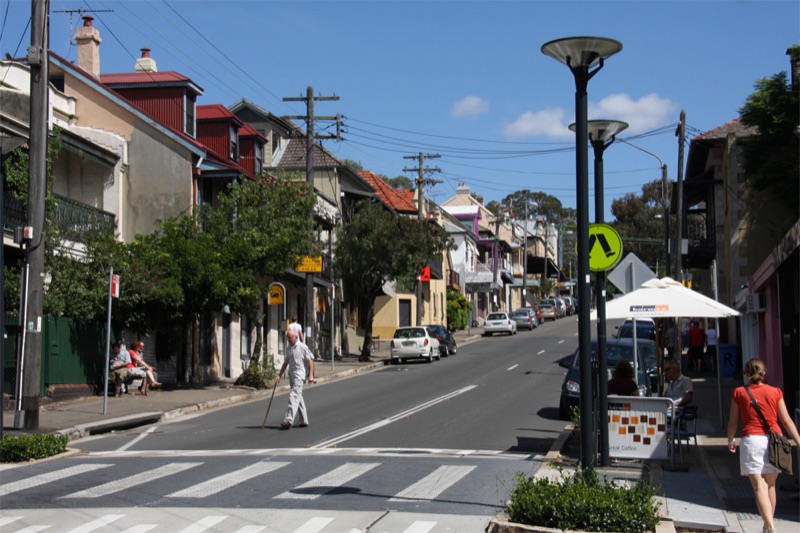
A peninsula suburb 4 km west of the CBD on the upper harbour — a former dockside neighbourhood that gentrified from the 1970s without losing its character. Darling Street is lined with Victorian pubs converted into good-food venues and cafés. The suburb projects into the harbour with water views in three directions.
10 min · 3 min → Balmain East Wharf · 25 min → Cockatoo Island
4.Cockatoo Island~2 hr
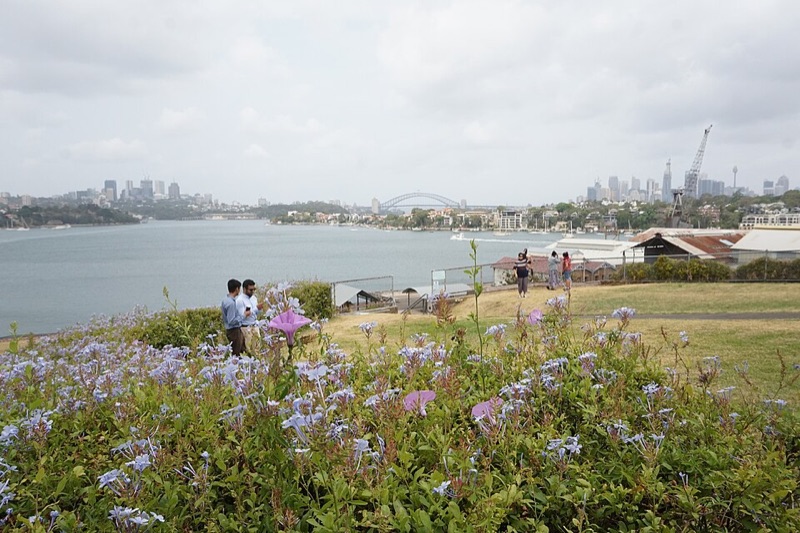
A 17.9-hectare island at the junction of the Parramatta and Lane Cove rivers — a UNESCO World Heritage convict site. Convict-built tunnels, sandstone granaries, and shipyard dry-docks are self-guided across the island. Cockatoo Island operated as an industrial shipyard until 1992; the machinery is still in place.
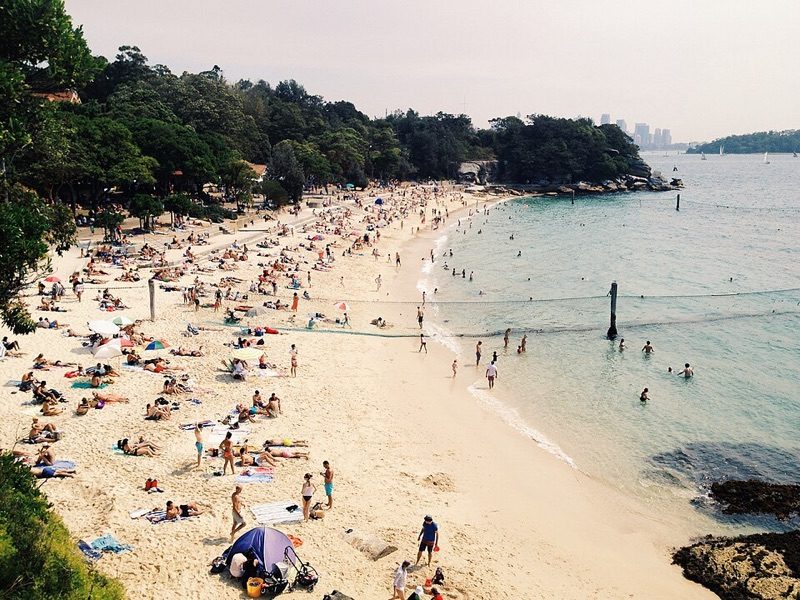
A sheltered harbour beach within Sydney Harbour National Park, one of four swimming beaches inside the park with its original 1912 shark net. The grassed foreshore looks toward the CBD skyline; a 1910 sandstone kiosk and boathouse remain in use on the beachfront. The best-preserved harbour picnic ground in Sydney.
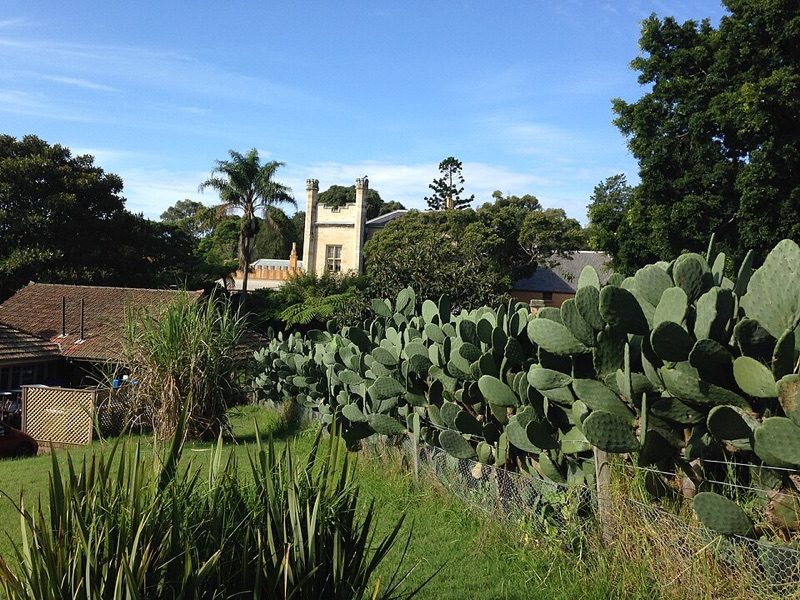
A Gothic Revival estate begun in 1803 and expanded into a 15-room mansion by explorer William Charles Wentworth. The finest surviving colonial estate in Australia — preserved with original furnishings, a working kitchen garden, and three hectares of landscaped grounds above the harbour.
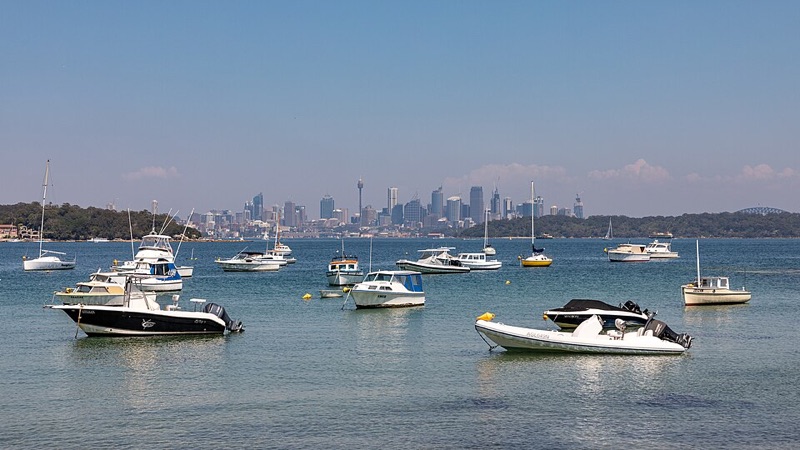
The small village on the inner side of South Head — the easternmost point accessible by road in Sydney, where Arthur Phillip first landed in 1788. Camp Cove beach is immediately north; the Watsons Bay Hotel beer garden looks across the harbour toward the CBD. Doyles on the Beach has served fish and chips since 1885.
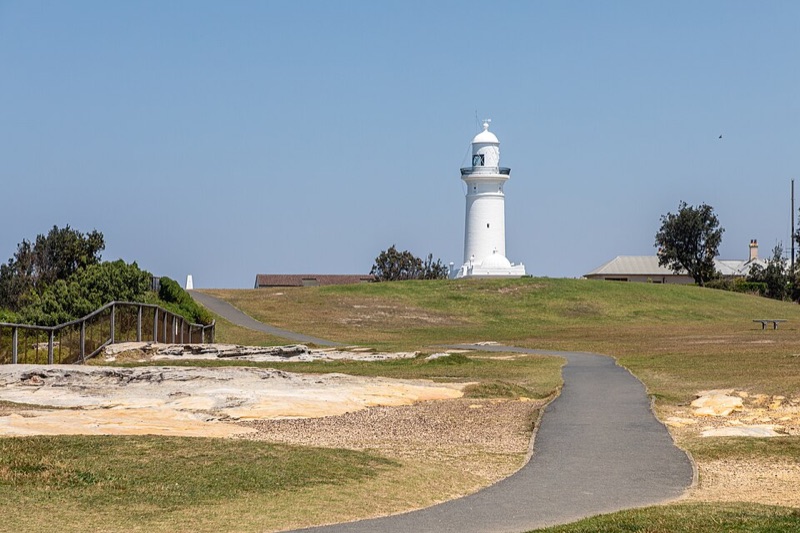
The high sandstone headland at the southern entrance to Sydney Harbour, with Hornby Lighthouse · 1858 at the tip. The Heritage Trail runs along the Tasman Sea cliffs — sheer drops at the edge. The view from the tip takes in the full harbour entrance, North Head opposite, and the open ocean.
ARRIVE Katoomba: 25 min · 5 min → Echo Point & Three Sisters
1.Echo Point & Three Sisters~1 hr 30 min
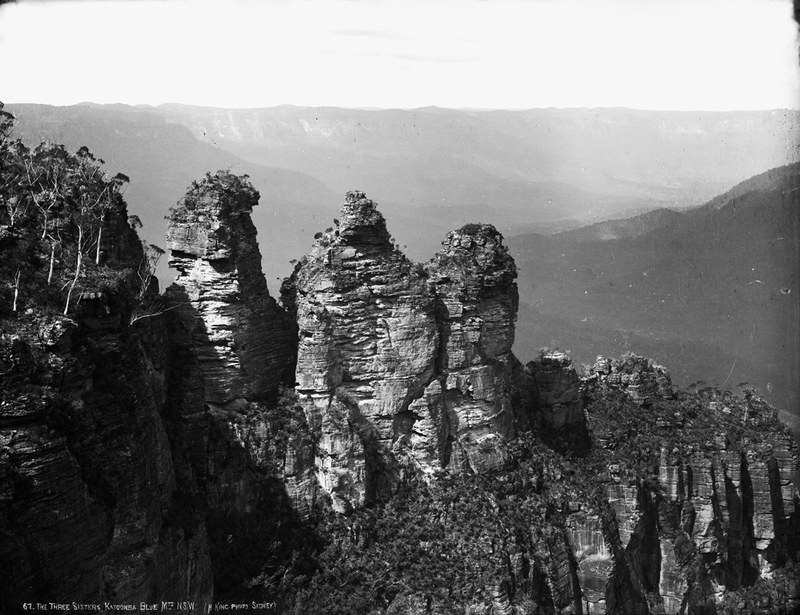
The Three Sisters — Meehni, Wimlah, and Gunnedoo — rise 922m above the Jamison Valley in sandstone columns. Echo Point Lookout, free and clifftop-direct, is the iconic photo spot. The Giant Stairway · 998 steps descends the cliff to the valley floor for the Federal Pass walk.
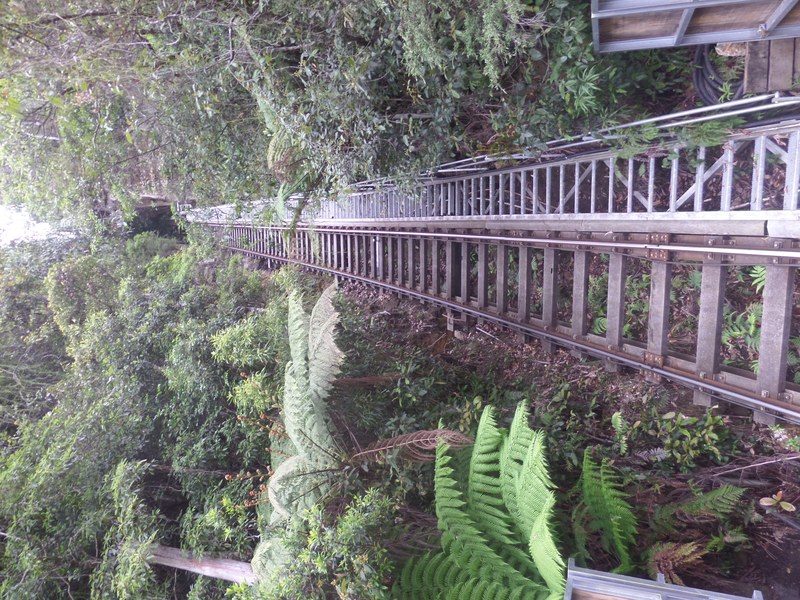
Four rides over the Jamison Valley: Scenic Railway · 52° incline, world's steepest passenger railway down to the valley floor; Scenic Walkway through old-growth eucalyptus forest; Scenic Cableway up; Scenic Skyway across with a glass floor. One-day pass covers unlimited rides — pace yourself.
Katoomba's main street runs downhill from the railway station: Art Deco shopfronts, old cafés, the 1880s Carrington Hotel grande dame. Stop for coffee and pies on Katoomba Street before the return train.
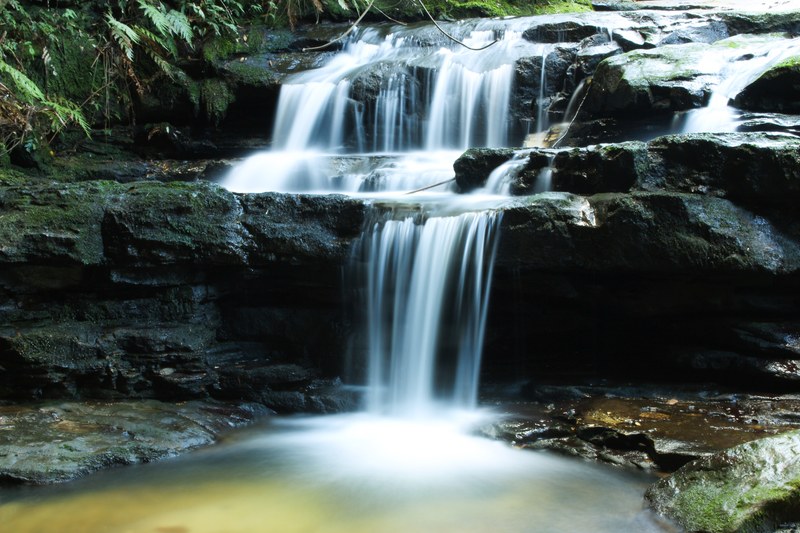
A gentler Blue Mountains village 3 km east of Katoomba — heritage shopfronts, tea rooms, and antique stores lining the Mall, with the Leura Cascades a 10-minute walk down into the gorge through cool temperate rainforest. The return train to Sydney departs from Leura station, 3 min from the Mall.
Sydney's oldest neighbourhood on foot — sandstone laneways, convict history, and harbour views led by The Rocks Walking Tours, the original company since 1987. Covers 2 km at a leisurely pace.
Walk the shells, stage doors, and concert halls of Jørn Utzon's masterpiece with an official Opera House guide. Covers the construction story, UNESCO World Heritage inscription, and active performance spaces in 60 minutes.
The rare-access version — through loading docks, dressing rooms, and orchestra pits before the venue opens. Breakfast served inside the Opera House. The best way to see parts of the building closed to regular visitors.
Climb the upper arch of the Harbour Bridge to 134 m above the water — 360° view over the harbour, CBD, eastern beaches, and Blue Mountains. Safety suit and harness provided; climbs depart from early morning.
Full-day small-group from Sydney — Echo Point, Three Sisters, Scenic World rides, Featherdale Wildlife Park, and Parramatta River ferry return. All entry fees included.
Ninety minutes through the colony's oldest streets — convict history, sandstone warehouses, and harbour-view laneways with a local guide from The Rocks Visitor Centre. Max 20 people.
Catwalks and ladders up the outer arch to the summit at 134 m — full-body harness, safety suit, and a trained guide narrating the bridge's history with the harbour panorama below.
Official guided tour through the Concert Hall, foyers, and backstage corridors — the UNESCO inscription, construction story, and active performance spaces. The most-reviewed Opera House tour on any platform.
The BridgeClimb timed for sunset — the arch path at dusk as the city lights come on across the harbour. Same route as the day climb; same views, different light entirely.
The original guided walk through The Rocks — sandstone convict buildings, harbour laneways, and the colony's founding story led by a local guide from the Visitor Centre. 1.5 hours on foot.
The official Opera House tour — 60 minutes through the performance halls and public spaces with the story of Utzon's design, the Sydney Morning Herald controversy, and the 2007 UNESCO inscription.
134 m above Sydney Harbour on the arch of the world's widest long-span bridge — full-body harness, safety suit, and a guide with the full harbour panorama below.
The #1 rated Blue Mountains day tour on TripAdvisor — Scenic World, Echo Point, Three Sisters, wildlife park, and river cruise with all entry fees, guide, and lunch included.
90-minute cruise around Sydney Harbour past the Opera House, Harbour Bridge, Shark Island, and the waterfront icons with live commentary from a local guide.
A double ristretto in a 150–160 ml cup topped with microfoamed whole milk — smaller and stronger than a latte, with a higher coffee-to-milk ratio and a velvety foam. Sydney cafes helped define what the world now calls third-wave coffee.
A small cupped oyster native to NSW estuaries — slower to grow than Pacific oysters · 3–7 years · more intense, with a copper-mineral finish reflecting the estuary. Hawkesbury River, Port Stephens and Merimbula are the benchmark producers.
Vanilla sponge dipped in thin chocolate icing and rolled in desiccated coconut, sometimes filled with cream or jam. Named after Lord Lamington, Governor of Queensland 1896–1901. The coating is thin; the coconut is the texture.
Foreign number: accepted. — it runs on the same Uber account as the ride app, so no second code has to arrive.
Sydney's dominant delivery platform with exceptional restaurant variety — CBD waterfront seafood, Surry Hills wine bars, Newtown's indie dining scene and every major chain; real-time tracking is reliable and delivery windows in central Sydney typically run 25–35 minutes.
Foreign number: accepted. — the 6-digit code comes by SMS to the number on the account; DoorDash's Australian help centre asks only that the phone can receive texts.
Strong coverage across the inner suburbs, particularly for fast-casual and chain restaurants; DashPass reduces delivery fees on frequent orders and the app integrates well with international payment methods registered at sign-up.
Resident opera company of Australia, performing in the Opera Theatre · 1,547 seats — main stage at the Opera House. October includes Sydney Dance seasons.
Australia's flagship drama company, founded in 1978. Main stage at Roslyn Packer Theatre in Walsh Bay, a short walk west of the hotel along the harbour.
Foreign number: accepted. — the code comes by SMS to any international number, and "Call me with code" reads it out if the SMS is blocked.
Sydney's largest ride-hailing network with consistently short wait times across the CBD, Darling Harbour and inner suburbs; UberX and UberXL cover virtually all passenger needs, with surge pricing activated mainly during weekend evenings and major events at the Opera House precinct.
Foreign number: accepted. — sign-up takes any country code and the code arrives by SMS or a voice call to that number.
China-based ride-hailing operator with strong presence in Sydney; rates typically undercut Uber by 10–15% on standard CBD trips and the app registers foreign numbers at sign-up without issue.
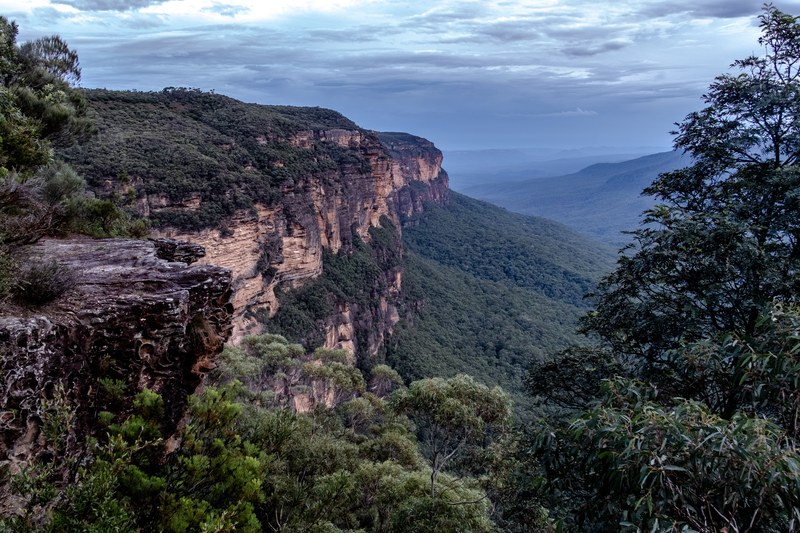
The second-oldest national park in the world · 1879, 30 km south of Sydney. The coastal walk Bundeena–Otford runs 26 km along sandstone cliffs above the Tasman Sea. The Valley of the Waters waterfall circuit at Wentworth Falls is the most accessible rainforest walk in the park.
A quiet beach town on the Central Coast — calmer sea than Bondi, good surf at The Haven, and one long esplanade of restaurants facing the beach. The Skillion headland walk above town is a 15-minute scramble with a panoramic Pacific view.
The Architect Who Designed the Opera House Never Saw It Finished
Jørn Utzon resigned from the Sydney Opera House project in 1966, worn down by disputes over his fees and political interference from the state government, and flew out of Australia days later. He never came back — not for the building's opening in 1973 to global acclaim, and not even decades afterward when he was hired to redesign one of its interior halls, a project he directed entirely from Denmark without ever setting foot in the finished building himself. His departure was controversial enough at the time that roughly a thousand people marched on the state parliament demanding he be reinstated. The most photographed building in the Southern Hemisphere was completed by other architects finishing a vision its own creator refused to ever witness in person again.
Cockatoo Island wasn't just any penal colony — it was where the government sent convicts who had already reoffended after serving time elsewhere. Established in 1839, the island was chosen deliberately for being isolated enough to punish but close enough to stay "under the eye of authority." Conditions were brutal even by the standards of the era: barracks built for far fewer men were routinely packed with hundreds at night, and isolation cells were cut directly into the cliff face for further punishment. Those same convicts were then put to work hand-excavating Australia's first dry dock, moving an enormous volume of rock by hand — labor that turned the island into one of the country's largest shipyards for more than a century afterward.