Malta's National Community Art Museum in the 1574 Auberge d'Italie — the former residence of the Italian Knights. Five centuries of Maltese fine art: Mattia Preti's monumental canvases, 18th-century court portraits by Antoine de Favray, and exceptional Maltese silver.
In the 1571 Auberge de Provence — the most elegant Knights' auberge. Holds Malta's finest prehistoric finds: the Sleeping Lady from Ħal Saflieni, the Venus of Malta figurines, and the full sequence of temple-period artifacts from Ġgantija through Tarxien.
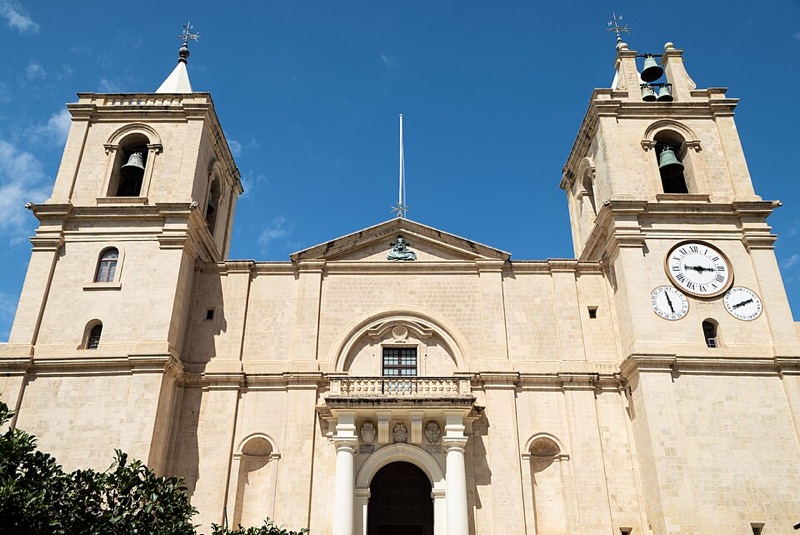
One of the finest Baroque interiors in Europe — built by the Knights of St. John 1573–1578. Every side chapel dedicated to a different langue of the Order. Floor of 400 marble tombstone slabs. Caravaggio's largest work — his only signed painting — hangs in the oratory.
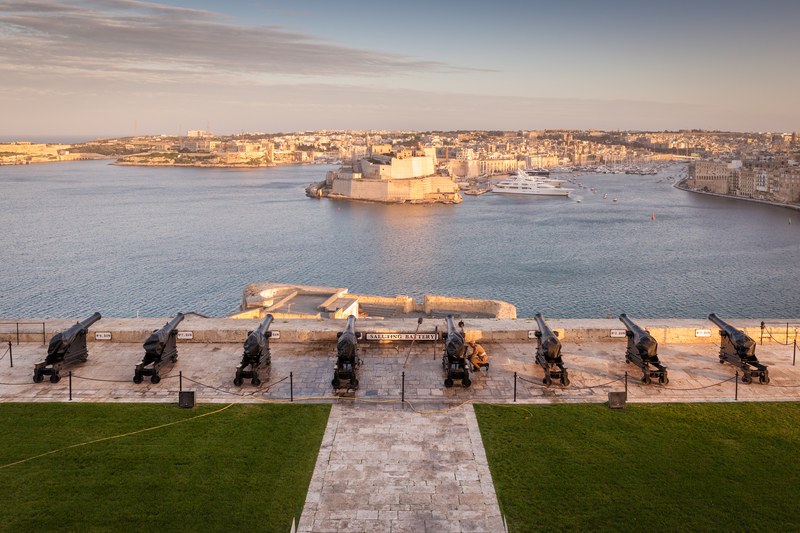
The finest viewpoint in Valletta — a formal terraced garden perched high on the bastions above the Grand Harbour, with sweeping views of the Three Cities, Fort St. Angelo, and the open sea. The Saluting Battery below fires a cannon at noon and 4pm daily.
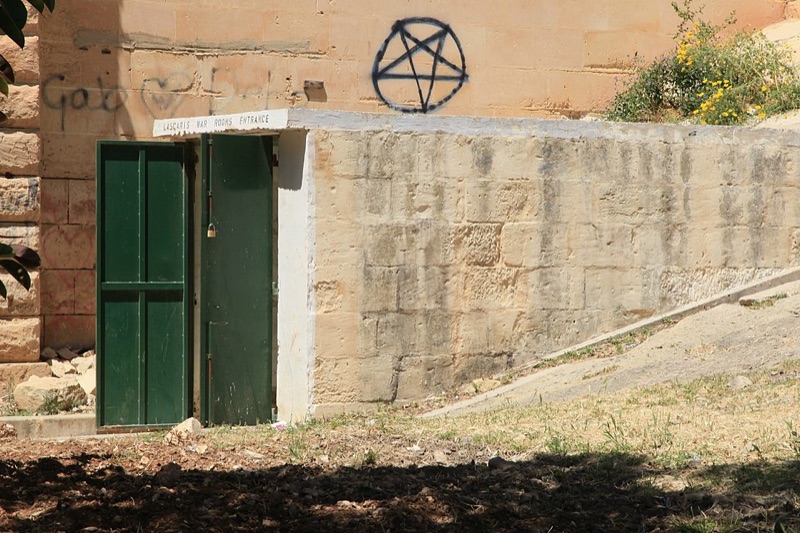
The limestone operations rooms directly below Upper Barrakka Gardens where Allied commanders planned the 1943 invasion of Sicily. Declassified in 1968 — original plotting charts, planning boards, and communications equipment still in place.
From Hotel: 14 min · 5 min → Fort St. Elmo & National War Museum
1.Fort St. Elmo & National War Museum~2 hr
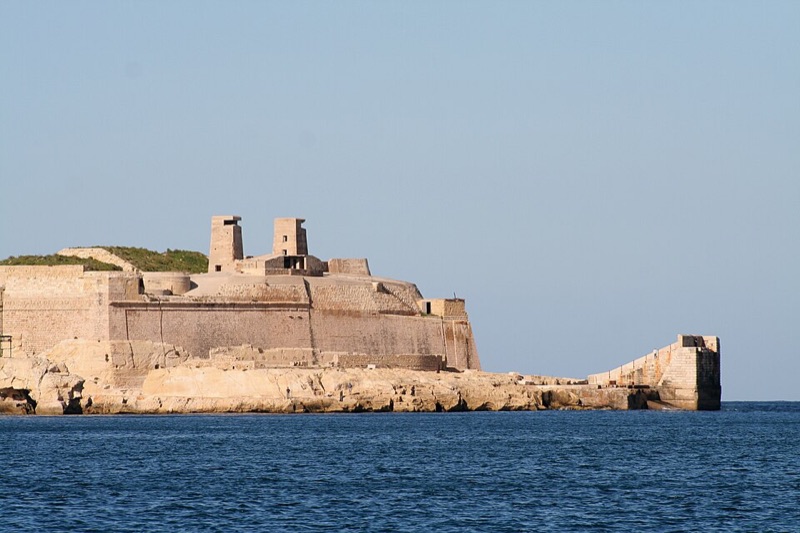
The fort that absorbed the full Ottoman assault in the 1565 Great Siege. The National War Museum inside holds the George Cross awarded collectively to all of Malta in 1942 and Faith — the sole surviving Gloster Sea Gladiator biplane from Malta's WWII air defense.
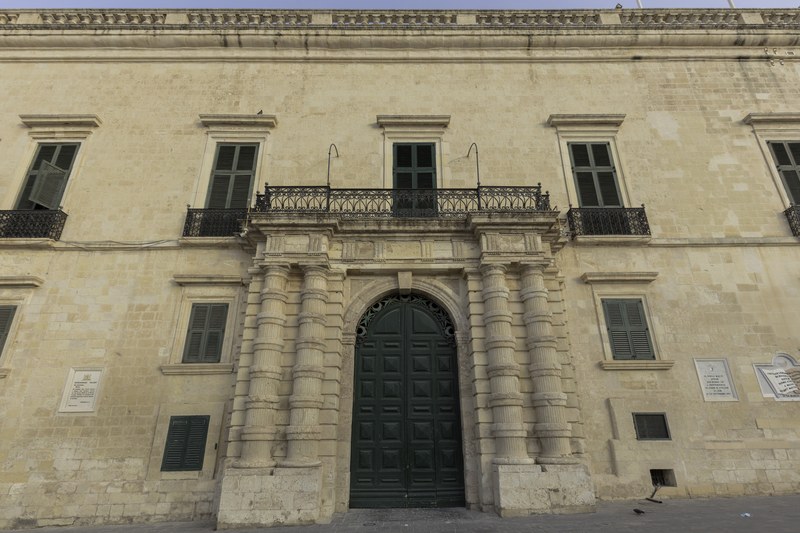
Seat of the Grand Masters 1571–1798, now Malta's Office of the President. State Rooms hold Flemish tapestries and a world-class armoury including a solid-gold tournament suit. The Hall of Supreme Council is lined with a continuous 16th-century frieze depicting every episode of the 1565 Great Siege.
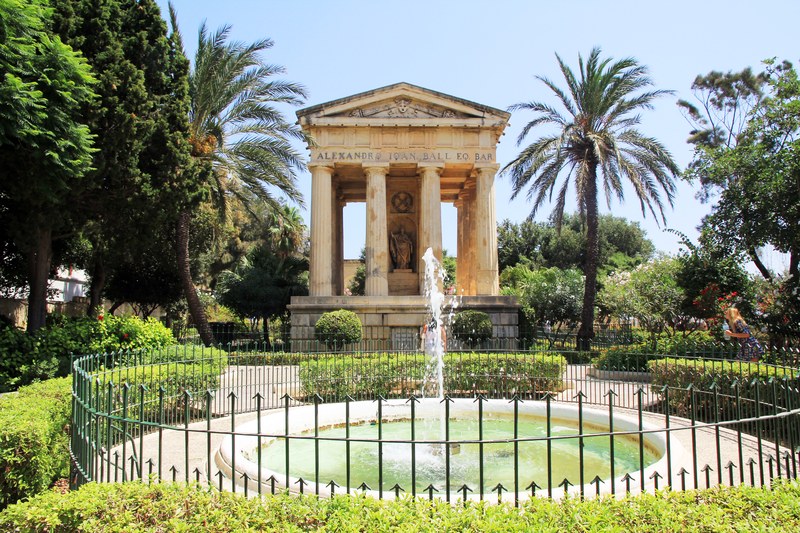
A terrace garden at the harbour mouth with direct views across to Fort Ricasoli and the open sea. The neoclassical Temple of Memory honors Rear Admiral Alexander Ball, who aided the Maltese resistance against Napoleon and later governed the island.
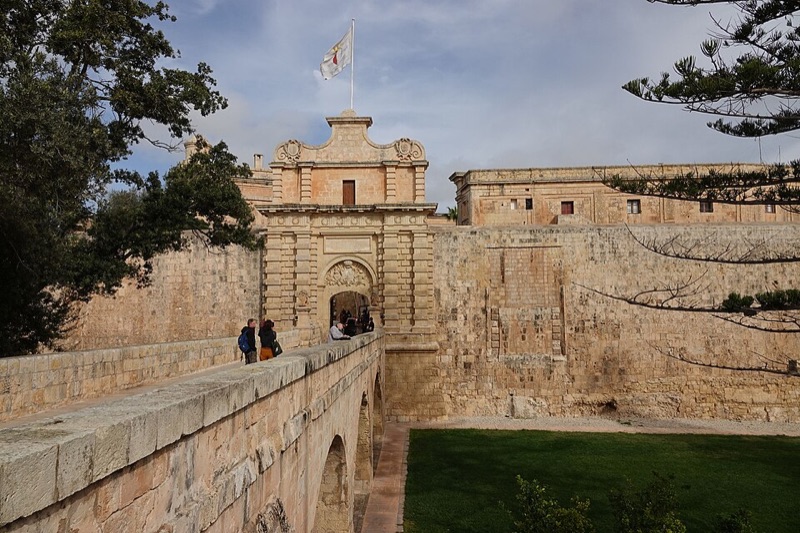
The Silent City — Malta's walled medieval capital on a limestone ridge, fortified since Phoenician times and the island's capital until the Knights moved to Valletta in 1571. Fewer than 300 residents today. Narrow Baroque alleys unchanged for centuries and bastion views stretching across the entire island.
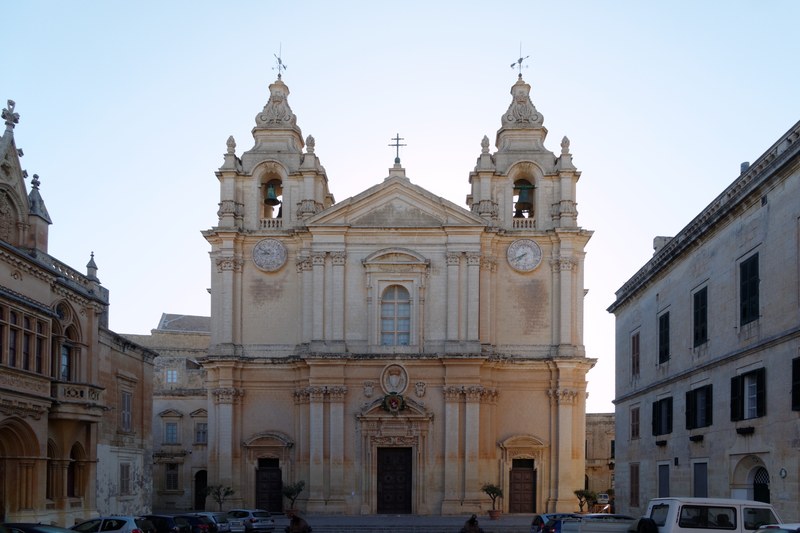
Built on the site where St. Paul baptized Malta's Roman governor Publius in 60 AD. The Baroque building completed in 1702 by Lorenzo Gafà — considered his finest work. The museum holds Dürer woodcut engravings and rare Knights-era illuminated manuscripts.
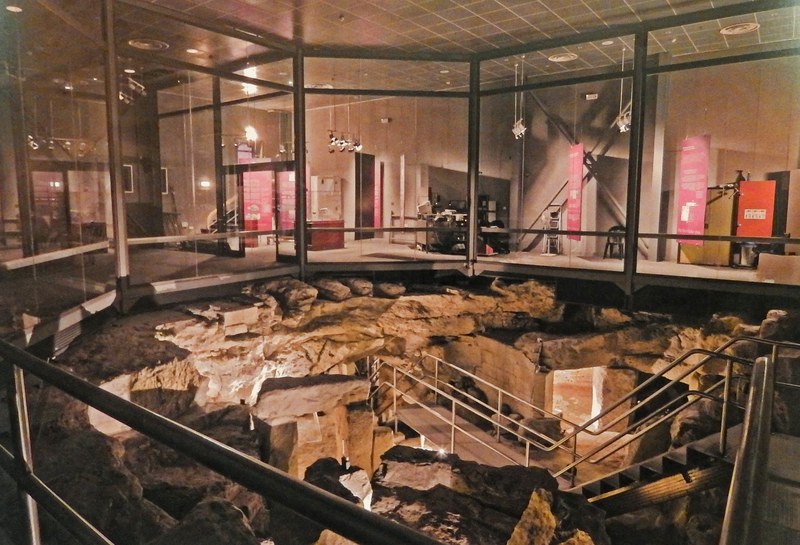
The only prehistoric underground temple in the world, carved from limestone 3600–2500 BC at three descending levels. Used as sanctuary then burial site for around 7,000 people. The Oracle Room amplifies bass voices to resonate the entire chamber. Strictly 80 visitors per day — book weeks in advance.
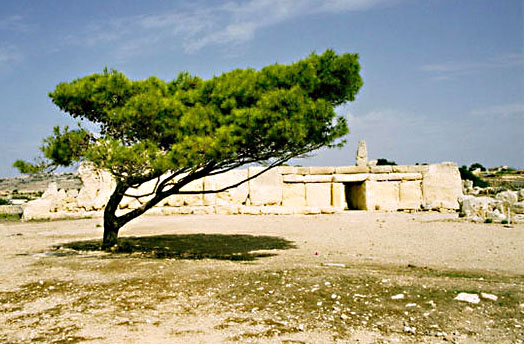
Twin megalithic temples on Malta's southern sea cliffs, built 3600–2500 BC — among the oldest free-standing structures on Earth, predating Stonehenge by 1000 years. Mnajdra aligns to the solar calendar: at the equinox, sunlight passes directly through the entrance onto a specific carved threshold stone.
Small-group guided walk through Valletta's Baroque streets covering St. John's Co-Cathedral, the Grandmaster's Palace, both Barrakka Gardens, and Fort St. Elmo with the full story of the Knights and the 1565 Great Siege. Up to 25 guests.
Walk the main streets and hidden lanes of Valletta sampling pastizzi, ftira, gbejniet, bigilla, and local sweets alongside the city's history. Knights, the Great Siege, and WWII Malta told through food culture. 12 max.
Small-group culinary tour through Valletta's top sights and best local bites — Maltese wine, gbejniet cheese, honey rings, pastizzi, and traditional street food sampled at family-run spots as a local guide covers the city's layered history. 10 max.
2.5-hour guided walk covering Republic Street, both Barrakka Gardens, the Grandmaster's Palace, and the Grand Harbour bastions. UNESCO World Heritage history of the Knights, the 1565 siege, and WWII Malta throughout. 20 max.
Top-rated small-group tour of Valletta's main squares, St. John's Co-Cathedral, the Grandmaster's Palace, both Barrakka Gardens, and the Grand Harbour bastions. Expert storytelling from local guides. 15 max.
A half-day guided tour departing Valletta to cover Malta's essential landmarks beyond the capital — Mdina, the Three Cities, and the coastal highlights — giving a complete introduction to the island. 16 max.
A 3-hour small-group walk through Valletta sampling pastizzi, ftira, bigilla, gbejniet, kannoli, and local wine, with a guide covering the history and culture behind each dish and each neighborhood. 8 max.
Since 1837 — the oldest and most iconic café in Malta. Historic palazzo interior, outdoor seating on Republic Square, and a pasticceria famous for nougat and almond cakes. Credited with introducing the Italian espresso machine to the island in the 1950s.
A neighborhood café near the Grandmaster's Palace with a local crowd — relaxed, unpretentious, and off the main tourist route. Good coffee and light bites in a corner position.
The defining Maltese street food — flaky pastry parcels filled with ricotta cheese or mushy peas, baked hot and eaten by hand for a few cents. Available at any pastizzeria from early morning.
The traditional Maltese sourdough ring-shaped bread used as a sandwich base filled with tuna, capers, olives, bigilla, sun-dried tomatoes, and local sheep's cheese. The official Maltese street food at lunch.
The national dish — braised or fried rabbit slow-cooked with red wine, garlic, bay leaves, and herbs until fall-off-the-bone tender. Served at traditional restaurants and family-run dining rooms across the island.
Small rounds of fresh or aged sheep's milk cheese from Gozo. The fresh version is mild and creamy; the aged peppercorn-encrusted version has a sharp, pungent kick. Served on ftira, with wine, or as a standalone snack.
A thick paste made from dried broad beans slow-cooked with garlic, herbs, and olive oil — Malta's oldest condiment, eaten as a dip with bread or spread on ftira. Available at traditional wine bars and local food shops throughout the city.
Malta's own bitter orange soft drink made since 1952 from Seville oranges and a blend of Mediterranean herbs. On every café and bar menu. Often served over ice as a local aperitivo.
Foreign number: accepted — it shares the Bolt ride-app account, so one sign-up covers both.
Bolt Food shares the same account as the Bolt ride app, making it the most convenient delivery option for visitors already using Bolt to get around Malta; coverage spans central Valletta and the main residential districts of the island.
Foreign number: not required. — sign-up runs on Google, Apple, Facebook or email with no phone field at all, so no verification code is sent.
Wolt covers Valletta and the surrounding areas with a broad selection of local restaurants and supermarkets; sign-up requires a mobile number and email, and a foreign number works throughout registration and for order notifications.
Malta's National Theatre, opened 1731 — one of Europe's oldest working theatres. Baroque house hosting opera, ballet, and Malta Philharmonic Orchestra.
Foreign number: accepted — account registration works with a foreign number and email address.
Bolt is the dominant ride-hailing app in Malta, providing on-demand cars across Valletta and the island; the app uses transparent upfront fares and a foreign number is accepted throughout sign-up and booking.
Foreign number: accepted — an existing Uber account works without modification.
Uber operates in Malta through licensed private-hire drivers and functions identically to other markets; an existing account works without modification and covers central Valletta and the wider island.
Foreign number: accepted — account registration works with a foreign number and email address.
eCabs is Malta's own licensed private-hire booking app, offering pre-booked and on-demand rides across the island; registration accepts a foreign mobile number and the app provides fixed-price quotes before booking.
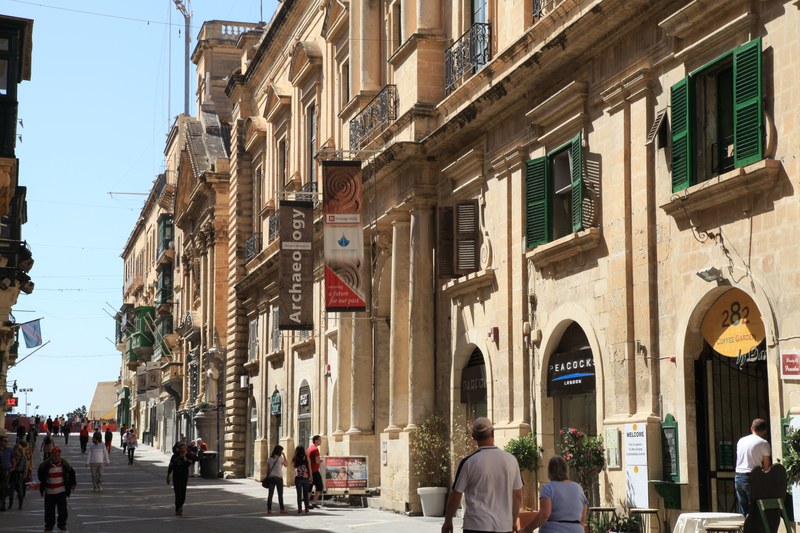
Valletta is the most extraordinary city nobody talks about. A Baroque capital built from scratch in 1566 on a rocky peninsula in the Mediterranean — the Knights of St. John laid it out in a grid and filled it with palaces and churches, then successfully defended it against the Ottomans and the Nazis.
Everything on Days 1–2 is within walking distance of the hotel. The same 0.8 square kilometers holds Caravaggio's largest painting, the room where Eisenhower planned the invasion of Sicily, and three Michelin-starred restaurants.
Day 3 in Mdina is the medieval capital that Valletta replaced — quiet, unchanged, and only 28 minutes away. Day 4 at Ħal Saflieni and Ħaġar Qim puts you inside structures older than Stonehenge, built before any written language existed in Europe.