From Hotel: 12 min · 4 min → Palace of Grand Dukes
1.Palace of Grand Dukes~1.5 hr
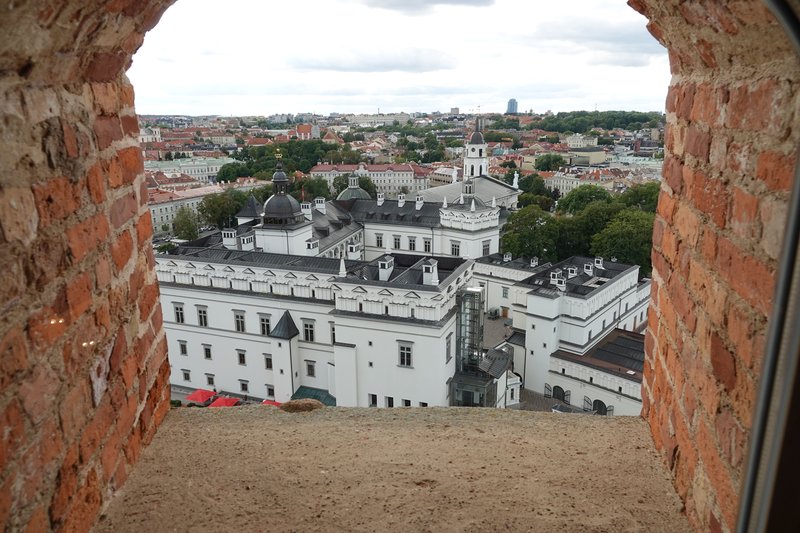
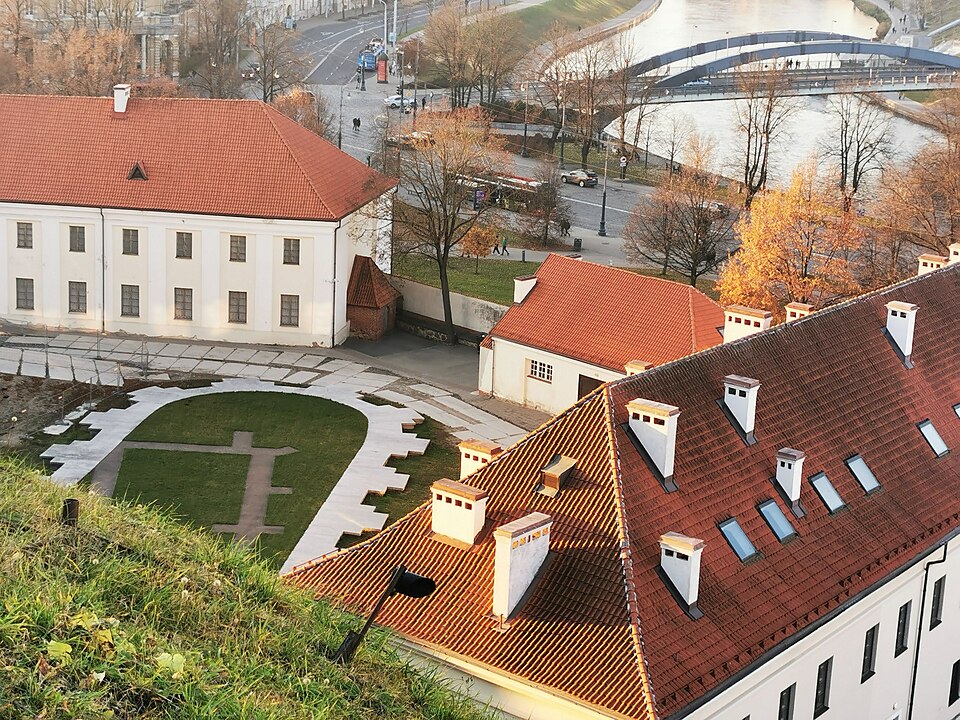
Fully reconstructed Renaissance palace on Cathedral Square, the seat of Lithuanian Grand Dukes and Polish kings for three centuries — demolished by Napoleon's retreating forces, rebuilt on its original Gothic foundations, and reopened as a museum with tapestries, paintings, and 15,000 medieval artefacts.
Lithuania's national archaeology collection, housed in the Old Arsenal at the foot of Gediminas Hill — more than 4,000 finds spanning 12,000 years of Baltic prehistory, from Stone Age tools and Neolithic amber through the barter, metallurgy, and weaponry of Lithuania's tribes before statehood.
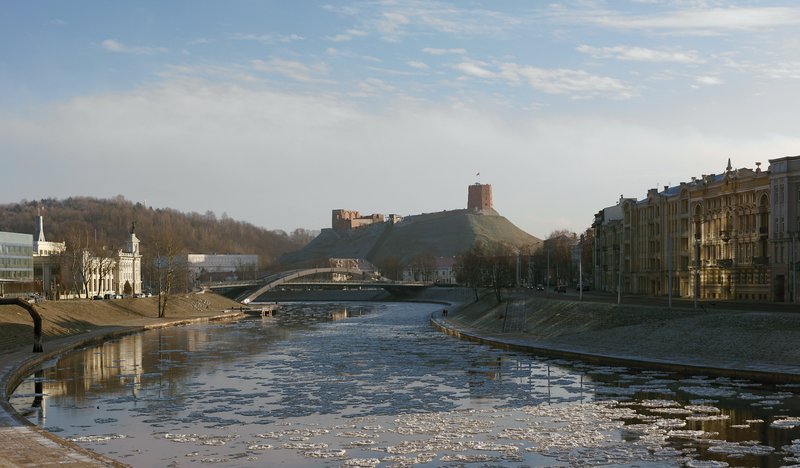
The sole surviving tower of the Upper Castle, perched on a 48m hill above the Neris River — Vilnius's most iconic brick landmark, offering panoramic views of Cathedral Square, the Old Town roofscape, and the modern city across the river; the museum inside traces the legendary 14th-century founding of the city.
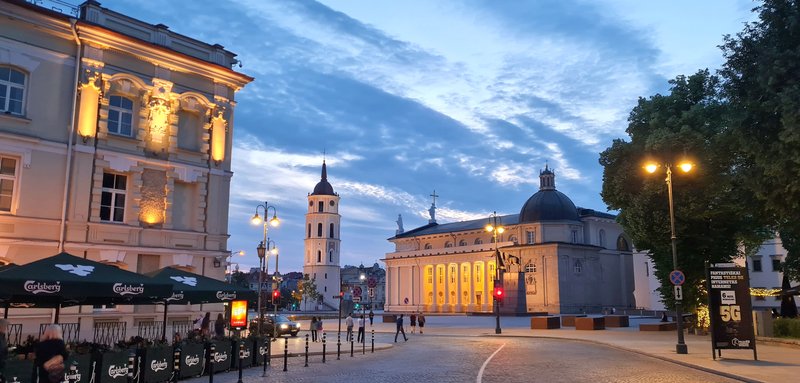
Lithuania's most important church — a grand neoclassical cathedral flanked by its 57m belfry — the city's oldest standing structure, converted from a defensive tower — with the burial crypts of Lithuanian Grand Dukes beneath its floor and a tiled mosaic floor in the Casimir Chapel.
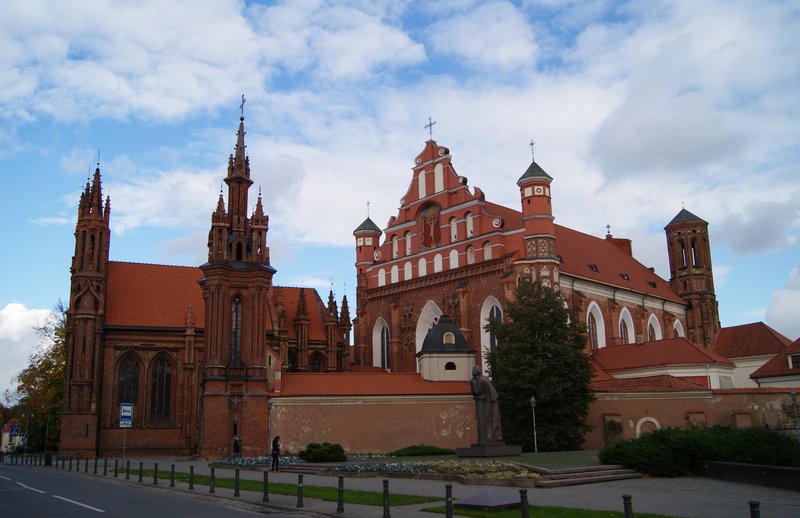
Vilnius's most celebrated Gothic masterpiece — built from 33 types of custom-shaped brick in the late 15th century, its lace-like facade of pinnacles and niches is one of the finest Gothic compositions in Northern Europe; standing beside the Bernardine Church, it glows a warm terracotta at golden hour and is the most photographed sight in the city.
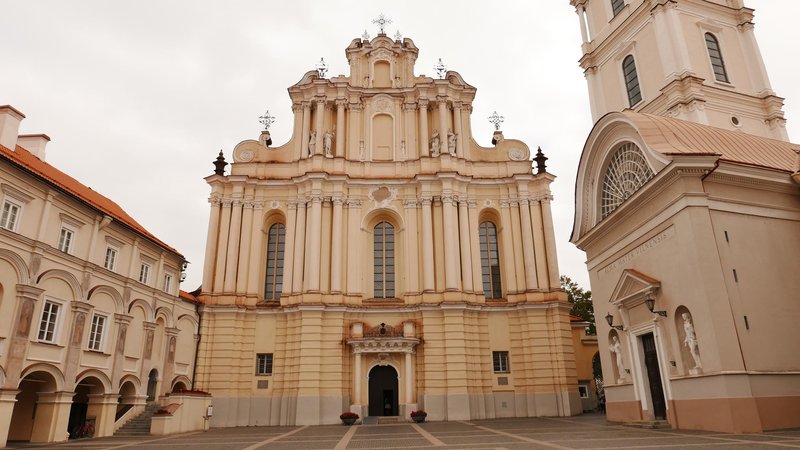
Founded in 1579 and one of the oldest universities in Northern Europe — a Baroque ensemble of 13 interconnected courtyards where the Grand Courtyard's frescoed galleries and the ornate St. John's Church are the highlights; the astronomical observatory tower is one of the finest in the region.
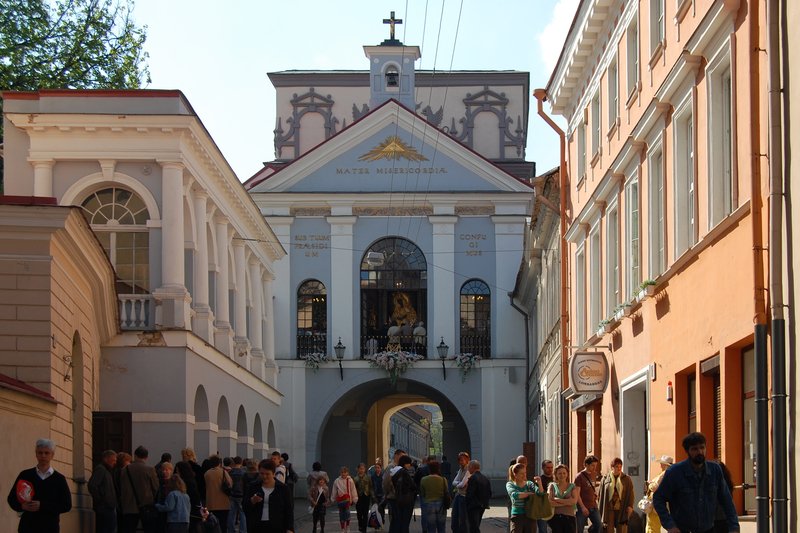
The only remaining gate of Vilnius's 16th-century defensive wall, topped by a chapel housing the venerated silver-and-gold-framed icon of the Virgin Mary — one of the most important Catholic pilgrimage images in the Baltics, drawing thousands of pilgrims from across Lithuania, Poland, and Belarus each year.
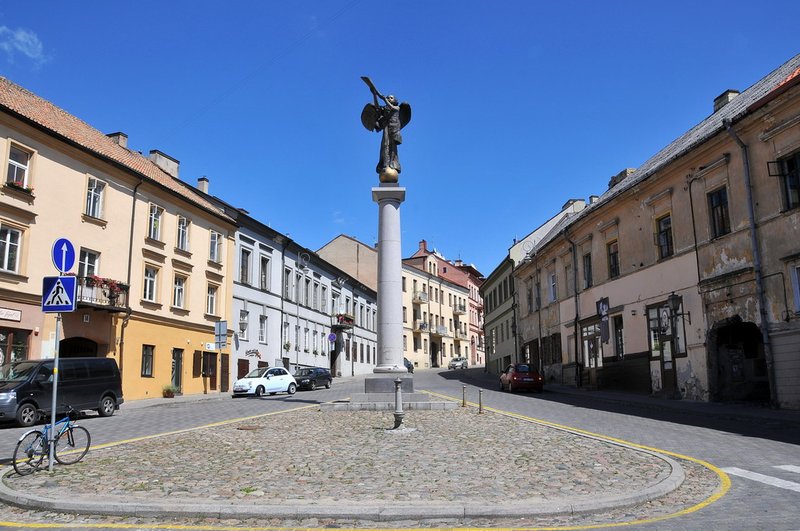
A self-declared republic of artists that voted itself independent in 1997 — with its own constitution translated into 50+ languages on bronze plaques along Paupio g., president, national anthem, and ceremonial army of eleven; the golden Angel of Užupis on its 4.5m column marks the republic's spiritual centre, while sculptor studios, galleries, and riverside cafés line the Vilnia banks.
From Hotel: 23 min · 6 min → St. Peter & Paul Church
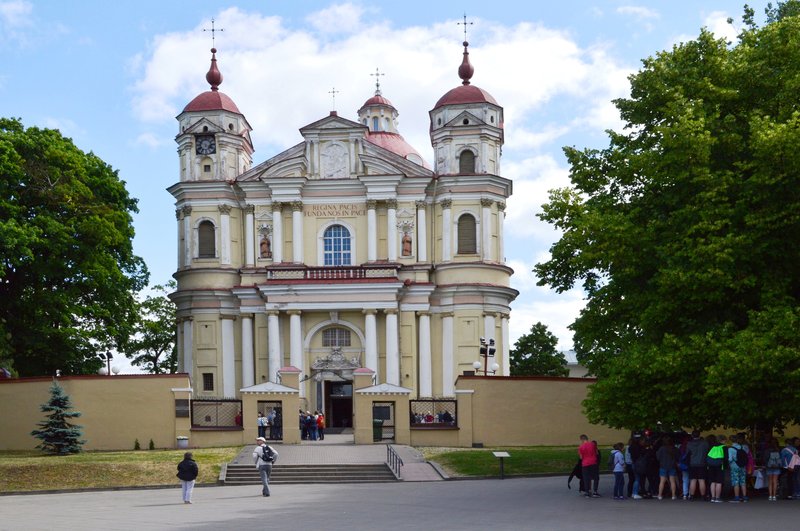
1.St. Peter & Paul Church~45 min
One of Lithuania's greatest Baroque treasures, renowned for over 2,000 white stucco sculptures covering every surface of its interior — angels, cherubs, and biblical scenes in an otherworldly display built 1668–1685 by Grand Hetman Michał Kazimierz Pac; the contrast between its austere exterior and its explosively ornate nave is one of Vilnius's most memorable surprises.
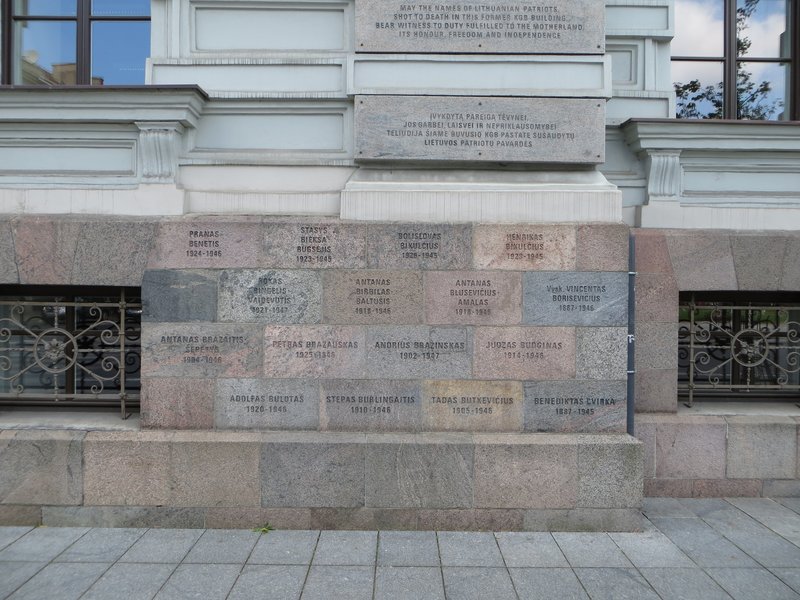
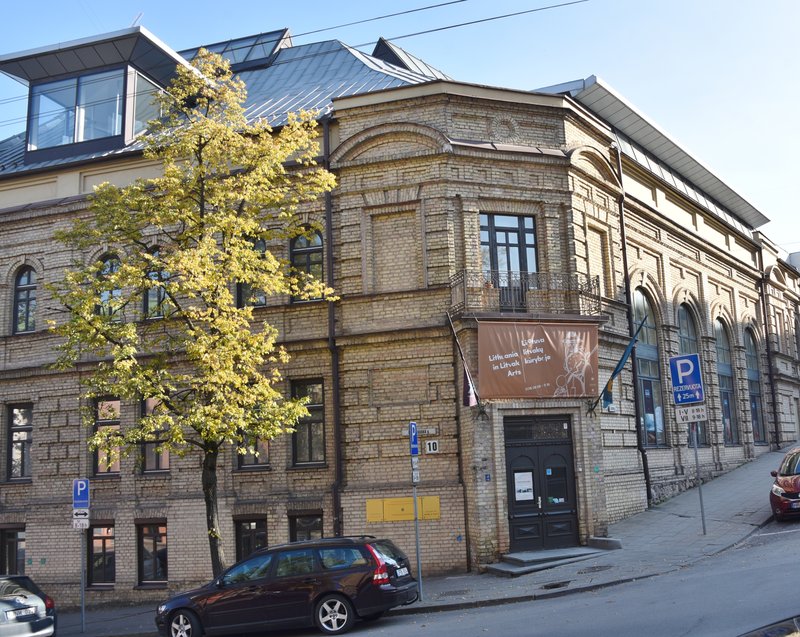
Set in the former KGB headquarters and prison — preserved exactly as it operated — this museum documents Soviet occupation of Lithuania from 1940 to 1991; visitors tour original interrogation rooms, solitary confinement cells, and the execution chamber in the basement, while exhibits trace the fate of thousands imprisoned, deported to Siberia, or executed for resistance.
The principal museum of the Vilna Gaon Jewish State Museum, dedicated to the Jewish heritage of Vilnius — once known as the "Jerusalem of Lithuania" for its extraordinary rabbinical scholarship; the Tolerance Center houses exhibitions on Lithuanian Jewish life before the Holocaust, the Samuel Bak Museum of Holocaust art, and marks the site of the Great Synagogue of Vilna, destroyed by the Nazis.
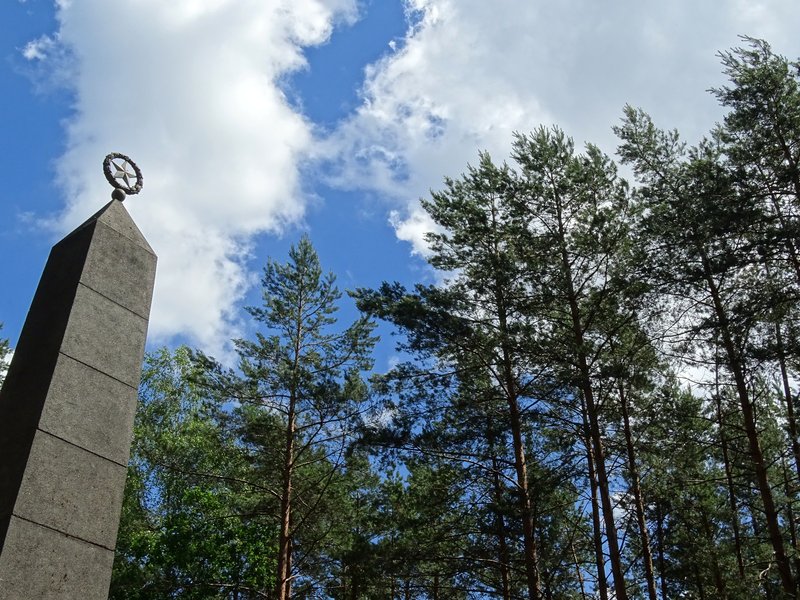
The site of Lithuania's largest wartime massacre, where approximately 100,000 people — including 70,000 Jewish men, women, and children — were shot between 1941 and 1944; mass grave pits, memorial monuments, and a small museum document what happened here, one of the most important Holocaust memorial sites in Eastern Europe.
A deep dive into pre-war Jewish Vilnius — once home to over 100,000 Jews and called the Jerusalem of Lithuania — tracing the ghetto streets, synagogue sites, and memorials with an expert guide.
A guided walk through the KGB's Vilnius headquarters and prison cells — interrogation rooms, solitary confinement, and the execution chamber — with a guide who makes the Soviet terror machinery impossible to forget.
A full-day small-group journey combining the Paneriai massacre site — where 70,000 Jews and 20,000 Lithuanians were killed between 1941 and 1944 — with the fairytale island fortress of Trakai Castle.
A private 2-hour-30-minute walk through Vilnius's baroque Old Town and the bohemian Užupis Republic — crossing the unofficial border, reading the constitution plaques, and covering the cathedral, hill views, and hidden courtyards at your own pace.
A 2-hour-30-minute Old Town walk stopping at Cathedral Square, Gediminas Tower, St. Anne's Church, and Užupis — with local snacks included and an expert guide who brings the history alive rather than reads from a script.
Access the royal burial crypts beneath Vilnius Cathedral — closed to the general public — and explore the medieval underground passages, royal remains, and hidden architecture with a specialist guide on a small group of 15 or fewer.
A two-hour guided experience through the KGB's Vilnius headquarters covering the prison cells, interrogation rooms, and the cold logic of Soviet occupation — one of the most affecting museum tours in the Baltics.
A 2-hour-30-minute walk through what was once one of Europe's largest Jewish communities — the Great Synagogue footprint, the Vilna Gaon statue, the Choral Synagogue, and the ghetto boundaries — bringing a vanished world into clear focus.
A five-hour group tour combining the Paneriai forest massacre site with the 14th-century island fortress at Trakai — a sobering morning followed by one of Lithuania's most scenic afternoon destinations.
Light-filled corner café at the foot of the Hill of Three Crosses; relaxed specialty coffee menu with good filter options and a calm neighbourhood atmosphere.
Ethiopian-influenced specialty coffee bar on Vilnius's main Old Town walkway; exceptional single-origin pour-overs and late-night opening on weekends — a reliable post-dinner coffee stop.
Italian-style espresso bar in the heart of the Old Town; Vilnius's most popular café stop, with excellent cappuccino, cornetti, and an outdoor terrace on Vokiečių g.
South American restaurant on Gedimino with bold flavours and strong cocktails; popular with locals for a night out — arrive after 7pm for the full energy.
Italian restaurant with wood-fired pizza and housemade pasta popular with both locals and visitors; dependable quality and a warm room on the Old Town edge.
Torpedo-shaped dumplings made from raw and boiled potato, filled with minced meat or cottage cheese, blanketed in bacon and sour cream — Lithuania's national dish and the most filling meal on the menu.
Chilled beet and kefir soup served a startling shade of pink, topped with sour cream, fresh dill, and a boiled egg; a summer staple at every traditional restaurant June through September.
Small Karaite meat pastries originally from Trakai, filled with spiced lamb or beef; the authentic version at Kibininė in Trakai, though Old Town bakeries carry decent copies year-round.
The tree cake — a towering spit-cake with spiky branches, made by dripping batter over a rotating spit above an open flame; sold in Old Town bakeries, traditionally served at Lithuanian weddings.
Strips of dark rye bread, fried crisp and rubbed with raw garlic, served with a beer; the Lithuanian answer to garlic bread and one of the most addictive pub snacks in the Baltics.
Foreign number: accepted — account registration works with a foreign number and email address.
Bolt Food is the dominant delivery platform in Vilnius, with coverage across the Old Town, Žvėrynas, and the main residential districts; account registration accepts a foreign mobile number and most menus are available in English.
Foreign number: not required. — sign-up runs on Google, Apple, Facebook or email with no phone field at all, so no verification code is sent.
Wolt offers a strong alternative to Bolt Food in Vilnius, with a curated selection of local restaurants and cafes; the account is created with an email address and a foreign mobile number can be added later without affecting order placement.
Foreign number: accepted — account registration works with a foreign number and email address.
Bolt is the primary ride-hailing app in Vilnius and the most reliable option for getting around the city; account registration accepts a foreign mobile number and rides can be paid through the app.
Every 1–2 hrs · An island castle rising out of Lake Galvę — Lithuania's most iconic fortress, a 14th-century Gothic stronghold surrounded by water that looks exactly as medieval castles should. The Karaite people still live in traditional wooden houses in the town.
Every 30–60 min · Lithuania's second city and inter-war capital, with a remarkable Art Deco Old Town, the sobering Ninth Fort Holocaust memorial, and a more local feel than Vilnius. Worth a full day.
Hill of Three Crosses — skip the cable car and take the 10-minute path from the Bernardine Garden up to this limestone hilltop for the best panoramic view of Old Town rooftops and Gediminas Tower. Best at sunset; completely free and seldom crowded on weekday mornings.
The Užupis Constitution — on Paupio g. in Užupis, bronze plaques carry the republic's whimsical constitution in over 50 languages. Article 12: "A person has the right to be idle." Article 38: "Do not defeat." Spending 20 minutes reading it start to finish is the best introduction to the neighborhood's spirit.
Republic Day — if you visit on April 1st, Užupis celebrates its Independence Day. The republic's ceremonial border crossing on Užupio g. is manned by guards, citizenship is bestowed on visitors, and the 11-strong army stands at attention. The president, Romas Lileikis, gives a speech. It is genuinely worth planning around.
Baroque by count — Vilnius has 65 Catholic churches within a compact Old Town, more baroque architecture per square kilometre than almost any city outside Rome. Even a 10-minute detour off the main street reveals gem after gem; the back alleys between St. Anne's and the Bernardine Church are particularly rich.
Cash at Paneriai — the Paneriai Memorial site has no ATMs nearby. Bring cash for the museum entrance and the suburban train from Vilnius station. The memorial grounds are always free and always open.
Amber authenticity — Old Town sells Baltic amber everywhere, quality varies enormously. Real amber is warm to the touch, floats in saturated salt water, and often shows visible inclusions — air bubbles or tiny insects trapped for 40 million years. Pieces with visible inclusions, however small, are the best confirmation.