From Hotel: 🚕 16 min → Forbidden City
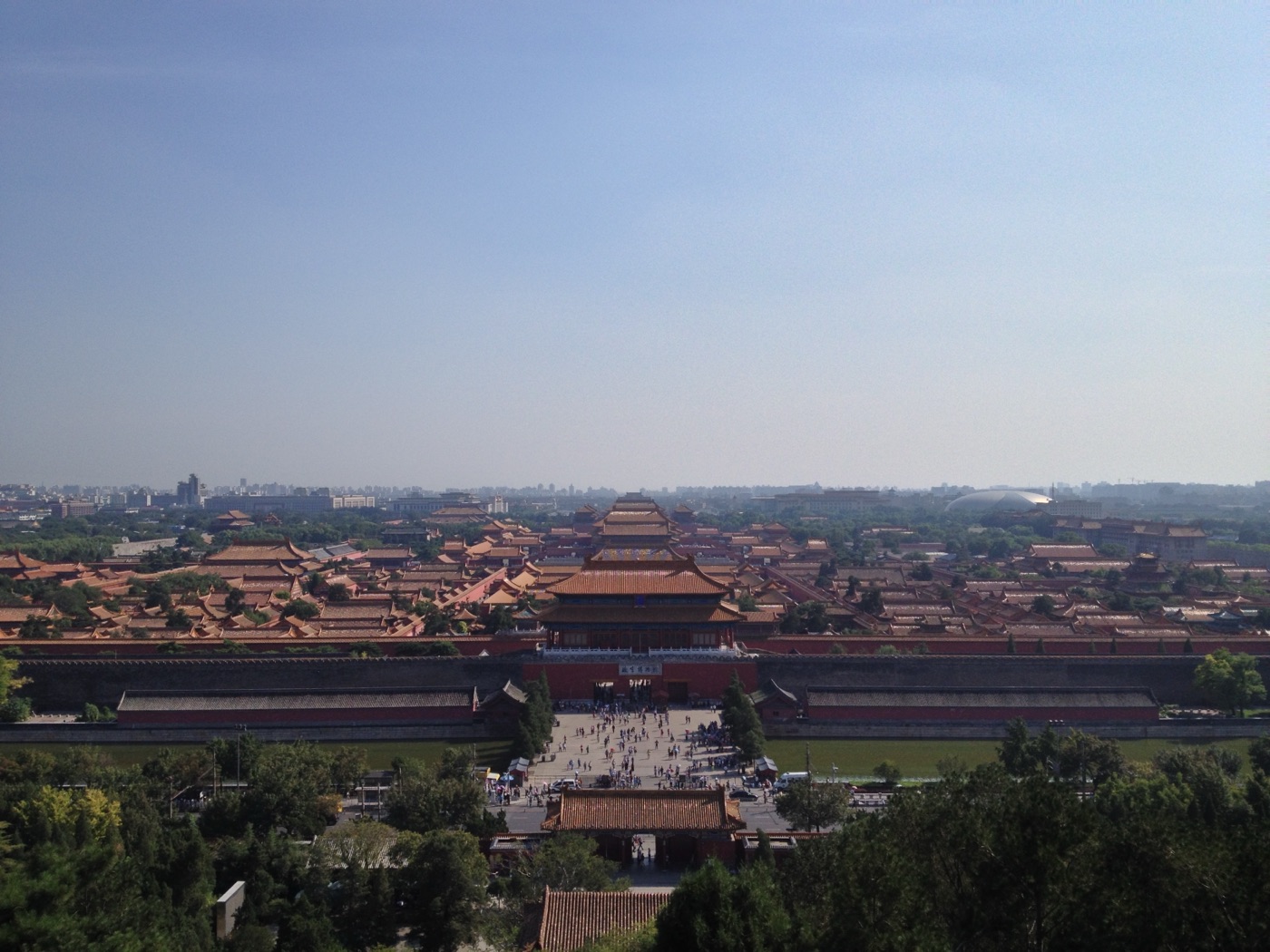
Imperial palace of 24 Ming and Qing emperors built in 1420 — 72 hectares, 980 buildings, nearly a million artefacts. The world's largest palace museum. The ceremonial axis from Tiananmen to the Imperial Garden is one of architecture's supreme processions. UNESCO World Heritage.
🏛️ Daily 8:30am - 5:00pm
⏰ ~3 hrs
⚠️ Last entry 4:00pm. Nov–Mar closes 4:30pm. Tickets sell out — book in advance.
🚶 10 min · 🚕 5 min → Jingshan Park
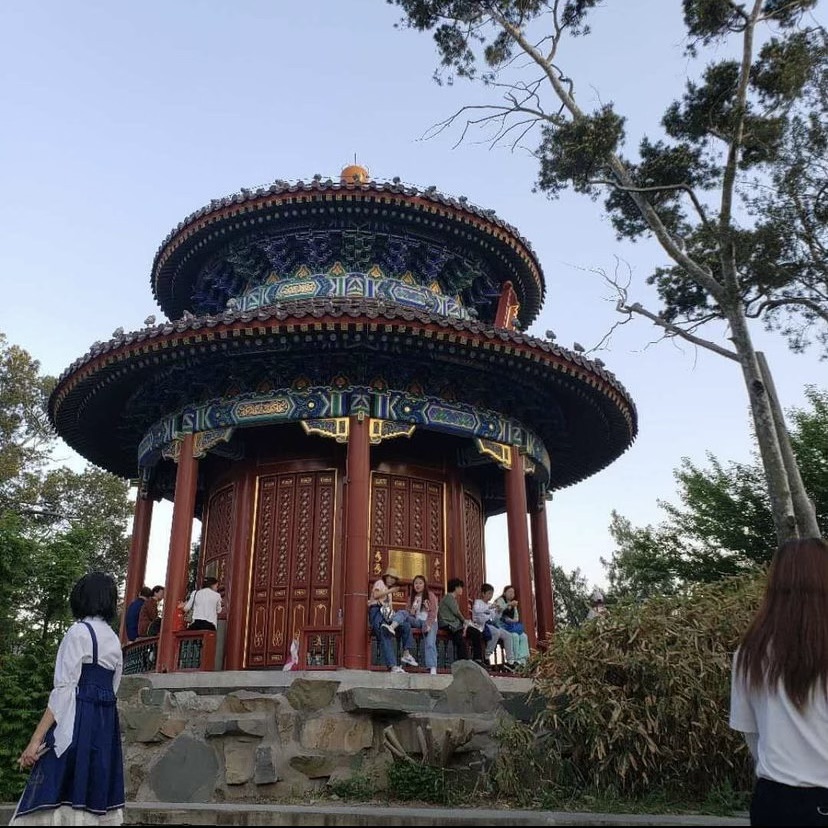
The imperial garden directly north of the Forbidden City on Beijing's historic axis — the artificial hill was piled from earth excavated when digging the palace moat. Wanchun Pavilion offers the finest aerial view of the Forbidden City's sea of yellow-roofed courtyards.
🏛️ Daily 6:00am - 9:00pm
⏰ ~1.5 hrs
🚕 22 min → hotel
From Hotel: 🚕 17 min → Temple of Heaven
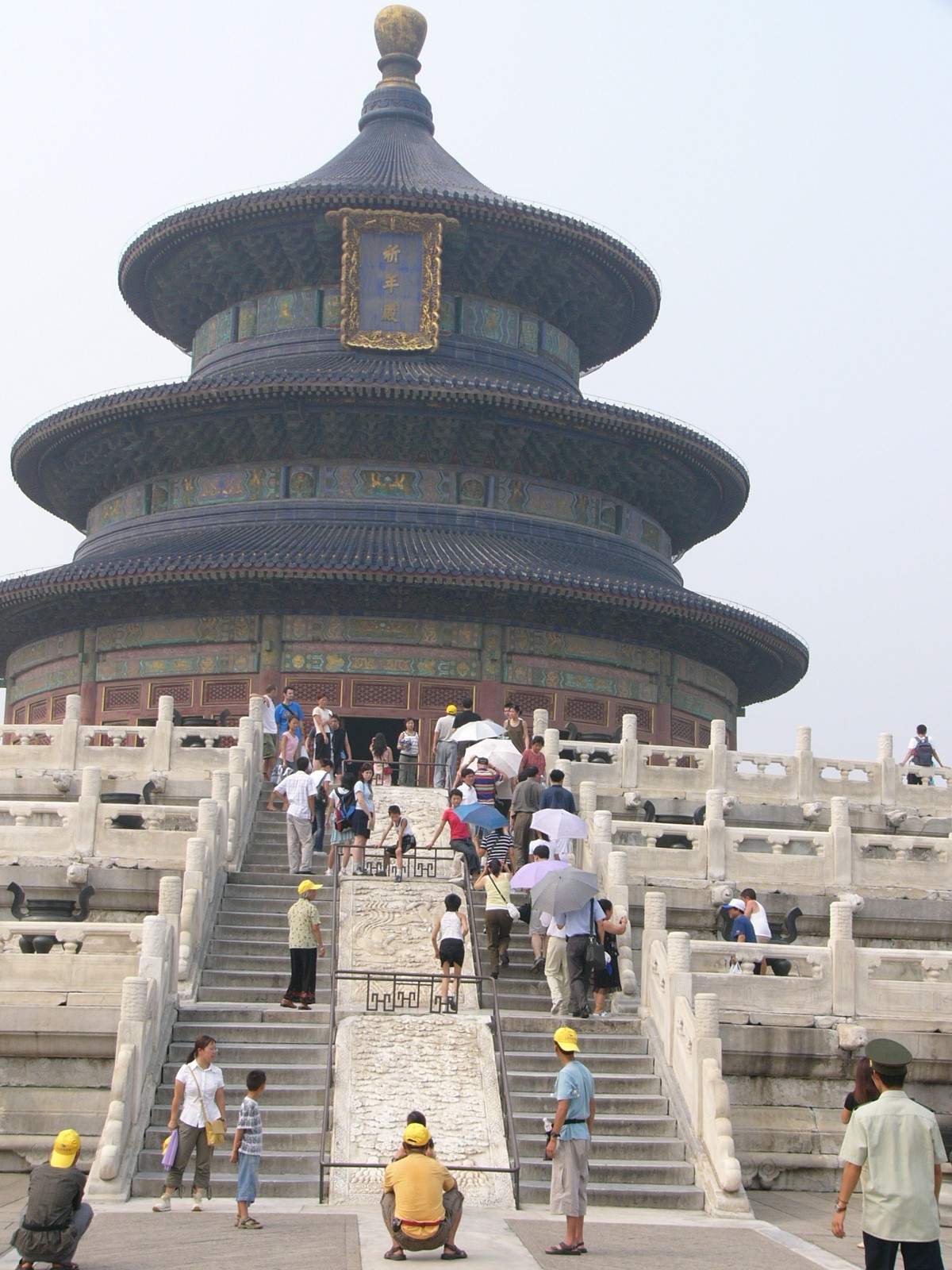
The 15th-century imperial complex where emperors prayed for good harvests. The triple-tiered Hall of Prayer for Good Harvests — built in 1420 without nails — is one of China's most iconic silhouettes. The surrounding park hosts morning tai chi, calligraphy, and opera sessions daily. UNESCO World Heritage.
🏛️ Daily 6:00am - 9:00pm
⏰ ~2.5 hrs
⚠️ Buildings open 8:00am - 5:30pm. Park + buildings need separate tickets at gate. Arrive early for morning park life.
🚕 20 min → Nanluoguxiang
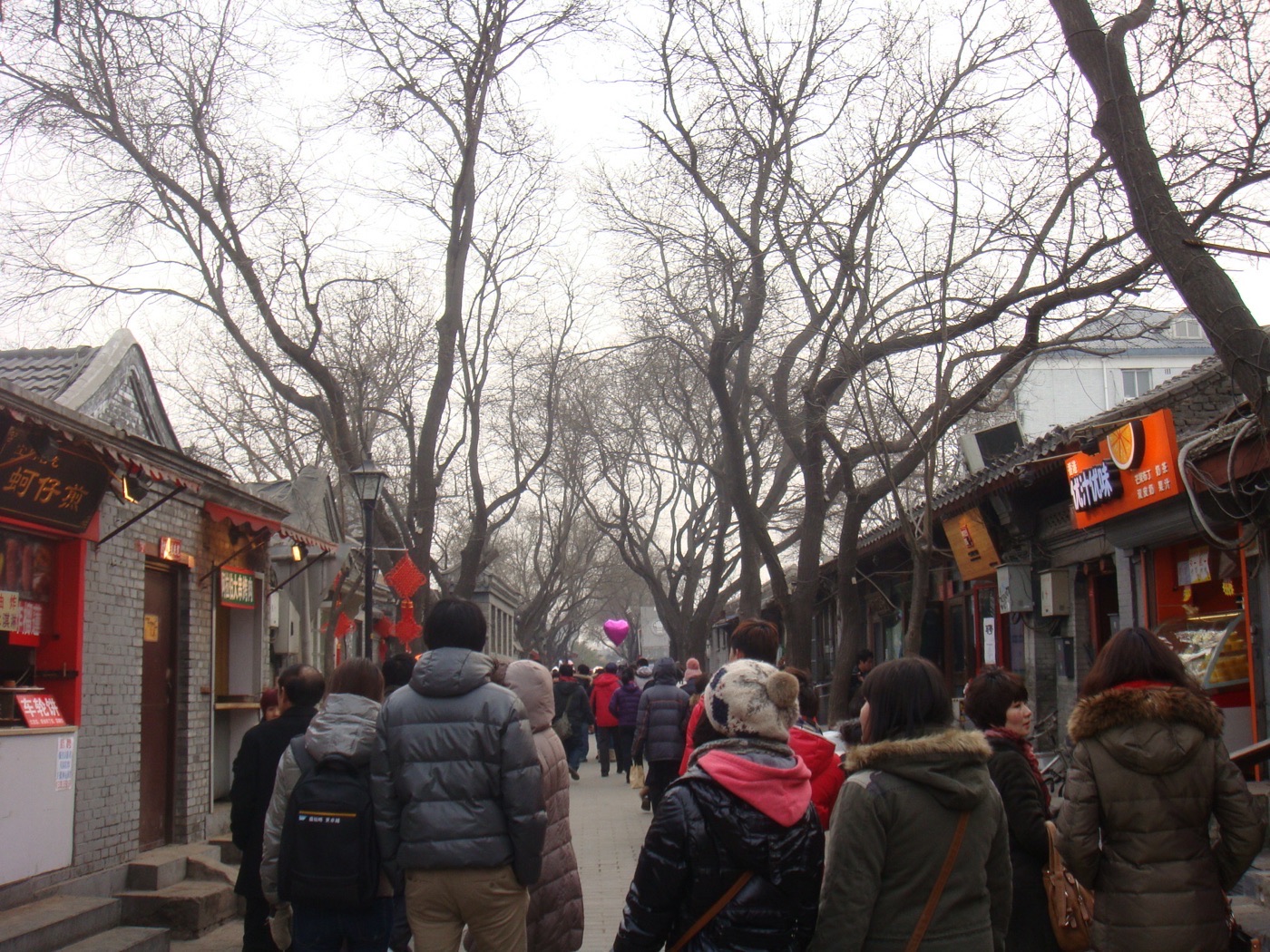
The most celebrated hutong in the city — an 800-metre Yuan-dynasty lane flanked by eight courtyard cross-lanes. Craft shops, breweries, cafes, and baijiu bars fill the alley. Wander Mao'er or Banchang Hutong for original courtyard gatehouses away from the main crowd.
🏛️ Daily 10:00am - 10:00pm
⏰ ~2 hrs
Free
🚕 23 min → hotel
From Hotel: 🚕 45 min → Summer Palace
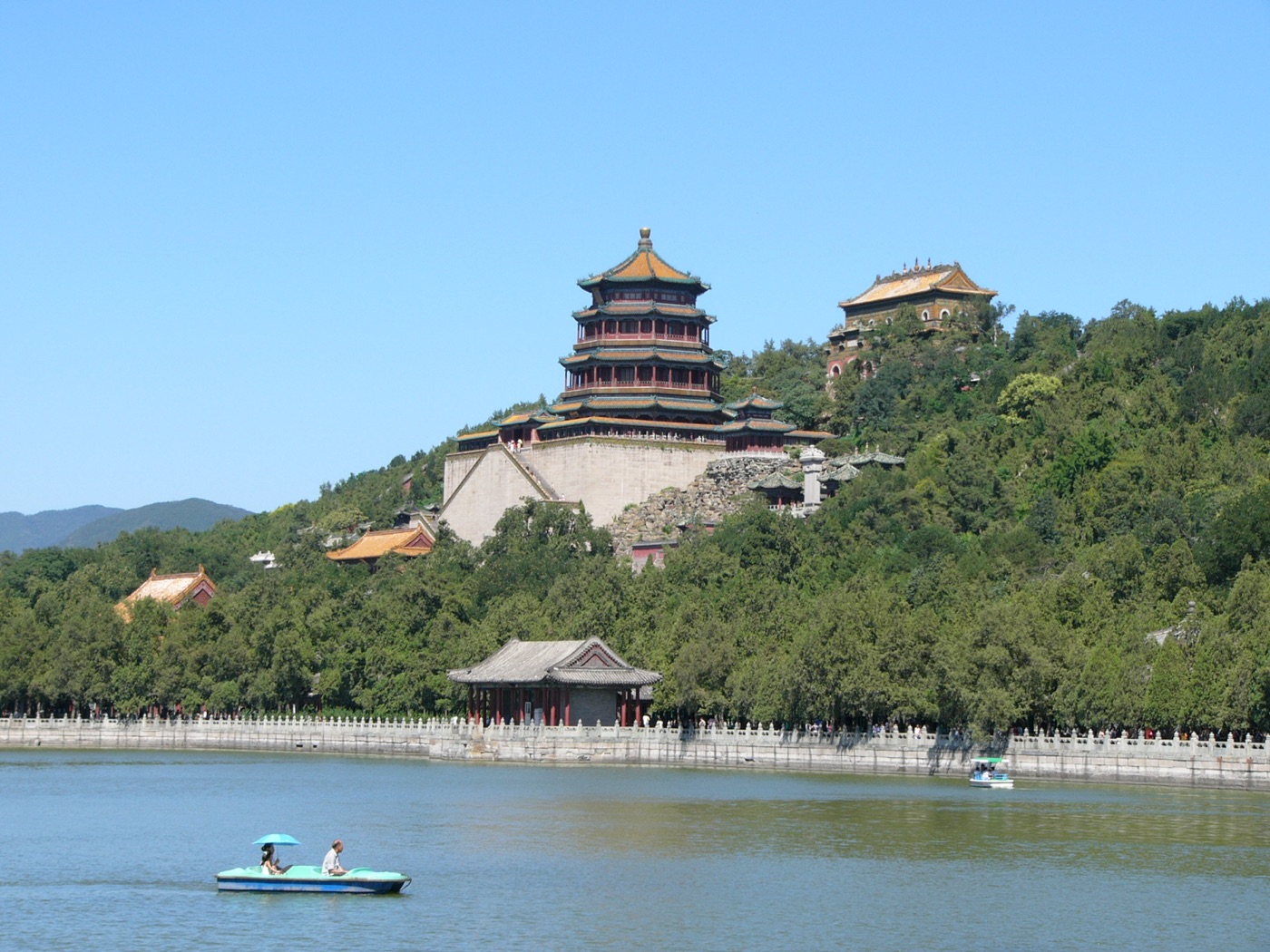
The Qing imperial retreat — 2.9 sq km centred on Kunming Lake. The 728-metre Long Corridor whose ceilings depict 14,000 painted scenes is the longest painted gallery in the world. The Marble Boat, 17-Arch Bridge, and Garden of Harmonious Interest are among its landmarks. UNESCO World Heritage.
🏛️ Daily 6:30am - 6:00pm
⏰ ~4 hrs
⚠️ Buildings open 8:30am - 5:00pm. Park + buildings need separate tickets at gate. Nov–Mar: park opens 7:00am; buildings close 4:30pm.
🚕 50 min → hotel
From Hotel: 🚕 13 min → Tiananmen Square
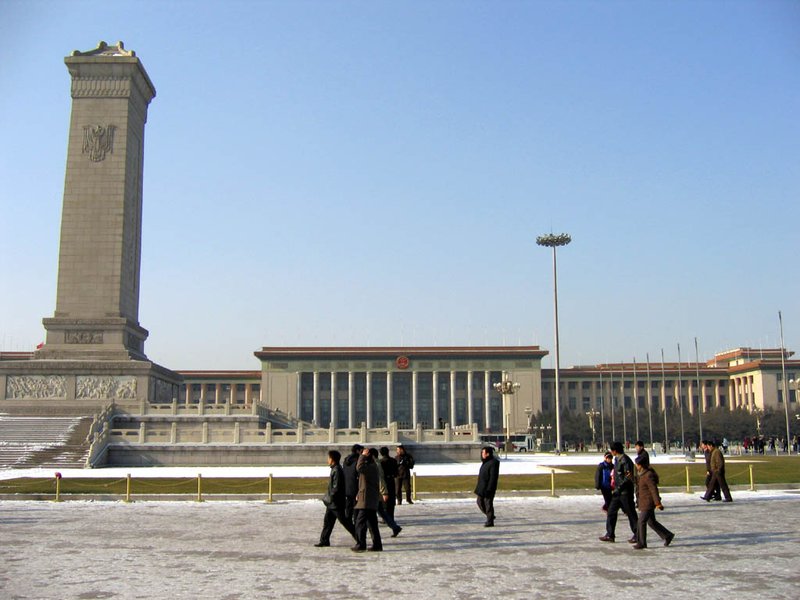
The vast ceremonial plaza at the heart of Beijing — 44 hectares, the largest public square in the world. The Monument to the People's Heroes rises at its centre, flanked by the Great Hall of the People and the National Museum of China. The Tiananmen gate along its northern edge opens onto the Forbidden City.
🏛️ Daily 5:00am - 10:00pm
⏰ ~1 hr
⚠️ Free timed reservation required — book 1–7 days ahead through the official channel and bring your passport. Airport-style security screening at every entrance.
🚶 35 min · 🚕 13 min → Beihai Park
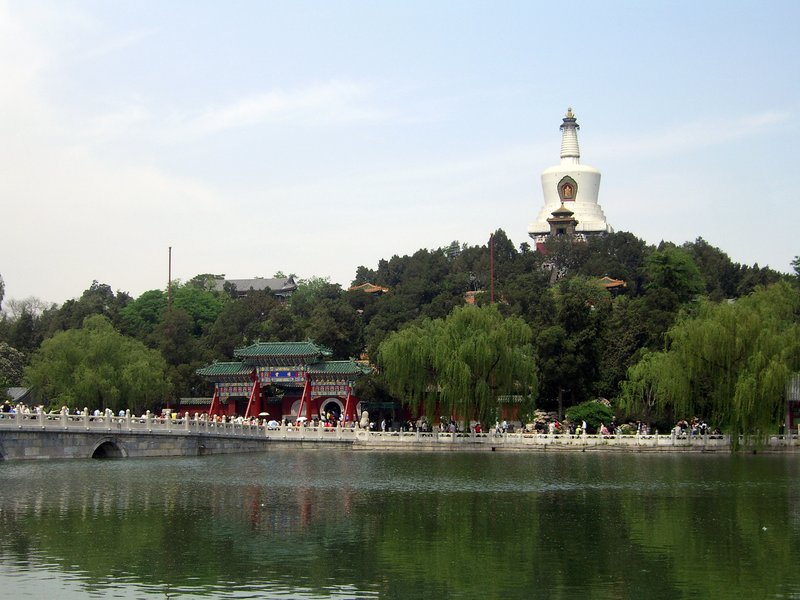
One of the oldest and best-preserved imperial gardens in China, laid out over a broad lake more than eight centuries ago. Qionghua Island rises from the water crowned by the 36-metre White Dagoba, a Tibetan-style stupa of 1651. Marble bridges, the glazed Nine-Dragon Wall, and lakeside willows fill the grounds.
🏛️ Daily 6:30am - 9:00pm
⏰ ~1 hr 30 min
⚠️ Nov–Mar closes 8:00pm. Qionghua Island courtyards and the White Dagoba open 8:00am - 6:00pm on a separate ticket at the gate.
🚶 16 min · 🚕 7 min → Prince Gong's Mansion
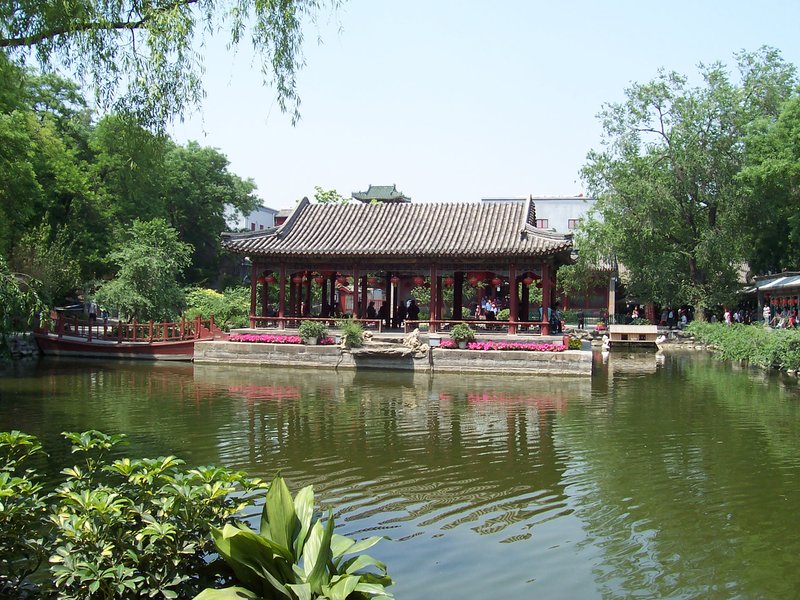
The grandest surviving aristocratic residence in Beijing — built in 1777 for the imperial favourite Heshen, later home to Prince Gong. Its 60,000-square-metre complex pairs formal courtyard halls with an elaborate classical garden of ponds, rockeries, a covered opera house, and winding walkways.
🏛️ Daily 8:30am - 5:00pm
⏰ ~1 hr 30 min
⚠️ Last entry 4:10pm. Daily visitor numbers are capped — book a timed entry ahead, as it sells out.
🚶 15 min · 🚕 6 min → Drum & Bell Towers
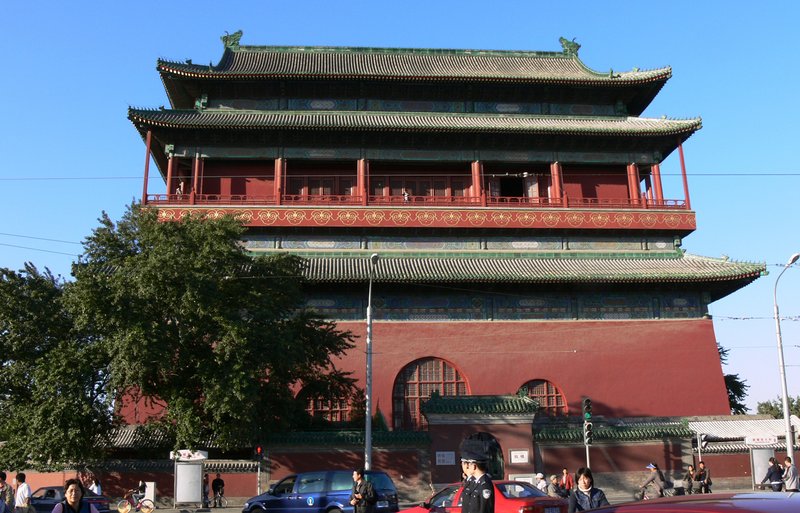
The twin timekeeping towers at the north end of the historic axis, which set the rhythm of imperial Beijing. Great drums and a bronze bell marked the watches of the night for centuries. Climb the steep stair of the Ming-dynasty Drum Tower for a live drumming performance and rooftop views over the hutong roofs.
🏛️ Daily 9:30am - 5:30pm
⏰ ~1 hr
⚠️ Nov–Mar closes 4:30pm. Drum performances at 10:00am, 11:00am, 1:00pm, 3:00pm, and 5:00pm.
🚕 25 min → hotel
From Hotel: 🚕 25 min → Beijing South Railway Station
6:14am Beijing South → 6:51am Tianjin
6:58am Beijing South → 7:28am Tianjin
7:13am Beijing South → 7:48am Tianjin
ARRIVE Tianjin: 🚕 13 min → Five Great Avenues
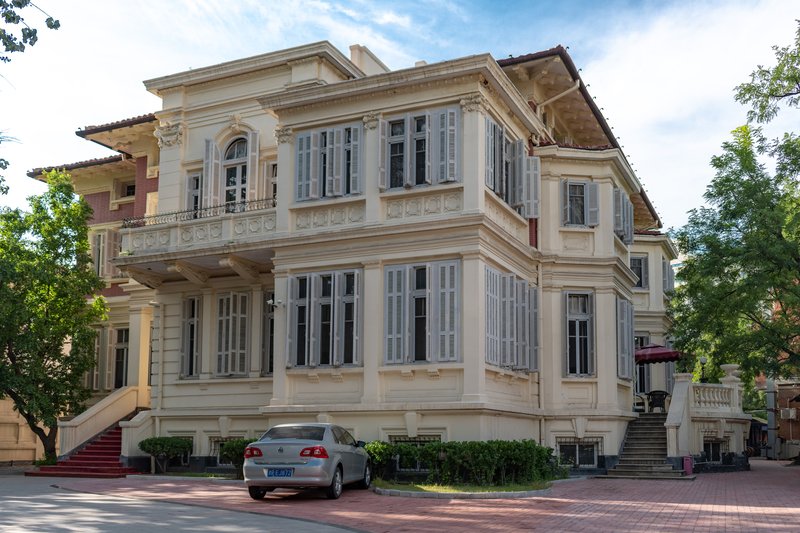
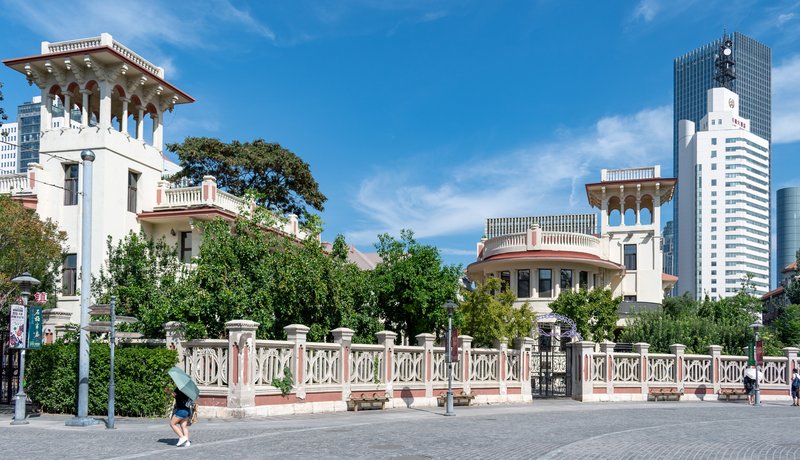
A grid of five leafy avenues lined with more than 230 mansions from Tianjin's concession era — British, French, Italian, German, and Spanish villas built in the early 1900s. Nicknamed the "World Architecture Exposition," it is the finest concentration of European residential architecture in China.
🏛️ Open 24/7
⏰ ~1 hr 30 min
🚕 16 min → Tianjin Eye
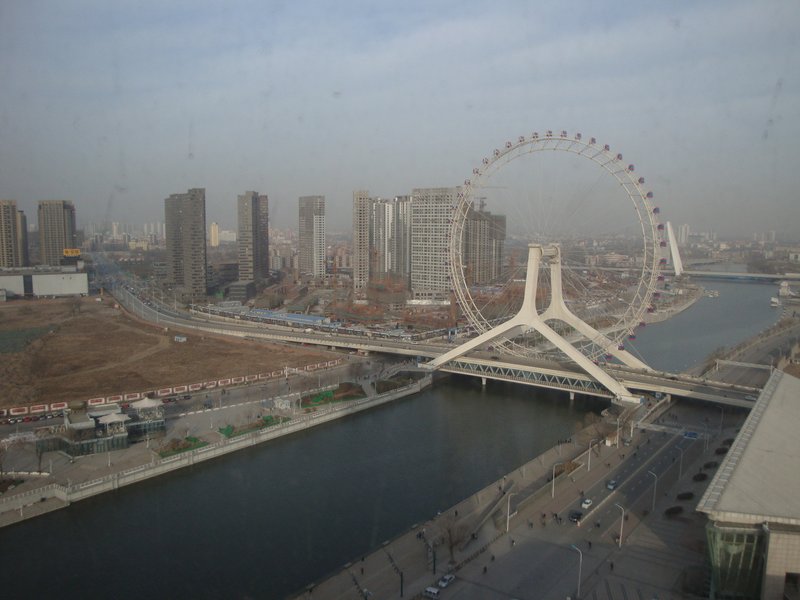
The only Ferris wheel in the world built across a bridge — a 120-metre wheel mounted on the Yongle Bridge over the Hai River. A single rotation of the glass cabins lasts 30 minutes and lifts riders over the river and the Tianjin skyline. Opened 2008.
🏛️ Tuesday - Sunday 9:30am - 9:30pm
🏛️ Monday 5:00pm - 9:30pm
⏰ ~1 hr
🚶 25 min · 🚕 8 min → Italian Style Street
The former Italian concession — the only district of its kind in Asia. Marco Polo Square and its surrounding lanes hold 137 Italian-designed buildings from the early 1900s: consulate, church, villas, and cafes in Renaissance and Baroque styles, now a restored pedestrian quarter along the Hai River.
4:25pm Tianjin → 5:04pm Beijing South
6:33pm Tianjin → 7:08pm Beijing South
ARRIVE Beijing South: 🚕 25 min → hotel
Beijing does not hide its weight. Every axis is deliberate — the 8km line from Yongding Gate through Tiananmen, through the Forbidden City's southern and northern gates, through Jingshan's pavilion, all the way to the Bell and Drum Towers. Stand at Wanchun Pavilion and you are standing on that axis, looking south at nine centuries of deliberate urban geometry. No city on earth has maintained an idea of itself with quite this degree of spatial insistence.
What is easy to miss, in all the grandeur, is how intimate the hutongs become. The city's entire imperial story plays out on a colossal scale — yet fifty metres off any of those grand axes, it becomes a village. Old men in doorways. Children on bicycles. A dumpling shop with two tables and a hand-painted sign. The hutong is what the palace was built to protect: ordinary life in courtyard houses arranged around the axis of a family rather than an emperor. Both Beijings are real, and you need both to understand the place.