From Hotel: 🚕 13 min → Carmel Beach
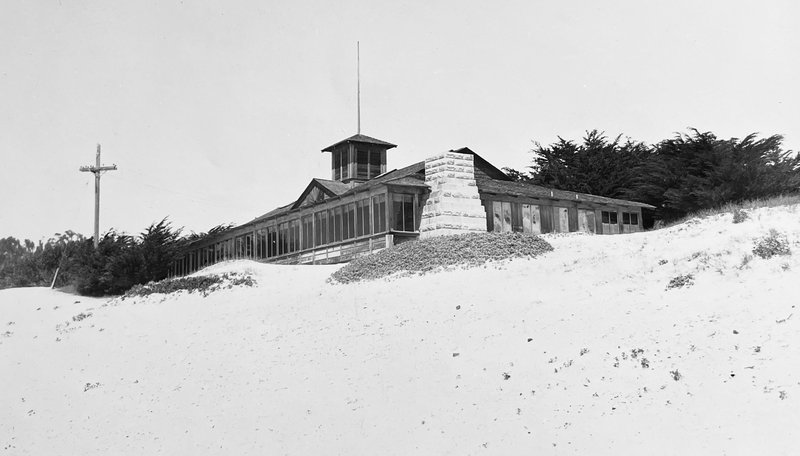
Carmel Beach is a mile-long white-sand beach at the foot of Ocean Avenue, backed by Monterey cypress trees. The beach has no lifeguards and allows leashed dogs year-round. Water temperatures stay cold year-round due to upwelling from Monterey Bay.
🚶 22 min · 🚕 8 min → Tor House
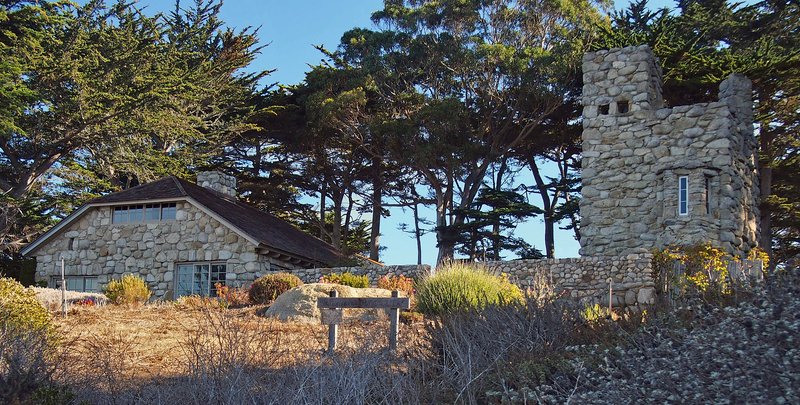
Tor House is a stone cottage built by poet Robinson Jeffers starting in 1919 on a rocky headland above Carmel Bay. Jeffers hauled and shaped the granite stones by hand, later adding the adjacent Hawk Tower. The property is a National Historic Landmark and remains unchanged since Jeffers' death in 1962.
🏛️ Friday - Saturday 10:00am - 3:00pm
🚫 Closed Sunday, Monday, Tuesday, Wednesday & Thursday
⏰ ~1 hr
⚠️ Reservations required in advance; tours are small-group and sell out
🚶 22 min · 🚕 6 min → Mission San Carlos Borromeo de Carmelo
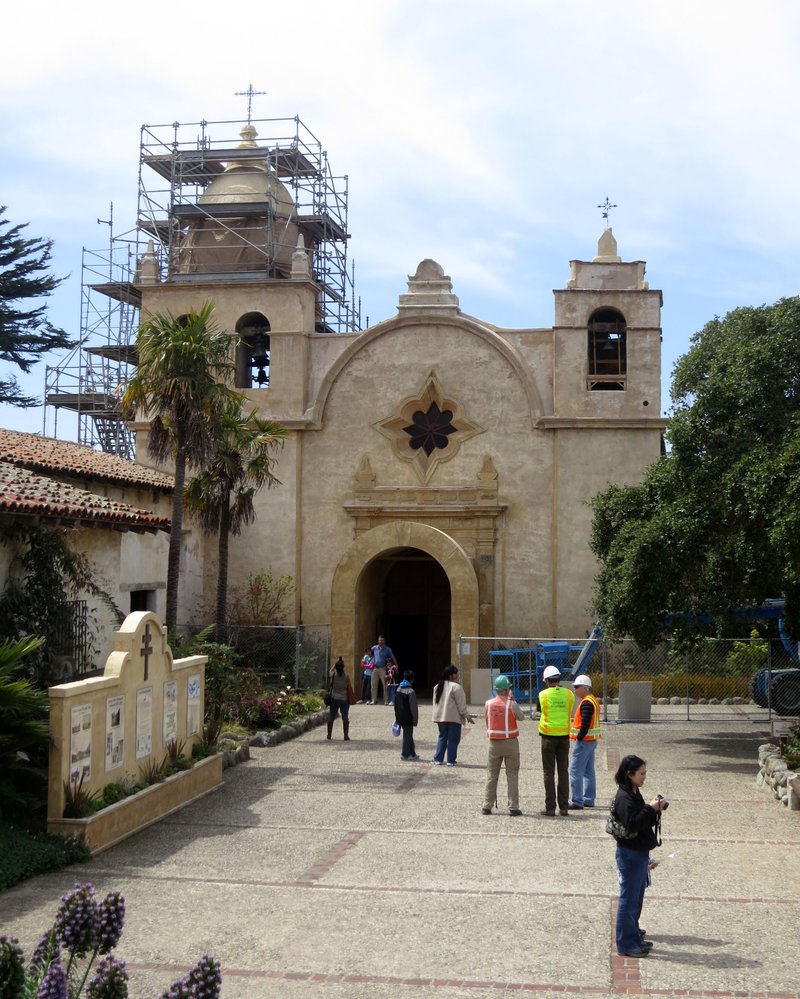
Founded in 1770 by Father Junípero Serra, this is the second California mission and Serra's headquarters and burial site. The current stone basilica was completed in 1797 and features a Moorish-influenced star window. The mission cemetery contains the graves of over 3,000 Ohlone people.
🏛️ Monday - Saturday 9:30am - 5:00pm
🏛️ Sunday 10:30am - 5:00pm
⏰ ~1 hr
🚕 13 min → Point Lobos State Natural Reserve
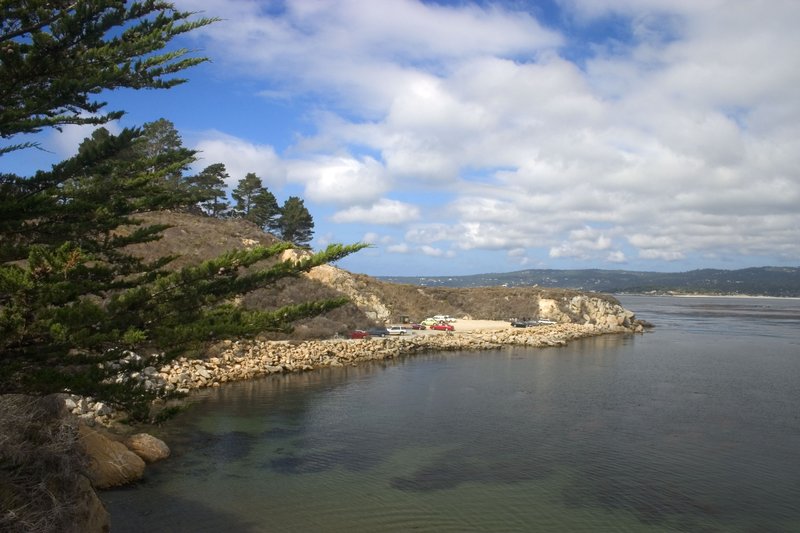
Point Lobos occupies 1,276 acres of headlands, coves, and kelp forests at the south end of Carmel Bay. The reserve supports harbor seals, sea otters, and one of the largest Monterey cypress forests in the world. Whaler's Cove is used for permitted scuba diving in waters with 40-foot visibility.
🏛️ Daily 8:00am - 7:00pm
⏰ ~2 hr
⚠️ Parking lot fills by 9:00am on weekends — arrive early or use the roadside pullout on CA-1
🚕 18 min → hotel
From Hotel: 🚕 25 min → Garrapata State Park
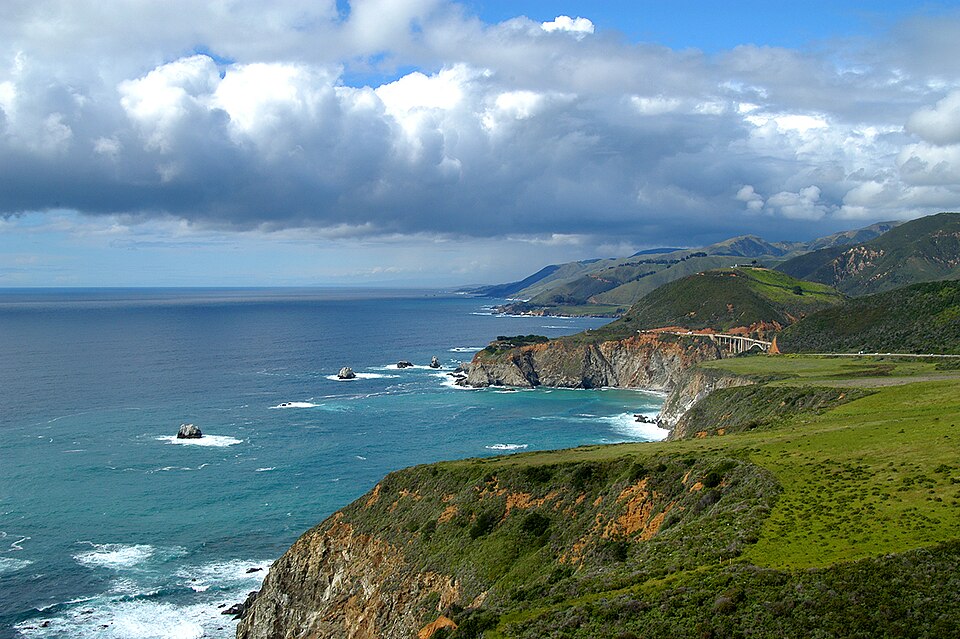
Garrapata State Park preserves 2,879 acres of rugged Big Sur headlands 8 miles south of Carmel. Coastal trails cross bluffs above kelp beds where sea otters rest and gray whales pass close to shore in migration season. Trailheads are accessed from CA-1 roadside pullouts — no visitor center, no entry fee.
🏛️ Daily 8:00am - 7:00pm
⏰ ~1 hr 30 min
🚕 23 min → Bixby Creek Bridge
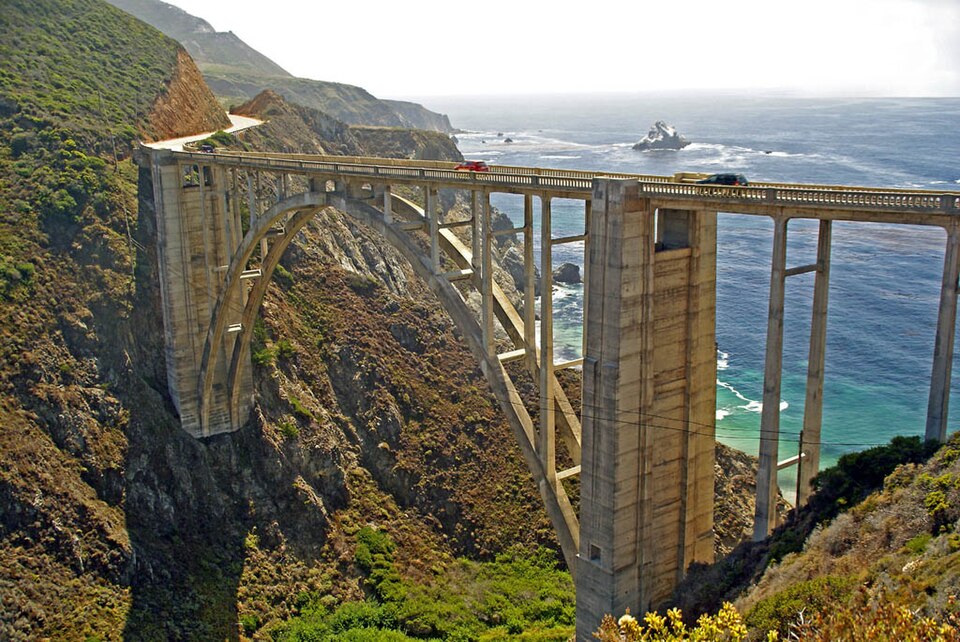
Bixby Creek Bridge is a concrete arch span completed in 1932, stretching 714 feet across a canyon 260 feet above the Pacific and one of the longest concrete arch bridges in the world at the time. Scenic pullouts on both sides frame the arch against the Big Sur coastline — it remains a California Historical Landmark.
🏛️ Open 24/7
⏰ ~45 min
⚠️ Pullout parking holds 4–5 cars per side — arrive before 9:00am on weekends
🚕 23 min → Pfeiffer Beach
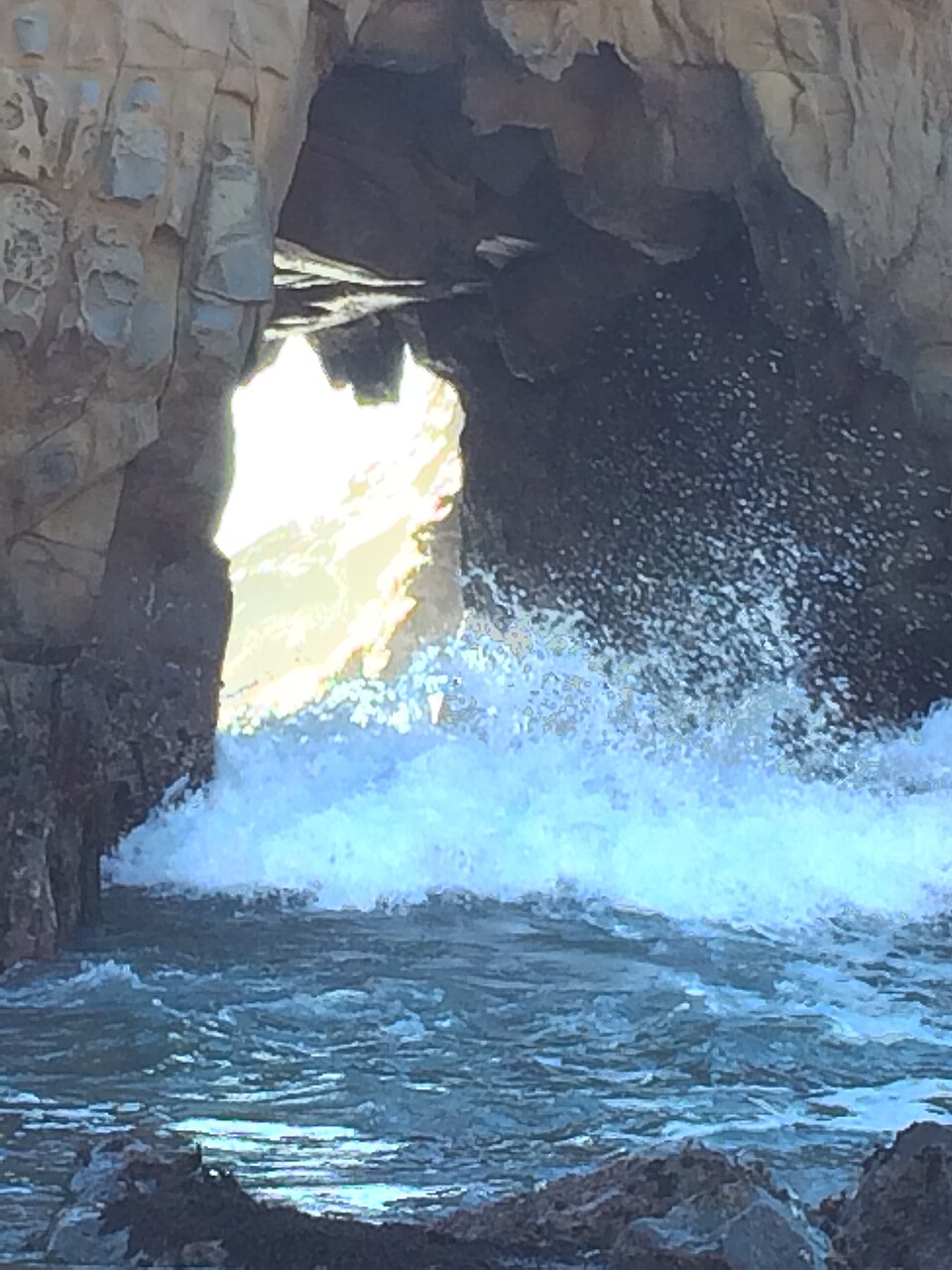
Pfeiffer Beach is a secluded cove accessible via 2 miles of narrow unpaved road off CA-1. Keyhole Rock, a sea stack with a large arch, frames sunset light over the Pacific in November and December. Sand ranges from cream to deep purple from manganese garnet deposits washed down from the hillsides.
🏛️ Daily 9:00am - 8:00pm
⏰ ~1 hr 30 min
⚠️ RVs and vehicles over 8 feet wide are prohibited on Sycamore Canyon Road — passenger vehicles only
🚕 20 min → McWay Falls
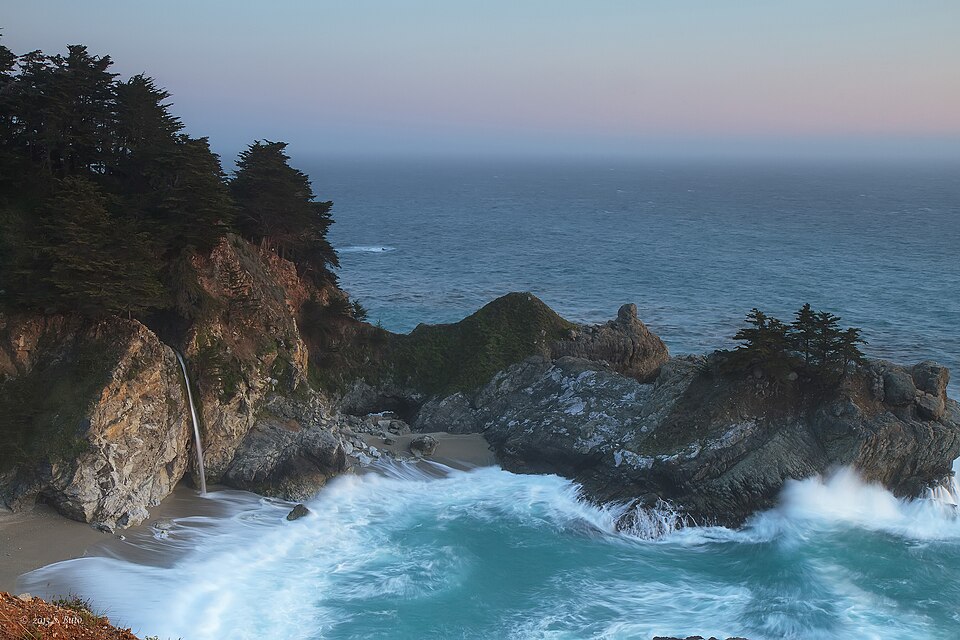
McWay Falls is an 80-foot waterfall inside Julia Pfeiffer Burns State Park that drops directly onto a beach cove — one of the only tideline waterfalls in California. The 10-minute Overlook Trail reaches a viewing platform with a clear sightline across the inaccessible cove below.
🏛️ Daily 8:00am - 7:00pm
⏰ ~1 hr
🚕 1h → hotel
From Hotel: 🚕 11 min → 17-Mile Drive
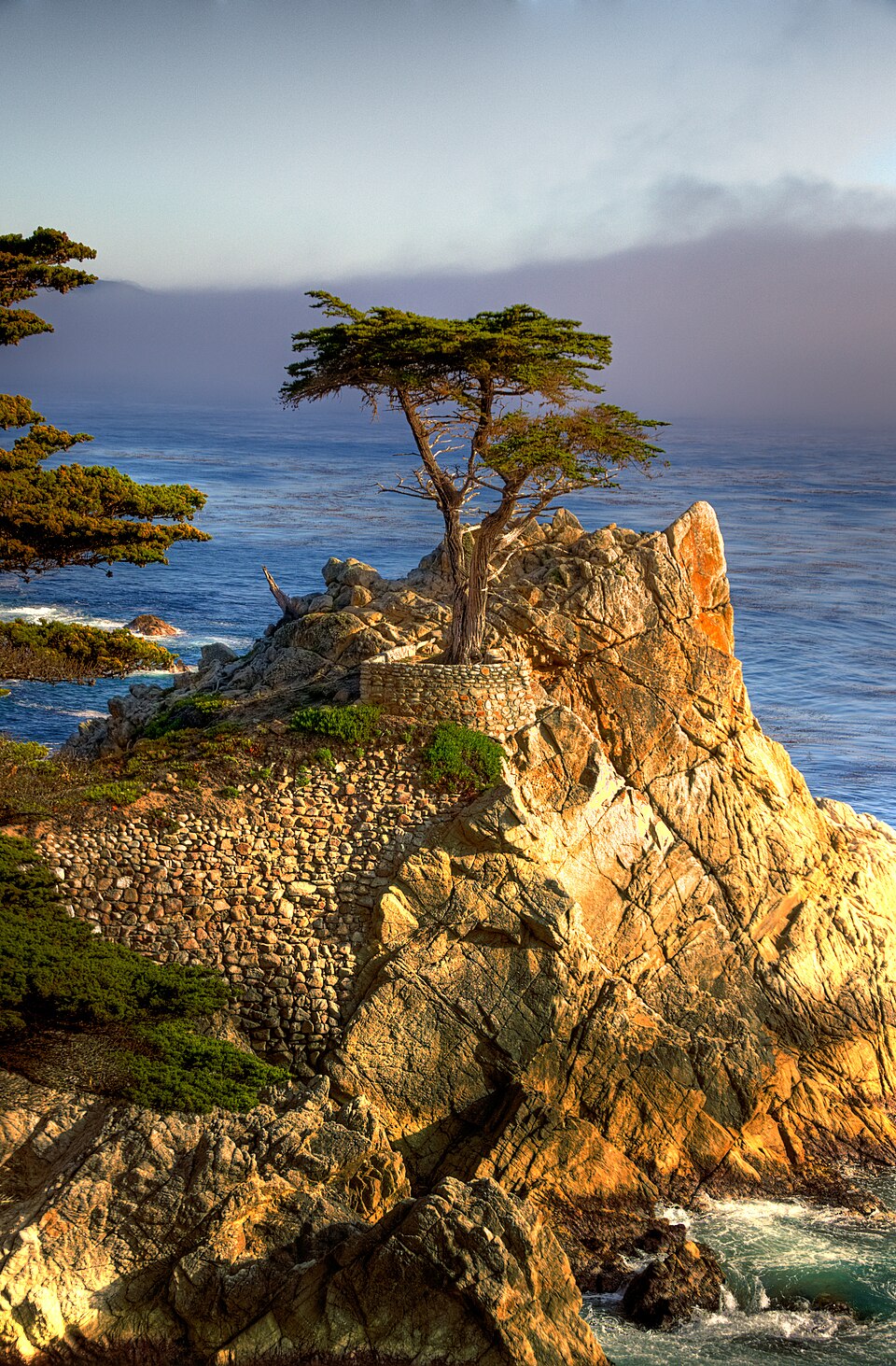
17-Mile Drive is a 5-mile scenic toll road through Pebble Beach's Del Monte Forest. Highlights include the Lone Cypress on its granite outcrop, Seal Rock, Ghost Tree, and the Restless Sea overlook where converging ocean currents keep the water perpetually rough. Enter at the Carmel Gate on North San Antonio Avenue.
🏛️ Daily 8:00am - 7:00pm
⏰ ~2 hr
🚕 17 min → Point Pinos Lighthouse
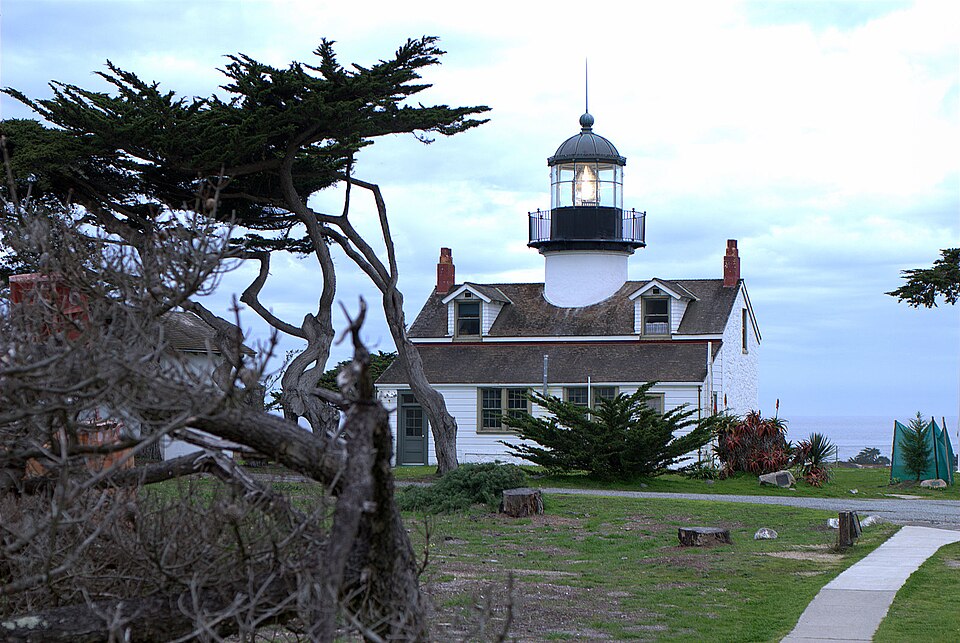
Point Pinos Lighthouse has operated continuously since 1855, making it the oldest active lighthouse on the US Pacific Coast. Built from granite quarried at the site, it retains its original Fresnel lens still in use today. Docent-led tours cover the lens mechanism and the history of the lighthouse keepers.
🏛️ Thursday - Sunday 1:00pm - 4:00pm
🚫 Closed Monday, Tuesday & Wednesday
⏰ ~1 hr
Free
🚶 25 min · 🚕 6 min → Lover's Point Park
Lover's Point is a rocky headland in Pacific Grove encircled by a walking path with views across Monterey Bay. The protected cove below holds kelp beds used by harbor seals, sea otters, and divers — visibility reaches 30 feet on calm days. A lawn extends to the bluff edge with an unobstructed view of the entire bay.
No pictures found.
🚶 21 min · 🚕 5 min → Monterey Bay Aquarium
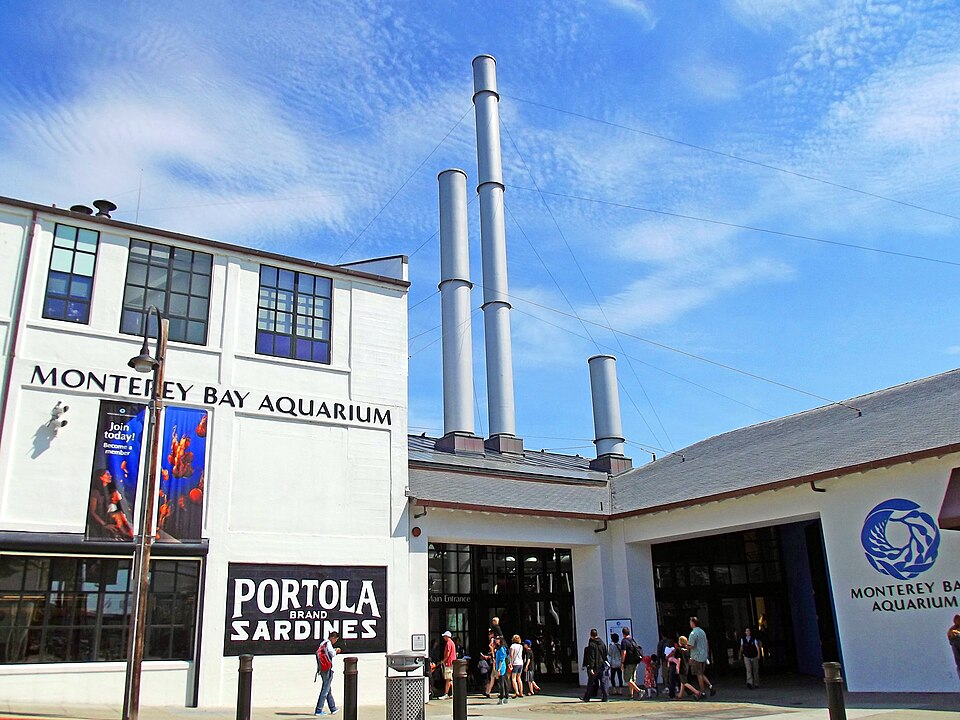
Monterey Bay Aquarium opened in 1984 on a former sardine cannery and pumps unfiltered seawater from the bay into its exhibits. It was the first aquarium in the world to display a living kelp forest, in a 28-foot tank. Over 35,000 animals are on exhibit, including sea otters in rehabilitation.
🏛️ Daily 10:00am - 5:00pm
⏰ ~3 hr
⚠️ Advance tickets required — walk-up availability is limited on weekends and summer
🚶 28 min · 🚕 7 min → hotel
🌲 On Carmel-by-the-Sea
Carmel-by-the-Sea occupies one square mile on the Monterey Peninsula and has maintained a population of fewer than 4,000 residents since its incorporation in 1916. The town has no street numbers, no parking meters, no traffic signals, and until recently had an ordinance prohibiting women from wearing high heels without a permit — a law that was selectively enforced as a quirk rather than a genuine restriction. These rules are not performative eccentricities; they reflect a consistent civic decision to resist the infrastructure that typically accompanies growth.
The Monterey cypress trees that define Carmel's coastline grow naturally in only two places on earth: Point Lobos and the Del Monte Forest on the Pebble Beach headlands. Both sites are within three miles of the hotel. The trees' twisted silhouettes are a product of chronic wind exposure and salt air — they grow fastest on the windward side facing the Pacific, which produces their characteristically asymmetric canopy. Point Lobos, three miles south, contains the largest remaining stand of Monterey cypress not planted by humans.
Carmel developed in the early 20th century as an artists' colony, drawing writers, painters, and photographers to its relatively affordable rents and dramatic light. Robinson Jeffers, Jack London, Sinclair Lewis, and Upton Sinclair all spent time here. The cottage architecture — low-roofed stone and wood-frame buildings set back from the street with uneven stone paths — was deliberate: residents wanted the village to read as settled and permanent rather than as a resort town. The result is a place that looks much as it did in the 1930s, which is either its main appeal or its main limitation depending on the visitor.