From Hotel: 🚶 8 min · 🚕 2 min → South Carolina State House
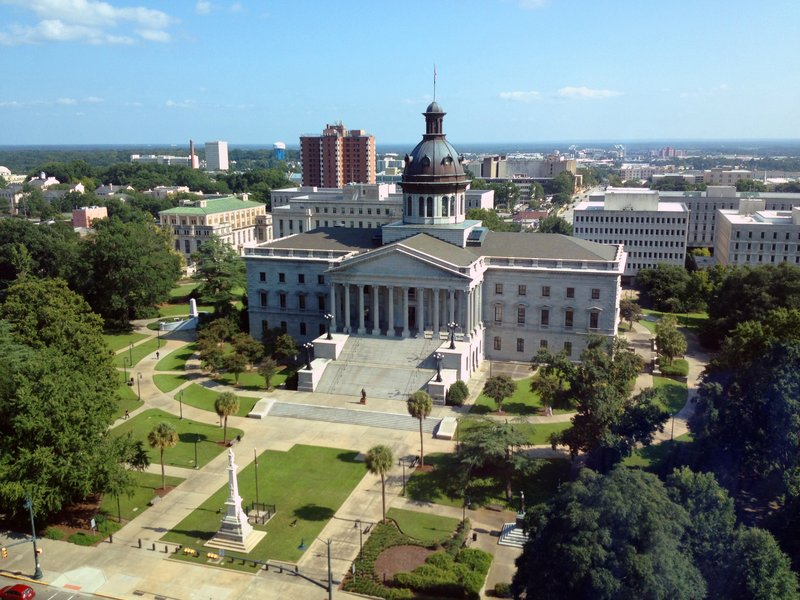
The working seat of South Carolina's government, built 1851–1903. Six bronze stars on the north and west faces mark where artillery shells from General Sherman's troops struck in 1865. The Italian Renaissance dome rises 180 feet over a lawn of monuments spanning the Revolutionary War to the Korean War.
🏛️ Monday - Friday 9:00am - 5:00pm · Saturday 10:00am - 5:00pm
🚫 Closed Sunday
⏰ ~1 hr
Free
🚶 9 min · 🚕 2 min → University of South Carolina Historic Horseshoe
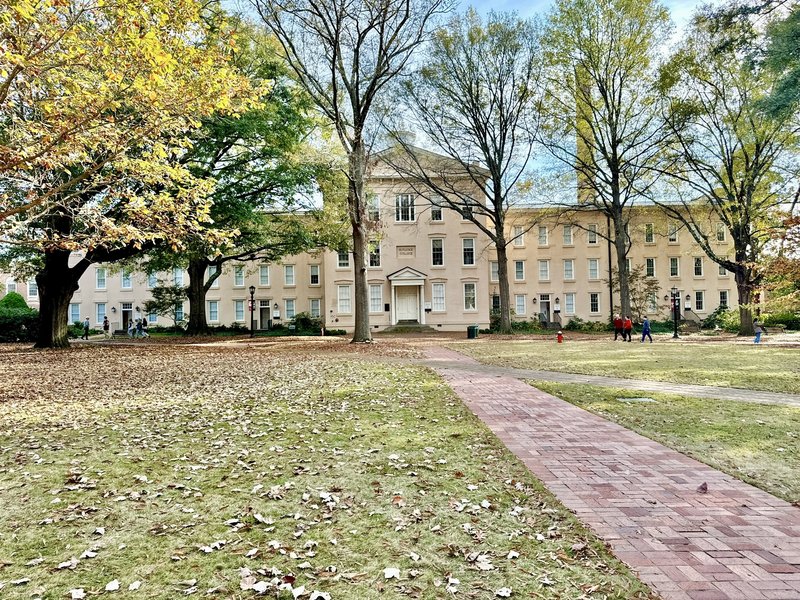
The original campus of the University of South Carolina — nine antebellum buildings from 1801 to 1855, the oldest landscaped academic quadrangle in continuous use in the American South. During the Civil War the buildings served as a Confederate then Union hospital.
🏛️ Daily 6:00am - 10:00pm
⏰ ~45 min
🚶 17 min · 🚕 4 min → Columbia Museum of Art
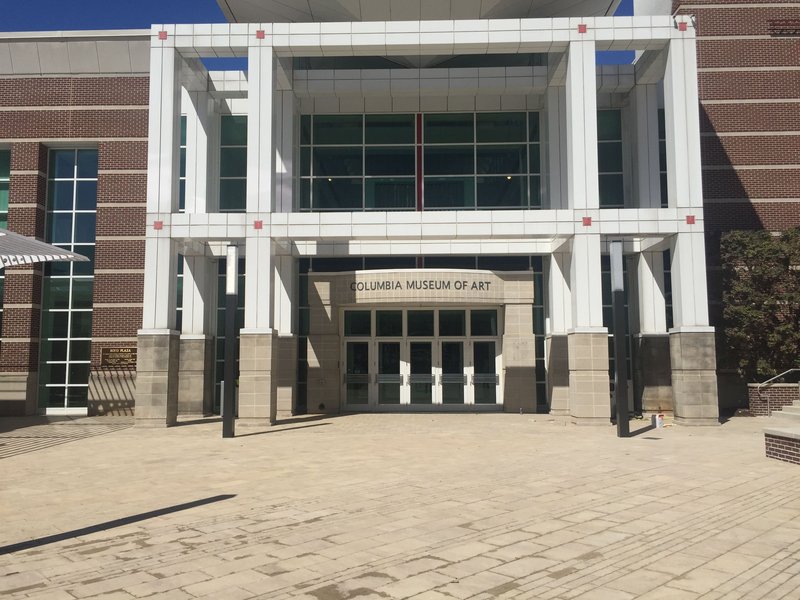
The state's largest fine art museum at Main and Hampton. The permanent collection of 6,000+ works runs from Renaissance and Baroque painting to American modernism — anchored by Sandro Botticelli's The Nativity, one of the few Botticelli works in the American South, from the Kress Collection.
🏛️ Tuesday - Wednesday 11:00am - 5:00pm · Thursday 11:00am - 7:00pm · Friday - Saturday 10:00am - 5:00pm · Sunday 12:00pm - 5:00pm
🚫 Closed Monday
⏰ ~1 hr 30 min
🚶 17 min · 🚕 3 min → South Carolina State Museum
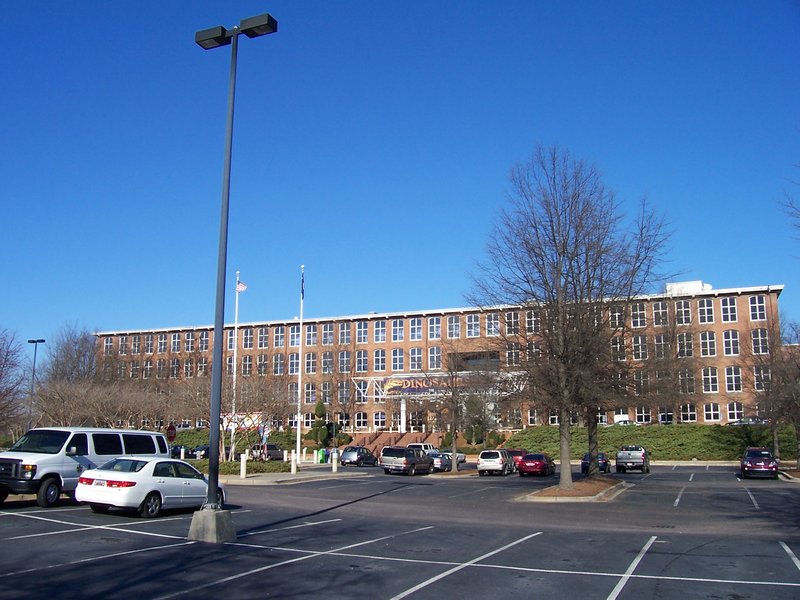
The largest museum in the Carolinas — four floors of natural history, cultural history, science and technology, and fine art inside the renovated Columbia Duck Mills, an 1893 textile building that was the world's first all-electric textile factory. A 4D theater and telescope complete the complex.
🏛️ Tuesday - Saturday 10:00am - 5:00pm · Sunday 12:00pm - 5:00pm
🚫 Closed Monday
⏰ ~2 hr
🚶 18 min · 🚕 2 min → hotel
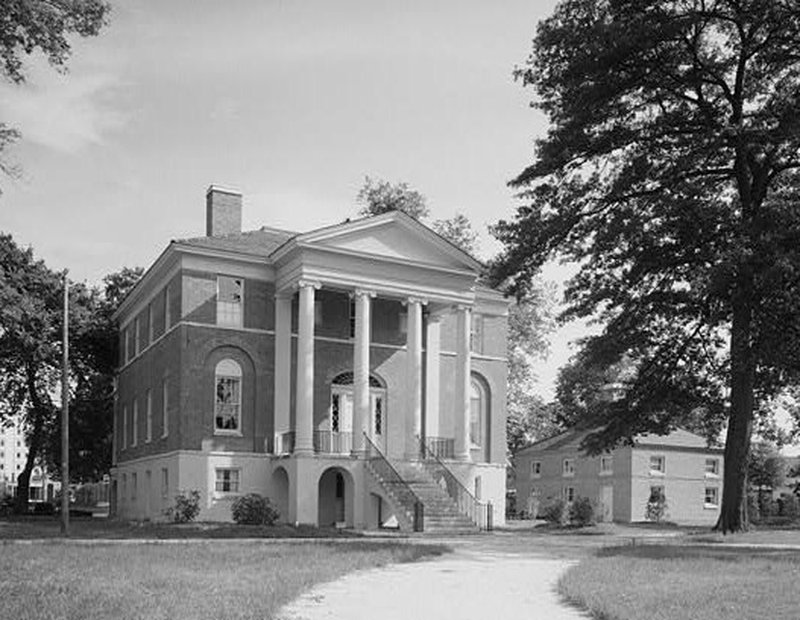
From Hotel: 🚶 13 min · 🚕 2 min → Robert Mills House
The only surviving residence designed by Robert Mills — the first architect born and trained in the United States and the man who designed the Washington Monument, the Treasury Building, and the US Patent Office. Built in 1823 for Ainsley Hall, it is a National Historic Landmark on Blanding Street.
🏛️ Wednesday - Saturday 12:00pm - 1:00pm · Sunday 1:30pm - 2:30pm
🚫 Closed Monday & Tuesday
⏰ ~1 hr
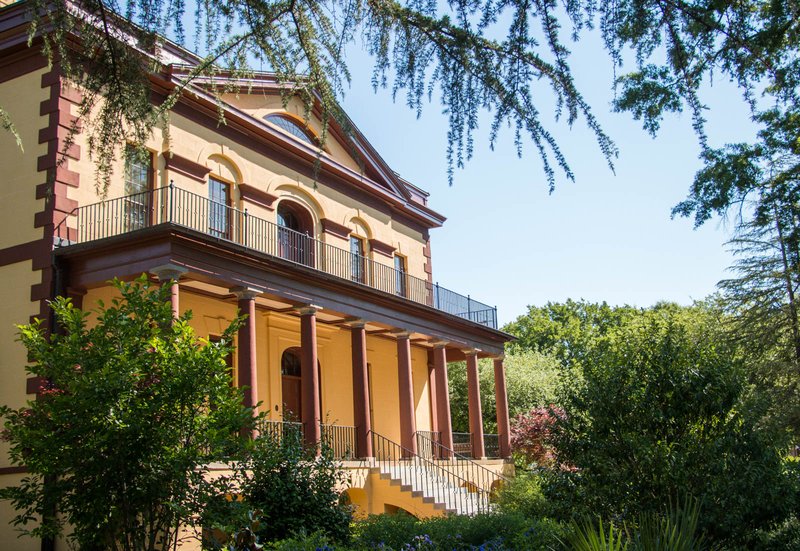
🚶 3 min · 🚕 2 min → Hampton-Preston Mansion
The finest surviving antebellum townhouse in Columbia, built 1818. During the Union occupation in 1865 it served as General Slocum's headquarters and was spared from the burning of Columbia. The mansion holds the most complete period furnishing collection of any house museum in the state.
🏛️ Wednesday - Saturday 10:30am - 11:30am · Sunday 3:00pm - 4:00pm
🚫 Closed Monday & Tuesday
⏰ ~1 hr
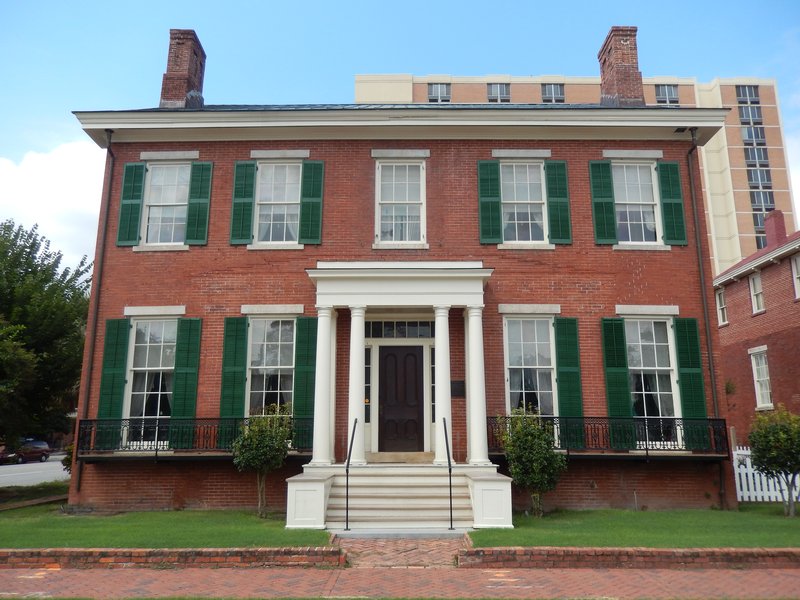
🚶 6 min · 🚕 2 min → Museum of Reconstruction Era at Woodrow Wilson Family Home
The boyhood home of Woodrow Wilson — built 1872, occupied by the Wilson family until 1875 — deliberately reframed by Historic Columbia as the Museum of Reconstruction Era. The reinterpretation makes the childhood home of a president a lens for the period his own later policies helped dismantle.
🏛️ Wednesday - Sunday 1:30pm - 2:30pm
🚫 Closed Monday & Tuesday
⏰ ~1 hr
🚶 10 min · 🚕 2 min → hotel
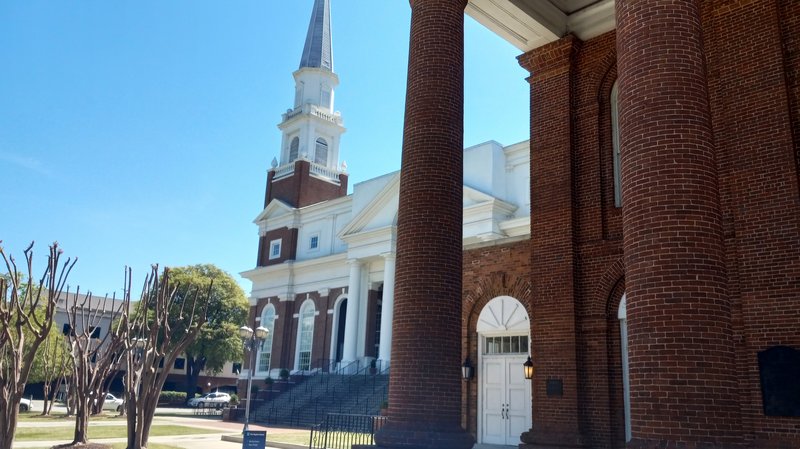
From Hotel: 🚶 5 min · 🚕 2 min → First Baptist Church Columbia
Organized in 1809. On December 17, 1860, the South Carolina Secession Convention convened here — the meeting that set in motion the vote to leave the Union three days later. The 1859 sanctuary retains its original interior slave gallery within the antebellum Columbia that survived Sherman's 1865 fire.
🏛️ Monday - Thursday 9:00am - 5:00pm · Sunday 10:30am - 12:00pm
🚫 Closed Friday & Saturday
⏰ ~30 min
Free
🚶 11 min · 🚕 3 min → Mann-Simons Site
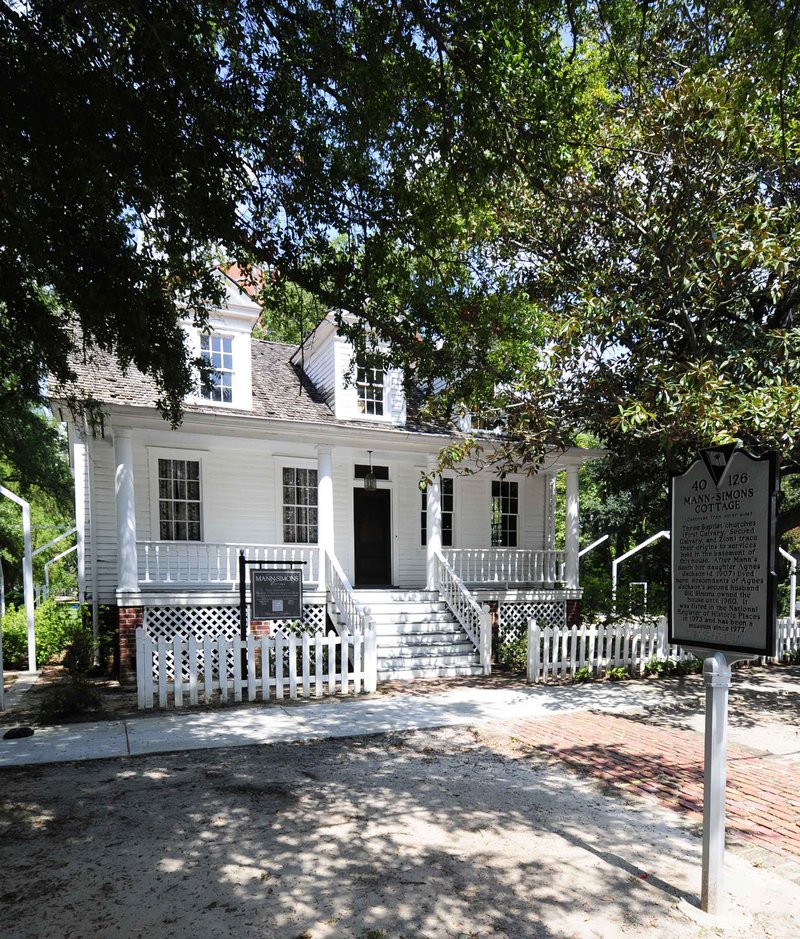
One of the few documented 19th-century African American urban homesteads in the South. Celia Mann arrived enslaved, earned her freedom, and established a home on Richland Street around 1840. The property passed through four generations; Historic Columbia preserved it with five interpretive ghost structures.
🏛️ Wednesday - Sunday 3:00pm - 4:00pm
🚫 Closed Monday & Tuesday
⏰ ~1 hr
🚶 11 min · 🚕 2 min → hotel
🏛️ The Building Where the Civil War Began
On December 17, 1860, South Carolina's Secession Convention convened at First Baptist Church on Hampton Street. Three days later, the delegates adjourned to Charleston and signed the Ordinance of Secession. The chain of events that followed killed 620,000 Americans and remade the country. The building still stands, still holds services, and still has its original slave gallery intact — the one the congregation's Black members were required to sit in during services where the congregation planned to leave the Union in order to preserve slavery.
Four blocks away on Blanding Street, the only surviving house designed by Robert Mills — the man who designed the Washington Monument — sits next to the Hampton-Preston Mansion, which was spared from Sherman's 1865 burning because Union General Slocum set up his headquarters there. Two blocks further, the boyhood home of Woodrow Wilson now carries the name "Museum of Reconstruction Era." Historic Columbia deliberately renamed it. Wilson's administration resegregated the federal government in 1913, firing or demoting nearly every Black federal employee. The building where he grew up now tells the story of the period his presidency helped end.
Columbia is a small city with a very dense history. Almost every block downtown has a name attached to a consequence.