HOI AN
Anantara Hoi An Premier Resort
Vietnam
From Hotel: 🚶 8 min · 🚕 3 min → Fujian Assembly Hall
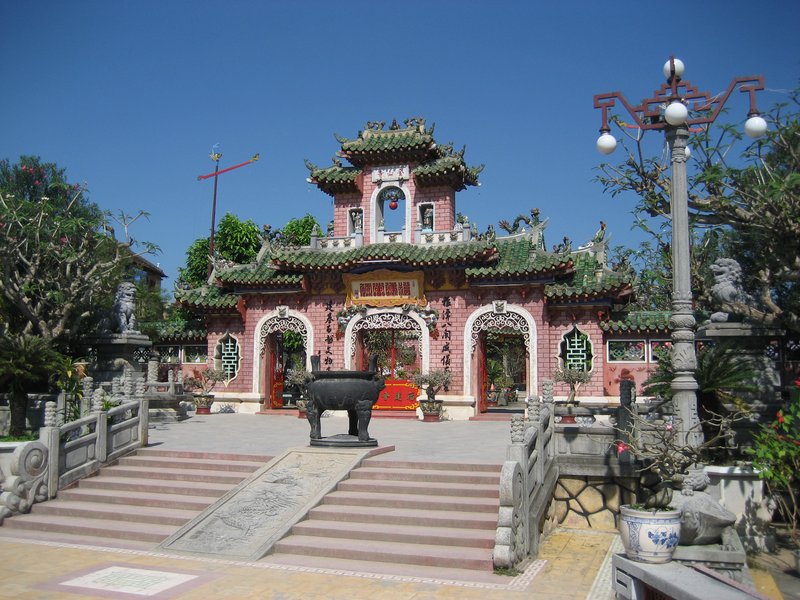
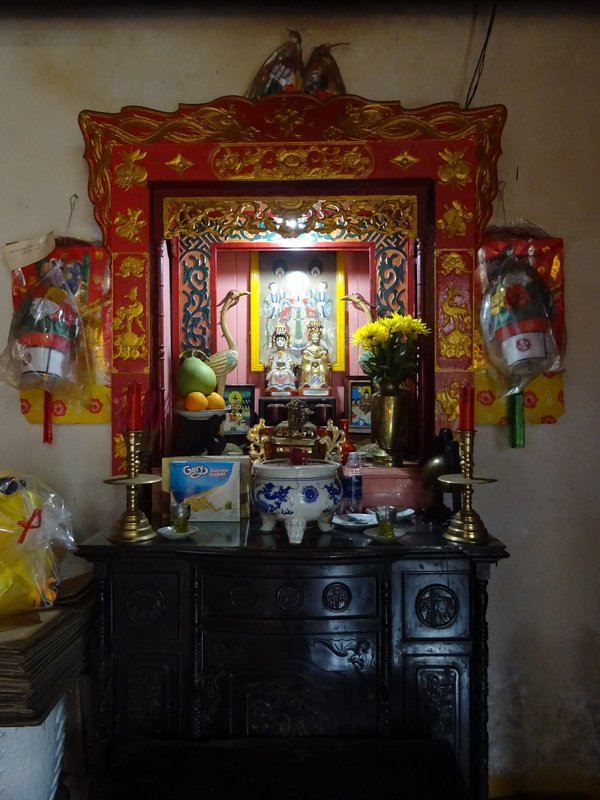
The largest of five Chinese assembly halls, originally a Buddhist temple built in 1697 and later dedicated to Thien Hau, goddess of the sea. Triple courtyards lead past incense spirals and gilded woodwork to altar rooms where Fujian merchants once prayed for safe passage across the South China Sea.
🏛️ Daily 8:00am - 5:00pm
⏰ ~25 min
💵 Cash Only
🚶 1 min · 🚕 2 min → Quan Cong Temple
A Chinese folk temple built in 1653 to venerate Guan Yu, the deified general revered as a paragon of loyalty. The rear hall holds a nearly 3-metre statue of Guan Yu in green robes on a white horse, flanked by his bodyguard and horse handler.
🏛️ Daily 6:00am - 5:00pm
⏰ ~15 min
💵 Cash Only
🚶 5 min · 🚕 2 min → Cantonese Assembly Hall
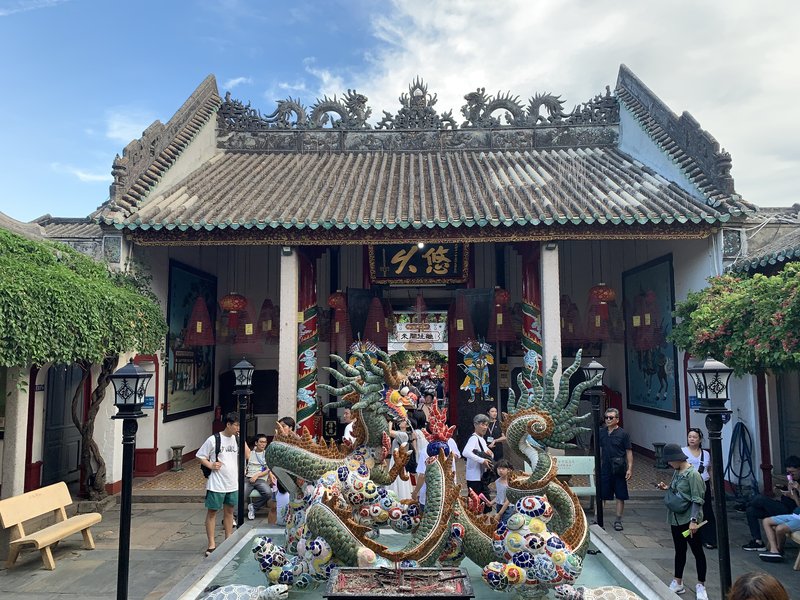
Built in 1885 by Guangdong merchants, this hall centres on a courtyard with a porcelain-mosaic fountain depicting a carp leaping over a dragon gate. The triple-gate entrance and roof dragons are the finest examples of southern Chinese decorative architecture in the Ancient Town.
🏛️ Daily 8:00am - 5:00pm
⏰ ~15 min
💵 Cash Only
🚶 15 min · 🚕 5 min → Japanese Covered Bridge
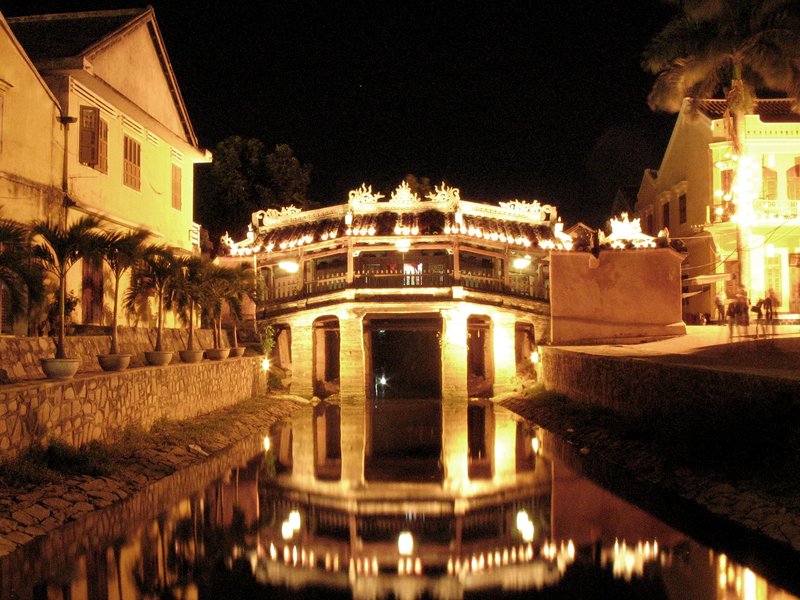
A 400-year-old wooden footbridge with a Buddhist temple built into its northern end, constructed by Japanese merchants around 1593. The 18-metre span carries carved monkeys at one entrance and dogs at the other — legend says construction began in the Year of the Monkey and finished in the Year of the Dog.
🏛️ Daily 8:00am - 5:00pm
⏰ ~15 min
💵 Cash Only
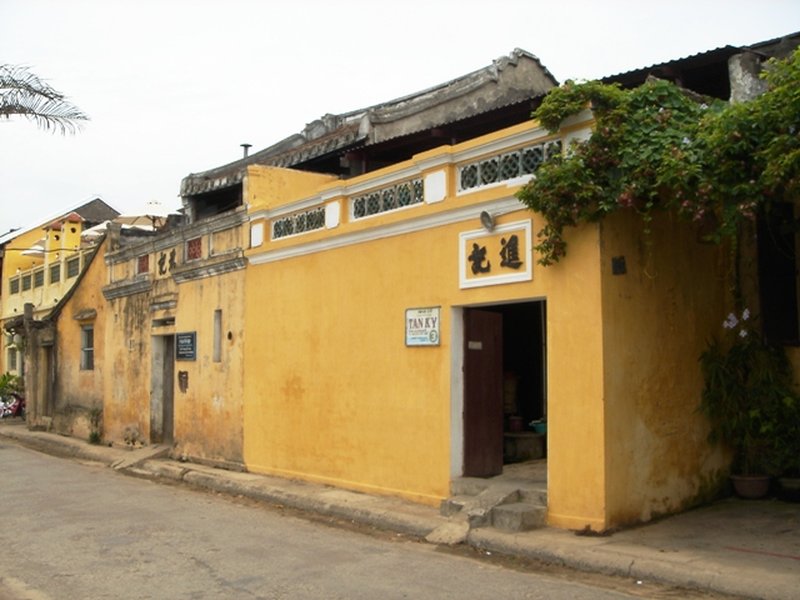
🚶 15 min · 🚕 5 min → Old House of Tan Ky
A two-storey merchant house built over 200 years ago, blending Japanese ceiling beams, Chinese carved panels, and Vietnamese mother-of-pearl inlay under one roof. The family's seventh generation still lives upstairs and guides visitors through rooms where silk, cinnamon, and pepper once changed hands.
🏛️ Daily 8:30am - 5:45pm
⏰ ~20 min
💵 Cash Only
🚶 7 min · 🚕 3 min → hotel
From Hotel: 🚶 5 min · 🚕 2 min → An Bang Beach
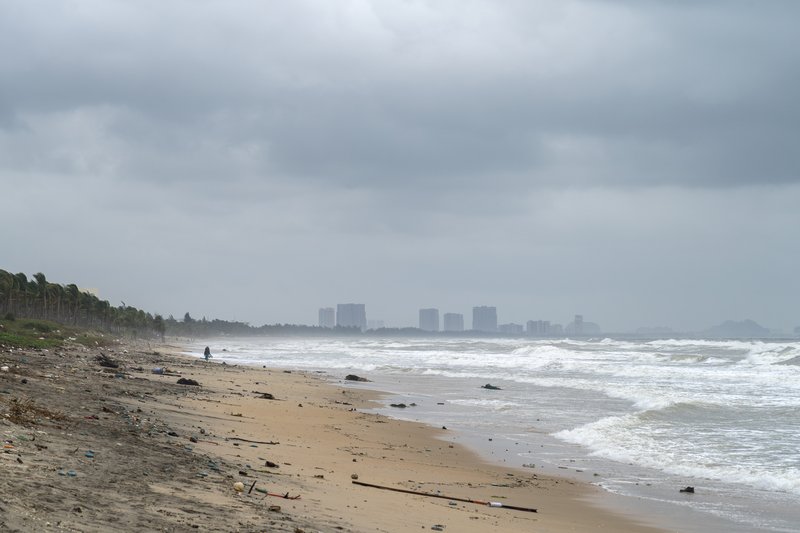
A wide stretch of white sand 5 km east of the Ancient Town. Low-key beach bars line the shore, fishing boats anchor at the north end, and the water stays warm year-round. Far quieter than Cua Dai Beach to the south and free of resort sprawl.
🚶 15 min · 🚕 5 min → Cam Thanh Coconut Village
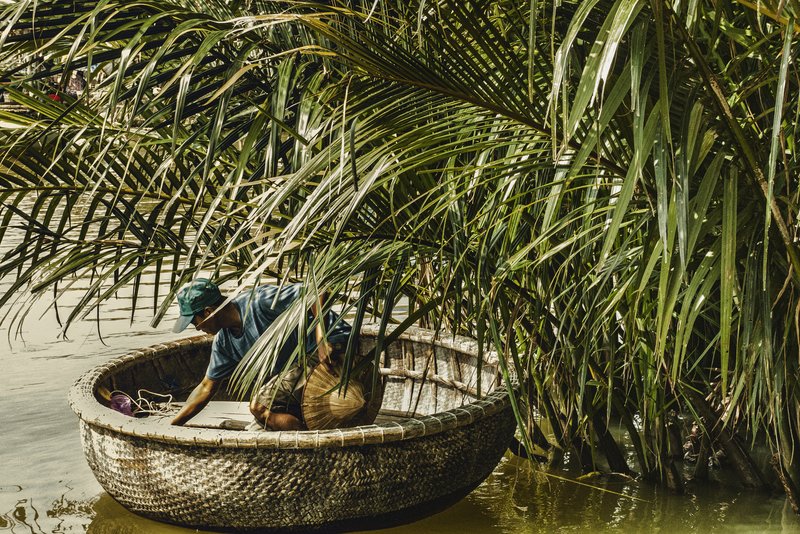
A waterway village 5 km southeast of the Ancient Town, nicknamed the Little Mekong Delta. Locals paddle circular basket boats through Bay Mau nipa palm forest — the same craft their families have built by hand since the 15th century. The forest sheltered resistance fighters during the war.
🏛️ Daily 7:30am - 6:00pm
⏰ ~1 hr 30 min
💵 Cash Only
🚶 15 min · 🚕 5 min → Tra Que Vegetable Village
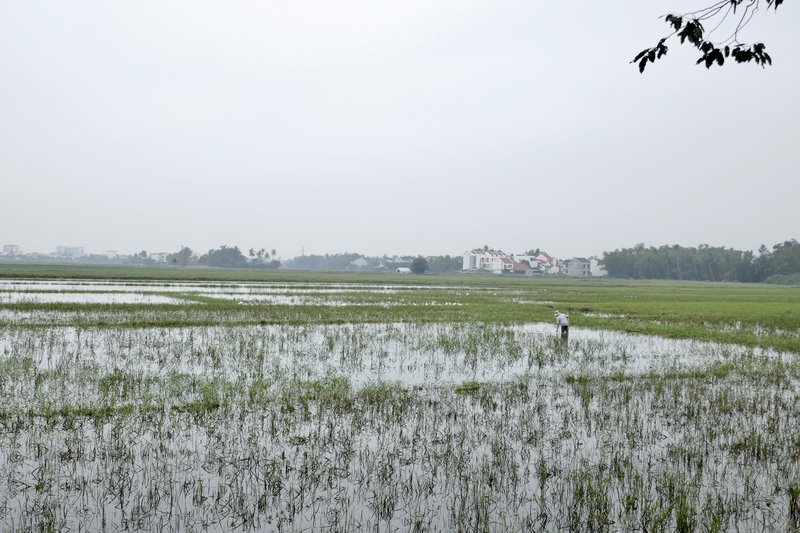
A 300-year-old farming village 2.5 km north of the Ancient Town where families still grow herbs and vegetables using traditional methods — fertilising with seaweed from the De Vong River. The mint, basil, and lettuce grown here supply every restaurant in the old quarter.
🏛️ Daily 7:00am - 5:00pm
⏰ ~1 hr
💵 Cash Only
🚕 10 min → hotel
The Port That Stopped in Time
This was once the busiest trading port in Southeast Asia. Japanese silver traders, Chinese silk merchants, and Portuguese spice buyers all anchored here between the 15th and 19th centuries — and each left a permanent mark on the town. The Japanese built the covered bridge. The Fujian Chinese built assembly halls. The Vietnamese merchant families built two-storey houses that borrowed from both.
Then the Thu Bon River silted up, the port died, and Da Nang took over. The town was too poor to demolish its old buildings and replace them with concrete. By the time UNESCO arrived in 1999, it had accidentally preserved itself for 150 years. Walk Trần Phú Street at dusk, when the lanterns come on and the motorbikes stop, and you are standing in the only intact Southeast Asian trading port from the age of sail.