LA JOLLA
Residence Inn by Marriott San Diego La Jolla
United States
Day 1
La Jolla Cove · Children's Pool · Birch Aquarium at Scripps · Torrey Pines State Natural Reserve
From Hotel: 🚕 10 min → La Jolla Cove
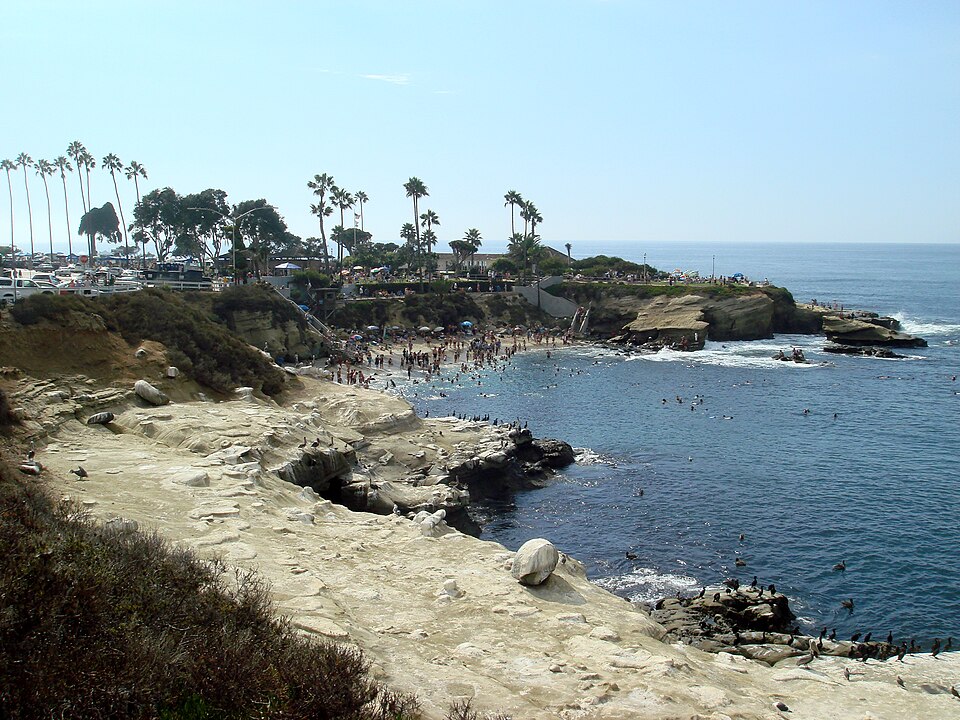
A sheltered cove carved into Cretaceous sandstone — the ecological heart of the San Diego–La Jolla Underwater Park. The marine reserve protects Garibaldi, California sea lions, leopard sharks, and bat rays. Seven sea caves open into the headland; Sunny Jim Cave was hand-dug in 1902 by professor Gustav Schulz.
🏛️ Open 24/7
⏰ ~1 hr 30 min
🚶 6 min · 🚕 2 min → Children's Pool
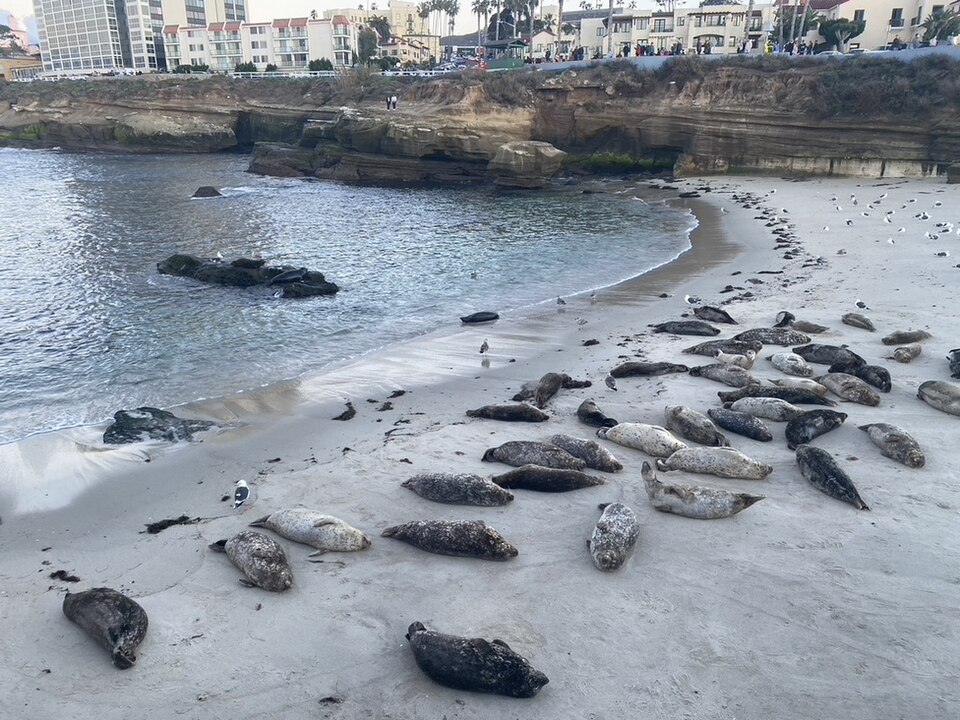
A pocket beach enclosed by a concrete breakwater built in 1931, funded by Ellen Browning Scripps. Since the mid-1990s a colony of 200 harbor seals hauls out here year-round to rest and nurse pups. A rope barrier runs Dec 15 through May 15 for pupping; seawall viewpoint stays open all year.
🏛️ Open 24/7
⏰ ~45 min
⚠️ Beach access restricted Dec 15 - May 15 during harbor seal pupping season — seawall path viewpoint open year-round
🚕 7 min → Birch Aquarium at Scripps
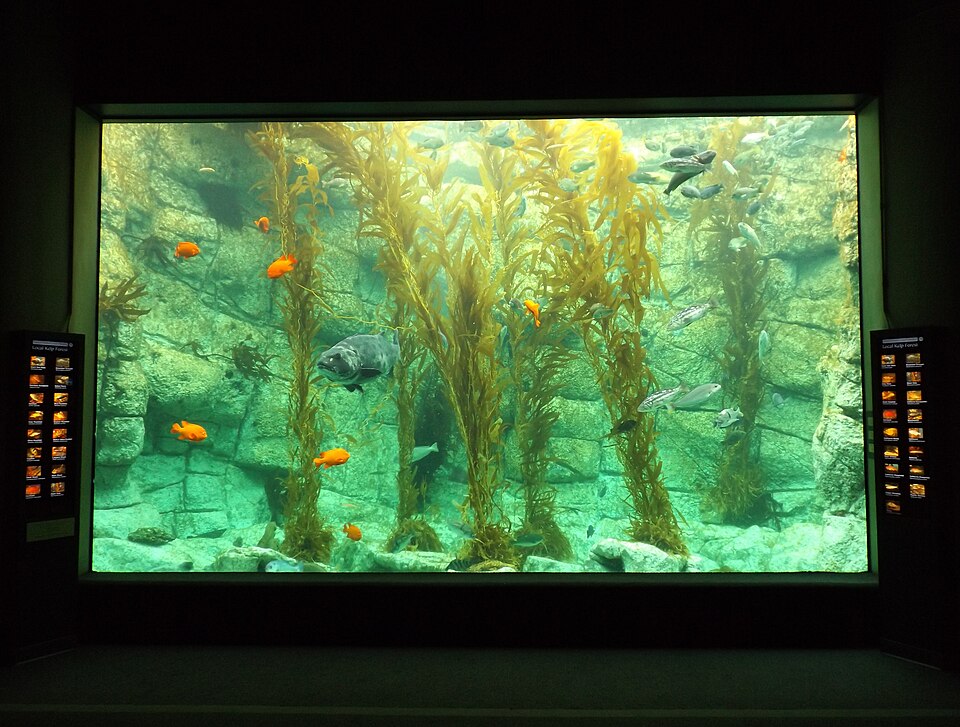
The public outreach center of Scripps Institution of Oceanography at UC San Diego. The centerpiece is a two-story 70,000-gallon kelp forest tank — leopard sharks, garibaldi, moray eels, barracuda, and giant sea bass moving through the fronds. Over 3,000 animals across 380 species.
🏛️ Daily 9:00am - 5:00pm
⏰ ~1 hr 30 min
⚠️ Timed-entry sells out on summer weekends — book in advance
🚕 14 min → Torrey Pines State Natural Reserve
A 2,000-acre coastal reserve on sandstone bluffs 300 feet above the Pacific — the only place on Earth outside Santa Rosa Island where Pinus torreyana grows wild. Fewer than 9,000 Torrey pines exist, making it the rarest pine in North America. Eight miles of trails run to cliff-edge overlooks above the Pacific.
🏛️ Daily 7:15am - 8:00pm
⏰ ~2 hr
⚠️ Vehicle day-use fee required. Upper trailhead parking fills by 10:00am on weekends — arrive before 8:30am or use rideshare to the trailhead
🚕 22 min → hotel
Day 2
Mount Soledad · Salk Institute for Biological Studies · Geisel Library · Sunny Jim Cave
From Hotel: 🚕 11 min → Mount Soledad National Veterans Memorial
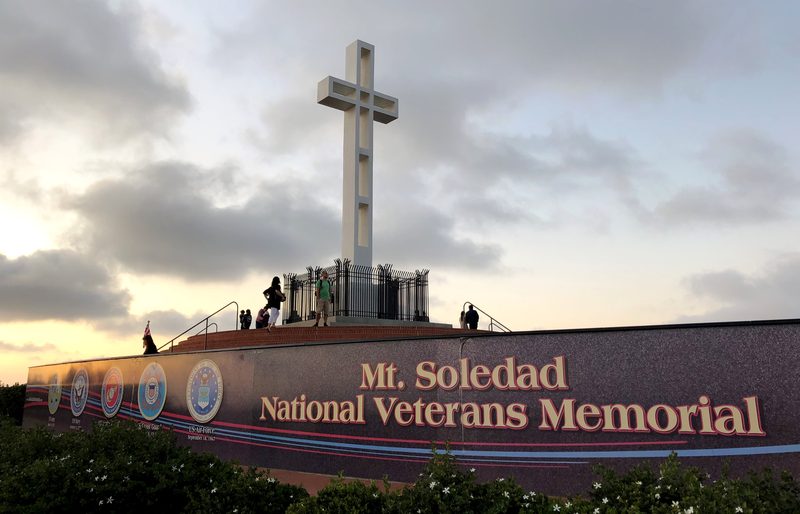
The 822-ft summit of Mount Soledad commands a 360-degree panorama across the Pacific, downtown San Diego, and Baja California. A 43-ft white cross anchors the summit, flanked by 11 curved granite walls bearing over 6,000 individual plaques — a National Veterans Memorial designated by Congress in 2006.
🏛️ Daily 7:00am - 10:00pm
⏰ ~45 min
🚕 13 min → Salk Institute for Biological Studies
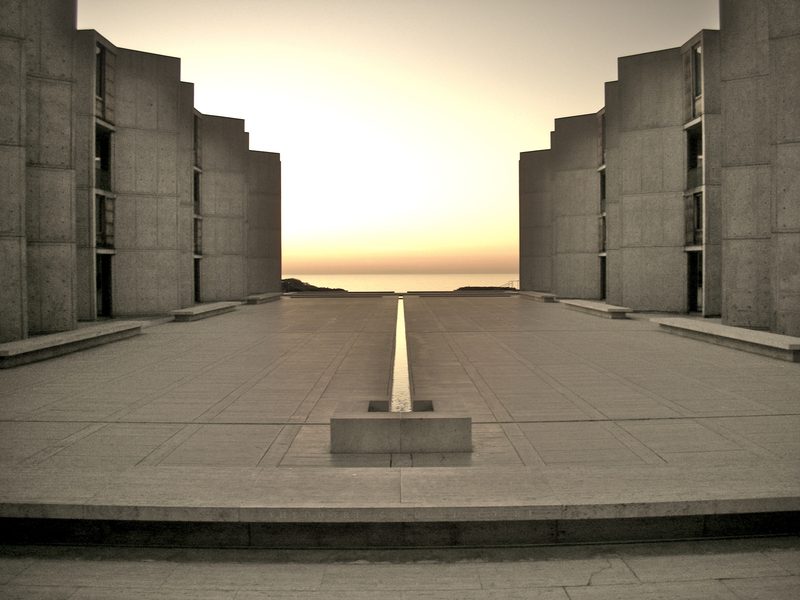
Louis Kahn's masterpiece, completed in 1965 on a bluff above the Pacific. Two concrete laboratory towers face each other across a travertine plaza bisected by a water rill — architect Luis Barragán persuaded Kahn to leave it entirely empty, creating one of the most photographed architectural spaces in America.
🏛️ Wednesday - Friday 10:00am - 12:30pm
🚫 Closed Saturday, Sunday, Monday, Tuesday
⏰ ~1 hr
⚠️ Tours depart at 10:00am and 11:30am — advance registration required
🚶 19 min · 🚕 5 min → Geisel Library
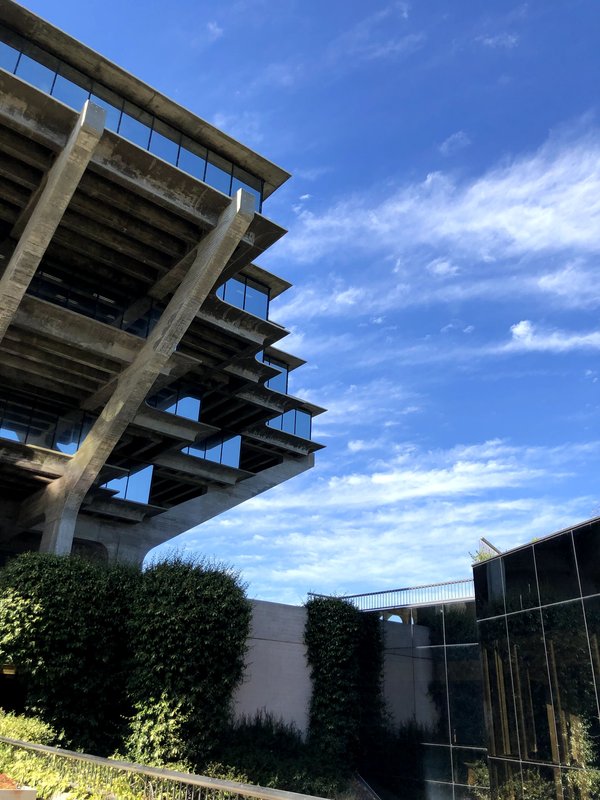
William Pereira's 1970 building at UC San Diego: four floors of stacks cantilever outward in widening tiers, supported by 16 external trusses that keep the interior column-free. Renamed in 1995 for Theodor Seuss Geisel — Dr. Seuss — who donated his archive to the library.
🏛️ Monday - Thursday 7:30am - 9:45pm · Friday 7:30am - 5:45pm · Saturday 10:00am - 5:45pm · Sunday 12:00pm - 7:45pm
⏰ ~30 min
🚕 12 min → Sunny Jim Cave
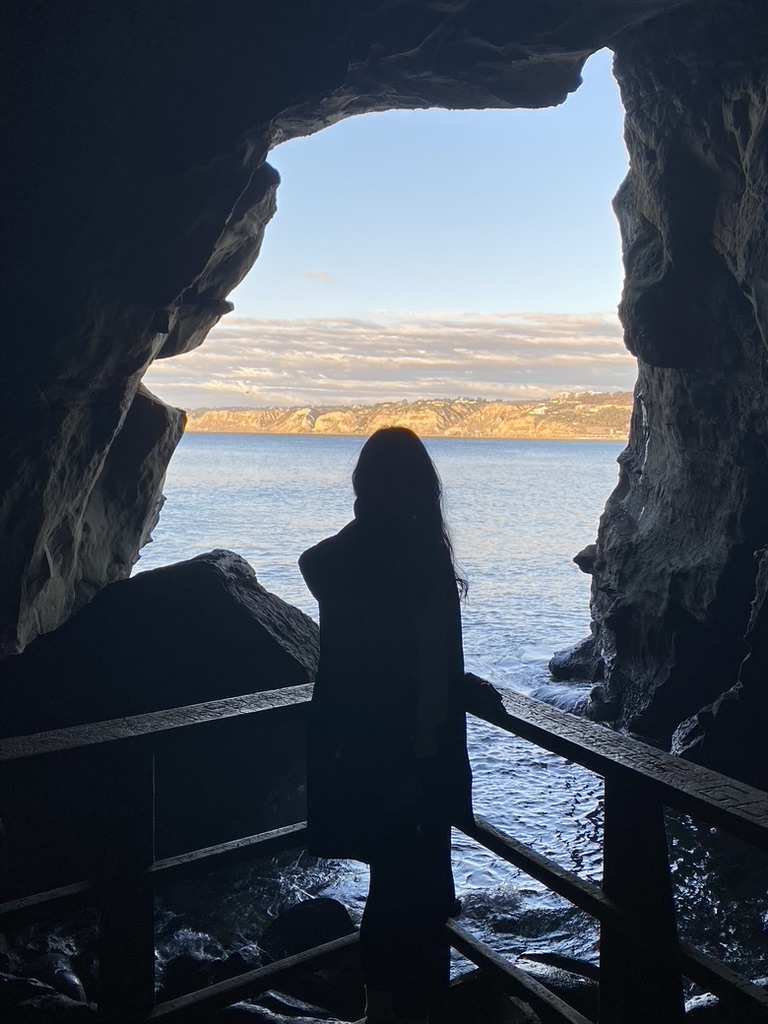
The only sea cave in the continental United States accessible entirely by land — through a 145-step tunnel hand-dug between 1902 and 1905, descending from The Cave Store above. Named by L. Frank Baum, who said the cave's ocean-facing silhouette resembled the Sunny Jim character on British wheat cereal packaging.
🏛️ Daily 9:00am - 4:30pm
⏰ ~45 min
⚠️ Steep 145-step staircase — closed-toe shoes recommended
🚕 20 min → hotel
⚖️ A 29-Foot Cross Fought a 26-Year Legal War to Stay Standing
The memorial atop Mount Soledad looks permanent, but it spent more than a quarter-century fighting for its right to exist there. A 1989 lawsuit argued that a Christian cross on city-owned public land violated the constitutional separation of church and state, and a federal judge agreed two years later. Rather than remove it, Congress stepped in: in 2006 it passed a law seizing the summit by eminent domain and transferring it to federal ownership so the cross could stand as a war memorial instead of a religious symbol. Appeals courts kept splitting on whether that fix actually solved the constitutional problem, and the case only ended in 2015, when a private veterans association bought the underlying land outright — taking the site out of government hands entirely and, with it, out of court.
Down the hill at the Salk Institute, Jonas Salk gave his architect an unusually lofty brief: design a laboratory "worthy of a visit by Picasso." Louis Kahn's twin concrete towers delivered the labs, but the plaza between them almost became a conventional garden. Kahn had trees and lawn sketched in until he consulted the Mexican architect Luis Barragán, who told him bluntly: "I would not put a tree or a blade of grass in this space... If you make this a plaza, you will gain a façade to the sky." Kahn tore up the planting plan, and the bare travertine courtyard with its single water channel aimed at the Pacific horizon became the most photographed room in American architecture.