From Hotel: 🚤 25 min → Hanifaru Bay
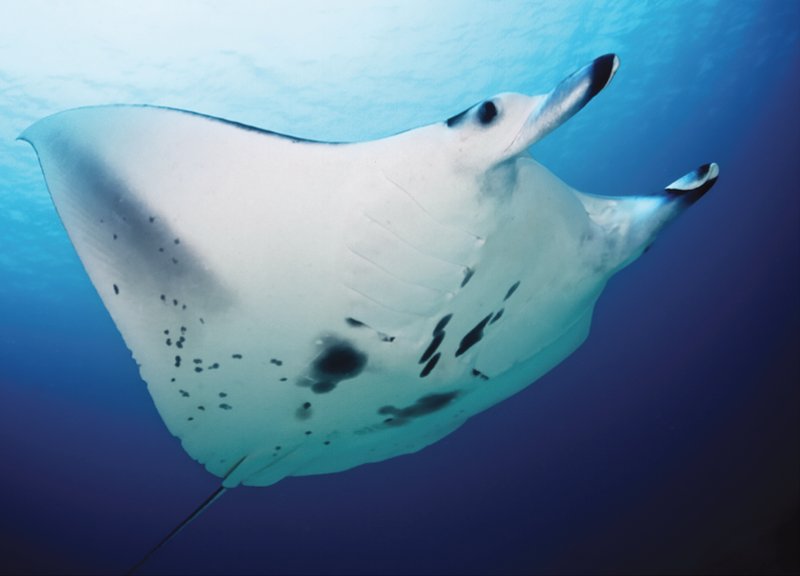
The largest known manta ray feeding station on Earth. A funnel-shaped bay traps plankton during the southwest monsoon, drawing aggregations of 100 or more reef manta rays. UNESCO World Biosphere Reserve. Snorkeling only.
🏛️ Daily 9:00am - 5:00pm
⏰ ~4 hr
⚠️ Manta season May to November. Peak feeding June to October. Maximum 20 snorkelers at a time.
🚤 5 min → Orimas Thila
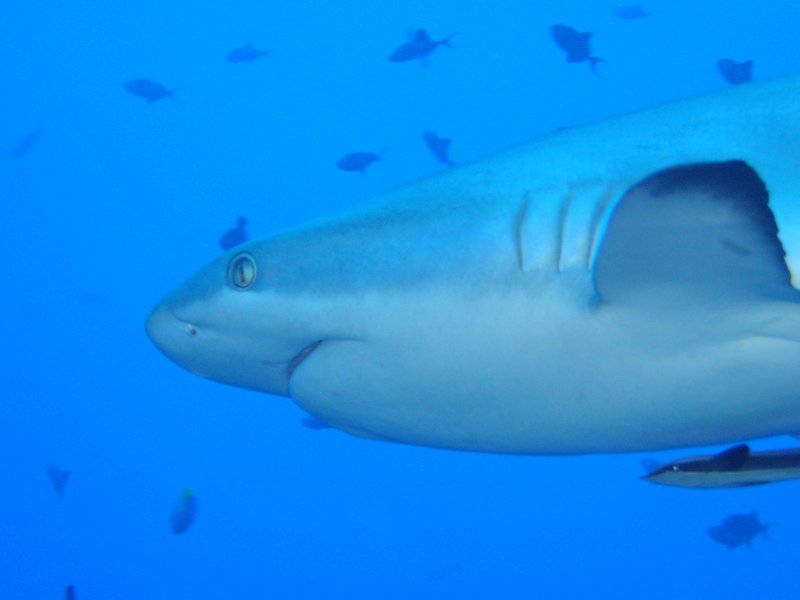
A grey reef shark cleaning station on the western rim of Noonu Atoll. Twenty or more sharks circle in from the open ocean, accompanied by eagle rays, whitetip reef sharks, and dense schools of fusiliers. Swim-throughs and hard coral to 30 meters.
🏛️ Daily 8:00am - 5:00pm
⏰ ~2 hr 30 min
🚤 5 min → Medhufaru Outer Reef
The outer reef edge where the lagoon floor drops away to reveal hawksbill and green sea turtles, reef sharks, eagle rays, and tropical reef fish. A resident marine biologist leads guided sessions with species identification.
🏛️ Daily 9:00am - 4:00pm
⏰ ~1 hr 30 min
Free
🚤 5 min → Christmas Tree Rock
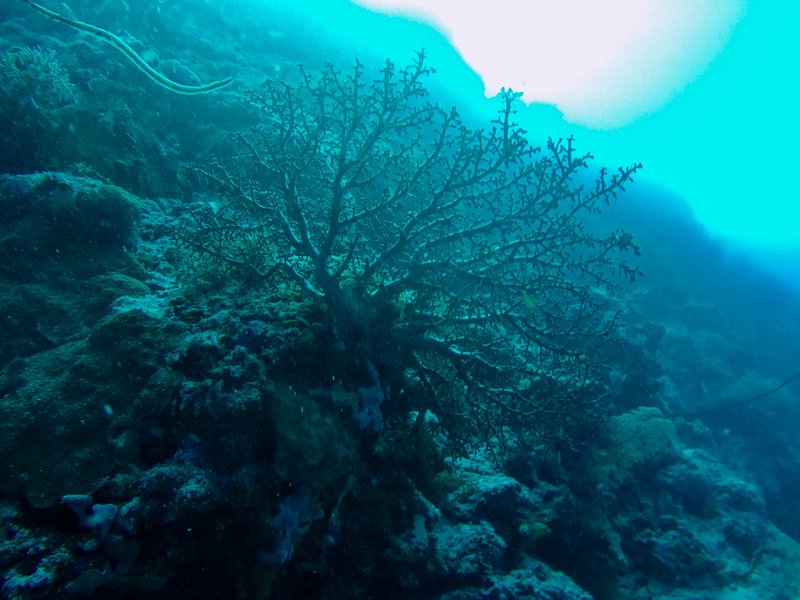
A submerged pinnacle rising from 30 to 12 meters in a stepped, tree-shaped profile. Purple gorgonian fans, black coral, and soft corals drape the upper tiers while overhangs shelter whitetip reef sharks and marble rays.
🏛️ Daily 8:00am - 5:00pm
⏰ ~2 hr 30 min
🚤 20 min → hotel
From Hotel: 🚤 1h 30min → So Starstruck
The first overwater observatory in the Maldives with a 16-inch Schmidt-Cassegrain telescope. A resident astronomer guides sessions through constellations, planets, and deep-sky objects in near-zero light pollution.
🏛️ Daily 7:00pm - 11:00pm
⏰ ~1 hr 30 min
Free
No pictures found.
🚤 5 min → Medhufaru Lagoon
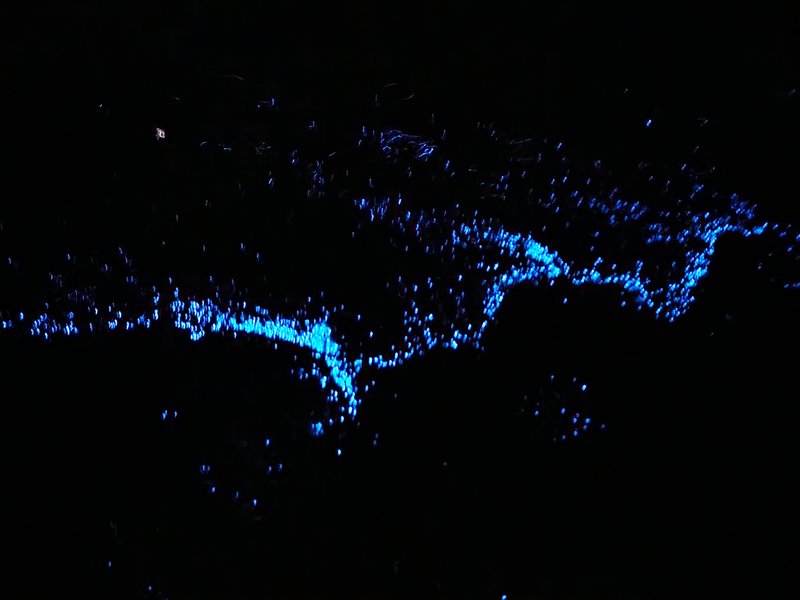
Night snorkeling in the resort lagoon where bioluminescent dinoflagellates emit electric-blue light when disturbed. Fin kicks and hand movements create trails of underwater fire. The same phenomenon as Vaadhoo Island's Sea of Stars, experienced in-water.
🏛️ Daily 8:00pm - 10:00pm
⏰ ~1 hr
Free
⚠️ Best June to October on new-moon nights. Dependent on plankton blooms.
🚶 3 min · 🚤 3 min → hotel
From Hotel: 🚤 35 min → Landhoo Island
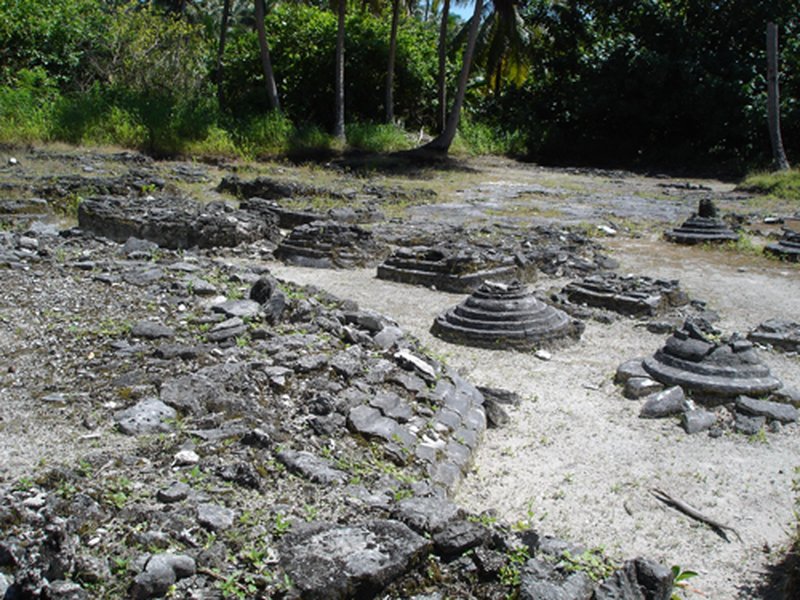
The most significant Buddhist archaeological site in northern Maldives. A mound 89 meters in diameter and 9 meters high — the remains of a pre-Islamic stupa dating before the 12th-century conversion. The largest surviving Buddhist monument north of Malé.
🚤 20 min → Maafaru Island
Traditional coral-stone architecture, sandy lanes, and a working fishing harbor. Beaches serve as documented green and hawksbill sea turtle nesting sites. The house reef is accessible directly from shore.
🏛️ Open 24/7
⏰ ~2 hr 30 min
🚤 15 min → hotel
🪸 An Inch Above the Sea
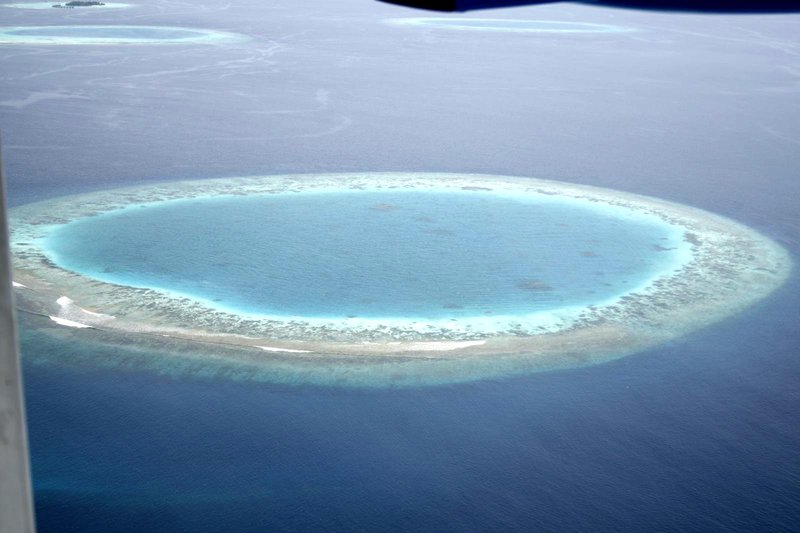
The Maldives is the lowest country on Earth. Its highest natural point is 2.4 meters above sea level. The entire nation sits on coral atolls that took thousands of years to build, ring-shaped reefs encircling lagoons where volcanic islands once stood and then sank beneath the surface. What remains is temporary geology: sand and coral resting on the shoulders of an ancient underwater mountain range.
Landhoo's Buddhist stupa is a reminder that these islands have been inhabited for over two thousand years, through a complete civilizational transition from Buddhism to Islam in the 12th century. The ruins sit quietly on an island that most visitors never see, the largest surviving evidence of a faith that once defined the entire archipelago.
Hanifaru Bay operates on a logic that has nothing to do with human planning. The bay's funnel shape traps plankton when the monsoon current pushes from the southwest, and the mantas come because the geometry of the reef concentrates their food. No one designed this. The bay simply happens to be the right shape, in the right current, and 100 mantas arrive because physics says so.