NEW ORLEANS
Residence Inn New Orleans · French Quarter Area
United States
From Hotel: 🚶 15 min · 🚕 5 min → National WWII Museum
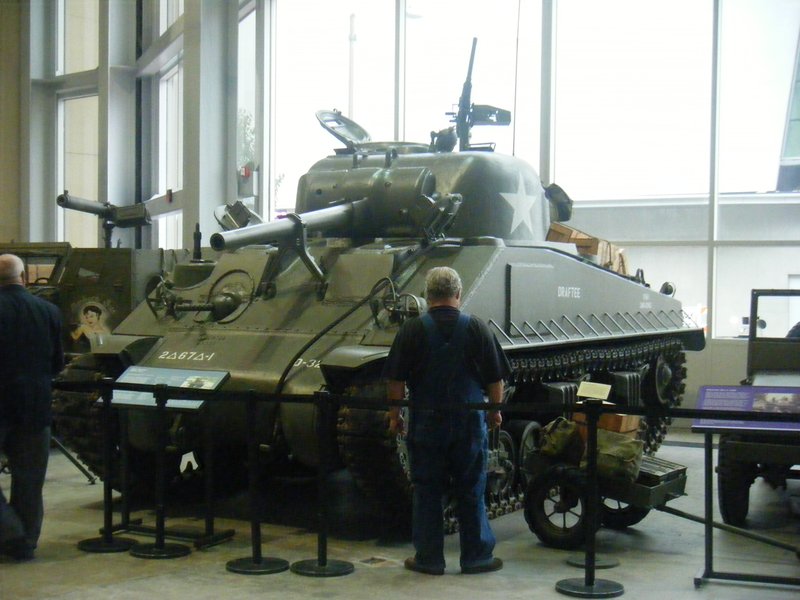
The most comprehensive World War II museum in the United States, located in New Orleans because the Higgins boat — the landing craft that made D-Day possible — was designed and built here. Its campus covers both fronts through immersive exhibits, original aircraft, and first-person accounts.
🏛️ Daily 9:00am - 5:00pm
⏰ ~3 hr
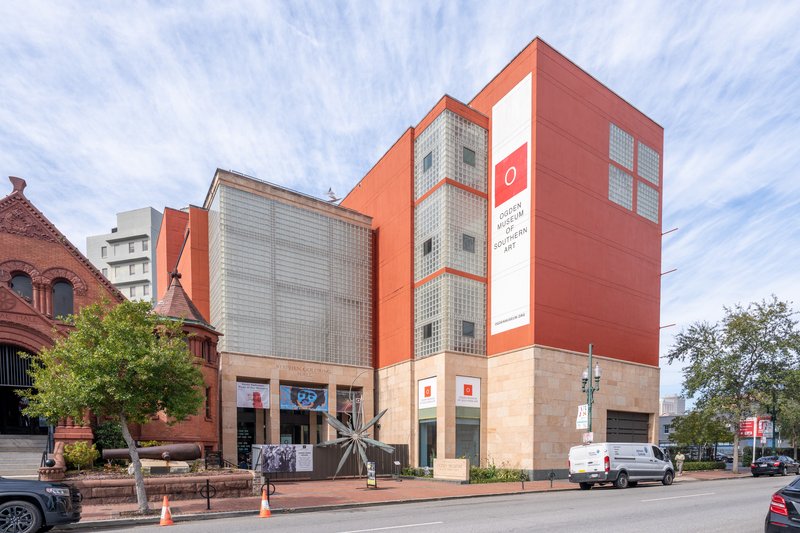
🚶 3 min · 🚕 1 min → Ogden Museum of Southern Art
The largest and most comprehensive collection of art by artists from the American South, spanning folk art, photography, and contemporary works across two connected buildings in the Warehouse Arts District.
🏛️ Daily 10:00am - 5:00pm
⏰ ~1 hr 30 min
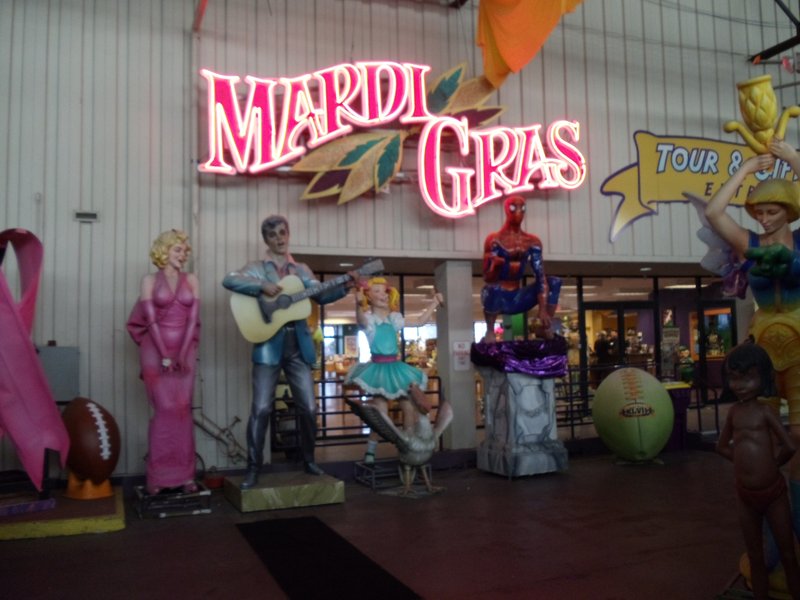
🚶 24 min · 🚕 5 min → Mardi Gras World
A working 300,000-square-foot warehouse where Blaine Kern Studios builds the floats for New Orleans' Mardi Gras parades year-round. Guided tours walk through active float construction, storage of past-parade giants, and a den of Carnival props found nowhere else.
🏛️ Daily 9:00am - 5:30pm
⏰ ~1 hr
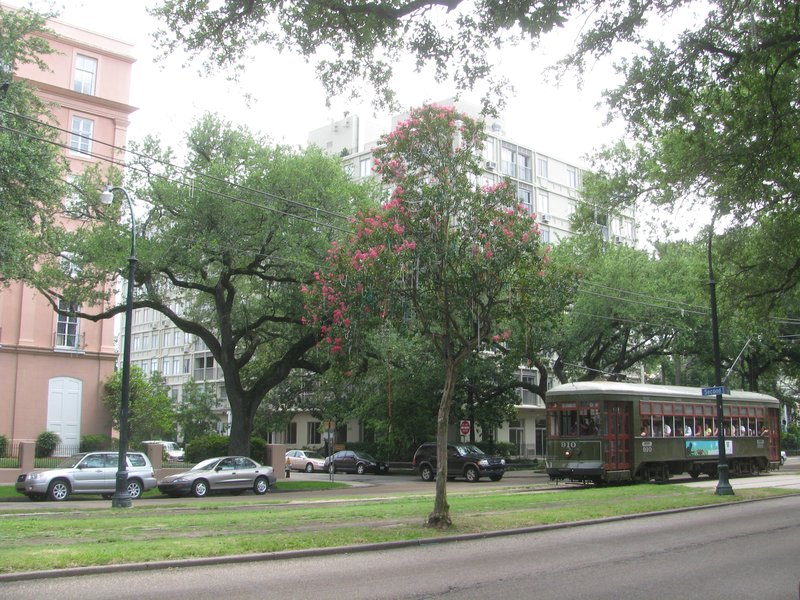
🚶 38 min · 🚕 9 min → Garden District
A self-guided walk through the best-preserved collection of antebellum mansions in the American South, developed on former plantation land between 1832 and 1900 for New Orleans' wealthy American newcomers. A National Historic Landmark district since 1974.
🚕 10 min → hotel
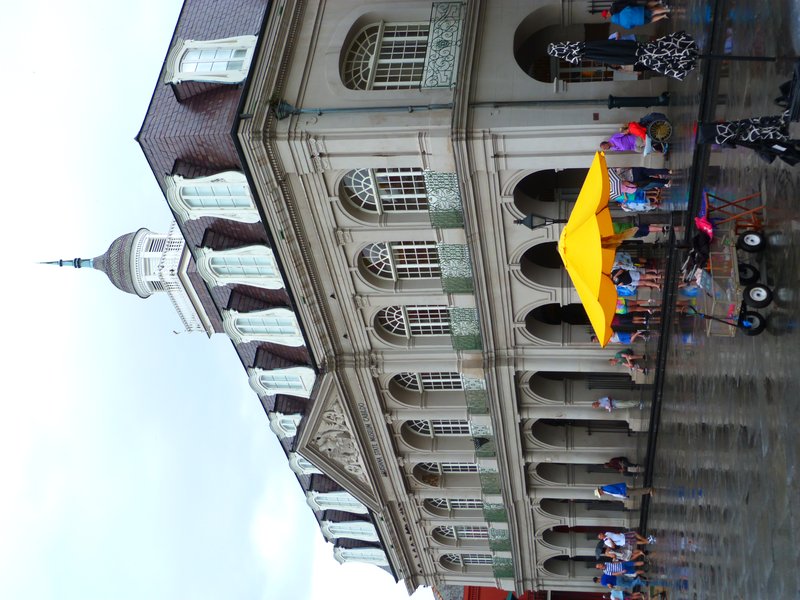
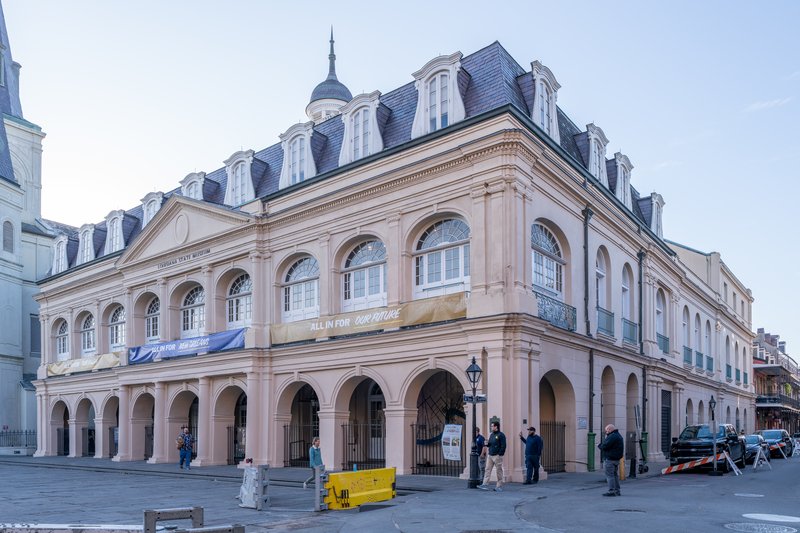
From Hotel: 🚶 16 min · 🚕 7 min → The Cabildo
The Louisiana Purchase was signed here in 1803. Now a Louisiana State Museum housing one of the most significant collections of Louisiana history and culture, from colonial-era artifacts to Mardi Gras memorabilia, in a building that predates the United States itself.
🏛️ Tuesday - Sunday 10:00am - 4:30pm
🚫 Closed Monday
⏰ ~1 hr 30 min
🚶 1 min · 🚕 1 min → Jackson Square
Historic plaza at the heart of the French Quarter, anchored by St. Louis Cathedral and flanked by the Cabildo and the Presbytere. One of the most visited public spaces in the American South and the geographic and cultural center of old New Orleans.
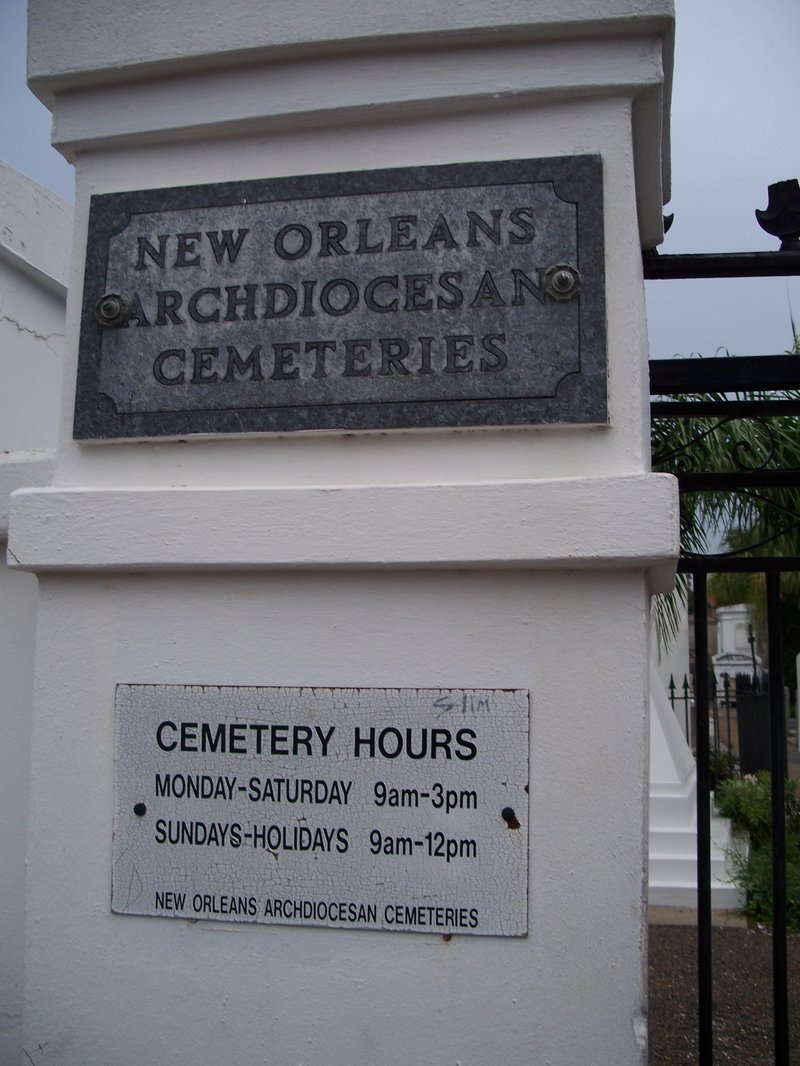
🚶 15 min · 🚕 7 min → St. Louis Cemetery No. 1
New Orleans' oldest surviving cemetery, established in 1789. Its above-ground whitewashed tombs form a dense marble city within a city. Entry requires a licensed guided tour; independent access has been prohibited since 2015 to prevent vandalism to the historic tombs.
🏛️ Monday - Saturday 9:00am - 3:00pm · Sunday 10:00am - 2:00pm
⏰ ~1 hr
⚠️ Entry only with a licensed guide — independent access prohibited since 2015.
🚶 19 min · 🚕 7 min → hotel
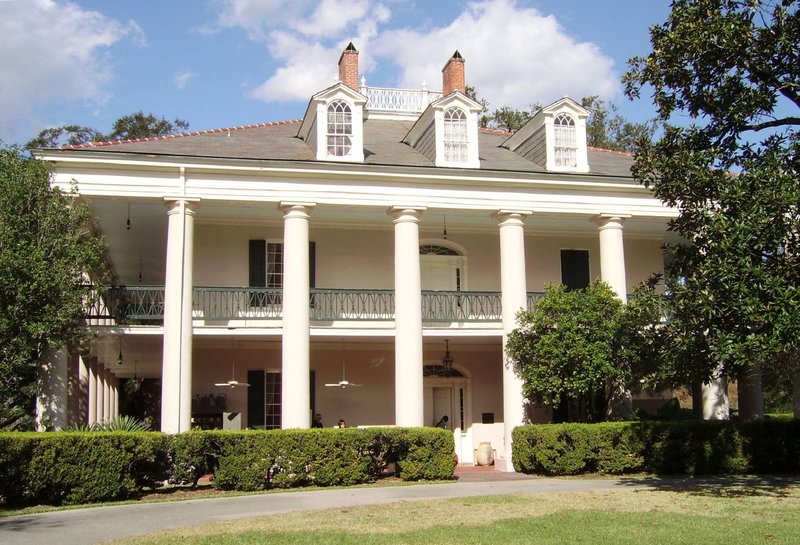
From Hotel: 🚕 1h 6min → Oak Alley Plantation
A restored 1839 Greek Revival mansion on the west bank of the Mississippi, named for the 800-foot avenue of live oaks planted nearly a century before the house itself. The tour covers the main house, the grounds, and the reconstructed slave quarters documenting the plantation's enslaved community.
🏛️ Daily 9:00am - 5:00pm
⏰ ~2 hr
🚕 1h 9min → Audubon Park
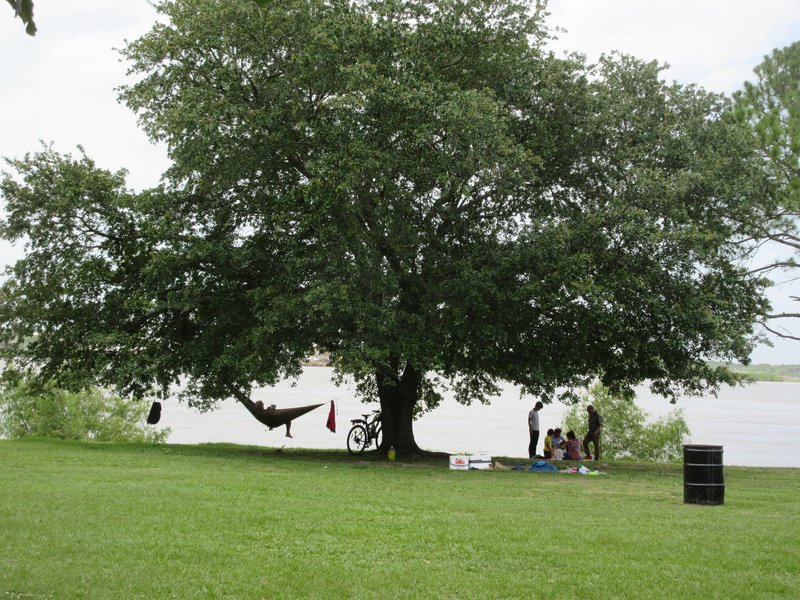
A 350-acre riverside park laid out on the grounds of the 1884 World Cotton Centennial exposition, with a lagoon, live oak allées, and "The Fly" — a broad lawn overlooking a bend in the Mississippi. The green anchor of Uptown New Orleans.
🏛️ Daily 5:00am - 10:00pm
⏰ ~1 hr
🚕 22 min → hotel
From Hotel: 🚕 49 min → Honey Island Swamp
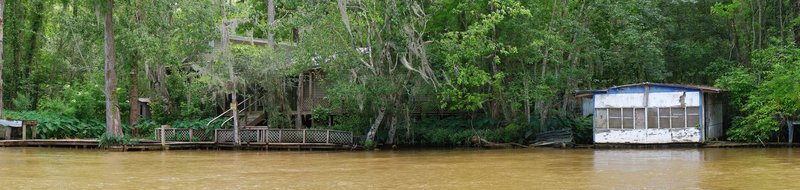
A 70,000-acre wetland on the West Pearl River, more than half of it permanently protected wildlife — one of the least-altered river swamps in the country. A flat-boat tour with a local guide moves through cypress groves and a Cajun houseboat village, spotting alligators and herons along the way.
🏛️ Daily 7:30am - 9:00pm
⏰ ~2 hr
🚕 43 min → City Park & Besthoff Sculpture Garden
A 1,300-acre park built around lagoons and mature live oaks draped in Spanish moss, home to the free Sydney and Walda Besthoff Sculpture Garden — more than 90 works by international artists set among the trees and water. New Orleans' largest green space, distinct in character from Uptown's Audubon Park.
🏛️ Daily 10:00am - 5:00pm
⏰ ~1 hr 30 min
🚕 14 min → The Presbytère
Built in 1813 as an architectural twin to the Cabildo across St. Louis Cathedral, the Presbytère now houses the Louisiana State Museum's two defining exhibits: "Mardi Gras: It's Carnival Time in Louisiana" and "Living with Hurricanes: Katrina and Beyond."
🏛️ Tuesday - Sunday 9:00am - 4:00pm
🚫 Closed Monday
⏰ ~1 hr 30 min
🚶 16 min · 🚕 8 min → hotel
🌊 Flood Lines
The Cabildo and Jackson Square sit at the same elevation they did in 1803 when the Louisiana Purchase was signed inside those walls. The land under the French Quarter is the highest ground in the city — a natural ridge left by the Mississippi River — which is why it was settled first and why it survived Hurricane Katrina without flooding. Most of the rest of New Orleans was built on drained swampland and sits below sea level. This geographical accident is the reason there is a French Quarter at all.
The above-ground tombs at St. Louis Cemetery No. 1 are often explained by the high water table making underground burial impractical. That is partly true. But the design also reflects the French and Spanish Catholic traditions the city's founders brought with them, where above-ground burial in family vaults was already the cultural norm. The water table confirmed what the culture already preferred.