RIO DE JANEIRO
Copacabana Palace · A Belmond Hotel
Brazil
From Hotel: 🚕 25 min → Confeitaria Colombo
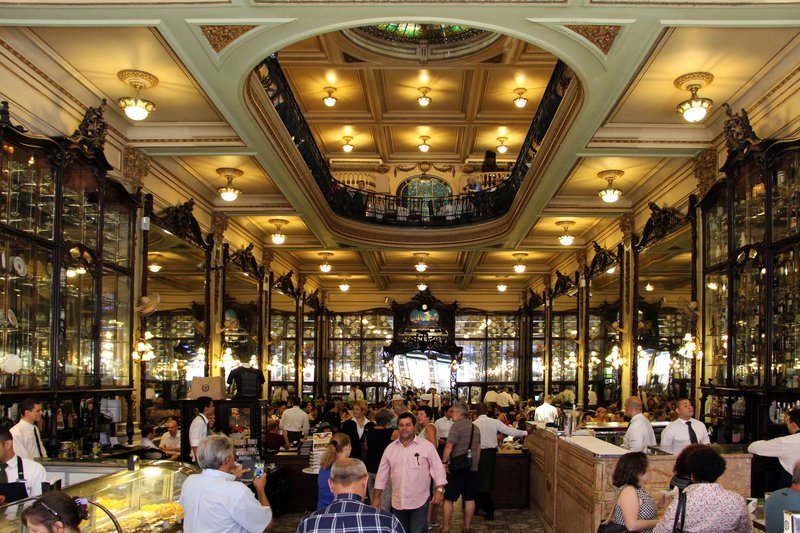
The grandest café interior in the Americas — gilded mirrors from Belgium, stained-glass skylights, ornate jacaranda wood counters, and a salon where the city's writers, politicians, and presidents met for over a century.
🏛️ Monday - Friday 9:00am - 7:00pm · Saturday 9:00am - 5:00pm
🚫 Closed Sunday
⏰ ~45 min
Free
🚶 14 min · 🚕 3 min → Escadaria Selarón
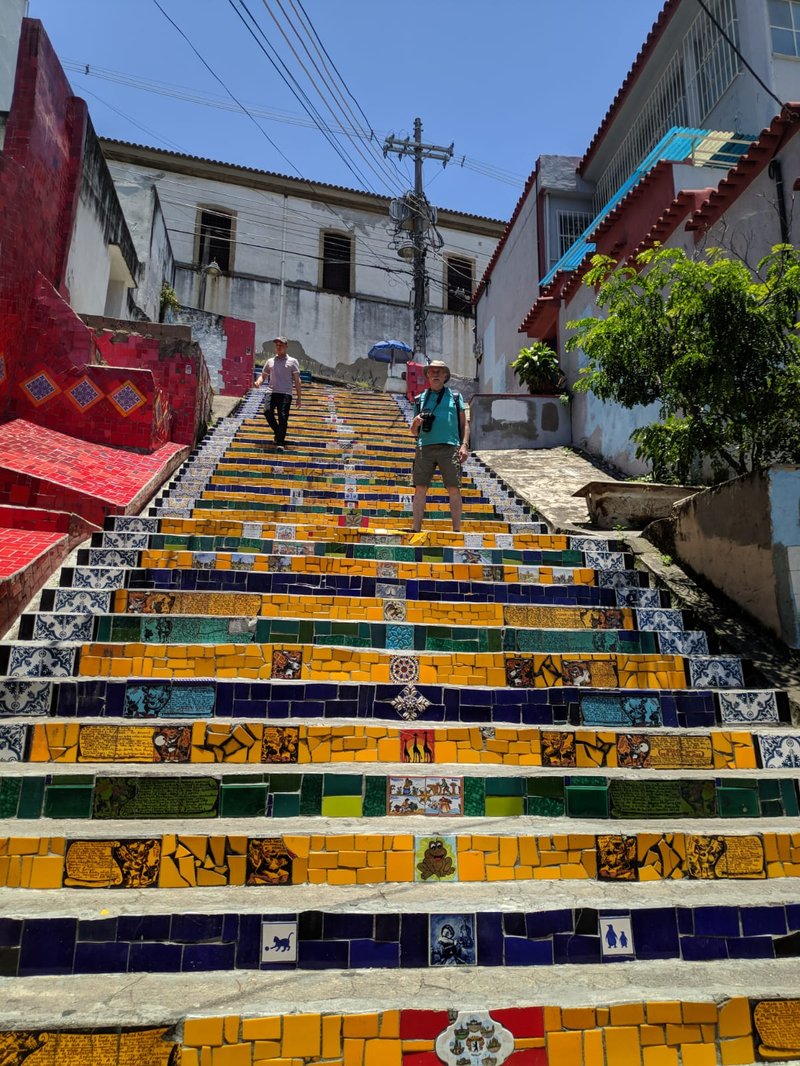
Chilean artist Jorge Selarón tiled a crumbling Lapa staircase from the mid-1990s until his death, covering 215 steps with tile fragments collected from more than 60 countries. He called it his gift to the Brazilian people and never stopped adding to it.
🚶 5 min · 🚕 2 min → Parque das Ruínas
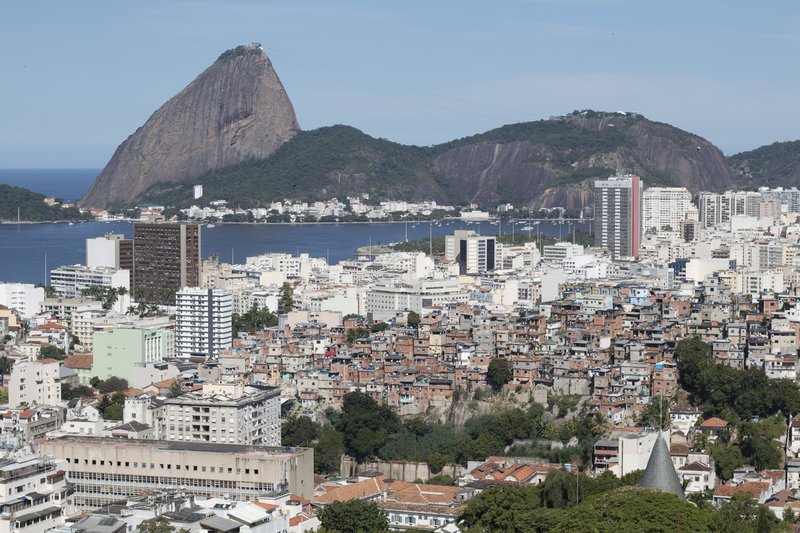
A 19th-century mansion's skeletal iron frame and crumbling walls preserved on a Santa Teresa hilltop. The terrace overlooks Guanabara Bay, downtown skyscrapers, Maracanã, and Christ the Redeemer all at once — one of the finest panoramas in the city.
🏛️ Tuesday - Sunday 10:00am - 5:00pm
🚫 Closed Monday
⏰ ~45 min
🚕 8 min → Museu do Amanhã
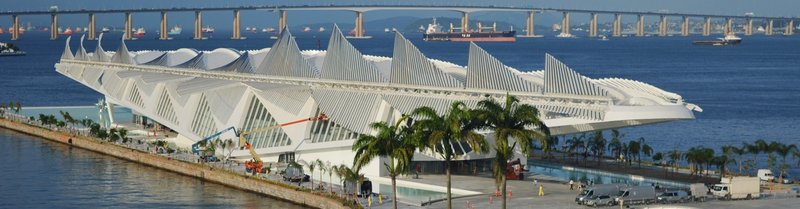
Santiago Calatrava's science museum extends over Guanabara Bay like a white skeletal wing, its solar fins tracking the sun. Five chapters — Cosmos, Earth, Anthropocene, Tomorrow, Us — use real-time data and interactives to put the future of civilisation in your hands.
🏛️ Tuesday - Sunday 10:00am - 5:00pm
🚫 Closed Monday
⏰ ~2 hr
🚕 20 min → hotel
From Hotel: 🚕 18 min → Sugarloaf Mountain
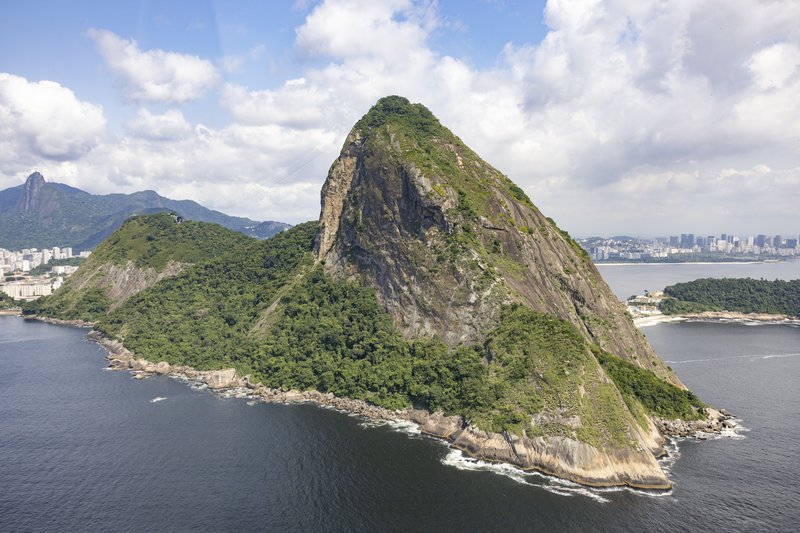
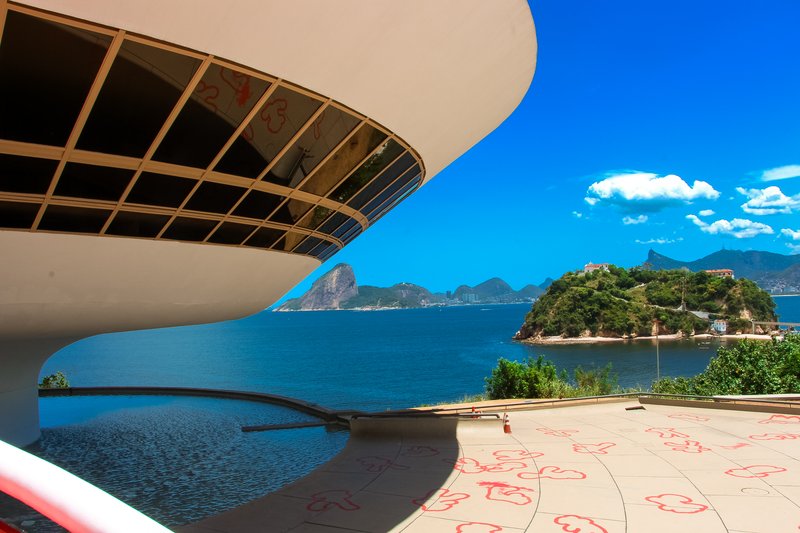
Two cable cars — first to Morro da Urca, then to the 396-metre granite summit — deliver the view that makes Rio's layout comprehensible: the bay behind Niterói, the arc of Copacabana, Christ in the green hinterland, and the Atlantic beyond. Cable cars have run here since the early 20th century.
🏛️ Daily 8:00am - 9:00pm
⏰ ~2 hr
🚶 15 min · 🚕 5 min → Cascatinha Taunay — Tijuca National Park
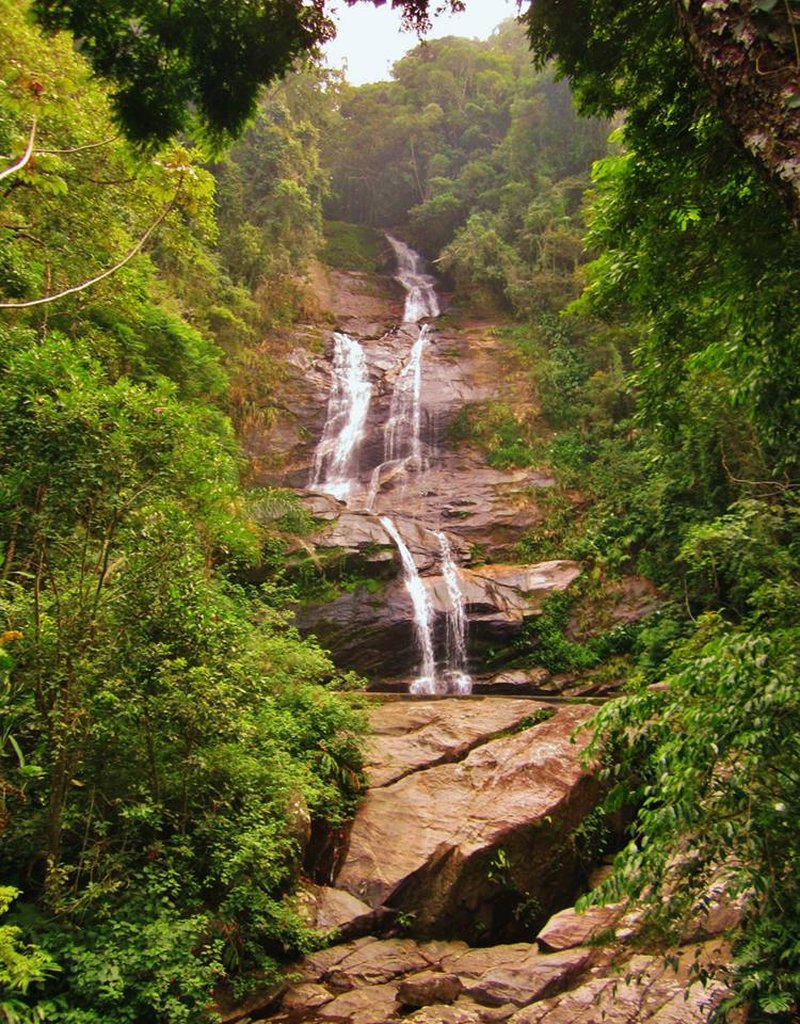
A 35-metre waterfall inside Tijuca National Park — the world's largest urban forest, 3,200 hectares entirely within Rio's city limits. The trail passes giant ferns, bromeliads, and marmosets. It is extraordinary to be this deep inside living Atlantic Forest ten minutes from Copacabana.
🏛️ Daily 8:00am - 5:00pm
⏰ ~1 hr 15 min
🚕 20 min → hotel
From Hotel: 🚕 20 min → Parque Lage
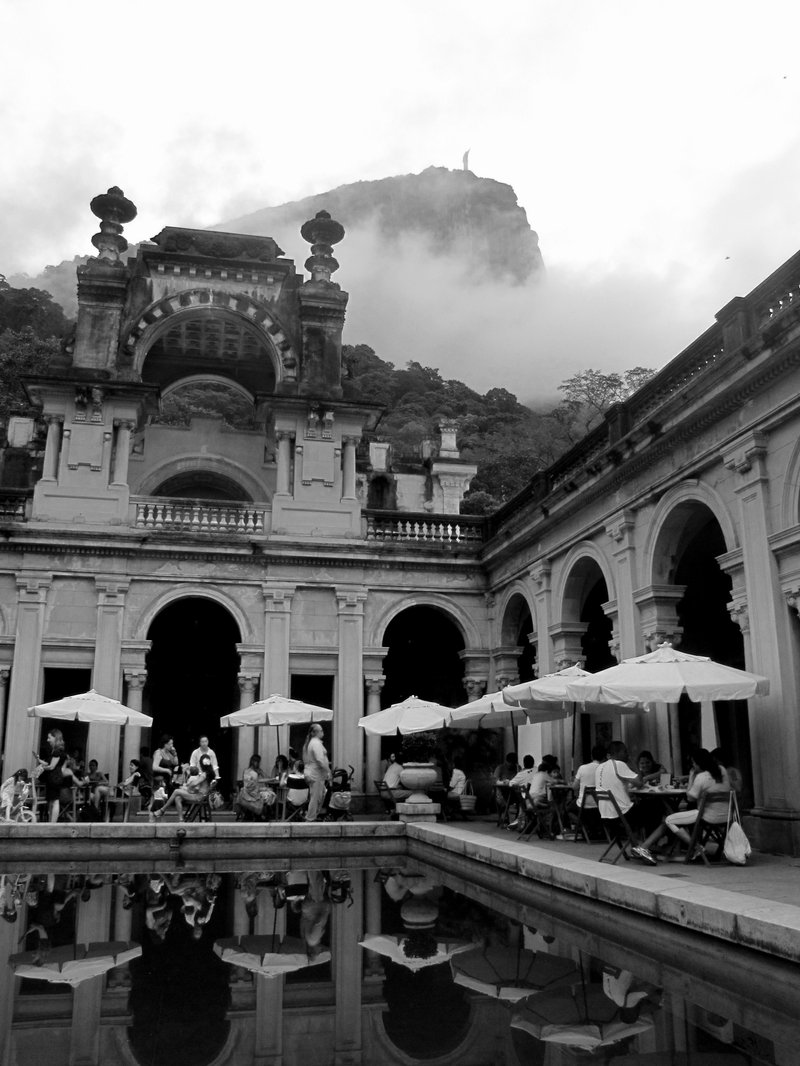
An Italian Renaissance palace built by an industrialist for the soprano he loved, set against Atlantic Forest rising straight into Corcovado. From the arched central courtyard you can look up through the canopy and see Christ's back directly above. Now a public park housing Rio's School of Visual Arts.
🏛️ Daily 9:00am - 5:00pm
⏰ ~45 min
🚶 19 min · 🚕 5 min → Jardim Botânico
A garden founded for spice acclimatisation that became one of the world's great botanical parks. The 750-metre allee of 134 Imperial Palms forms a colonnade that shadows every photograph of Rio's green interior. Beyond it: a Japanese Garden, Victoria amazonica lilies, and 6,500 Atlantic Forest species.
🏛️ Monday 12:00pm - 5:00pm · Tuesday - Sunday 8:00am - 5:00pm
⏰ ~1 hr 30 min
🚕 11 min → Forte de Copacabana
Built at the southern tip of Copacabana Beach with 360-degree views of the Atlantic and Guanabara Bay. Its museum documents the Revolta dos 18 do Forte, when eighteen officers marched against government troops on this beach in one of Brazil's defining modern political moments.
🏛️ Tuesday - Sunday 10:00am - 7:00pm
🚫 Closed Monday
⏰ ~1 hr 15 min
🚶 15 min · 🚕 5 min → Royal Portuguese Cabinet of Reading
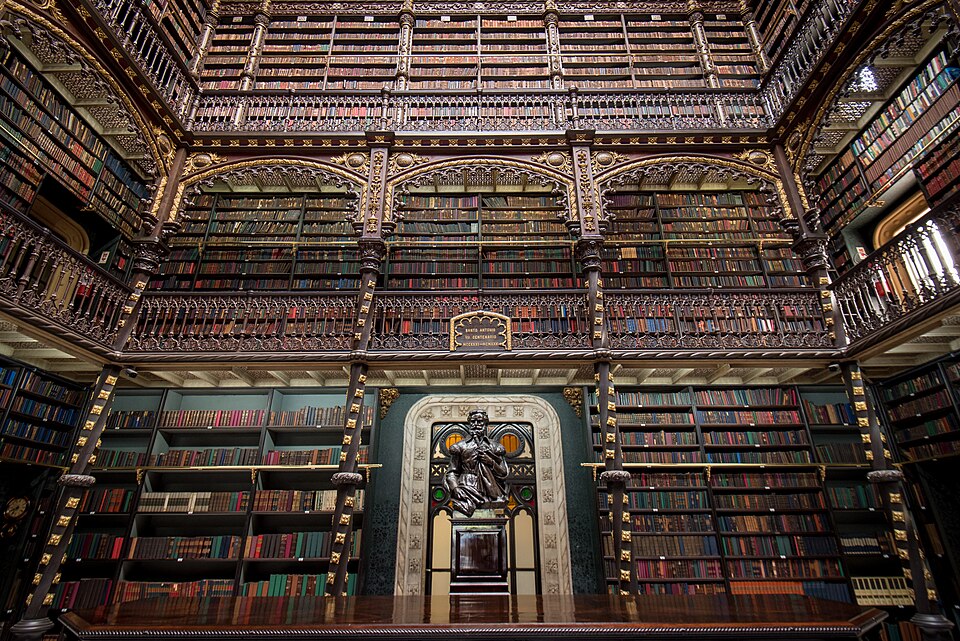
Founded in 1837 by Portuguese immigrants, this Neo-Manueline library holds the largest collection of Portuguese-language works outside Portugal. The interior — a four-storey iron gallery topped by a stained-glass skylight — was ranked by Time among the world's four most beautiful libraries.
🏛️ Monday - Friday 9:00am - 6:00pm · Saturday 9:00am - 1:00pm
🚫 Closed Sunday
⏰ ~45 min
Free
🚶 15 min · 🚕 5 min → Theatro Municipal
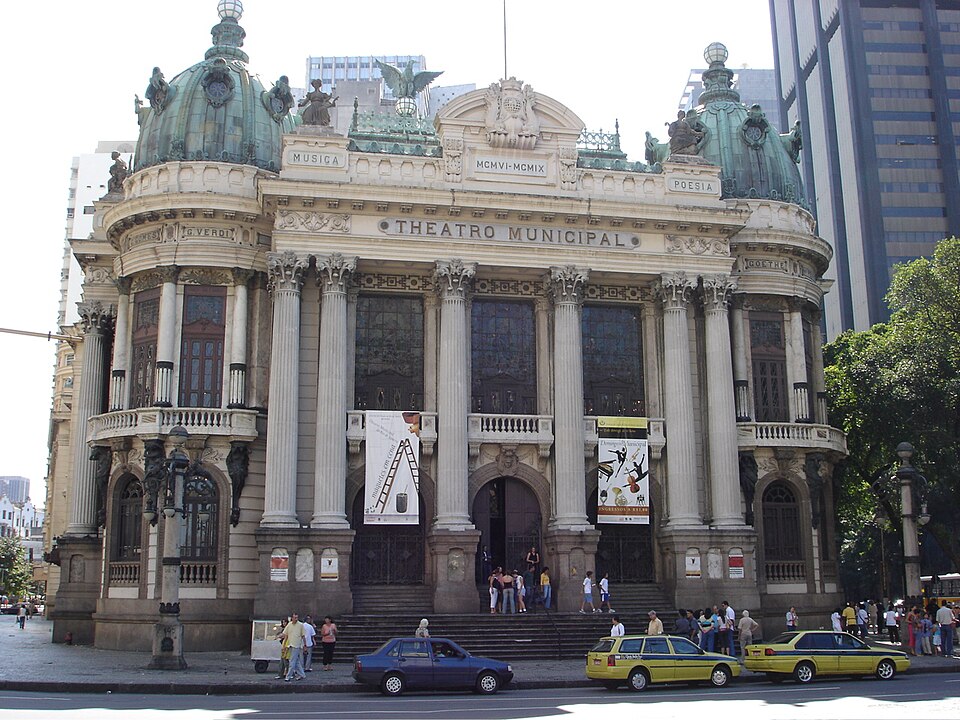
Rio's 1909 Beaux-Arts opera house, modelled on the Paris Opéra Garnier, was built on 1,180 wooden piles driven into the groundwater. The gilded interior holds the main auditorium, a Assyrian Room, and a Salão Nobre decorated with works by Henrique Bernardelli. Guided tours run weekdays and Saturday afternoons.
🏛️ Monday - Friday 1:00pm - 5:00pm · Saturday 1:00pm - 4:00pm
🚫 Closed Sunday
⏰ ~1 hr
🚶 15 min · 🚕 5 min → National Historical Museum
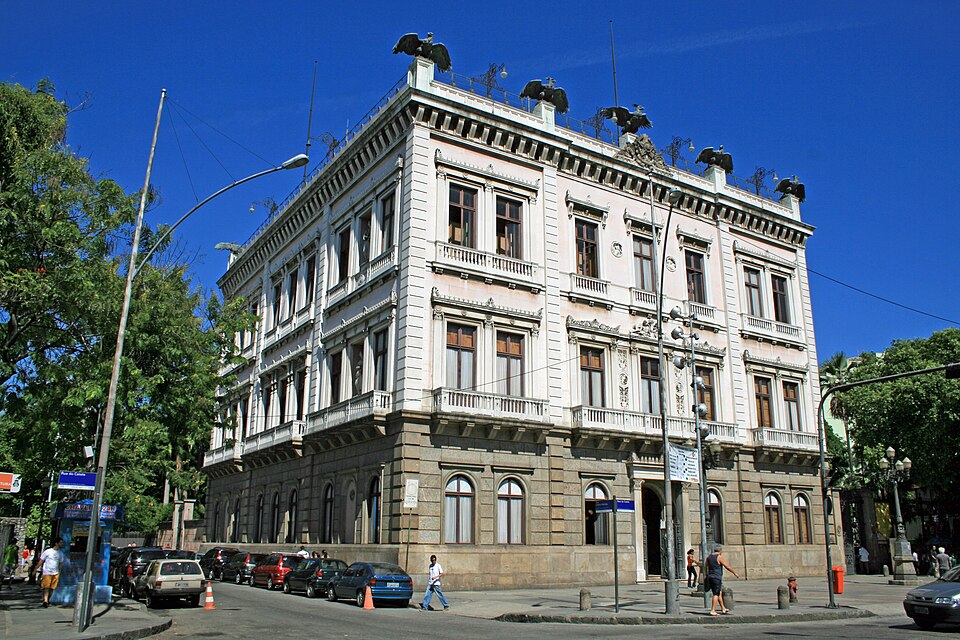
Over 287,000 artifacts trace Brazilian history from 1603 to the present, housed in a fort complex whose first walls date to 1567. Highlights include the largest numismatic collection in Latin America, Dom Pedro I's coronation regalia, and the courtyard cannons of the original São Tiago fort.
🏛️ Tuesday - Friday 10:00am - 5:30pm · Saturday - Sunday 2:00pm - 6:00pm
🚫 Closed Monday
⏰ ~1 hr 30 min
🚕 20 min → hotel
From Hotel: 🚶 15 min · 🚕 5 min → Cristo Redentor
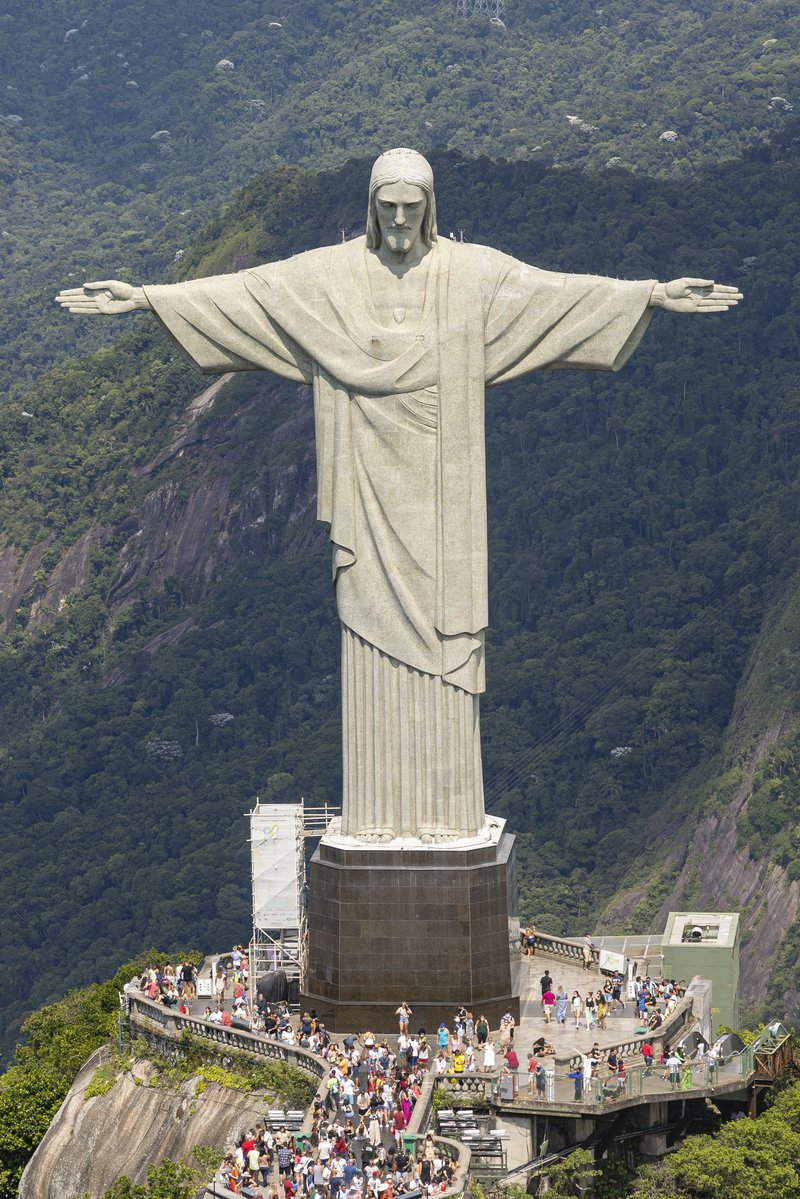
The Art Deco Christ stands with arms wide on the 709-metre summit of Corcovado — one of the most recognised monuments on earth. The view from the base, with all of Rio spread below in every direction, matches every expectation. Take the cog railway from Cosme Velho; it climbs through Atlantic Forest the whole way.
🏛️ Daily 8:00am - 7:00pm
⏰ ~1 hr 30 min
🚶 15 min · 🚕 5 min → Praia de Ipanema
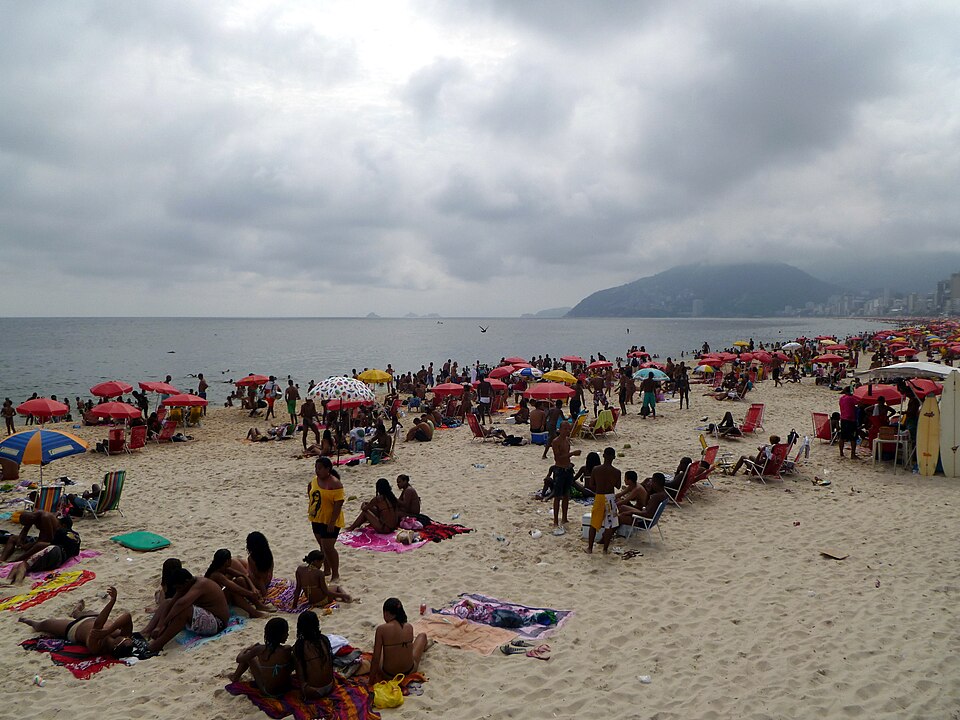
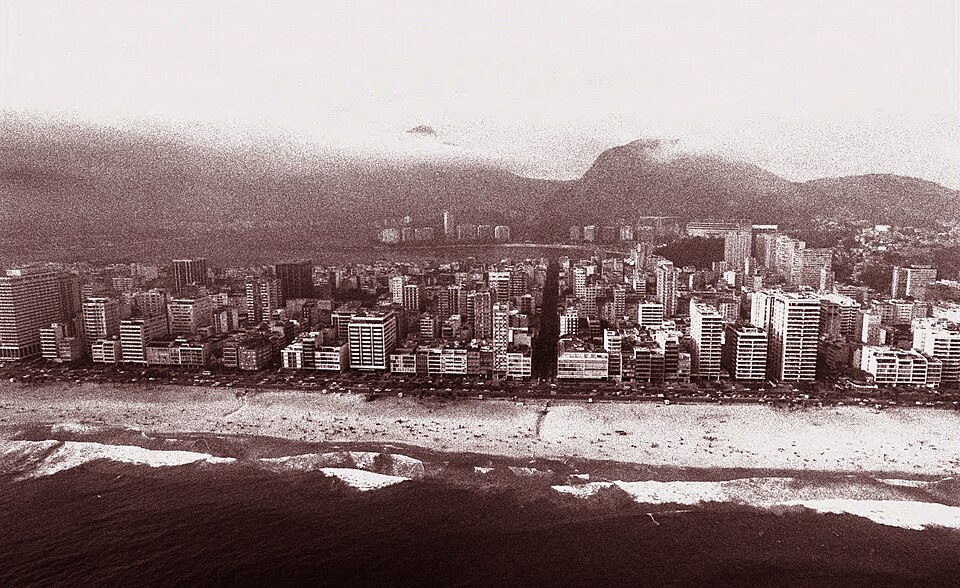
The arc of Ipanema stretches from the Arpoador rock west toward Leblon, backed by the twin peaks of Dois Irmãos. Each section of the beach has its own character — Post 9 draws families, Post 8 LGBTQ+ crowds, and the far end athletic groups. Mornings are the locals' hour before vendors and visitors arrive.
🚶 15 min · 🚕 5 min → Rodrigo de Freitas Lagoon
An 8.2km circuit of cycle path and promenade rings the lagoon, with kiosk restaurants at each cardinal point. The water hosted rowing and sprint canoeing at the 2016 Olympics. Pedal boats and canoes are available for rent; the views back to Cristo Redentor and the Dois Irmãos peaks are among the best in the city.
🏛️ Open 24/7
⏰ ~1 hr 30 min
🚶 15 min · 🚕 5 min → Instituto Moreira Salles
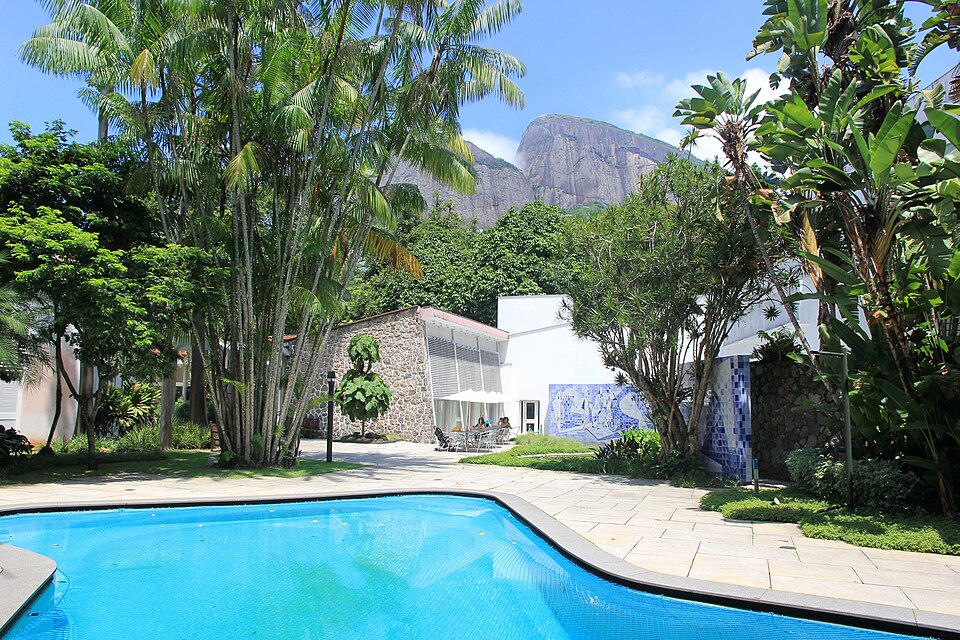
Brazil's foremost photography and cultural institute occupies a 1951 modernist residence designed by Olavo Redig de Campos, with a tropical garden by Roberto Burle Marx. The archive holds over 700,000 historical photographs and rotating exhibitions drawn from the collection of the Moreira Salles banking family.
🏛️ Tuesday - Sunday 10:00am - 6:00pm
🚫 Closed Monday
⏰ ~1 hr 30 min
🚕 20 min → hotel
From Hotel: 🚕 30 min → Tijuca National Park
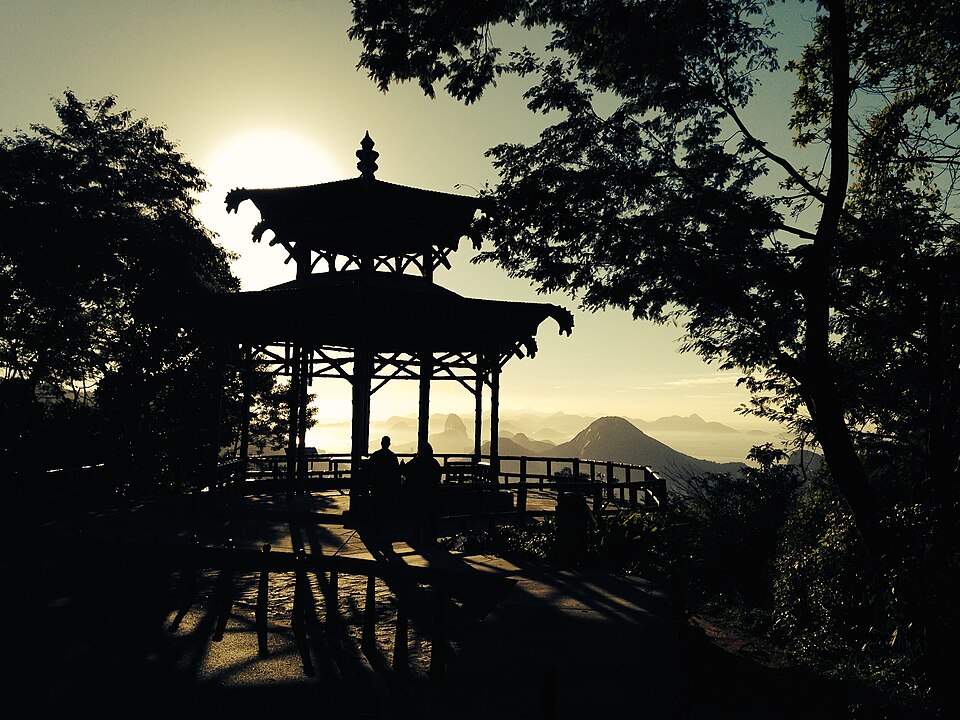
The world's largest urban rainforest covers 3,953 hectares above Rio. Over 40km of trails lead to waterfalls, granite peaks, and the Vista Chinesa — a pagoda viewpoint over the city's beaches and the Lagoa. Coffee farming stripped the hillside bare in the 18th century; the forest was replanted in the 19th.
🏛️ Daily 8:00am - 5:00pm
⏰ ~3 hr
🚕 20 min → Museu do Índio
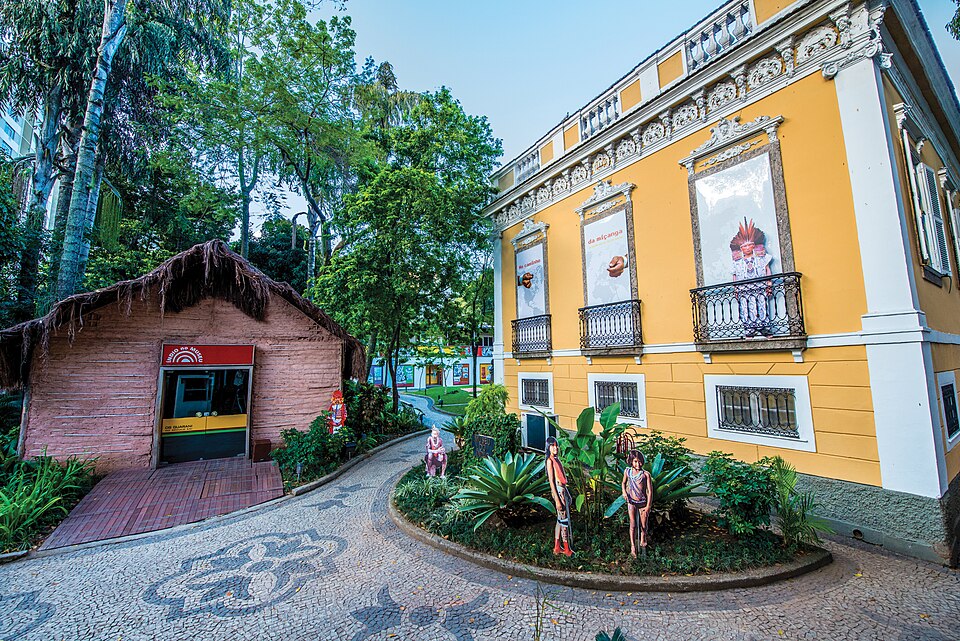
Created by Darcy Ribeiro in 1953 and moved in 1978 to an 1880s mansion in Botafogo, this is Brazil's only national institution exclusively dedicated to indigenous peoples. Its 14,000 artifacts cover ceramics, textiles, ritual objects, and archives representing most of Brazil's present-day indigenous societies.
🏛️ Tuesday - Friday 9:00am - 5:30pm · Saturday - Sunday 1:00pm - 5:00pm
🚫 Closed Monday
⏰ ~1 hr
🚶 8 min · 🚕 4 min → Catete Palace
Brazil's presidential palace from 1897 to 1960 is now the Museu da República. Fourteen presidents lived here; on 24 August 1954 Getúlio Vargas shot himself in the bedroom — the bullet hole, blood-stained pyjamas, and farewell letter remain on display. The garden with its pond and exotic trees is free to enter.
🏛️ Tuesday - Friday 12:00pm - 6:00pm · Saturday - Sunday 2:00pm - 6:00pm
🚫 Closed Monday
⏰ ~1 hr 30 min
🚕 12 min → hotel
🌊 Rio as Geology
The shape of this city is stranger than it looks. Rio was built in the spaces that granite would not let anything else be built — in the narrow valley floors between peaks that rise straight from the sea, on the thin coastal plain between mountains and Atlantic. Copacabana was not accessible from the rest of the city until a tunnel was blasted through the coastal rock at the end of the 19th century. The geography that makes this place so photogenic is exactly the geography that made it so difficult to build.
Selarón died on the stairs he spent over two decades tiling. He was found in January, on the steps he had declared his gift to the Brazilian people, surrounded by tile fragments collected from dozens of countries. The cause was never conclusively determined. He had told interviewers that he would only stop working on the staircase when he died. This turned out to be literally accurate.