SANTIAGO
The Singular Santiago
Chile
From Hotel: 🚶 5 min · 🚕 2 min → Museo de la Memoria y los Derechos Humanos
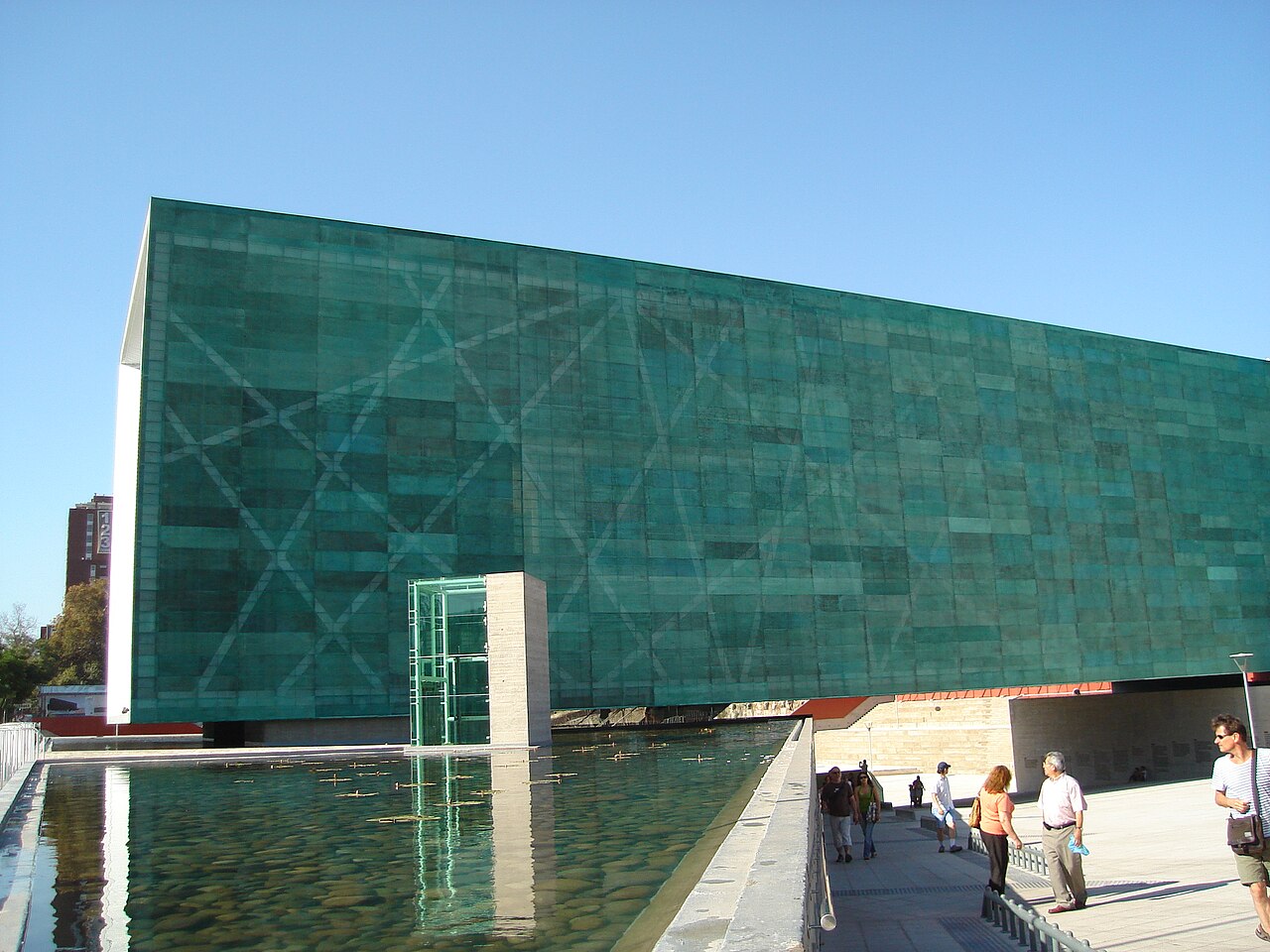
Chile's foremost contemporary memorial — a striking glass-and-concrete cube designed by Brazilian firm Estudio América, opened in 2010 by President Bachelet. Photographs, testimony, and artifacts document the victims of Pinochet's dictatorship. Victor Jara's last poem spans the entrance wall.
🏛️ Tuesday - Sunday 10:00am - 6:00pm
🚫 Closed Monday
⏰ ~1 hr 30 min
Free
🚶 1 min · 🚕 2 min → Parque Quinta Normal
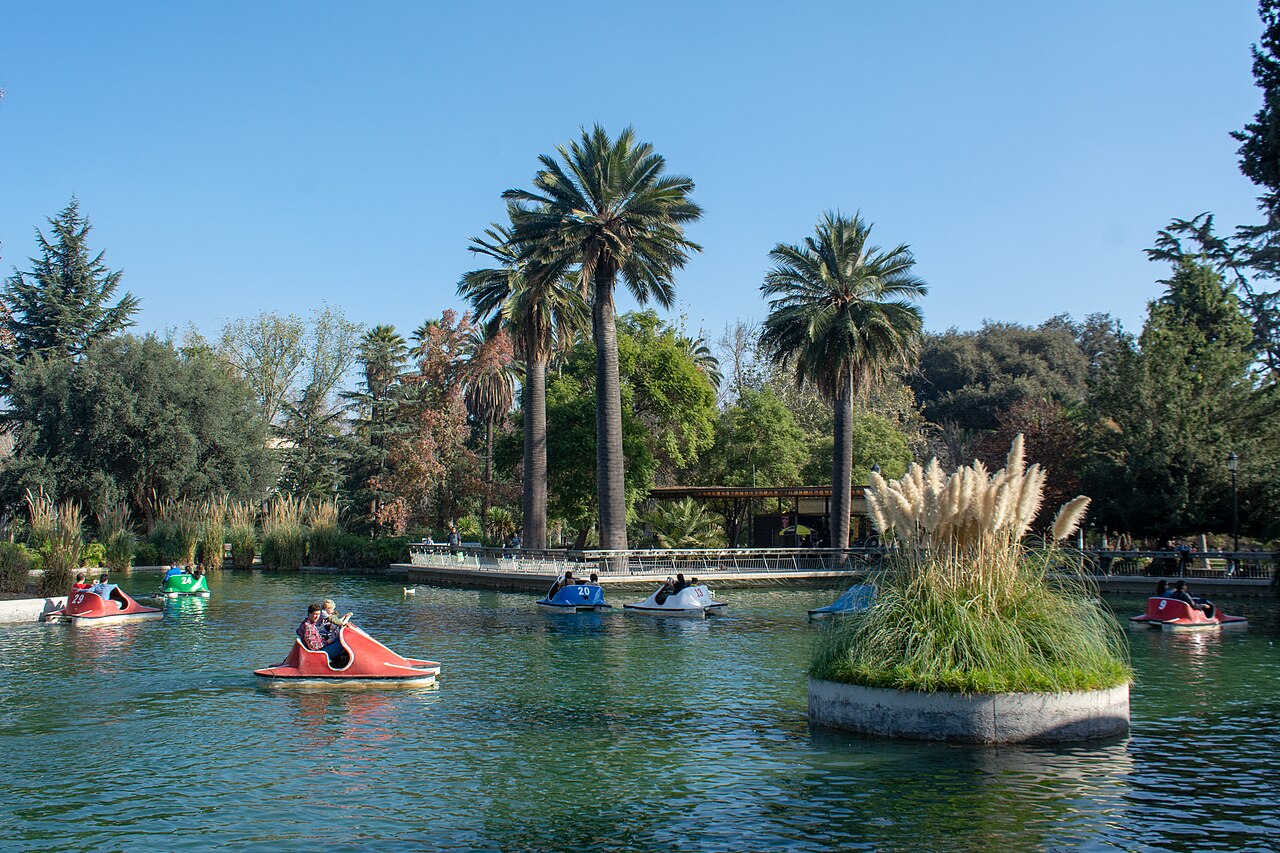
A 35-hectare urban park founded in 1841 to acclimatize exotic plant species — now a palm-lined refuge home to four museums, a central lagoon with pedal boats, and old-growth trees planted in the 19th century.
🏛️ Tuesday - Sunday 7:00am - 8:30pm
🚫 Closed Monday
⏰ ~45 min
🚕 94h 42min → Plaza de Armas
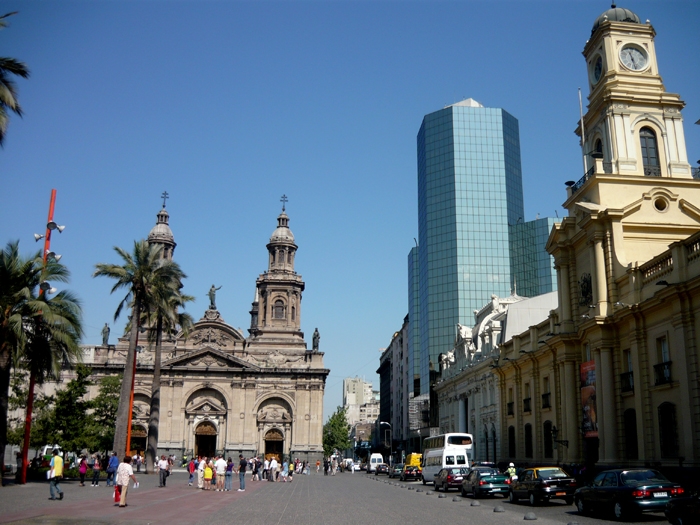
The founding square laid out in 1541 by Pedro de Valdivia — the original Spanish colonial grid radiates from here. Flanked by the Metropolitan Cathedral, the Central Post Office, and the former Royal Court housing the National Historical Museum. Busy at every hour with chess players and street performers.
🚶 20 min · 🚕 7 min → hotel
From Hotel: 🚶 12 min · 🚕 5 min → La Moneda
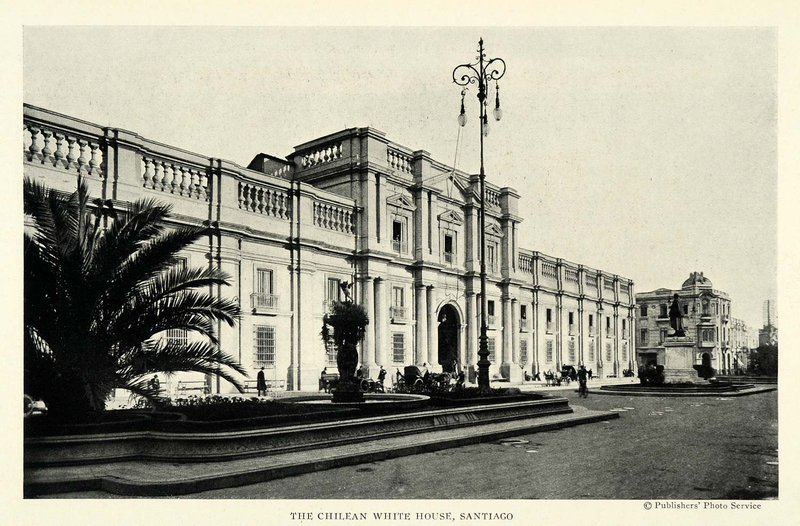
Chile's seat of government — a neoclassical masterpiece by Joaquín Toesca completed in 1805, originally the colonial mint. Bombed by the Air Force during the 1973 coup. Visitors walk the exterior courtyards and the underground Plaza de la Ciudadanía which hosts rotating exhibitions.
🏛️ Monday - Friday 9:00am - 5:00pm
🚫 Closed Saturday & Sunday
⏰ ~45 min
Free
🚕 211h 1min → Palacio Cousiño
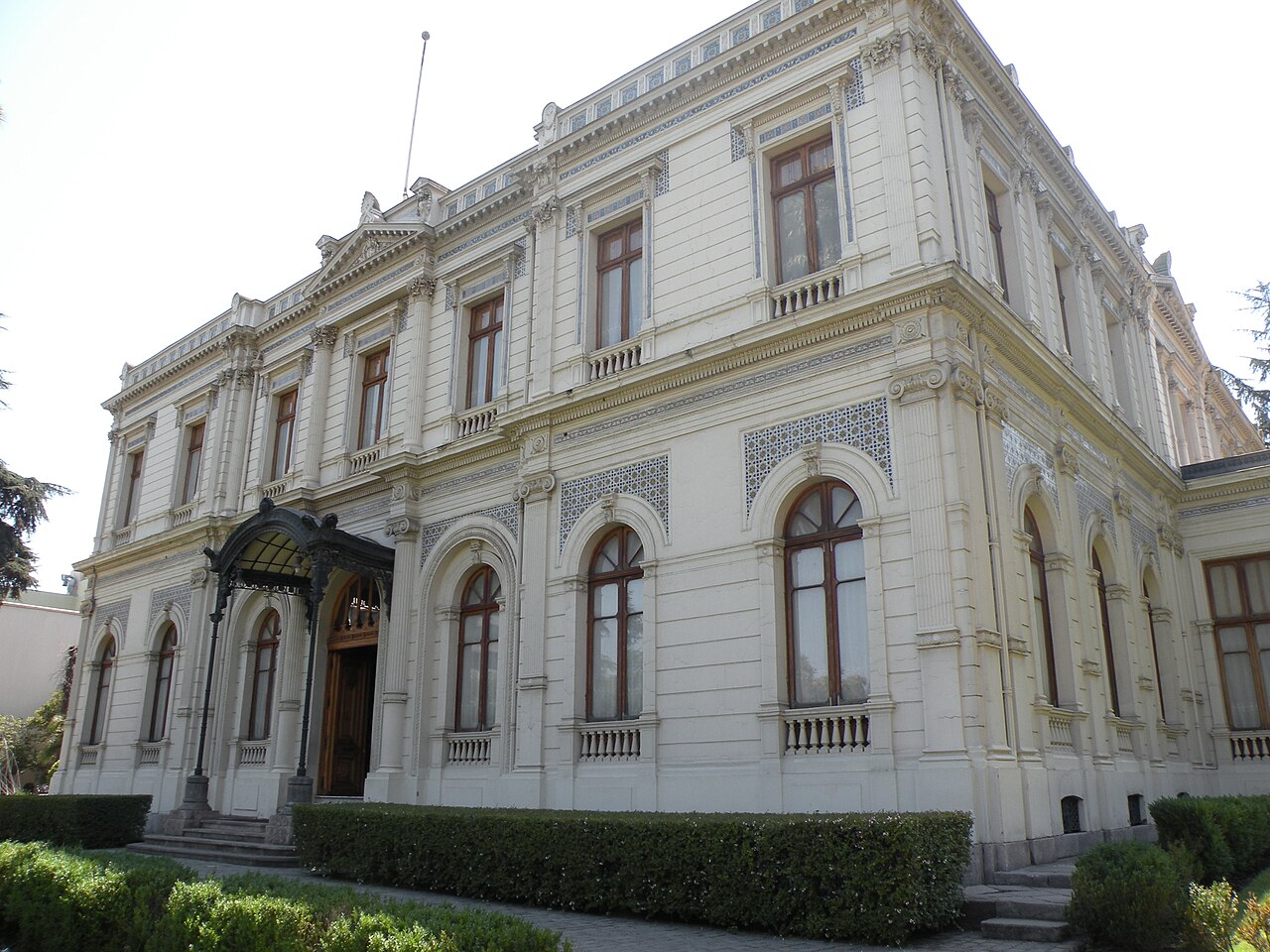
The last intact 19th-century aristocratic palace in Santiago, built in 1878 for the widow of mining magnate Luis Cousiño. French Second Empire design by Paul Lathoud; the interior retains original Baccarat crystal chandeliers, silk wallpapers, and furniture shipped from France. Guided tours in Spanish and English.
🏛️ Monday - Friday 9:30am - 1:30pm · 2:30pm - 5:00pm · Saturday - Sunday 9:30am - 1:30pm
⏰ ~1 hr
🚶 20 min · 🚕 8 min → hotel
From Hotel: 🚶 20 min · 🚕 8 min → La Chascona
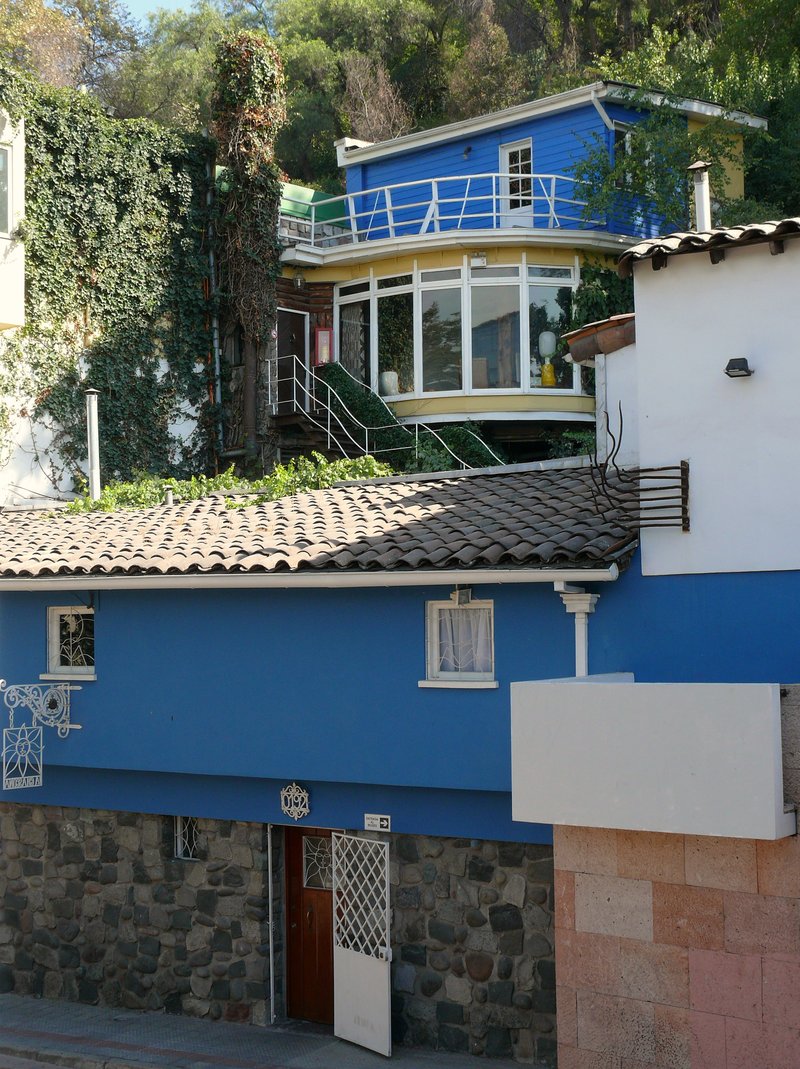
The most visited of Pablo Neruda's three Chilean homes, named for the tangled hair of his muse Matilde Urrutia. This Bellavista labyrinth cascades down a hillside packed with Neruda's eccentric collections: ships' figureheads, butterfly specimens, European bar furniture, and the Nobel Prize medal.
🏛️ Tuesday - Sunday 10:00am - 6:00pm
🚫 Closed Monday
⏰ ~1 hr 30 min
🚕 1h 46min → Sky Costanera
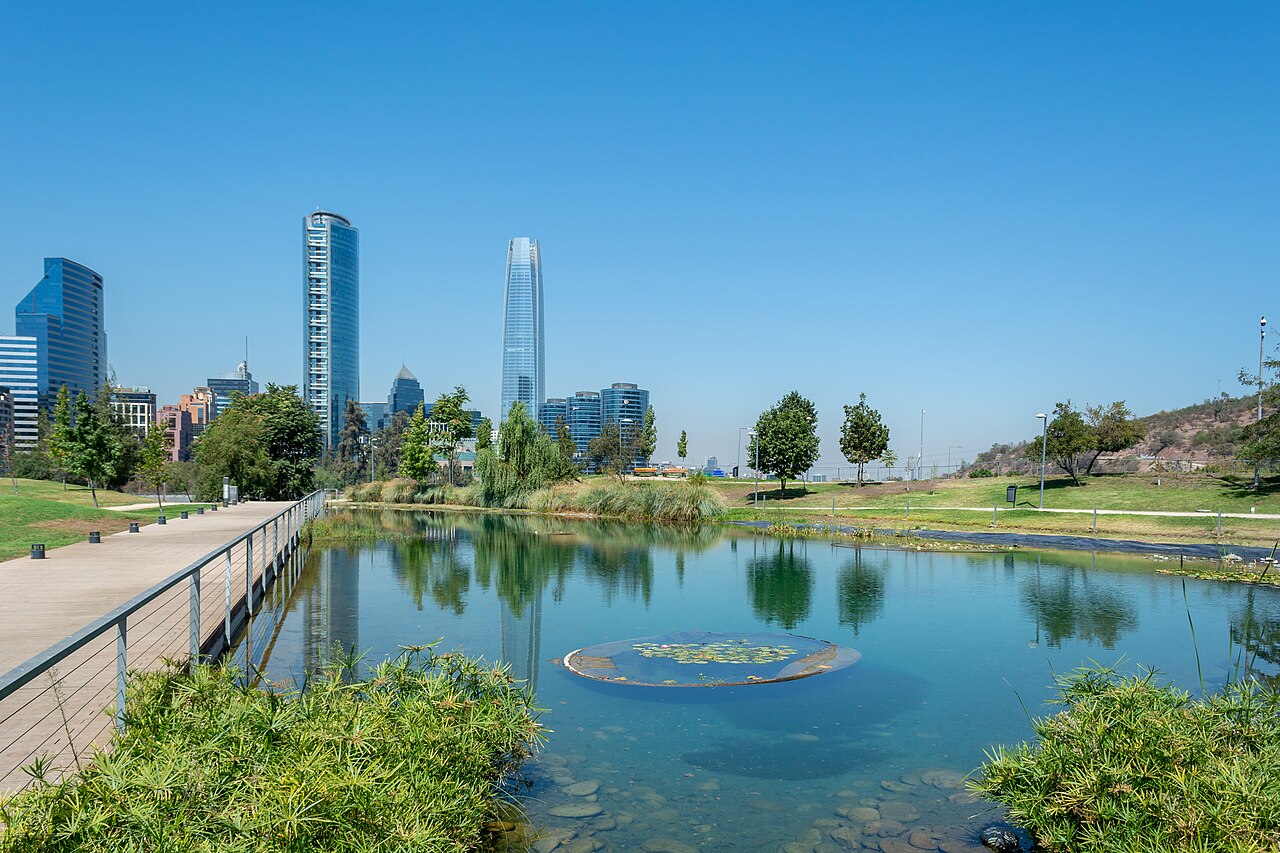
Latin America's tallest building — the 300 m Gran Torre — opens its 61st and 62nd floor observation decks to the public. On a clear day the 360-degree view stretches from the Pacific coast 100 km west to the Aconcagua massif in the Andes with the full sweep of the city below.
🏛️ Daily 10:00am - 9:00pm
⏰ ~1 hr 30 min
🚕 30h 46min → Estación Mapocho
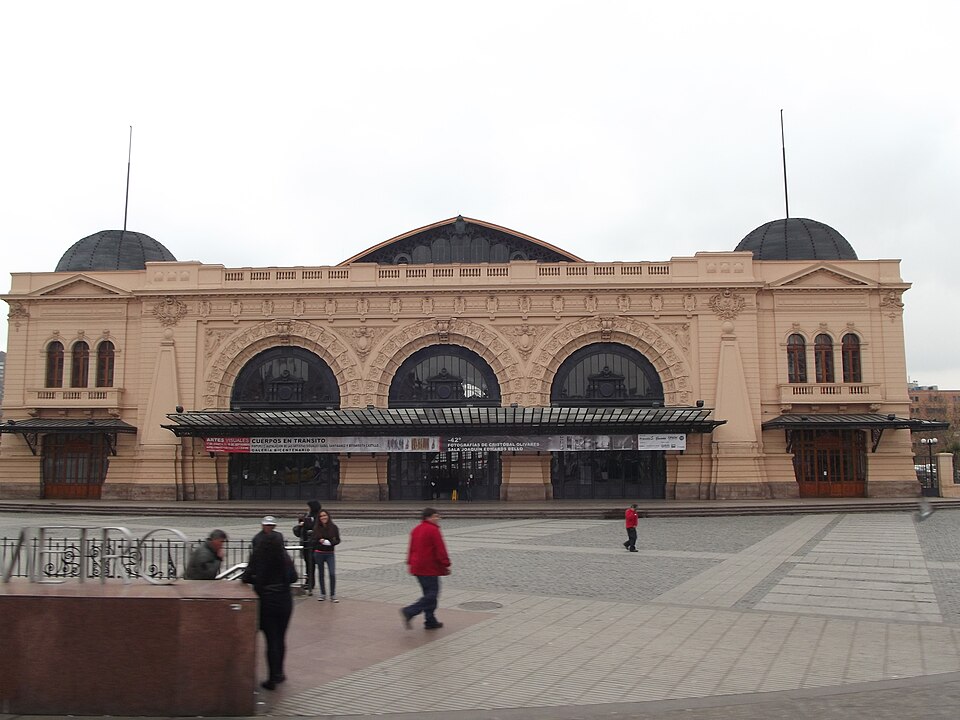
Built in 1912 by architect Emilio Jecquier — the same architect as the Bellas Artes museum — this iron-and-glass station served passengers until 1987. Today one of Chile's finest cultural venues: its soaring vaulted interior flooded with light through ornate iron trusses is unmissable even without an event on.
🏛️ Daily 9:00am - 8:00pm
⏰ ~45 min
Free
🚶 35 min · 🚕 20 min → hotel
From Hotel: 🚶 37 min · 🚕 11 min → Museo Nacional de Bellas Artes
Chile's national fine art museum in a stunning Beaux-Arts building designed for the 1910 centenary. The largest glazed dome in South America floods the central hall with light. Permanent collection spans Chilean painting from the 18th century alongside European works — all free.
🏛️ Tuesday - Sunday 10:00am - 6:30pm
🚫 Closed Monday
⏰ ~1 hr 30 min
Free
🚶 8 min · 🚕 2 min → Cerro Santa Lucía
A forested urban hill rising from Lastarria, transformed by Intendant Benjamín Vicuña Mackenna in the 1870s from a barren rock into the city's first public park. Terraced gardens, Neo-Gothic fountains, and a hilltop belvedere with sweeping city views.
🏛️ Daily 9:00am - 7:00pm
⏰ ~1 hr
Free
🚶 9 min · 🚕 2 min → Museo Precolombino
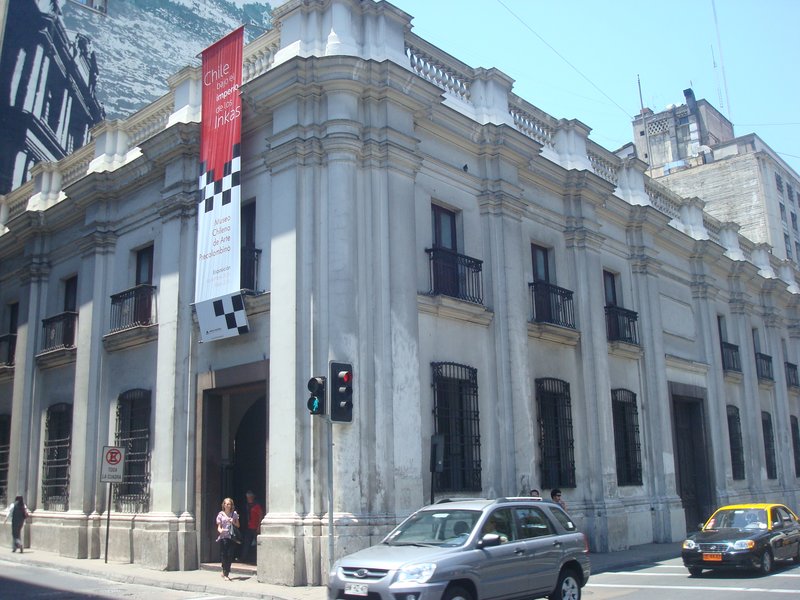
One of the finest pre-Columbian collections in the Americas, housed in a restored 19th-century building originally built as the Royal Custom House. Three floors of ceramics, textiles, goldwork, and sculpture from Mesoamerica, the Andes, and the Southern Cone — the Andean and Amazonian galleries are exceptional.
🏛️ Tuesday - Sunday 10:00am - 6:00pm
🚫 Closed Monday
⏰ ~1 hr 30 min
🚶 21 min · 🚕 5 min → Cerro San Cristóbal
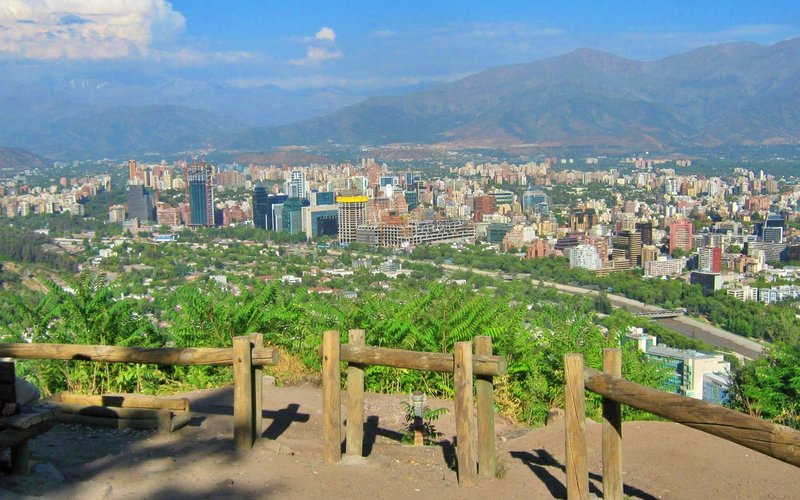
One of the great urban parks of Latin America — Cerro San Cristóbal rises to 880 m with panoramic views across the city to the snow-capped Andes. Ride the 1925 funicular to the summit Virgin Mary statue then glide back down on the cable car over Bellavista rooftops. Parque Metropolitano spans 722 hectares.
🏛️ Monday 1:00pm - 6:45pm · Tuesday - Sunday 10:00am - 6:45pm
⏰ ~2 hr 30 min
🚶 36 min · 🚕 12 min → hotel
From Hotel: 🚶 5 min · 🚕 2 min → Parque Forestal
A 16-hectare riverside park planted with century-old plane trees by architect Georges Dubois in 1900. The Fuente Alemana fountain anchors the central promenade; the park connects Lastarria to the chain of parks running east along the Mapocho to Vitacura.
🚕 20 min → Parque Bicentenario
A 40-hectare riverside park opened in 2007 for Chile's bicentennial, designed by architect Teodoro Fernández around a central lagoon inhabited by black-necked swans. Part of the chain of parks running along the Mapocho from Parque Forestal to Vitacura.
🏛️ Daily 8:00am - 8:00pm
⏰ ~1 hr
🚕 18 min → Cerro Manquehue
Santiago's highest accessible urban summit at 1,635 m — the ridge separating Vitacura from Lo Barnechea. A round-trip hike from the Vía Roja trailhead climbs through native scrub to panoramic views spanning the full city grid, the Mapocho valley, and the snow-capped Andes. No permits required.
🏛️ Open 24/7
⏰ ~2 hr 30 min
🚕 30 min → hotel
🕊️ One Coup, Two Losses
Pablo Neruda died of cancer twelve days after the 1973 coup, but the ransacking of La Chascona happened first, while he was still alive. Soldiers broke in, burned his books, and diverted the property's stream so it flooded the house, leaving the floors under mud. When his widow, Matilde Urrutia, insisted on holding his wake there anyway, mourners had to lay wooden planks over the wreckage just to carry his coffin inside. What was meant to intimidate turned into the opposite: his funeral procession, held in plain sight of soldiers patrolling the streets, became one of the first public protests against the new dictatorship.
On the morning of September 11, 1973, President Salvador Allende gave his final address from inside La Moneda while Air Force jets bombed the building around him. He refused calls to resign or evacuate, telling the country over the last working radio signal that he would pay for his loyalty with his life. Within hours the palace had fallen and Allende was dead — by his own hand, according to an autopsy carried out decades later after his remains were exhumed. The palace visitors walk through today was rebuilt afterward and carries almost no visible trace of that morning.
.jpg)
.jpg)