BEST NATURAL PHENOMENA
Natural events that are genuinely rare
Bioluminescent bays, aurora borealis, volcanic eruptions — natural spectacles with specific windows to see them.
Australia
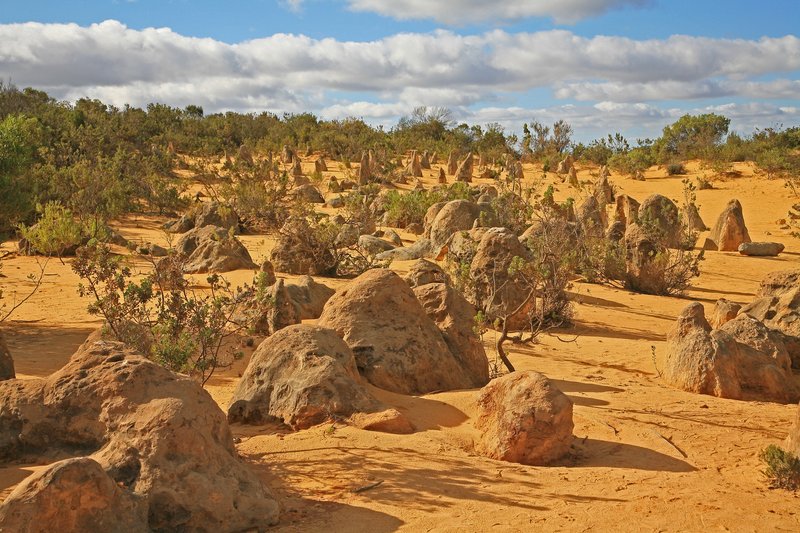
The Pinnacles
Nambung National Park, Western Australia, Australia
Thousands of ancient limestone pillars rising from a stark yellow desert within Nambung National Park, roughly three hours north of Perth. The formations — some reaching five metres — were shaped by wind erosion over millennia and are densest near the coast.
Bolivia
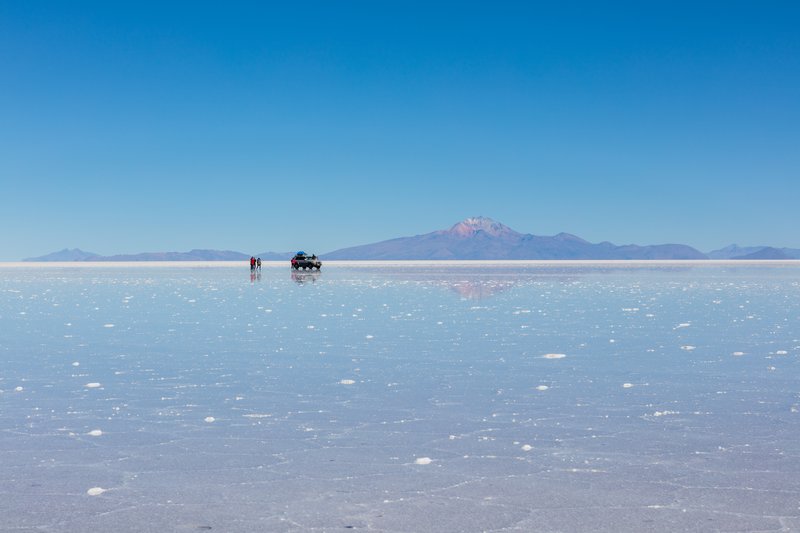
Salar de Uyuni Mirror Effect
Potosí Department, Bolivia
After seasonal rains flood the world's largest salt flat with a thin sheet of water, the surface becomes a near-perfect mirror reflecting the sky. The effect blurs the horizon completely, producing one of the most disorienting and photographed landscapes on the planet.
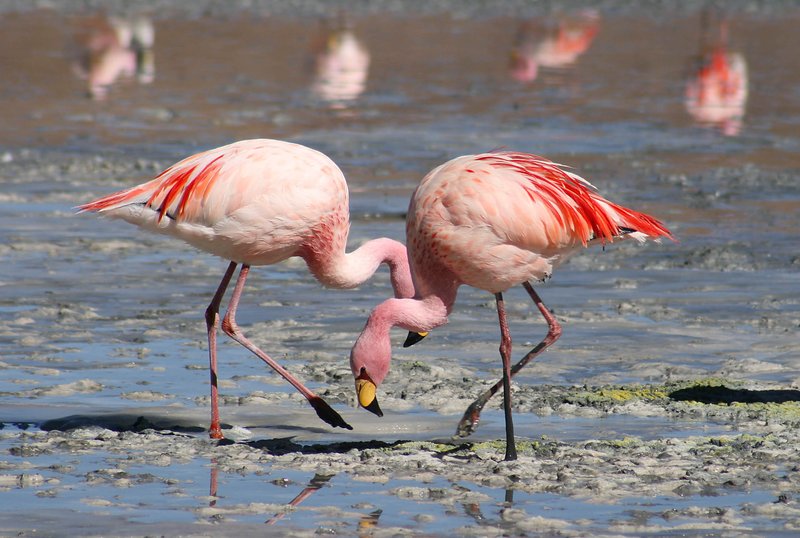
Laguna Colorada
Eduardo Avaroa Reserve, Bolivia
A shallow salt lake high on the Bolivian altiplano that turns brick-red and burgundy from pigmented algae and sediment. Thousands of James's flamingos feed in its waters against a backdrop of white borax islands and surrounding volcanic peaks.
Canada
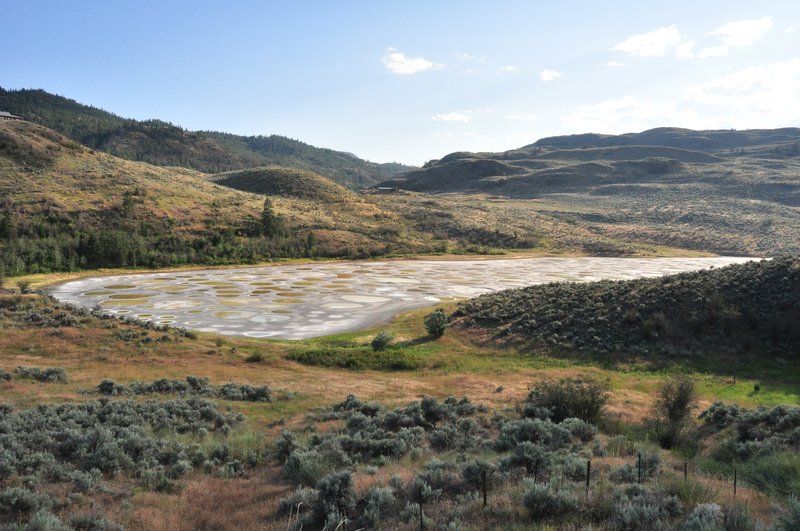
Spotted Lake (Kliluk)
Osoyoos, British Columbia, Canada
In summer, evaporation concentrates the lake's mineral-rich water into hundreds of colourful circular pools — each tinted differently by its mineral composition, ranging from yellow and green to deep blue. The lake holds sacred significance for the Syilx Okanagan people.
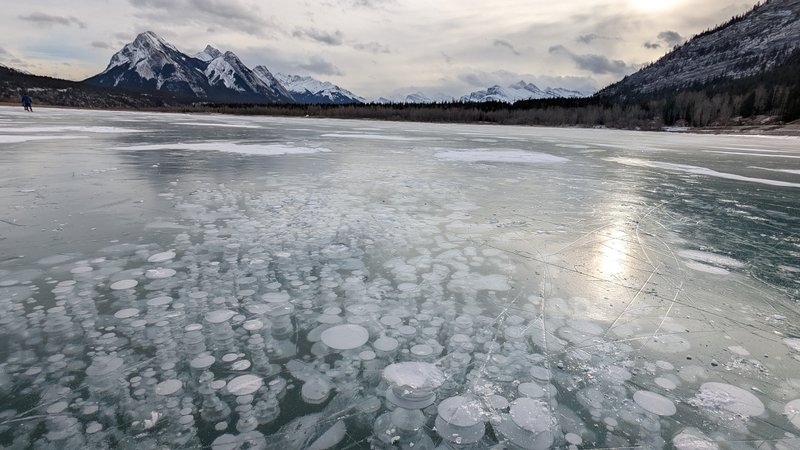
Abraham Lake Frozen Bubbles
Rocky Mountains, Alberta, Canada
In winter, methane gas released by decomposing organic matter on the lake bed freezes into stacked white discs suspended in the clear ice of this Alberta reservoir. The bubbles are flammable — a fact that draws photographers who light them at dawn.
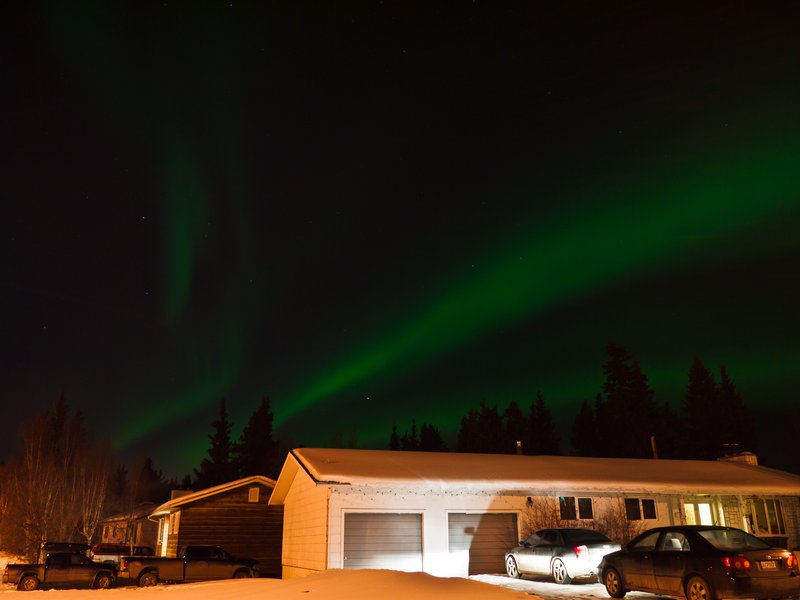
Northern Lights, Yukon
Whitehorse, Yukon, Canada
Whitehorse sits directly beneath the auroral oval, making it one of the most reliable viewing locations in North America for the aurora borealis. The season runs from late August to April, with peak activity around the equinoxes. Clear nights away from town light are common in the surrounding wilderness.
Chile
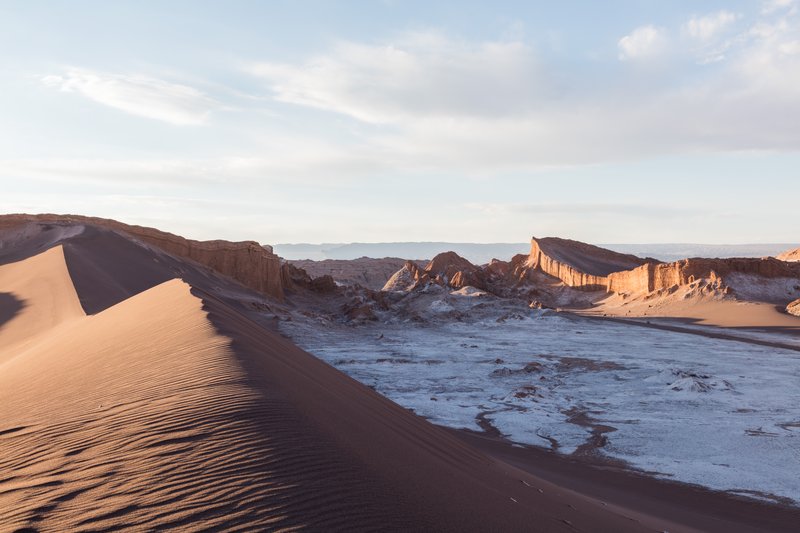
Valle de la Luna
Atacama Desert, Antofagasta, Chile
A barren valley in the Atacama carved by wind and water into dunes, salt formations, and jagged ridges that turn amber and violet at sunset. At roughly 2,500 metres elevation in one of the driest places on Earth, the landscape has an uncanny resemblance to the lunar surface.
China
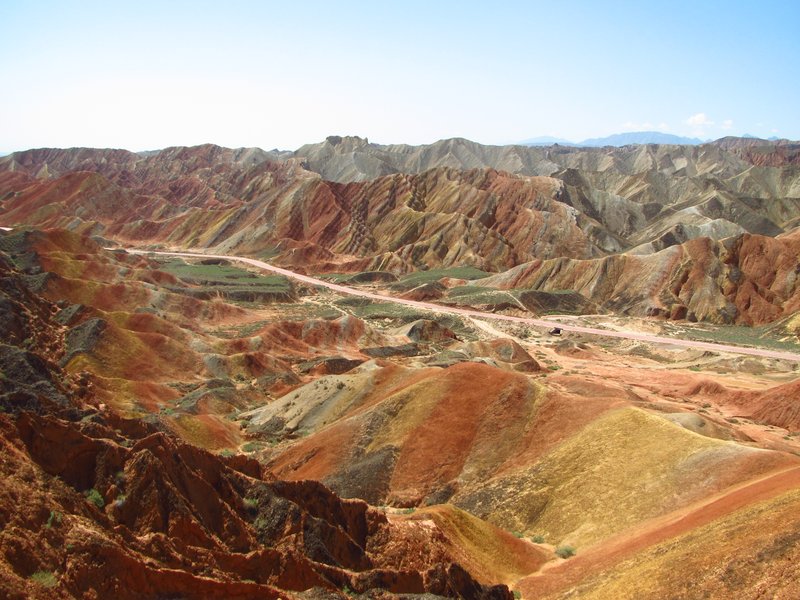
Zhangye Danxia Landform
Zhangye, Gansu, China
Layered sandstone and mineral deposits eroded over millions of years into undulating ridges striped in red, orange, yellow, green, and blue. The colours are most vivid after rain and in the soft light of early morning or late afternoon. Boardwalk platforms allow views across the full extent of the formations.
Iceland
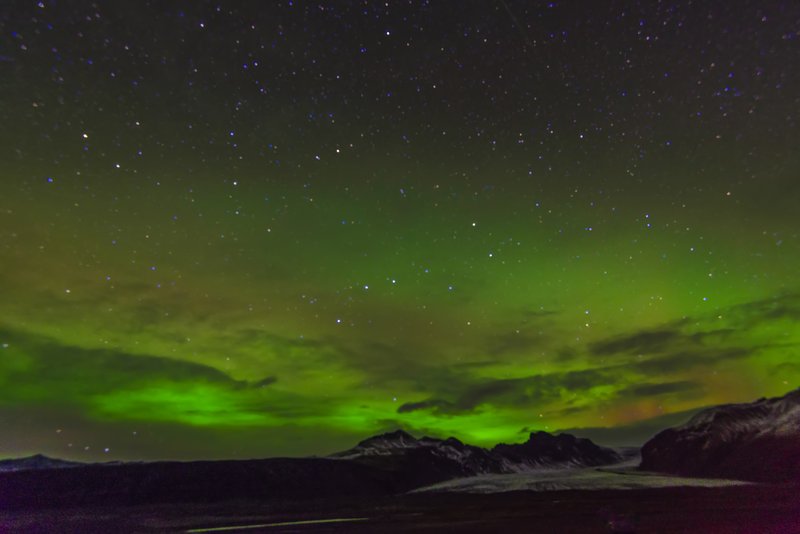
Northern Lights
Iceland
Iceland's position just below the auroral oval, combined with minimal light pollution outside Reykjavik, makes it one of the world's top aurora destinations. The season runs from September to March; the Snæfellsnes Peninsula, Þórsmörk, and Ásbyrgi canyon are among the best vantage points away from city glow.
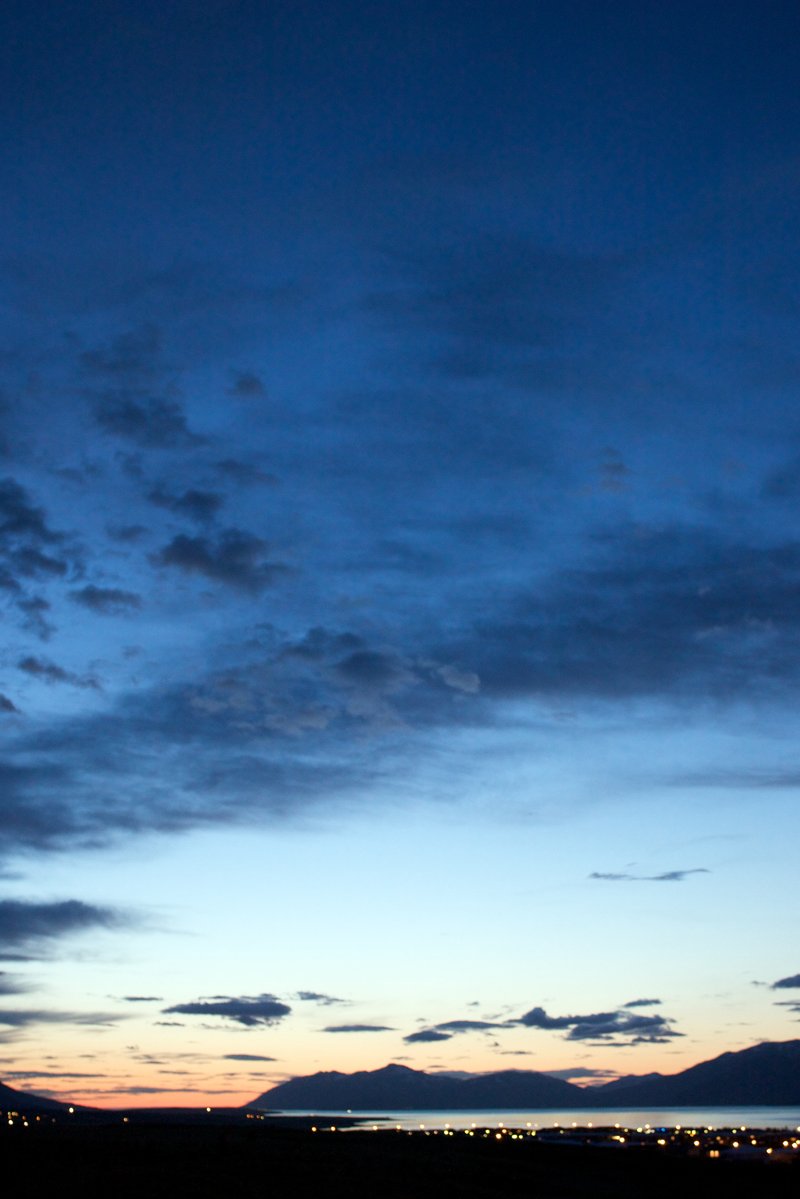
Midnight Sun
Akureyri and the North, Iceland
From late May to mid-July, the sun does not set in northern Iceland, remaining visible at midnight as it dips toward the horizon before rising again. The phenomenon bathes the landscape in a continuous golden light unlike any other time of year.
Indonesia
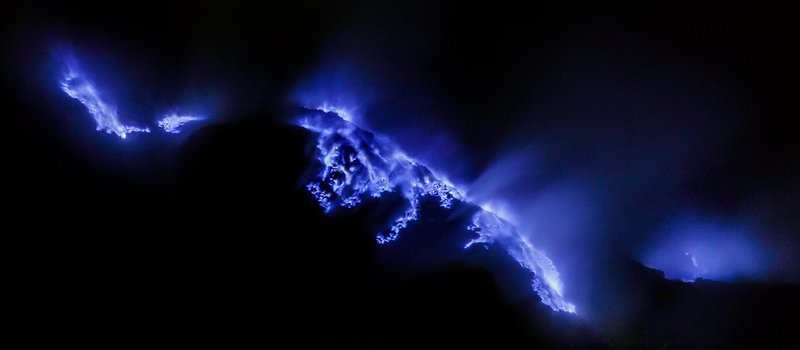
Kawah Ijen Blue Fire
Banyuwangi, East Java, Indonesia
Sulphuric gases escaping through cracks at Kawah Ijen's acidic crater lake ignite on contact with air, producing vivid blue flames visible only in darkness. Hikers descend to the crater before dawn to witness the phenomenon, which is unique among the world's volcanoes at this scale.
Japan
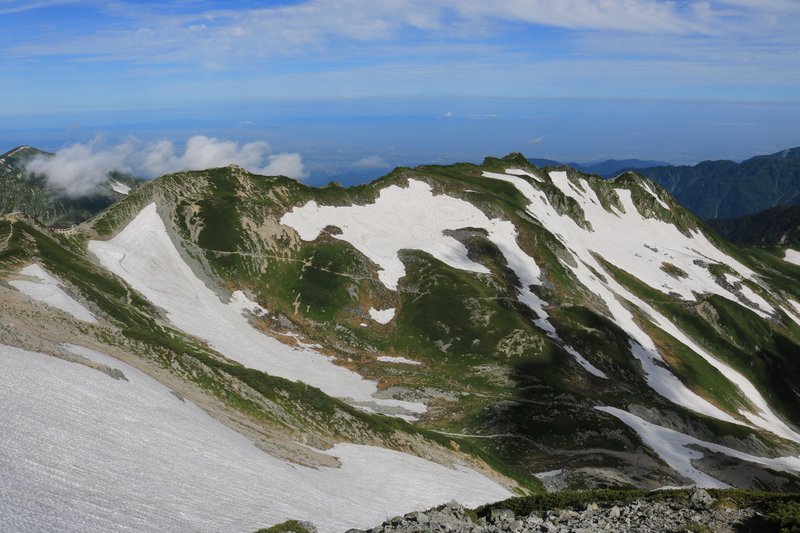
Firefly Squid Bioluminescence
Toyama Bay, Toyama, Japan
Each spring, millions of firefly squid migrate to the shallow waters of Toyama Bay to spawn, lighting the sea blue with bioluminescence. The phenomenon is viewable from boats during organised night tours and is visible from the shore on the clearest nights. Viewing season runs from March to June.
Mexico
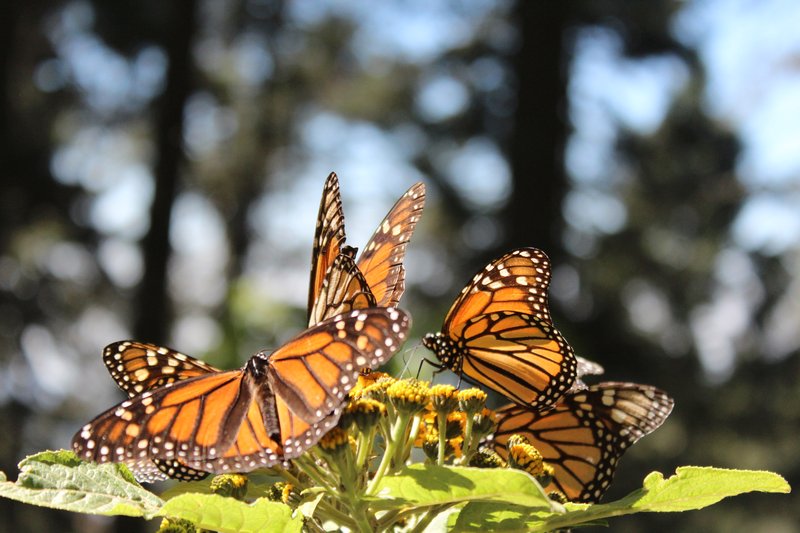
Monarch Butterfly Migration
Monarch Butterfly Biosphere Reserve, Michoacán, Mexico
Each winter, hundreds of millions of monarch butterflies arrive in the oyamel fir forests of central Michoacán after a journey of up to 4,500 km from Canada and the United States. The trees bend under the weight of clustered wings, and the sound of flight is audible at peak congregation. Season runs November to March.
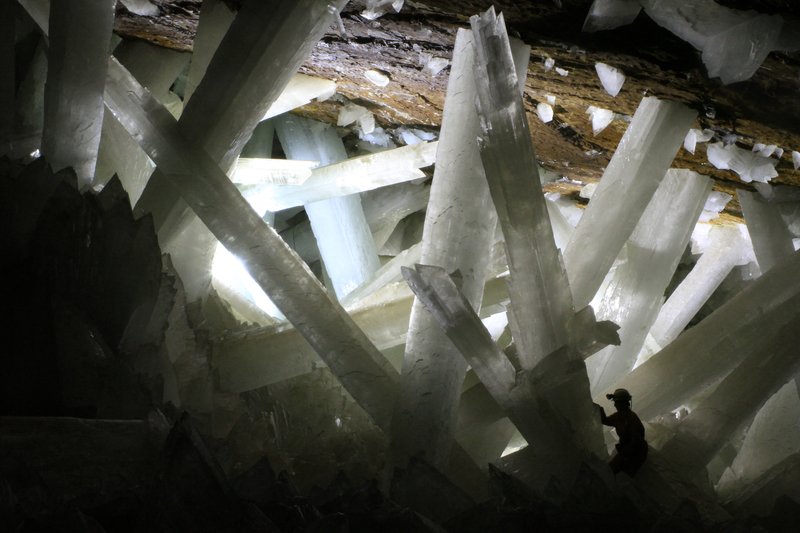
Cave of Crystals (Cueva de los Cristales)
Naica, Chihuahua, Mexico
A limestone cave beneath the Naica mine holding some of the largest natural crystals ever found — selenite beams up to 12 metres long and weighing 55 tonnes, grown over 500,000 years in superheated mineral water. Access is restricted to scientific expeditions; the cave remains flooded.
Morocco
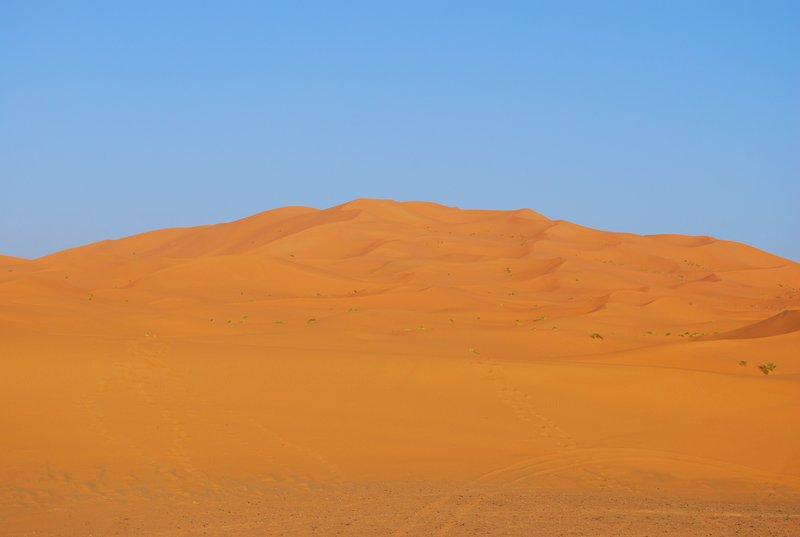
Erg Chebbi Dunes
Merzouga, Drâa-Tafilalet, Morocco
An isolated sea of Saharan sand dunes rising to 150 metres near the village of Merzouga, on the Algerian border. The dunes shift in colour through the day — pale gold at noon, deep orange and red at sunset — and the surrounding desert is among the darkest skies in North Africa.
Namibia
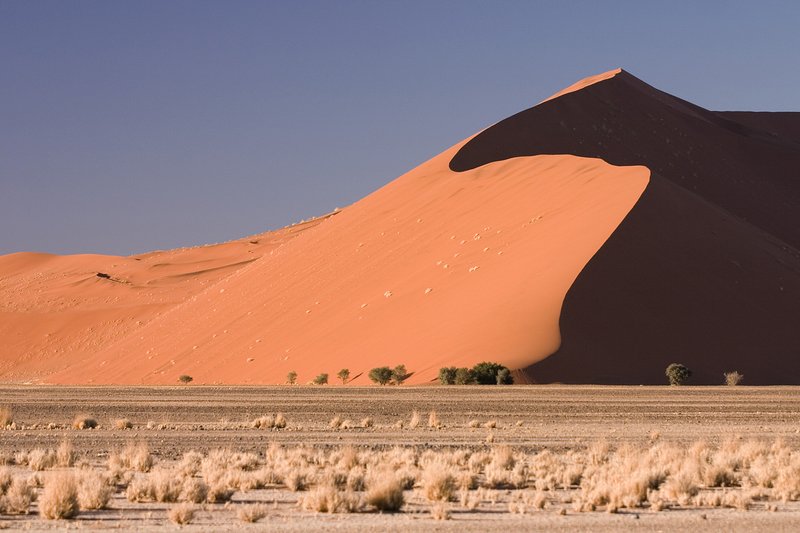
Sossusvlei Red Dunes
Namib-Naukluft National Park, Namibia
Some of the world's tallest sand dunes, reaching over 300 metres, their iron oxide–rich sand ranging from apricot to deep crimson depending on the light and time of day. Deadvlei, a white clay pan at the base of the dunes, holds ancient blackened camel thorn trees that have stood dead for centuries.
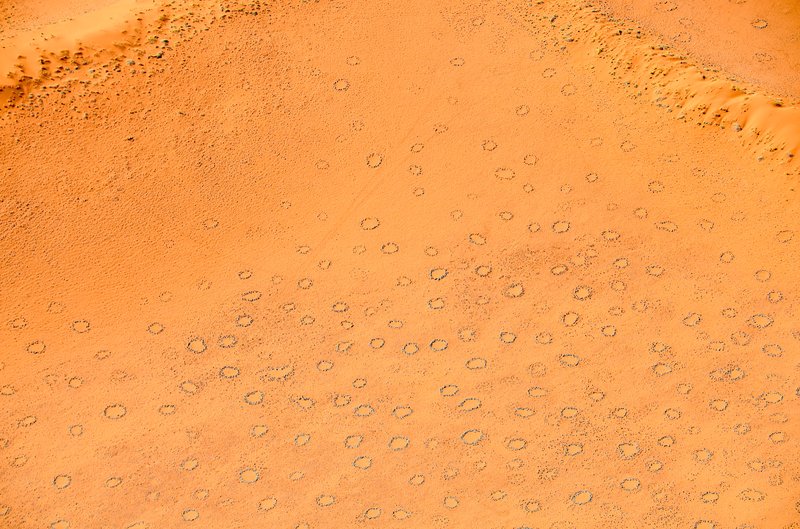
Fairy Circles
Namib Desert, Namibia
Circular bare patches of sand, ranging from two to fifteen metres in diameter, dotting the Namib grasslands in regular patterns that extend for hundreds of kilometres. Their cause remains debated — competing hypotheses include termite activity and plant competition for water. The scale and regularity of the pattern is visible from the air.
New Zealand
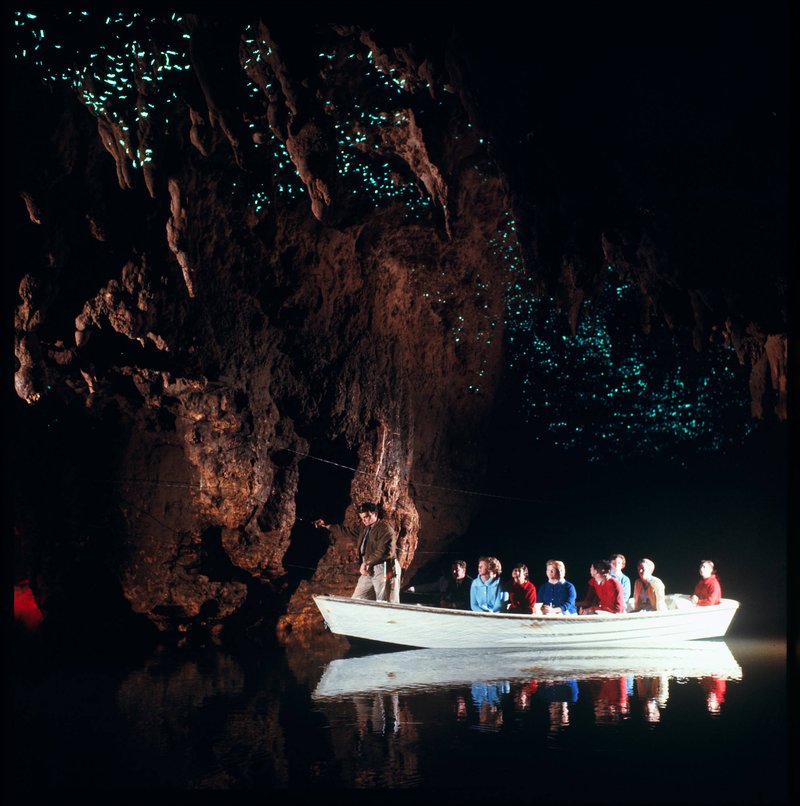
Waitomo Glowworm Caves
Waitomo, Waikato, New Zealand
A network of limestone caves whose ceilings are studded with thousands of Arachnocampa luminosa — a glowworm species found only in New Zealand — casting a continuous blue bioluminescent light above the underground rivers. Boat tours pass silently beneath the living constellations.
Norway
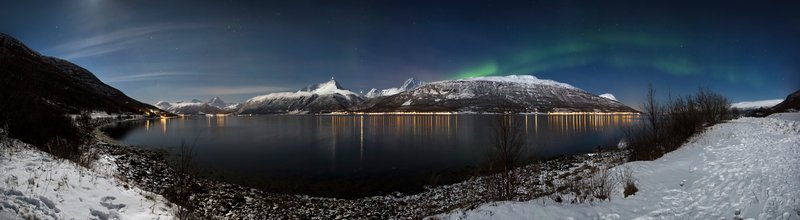
Northern Lights, Tromsø
Tromsø, Troms, Norway
Tromsø sits inside the auroral zone at 70° north, giving it some of Europe's most dependable Northern Lights viewing from October to March. The city serves as a base for chase tours into the surrounding wilderness, and the fjords and snow-covered mountains provide dramatic foregrounds on clear nights.
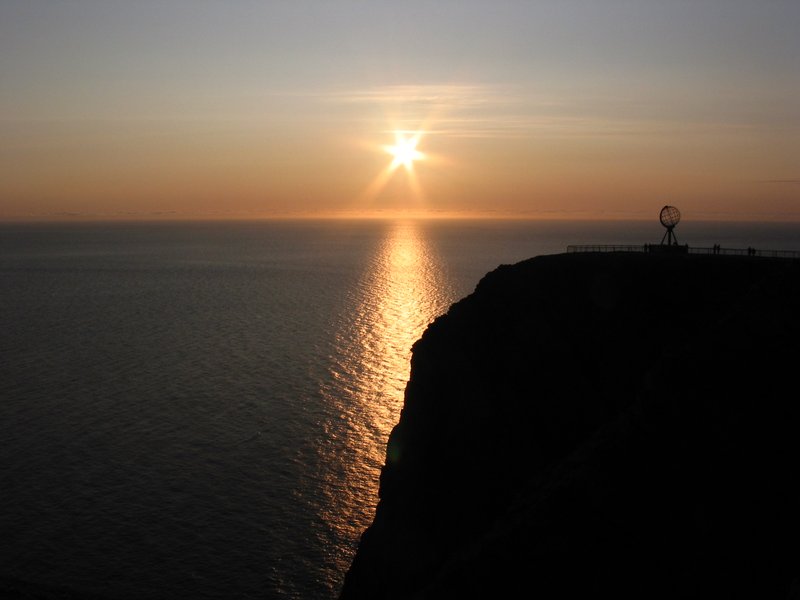
Midnight Sun, North Cape
Nordkapp, Finnmark, Norway
The North Cape plateau, one of mainland Europe's northernmost points, experiences continuous daylight from mid-May to late July. The midnight sun dips to just above the horizon over the Barents Sea before rising again — an event marked each night by visitors gathered at the cliff edge.
Peru
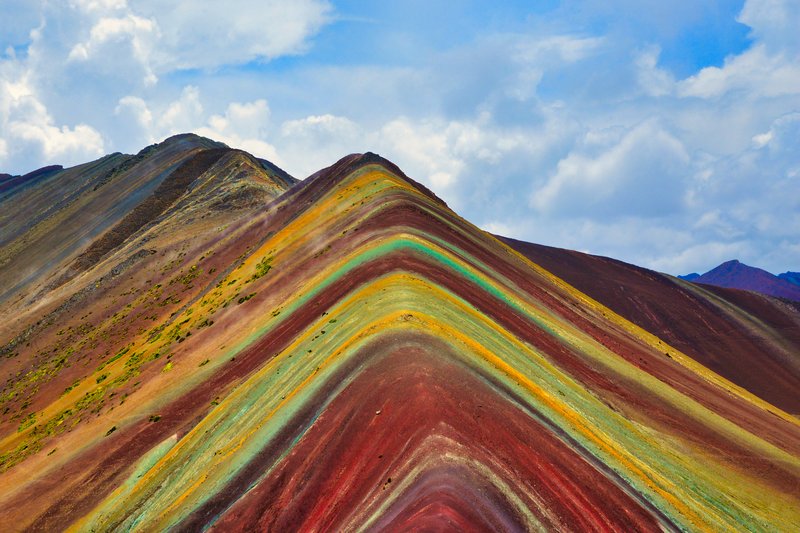
Rainbow Mountain (Vinicunca)
Cusco Region, Peru
A high-Andean mountain at 5,200 metres whose slopes are striped in red, purple, yellow, and turquoise from layered mineral sediments exposed by glacial retreat and erosion. The vivid colour bands were hidden under snow and ice until relatively recently; the mountain became a major destination only after 2015.
South Africa
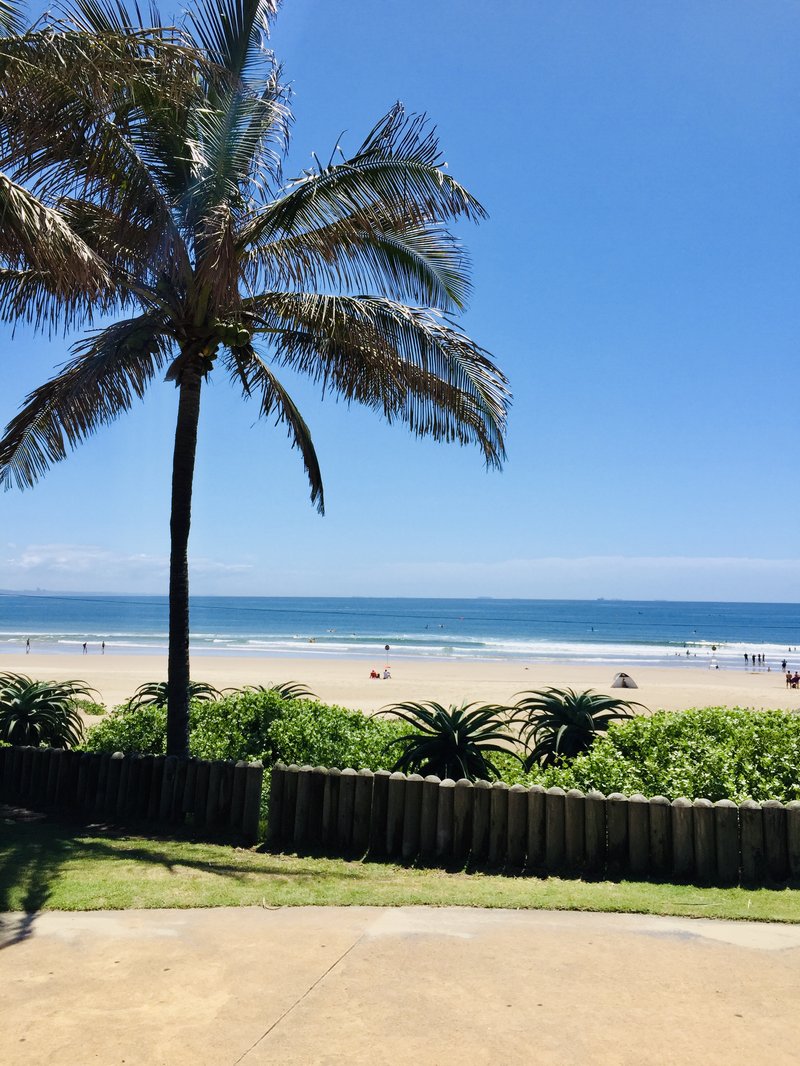
Sardine Run
KwaZulu-Natal Coast, South Africa
Each year from May to July, billions of sardines migrate northward along the Wild Coast and KwaZulu-Natal shore in a dense shoal that can stretch 15 kilometres. The biomass draws sharks, dolphins, gannets, and whales in a compressed feeding frenzy visible from beaches and charter boats.
Tanzania
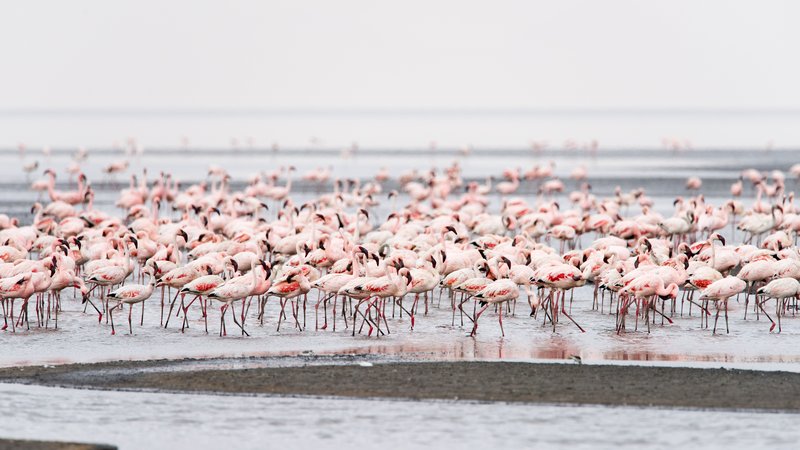
Lake Natron
Arusha Region, Tanzania
A shallow soda lake in the East African Rift whose waters reach 60 °C and a pH near 10.5, tinted deep red and orange by salt-tolerant cyanobacteria. It is the primary breeding ground for East Africa's lesser flamingo, with up to 2.5 million birds nesting on its caustic mudflats.
United States
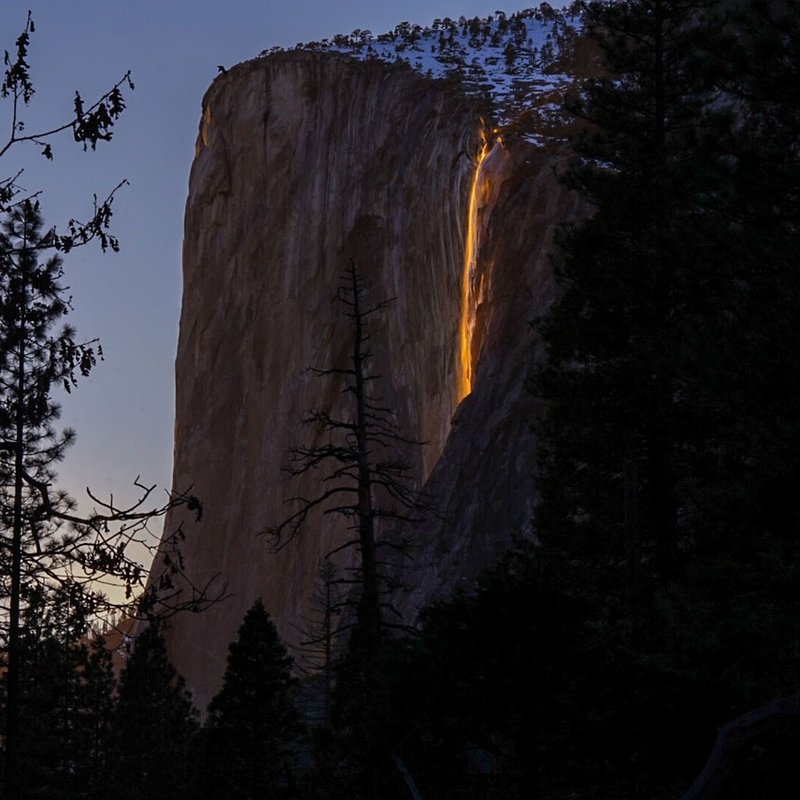
Firefall at Horsetail Fall
Yosemite National Park, California, United States
For roughly two weeks each February, the setting sun strikes Horsetail Fall on El Capitan at precisely the right angle to turn the waterfall a deep orange-red, mimicking a flow of lava down the granite face. The window is narrow — clear skies and the correct sun angle must coincide — making the phenomenon unpredictable.
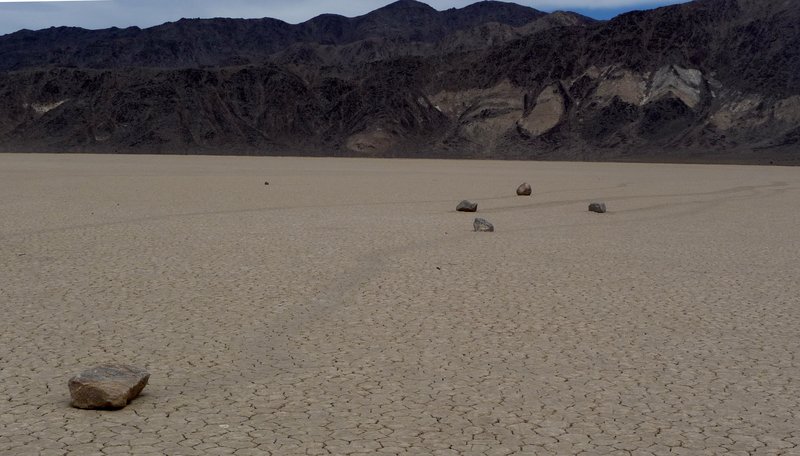
Sailing Stones of Racetrack Playa
Death Valley National Park, California, United States
Rocks ranging from pebbles to boulders move across the flat dry lake bed, leaving long tracks behind them, without any human or animal assistance. The mechanism — thin ice sheets formed overnight, broken and propelled by light wind — was confirmed only in 2014. The playa sits at the far end of a rough unpaved road within Death Valley.
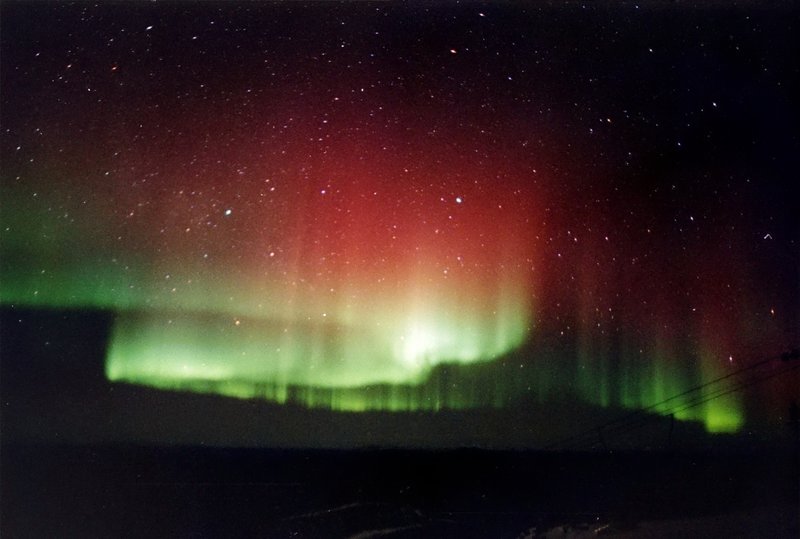
Aurora Borealis, Fairbanks
Fairbanks, Alaska, United States
Fairbanks sits directly beneath the auroral oval and is one of the most consistent Northern Lights viewing locations in North America, with activity on roughly 240 nights per year. The surrounding boreal forest and frozen river valleys offer dark, unobstructed viewing from late August through April.
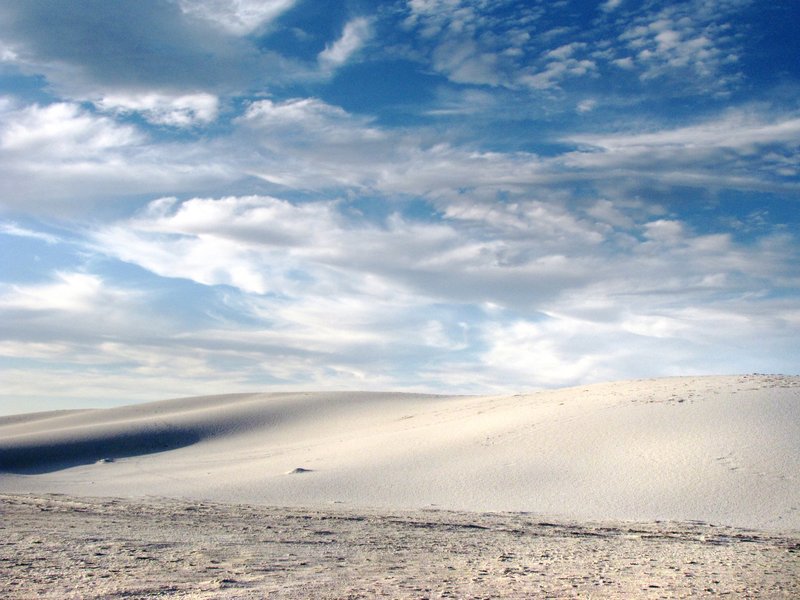
White Sands
White Sands National Park, New Mexico, United States
The world's largest gypsum dunefield covers 710 square kilometres in the Tularosa Basin with pure white sand that stays cool underfoot even in summer — gypsum does not absorb heat the way quartz sand does. The dunes shift constantly, burying vegetation and re-emerging elsewhere, giving the landscape a perpetually moving quality.
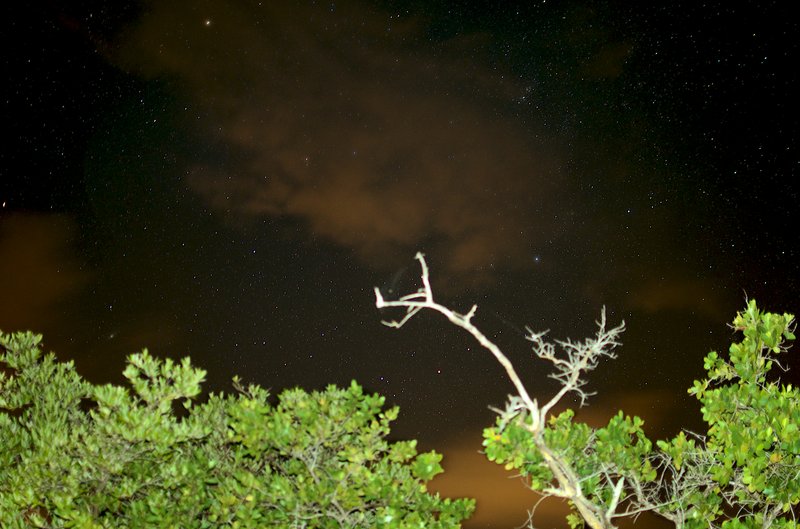
Bioluminescent Bay, Vieques
Mosquito Bay, Vieques, Puerto Rico
Mosquito Bay on Vieques holds one of the world's highest concentrations of dinoflagellates — microscopic organisms that emit blue light when disturbed. Kayakers and swimmers moving through the water leave glowing trails, and fish darting below the surface streak the bay with light. Recognised as the brightest bioluminescent bay on the planet.
Venezuela
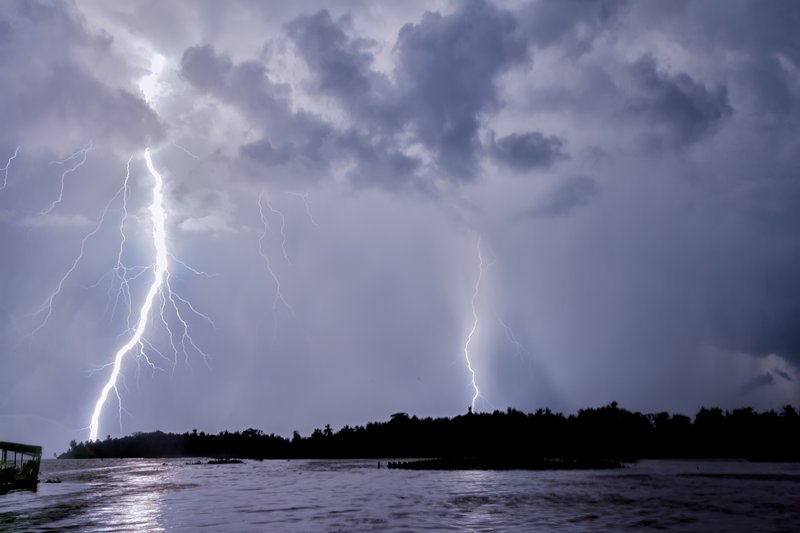
Catatumbo Lightning
Lake Maracaibo, Zulia, Venezuela
A near-permanent electrical storm at the mouth of the Catatumbo River where it meets Lake Maracaibo, producing up to 40,000 lightning strikes per night for roughly 150 nights per year. The storm is driven by warm Caribbean air colliding with cold winds off the Andes and has served as a navigational landmark since the colonial era.