BestStargazing
Dark-sky reserves, volcanic highlands and desert parks worth planning a night around. Choose the hemisphere and access that suit your trip, then book for a moonless window: certification protects darkness but cannot promise clear weather or a visible Milky Way.
No matching place. Clear the search or change the country, continent or trip type.
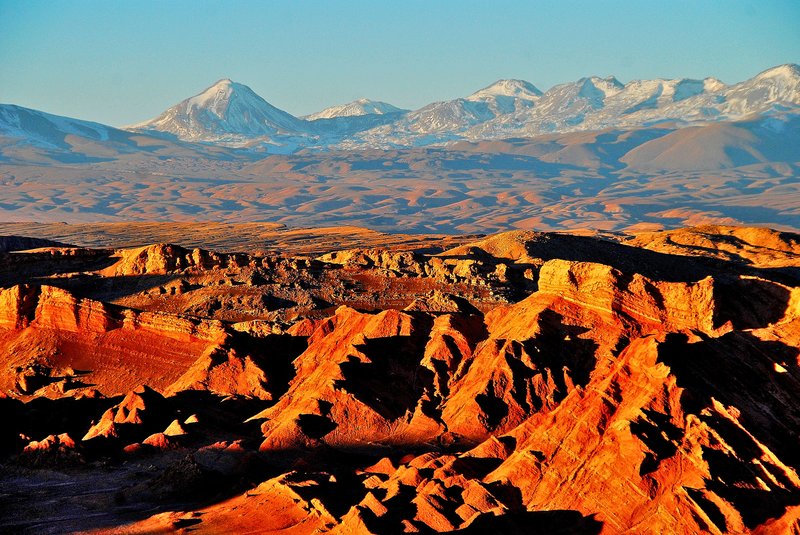
San Pedro de Atacama
Chile · High desert · southern sky
Details & links
A practical base for seeing the southern Milky Way without needing access to a scientific observatory. Choose an operator away from town lights and allow more than one night for weather. January–February can bring highland rain. Research observatories and tourist telescope sessions are different products; do not assume a science-site daytime visit includes night observing.
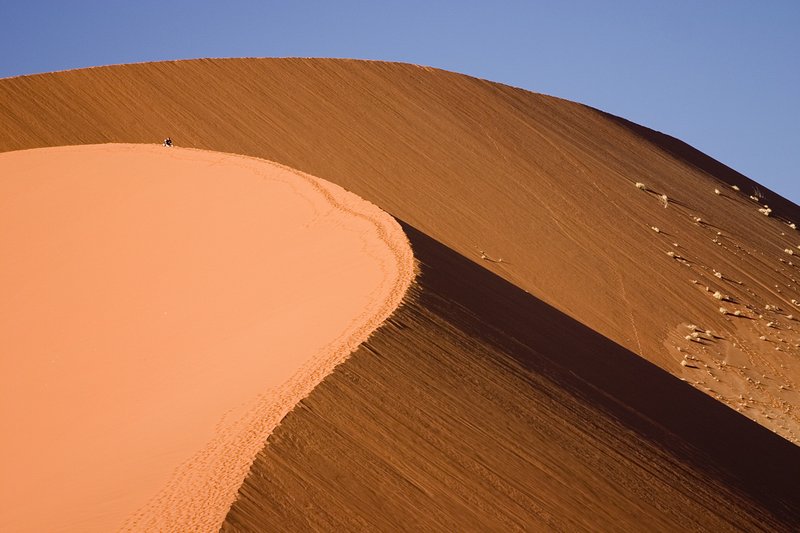
NamibRand Nature Reserve
Namibia · Dark Sky Reserve · southern sky
Details & links
Remote desert darkness and southern constellations are the reason to stay overnight, rather than drive past on a daylight circuit. Book a participating lodge or approved experience; this private reserve is not a free-access night-driving park. The photograph shows the wider Namib landscape, not a promise of the view from your room.
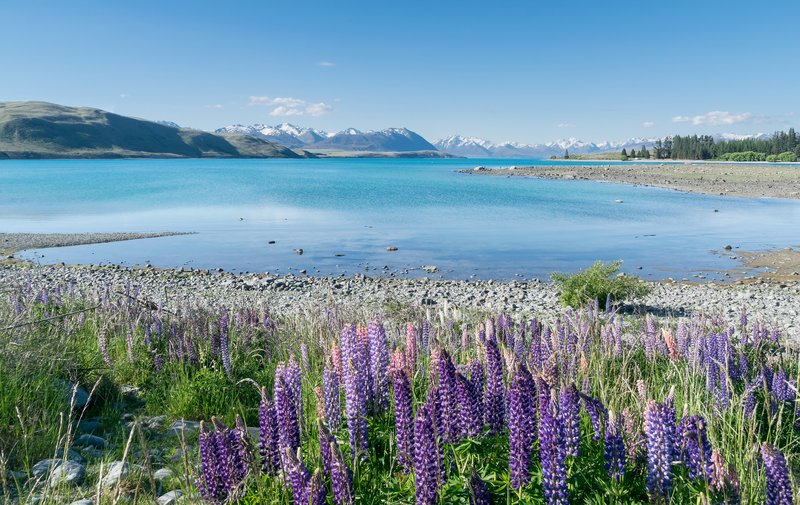
Aoraki Mackenzie
New Zealand · Dark Sky Reserve · Magellanic Clouds
Details & links
Lake Tekapo and the Mackenzie Basin combine a convenient visitor base with protected night skies. Southern constellations and the Magellanic Clouds distinguish this from a northern-hemisphere trip. Winter nights are long but cold and weather-dependent. Do not assume public daytime road access to Mount John is permission to visit the observatory at night.
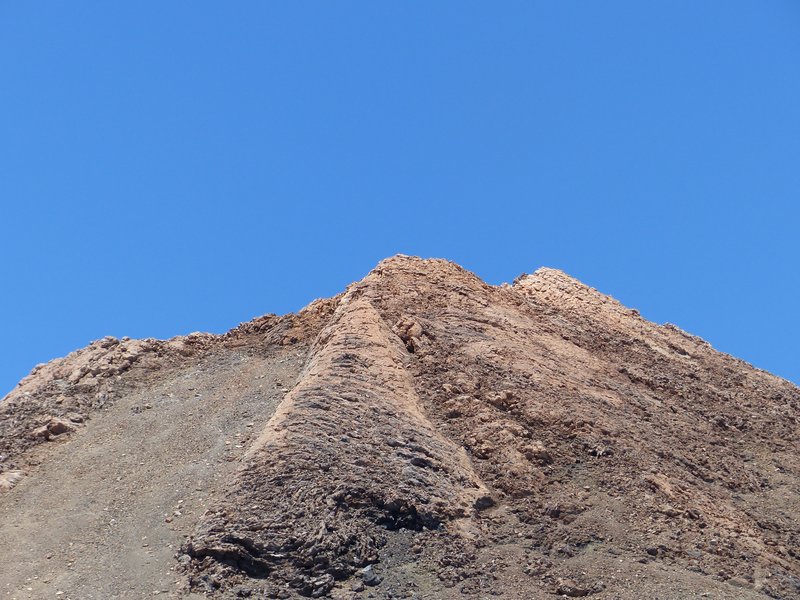
Teide National Park
Spain · Volcanic highlands · northern sky
Details & links
The volcanic landscape on Tenerife makes a striking observing foreground, but weather, wind and cloud layers still decide the night. Use authorised roadside viewpoints or an organised session and check current park restrictions. Observatory visits are separately booked; the summit and cable-car facilities are not an unrestricted nighttime viewing deck.
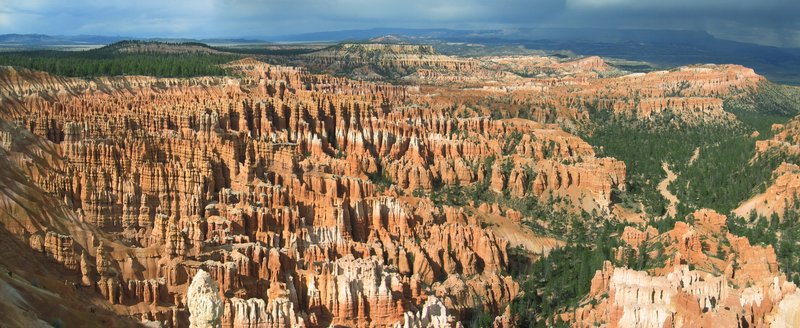
Bryce Canyon National Park
United States · Dark Sky Park · hoodoo foregrounds
Details & links
High elevation and a remote setting support the Milky Way on clear, moonless nights. Sunrise, Sunset, Inspiration and Paria viewpoints are official observing suggestions. Check the programme calendar rather than assuming a telescope session every night. The Bortle value is a documented reference, not a real-time guarantee for every viewpoint; cloud, airglow and moonlight change what you see.
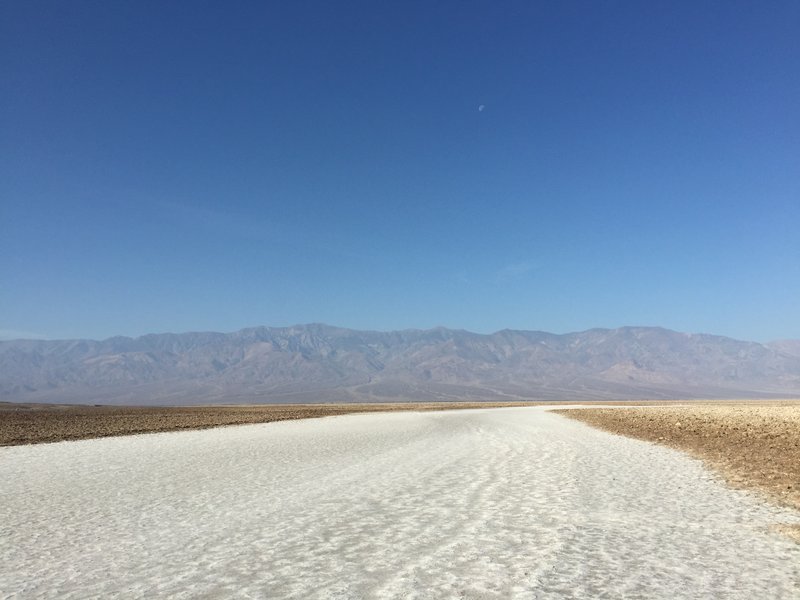
Death Valley National Park
United States · Dark Sky Park · desert horizon
Details & links
A vast, dry desert setting with protected dark skies, best planned around open roads and a safe overnight base. Summer heat can remain severe after sunset, so the longest core-viewing season is not automatically the most comfortable travel season. Check closures, carry supplies and avoid remote night-driving shortcuts. The image shows Badwater Basin by day.
Planning notes & sources
- Plan around the new moon and check both moonrise and moonset. The bright galactic centre is seasonal; a dark-sky designation alone does not make it visible every night.
- Travel months are editorial planning windows, not guaranteed forecasts. Southern and northern hemispheres have different sky views; reserve more than one observing night.
- Bortle is an observing-site scale, not a certification tier or city average. We show a value only when a named official source supports it; unreported ratings are not guessed.
- Use permitted viewpoints, warm layers and a dim red light. Do not wander into observatory compounds or restricted terrain after dark. Check closures and event bookings directly.
- Official tourism, park and route sources are linked on the cards. Reviewed 19 September 2026. Photographs are existing locally hosted Wikimedia assets; credits identify the original file and licence. Regional photographs illustrate the setting, not a guaranteed view or exact route alignment.