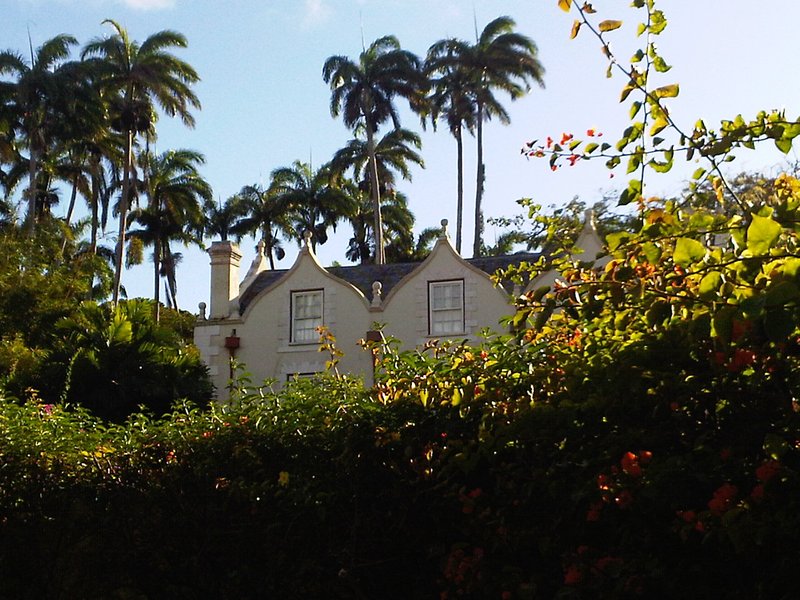
One of only three Jacobean great houses in the Western Hemisphere — a working rum distillery and sugar estate from 1658, surrounded by formal gardens. A narrow-gauge heritage steam railway departs from Cherry Tree Hill with panoramic views over the Scotland District.
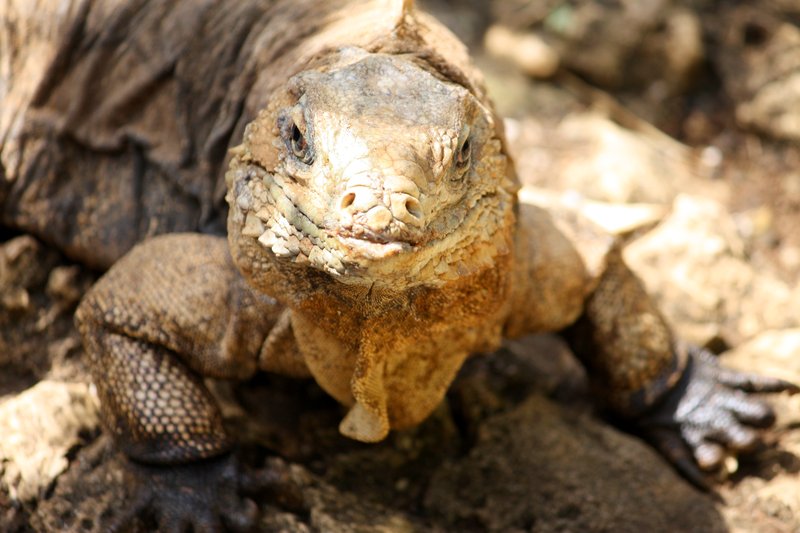
A mahogany forest reserve where Barbados green monkeys roam freely alongside brocket deer, red-footed tortoises, peacocks and caiman — animals walk past visitors on open pathways with no barriers. Feeding time at 2:00pm draws the monkey colony in large numbers.
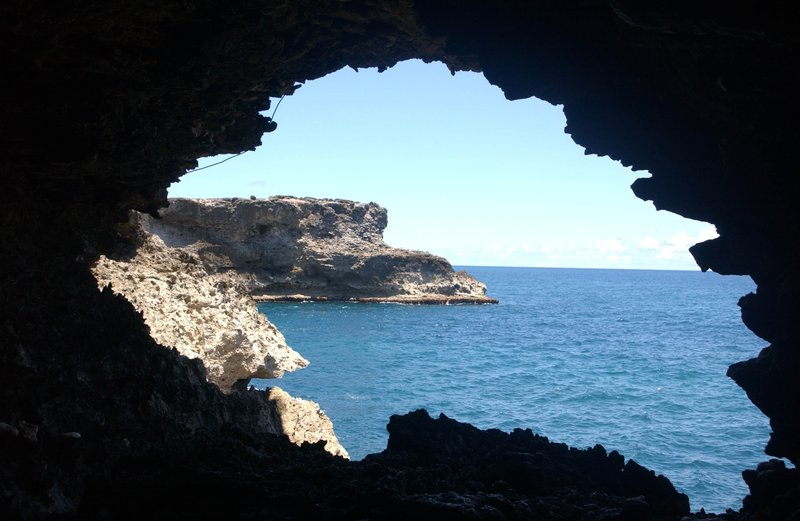
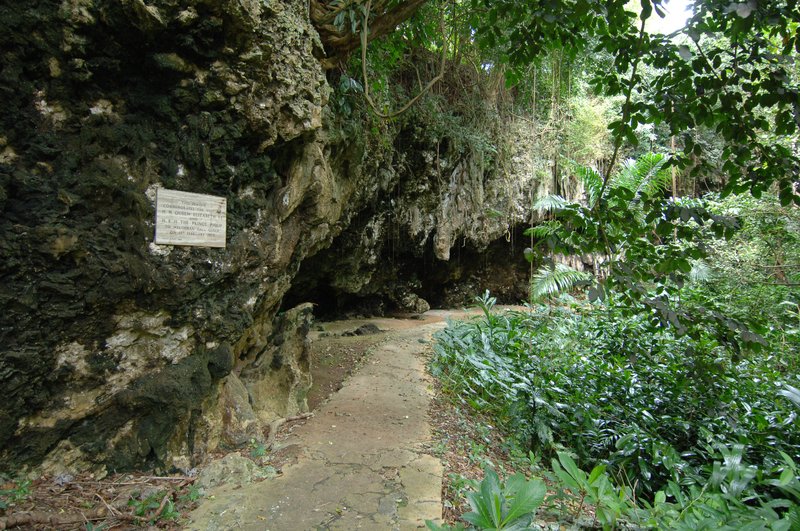
The only accessible sea cave in Barbados — carved by Atlantic waves into the island's northernmost cliff, with natural rock pools fed by the sea and sea anemones tucked into the coral walls. Clifftop views stretch across open ocean in three directions. The rock pools are swimmable when sea conditions allow.
A lush tropical garden carved into a deep gully by horticulturalist Anthony Hunte — giant heliconias, rare orchids and centuries-old mahogany trees descend in terraces around a small house. A resident parrot and a complimentary rum punch on arrival make this unlike any other garden visit on the island.
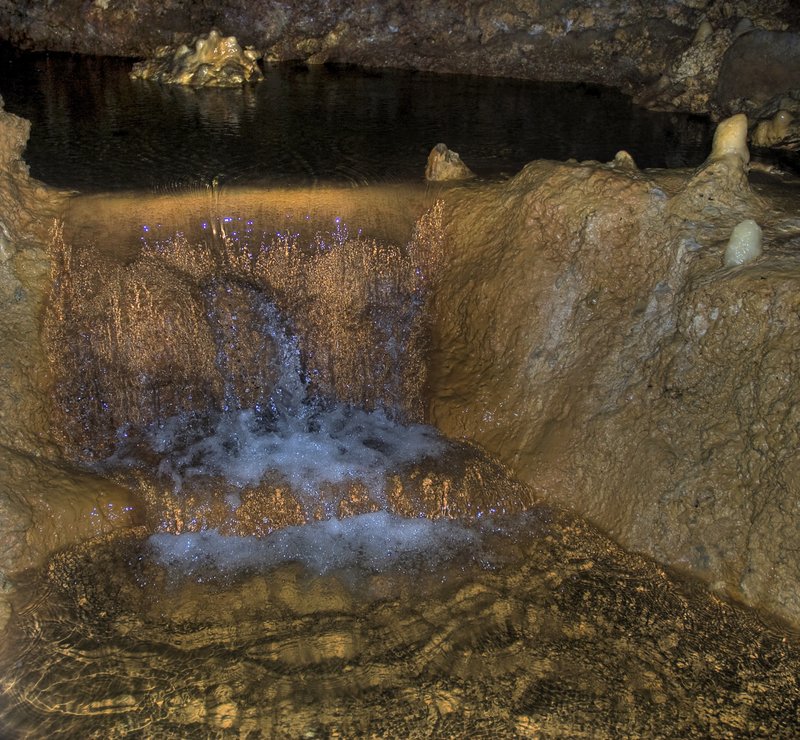
A crystallised limestone cave system toured by electric tram — emerald pools, waterfalls and towering stalactites formed over 400,000 years. Discovered in the 1970s, it is one of the Caribbean's only accessible cave systems of this scale.
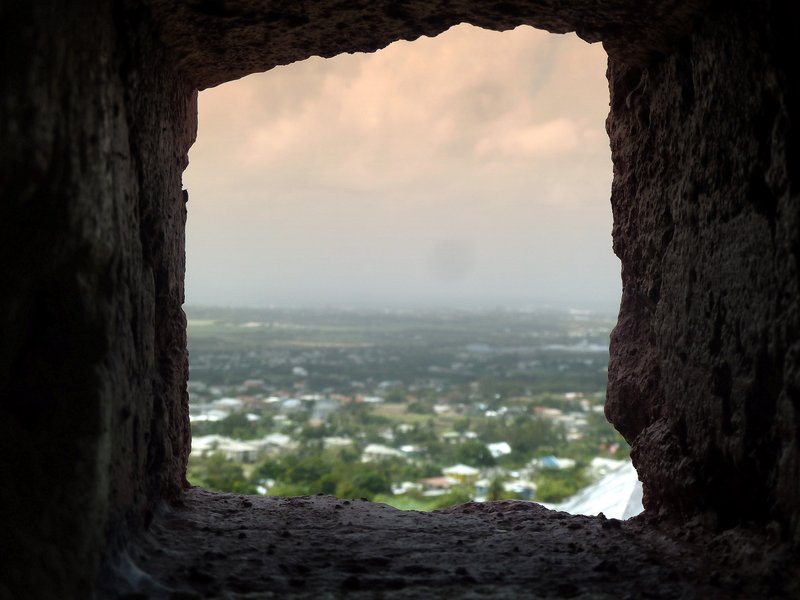
A 19th-century British military signal tower set on the highest point in St George, with panoramic views across the island to both coasts. A famous lion carved in 1868 from a single piece of coral stone guards the entrance — one of a chain of six signal stations for rapid military communication.
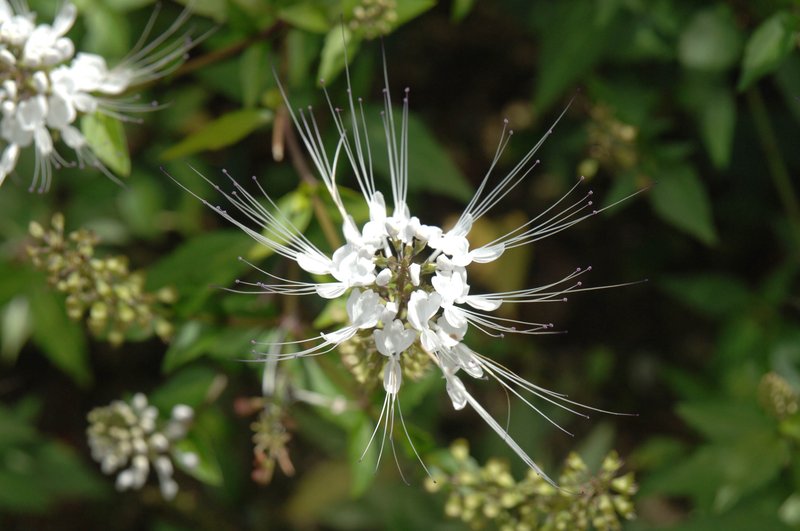
Terraced hillside gardens above the Bathsheba coast showcasing tropical plants from across the world — ancient bearded fig trees, heliconia canopies and cactus gardens overlooking Atlantic surf. Operated by the Barbados National Trust, formerly the private collection of botanist Iris Bannochie.
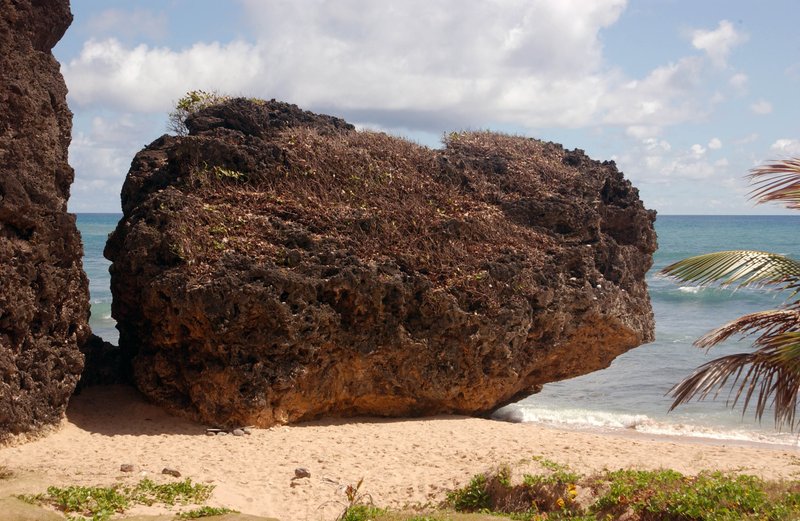
Barbados' wild Atlantic coast — enormous rust-coloured boulders rise from a powerful surf break nicknamed the Soup Bowl, one of the Caribbean's most respected big-wave surf spots. Walk the rock pools at low tide and take in the untamed east-coast panorama.
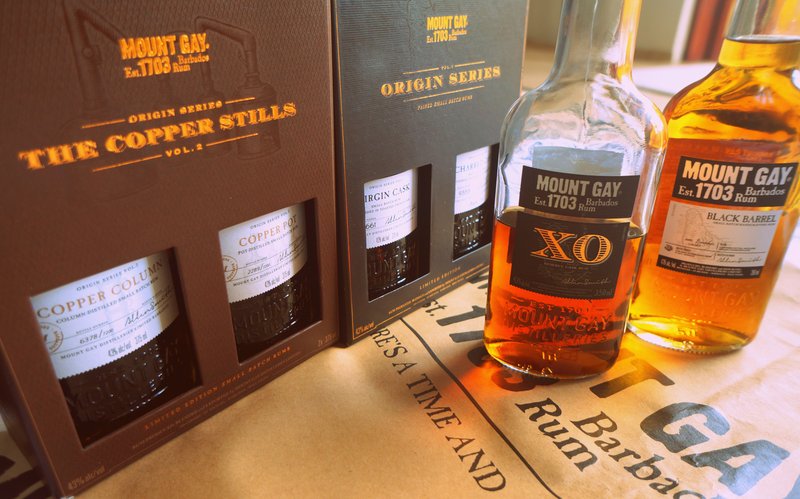
The world's oldest continuously operating rum distillery, with deeds dating to 1703, offers tasting experiences and tours at its Brandons facility. The Signature Tasting Experience walks through the production process and a flight of premium expressions including Eclipse, Black Barrel and XO.
A sheltered harbour home to six accessible shipwrecks between 12 and 55 feet deep, teeming with sea turtles, seahorses, rays and tropical fish. The bay is the best shore-snorkeling site on the island and can be explored at a basic level from Pebbles Beach with no rental equipment needed.
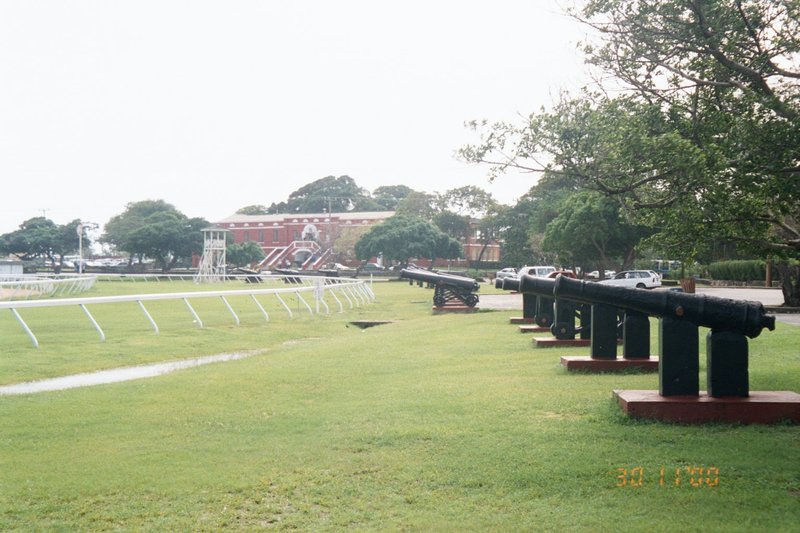
Part of the UNESCO World Heritage Site "Historic Bridgetown and its Garrison," this is the most complete surviving British colonial garrison in the world — over 70 listed buildings, a 12-hectare parade ground now used as a racetrack, and a ring of 70 historic iron cannons.
The only place outside the United States where George Washington lived — a 19-year-old Washington spent two months here in 1751. Fully restored as a museum, it recreates period interiors with artifacts from his Barbadian stay and includes access to a 200-foot section of the Garrison Tunnels.
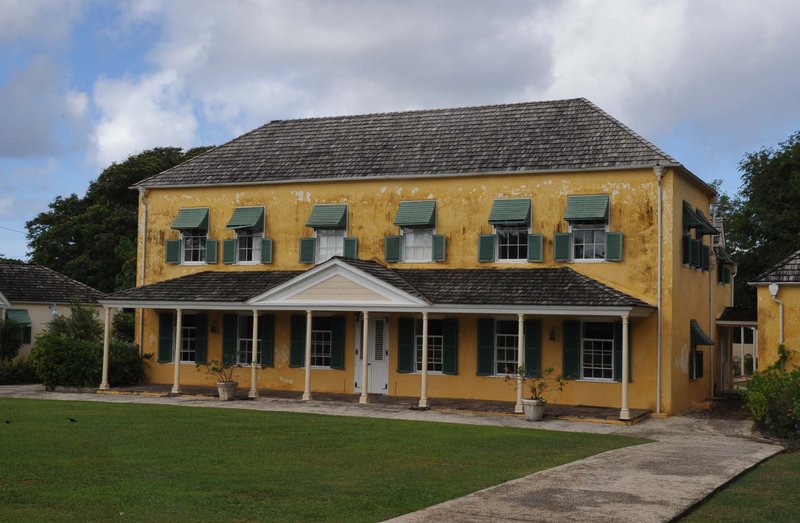
Barbados' only great house where every single room is open to visitors — a 300-year-old plantation home rebuilt after a 1995 fire, furnished with mahogany antiques, colonial-era prints and a unique collection of horse-drawn carriages. The coral-stone and ballast-stone walls run 60cm thick; admission is a BDS$60 walk-in fee, with guides on hand in every room rather than fixed tour times.
2.Foursquare Rum Factory & Heritage Park~1 hr 30 min
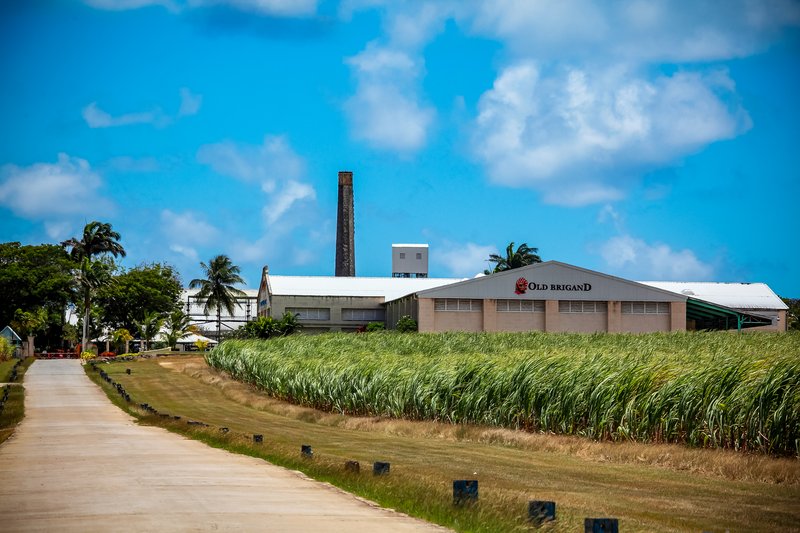
A working rum distillery built into a former 18th-century sugar factory, with restored industrial machinery, a rum education pavilion and grounds shaded by mature trees. Run by fourth-generation distiller Richard Seale, it produces some of the most acclaimed rum in the Caribbean without the crowds of the bigger-name distilleries.
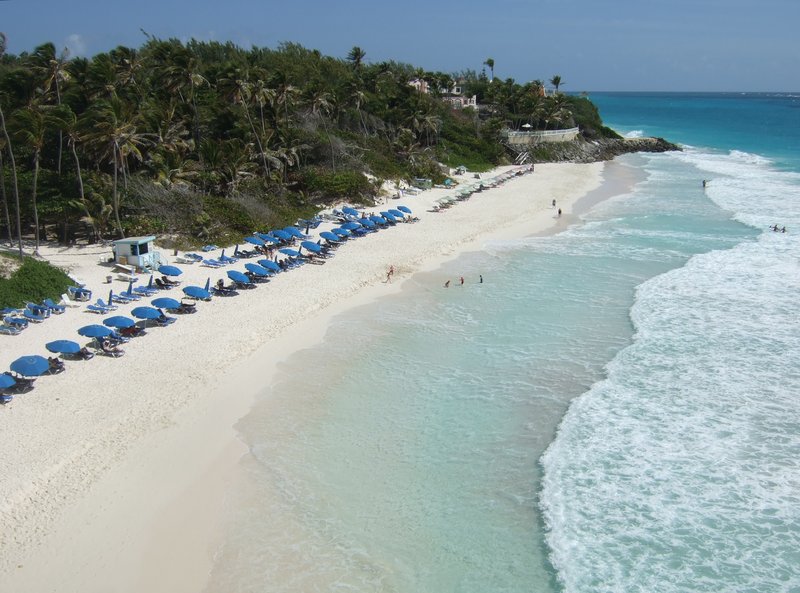
One of the Caribbean's most photographed beaches — pale pink coral sand, turquoise water and jagged limestone cliffs on Barbados' rugged southeast coast. The Atlantic swell that shaped it also makes for serious surf, so the water here rewards watching more than wading.
A secluded cove reached by a stone stairway cut into 30-metre coral cliffs, with towering palms, powder-soft sand and a small sea cave at one end. The Atlantic swell makes swimming risky on most days, but the view from the clifftop parking area alone justifies the stop.
A three-quarter-mile tropical gully formed when a network of caves collapsed, now filled with nutmeg, clove and breadfruit trees planted by 19th-century owners, and a resident troop of wild green monkeys fed twice daily. It shares its geology with neighbouring Harrison's Cave, and its paved paths make it one of the easiest nature walks on the island.
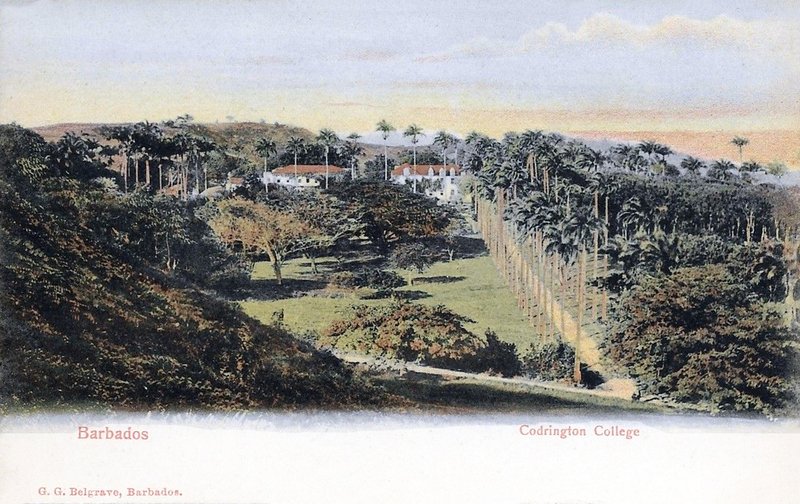
Barbados' grandest colonial building — a coral-stone Anglican theological college from 1745, set behind an avenue of royal palms above a reflecting pond and the Atlantic coast. Founded on the plantation of former governor Christopher Codrington, it is the oldest institution of higher education in the Western Hemisphere still on its original site.
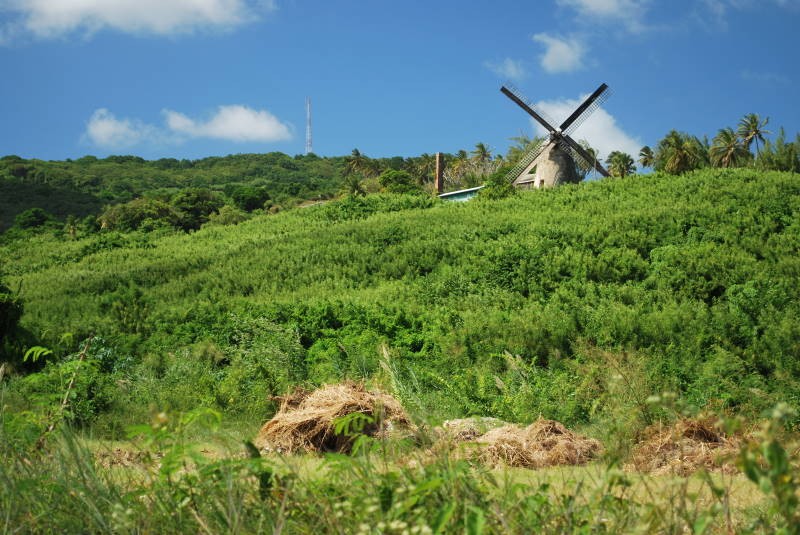
The last intact sugar windmill in Barbados and one of only two left standing anywhere in the world — its original machinery still turns and grinds cane when the trade winds cooperate. Restored by the Barbados National Trust after decades of disuse, it once ground more cane than any other mill on the island.
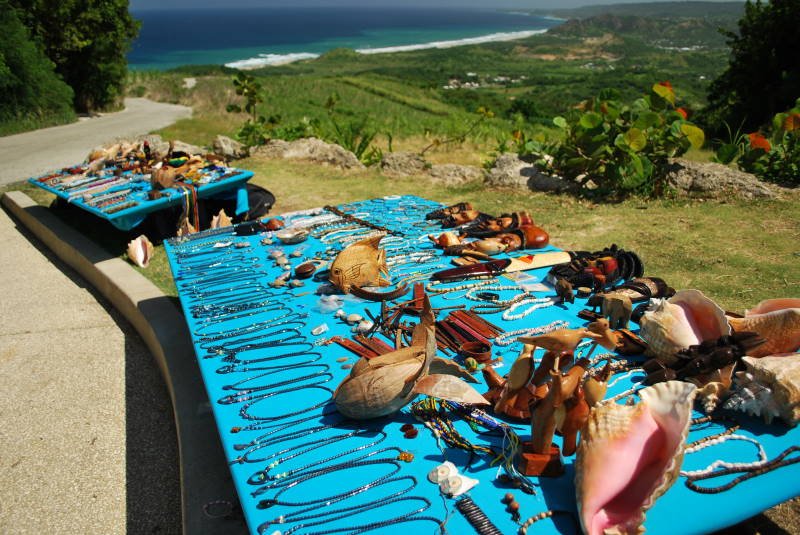
An 850-foot ridge on the grounds of St Nicholas Abbey, reached through a stately avenue of mahogany trees planted to replace the cherry trees that gave the hill its name. The view stretches over the rugged Scotland District to the Atlantic below — one of the widest panoramas on the island.
From Hotel: 15 min · 5 min → St James Parish Church
1.St James Parish Church~30 min
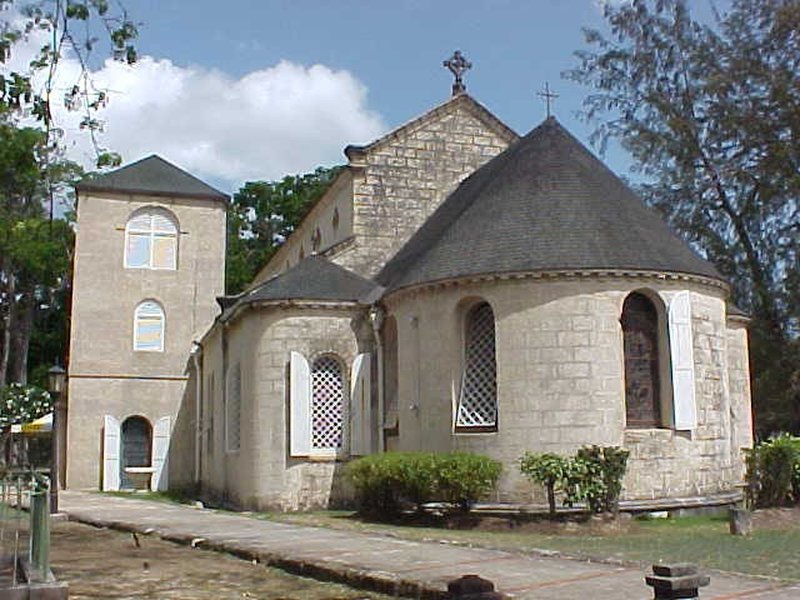
One of the oldest churches in Barbados, established in 1628 within a year of the first English landing at Holetown. The current building dates largely to 1874, and it still holds a font from 1684 and a bell cast in 1696 at London's Whitechapel Bell Foundry — both two centuries older than the church around them.
Barbados' second town and once its busiest port, known as "Little Bristol" for the wave of English merchants who settled here trading sugar for the English West Country. Queen Street and Church Street still carry 17th- and 18th-century merchant houses, and Arlington House Museum — open Monday to Saturday, 9:00am to 5:00pm — tells the town's trading history across three restored floors.
The island's largest surviving mangrove wetland, recently reopened after years of closure — boardwalks wind through red and white mangroves past herons, egrets and the seasonal migratory birds that use the swamp as a Caribbean stopover. Feeding the resident colourful birds and boat rides through the mangroves are part of the visit.
Barbados' most storied church — the current 1935 building is the fifth on this site since 1629, each predecessor lost to flood, hurricane or fire. Its churchyard holds the Chase Vault, where sealed coffins were repeatedly found rearranged inside a tomb showing no sign of forced entry, a mystery investigated by the island's governor in 1820 and never explained.
A full-day tour of multiple distilleries — Mount Gay, Foursquare and St Nicholas Abbey — with guided tastings and the story of rum's Barbadian origins.
A 3.5-hour guided minibus tour covering Harrison's Cave, Bathsheba, Cherry Tree Hill and the Scotland District — a solid introduction for first-time visitors.
A 3-hour guided walk through Bridgetown and Carlisle Bay — cou-cou, flying fish, pudding and souse, macaroni pie and rum at six local stops with a Barbadian guide covering the island's culinary history.
A 2-hour guided walk through UNESCO-listed Bridgetown — Parliament Buildings, the Careenage, the Synagogue district and Broad Street with a licensed local historian.
A 4-hour guided tour taking in Harrison's Cave tram ride through crystallized limestone formations, Hunte's tropical gardens and the surf-carved rocks of Bathsheba on the Atlantic coast.
A 4WD safari along Barbados' wild north and northeast coasts — off-road tracks, Bathsheba's Atlantic surf, Cherry Tree Hill and a traditional island lunch served with rum punch.
Barbados' national dish — steamed or fried flying fish laid over cou-cou, a dense cornmeal and okra porridge, served with a rich Creole tomato sauce. Found from roadside vans to fine-dining tables across the island.
A Saturday Barbadian ritual — pickled pork served with sweet potato pudding. Traditionally sold from roadside stalls on Saturday mornings only; finding it on any other day is rare.
Barbados' beloved Sunday side dish — a firm, sliceable baked mac and cheese seasoned with onion, pepper and Bajan spices. Richer and denser than its American cousin and found on every local lunch plate across the island.
The world's oldest commercial rum brand, distilled continuously in Barbados. The island standard is a rum and ginger beer — order it at any bar; the locals call it a rum swizzle.
Foreign number: not required. — the sign-up panel takes Facebook, Google or an email address and password, with no phone field, so no verification code is sent.
The island's main delivery app, covering the south and west coast restaurants from Oistins up past Holetown. Card payments can trigger an ID check — the company says so on its own front page after a run of fraud — so cash on delivery is the smoother route for a visitor.
Foreign number: accepted. — the phone field carries a worldwide country picker that does not default to Barbados, and the OTP form takes an email address as well as a number.
The smaller of the two Barbados delivery apps, worth keeping for the evenings when Hopscotch has no courier free or a restaurant lists only here. Coverage concentrates on Bridgetown and the south coast; the west-coast resort strip is patchier.
Foreign number: accepted. — the sign-up form takes any country dialling code, and Google, Apple or email sign-in skips the SMS code entirely.
Uber does run on Barbados, but the island's taxi trade works on government-set flat fares agreed at the rank, and the ZR minibuses cover the coast roads for a fraction of either. Worth having for a late run rather than as the way you get around.
Every bottle of rum in the world traces its lineage to Barbados. The island's 17th-century sugar plantation economy produced the first commercial distillation of molasses into a drinkable spirit — and Mount Gay began an unbroken production run that makes it the oldest rum brand on earth. This was no accident. Barbados sits at the eastern edge of the Caribbean, the first landfall after the Atlantic crossing, which meant it received the earliest sugar cultivation techniques from Brazil and had first pick of the trade winds that powered the plantation ships. The monks of St Nicholas Abbey were making their own estate rum before the great house turned twenty years old. When British sailors were given a daily tot of rum in the 1650s, it was Bajan rum filling the barrels. Rum shaped the island's economy, its architecture, its culture and its national identity more completely than any other product of the New World. To visit Barbados without tasting the spirit at its source — at Mount Gay, at Foursquare, at St Nicholas Abbey — is to visit Scotland without tasting whisky.