A former Paris of the East, still rebuilding its story
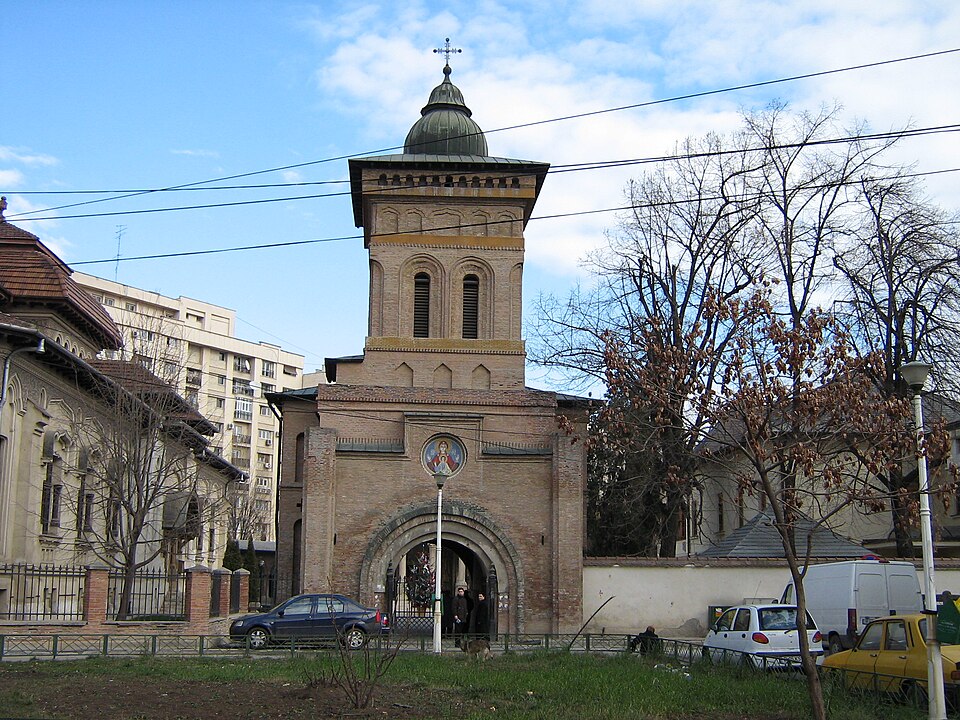
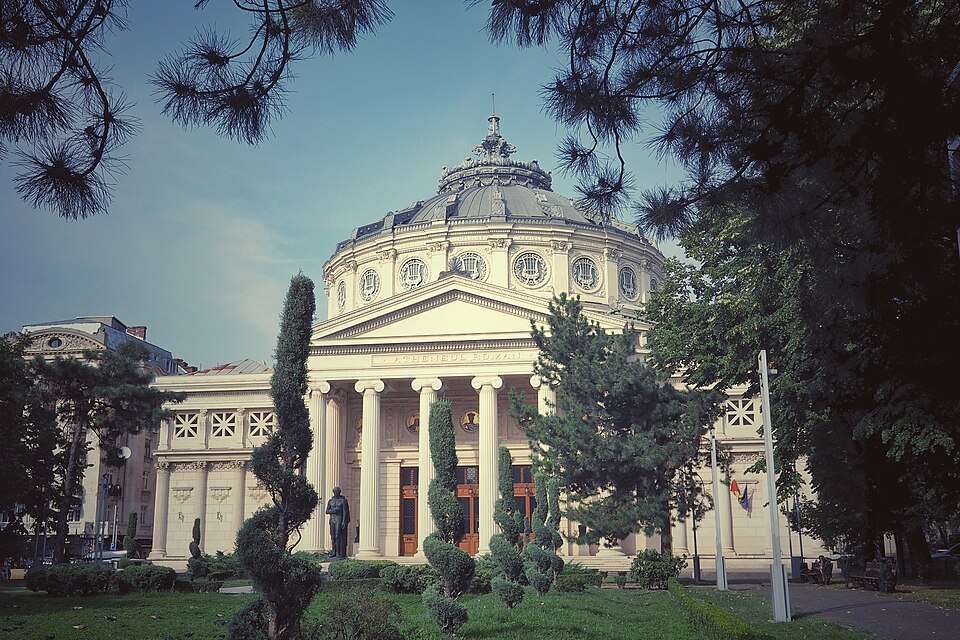
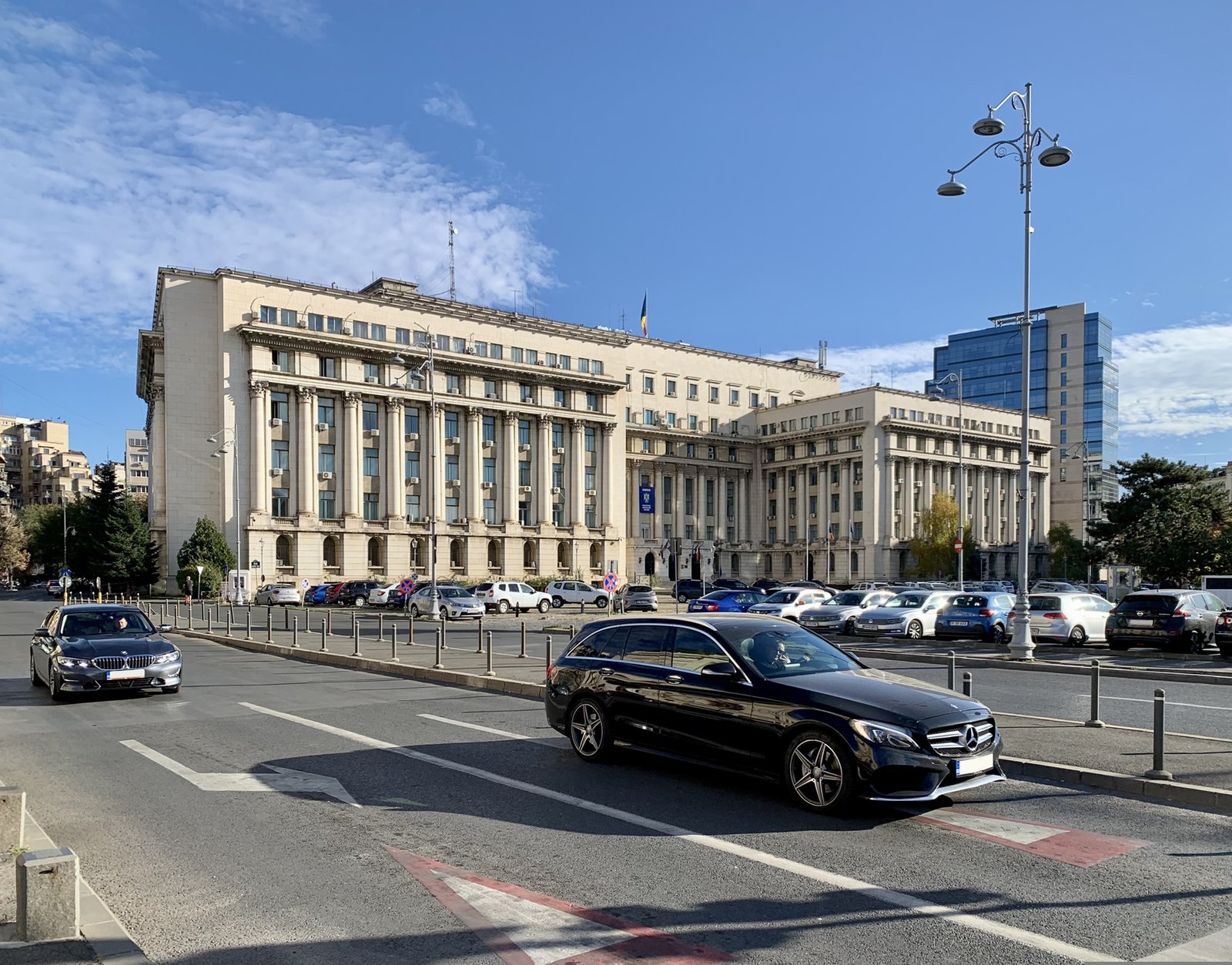
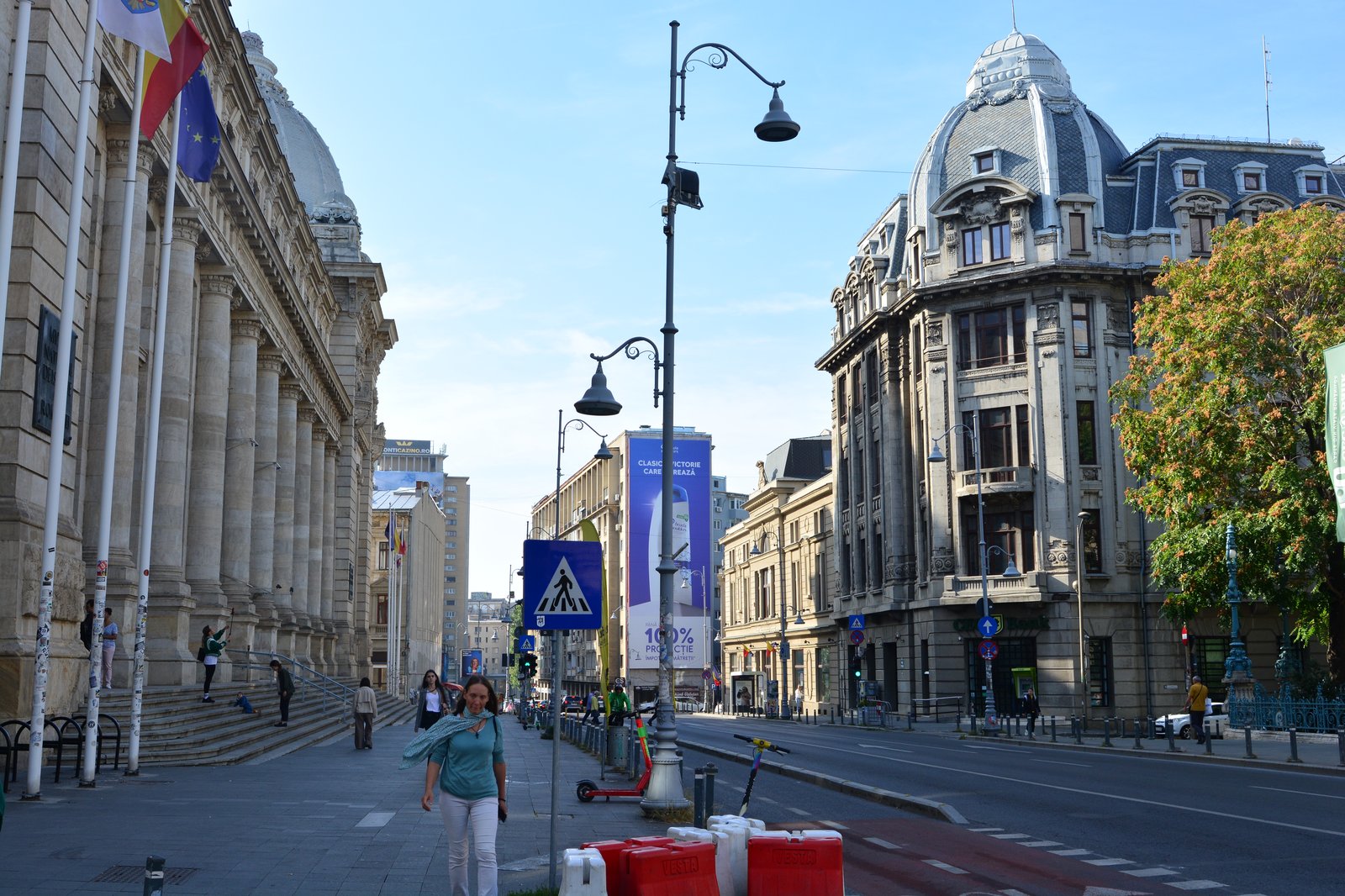
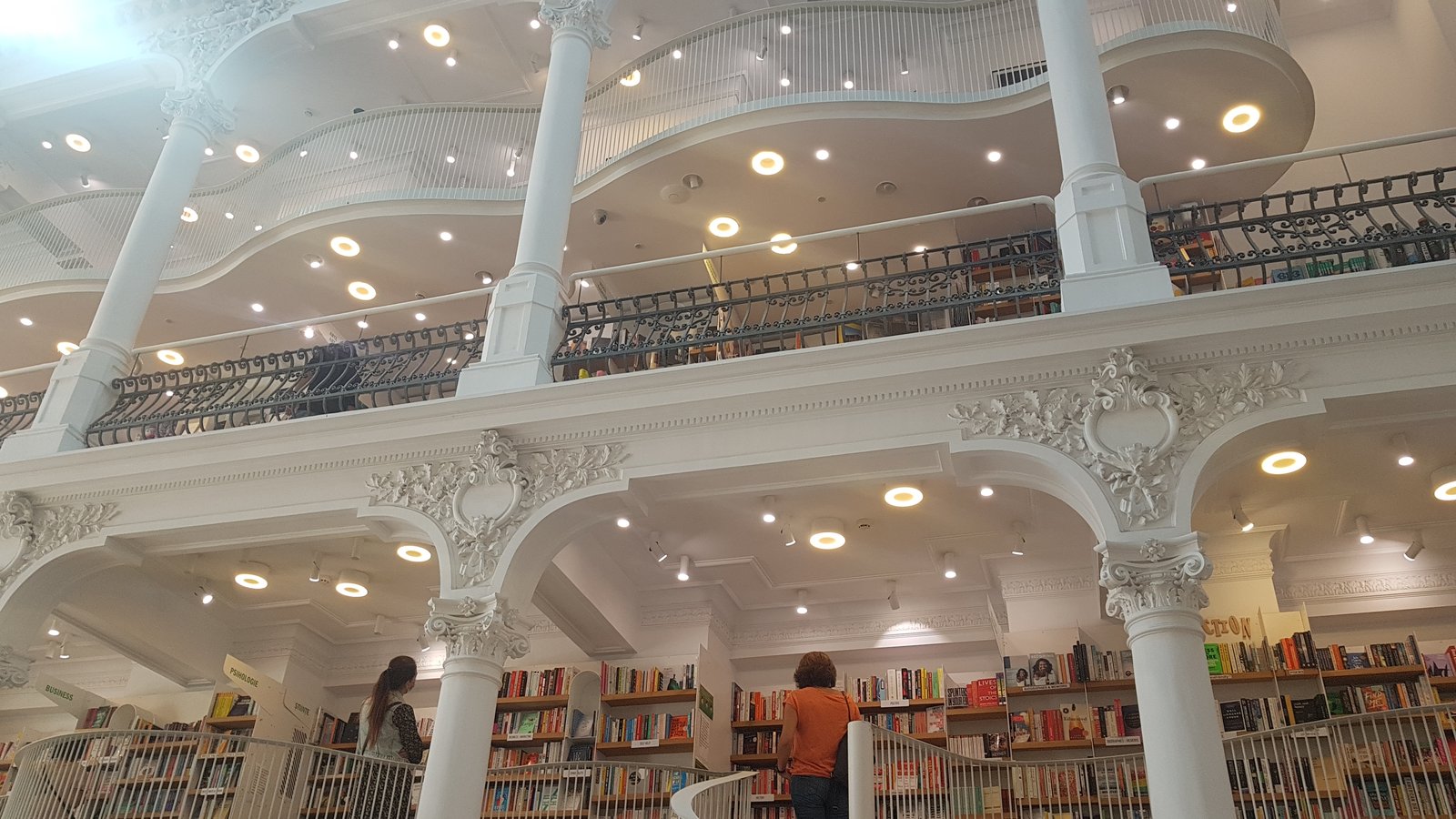
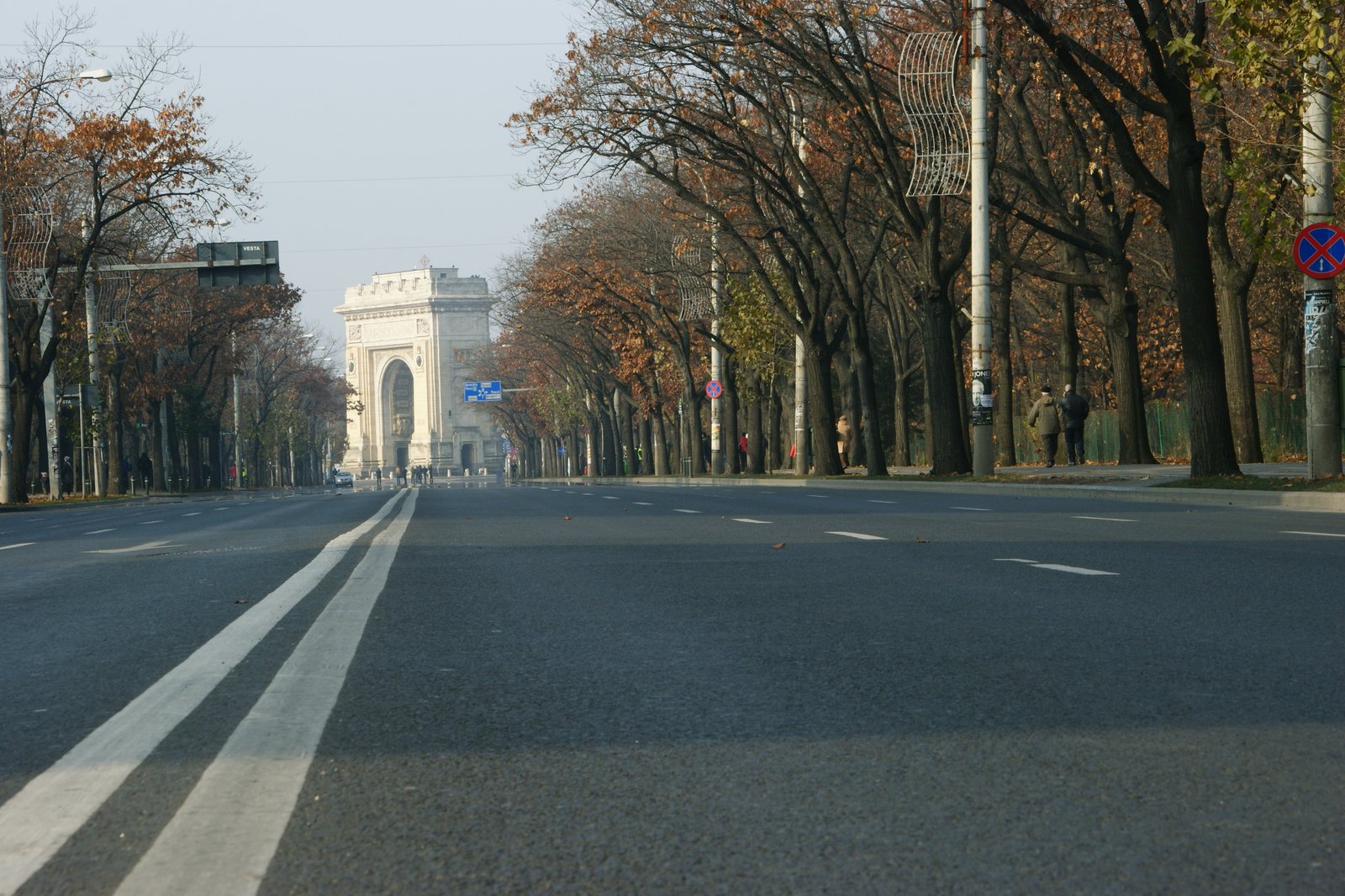
Bucharest was called "the Paris of the East" — not as flattery but as plain description. The boulevards, the Belle Époque façades on Calea Victoriei, the Athenaeum modelled on the Paris Opéra, the covered arcades: all of it was built with a specific city in mind. Nicolae Ceaușescu spent a decade demolishing a third of it. What you walk through today is the city held together by what survived, with cranes still on some of the gaps.
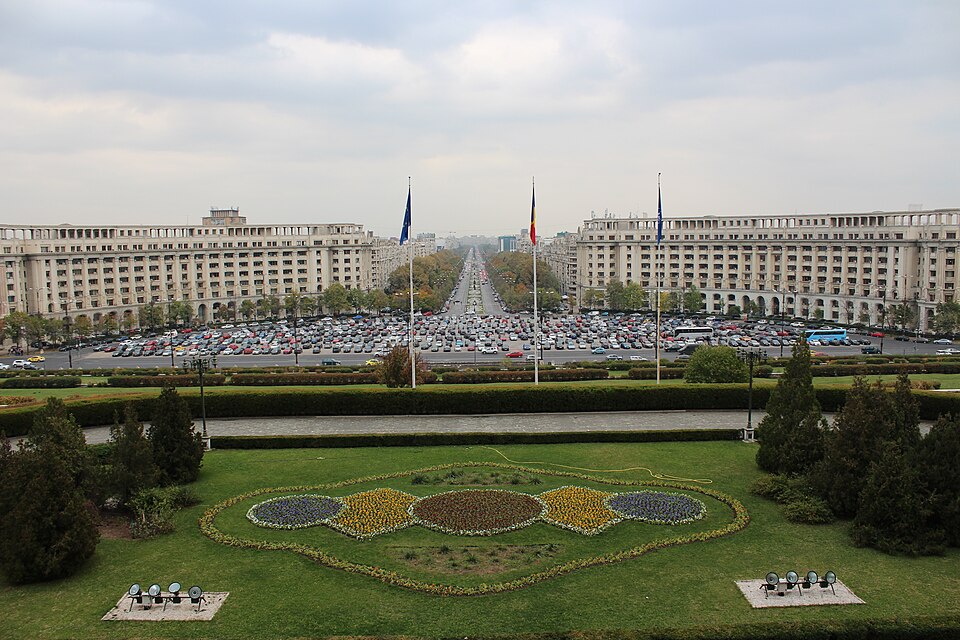
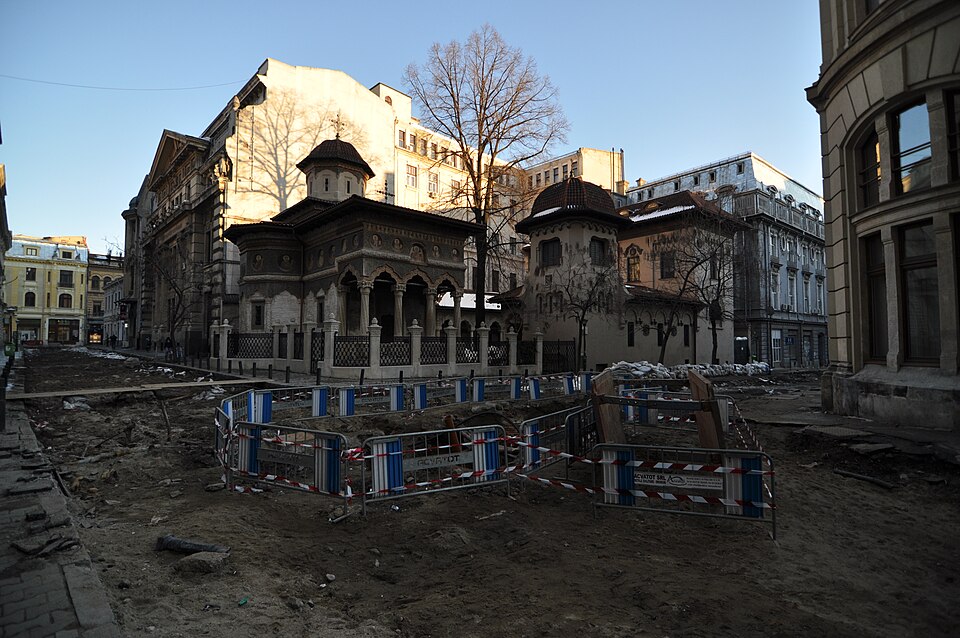
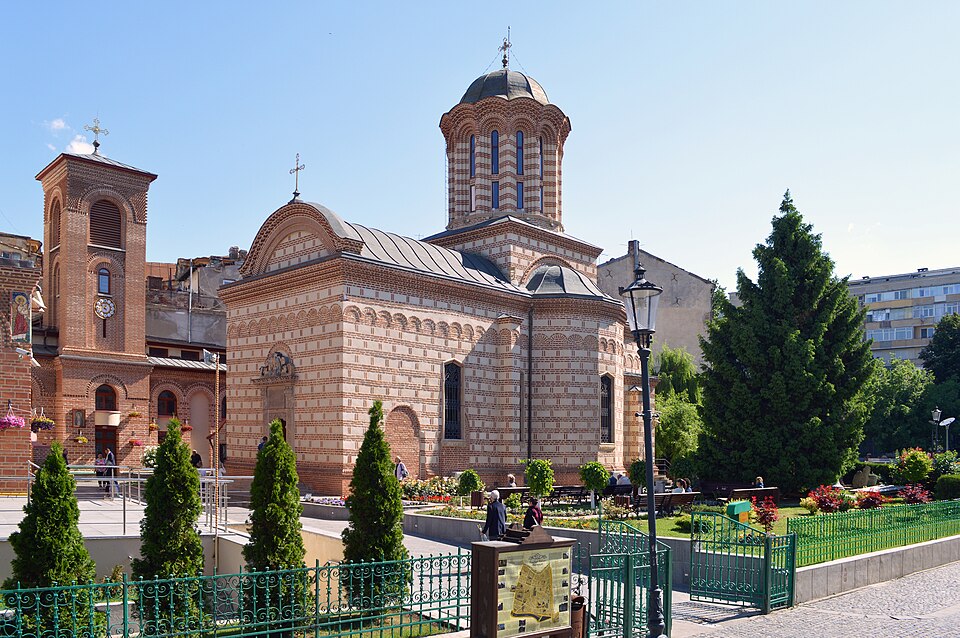
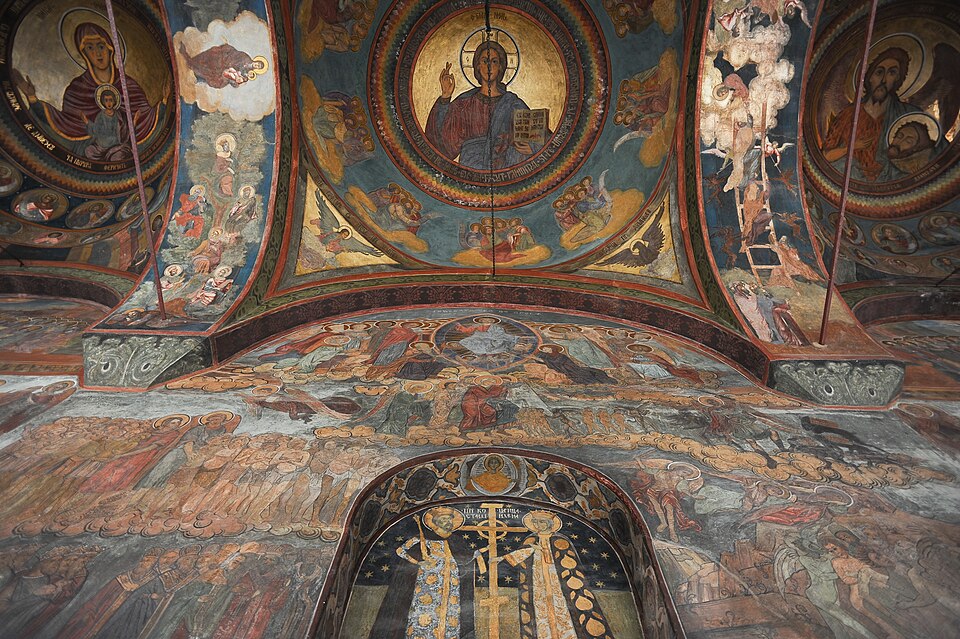
That tension makes Bucharest unlike anywhere else in Europe. The Palace of the Parliament is genuinely staggering — not beautiful, but impossible to ignore, and the sheer scale of it tells you something about what the communist decades cost. The Old Town blocks away are the opposite: small, human, with the Stavropoleos carving and the old beer hall at Caru' cu Bere reminding you what the city was before the bulldozers came. One day covers both, which is rare. Most European cities keep their history in one register; Bucharest forces you to hold two very different ones at once.