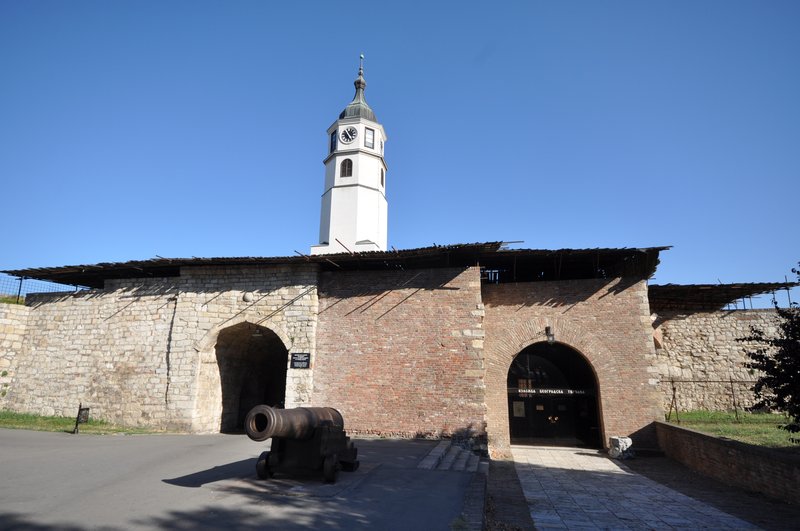
A clifftop citadel above the confluence of the Sava and Danube, fortified in some form since Celtic and Roman times, now Belgrade's largest park and the city's most popular sunset viewpoint.
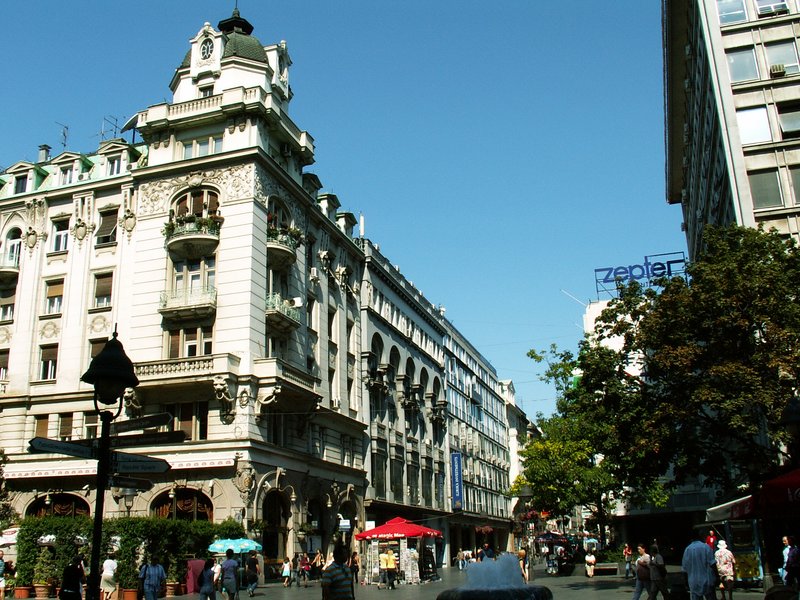
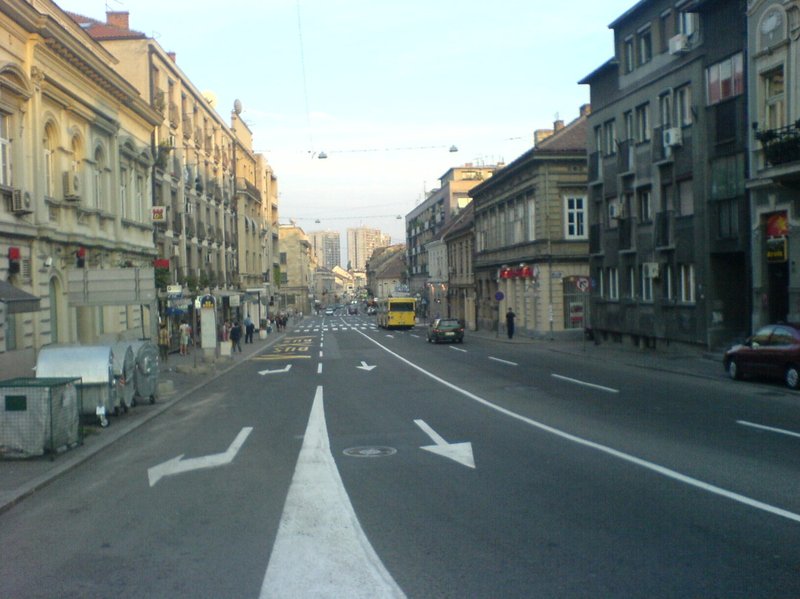
A kilometre-long, car-free promenade of 19th-century townhouses paved in granite slabs since its 1987 pedestrianization, and legally protected as one of Belgrade's oldest streetscapes.
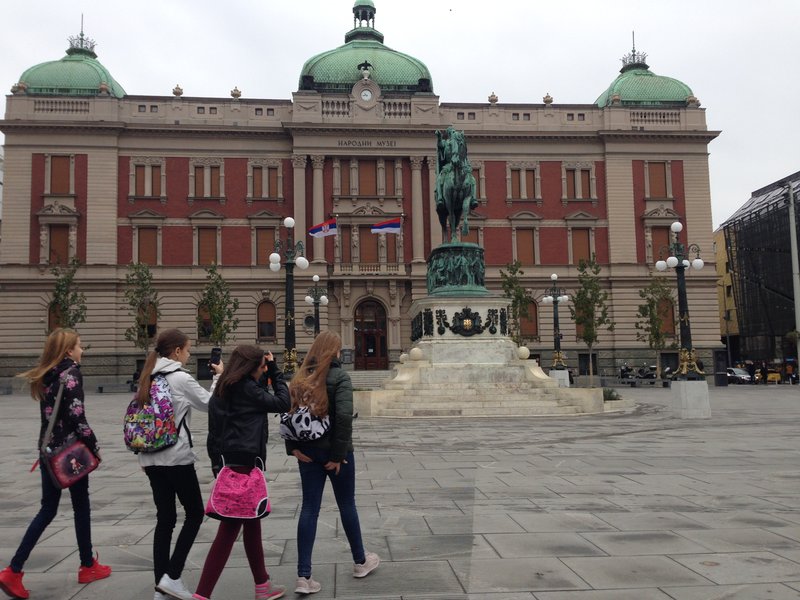
Belgrade's civic living room, framed by the National Museum and National Theatre around an 1889 equestrian statue of Prince Mihailo, and the traditional meeting point for the whole city.
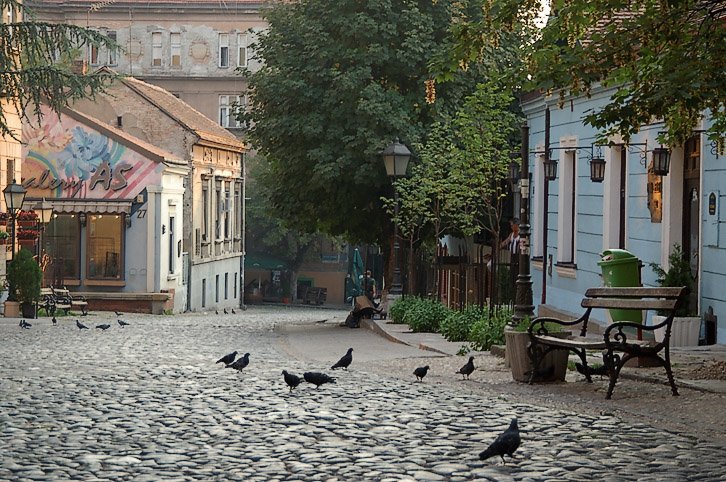
A cobbled bohemian quarter of century-old kafanas and artists' haunts, settled in the 1830s by painters and writers, and still standing today as Belgrade's answer to Montmartre.
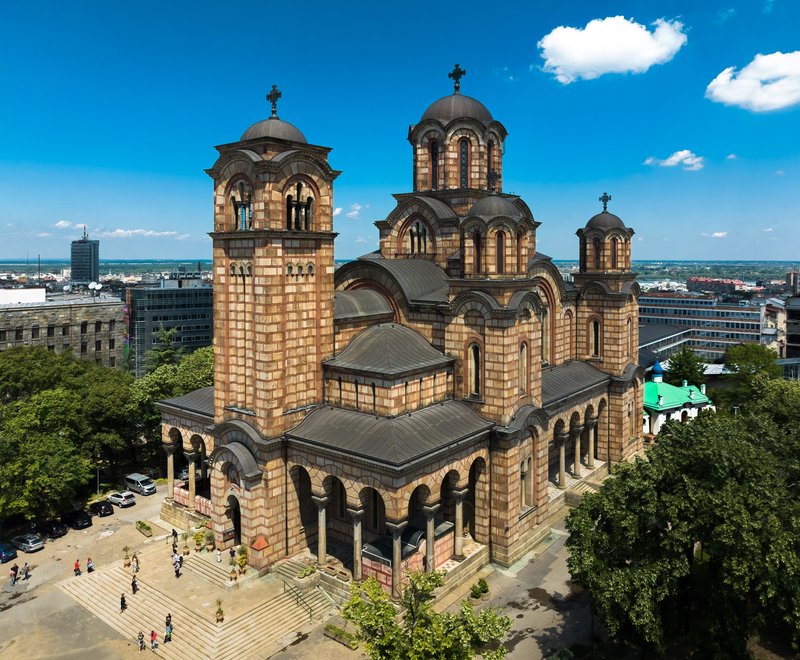
A Serbo-Byzantine church in Tašmajdan Park modeled on the medieval Gračanica Monastery, completed in 1940 and now Serbia's second-largest church after Saint Sava.
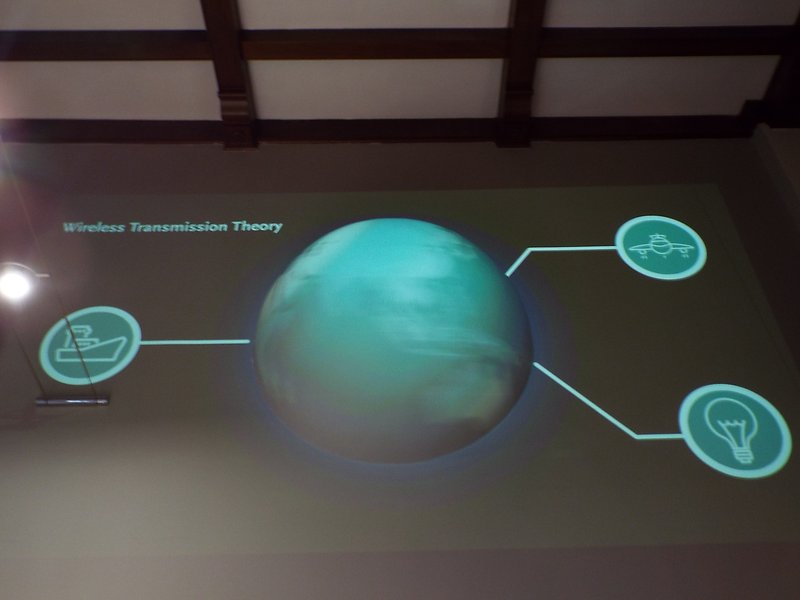
A compact museum built around Tesla's own estate and ashes, where a guide runs live demonstrations on a working Tesla coil and induction-motor models from his personal collection.
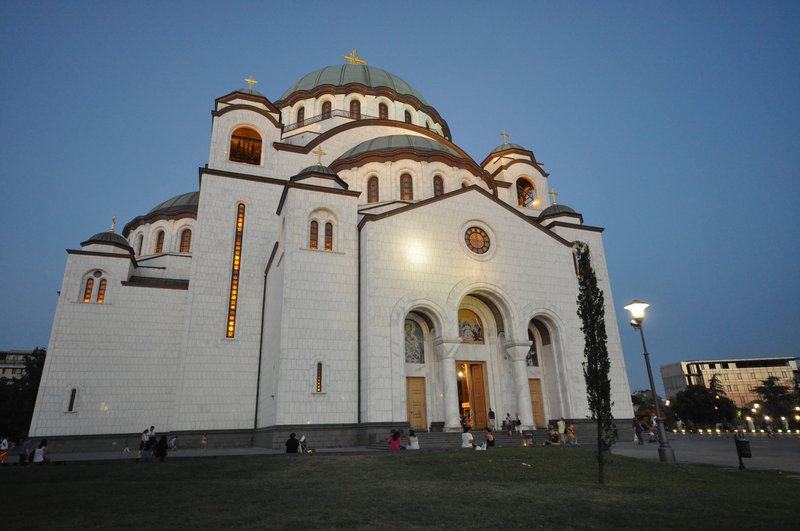
A Hagia Sophia-inspired dome on the Vračar plateau, built between 1935 and 2004 into the largest Serbian Orthodox church and one of the largest Orthodox places of worship in the world.
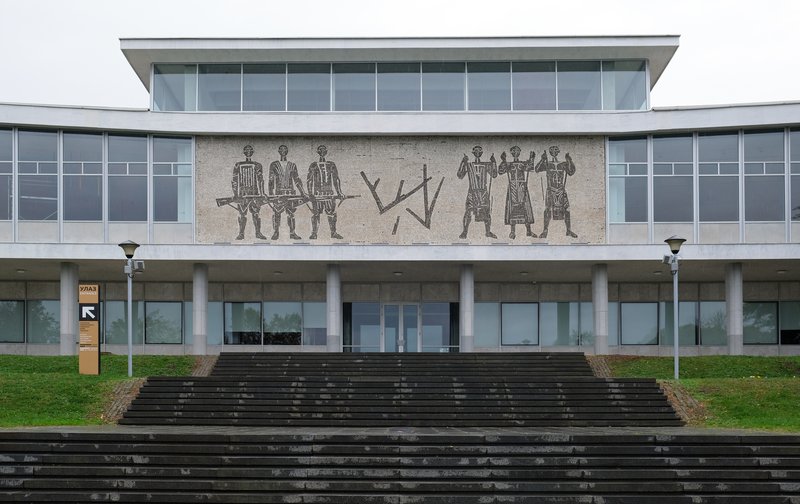
Josip Broz Tito's mausoleum and personal-gift archive on the Dedinje hillside, the most-visited museum in Serbia and the country's fullest record of the Yugoslav era.
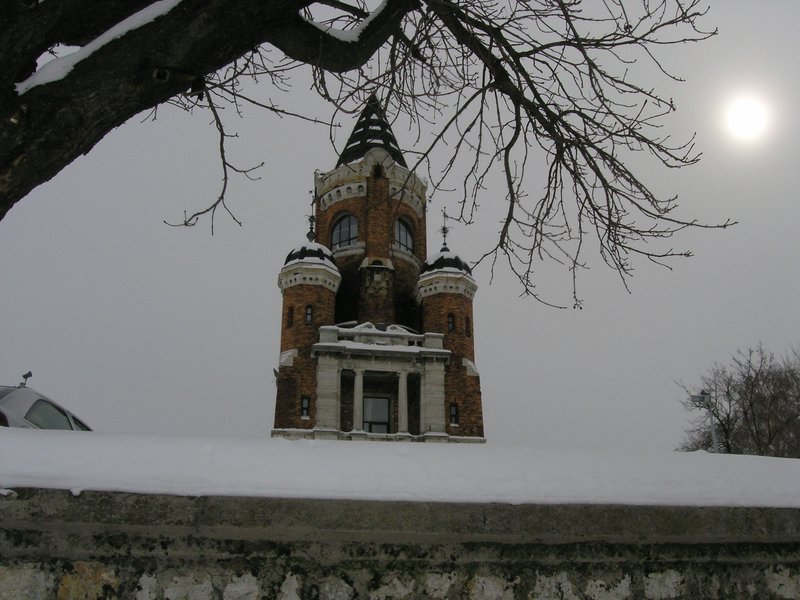
A red-brick 1896 memorial tower crowning Zemun's old hilltop quarter, built to mark a thousand years of Hungarian settlement on the Pannonian plain and now the best Danube viewpoint in Belgrade.
A grid of cobbled streets and merchant houses from Zemun's Habsburg era, including the 1764 Karamata Family House, preserved as the clearest surviving 18th-century townscape in Belgrade.
A 2.5-kilometre riverfront promenade along the Danube's right bank, opening below Gardoš hill, lined with cafés and fishing spots, and one of the most popular walking routes in Belgrade.
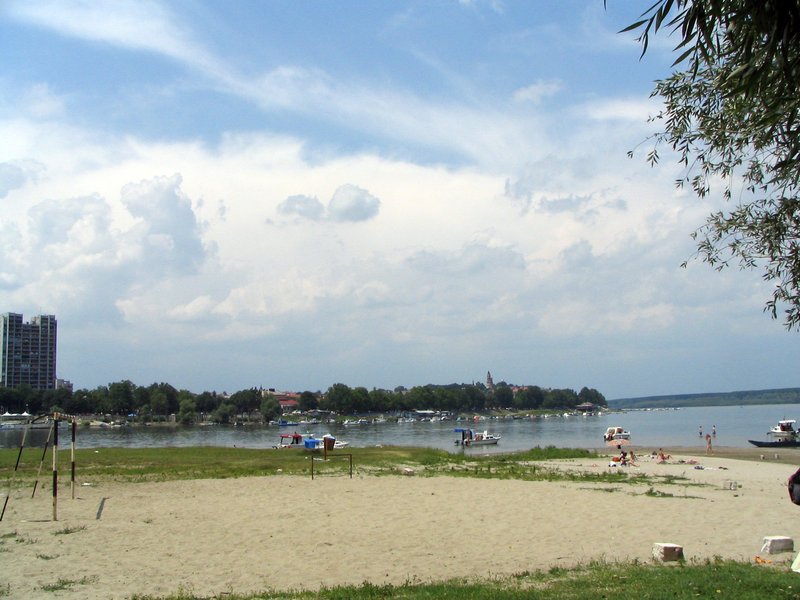
An uninhabited 2.1-square-kilometre nature reserve of willow forest and sandbar beach at the Sava–Danube confluence, home to 77 nesting bird species and reached by a short boat crossing from Zemun's quay.
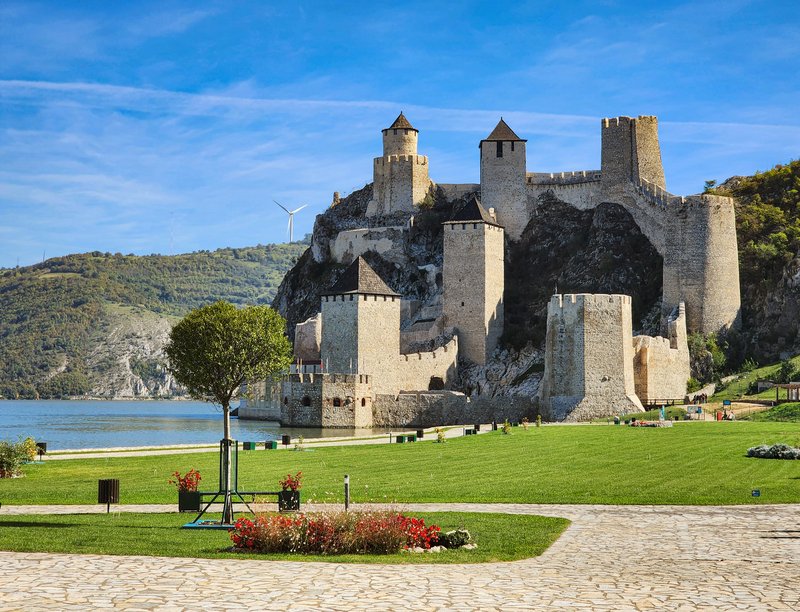
Nine stone towers climb from the Danube at the entrance to the Iron Gate gorge, guarding a strategic crossing contested by Serbian, Hungarian and Ottoman rulers for centuries. The green-zone route enters the palace and three towers without the exposed climbing sections.
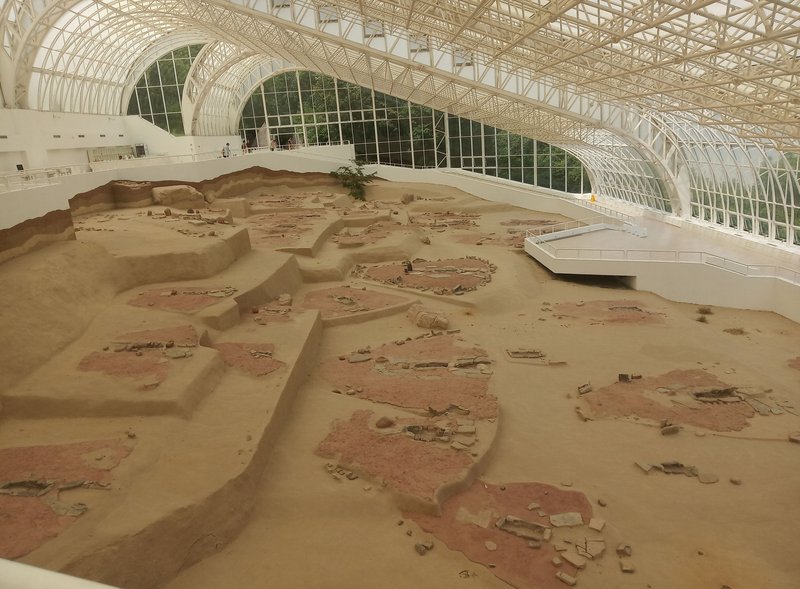
A glass-roofed museum preserves the trapezoidal house floors, hearths and ritual spaces of a Danube settlement inhabited from roughly 6300 to 5500 BC. More than 100 finds and replicas of its monumental fish-like sandstone sculptures reveal one of Europe's most distinctive Mesolithic cultures; the museum closes throughout February.
ARRIVE Subotica: 10 min · 4 min → Subotica City Hall
1.Subotica City Hall~50 min
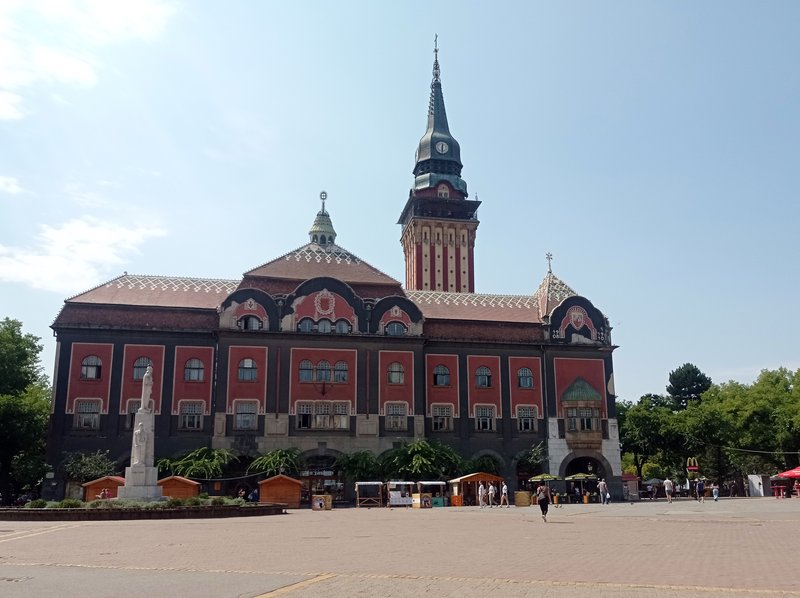
Subotica's 76-metre tower rises over a vast 1908–1912 civic complex by Marcell Komor and Dezső Jakab, wrapped in floral ceramics and Hungarian folk motifs. Start with the richly decorated exterior and ask the Tourist Information Centre inside about access to the ceremonial rooms and tower.
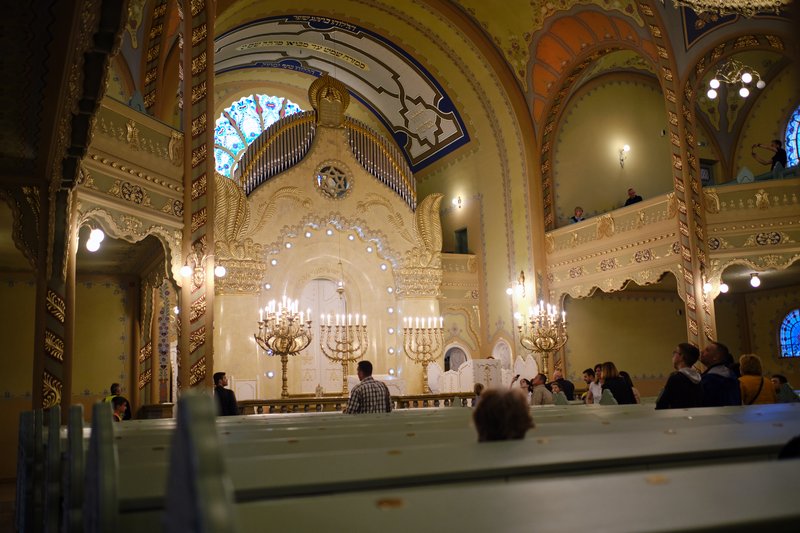
An exuberant 1902 synagogue whose iron-framed central dome, stained glass and Zsolnay ceramics reinterpret tulips, carnations and peacock feathers from Hungarian folk art. Its 2018 restoration returned the luminous blue, pink and gold interior to full colour.
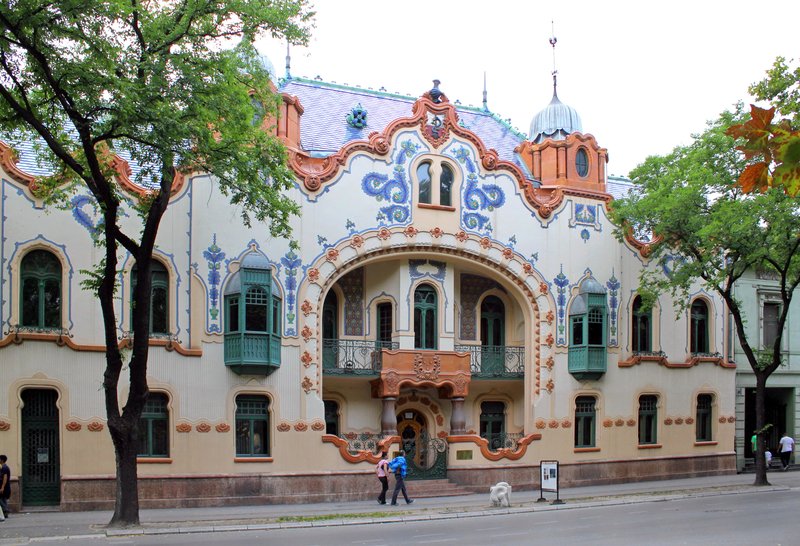
Architect Ferenc Raichle spent his fortune on this asymmetrical 1904 family home, layering heart-shaped windows, mosaics and Zsolnay ceramics around a vivid blue-green entrance. The palace now houses Subotica's Contemporary Art Gallery and a small historical display about the building.
A full-day trip north into Vojvodina to the wine village of Sremski Karlovci and the riverside city of Novi Sad, Serbia's two most visited towns outside the capital.
A day-long drive into the forested mountains of western Serbia, with a stop at the Drina River's iconic house-on-a-rock and viewpoints over Tara National Park's canyon.
A day trip east along the Danube to the riverside medieval fortress of Golubac and a boat ride through the Iron Gate gorge, the deepest river gorge in Europe.
A guided walk through bakeries, markets and hole-in-the-wall spots for more than twenty tastings of Serbian street food, cured meats, cheeses and rakija.
A small-group tasting walk through central Belgrade sampling borek, shopska salad, ćevapi with kajmak and ajvar, and other Serbian specialties travelers and locals both eat.
A walk through the Roman well, an Austrian gunpowder magazine and a Cold War-era bunker beneath Belgrade Fortress, finishing with a glass of sparkling wine on the riverbank.
A guided minivan circuit through New Belgrade, Zemun and Dedinje — the neighborhoods a short city-centre visit skips — with stops at Saint Sava and the Museum of Yugoslavia.
Serbia's national spirit, a fruit brandy — most often plum, šljivovica — distilled at home or commercially and poured as a welcome drink before nearly any meal.
Grilled minced-meat rolls served in flatbread with raw onion and kajmak, the everyday grilled-meat staple of Belgrade's kafanas and fast-food counters alike.
Foreign number: accepted. — the sign-up form takes any country code and the SMS code arrives over international roaming.
Wolt covers the widest restaurant selection in central Belgrade with reliable live courier tracking; delivery fees run a bit higher than Glovo's on short, in-town hops.
Foreign number: accepted. — the sign-up form takes any country code and the SMS code arrives over international roaming.
Glovo, having absorbed the former domestic platform Donesi, covers restaurants, groceries and pharmacy items across Belgrade at competitive fees, with weekend surge pricing the main drawback.
Foreign number: not accepted. — sign-up requires a Serbian number and foreign numbers are frequently rejected outright; support can register one by email instead.
CarGo is Belgrade's dominant ride-hailing app, with fast pickups and in-app card payment, but the Serbian-number requirement makes it awkward on a short visit — a local SIM or a hotel-booked taxi is often simpler.
Foreign number: not accepted. — SMS codes are routed to Russian and CIS numbers only; a foreign number can instead sign in through Yandex's Google login option.
Yandex Go covers Belgrade with metered fares and live driver tracking, and rides can also be booked by phone without the app — but the standard SMS sign-up shuts out most foreign travelers.
Serbia's laid-back second city, with an Austro-Hungarian old town around Trg Slobode, the hilltop Petrovaradin Fortress over the Danube, and the EXIT festival every July. Fast direct trains run roughly every 30 minutes, making this the easiest day trip to take.
A small baroque wine town on the Danube just past Novi Sad, its main square ringed by 18th-century landmarks — the Four Lions Fountain, the Patriarch's Palace — with cellars pouring Bermet, a historic dessert wine once served on the Titanic.
A quieter inland town on the Kolubara River, built around the cobbled Tešnjar quarter of 19th-century craft workshops, with the ruins of Valjevo Fortress and a National Museum covering the region's role in Serbia's 1804 uprising.
Serbia's Art Nouveau showcase near the Hungarian border, with a flamboyant City Hall, the pastel Raichle Palace, and a 1902 synagogue built in the same style — plus Lake Palić just outside town for an afternoon by the water.
The center of Serbia's oldest wine region, planted by Alsatian settlers 300 years ago, with a compact old town beneath the Cathedral of Saint Gerhard and family wineries pouring Rhine Riesling just outside the station.
Belgrade has been leveled and rebuilt more than forty times across its history, sitting as it does on the invasion route between the Ottoman and Habsburg empires — Celtic, Roman, Byzantine, Ottoman, Austro-Hungarian and Yugoslav layers all show through in the same few blocks, sometimes on the same building.
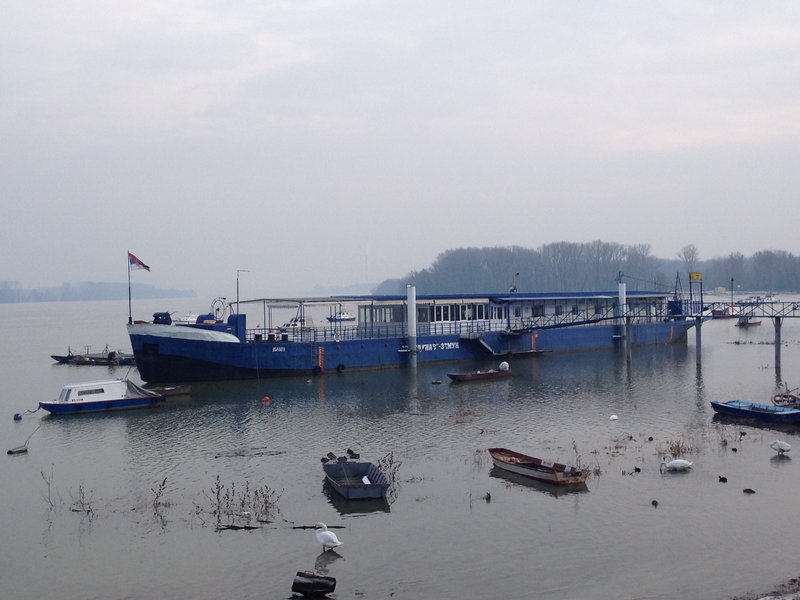
A splav is a barge converted into a bar or club, moored along the Sava and Danube riverbanks, and they are Belgrade's signature night out rather than a tourist gimmick — locals pick a splav by its music policy — folk, house, turbo-folk — as carefully as they'd pick a restaurant.
Serbian is written officially in both Cyrillic and Latin script, and the two alternate on street signs, menus and storefronts with no fixed pattern — it is not a bug or an inconsistency, just how the language is actually used day to day.
Cards are widely accepted in restaurants and shops, but many kafanas, market stalls and smaller cafés still run cash-only or prefer it, and dinar notes are easiest to come by from a bank ATM rather than a currency exchange counter.