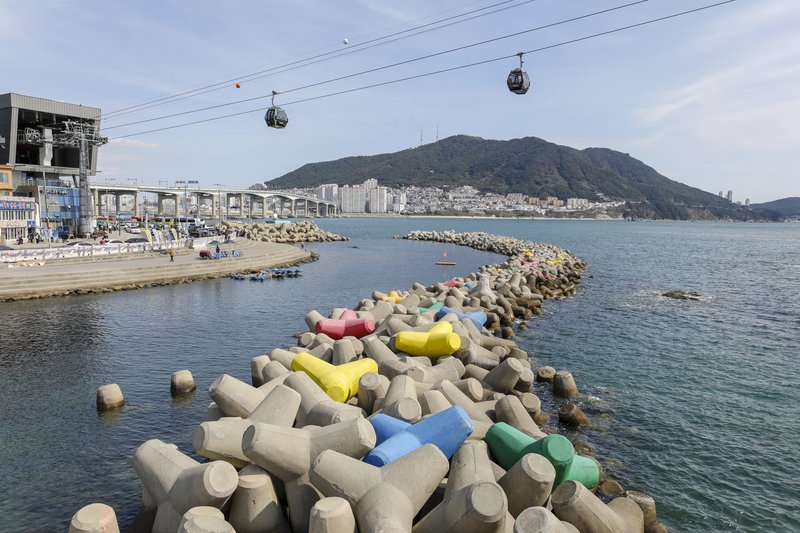
A 365-meter glass-panel walkway suspended 11 meters above the East Sea at Songdo Beach, forming a semicircle over the water and offering unobstructed views along the Seo-gu coastline toward the western hills and the Amnam Park headland.
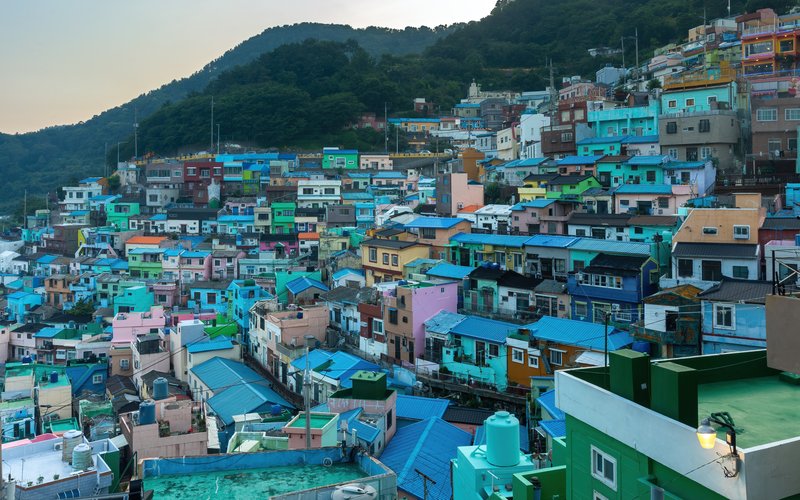
A steep hillside neighborhood of pastel-painted houses, murals, and art installations built by Korean War refugees who carved terraced homes into Saha-gu's slopes in the 1950s; the most photographed neighborhood in South Korea.
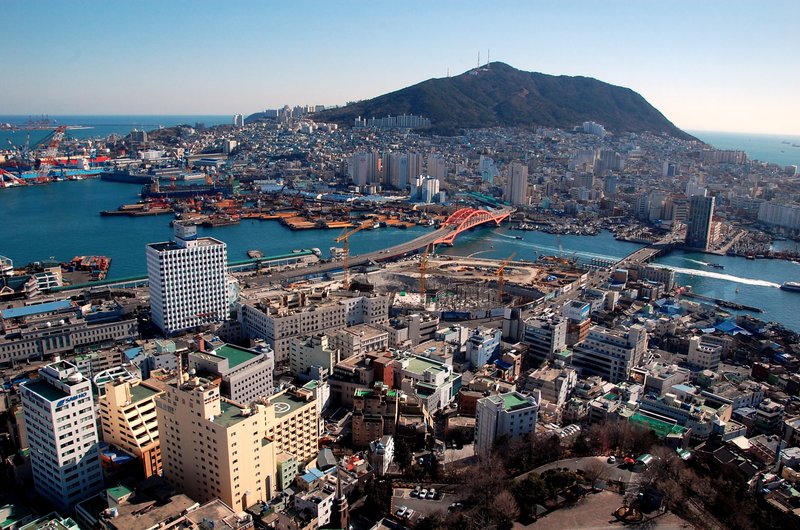
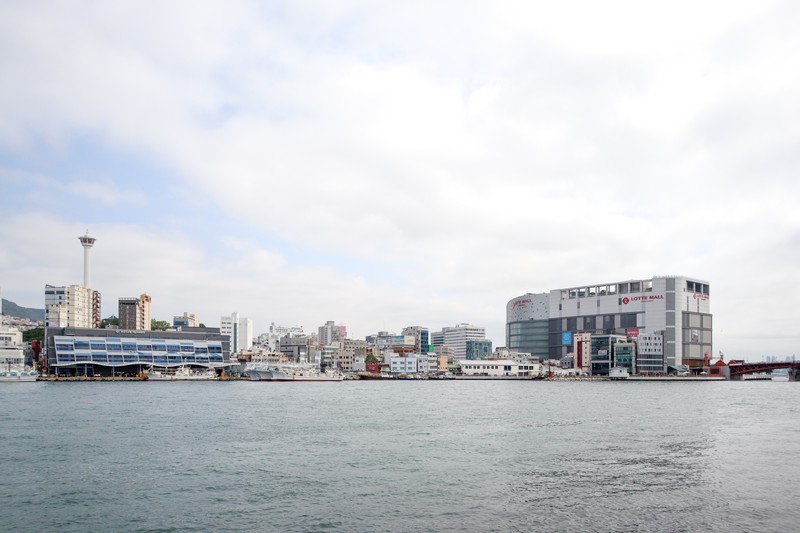
A 120-meter observation tower atop Yongdusan Park in Jung-gu, offering 360-degree views across the port, Yeongdo Island, and the ring of mountains that defines Busan's skyline from the south coast to the north ridgeline.
A coastal resort park on the southern tip of Yeongdo Island, known for its 20-meter sea cliffs, lighthouse walks, and exposed rock strata laid down 70 to 100 million years ago; the most dramatic shoreline within the city boundary.
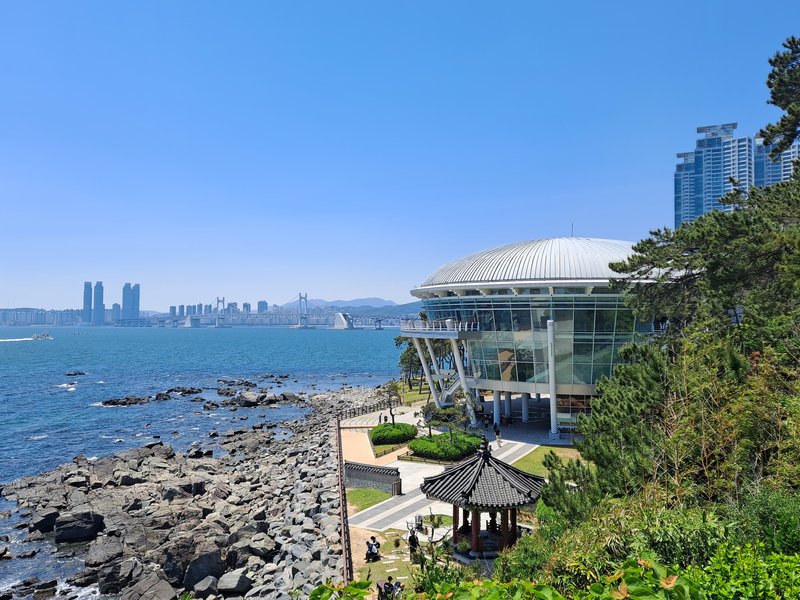
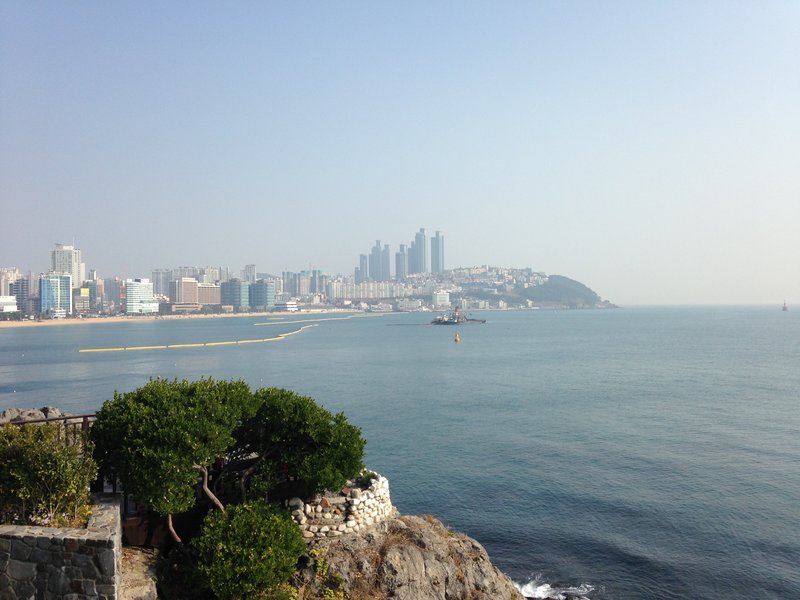
A forested promontory connected to Haeundae Beach by a promenade, home to the Nurimaru APEC House where 21 world leaders met in 2005 and a 1.7-kilometer coastal trail lined with winter camellias.
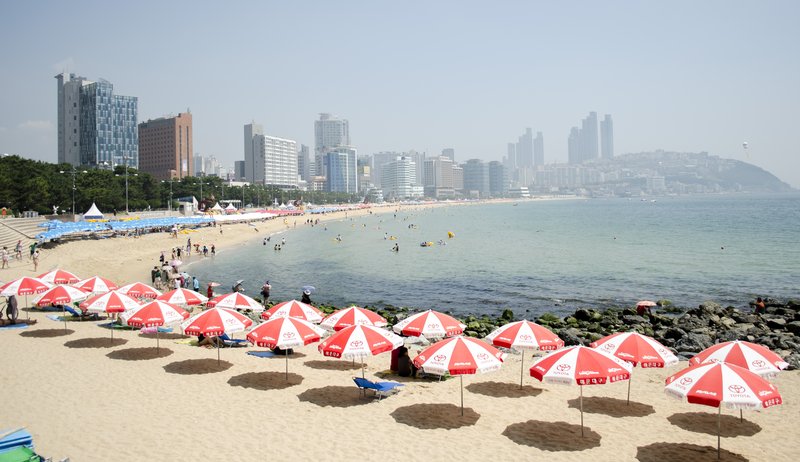
South Korea's most visited beach — an 1.8-kilometer crescent of fine sand in Haeundae-gu, backed by towers of luxury hotels and framed by Dongbaek Island to the west.
A 20,000-seat outdoor venue in Centum City topped by a 163-meter canopy fitted with the world's largest LED display, which runs light shows after dark; it hosts the Busan International Film Festival each October.
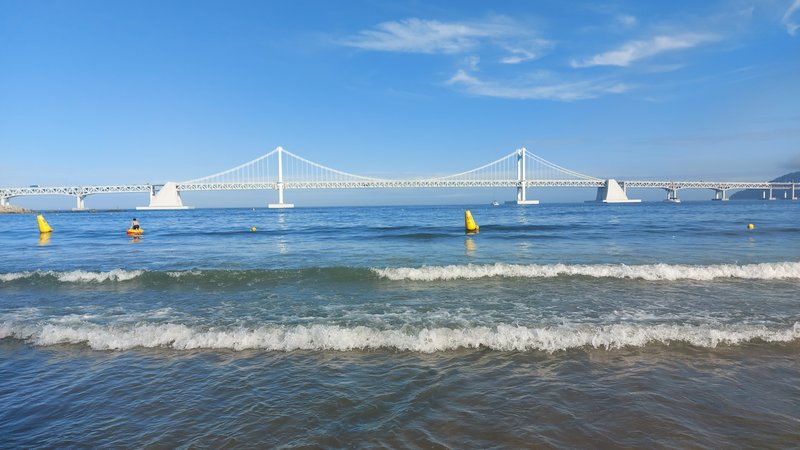
A 1.4-kilometer stretch of sand in Suyeong-gu fronting the twin-span Gwangan Bridge, backed by a dense row of cafés and restaurants that remain lit well into the night.
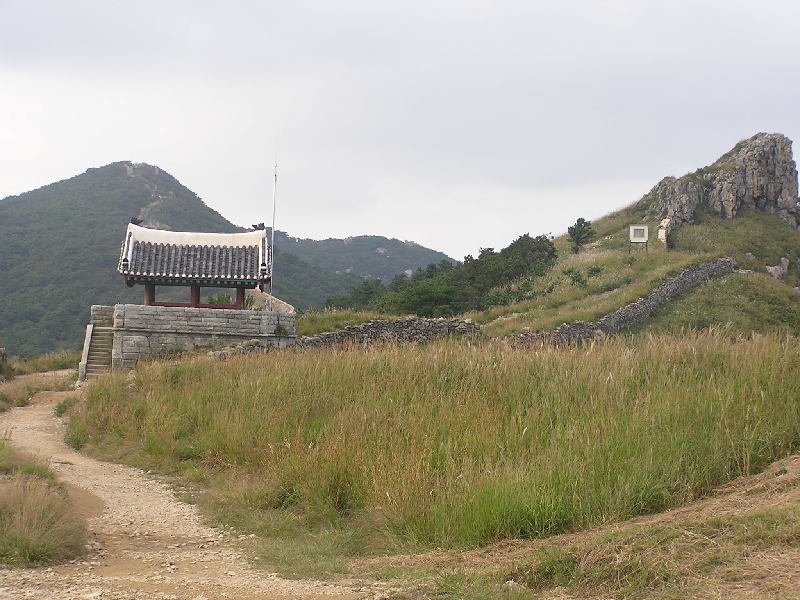
Korea's largest fortress — a 17-kilometer stone wall built in 1703 on the ridgeline of Geumjeongsan mountain, accessible by cable car from Geumgang Park; the walls and four gates take a full morning to explore.
The cable car is the most practical ascent — buy tickets at the Geumgang Park entrance booth. The fortress walls are always open once you reach the summit.
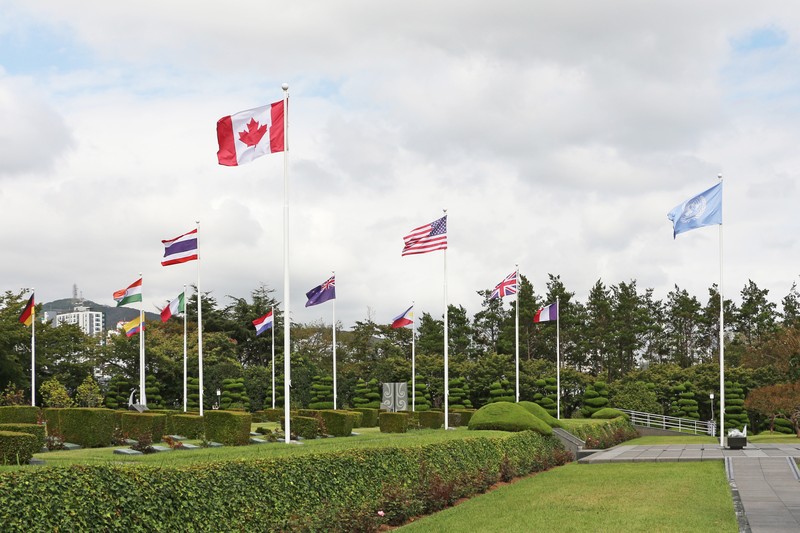
The world's only operational United Nations military cemetery, maintaining 2,300 graves from 11 nations who fought in the Korean War between 1950 and 1953, set within a 14-hectare garden in Nam-gu.
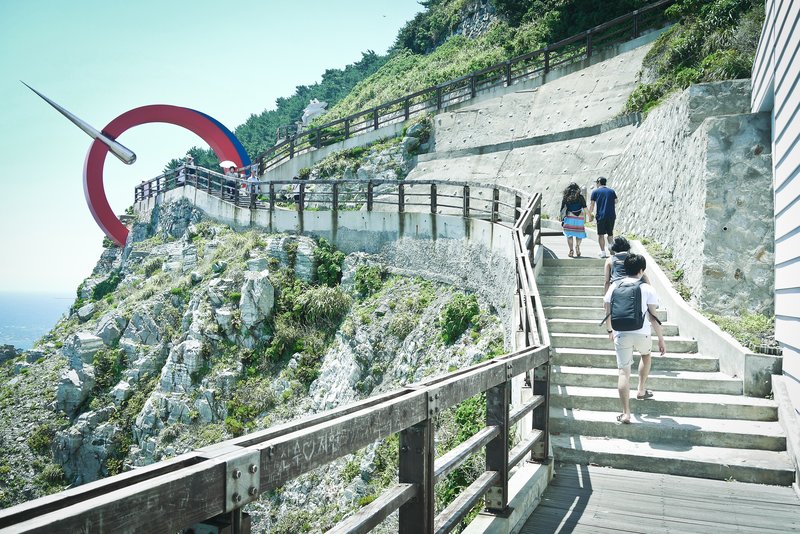
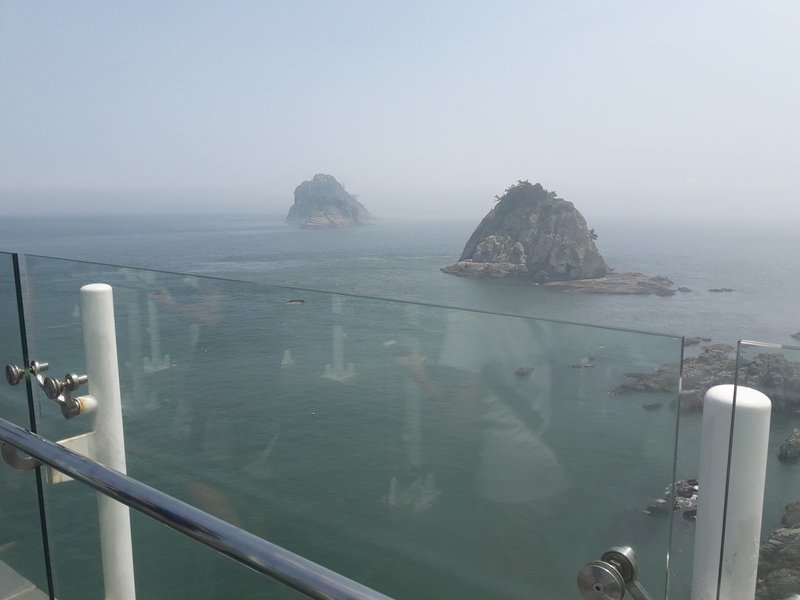
A 15-meter glass-floored walkway cantilevered 35 meters above the East Sea, overlooking the five rocky islets of Oryukdo at the southernmost point of the Korean mainland coastline.
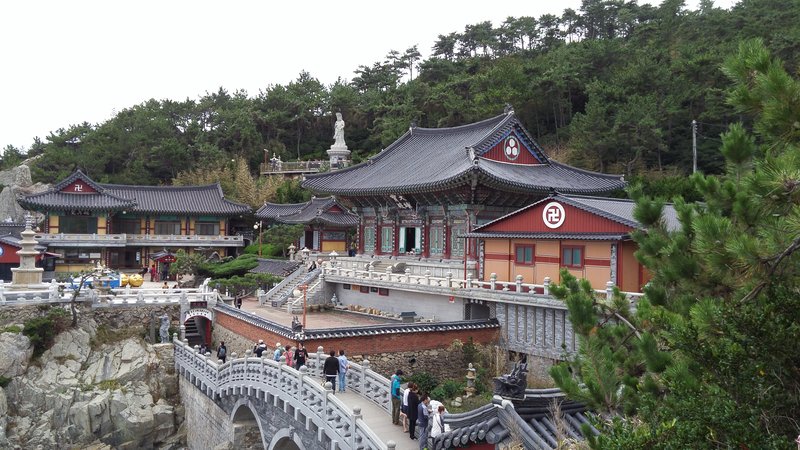
A Buddhist temple built on a rocky headland above the East Sea in Gijang-gun, one of the very few in Korea set on the coastline — broad stone staircases descend past zodiac-animal statues and dragon-flanked gates to a main hall perched directly over the water.
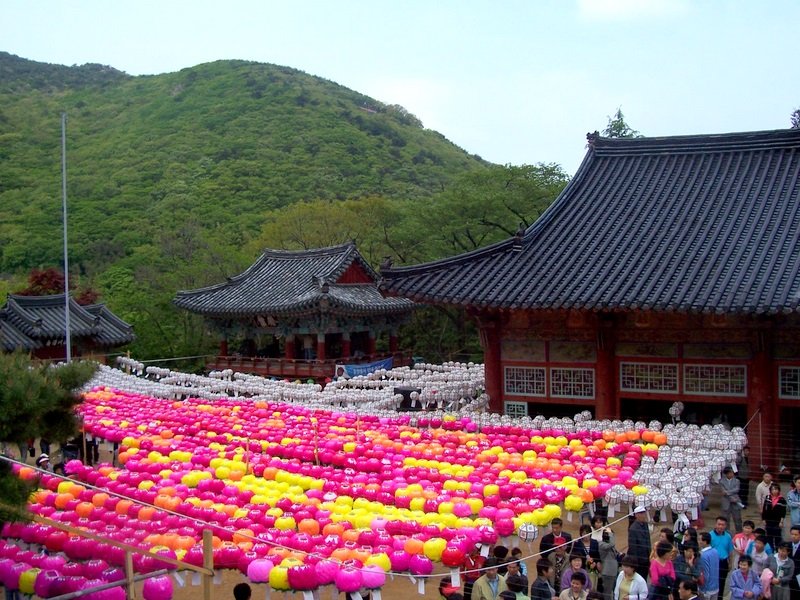
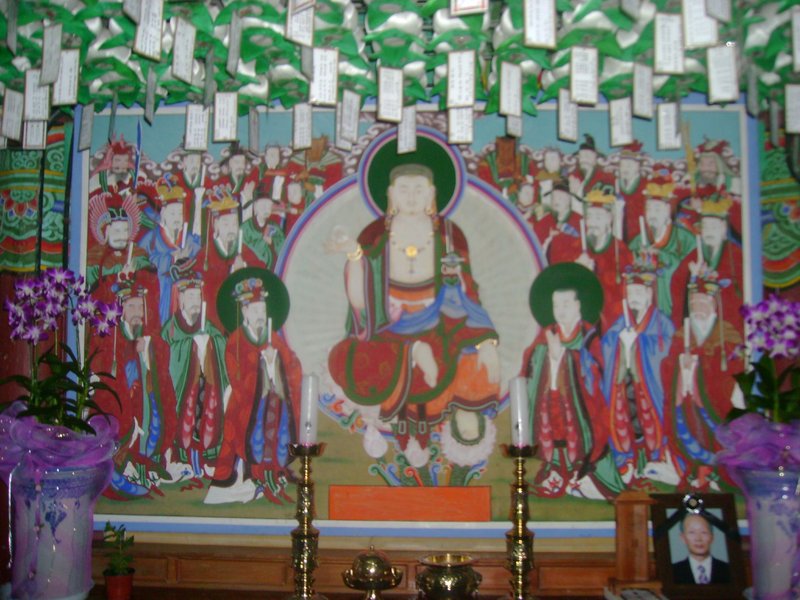
One of three major Buddhist temples in southeastern Korea, founded in 678 CE on the forested slopes of Geumjeongsan mountain; a head temple of the Jogye Order's Seon school, with stone-paved paths linking the main Daeungjeon hall, multiple hermitages, a bell pavilion, and the ancient Burimun gate.
A 2.2-kilometer clifftop walking path known as Moontan Road on the headland between Haeundae and Songjeong beaches, one of Busan's eight designated scenic areas; the path passes Haewoljeong Pavilion — the best viewpoint for the East Sea coastline — and a line of independent cafés set in traditional and modern buildings facing the sea.
A 158,000-square-meter theme park in Gijang County built around a lakeside castle with roller coasters, a monorail, and themed zones that anchor Busan's newest resort district on the city's northeastern coast.
ARRIVE Singyeongju Station: 24 min → Bulguksa Temple
1.Bulguksa Temple~1 hr 30 min
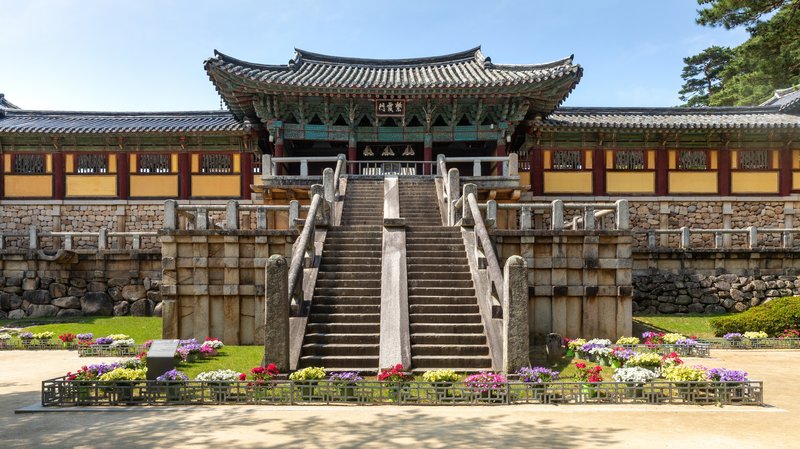
A head temple of the Jogye Order built in 774 CE on the slopes of Tohamsan and reconstructed after wartime destruction; six National Treasures survive within its courtyards, including the Dabotap and Seokgatap stone pagodas and the Cheongun-gyo stone bridge. Inscribed as a UNESCO World Heritage Site alongside Seokguram Grotto in 1995.
A granite hermitage built into the shoulder of Tohamsan above Bulguksa in the mid-8th century, centered on a monumental seated Buddha that faces the East Sea through a domed stone chamber; considered the finest surviving example of Silla-era Buddhist sculpture. A glass barrier now protects the sanctum.
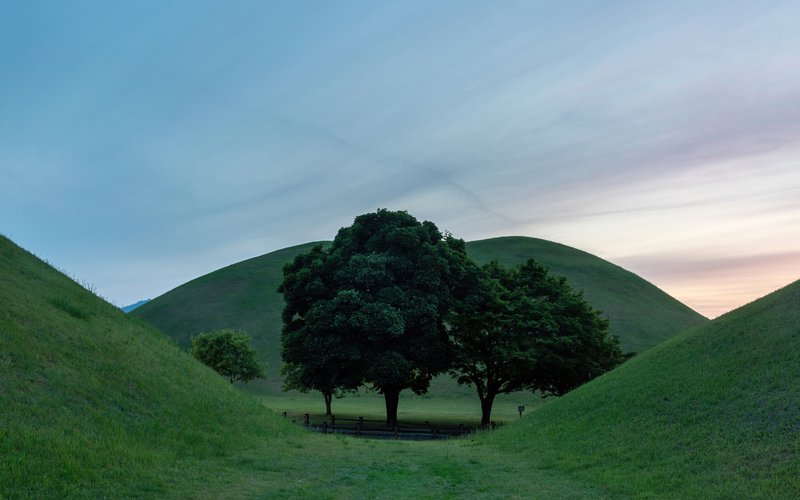
A royal burial ground of grass-covered earthen mounds at the heart of old Silla, holding 23 tombs dated to the 4th through 6th centuries; the interior of Cheonmachong, excavated in 1973, is open to visitors and displays a gilt crown and the namesake painting of a heavenly horse recovered from the burial chamber.
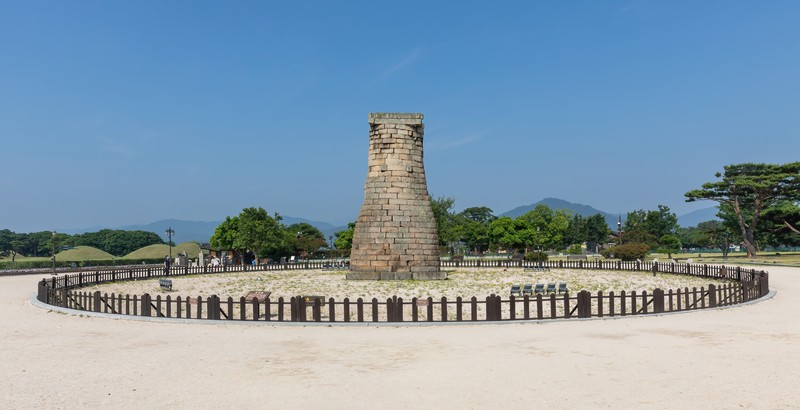
A bottle-shaped stone tower built in the mid-7th century during the reign of Queen Seondeok, regarded as the oldest surviving astronomical observatory in East Asia; its 362 stones are said to represent the days of the lunar calendar, stacked in 27 layers up to the summit opening.
Extended small-group city tour with a certified guide, covering Busan's main districts including Gamcheon, the waterfront, and Haeundae over a full day.
Modern Korean · creative small plates with seasonal local ingredients; the most consistently praised table-service restaurant on the Gwangalli waterfront.
Milmyeon · cold wheat noodles in chilled beef broth; Busan's Korean War-era variation on naengmyeon. The standard reference for the dish near Busan Station.
Busan's signature breakfast dish — simmered pork-bone broth served with tender sliced pork and a bowl of rice; developed from necessity in the Korean War era, now the city's most defining food.
Cold wheat noodles in chilled beef or chicken broth — Busan's answer to naengmyeon, created when buckwheat was unavailable during the war. Served with a small cup of spicy sauce on the side.
A Busan twist on the classic sweet pancake: filled with mixed seeds, nuts, honey, and cinnamon, then deep-fried until the exterior is crisp. Sold at street stalls on BIFF Square in Nampo-dong.
Foreign number: not accepted. — sign-up asks for ID verification tied to a Korean number.
Korea's biggest delivery app and the one with every Haeundae restaurant on it, but it is built for residents — Korean ID, Korean card, Korean-only interface — so a visitor uses it through the hotel concierge or a Korean friend, not from their own phone.
Foreign number: not accepted. — a Coupang account needs a Korean number linked to an ARC.
The fastest of the three, with single-order couriers and free delivery on Coupang WOW, and strong in Haeundae and Centum City; the same resident-only sign-up applies, so for a visitor it is a name to give the front desk rather than an app to install.
Foreign number: not accepted. — first orders require Korean ID verification.
The third app, smaller than Baemin but with the same chains and chicken-and-pizza places across Haeundae-gu; it adds nothing a visitor can reach without Korean ID, and the hotel's own room service or a walk to Haeundae Market is the practical answer.
Foreign number: accepted. — the English-language app takes a foreign number and the verification code arrives by SMS on a foreign SIM; foreign cards are accepted for in-app payment.
The app every taxi in Busan answers to — it hails ordinary metered cabs, so the fare is the city rate with no surge, and a car is usually under five minutes away in Haeundae and Seomyeon; drivers rarely speak English, so type the destination in the app rather than explaining it.
South Korea's fourth-largest city, known for Seomun Market, the Donggwang Cathedral neighborhood, and an average temperature that runs warmer year-round than the national mean.
Busan's identity was forged in the Korean War. The Gamcheon Culture Village, now photographed by millions, was built in the early 1950s by followers of the Taegukdo religious sect who fled south ahead of the war front. The terraced hillside houses — built with whatever materials were available — were later joined by tens of thousands of other refugees, making Gamcheon one of the most densely populated urban areas on the peninsula. Its transformation into an art district came in 2009, but the original structure, the steep stairways between houses, the rooftop-on-rooftop city form — all of that is still the refugee settlement exactly as it was built.
The city's relationship with the sea runs deeper than tourism. Busan has the busiest container port in South Korea and the fifth-busiest in the world. The ship traffic visible from Taejongdae's cliffs or Dongbaekseom's promontory is not scenery — it is the literal engine of the national economy moving through the harbor. The same port was the last point of evacuation during the Korean War. The city that nearly fell is now the city that keeps everything moving.
Geumjeongsanseong's cable car is rarely crowded compared to the fortress's scale — most visitors to the Dongnae area don't bother with the hike. At the top, the stone walls run for 17 kilometers over the mountain ridgeline, but almost no one walks more than the first kilometer toward the North Gate. On a clear morning, the view from the South Gate looks directly down into the city's residential grid and out to the sea beyond — a perspective few visitors to Busan ever see.