From Hotel: 27 min · 8 min → Göreme Open Air Museum
1.Göreme Open Air Museum~2 hr
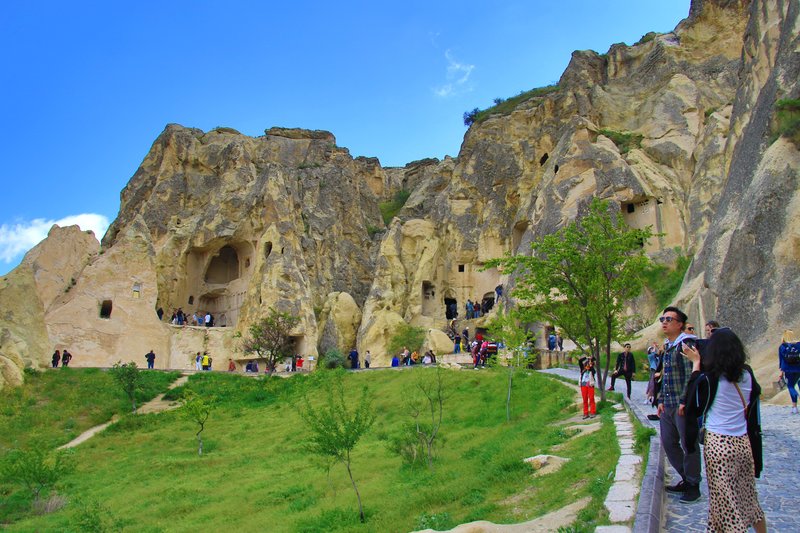
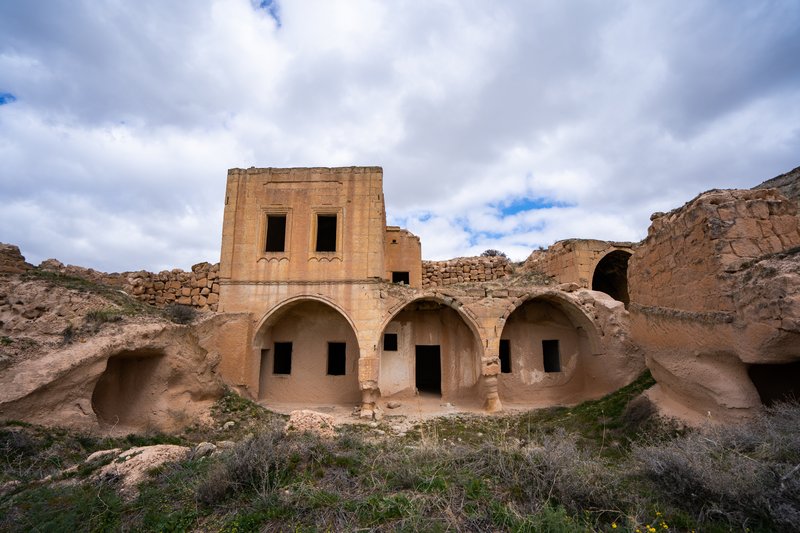
A valley of rock-cut monasteries where Byzantine monks carved more than 30 churches and chapels between the 9th and 11th centuries, several still holding their original frescoes.
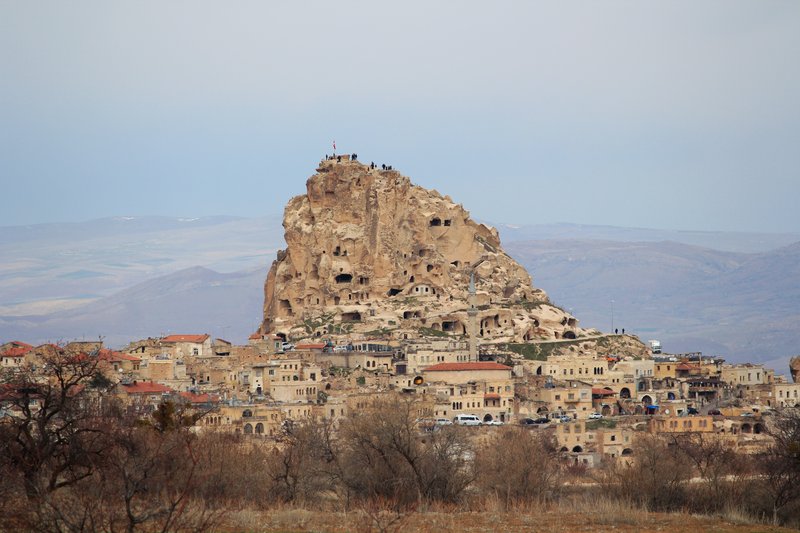
The tallest cone in the region, honeycombed with rooms, stables, and escape tunnels carved over centuries as a refuge in times of invasion, whose summit gives a 360-degree view over every valley in Cappadocia.
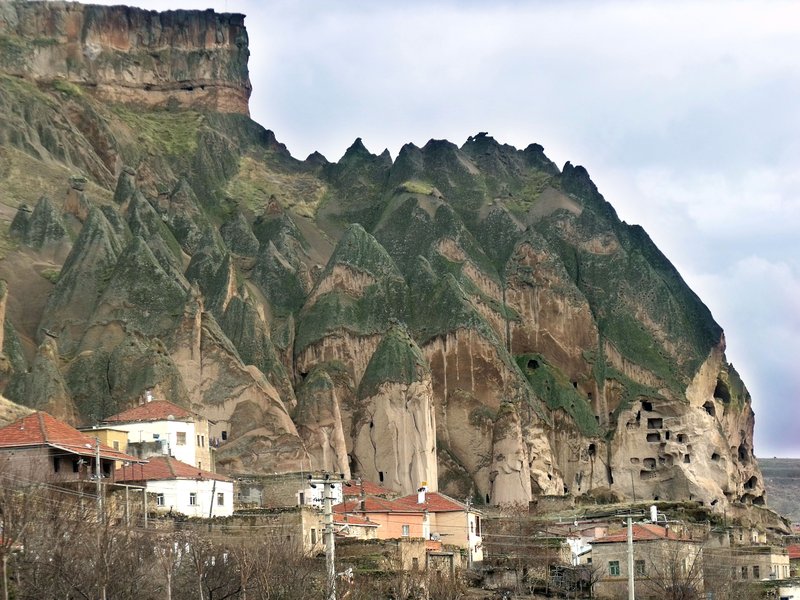
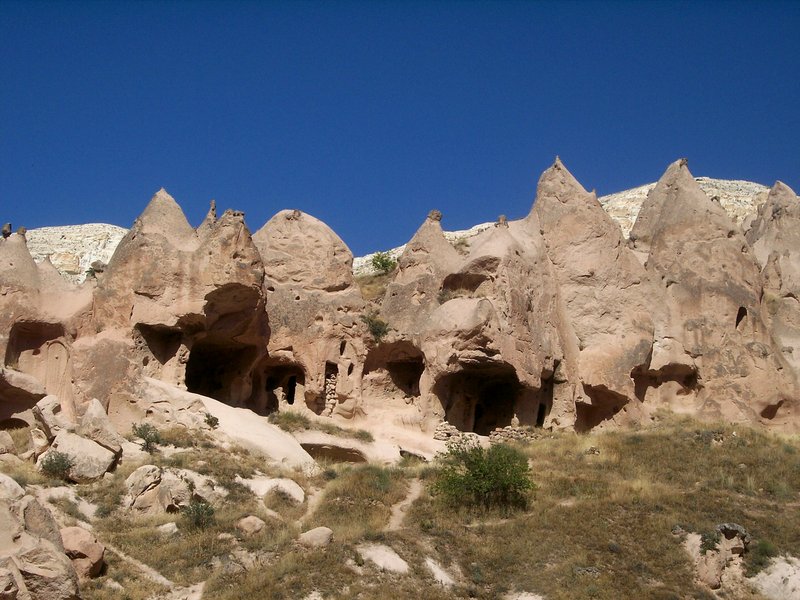
A valley of tall, slender fairy chimneys shaped by wind and water erosion over millions of years into some of the most photographed and distinctively formed rock towers in all of Cappadocia.
From Hotel: 15 min → Hot Air Balloon Ride over Cappadocia
1.Hot Air Balloon Ride over Cappadocia~1 hr
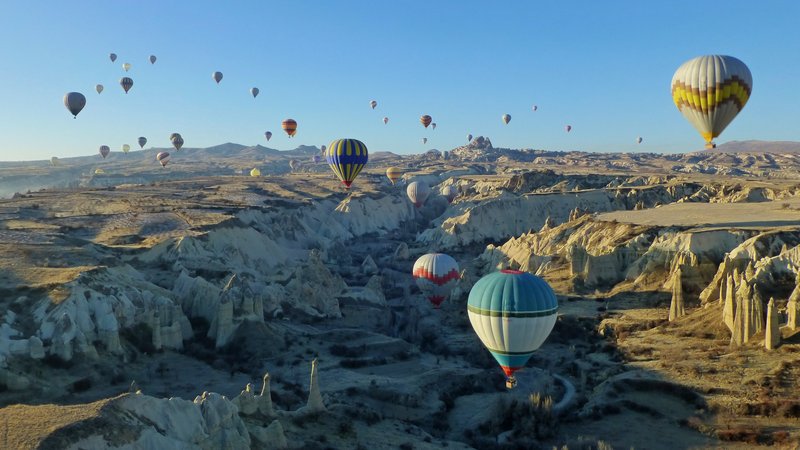
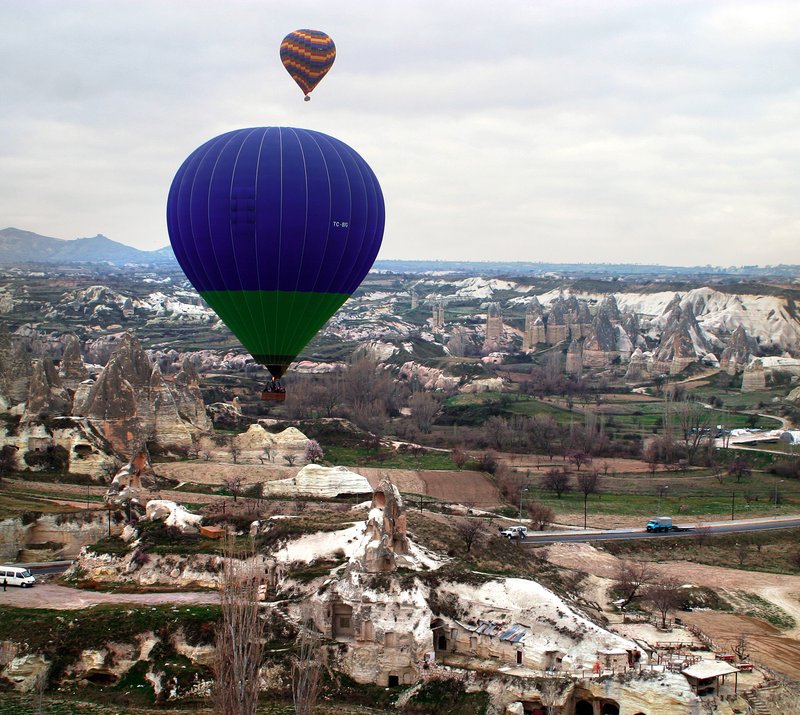
A sunrise flight over the fairy chimneys and valleys of Cappadocia, among the most iconic hot-air ballooning experiences in the world. A transfer van collects guests from the hotel 90 minutes before sunrise; the exact launch field shifts daily with the wind.
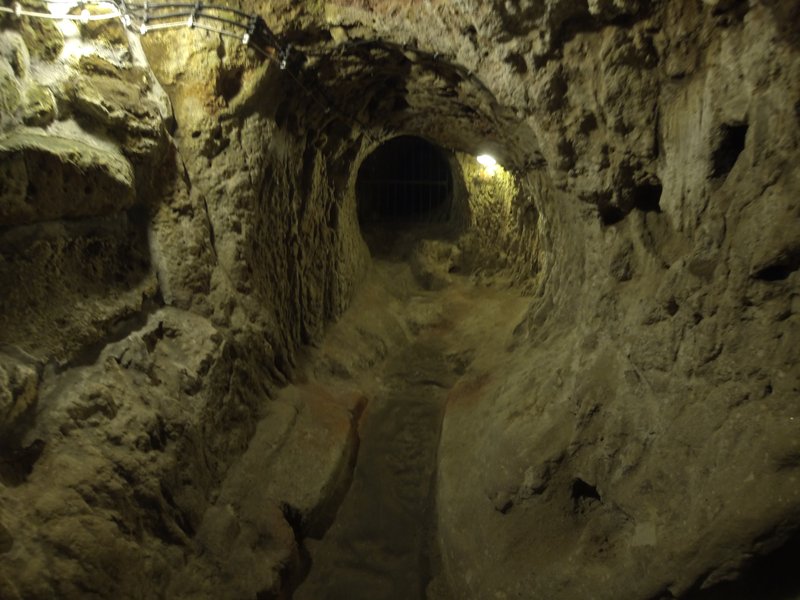
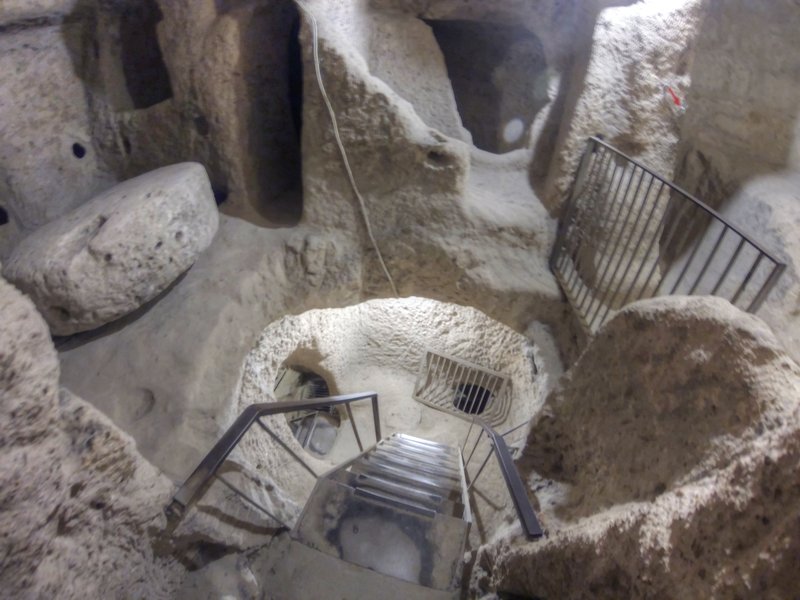
The largest excavated underground city in Cappadocia, an 85-metre-deep multi-level complex carved to shelter as many as 20,000 people together with their livestock and stores.
A second underground city south of Nevşehir, its tunnels linking kitchens, stables and a winery carved across eight levels, wider and more sprawling than Derinkuyu's.
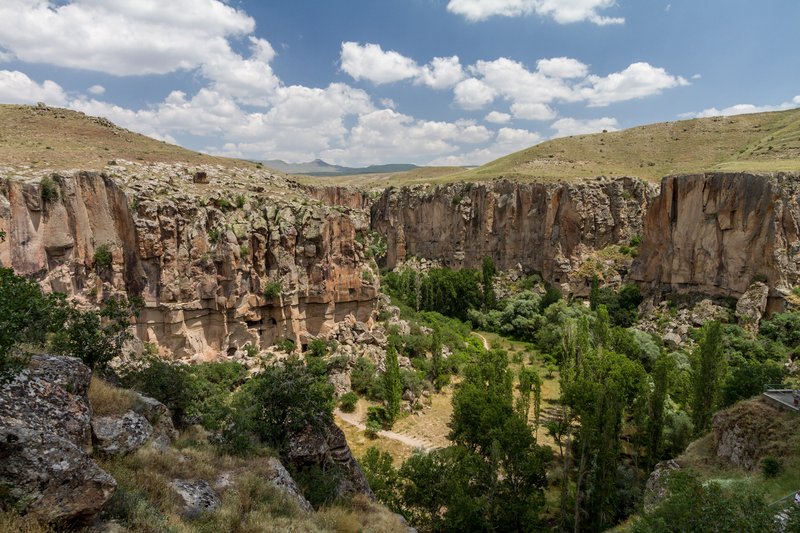
A 15km river canyon cut by the Melendiz River, lined with more than a hundred Byzantine rock-cut churches, its floor reached by a steep staircase from the rim and shaded from the open valleys above.
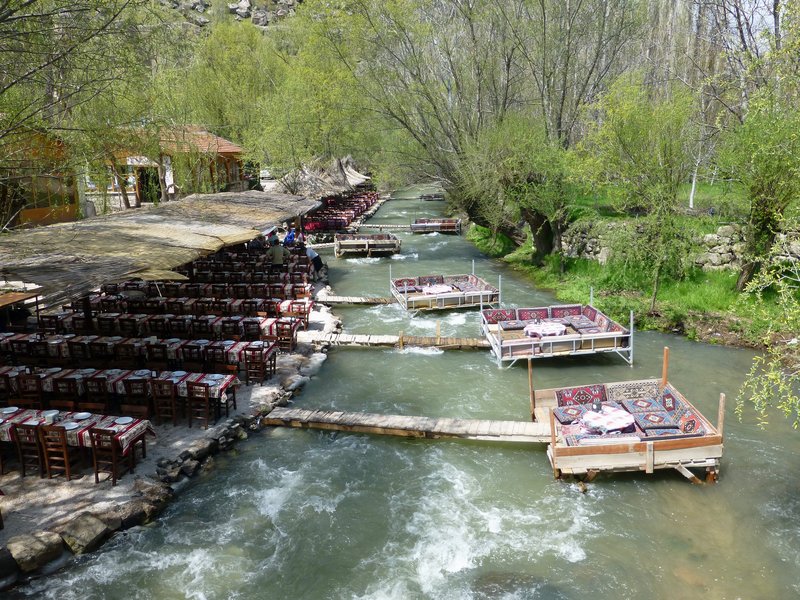
A small village inside the canyon known for its riverside restaurants built on platforms over the Melendiz river and a cluster of rock-cut Byzantine churches with frescoes faded by centuries of exposure.
The valley's largest rock-cut complex, a cathedral-scale monastery with a cavernous nave, stables, a missionary school and a kitchen with its own carved chimney.
A monastic valley of three interconnected canyons, inhabited until 1952, riddled with cave churches, mills, and rock-cut homes linked by a tunnel between two of the valleys.
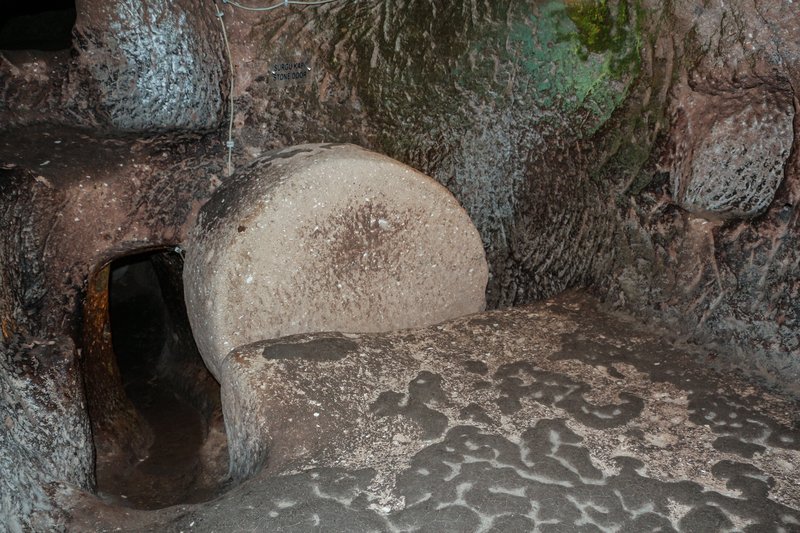
A smaller, less-visited underground city discovered in 1972, notable for the stone communication pipes running between its floors and a still-working moving stone door.
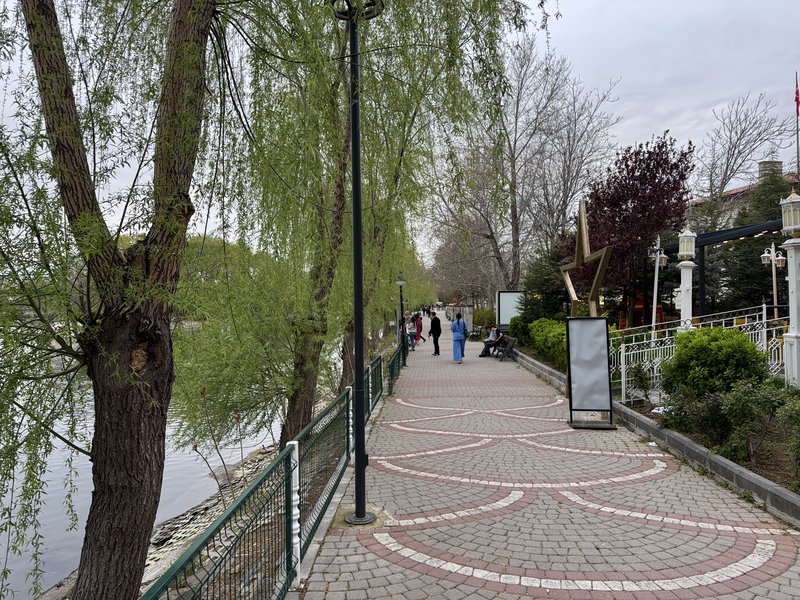
A riverside town on the Kızılırmak famous for pottery made from its red clay, a tradition dating to the Hittite era and still carried on by family-run workshops.
One of Cappadocia's oldest villages, its abandoned cliffside houses overlooked by two rock-cut churches, both dedicated to St. John the Baptist, the older cut directly into the cliff face above the newer one.
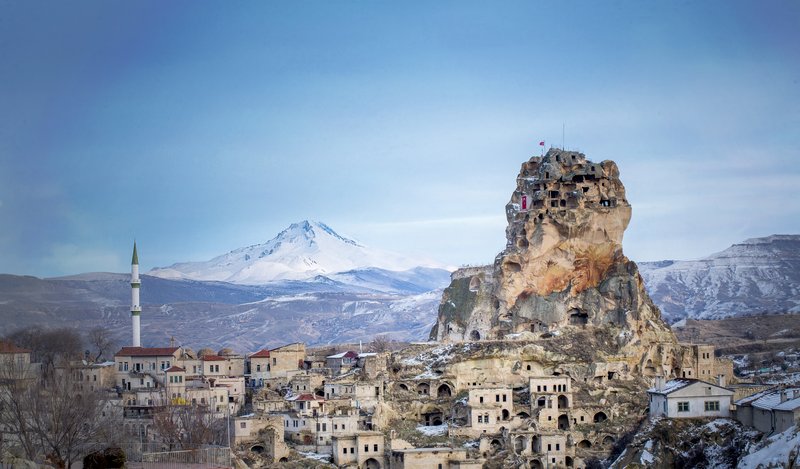
A 90-metre volcanic rock citadel honeycombed with storage chambers once used to keep produce cool, its summit reached by a steep internal stair carved through the rock and rewarded with valley views.
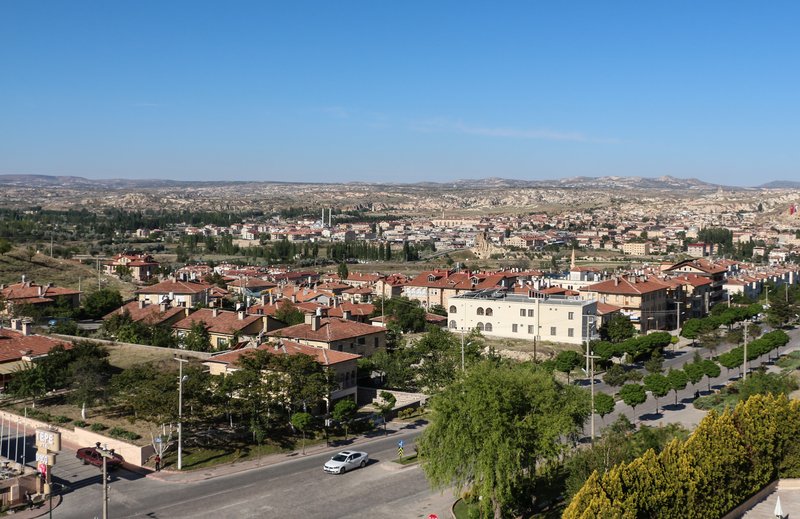
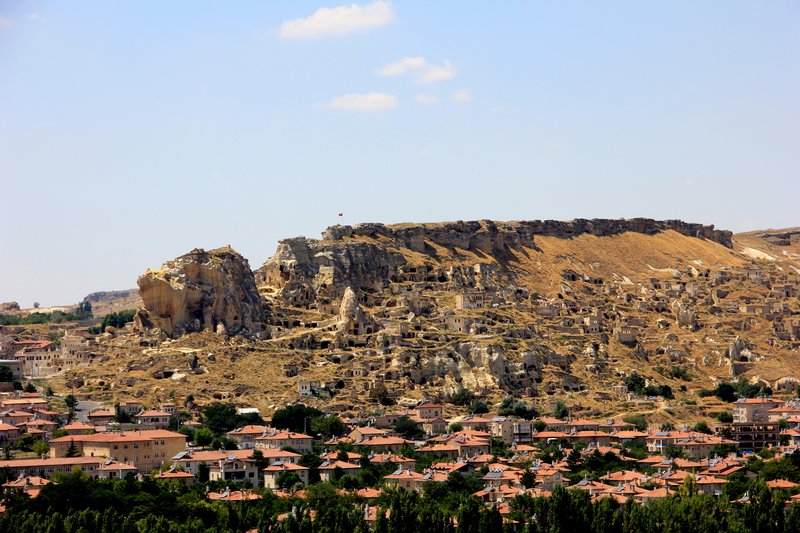
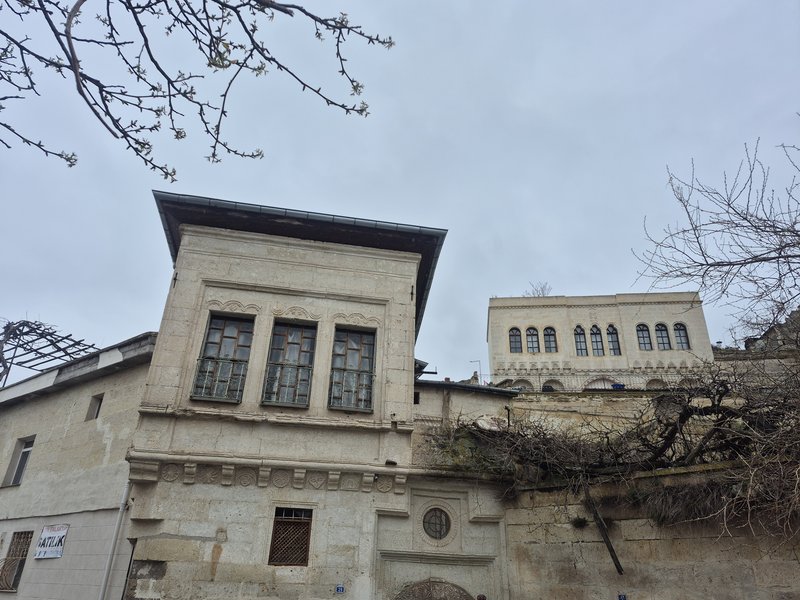
The largest town in the region, its old quarter of rock-cut and stone houses climbing toward Temenni Hill above the main square, Ottoman-era mansions standing beside cave dwellings still carved into the rock.
A restored historic quarter of cave and stone houses on Ürgüp's oldest hillside, once home to the town's Greek and Muslim communities side by side until the 1920s population exchange, now a boutique cave-hotel district.
A former Greek town once called Sinasos, its streets lined with elaborately carved 19th-century stone mansions built by emigrants who returned wealthy from Istanbul.
Our Mix Tour combines the highlights of both the Red and Green routes in one full day — valleys, fairy chimneys, Zelve, Avanos pottery, and an underground city, in a small group with lunch included.
Ride through Çavuşin Valley, Red Valley and White Valley on a calm, well-trained horse suited to beginners — sunrise, sunset, or daytime routes past fairy chimneys and panoramic viewpoints.
A small-group day covering northern Cappadocia's highlights — Göreme Open-Air Museum, Pasabağ valley, Uçhisar Castle, and an underground city — with lunch and hotel transfers included.
A full day through Cappadocia's south with a small group — an underground city, valley viewpoints, and Uçhisar Castle — guided throughout, with lunch included.
Southern Cappadocia in one small-group day — Kaymaklı Underground City, a Rose Valley walk, and Pigeon Valley viewpoints — with lunch and hotel transfers included.
Both the Red and Green routes in a single day — Göreme Open-Air Museum, Pasabağ Valley, an underground city, and Uçhisar Fortress — built for travelers short on time in Cappadocia.
Northern Cappadocia's most photographed valleys in one day — Love Valley, Pasabağ Monks Valley, Zelve Open-Air Museum, Devrent Valley, and an Avanos pottery-workshop stop.
Ride through fairy chimneys and hidden valleys at sunrise or sunset, with expert guides and well-trained horses, stopping for photos at Cappadocia's most scenic viewpoints.
Shape clay on a potter's wheel in Avanos, walk the cave churches of Göreme Open-Air Museum, wander Love Valley's fairy chimneys, and take in Uçhisar Castle's panoramic views.
Walk the tunnels of Derinkuyu Underground City, stroll beside the river through Ihlara Valley, step into Selime Monastery's rock-cut chambers, and look out over Pigeon Valley.
A well-organized overview of Cappadocia's essential northern sights, guided throughout, with an option to extend the day to include an underground city.
Ride ATVs through Cappadocia's valleys and desert terrain with a guide, stopping at scenic points for photos — an easy route suited to first-time riders.
Lamb or beef slow-cooked with vegetables inside a sealed clay pot, then cracked open tableside — a central Anatolian specialty tied to Cappadocia's pottery towns.
Wine grown in volcanic soil at high altitude from native grapes like Emir, Narince, and Kalecik Karası — a winemaking tradition in the region dating back millennia.
Foreign number: not accepted — Yemeksepeti's own sign-up help page states a membership cannot be created with a non-Turkish mobile number.
Turkey's largest delivery platform reaches restaurants in Göreme itself, though coverage in Cappadocia's small villages is thinner than in Istanbul or Ankara — expect fewer listed restaurants and longer delivery windows than a big city.
No ride-hailing app operates in Göreme — Uber does not run in Turkey, and BiTaksi and InDrive have no meaningful driver coverage in Cappadocia. Every hotel front desk calls a taxi directly, or visitors flag one at the taxi rank by the Göreme bus station; day tours and hotel transfers otherwise cover most trips.
Train Stations Near Hotel
TCDD Kayseri Train Station
Regional and classic long-distance trains — the Doğu Ekspresi · Eastern Express to Erzurum/Kars and the Güney/Erciyes Ekspresi lines — but no high-speed YHT service.
One volcano explains the caves, the wine, and the balloons
Every fairy chimney, cave church, and underground city in this guide is carved from the same material: soft volcanic tuff laid down by eruptions from Erciyes and Hasan Dağ millions of years ago, then sculpted by wind and rain into the cones and valleys the region is known for. That same soft rock is why people could dig into it by hand — early Christian communities carved chapels and whole refuge cities into it starting in the Byzantine era, and the tradition never really stopped; the cave hotel rooms booked for this trip are dug the same way, just with plumbing.
Cappadocia is one of the few places on Earth where hot air ballooning runs on most mornings of the year, and that is also a product of the landscape: the valleys sit in a natural bowl that traps still air at dawn before the day's wind picks up, giving pilots a predictable calm window that flatter terrain elsewhere cannot offer. It is the same volcanic soil, incidentally, that gives the region's wine its character — grapes grown in it are said to carry a faint mineral note the locals call tasting like the mountain.