TRIP OVERVIEW
Day 1 – Wat Chedi Luang · Wat Phra Singh · Three Kings Monument · Chiang Mai City Arts & Cultural Center · Wat Chiang Man
Day 2 – Doi Inthanon National Park
Day 3 – Elephant Nature Park · Chiang Dao Cave · Bua Tong Sticky Waterfall
Day 4 – Queen Sirikit Botanic Garden · Mae Sa Waterfall · Doi Suthep
Day 5 – Tha Phae Gate · Mae Ping River Cruise
Day 6 – Train Day · Lampang
Day 1
1. Wat Chedi Luang~45 min
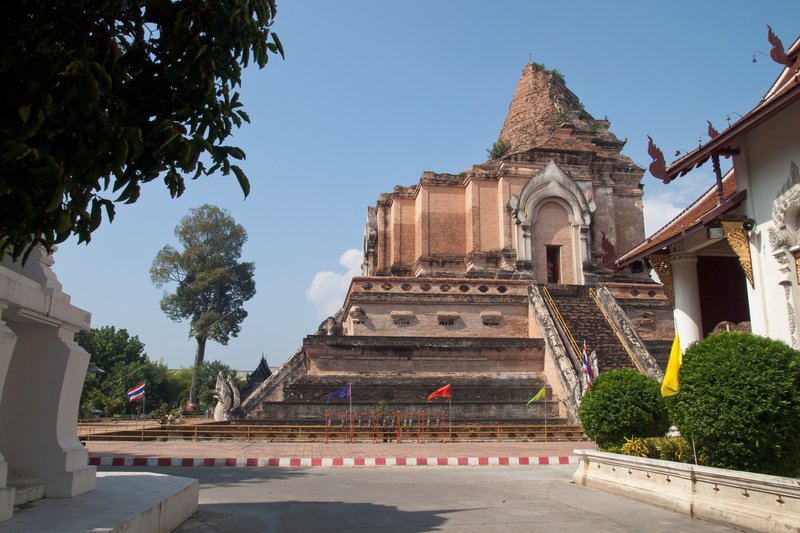
The great ruined chedi at the center of the Old City, begun in 1391 and once the tallest structure in the Lanna kingdom. At its peak the chedi stood over 80 meters; an earthquake in 1545 collapsed the upper third, leaving the dramatic broken profile that stands today.
2. Wat Phra Singh~45 min
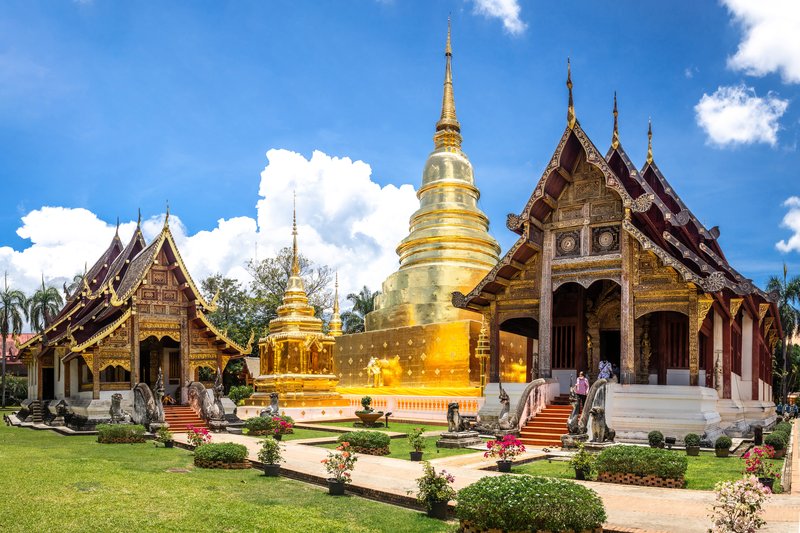
The principal royal temple of Chiang Mai, built in 1345 to house the ashes of King Kham Fu. The Wihan Lai Kham — a 14th-century pavilion — holds rare Lanna-style murals depicting northern Thai village life, among the finest surviving examples of Lanna painting.
3. Three Kings Monument~20 min
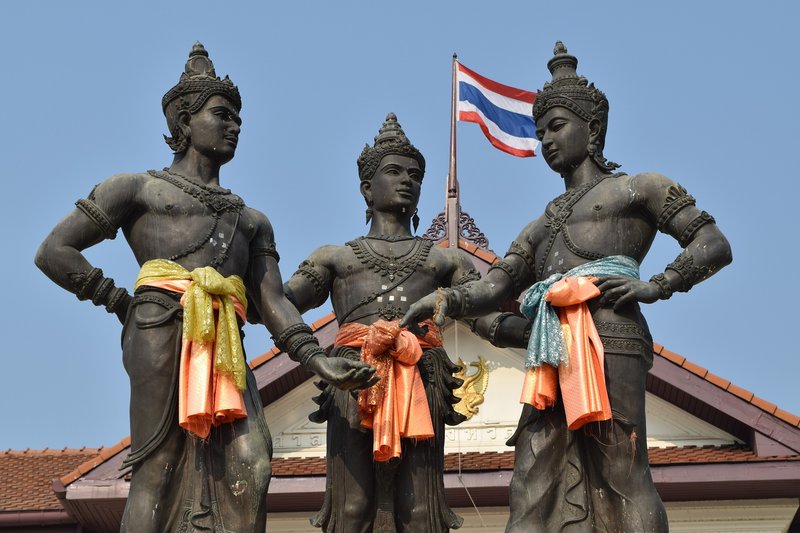
A bronze monument depicting the three rulers who jointly chose this valley as the site for Chiang Mai in 1296 — King Mangrai of Lanna, King Ngam Muang of Phayao, and King Ramkhamhaeng of Sukhothai. The figures stand on a raised plinth in front of the Old City's civic buildings.
Open 24/7
4. Chiang Mai City Arts & Cultural Center~1 hr 30 min
Chiang Mai's foremost civic museum, housed in the 1924 former Provincial Hall directly opposite the Three Kings Monument. Fifteen themed rooms trace Lanna civilisation from origins through craft, religion, and folk life. Among the finest colonial civic structures in northern Thailand.
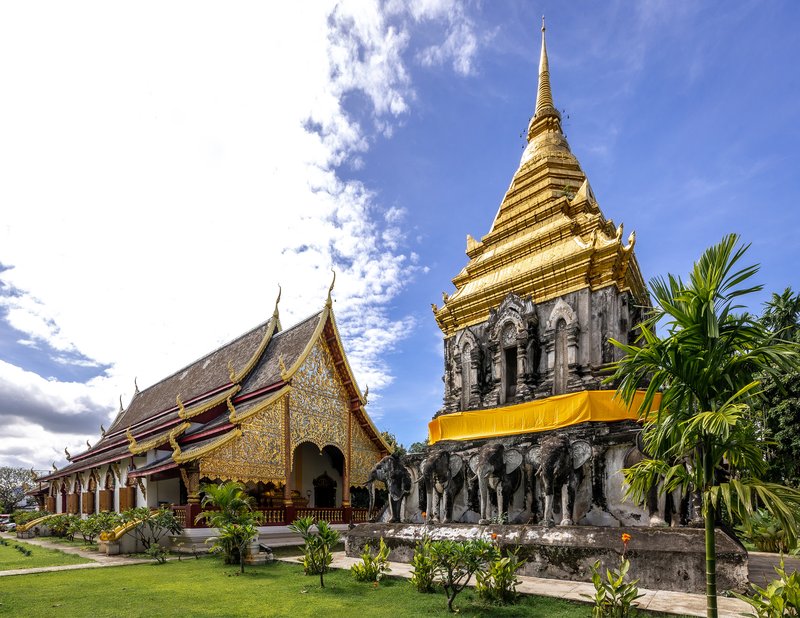
5. Wat Chiang Man~45 min
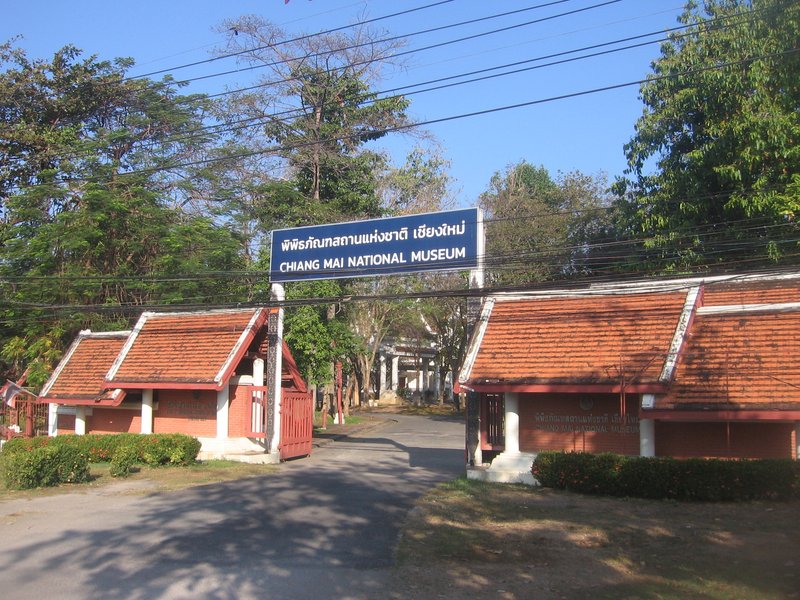
The oldest temple in Chiang Mai, founded by King Mengrai in 1296 when he established the city. The compound contains two sacred Buddha images — the Crystal Buddha and the Phra Sila bas-relief — and a distinctive chedi rising from a ring of carved stone elephants.
Day 2
1. Doi Inthanon National Park~8 hr
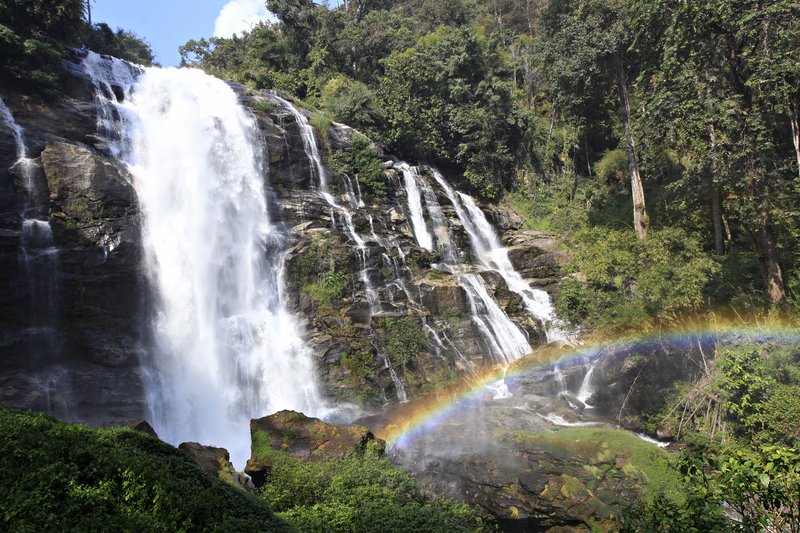
Thailand's highest peak at 2,565 metres, 75 km southwest. The park spans cloud forest, twin Royal Chedis, and the Wachirathan and Siriphum waterfalls. The park holds the highest recorded bird diversity of any protected area in Thailand — over 390 species.
Day 3
1. Elephant Nature Park~4 hr
A rescue and rehabilitation sanctuary in the Mae Taeng valley. Operating since 1996, the park cares for elephants rescued from logging operations and tourist riding. Visitors walk alongside the herd in open pasture — no riding, no performance shows.
2. Chiang Dao Cave~1 hr 30 min
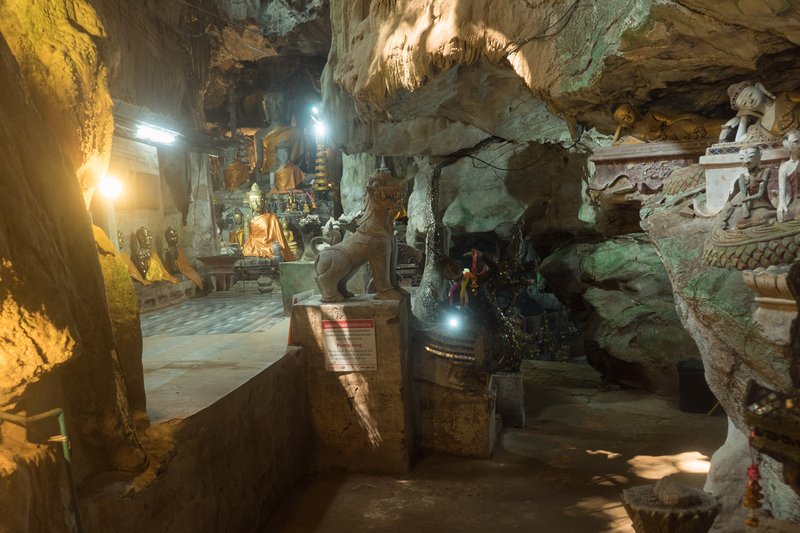
A series of limestone caverns at the base of Doi Chiang Dao, the third-highest peak in Thailand. Five chambers extend deep into the mountain — three lit by electricity, two traversable by lantern with a local guide only. Buddha images fill alcoves along the cave walls, some centuries old.
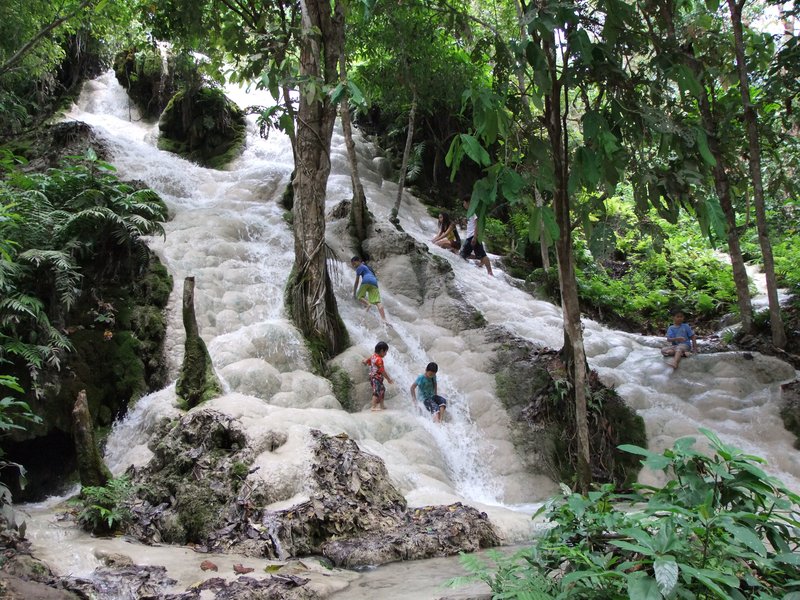
3. Bua Tong Sticky Waterfall~1 hr
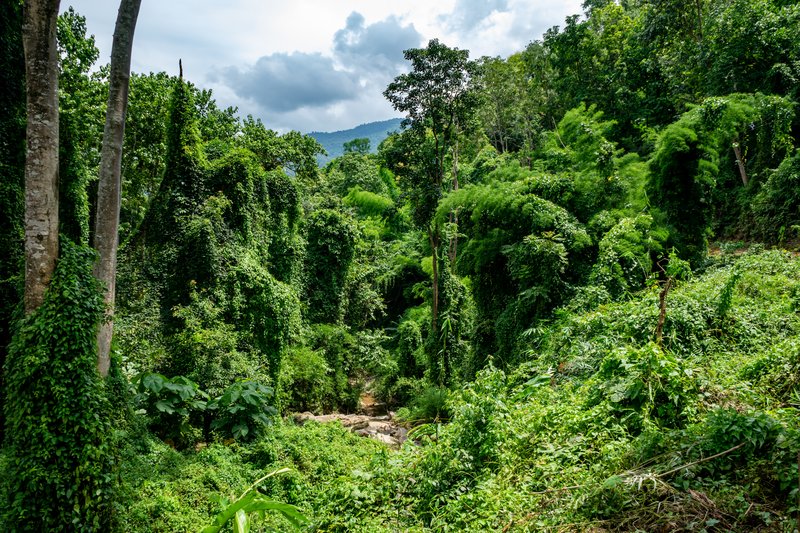
A series of limestone terraces in Mae Taeng where calcium carbonate deposits coat the riverbed in a travertine-like layer — creating enough grip to walk directly up the cascades barefoot. Unlike any conventional waterfall, the falls can be climbed. The surrounding secondary forest is dense.
Day 4
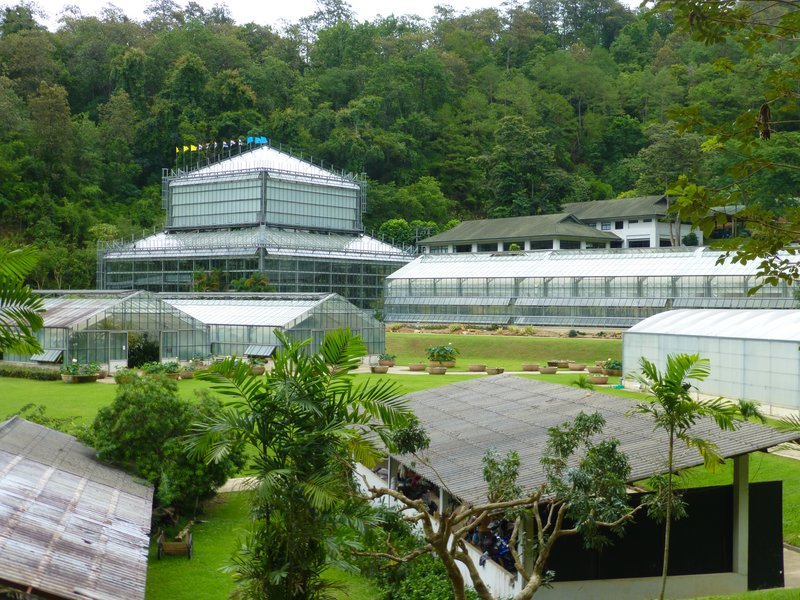
1. Queen Sirikit Botanic Garden~2 hr
A 565-hectare botanical garden on Doi Suthep-Pui, opened in 1993 and named for Queen Sirikit. The garden holds the largest collection of wild orchids in Thailand, a glasshouse complex with eight climate-controlled zones, and a canopy walkway extending through protected highland forest at 1,050 meters.
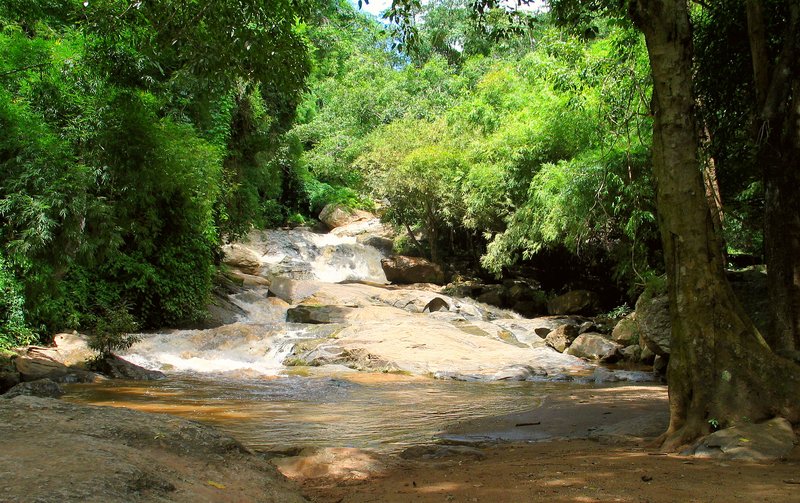
2. Mae Sa Waterfall~1 hr 30 min
A chain of ten tiered cascades in Mae Sa-Kog Ma Wildlife Sanctuary in Mae Rim, each level reachable by trail through dense forest. The falls run year-round; peak volume is September and October. The reserve is protected temperate forest at 900 meters — notably cooler than the city below.
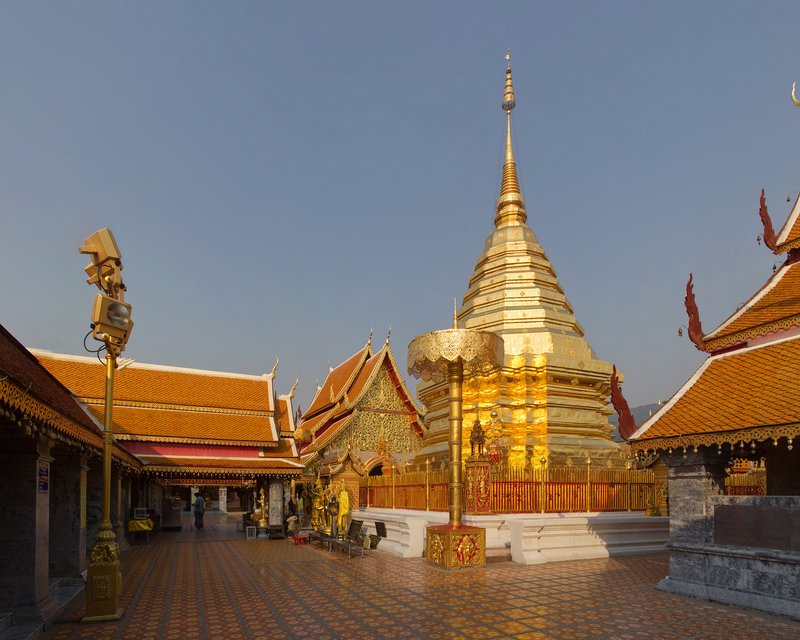
3. Doi Suthep~1 hr 30 min
The hilltop temple at 1,073 meters on Doi Suthep mountain, founded in 1383 after a white elephant chose the site. The compound centers on a gilded copper-plated chedi visible from across the city. The staircase of 309 Naga-flanked steps leads to panoramic views over the entire valley.
Daily 6:00am - 8:00pm
Cash Only
Dress code: shoulders and knees covered
Day 5
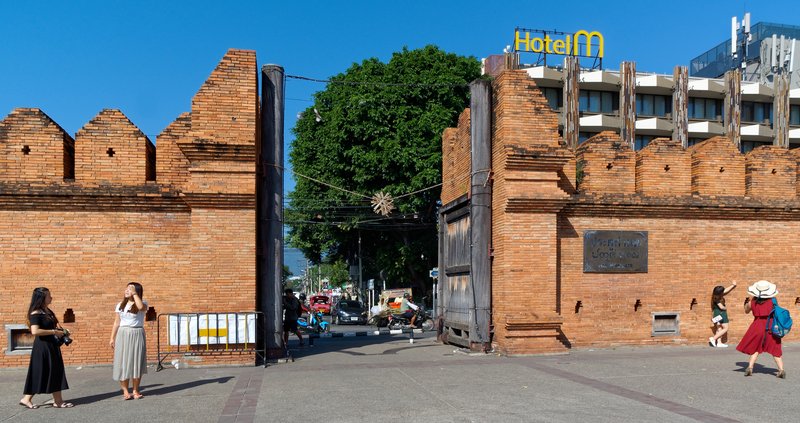
1. Tha Phae Gate~30 min
The eastern gate of Chiang Mai's 1296 walled city. The sandstone archway at the end of Tha Phae Road flanks an intact moat wall — the most complete surviving section of the original Lanna fortification. The gate name recalls the teak rafts once floated down from the northern forests and unloaded at the pier below.
Open 24/7
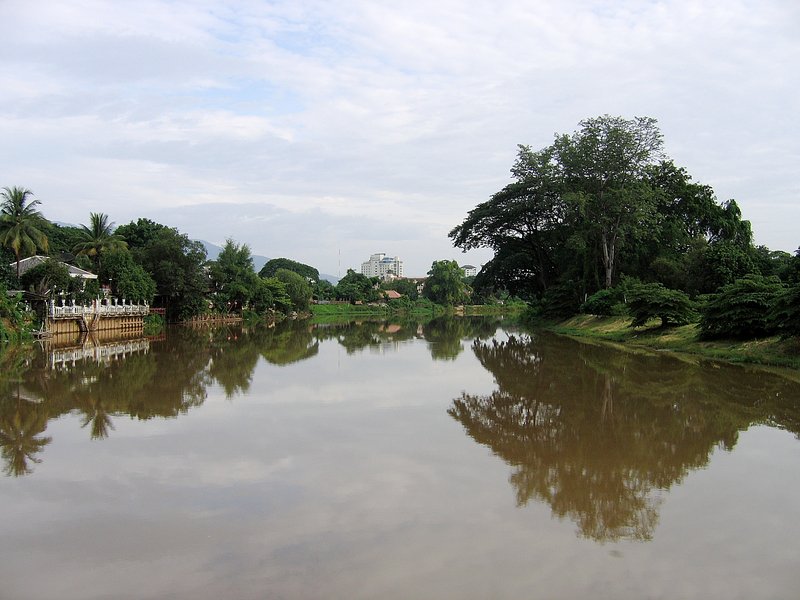
2. Mae Ping River Cruise~45 min
A longtail boat cruise on the Ping River — the principal waterway through Chiang Mai. Cruises pass orchid gardens, riverside temples, and traditional teak houses on the banks south of the Old City, offering a perspective on the city rarely available from the streets.
Day 6
Chiang Mai → Lampang · State Railway of Thailand · 1h 57min
book at: Thai Railway Ticket
7:30am Chiang Mai → 9:27am Lampang
8:45am Chiang Mai → 10:45am Lampang
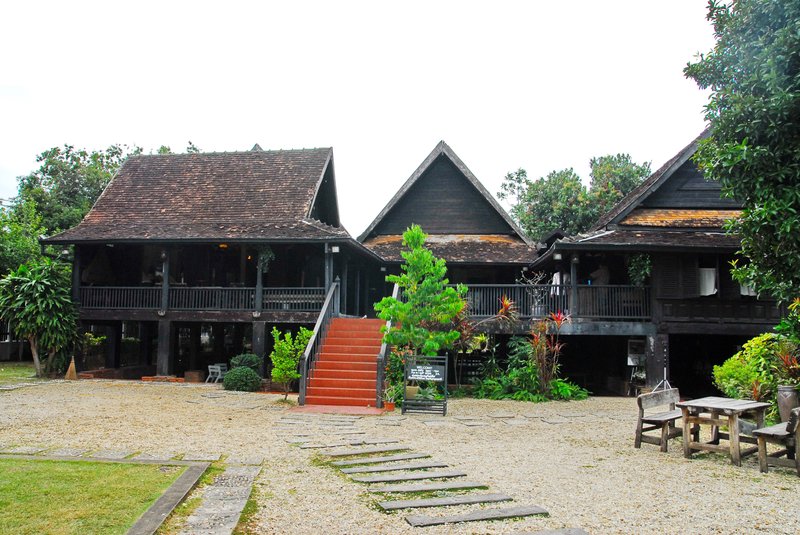
1. Ban Sao Nak~45 min
A Burmese-Lanna teak mansion in the heart of Lampang, built in 1895 for a local timber merchant and containing over 100 teak pillars. The interior holds antique ceramics, lacquerware, and period furniture from the teak trade era when Burmese merchants dominated the northern Thai timber industry.
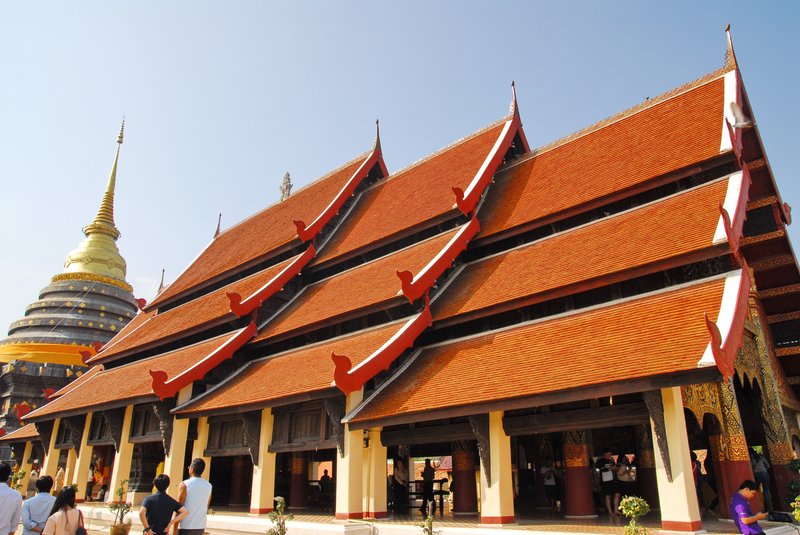
2. Wat Phra That Lampang Luang~1 hr
A 15th-century Lanna temple 18 km south of Lampang, regarded as one of the finest surviving examples of northern Thai wooden architecture in Southeast Asia. The wihan is open-sided with multi-tiered gilded gables; the inner sanctum houses a 7th-century Buddha image.
3. Kat Kong Ta~1 hr
Lampang's 19th-century trading street along the Wang River, lined with Chinese-Burmese shophouses from the teak boom. The facades show carved wooden eaves and iron shutters; ground floors hold ceramics shops, coffee roasters, and local restaurants — among the best-preserved heritage streets in northern Thailand.
No pictures available.
Lampang → Chiang Mai · State Railway of Thailand · 1h 54min
book at: Thai Railway Ticket
3:56pm Lampang → 5:50pm Chiang Mai
4:50pm Lampang → 6:47pm Chiang Mai
Weekly Closures
Cultural Centers · Closed Monday
Tours
Viator
A full-day ethical elephant sanctuary visit in the Mae Taeng valley followed by bamboo rafting on a jungle river and a waterfall stop — three distinct northern Thailand experiences in one day.
8 hr · Small group
↔
A combined day covering Doi Inthanon National Park, an ethical elephant sanctuary, and a guided trekking trail through the northern highlands — all in a single small-group itinerary.
12 hr · Small group
↔
A half-day ethical elephant observation experience — guests walk alongside the herd in open pasture with no riding or performance, followed by a waterfall stop.
5 hr · Small group
↔
A multi-activity adventure at Skyline Adventure in Mae Rim — ziplines through the jungle canopy, a gravity luge track, and optional free-fall platforms. One of the most-reviewed adventure operators in northern Thailand.
4 hr · Small group
An ethical elephant sanctuary morning paired with a visit to Bua Tong Sticky Waterfall in Mae Taeng — a half-day combination covering the two most distinctive natural experiences north of the city.
6 hr · Small group
↔
A guided full-day eco tour of Doi Inthanon National Park covering the summit, twin Royal Chedis, Wachirathan Falls, and a highland flower garden — with an English-speaking guide throughout.
10 hr · Small group
↔
GetYourGuide
A half-day ethical elephant sanctuary program focused on feeding and caring for rescued elephants in the Mae Taeng valley — no riding, no tricks. One of GetYourGuide's highest-reviewed Chiang Mai activities.
4 hr · Small group
↔
GetYourGuide's most-reviewed Chiang Mai tour — an ethical elephant sanctuary combined with bamboo rafting and a jungle waterfall, running as a full-day small-group experience.
9 hr · Small group
↔
A day tour combining Bua Tong Sticky Waterfall — where calcium carbonate deposits allow walking directly up the cascades — with Angel Waterfall Park in the Mae Taeng highlands.
8 hr · Small group
↔
A full-day guided tour of Doi Inthanon — Thailand's highest peak — with stops at the twin Royal Chedis, Wachirathan Falls, and the summit plateau, led by an English-speaking naturalist guide.
9 hr · Small group
↔
A zipline course through the jungle canopy north of the city with lunch included — multiple lines at varying heights, suitable for all confidence levels, with guides at every platform.
4 hr · Small group
↔
TripAdvisor
1. Chiang Mai Elephant Sanctuary · Bamboo Rafting · Waterfall Tour · TripAdvisor · 5.0 · 1136+ reviews
An ethical elephant sanctuary experience in Mae Taeng followed by bamboo rafting and a jungle waterfall — a full-day combination covering the three most popular outdoor activities north of the city.
8 hr · Small group
↔
A guided day to Doi Inthanon National Park covering the Royal Agricultural Research Station gardens, Wachirathan and Siriphum waterfalls, and the twin Royal Chedis — with lunch included.
9 hr · Small group
↔
3. 3-in-1: Doi Inthanon Tour · Elephant Sanctuary · Trekking Trail · TripAdvisor · 4.8 · 587+ reviews
A full-day three-part combination: Doi Inthanon National Park, an ethical elephant sanctuary, and a guided jungle trekking trail — covering the highlands, wildlife, and terrain in a single small-group day.
12 hr · Small group
↔
4. Chiang Mai Half Day Elephant Sanctuary Observation and Waterfall · TripAdvisor · 4.9 · 80+ reviews
A half-day ethical elephant observation program followed by a waterfall visit in Mae Taeng — no riding or performance, guests walk alongside the rescued herd at their own pace.
5 hr · Small group
↔
Ziplines, a gravity luge, and optional free-fall platforms at Skyline Adventure in Mae Rim — the multi-activity course runs through mature jungle canopy with guides at each platform.
4 hr · Small group
Cappuccino
Zeit Roaster · 4.9 · 400+ reviews
es•pe•cial Coffee Bar · 4.7 · 120+ reviews
khna coffee brewers · 4.6 · 320+ reviews
Restaurants Near Hotel
Woo Café · 4.4 · 3500+ reviews
Espresso and pastry in a converted shophouse near the Night Bazaar.
Daily 9:00am - 10:00pm
Dash! Restaurant and Bar · 4.4 · 2200+ reviews
Northern Thai cuisine in a restored teak house inside the Old City walls.
Daily 11:00am - 11:00pm
The Riverside Bar & Restaurant · 4.3 · 4100+ reviews
Thai and international dishes on the Ping River with live music most evenings.
Daily 10:00am - 11:00pm
Oxcart Restaurant · 4.4 · 1600+ reviews
Refined northern Thai on Nimmanhaemin: Khao Soi, sausage, herb-forward salads.
Daily 11:00am - 10:00pm
Downtown Restaurants
Huen Phen · 4.3 · 6500+ reviews
Northern Thai Lanna food in an antique shophouse; lunch and evening menus.
Daily 8:30am - 4:00pm · 5:00pm - 10:00pm
Ginger Farm Kitchen · 4.4 · 3800+ reviews
Farm-to-table Northern Thai with organic ingredients; known for Khao Soi.
Daily 11:00am - 10:00pm
Free Bird Café · 4.4 · 2100+ reviews
Social-enterprise café; Thai-Burmese dishes and baked goods.
Monday - Saturday 8:30am - 6:00pm
Closed Sunday
Local Tastes
Khao Soi
Northern Thailand's defining dish — a rich coconut curry broth with egg noodles, topped with crispy fried noodles and braised meat. The Lanna version runs heavier on spice paste and subtler on coconut sweetness than southern Thai curries.
Sai Oua
Northern Thai sausage — coarsely ground pork packed with lemongrass, galangal, kaffir lime leaf, dried chilli, and shrimp paste, grilled over charcoal. Sold by the link at market stalls across the city.
Food Delivery
GrabFood
Foreign number: accepted. — GrabFood accepts international mobile numbers; no Thailand number is required to register or order.
The dominant delivery platform in Chiang Mai; excellent coverage across the Old City, Nimman Road, and surrounding neighborhoods; strong local restaurant selection from northern Thai cuisine to international spots.
Getting Around
Grab
Foreign number: accepted. — Grab accepts international mobile numbers; no Thailand number is required to create an account.
The primary ride-hailing app in Chiang Mai; covers the Old City, Nimman, Ping River area, and suburbs; reliable for moving between the night markets, temples, and day-trip departure points.
Train Stations Near Hotel
Chiang Mai Railway Station · State Railway of Thailand
The main intercity rail hub for northern Thailand. Trains connect to Bangkok, Lampang, and Lamphun.
Day Trips by Train
Lamphun · 30 min
The ancient Hariphunchai kingdom capital — a small moated city with the Lamphun National Museum, Wat Chama Thewi, and a remarkably intact old town. One of the quietest and best-preserved historic cities in northern Thailand. Recommended by Lonely Planet and Rough Guides.
book at: Omio
Bangkok · 12 hr
The overnight sleeper train is one of Thailand's classic rail journeys — first-class sleeper carriages with folding berths and dining service, traversing the central plains and arriving at Bang Sue Grand Station. Recommended by Lonely Planet and The Guardian.
book at: Omio
Hiking
Wat Pha Lat · Moderate
A jungle staircase path to a moss-covered temple hidden in the forest.
0.9 mi one way · 590 ft ascent
1 hr
Monk's Trail to Doi Suthep · Hard
The full pilgrimage route past Wat Pha Lat, climbing on to the hilltop temple.
4.7 mi one way · 2,430 ft ascent
1 hr 30 min
Worth Knowing
The City in the Valley
Chiang Mai sits at 310 metres in the valley of the Ping River, ringed by highlands that reach 2,565 metres at Doi Inthanon — the same mountain reachable in under two hours from the Old City moat. That vertical difference of 2,255 metres in a single drive is one of the most dramatic elevation gradients accessible from any major Thai city.
The Bua Tong waterfall's grip comes from the mineral content of the springs feeding it. The water carries dissolved calcium carbonate; as it flows over limestone and meets the air, it precipitates as travertine — building up layer by layer into a rough coating. The same chemistry that builds stalagmites in caves is what lets bare feet walk straight up a waterfall.
Also on this site
Nearby Guides