TRIP OVERVIEW
Day 1 – Galle Face Green · Galle Face Hotel · Old Colombo Dutch Hospital · Old Parliament Building
Day 2 – Jami Ul-Alfar Mosque · Wolvendaal Church · Colombo Dutch Museum
Day 3 – National Museum · Town Hall · Independence Memorial Hall
Day 4 – Gangaramaya Temple · Seema Malaka · Viharamahadevi Park
Day 5 – St. Anthony's Shrine · Khan Clock Tower · Colombo Lighthouse
Day 6 – Bandaranaike Memorial International Conference Hall · Kelaniya Raja Maha Vihara · Mount Lavinia Hotel
Day 1
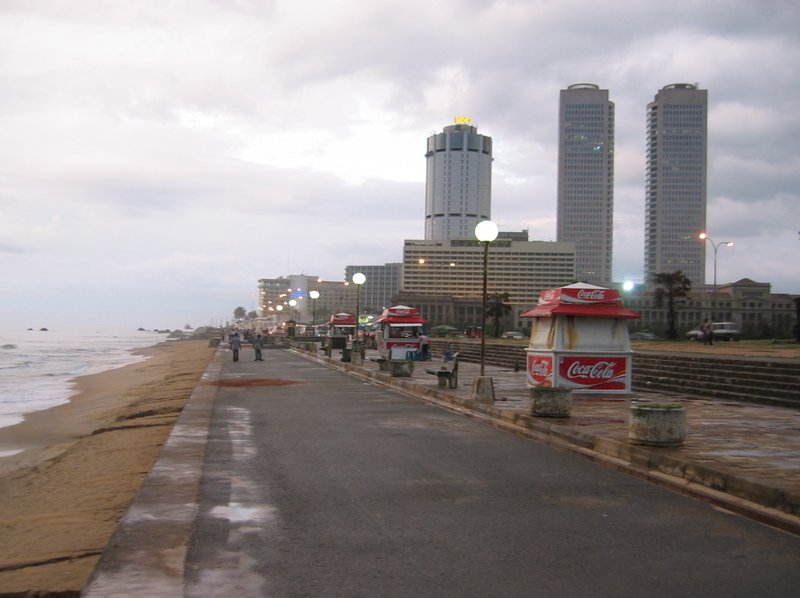
1. Galle Face Green~1 hr
A half-kilometer waterfront promenade along the Indian Ocean, drawing locals for evening walks, kite-flying, and street food vendors; the city's most visited open space since the 1850s
Open 24/7
2. Galle Face Hotel~1 hr
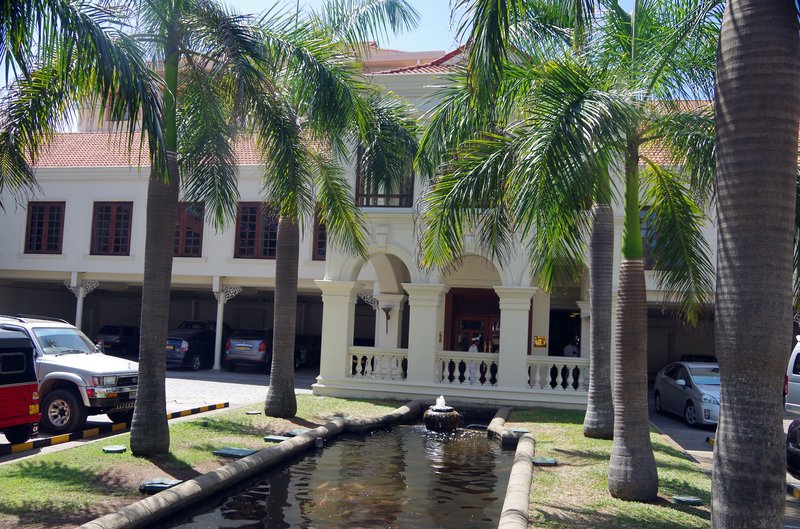
Opened in 1864, this landmark Victorian hotel faces the Indian Ocean with a grand colonial verandah; the ocean-facing Cheques Bar and the hotel's public areas are open to walk-in visitors
Open 24/7
3. Old Colombo Dutch Hospital~45 min
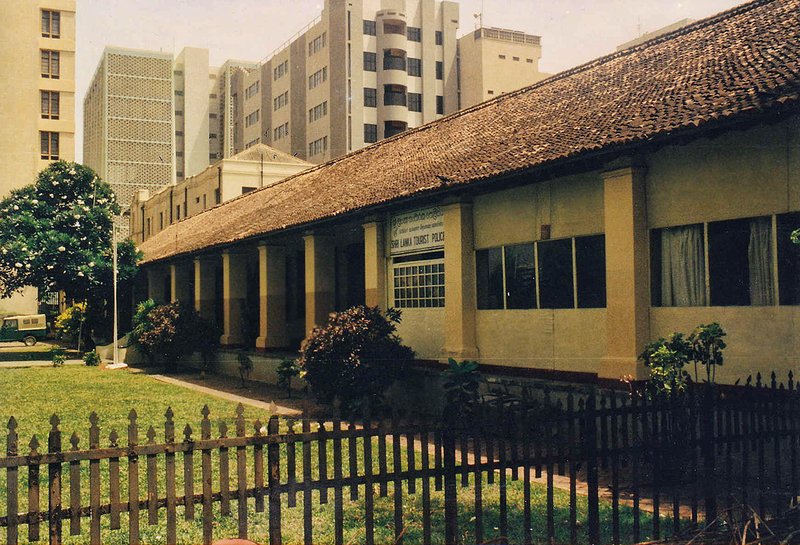
The oldest building in Colombo's Fort district, a 17th-century Dutch colonial hospital now converted into a pedestrian dining and boutique shopping precinct with open-air colonial courtyards.
Open 24/7
4. Old Parliament Building~20 min
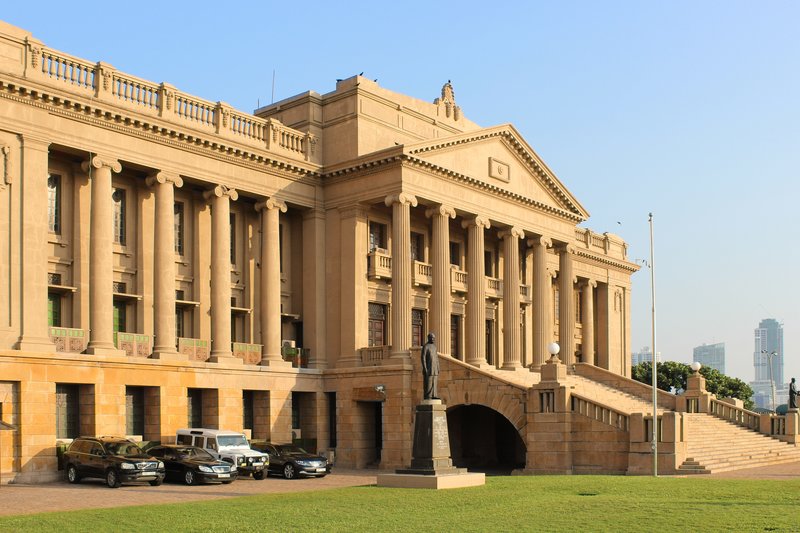
Neoclassical building constructed in 1930 that served as Ceylon's legislature; the sea-facing facade and grand portico are the most photographed elements of Fort's colonial streetscape
Open 24/7
Day 2
1. Jami Ul-Alfar Mosque~30 min
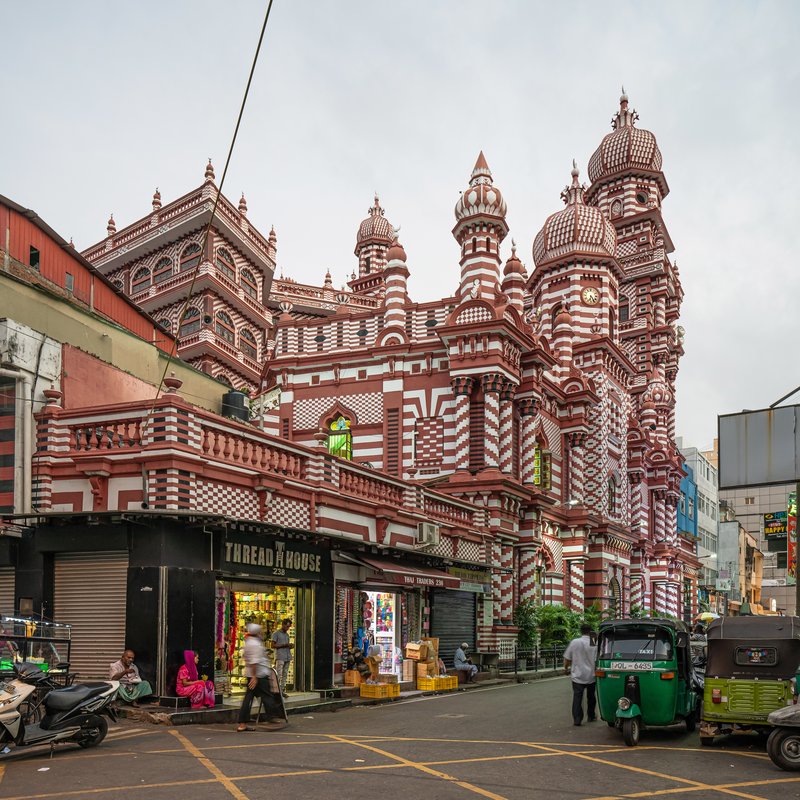
Built in 1909 with a striking red-and-white Indo-Saracenic candy-striped exterior, this active mosque in the heart of Pettah is one of Colombo's most recognized landmarks
Daily 9:00am - 12:00pm · 2:00pm - 4:00pm
Free
Modest dress required; remove shoes at entrance; avoid Friday noon prayer
2. Wolvendaal Church~45 min
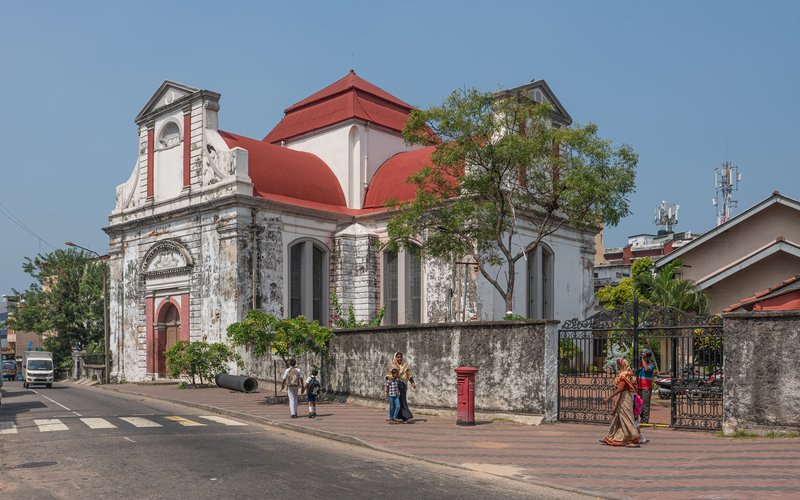
Built between 1749 and 1757, this Dutch Reformed church is the oldest Protestant church in Sri Lanka; the interior retains original Dutch East India Company furniture, tombstones, and a carved wooden pulpit
3. Colombo Dutch Museum~1 hr
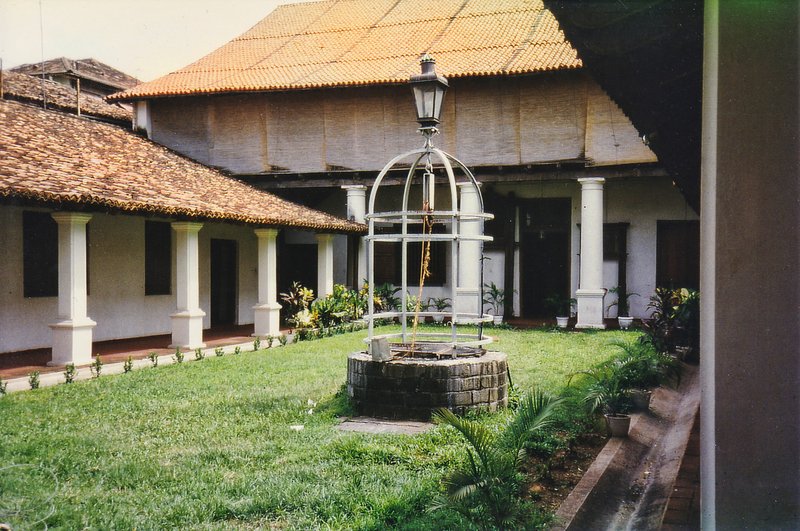
Housed in a 17th-century Dutch colonial mansion that served as the residence of the Dutch Governor; the collection covers Dutch East India Company artifacts, furniture, and colonial-era Sri Lankan history
Tuesday - Saturday 9:00am - 5:00pm
Closed Sunday & Monday
Cash Only
Buy ticket at entrance
Day 3
1. Colombo National Museum~1 hr 30 min
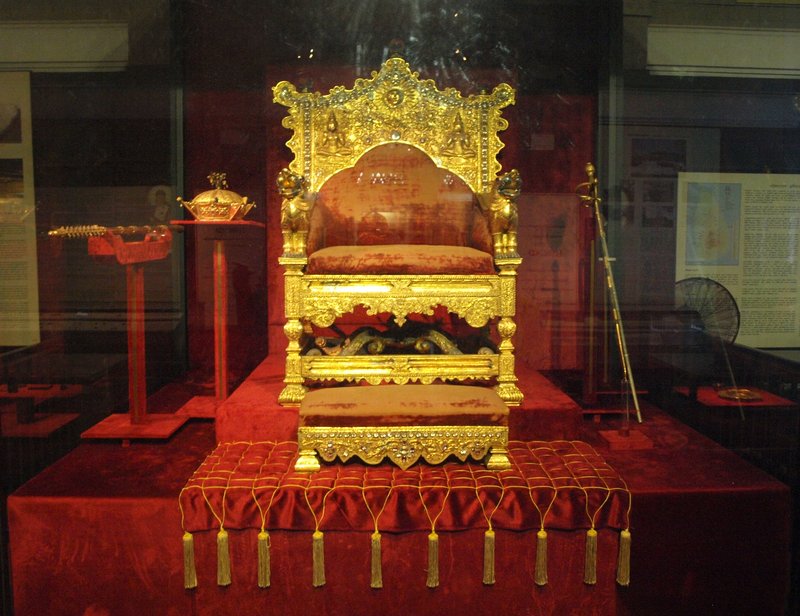
The largest museum in Sri Lanka, founded in 1877; the collection spans the Kandyan Kingdom's royal regalia, ancient masks, bronzes, and a comprehensive natural history wing
Tuesday - Sunday 9:00am - 6:00pm
Closed Monday
Cash Only
Last ticket sold at 5:00pm · Buy ticket at entrance
2. Colombo Town Hall~20 min
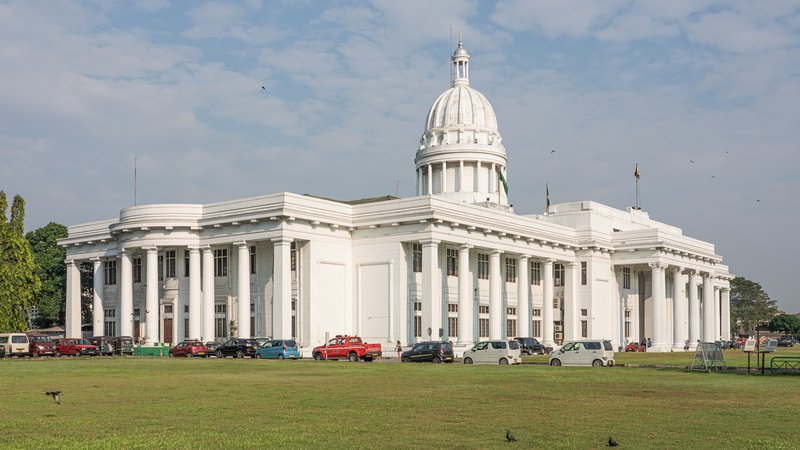
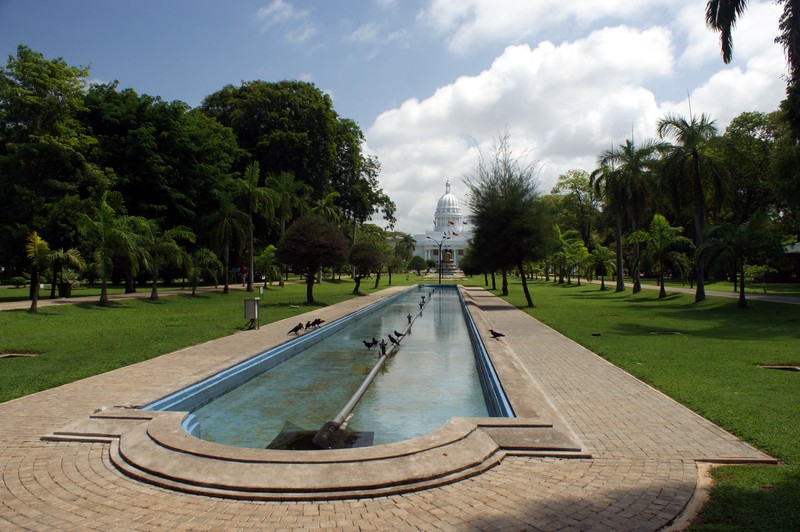
Completed in 1928, this white-domed Edwardian municipal building modeled loosely on the United States Capitol is flanked by formal gardens and a reflecting pool; exterior and grounds are freely accessible
Open 24/7
3. Independence Memorial Hall~45 min
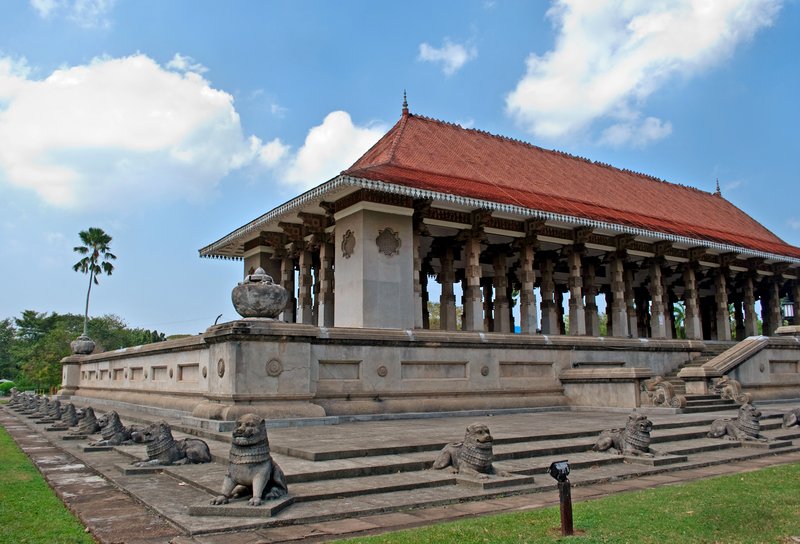
Built in 1953 to commemorate Ceylon's 1948 independence from Britain; the open-air pavilion is modeled on the Audience Hall of the Kandyan kings and set within a formal park with ceremonial lion statues
Day 4
1. Gangaramaya Temple~1 hr
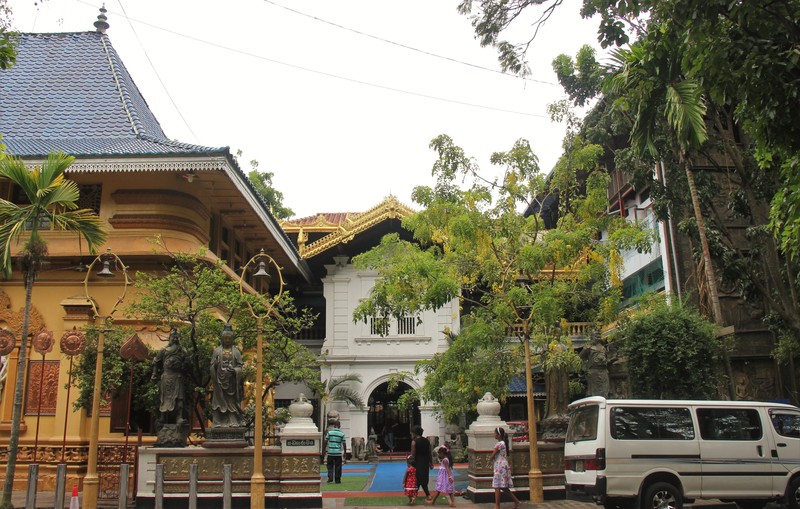
A working Buddhist temple and learning center founded in the late 19th century, mixing Sri Lankan, Thai, Indian, and Chinese architectural styles across a dense complex of shrine rooms, a museum hall, and a library beside Beira Lake.
Daily 6:00am - 10:00pm
2. Seema Malaka~30 min
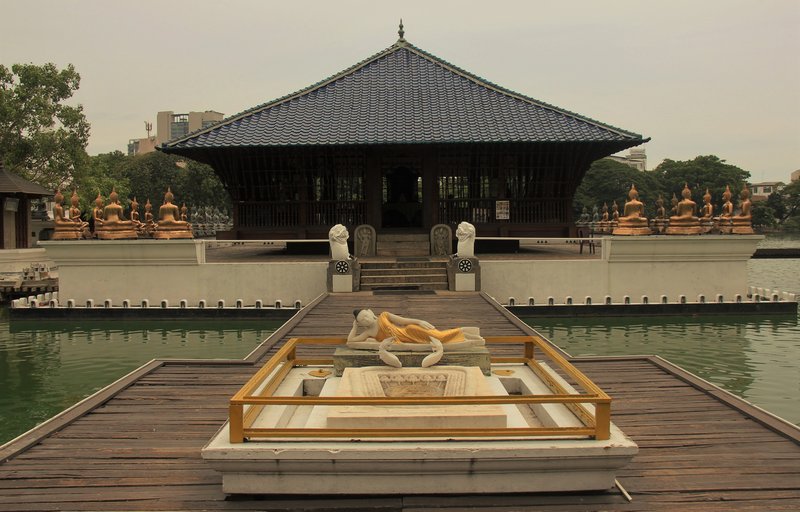
A Buddhist meditation temple built on three platforms connected by pontoon bridges out over Beira Lake. The original 19th-century structure sank into the lake; architect Geoffrey Bawa rebuilt it in 1976 as one of Colombo's most photographed pieces of modern design.
3. Viharamahadevi Park~45 min
Colombo's oldest and largest public park at 45 acres, laid out under British rule as Victoria Park and renamed in 1958. A large seated Buddha statue, fountains, and a small children's zoo sit among mature rain trees near the Town Hall.
Daily 6:00am - 6:00pm
Day 5
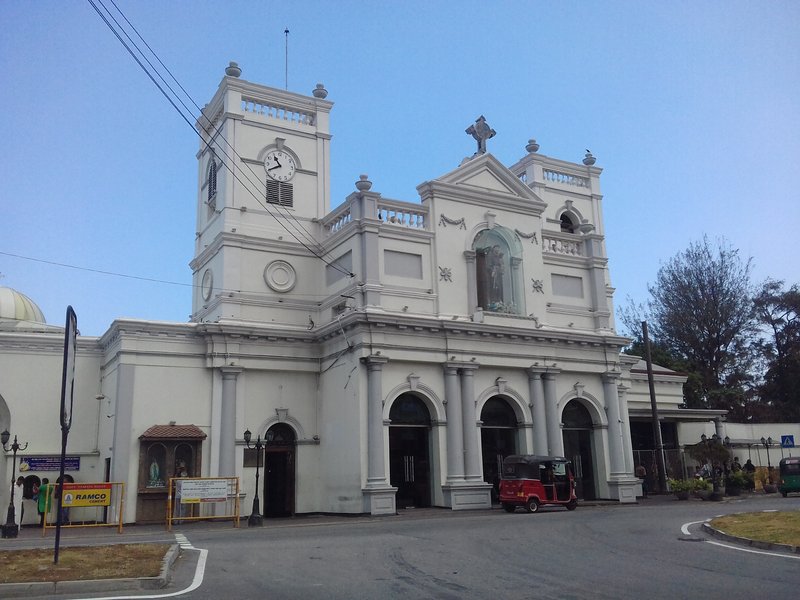
1. St. Anthony's Shrine~30 min
A national shrine and minor basilica first consecrated in 1834, built in the Neoclassical style on the site of an earlier chapel from the Dutch colonial period when Catholicism was banned on the island. It draws pilgrims of every faith and remains one of the most visited religious sites in the city.
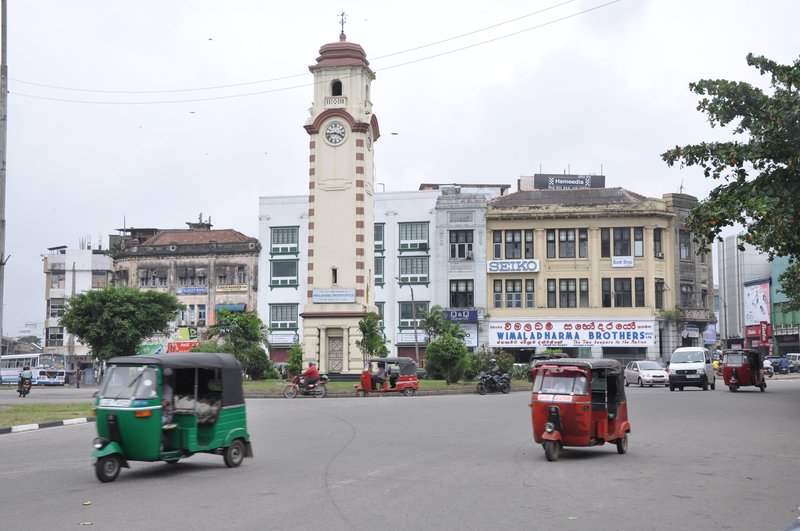
2. Khan Clock Tower~20 min
A four-story clock tower built in the early 20th century by the Khan family of Bombay as a gift to the city, standing at the entrance to Pettah Market. The tower once doubled as a public drinking-water fountain at its base.
Open 24/7
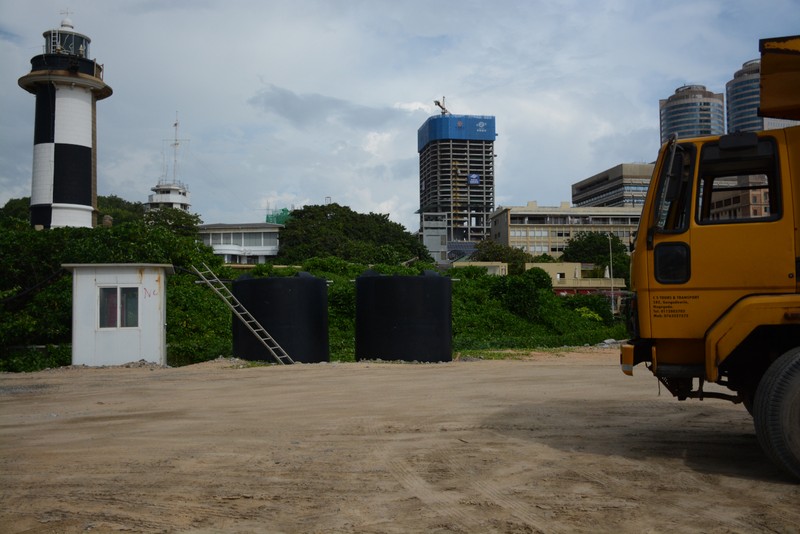
3. Colombo Lighthouse~20 min
A 29-meter working lighthouse built in 1952 at Galbokka Point after the original 1857 Colombo Lighthouse was obscured by newer buildings. The black-and-white checkered tower still operates today and its adjoining naval battery fires the traditional Independence Day salute.
Open 24/7
Day 6
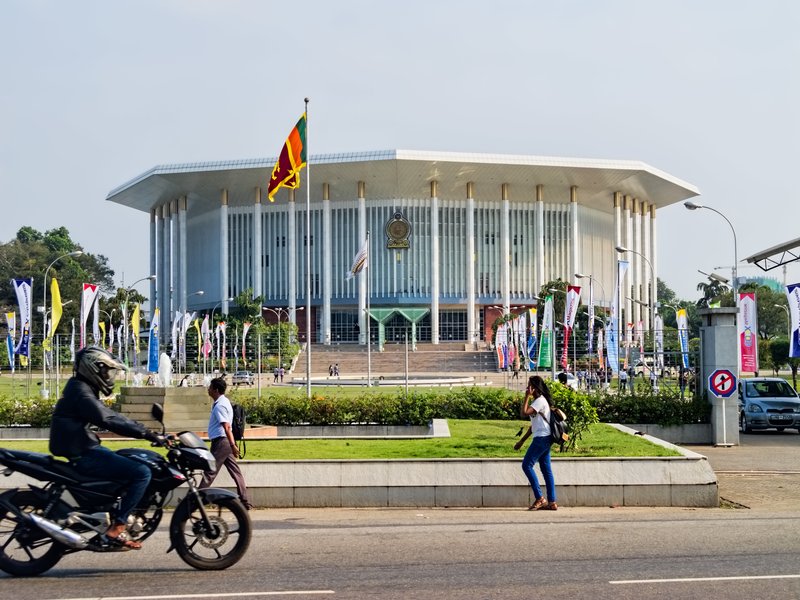
1. Bandaranaike Memorial International Conference Hall~30 min
A large convention center built between 1970 and 1973 as a gift from the People's Republic of China, honoring former prime minister S.W.R.D. Bandaranaike. Its sweeping modernist roofline is a Colombo landmark, and the grounds include a museum on the Bandaranaike family.
2. Kelaniya Raja Maha Vihara~1 hr
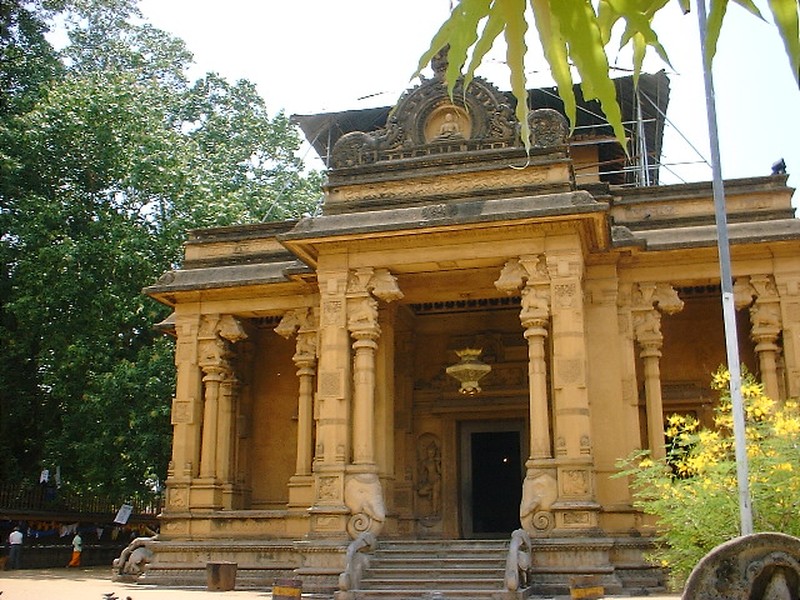
One of Sri Lanka's most sacred Buddhist temples, believed to mark a site the Buddha himself visited around 580 BCE. The temple complex on the Kelani River is known for its murals depicting Buddhist and Sri Lankan history and its large annual Duruthu Perahera procession.
3. Mount Lavinia Hotel~1 hr
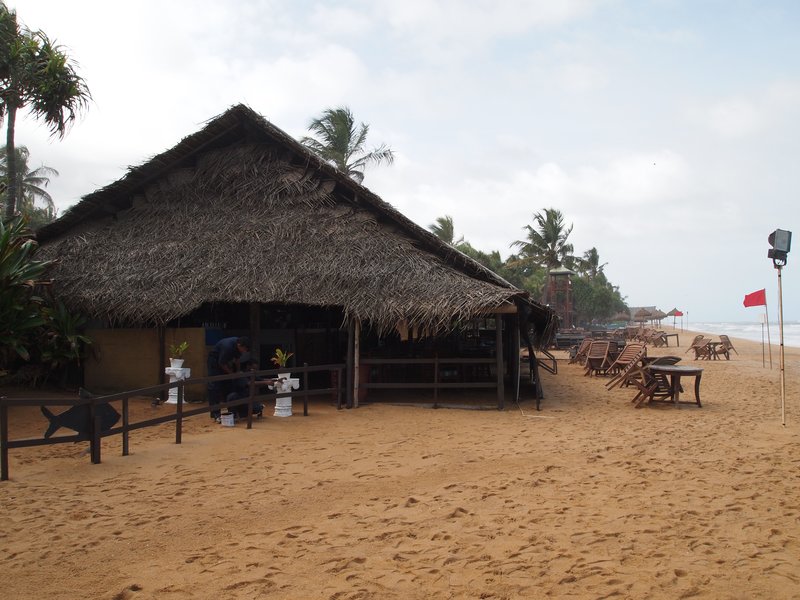
Built in 1806 as the residence of British colonial governor Sir Thomas Maitland and converted into a hotel in 1947, this seafront landmark sits on a headland south of the city with sweeping views of the coast. Its public terrace and beach below are open to visitors beyond overnight guests.
Open 24/7
Weekly Closures
Government Museums · Closed Monday, Sunday
Churches · Closed Sunday
Tours
Viator
Guided tuk-tuk journey through Fort, Pettah market, and colonial Colombo; customizable route covering the city's culture, architecture, and local life.
4 hr · 4
Half-day Colombo introduction covering the city's most popular and lesser-known attractions with an experienced local guide.
4 hr · 8
Cappuccino
Grind · 4.8 · 2700+ reviews
Department of Coffee · 4.4 · 916+ reviews
London House of Coffee · 4.3 · 1360+ reviews
Black Cat Cafe · 4.4 · 939+ reviews
Restaurants Near Hotel
Graze Kitchen · 4.6 · 3500+ reviews
International buffet and à la carte restaurant inside the hotel.
Daily 6:30am - 11:00pm
Harpo's Colombo Fort Cafe · 4.1 · 582+ reviews
Casual café with sandwiches, wraps, and Sri Lankan rice plates in the Fort.
Daily 11:00am - 10:30pm
Nuga Gama · 4.6 · 1000+ reviews
Village-themed Sri Lankan restaurant inside the Cinnamon Grand Hotel.
Daily 7:00pm - 10:30pm
Virticle by Jetwing · 4.6 · 816+ reviews
Rooftop bar and restaurant with panoramic city views above Cinnamon Gardens.
Daily 5:00pm - 10:30pm
Pilawoos · 4.2 · 3200+ reviews
Open 24/7 kottu and rice-and-curry; Colombo's best-known late-night canteen.
Open 24/7
Downtown Restaurants
Chill Colombo · 4.9 · 383+ reviews
Taphouse by RnR · 4.4 · 312+ reviews
American-style gastropub with craft beer and grilled mains near the WTC.
Daily 12:00pm - 11:00pm
Mayura Restaurant · 4.2 · 684+ reviews
Sri Lankan rice-and-curry lunch spot in Pettah's main market district.
Daily 11:00am - 10:00pm
Dining Areas
Park Street Mews
Local Tastes
Kottu Roti
Chopped roti stir-fried with vegetables, egg, and meat on a hot griddle; the rhythmic clanging of the blades is the signature street-food sound of Colombo.
Egg Hoppers
Bowl-shaped rice flour crepes with a fried egg set in the center; eaten for breakfast with coconut sambol and seeni sambol.
Lamprais
A Dutch-Burgher legacy dish: rice, meat curry, frikkadels, and sambol baked together wrapped in a banana leaf; a direct artifact of Colombo's colonial heritage.
Isso Vadei
Crispy lentil fritters topped with a whole prawn; sold by vendors along Galle Face Green every evening.
Crab Curry
Whole crabs cooked in a rich, coconut-milk-based curry with roasted spices; a Colombo specialty most prominent at seafront restaurants.
King Coconut
The bright orange thambili coconut, sold chilled from roadside carts; sweeter and more electrolyte-rich than green coconut.
Food Delivery
PickMe Food
Foreign number: accepted. — verification arrives by WhatsApp, so install it on that number first.
Sri Lanka's dominant food delivery platform; wide Colombo coverage from the Fort and Pettah through Colombo 3, 5, and 7; excellent selection of local rice-and-curry spots, kottu joints, and bakeries alongside international options.
Uber Eats
Foreign number: accepted — verification code arrives via SMS to international numbers.
Available in Colombo with strong coverage in the Colombo 3 and Colombo 7 hotel and expat areas; better known restaurant selection including international chains; useful backup if PickMe Food is slow or unavailable for your area.
Getting Around
PickMe
Foreign number: accepted. — verify via WhatsApp on your foreign number before arriving.
Sri Lanka's main ride-hailing app; comprehensive Colombo coverage from the Fort to Mount Lavinia; reliable for metered fares without negotiation — significantly more transparent than hailing tuk-tuks on the street for longer trips.
Uber
Foreign number: accepted — verification code arrives via SMS to international numbers.
Available in Colombo and a reliable alternative to PickMe; coverage across central and southern Colombo; fares are comparable — check both apps for the better wait time, especially during evening rush hours.
Train Stations Near Hotel
Colombo Fort Railway Station
Sri Lanka's main intercity rail hub; serves all major routes including Kandy, Galle, Ella, Jaffna, and Negombo.
Worth Knowing
Colonial Compression
Three days in Colombo are three walks through the same 400 meters of coastline that the Dutch, British, and Sri Lankans each claimed in turn. The hospital they built to trade, the parliament they built to govern, and the hotel their guests built to face the Indian Ocean are all still standing within five minutes of each other — none of them museums, all of them still in use.
That compression — Dutch colonial brick against Victorian stucco against a 19th-century grand hotel — is what makes the Fort district unlike any other colonial-era city center in South Asia.
Also on this site