TRIP OVERVIEW
Day 1 – Spianada & Liston · Old Fortress · New Fortress · Church of Saint Spyridon
Day 2 – Mon Repos · Vlacherna Monastery & Pontikonisi · Achilleion Palace
Day 3 – Paleokastritsa · Angelokastro · Peroulades
Day 4 – Kassiopi · Mount Pantokrator · Old Perithia · Kalami
Day 5 – Museum of Asian Art · Archaeological Museum · Gardiki Castle · Lake Korission
Day 1
1. Spianada & Liston~1 hr
The largest square in Greece, cleared by the Venetians as a firing range before the fortress. Along its western edge runs the Liston, an arcaded café promenade built under French rule and modelled on the Rue de Rivoli. Cricket pitches and bandstands fill the green.
Open 24/7
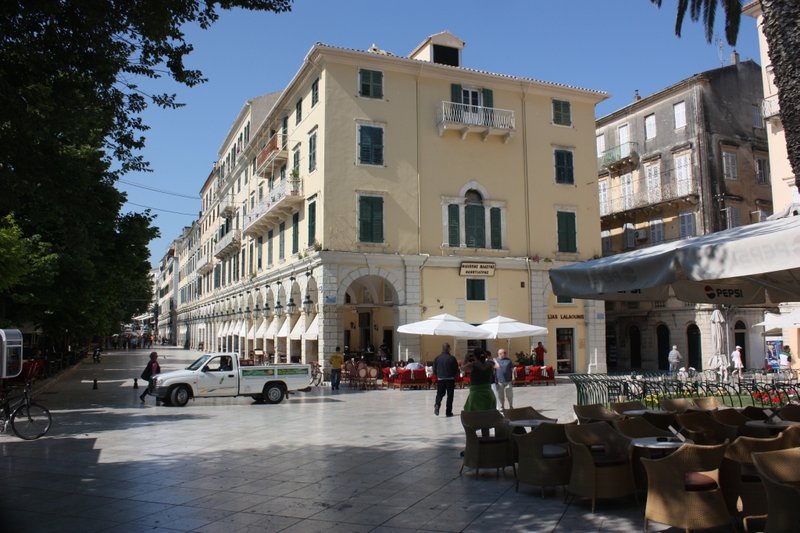
2. Old Fortress~1 hr 30 min
A rocky islet bristling with Venetian fortifications, cut off from the town by the sea-filled Contrafossa moat. Built on Byzantine foundations, it held Corfu through three Ottoman sieges. A climb past the British-built church of St George reaches the lighthouse summit and a sweeping Ionian panorama.
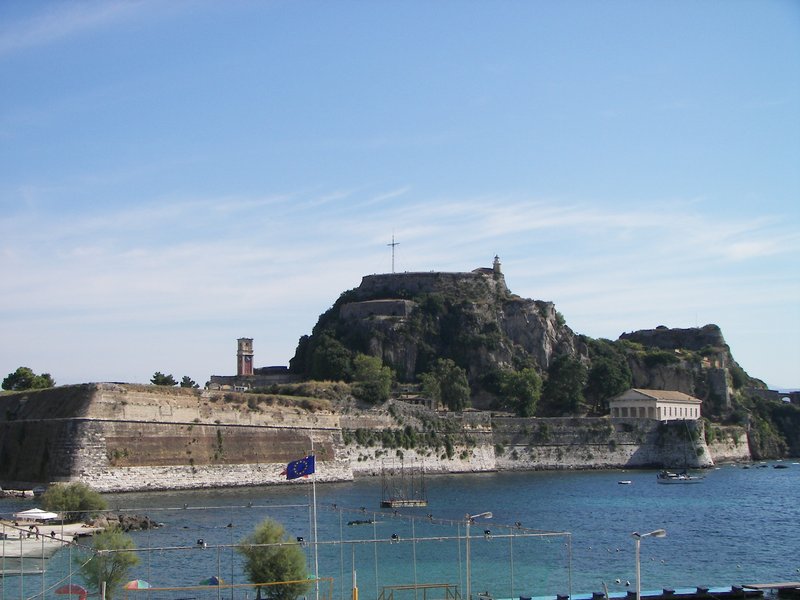
3. New Fortress~1 hr
The Venetians' second great citadel, raised to seal the landward approach the Old Fortress left exposed. Ramparts, dry moats, and tunnelled galleries climb to a bastion carved with the Lion of Saint Mark and the widest rooftop view over Corfu's roofs and harbour.
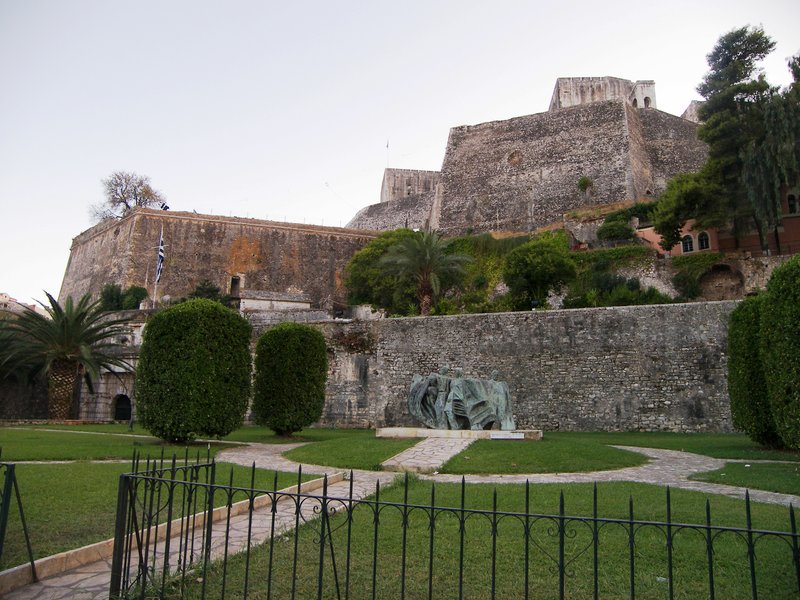
4. Church of Saint Spyridon~30 min
The spiritual heart of Corfu, built to shelter the relics of the island's patron saint, still carried through the streets in procession four times a year. Its red-domed campanile is the tallest in the Ionian Islands, and the interior glows with silver lamps and votive offerings.
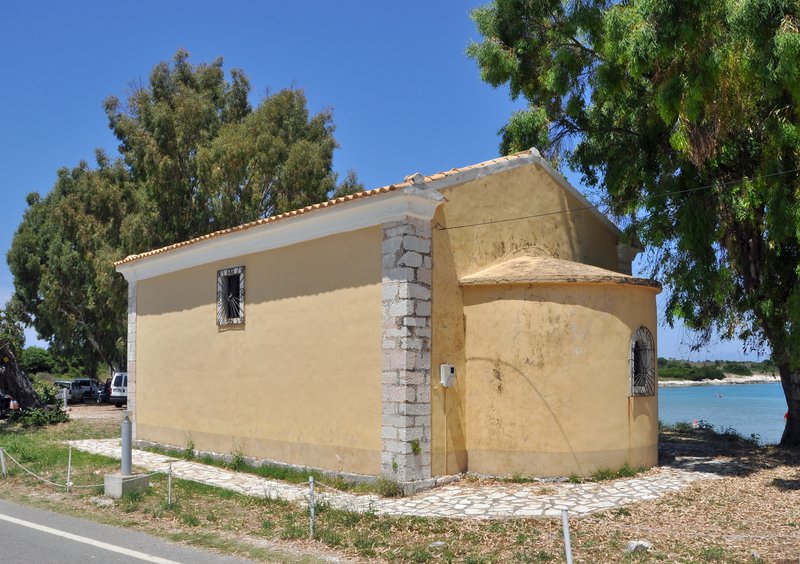
Day 2
1. Mon Repos~1 hr 30 min
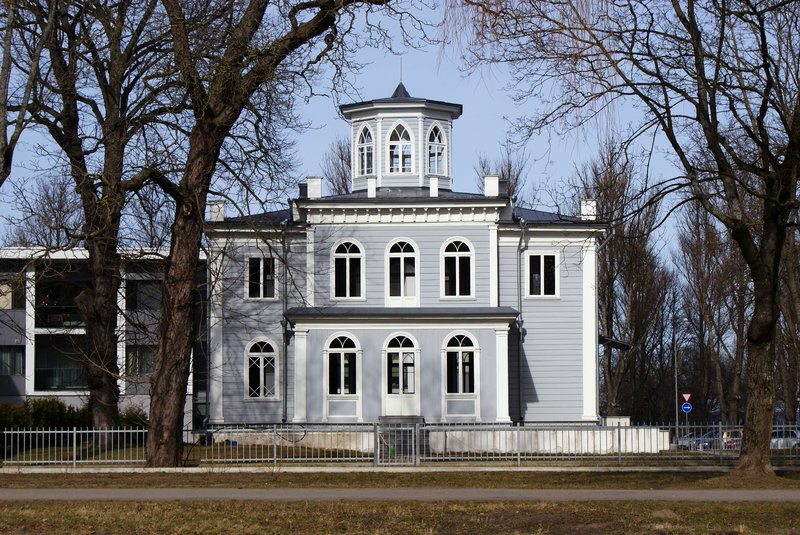
A wooded estate above the bay where ancient Palaiopolis stood, its Regency villa built for a British High Commissioner and later the birthplace of Prince Philip. Shaded paths pass Doric temple ruins on the way to the neoclassical house, now a small museum of British-era memorabilia and antiquities.
2. Vlacherna Monastery & Pontikonisi~1 hr
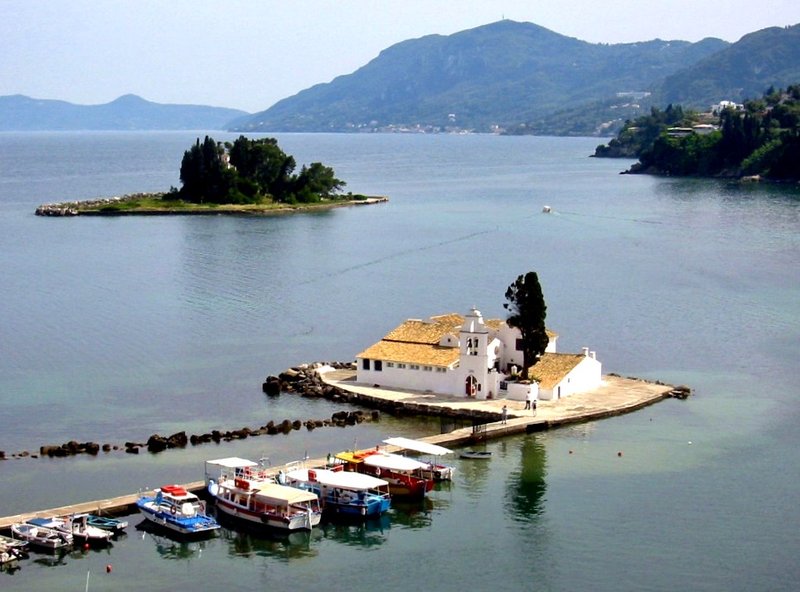
Corfu's most photographed scene: a tiny whitewashed convent on its own islet, reached by a slender stone causeway, with the cypress-covered Mouse Island and its Byzantine chapel floating beyond. The viewpoint sits on the Kanoni headland at the tip of the airport runway, so jets skim low overhead.
Open 24/7
3. Achilleion Palace~1 hr 30 min
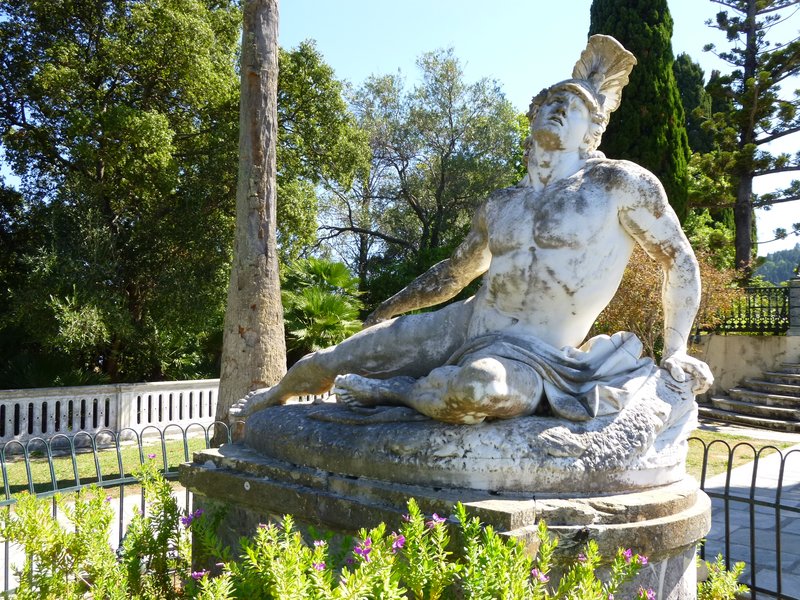
A neoclassical villa built for Empress Elisabeth of Austria — Sisi — and themed on the hero Achilles. Terraced gardens descend toward Kanoni past colonnades and mythological statues, from the colossal Victorious Achilles to the marble Dying Achilles. The hilltop gives one of the island's finest views.
Daily 8:00am - 8:00pm
Interior closed for restoration — gardens, statues, and views stay open
Day 3
1. Paleokastritsa~2 hr 30 min
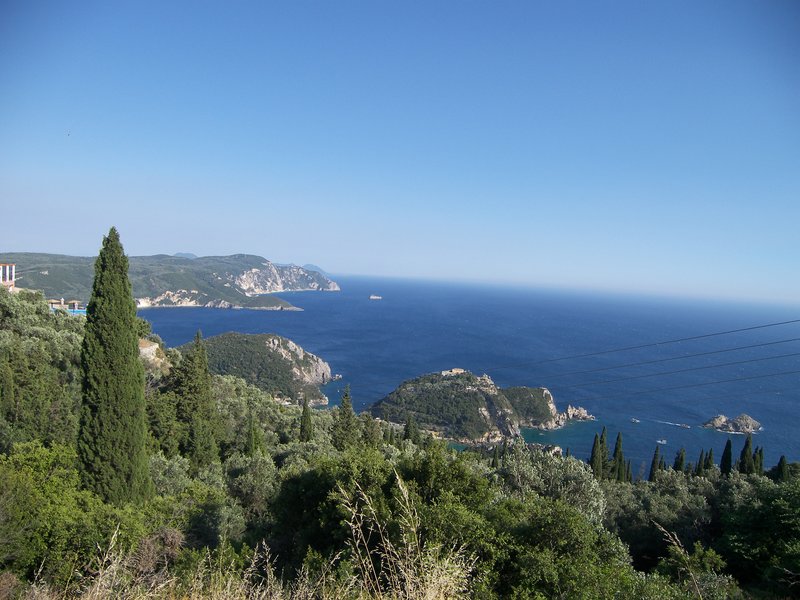
Corfu's most celebrated stretch of coast: six turquoise coves carved into limestone cliffs with sea caves — arched chambers where the water glows electric blue. Small hire-boats from the harbour reach them, and the 13th-century Monastery of the Theotokos crowns the headland above with a museum of Byzantine icons and open-sea views.
Open 24/7
2. Angelokastro~1 hr
A Byzantine citadel on a 300-metre sea cliff, never taken in centuries of assault. The Despots of Epirus raised it in the 13th century; it served as Corfu's capital for two hundred years and sheltered the population through the great Ottoman siege of 1537. A cave-chapel is carved into the cliff face and anthropomorphic graves into the clifftop; an Archangel Michael chapel crowns the acropolis.
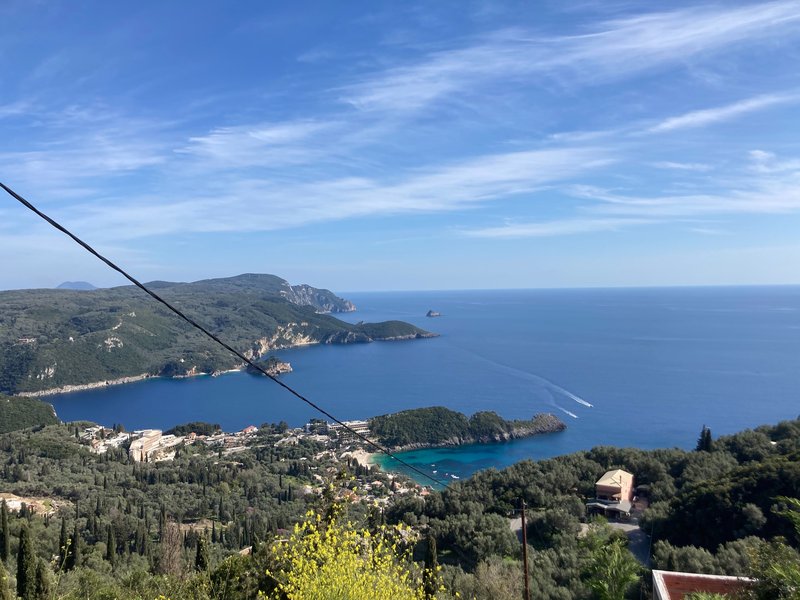
3. Peroulades~1 hr 30 min
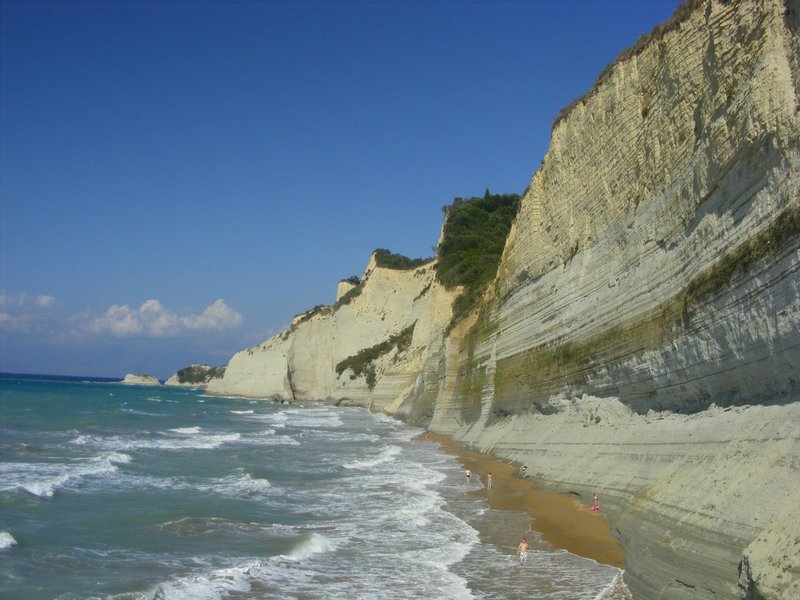
A long sand beach hemmed in by sheer white cliffs at Corfu's northwest tip, accessible only by wooden ladders down from the clifftop above. The sunset here — light turning the cliffs gold against the open Ionian — is one of the island's signature moments. A clifftop terrace bar draws a relaxed crowd; arrive in the last two hours of daylight.
Day 4
1. Kassiopi~2 hr
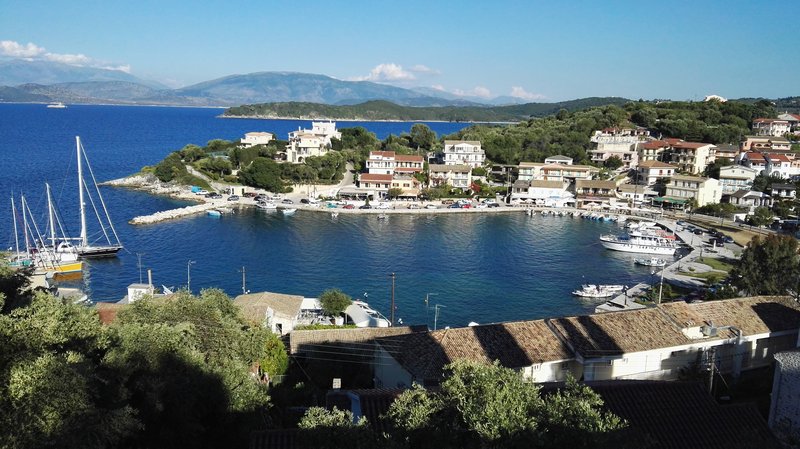
A compact fishing harbour in Corfu's northeast corner, framed by the ruins of a 13th-century Venetian castle on the headland above. The harbour has been a port of call since antiquity — Cicero stopped here and Nero is said to have performed at its ancient theatre. The Byzantine chapel of Kassiotissa sits within the castle walls; the village below it is unhurried and genuine.
Open 24/7
2. Mount Pantokrator~2 hr
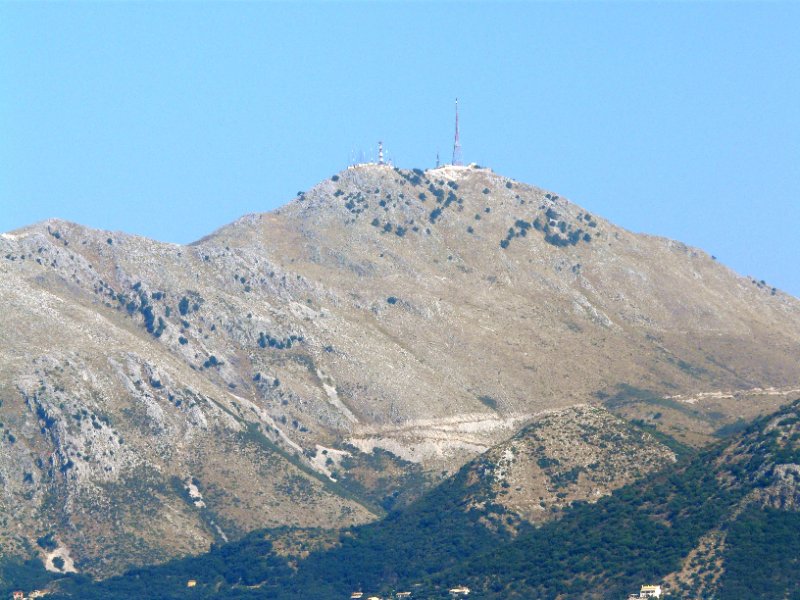
The highest point on Corfu at 906 metres, reached by a winding road through juniper scrubland. A Byzantine monastery with a 14th-century chapel sits at the very summit, its walls engraved with graffiti left by Venetian sailors. On clear days the panorama sweeps from the Diapontia islands in the west to the Albanian mountains and the Greek mainland in the east.
3. Old Perithia~1 hr 30 min
The best-preserved medieval village in Corfu, built on the Pantokrator slopes by the Venetians as a refuge from pirate raids and abandoned when the coast became safe. Stone houses, nine churches, and cobbled lanes have survived largely intact because nobody bothered to demolish them. A handful of families have returned to open tavernas; the rest stands empty and unhurried.
Open 24/7
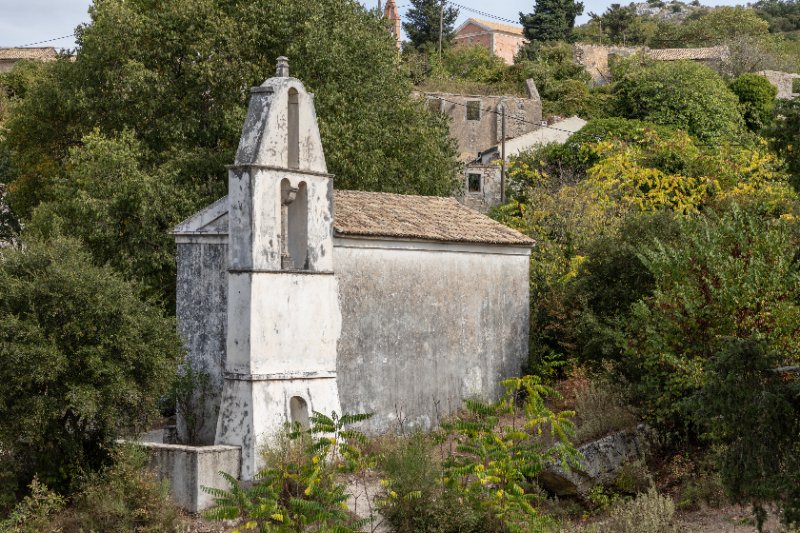
4. Kalami~1 hr
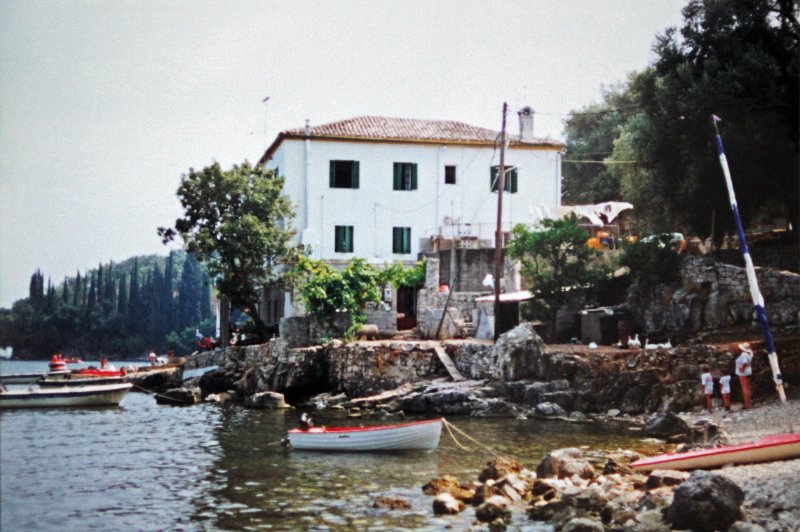
A sheltered turquoise cove tucked into the northeast coastline, where Lawrence Durrell rented the White House on the water's edge and wrote Prospero's Cell. The house is still there, still white, and still directly on the beach; it operates as a taverna in season. The bay is calm, clear, and car-free at the water's edge.
Open 24/7
Day 5
1. Museum of Asian Art~2 hr
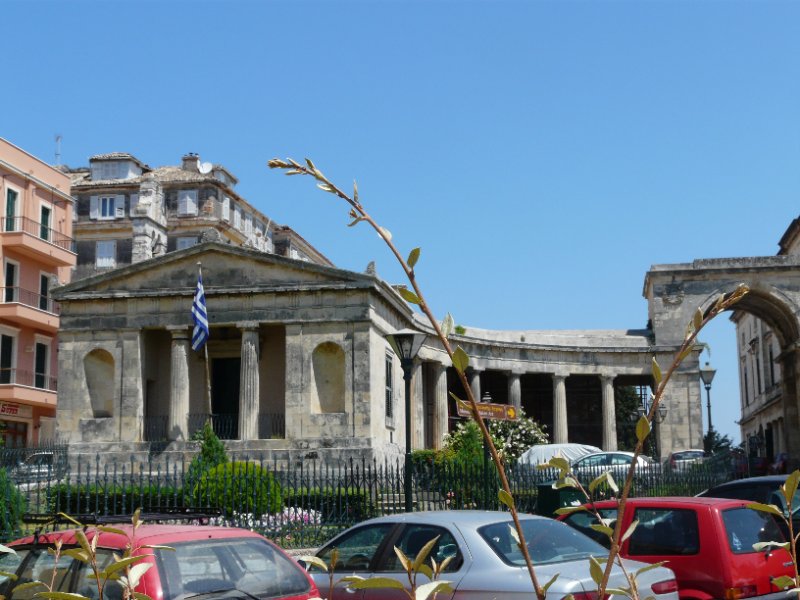
One of Europe's most important collections of Asian art, housed in the neoclassical Palace of St Michael and St George at the north end of the Spianada. More than 10,000 objects span Japanese netsuke, Chinese porcelain and bronzes, Indian sculpture, and Ukiyo-e prints — assembled through the mid-20th century by diplomat Gregorios Manos.
Wednesday - Monday 8:30am - 3:30pm
Closed Tuesday
2. Archaeological Museum~1 hr 30 min
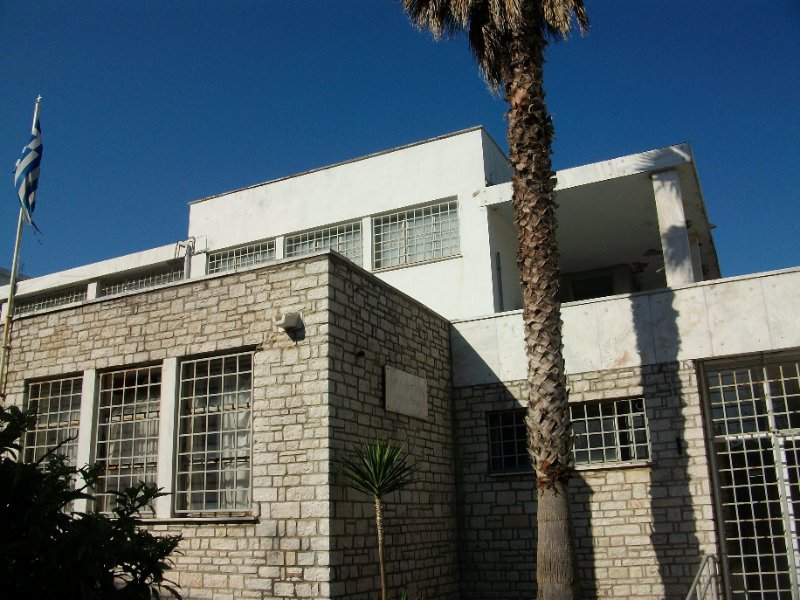
One of the finest regional archaeological museums in Greece, anchored by the Gorgon Pediment — a 2,600-year-old limestone sculpture from the Temple of Artemis, nearly 2.5 metres tall and among the best-preserved Archaic pediments in existence. Medusa flanked by her divine offspring dominates the central scene. The museum also holds lion statues from the Tomb of Menecrates.
3. Gardiki Castle~1 hr
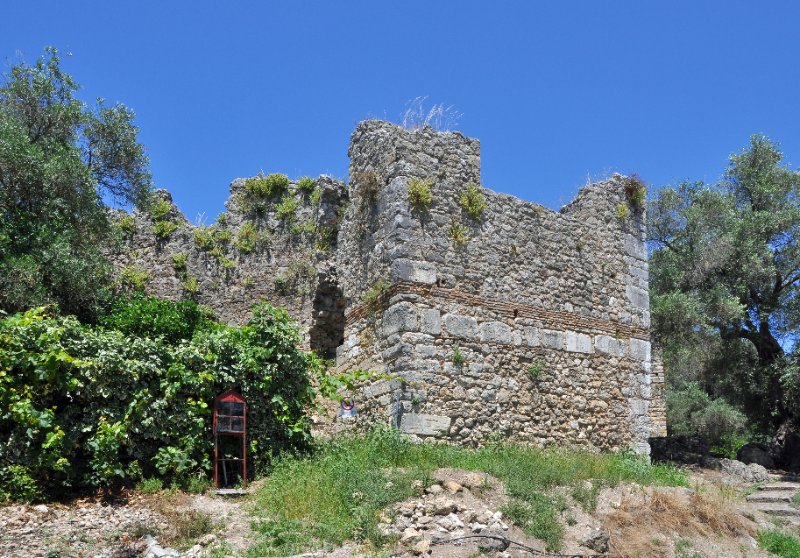
A 13th-century Byzantine fortress rising from an olive grove in southern Corfu, the only medieval castle surviving on the island's southern half. Its octagonal curtain wall with eight towers was built by Philip of Taranto, Despot of Epirus. The interior is largely ruined but the walls and towers walk cleanly, and the coastal lagoon at Korission shimmers in the distance below.
Open 24/7
4. Lake Korission~1 hr
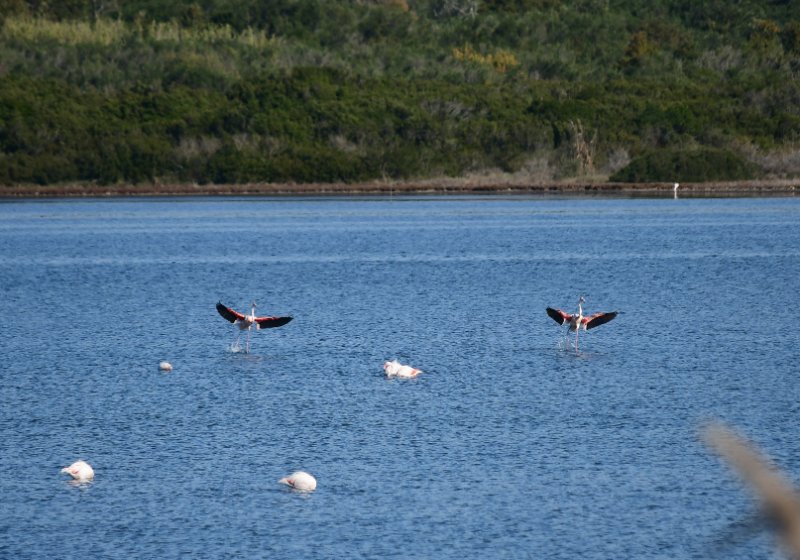
A 600-hectare coastal lagoon separated from the Ionian Sea by a ribbon of sand dunes, and one of the most important wetlands in the Ionian Islands. Pink flamingos and herons winter here alongside dozens of migrating waterbird species. The lagoon's southern edge merges with Halikouna beach — five kilometres of undeveloped sand with no facilities, backed by the dune system.
Open 24/7
Weekly Closures
Museums & Archaeological Sites · Closed Tuesday
Tours
Viator
Full-day multilingual cruise from Corfu — sightseeing past the Old Town by boat, into the Blue Caves, then ashore at Gaios village on Paxos and the Caribbean-clear coves of Antipaxos for swimming.
10 hr · Group
A 2-hour speedboat trip from Paleokastritsa harbour to the northwest sea caves — arched chambers where the water glows vivid blue — plus hidden coves at Paradise Beach and Yali Beach, with swimming stops throughout.
2 hr · Small group
A family-led experience on a fifth-generation organic olive farm in north Corfu — wander ancient groves, see a 19th-century reproduction oil mill, taste the estate's olive oil, then sit down to a traditional Corfiot meze with the family's own wine.
3 hr 30 min · 12 max
↔
A small-group walk through Corfu's UNESCO Old Town blending heritage storytelling with hands-on tastings — hidden local shops, traditional products, and a flavour-rich journey through Venetian alleys known only to islanders.
3 hr · Small group
A premium 4×4 safari through Corfu's northwest — clifftop Loggas Beach, the villages of Peroulades and Avliotes, hilltop Afionas, secluded coves, and an olive oil tasting at a family mill in Vistonas before a traditional Corfiot taverna lunch.
7 hr · Small group
↔
GetYourGuide
A brisk guided loop through the Old Town — the Palace of St Michael & St George, the Liston, Spianada Square, the Church of Saint Spyridon, and the alleys around Town Hall Square. Daily departures at 10:00am and 6:00pm.
1 hr 30 min · Up to 10
The most-reviewed Paxos cruise on GetYourGuide — a full day from Corfu port to the Blue Caves, the white-sand coves of Antipaxos and the charming port of Gaios on Paxos, with swimming stops and multilingual guide on board.
12 hr · Group
A 3-hour small-group walk through Corfu's Old Town sampling local food at hidden shops along the way — ginger beer, ouzo, fresh Greek pastries, and a seated lunch of classic Corfiot dishes · pastitsada and sofrito at a family taverna.
3 hr · Up to 10
A 3-hour walking tour through the Old Town tracing the layered footprint of Venetian, French and British rule — the Old Fortress, St Spyridon Church · tallest bell tower in the Ionians, Liston arcades, and Town Hall Square with a knowledgeable local guide.
3 hr · Small group
TripAdvisor
1. Full Day Cruise from Corfu: Classic Wooden Vessel · Swim & BBQ · TripAdvisor · 4.9 · 162+ reviews
A 6.5-hour small-group day cruise on an intimate wooden vessel with stops at Kerasia Beach and Erimitis coves for swimming, followed by a traditional Greek BBQ lunch with white wine and salads on board. Reviewers specifically praise the non-party, unhurried atmosphere.
6 hr 30 min · Max 35
↔
A 3-hour small-group walk through Corfu's UNESCO Old Town with five tasting stops — local pastries, estate olive oil, kumquat liqueur, pastitsada, and ouzo — woven together with storytelling about the island's Venetian, French and British layers.
3 hr · Max 20
A 2-hour evening cruise aboard a classic wooden vessel through the Ionian waters around Corfu Town — signature cocktails and local finger-food platters while the sun drops over the sea. Small group, classy and unhurried; reviewers call it "the best way to end a day in Corfu."
2 hr · Max 40
A guided walk through Theotoky Estate's vineyards and cellar in the Ropa Valley, with a tasting of two white wines made from native Kakotrigis grapes, estate olive oil, and a light snack of local products — a low-key, genuine taste of Corfiot terroir.
1 hr · Max 15
Cappuccino
Liston Gastrotheque · 4.4 · 1067+ reviews
Restaurants Near Hotel
Rosmarino · 4.7 · 1184+ reviews
Italian — wood-fired pizza, fresh pasta, burrata ravioli.
Daily 12:00pm - 11:30pm
Pane e Souvlaki · 4.4 · 7794+ reviews
Greek grill — souvlaki, gyros, and chargrilled meats.
Daily 12:30pm - 12:00am
Downtown Restaurants
The Venetian Well · 4.6 · 2606+ reviews
Creative Mediterranean and Corfiot in a candlelit courtyard.
Monday - Saturday 7:00pm - 11:30pm
Closed Sunday
Rex Restaurant · 4.4 · 4216+ reviews
Corfiot classics — pastitsada and sofrito at a town institution.
Daily 11:30am - 11:00pm
Local Tastes
Kumquat Liqueur
A bright orange citrus liqueur made from the kumquat, a miniature fruit the British introduced to Corfu and now grown almost nowhere else in Greece. Sold island-wide as a sweet digestif and in spoon-sweet form.
Pastitsada
Corfu's Sunday dish: rooster or veal braised in a spiced tomato sauce of cinnamon and cloves, served over thick hollow pasta — the island's clearest example of Venetian-Greek cooking.
Sofrito
Thin slices of veal slow-braised in a white wine, garlic, and parsley sauce — milder than pastitsada and a Corfiot home-table staple rarely found elsewhere in Greece.
Food Delivery
Wolt
Foreign number: not required. — sign-up runs on Google, Apple, Facebook or email with no phone field at all, so no verification code is sent.
Covers Corfu Town and the main tourist areas during the season; good selection of local tavernas, souvlaki spots, and cafés; the more reliable of the two platforms for visitors with non-Greek numbers.
efood
Foreign number: accepted — verification code arrives via SMS to international numbers.
Greece's own food delivery platform with strong Corfu Town coverage; often includes local tavernas and neighborhood spots not listed on Wolt; check both apps for the best restaurant selection at your location.
Getting Around
Uber
Foreign number: accepted — verification code arrives via SMS to international numbers.
Available in Corfu Town though supply is limited compared to the mainland; useful for the hotel-to-town run and moving between beach areas; taxis from the stands near the Old Port are often the faster option when Uber wait times are long.
Heads Up
Achilleion Palace — Interior Closed for Restoration
The palace interior is closed for restoration; only the gardens, peristyle, and sculptures are open.
Greek State Sites — Closed Tuesdays
Most Greek state sites close on Tuesday — on Corfu the New Fortress and Mon Repos; the Old Fortress is the Tuesday exception.
Worth Knowing
Layers of Empire
What makes Corfu Town feel unlike anywhere else in Greece is that almost no one tore down what came before. The Venetians left two fortresses and a warren of tall, shuttered alleys; the French laid the arcaded Liston over the old firing range; the British added cricket on the Spianada, a Regency villa at Mon Repos, and a taste for ginger beer that survives as the local tsitsibira. Each ruler left a flavour rather than erasing the last.
The kumquat is the neatest example — a tiny ornamental citrus a British botanist planted here that took to the island so well it became Corfu's signature liqueur. Four rulers, and the souvenir you carry home is a fruit from China by way of Victorian England, grown in a Venetian-Greek town.
Also on this site