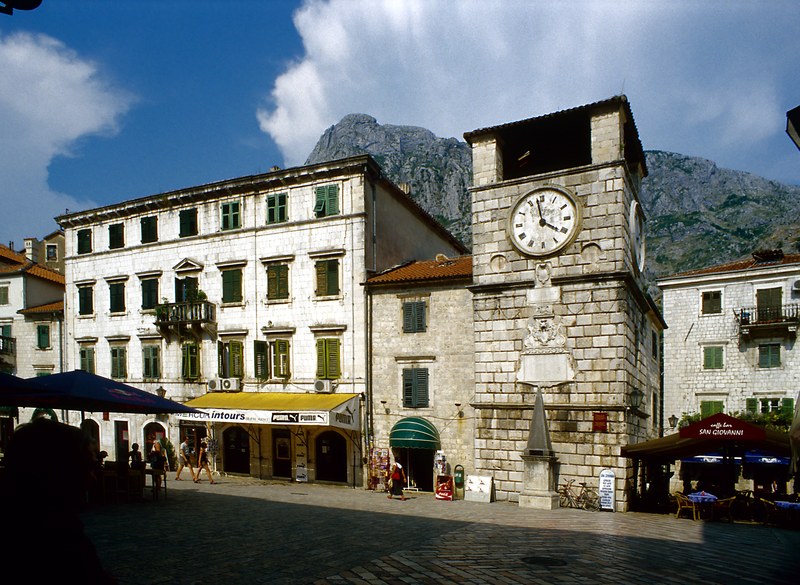
The main square of the old town, ringed by Venetian palaces and the 1602 Clock Tower — the most photographed structure in the city. Built as the administrative heart of Venetian-era Kotor; the stone pillar at the tower's base was once a public pillory. Linger for the street life and golden-hour light.
An afternoon boat tour of the full bay circuit: the turquoise Blue Cave swim stop, the Mamula Island Yugoslav-era submarine tunnels, and the church islet of Our Lady of the Rocks seen from the water. Small-group boats depart from the harbour; the standard tour runs 3-4 hours.
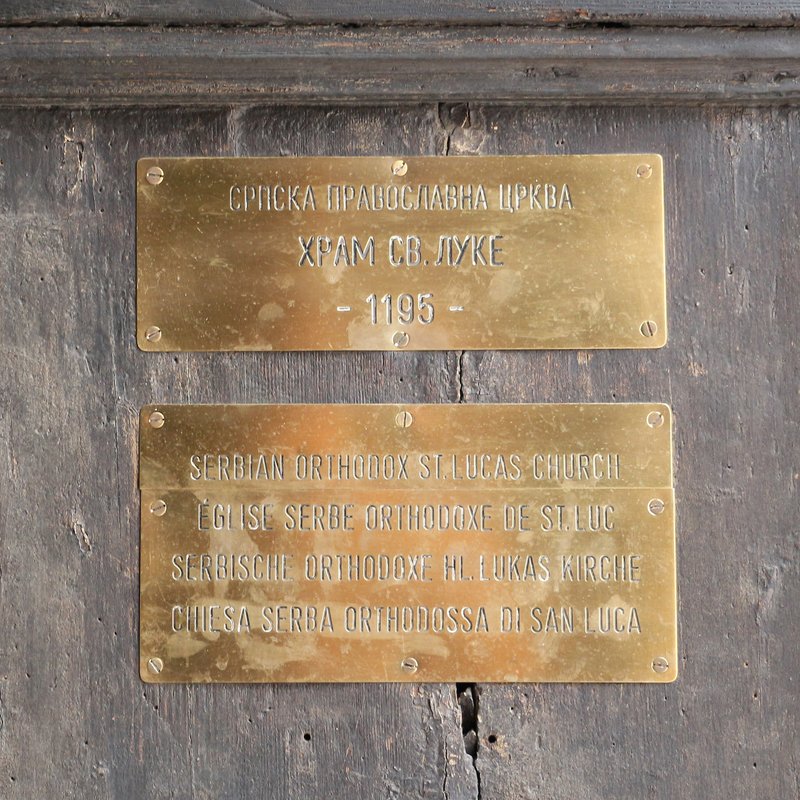
A rare medieval church that served both Catholic and Orthodox congregations simultaneously for over a century — two altars, two faiths, one 12th-century Romanesque structure. A quiet counterpoint to the Cathedral, with fragments of original frescoes still visible inside.
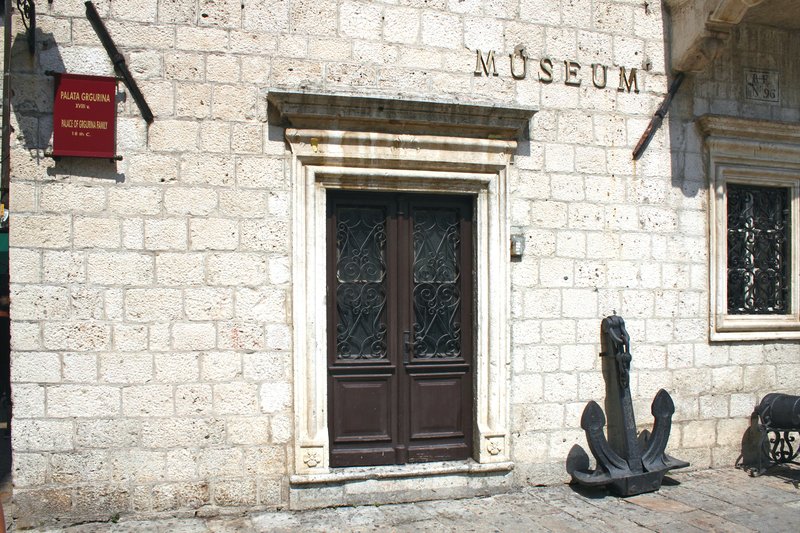
Housed in the 18th-century Grgurina Palace, this museum chronicles the seafaring heritage of the Boka Kotorska through model ships, navigational instruments, uniforms, and archival charts — spanning Venetian rule to the Austro-Hungarian era.
From Hotel: 15 min → San Giovanni Fortress & City Walls
1.San Giovanni Fortress & City Walls~3 hr
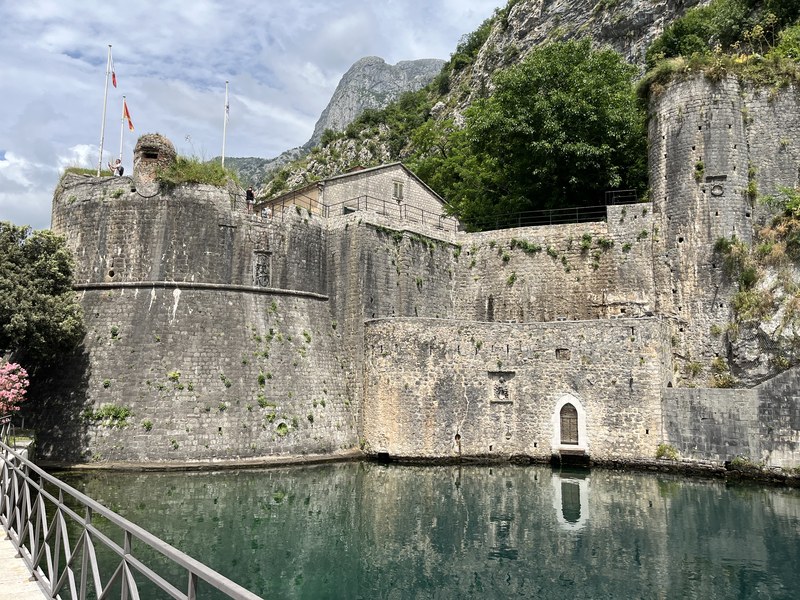
Kotor's 4.5 km of medieval fortifications climb from sea level to San Giovanni at 260 m — a UNESCO World Heritage rampart two millennia in the making. The ascent of 1,350 steps passes three churches and towers from Byzantine, Venetian, and Austro-Hungarian eras.
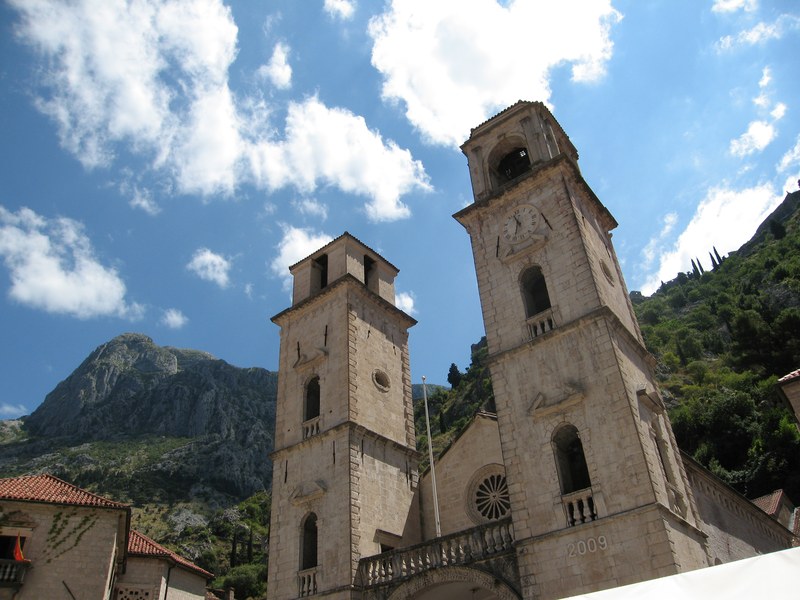
Kotor's most iconic landmark — a Romanesque Catholic cathedral with twin bell towers dating to 1166, housing a treasury of Byzantine silver reliefs and the relics of the city's patron saint. The towers offer sweeping views across the terracotta rooftops.
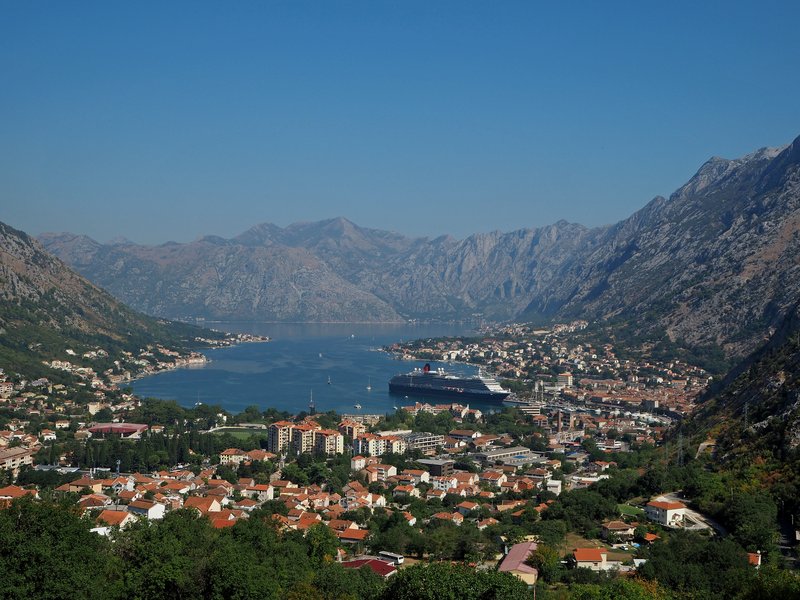
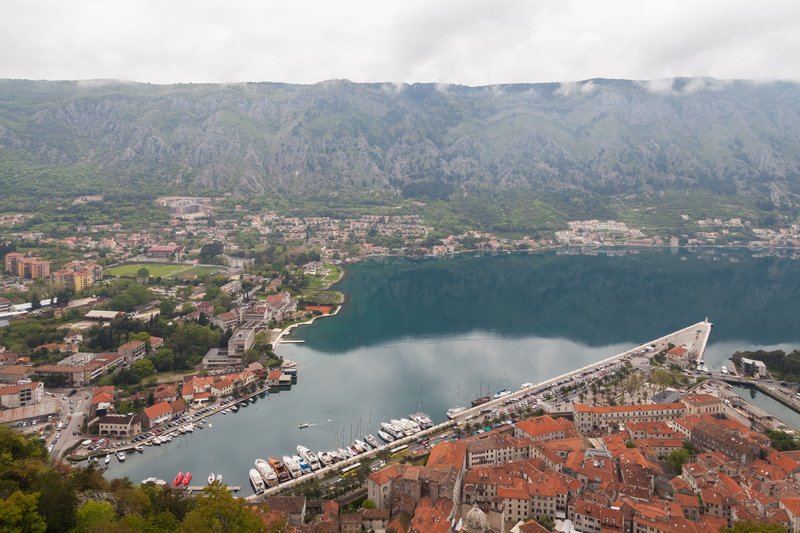
The road from the city to Lovćen climbs 25 hairpin turns in under 6 km, rising from the bay to over 900 m. Pull over at the upper bends for an aerial panorama of the old town, the winding bay, and the Adriatic beyond — one of the most photographed views in Montenegro.
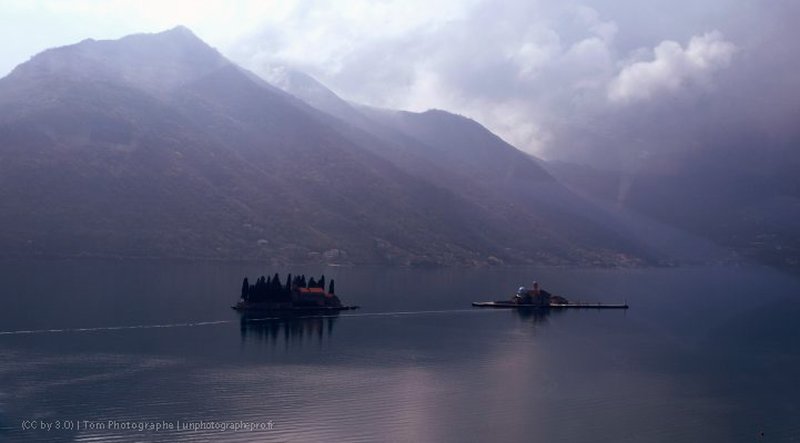
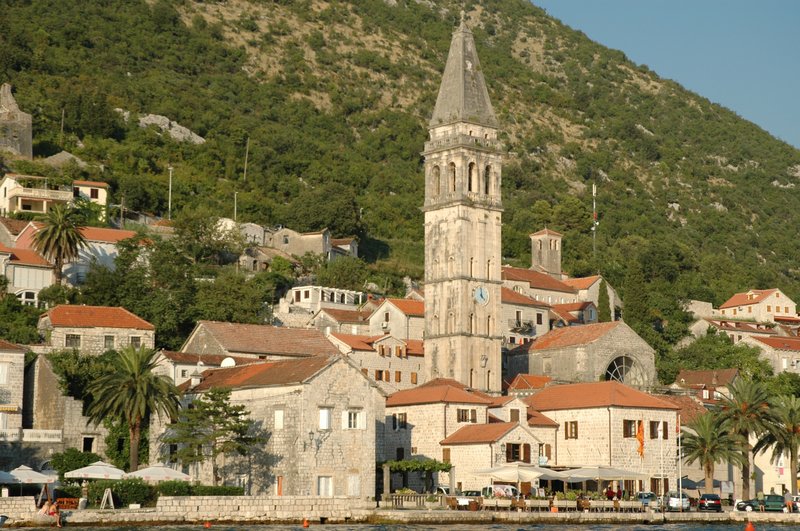
An artificial island church built stone by stone by sailors since 1452 — the Baroque interior glitters with 68 silver votive plaques and a ceiling painting by Tripo Kokolja. Boat taxis depart on demand from the Perast jetty, 10 minutes each way.
A perfectly preserved Baroque town of 17 palaces and 16 churches on a narrow strip between the bay and the mountain — built by Venetian merchant captains at the height of Kotor Bay's maritime prosperity. Stroll the stone promenade and look out at two tiny islands set improbably in the still water offshore.
Montenegro's spiritual heartland — a mountain massif rising to 1,749 m above the coast, covering 6,220 hectares of black beech forest and limestone karst. The R1 road from the old town winds through the lower slopes with repeated viewpoints before opening onto the plateau above Njeguši.
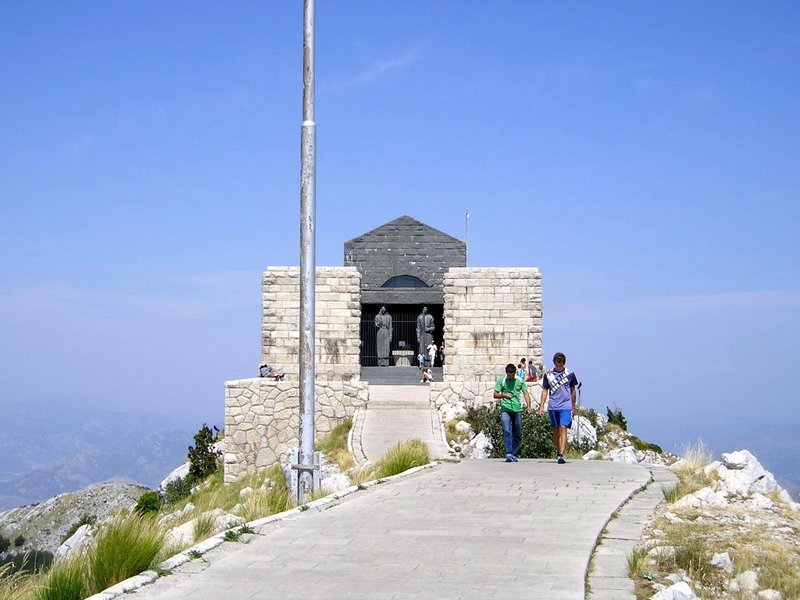
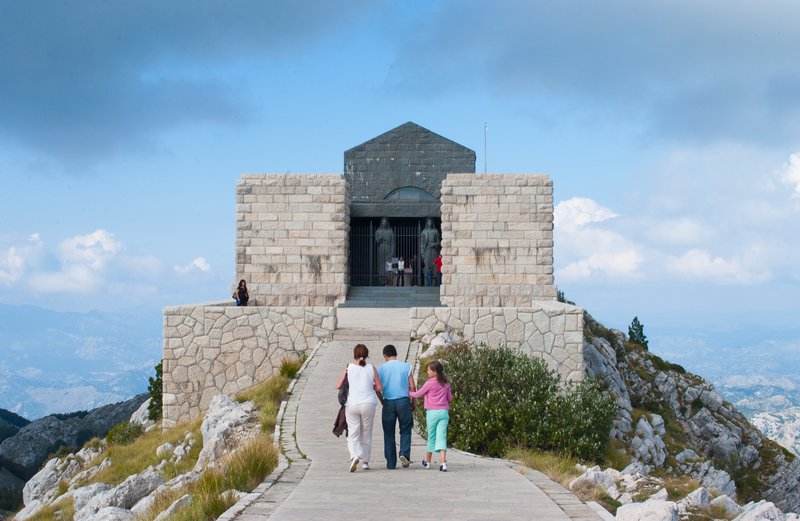
Neoclassical granite monument at 1,660 m housing the tomb of Montenegro's greatest poet and prince-bishop. The final 461 steps cut into the mountain lead to a chamber of golden mosaics and an oversized Njegoš effigy. The terrace panorama takes in the Adriatic, the Bay of Kotor, and Montenegro's interior ranges.
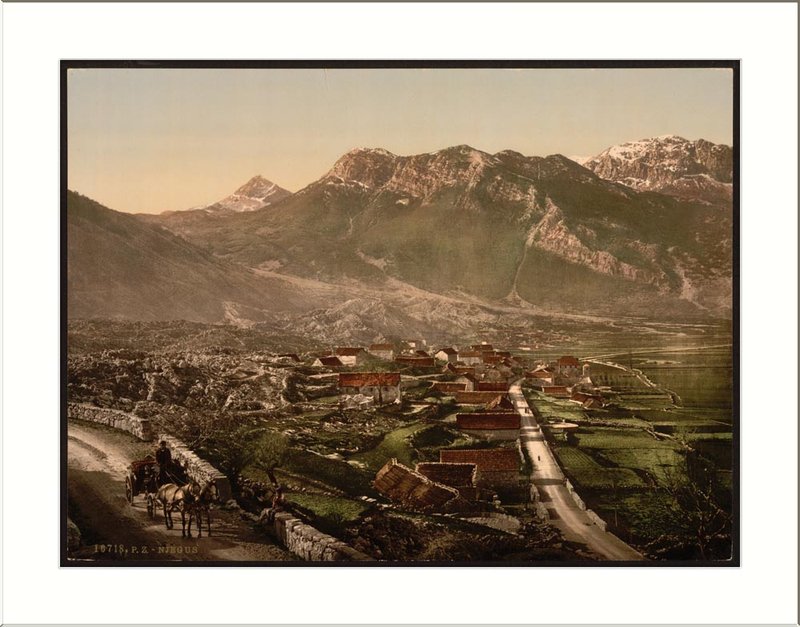
The mountain village at 860 m where Montenegro's signature cured products are made: Njeguški pršut — air-dried prosciutto smoked over beechwood — and Njeguški sir, a hard mountain cheese. Small family shops along the single road sell both; the smokehouse air is unmistakable on approach.
Three-hour bay circuit visiting Our Lady of the Rocks island church and the Blue Cave swim stop — the highest-reviewed boat tour on Viator for this port.
Hard mountain cheese from the same highland village, aged in olive oil or brine. Sharp, crumbly, and rich — sold paired with pršut at most traditional restaurants.
Foreign number: not required. — it signs in with Google, Facebook or email, and a phone sign-up takes any prefix with the code by SMS or WhatsApp.
The main delivery option in Kotor, with coverage across the Old Town and surrounding areas. Good for restaurant delivery when you prefer to eat at the hotel rather than find a table.
Foreign number: not required. — the account is created with an email address alone, or with any phone number; no card details either.
Montenegro's own ride-hailing app, built for a tourist-heavy country and accepting foreign numbers at sign-up. The only licensed app in Kotor, covering the Old Town and the bay road to Perast.
There's a moment halfway up the city walls — somewhere around the Church of Our Lady of Health, thighs burning, August sun full in the face — when you look down at the terracotta rooftops squeezed inside the perfectly intact medieval circuit of stone, the bay absolutely flat and silver beyond, and you think: this can't be real. It looks like a model. Kotor is genuinely difficult to comprehend as a place people actually live and always have, because nothing this preserved and this dramatic is supposed to exist at the end of a Montenegrin coastal road. The Venetians ran it for 400 years. The Austro-Hungarians left their baroque fingerprints. The cats — dozens of them, the city's unofficial mascots — move between centuries without concern. Go early before the cruise ships dock. The hour between 7am and 8am, when light fills the alleys and the square belongs entirely to the old men drinking coffee, is the best argument for staying.