German heritage forest created in 1996 to mark 150 years of German immigration to Paraná. The grounds hold a trail themed on the Brothers Grimm fairy tale of Hansel and Gretel, with illustrated wooden panels along the path. A 35-metre observation tower — Torre da Bavária — rises above the pine canopy for city views.
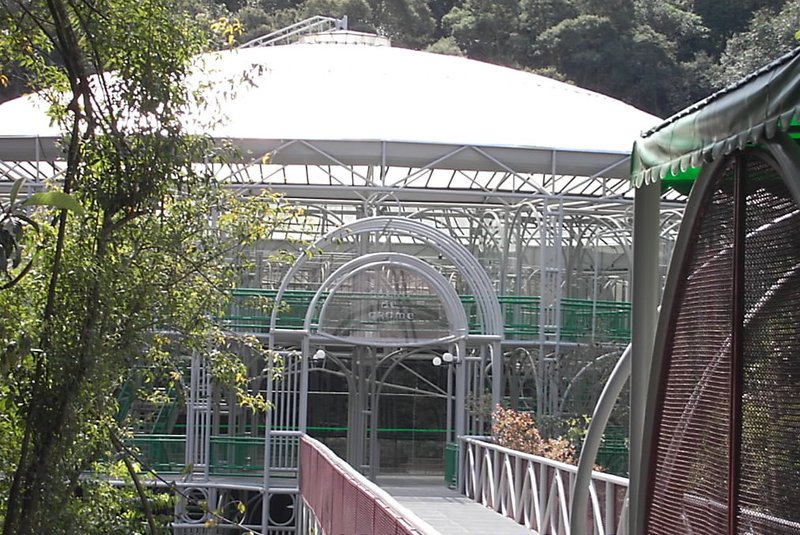
Concert hall enclosed in a transparent wire-mesh dome built inside a flooded limestone quarry. The structure appears to float above the water; the grounds and lake are free to explore independently. Performances are ticketed and held year-round.
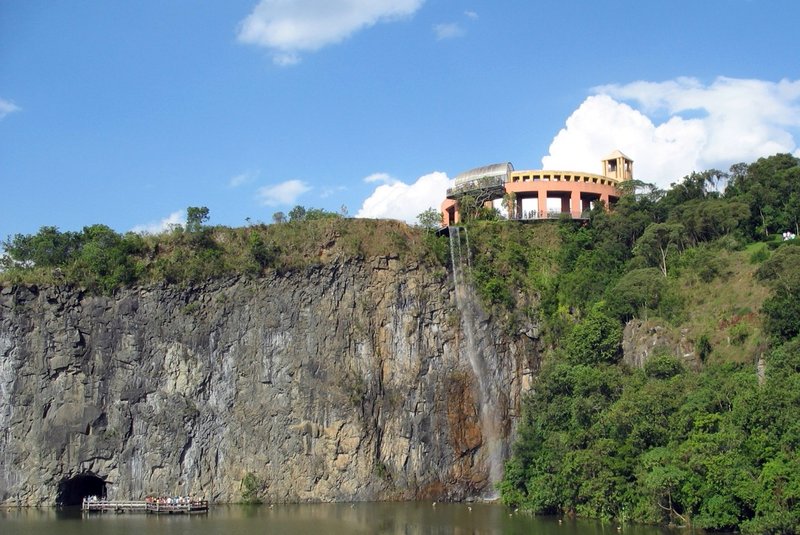
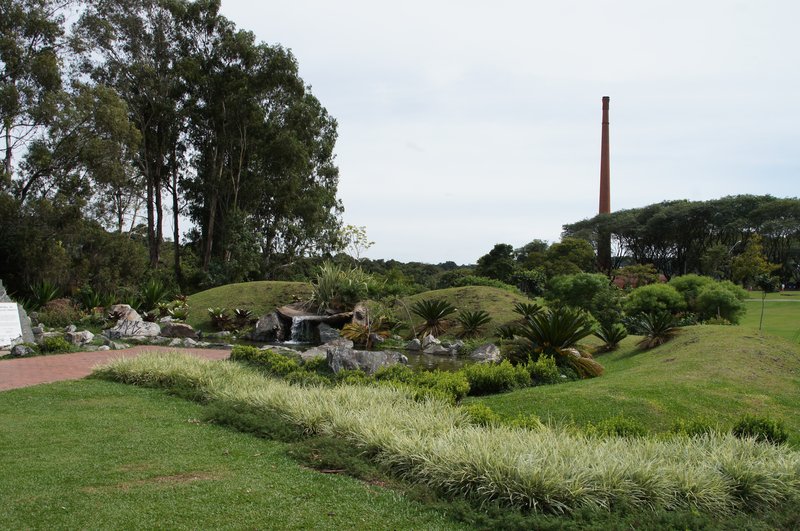
Former basalt quarry transformed into a park with a tunnel cut through the rock face linking upper and lower levels. A waterfall, lake, pedestrian bridges, and elevated walkways reveal the geological strata of the old extraction site — industrial heritage at city-park scale.
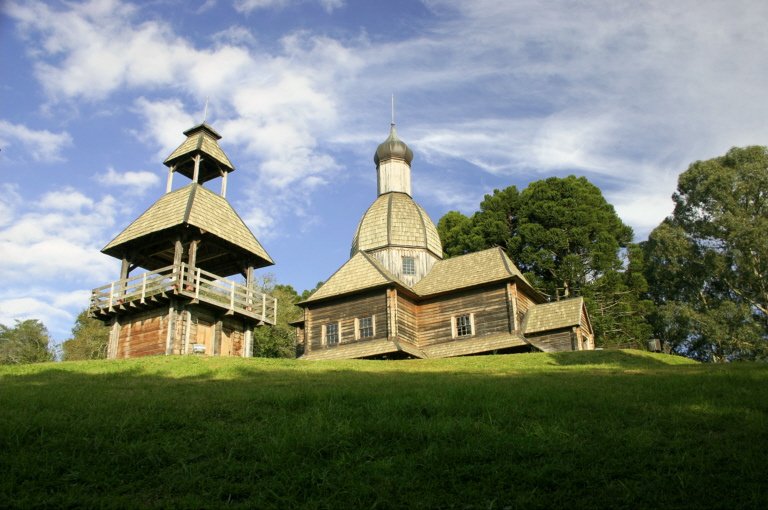
Riverside park on the Barigui River with the Memorial Ucraniano — a wooden chapel replica built for the centenary of Ukrainian immigration to Paraná in 1995, interior hand-painted with orthodox iconography. The park holds a wetland bird area and cycling paths.
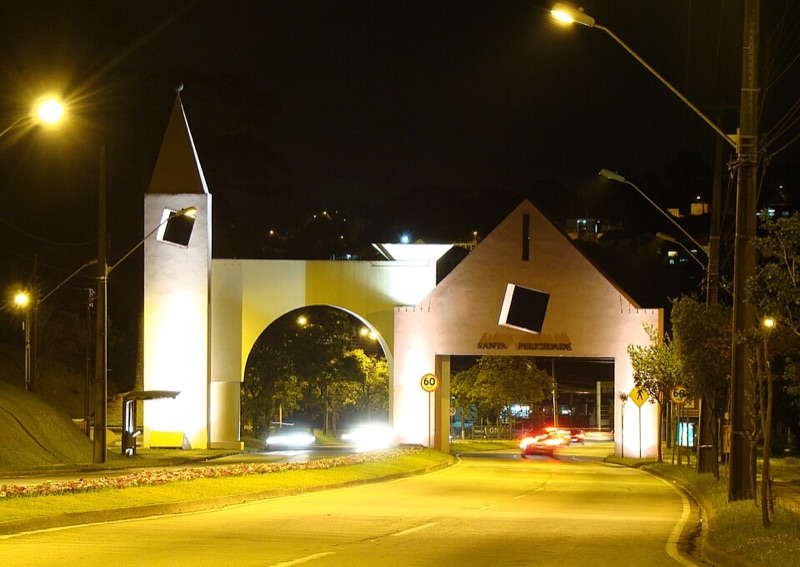
Curitiba's Italian-immigrant neighborhood, founded in 1878 by Venetian settlers, now the city's gastronomic district. The main street is lined with colonial buildings, cantinas serving traditional northern Italian food, and wine cellars. The neighborhood portal arch marks the entry.
Curitiba's largest park, covering 1.4 million square metres of Atlantic Forest, wetlands, and a lake along the Barigui River. Free-roaming capybaras are a resident population. Cycling paths loop the lake; a car museum occupying a 1972 automotive collection pavilion sits at the entrance.
From Hotel: 29 min · 8 min → Catedral Metropolitana de Curitiba
1.Catedral Metropolitana de Curitiba~45 min
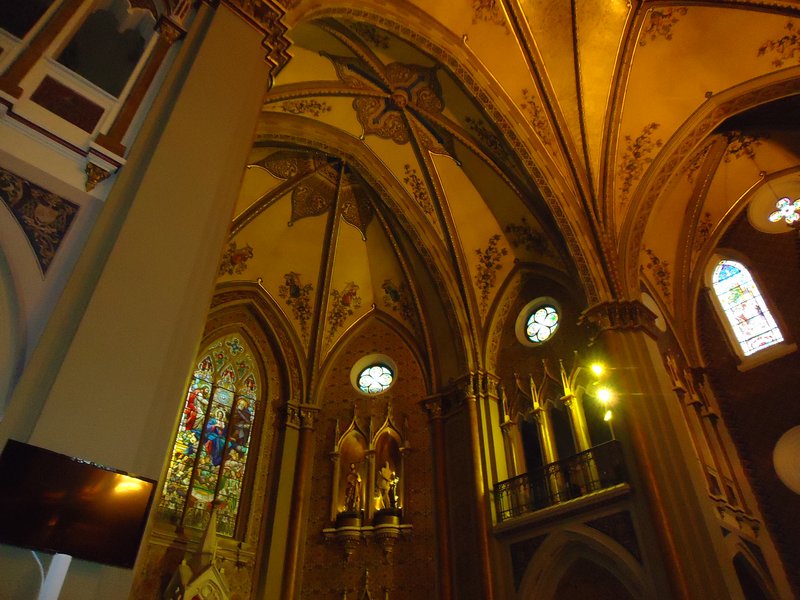
Neo-Gothic cathedral completed in 1893, modeled on Barcelona's Sagrada Família, standing on Praça Tiradentes — the founding square of Curitiba. Twin limestone towers rise 54 metres; the interior holds stained-glass windows, carved altars, and a crypt. The square surrounding it is the historic city center.
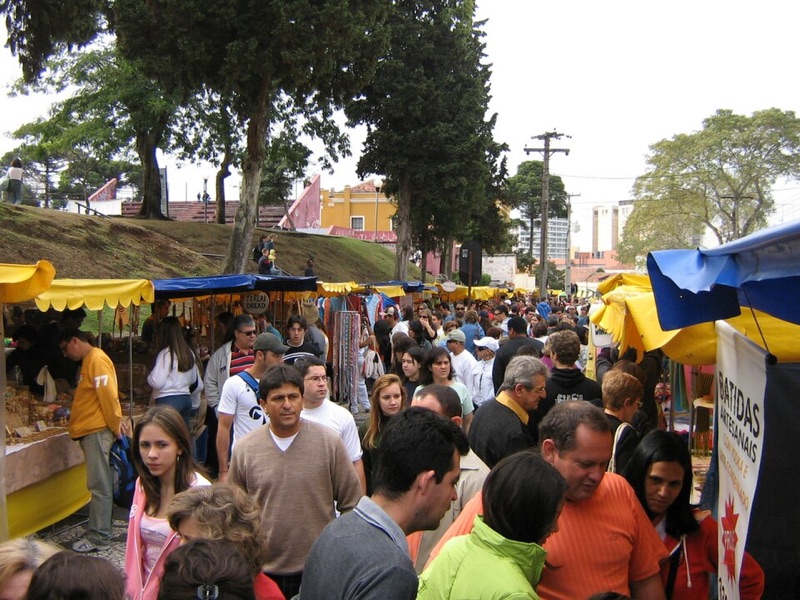
Colonial-era cobblestone square anchored by the 18th-century Igreja de São Francisco das Chagas — Curitiba's oldest standing building. The surrounding streets hold the Museu de Arte Sacra and Museu Paranaense, with craft stalls and bars filling the alleys. Sunday mornings bring a large antiques and artisans' market.
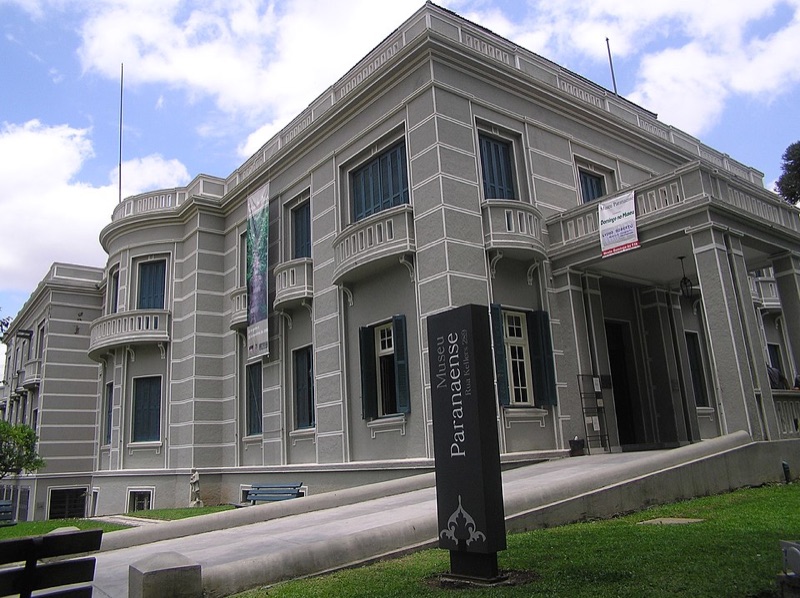
Paraná's oldest and largest history museum, covering pre-Columbian archaeology, colonial artifacts, 19th-century immigration documents, and natural history specimens in a 1920 Eclectic-style building at the edge of Largo da Ordem. The numismatic, entomology, and geology collections are particularly comprehensive.
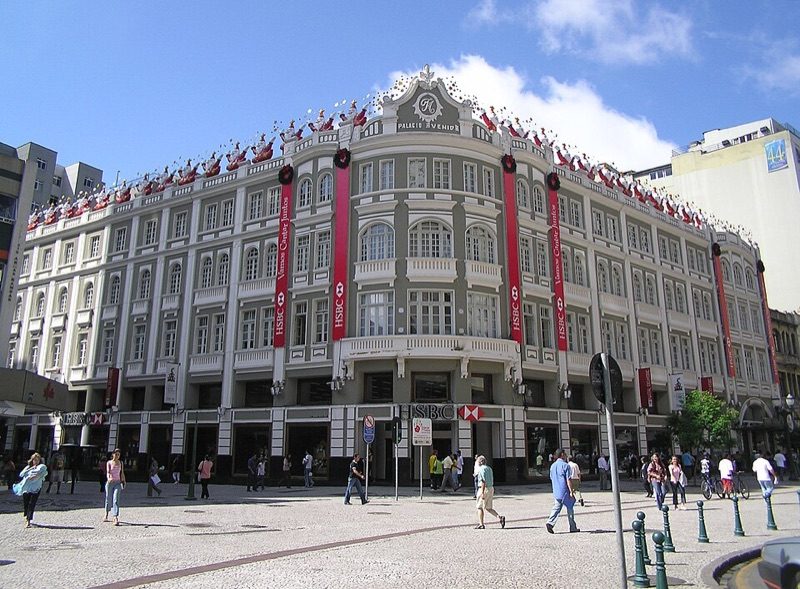
Art Deco commercial palace completed in 1929 as the headquarters of the London and River Plate Bank. The seven-story building features a marble-clad façade, ornate bronze railings, and an interior atrium with gilded detail. The ground floor is accessible during business hours; guided visits run on weekdays.
Daily 9:00am - 9:00pm
Interior accessible during business hours; guided visits on weekdays
2 min · 5 min → Museu de Arte Contemporânea do Paraná
5.Museu de Arte Contemporânea do Paraná~1 hr 30 min
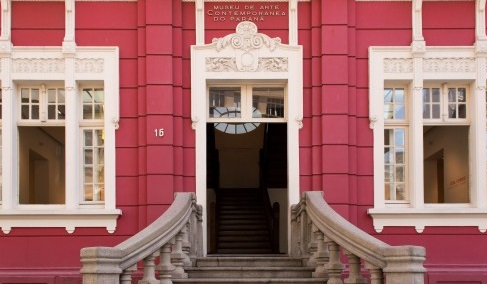
State contemporary art museum housed in a 1920s neoclassical building, showing Brazilian and international works from the 20th century to the present. Permanent collection spans painting, sculpture, printmaking, and photography. Free on Wednesdays.
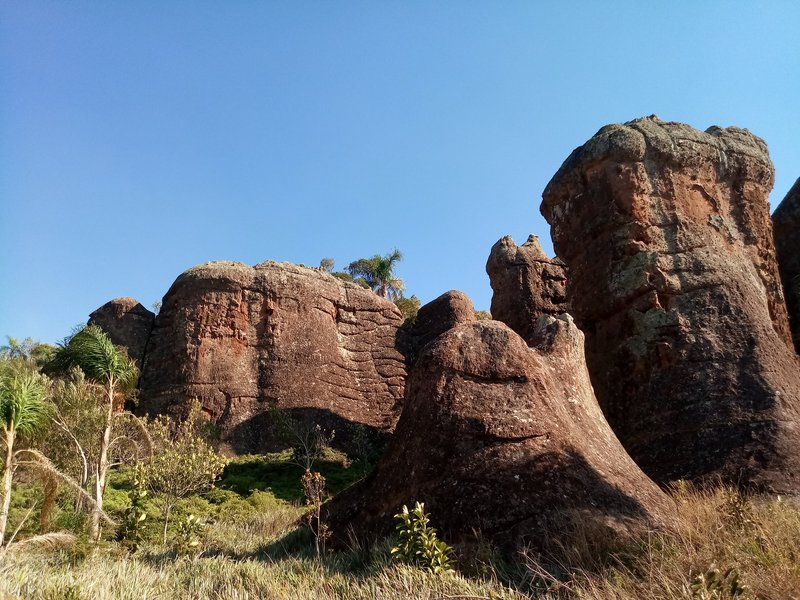
Sandstone pillars up to 23 metres tall sculpted by 300 million years of erosion into columns, arches, and spires across the Paraná plateau. The self-guided formation trail loops among the pillars, named for shapes they resemble — the camel, the tortoise, the sphinx. The park ticket covers all three circuits.
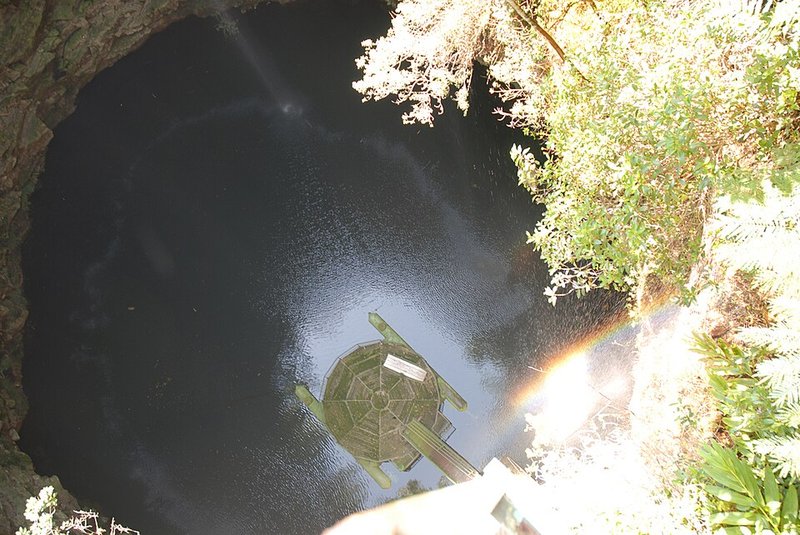
Three circular sinkholes up to 100 metres deep and 90 metres wide, formed by the erosion of underground limestone beneath the sandstone plateau. A steel elevator descends to the bottom of the largest pit; the walls show geological strata from 300 to 260 million years old. Covered by the same park ticket.
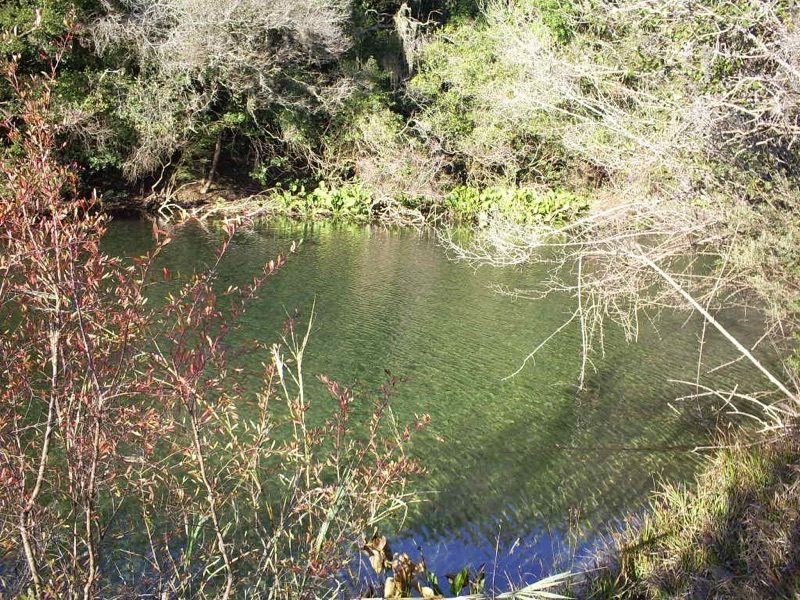
A calm lake at the foot of the sandstone formations, fed by rainwater filtered through the rock. The surface mirrors the reddish-gold pillars at midday when direct sunlight hits the sandstone. A short boardwalk loops the shore. Covered by the same park ticket.
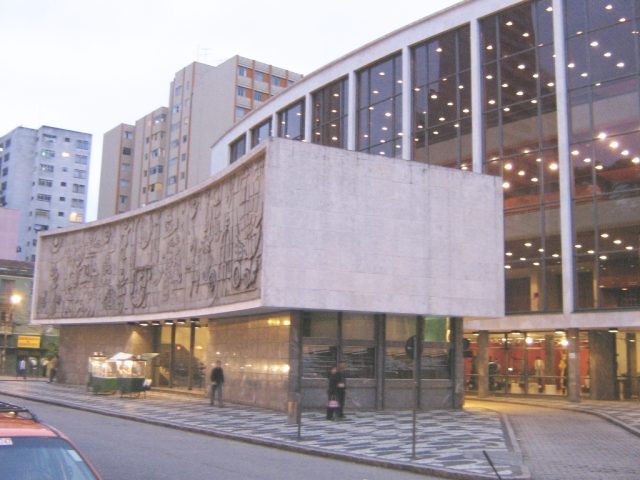
Paraná's main performing arts complex, home to the Paraná Symphony Orchestra, the Guairá Ballet, and major touring productions. The Brutalist building opened in 1974 with a 2,000-seat main hall and a smaller experimental theater. The lobby is open for visits during non-performance hours.
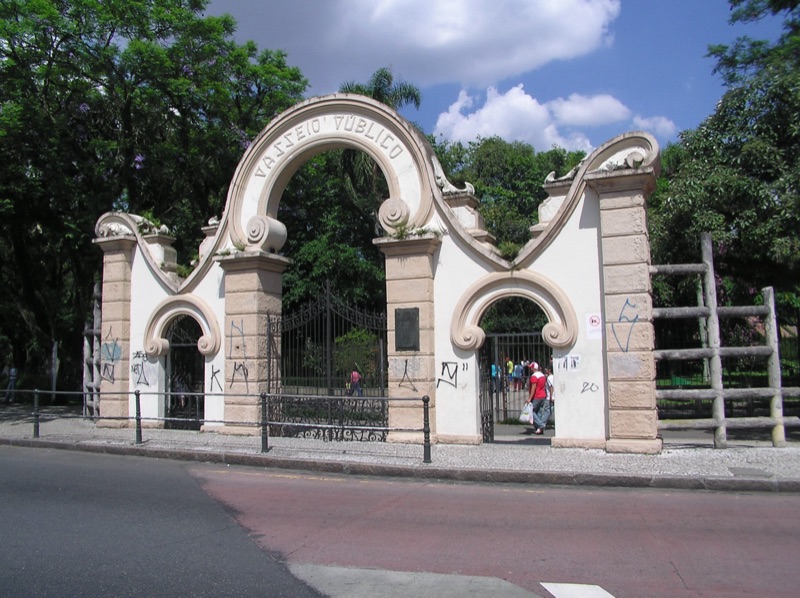
Curitiba's oldest public park, opened in 1886 as a zoological garden and later converted to an ecological park. Peacocks and waterfowl roam the grounds; a lake feeds a small island connected by pedestrian bridges. The original 19th-century entrance portals and cast-iron bandstand are still in place.
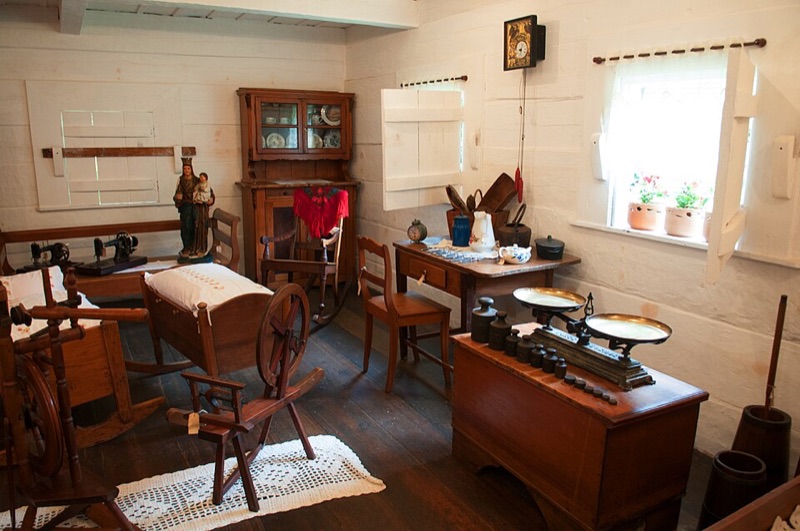
Memorial forest honoring Pope John Paul II's 1980 visit, with wooden folk-architecture houses from the Mazurek region of Poland displaying traditional furniture and household objects. The forest of araucária pines links the Polish memorial to a chapel built from donated timber.
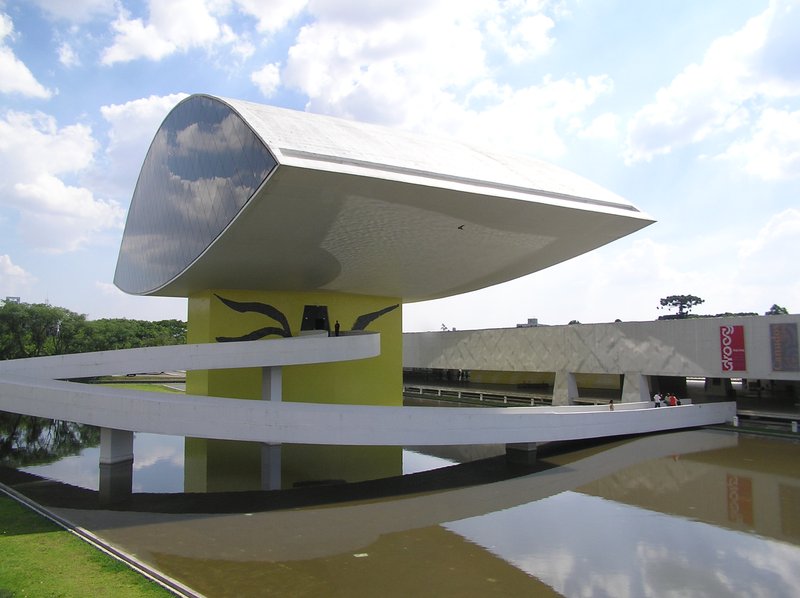
Modernist museum completed in 2002, distinguished by the cantilevered Eye annex — an elliptical gallery elevated on a curved concrete column. Collections cover Niemeyer's architectural drawings, mid-century Brazilian design, and rotating contemporary art. Free on Wednesdays.
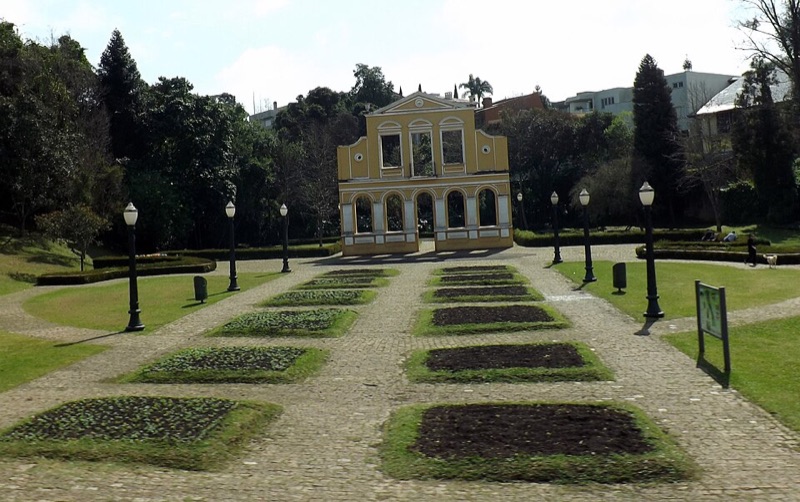
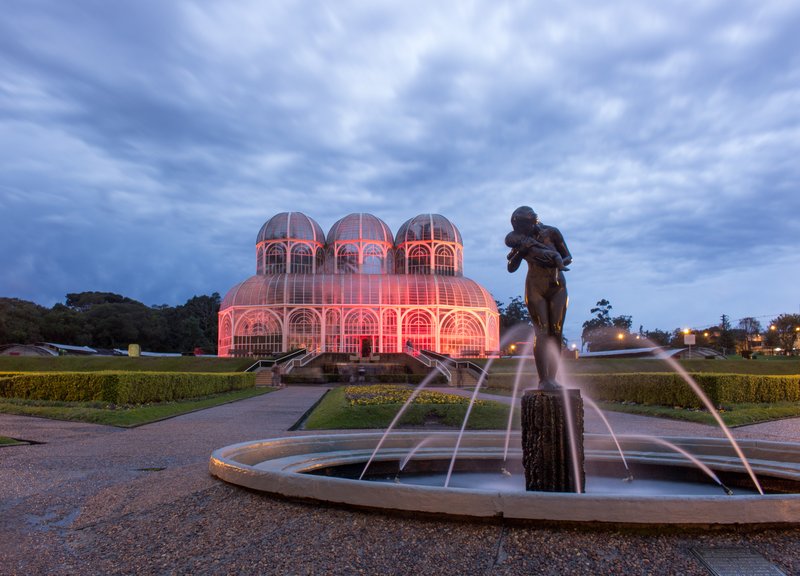
Ornamental greenhouse modeled on London's Crystal Palace, set in French-style gardens. The Art Nouveau glass structure shelters native Atlantic Forest plants; the grounds feature geometric flowerbeds and a botanical research center.
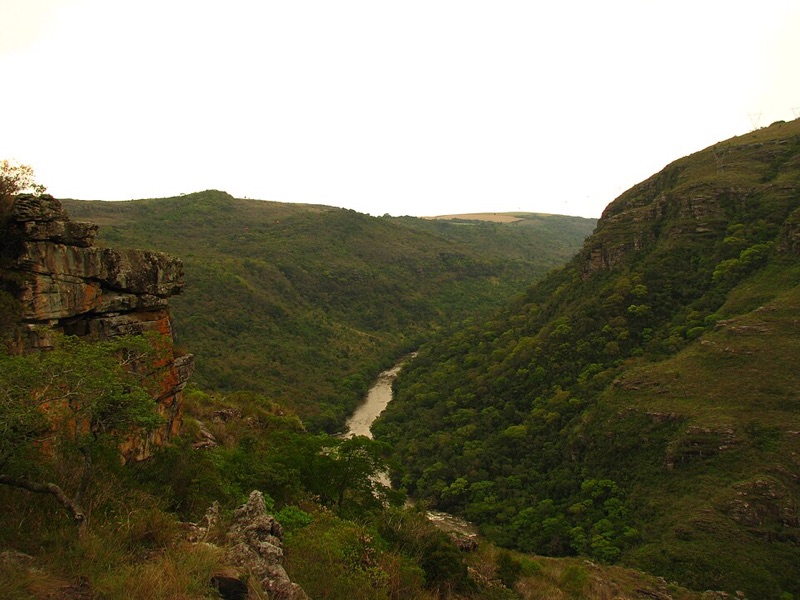
The largest canyon in Latin America, carved by the Tibagi River through the Campos Gerais plateau to a depth of 300 metres. The state park holds rock paintings estimated at 10,000 years old, endemic Araucária pine forest, and a 5-km trail along the canyon rim with views over the gorge.
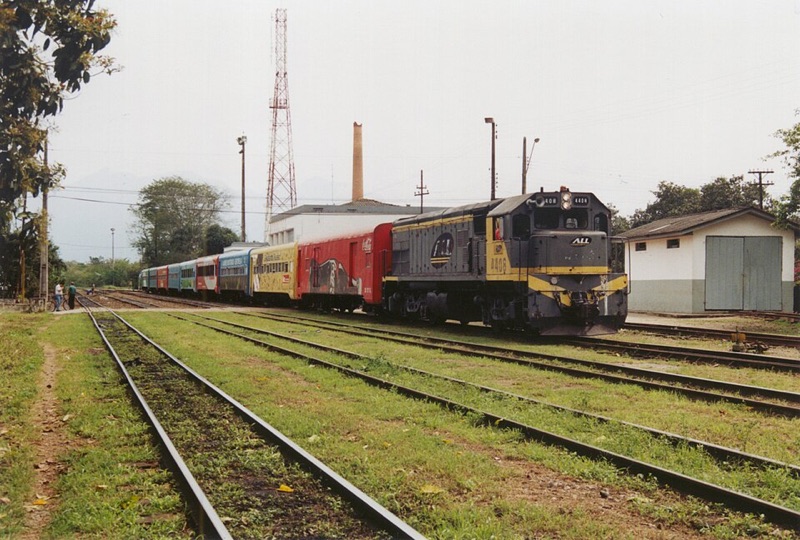
A 68-km descent from the Paraná plateau through Atlantic Forest cloud forest to the coastal town of Morretes. The rack railway crosses 14 tunnels and 30 bridges, dropping 800 metres in elevation. Train departs 8:30am and arrives in Morretes at noon.
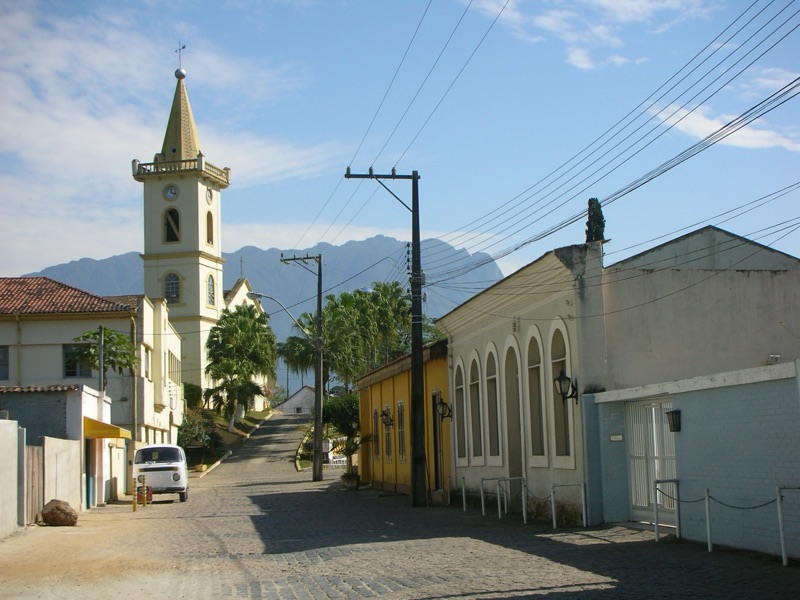
18th-century colonial town on the Nhundiaquara River, founded in 1721 as a way-station on the cattle trail from coast to plateau. The main street is lined with Portuguese colonial buildings and restaurants serving barreado — the slow-cooked clay-pot beef that defines the local cuisine.
Full-day city tour visiting the Botanical Garden, Wire Opera House, Tanguá Park, Bosque João Paulo II, Santa Felicidade neighborhood, and the Oscar Niemeyer Museum exterior with an English-speaking guide.
Foreign number: not accepted. — a Brazilian mobile number is required to register.
Brazil's dominant delivery platform with the widest restaurant selection in Curitiba; covers all central districts and the main residential neighborhoods; the default choice for local food and the broadest roster of restaurants across all price points.
Foreign number: not accepted. — a Brazilian mobile number is required to register.
99's delivery arm integrated into the same app as the ride-hailing service; good Curitiba coverage with a mix of restaurant chains and local spots; useful if you already have 99 set up for getting around.
Foreign number: accepted. — the verification code arrives by SMS on a foreign SIM, and the app can also verify through WhatsApp.
Available throughout Curitiba with good supply in the central districts and around the main green spaces; reliable for the longer runs out to Bosque Alemão and the Ópera de Arame; competitive fares and consistent coverage make it the easier choice for visitors.
Foreign number: not accepted. — registration asks for a Brazilian mobile once you are in Brazil; a foreign number only gets through if you set the app up before arriving.
Brazil's own ride-hailing alternative to Uber; strong Curitiba presence with drivers across the central and southern districts; often competitive on price and useful to have alongside Uber for comparing wait times and fares.
One of South America's most scenic rail journeys — a descent through Atlantic Forest cloud forest to the colonial town of Morretes on the coast. The rack railway crosses 14 tunnels and 30 bridges. Train departs at 8:30am daily. Return at 3:00pm. In Morretes, try barreado at a riverside restaurant.
Curitiba's reputation as a model of urban sustainability wasn't an accident — it grew from decades of deliberate investment in parks, rapid transit, and pedestrian corridors starting in the 1960s under mayor Jaime Lerner. The three parks in Day 1 are not decorative additions: they absorb former industrial quarries and underused land, turning infrastructure problems into public assets. Parque Tanguá was a basalt extraction site. The Ópera de Arame was a flooded limestone pit. Neither was scenic before the city decided to make it so.
The Oscar Niemeyer Museum follows the same logic into architecture — the Eye annex sits on a curved column because the original building footprint was already fixed and the only expansion direction was up and out. Form follows constraint, then transcends it. What stays after three days isn't any single stop but the cumulative effect: a city that decided what kind of place it wanted to be, and built toward it with unusual consistency across fifty years.