TRIP OVERVIEW
Day 1 – Theatro Municipal de São Paulo · Biblioteca Mário de Andrade · Edifício Copan · Estação da Luz · Pinacoteca do Estado de São Paulo
Day 2 – Catedral Metropolitana da Sé · Pátio do Colégio · Liberdade · Museu Afro Brasil Emanoel Araujo
Day 3 – Mosteiro de São Bento
Day 4 – Beco do Batman · Instituto Tomie Ohtake · Memorial da América Latina
Day 5 – Casa das Rosas · MASP · Parque do Ibirapuera · Museu Paulista
Day 6 – Japan House São Paulo · MuBE · Museu Lasar Segall
Day 1
1.
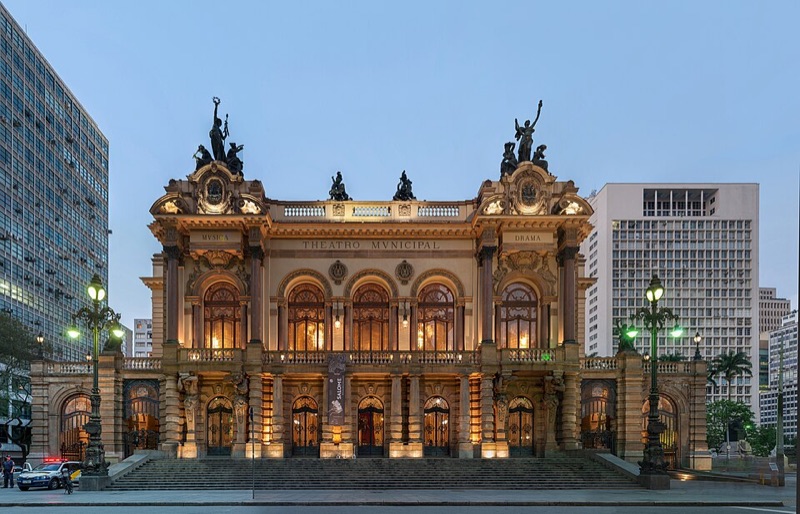
Theatro Municipal de São Paulo
~1 hr
This eclectic Beaux-Arts opera house blends French and Italian Renaissance in a gilded interior of Venetian mosaics and Carrara marble, home to the São Paulo Symphony Orchestra, city ballet, and opera.
Monday - Friday 9:00am - 7:00pm · Saturday 10:00am - 4:00pm
Closed Sunday
2.
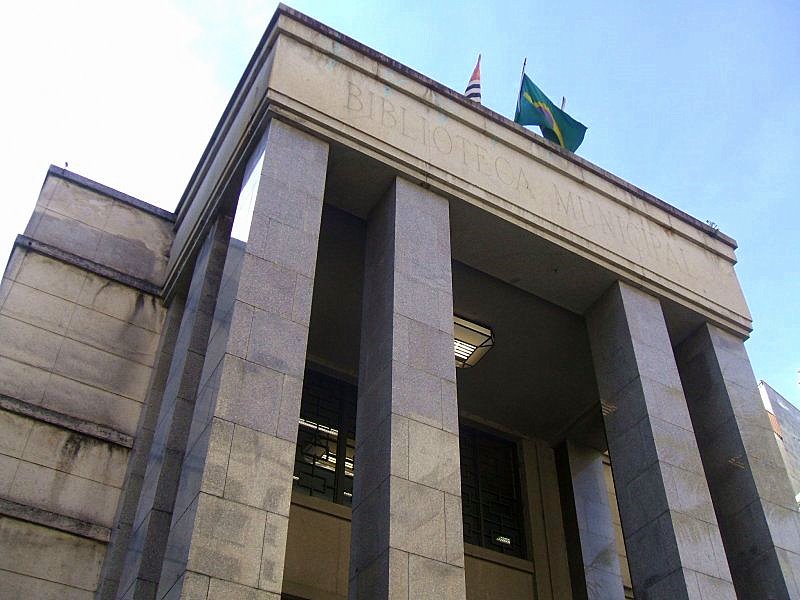
Biblioteca Mário de Andrade
~45 min
Jacques Pilon's boldly geometric Art Deco landmark holds 3.2 million items, including 60000 rare manuscripts and incunabula from the 15th century. Soaring reading rooms with decorative relief set the standard for Brazilian public architecture of the era.
Monday - Friday 8:30am - 6:30pm · Saturday 10:00am - 5:00pm
Closed Sunday
3.
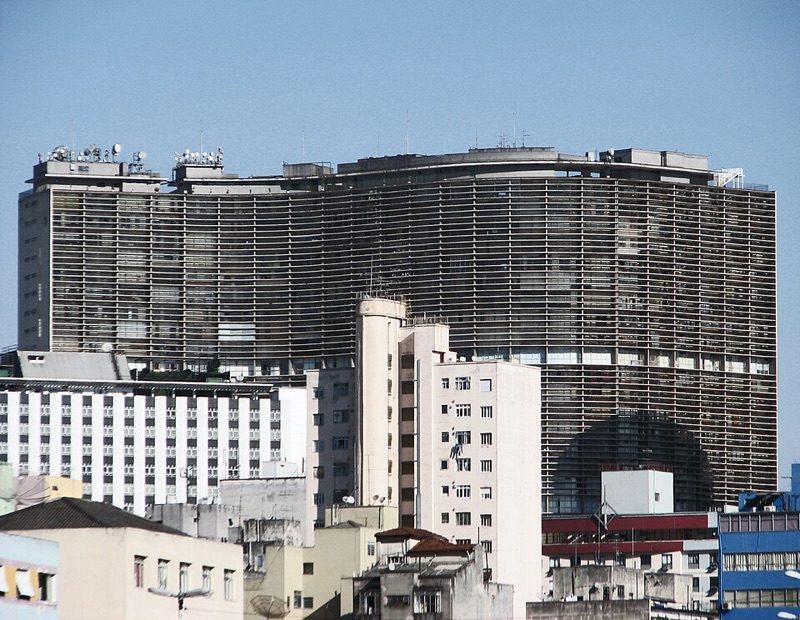
Edifício Copan
~45 min
Oscar Niemeyer's sinuous S-curve skyscraper remains the largest reinforced-concrete residential structure in Brazil. The undulating béton brut facade is the most photographed building in South America.
4.
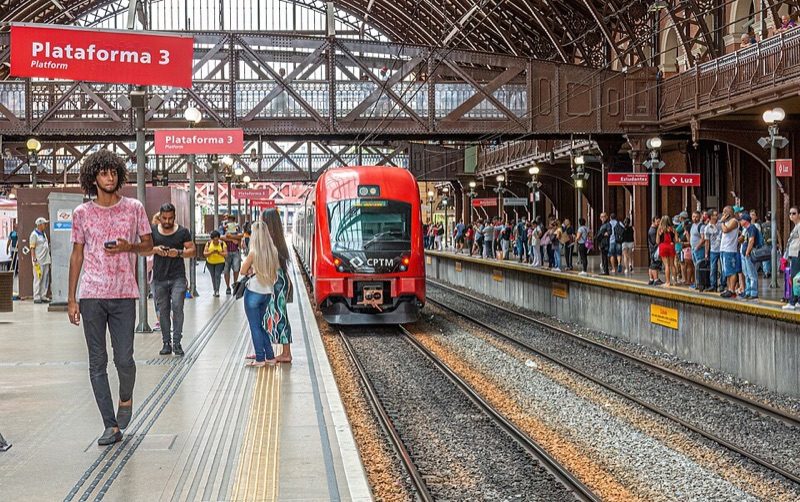
Estação da Luz
~45 min
Completed from British iron and brick shipped to São Paulo, Luz Station is the finest Victorian railway terminus in South America — a soaring clock-towered hull of cast iron, terracotta, and Art Nouveau glazing that anchors the Luz cultural quarter.
Daily 4:00am - 12:00am
Free
Free guided tours Saturday - Sunday 11:00am and 3:00pm
5.
Pinacoteca do Estado de São Paulo
~1 hr 30 min
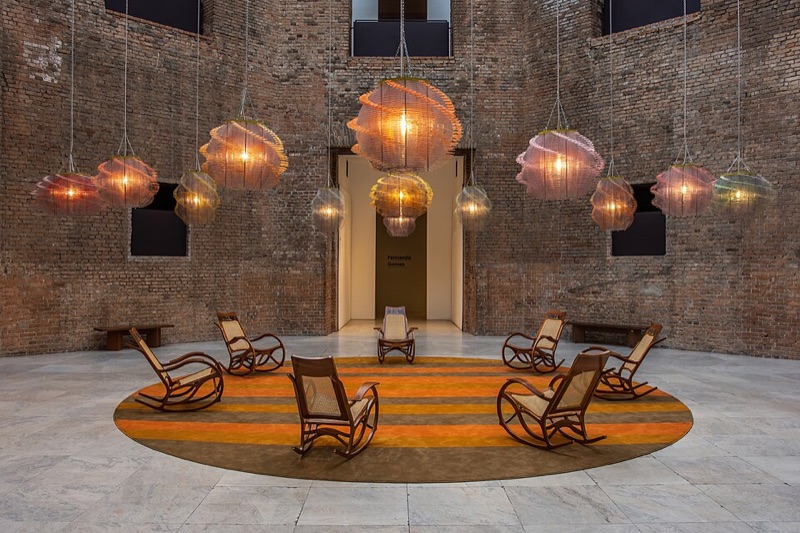
Brazil's oldest state art museum, housed in Ramos de Azevedo's neoclassical brick building adjacent to Parque da Luz. The 9000-work collection — Malfatti, Rodin, Bourdelle, and Brazilian modernism — is the definitive survey of Brazilian visual art.
Wednesday - Monday 10:00am - 6:00pm
Closed Tuesday
Free admission every Saturday
Day 2
1.
Catedral Metropolitana da Sé
~1 hr
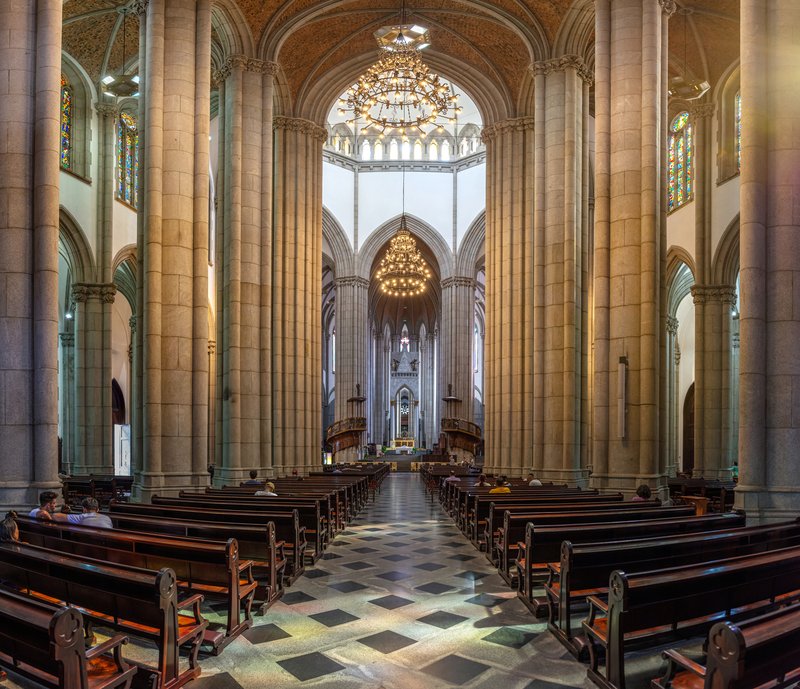
The neo-Gothic cathedral on Praça da Sé took over 40 years to complete and seats 8000 worshippers beneath twin 92-meter towers. The crypt below the altar holds the remains of Jesuit founder José de Anchieta, who established São Paulo in the 16th century.
Monday - Friday 8:00am - 5:00pm · Saturday 8:00am - 5:00pm · Sunday 8:00am - 6:00pm
Free
2.
Pátio do Colégio
~45 min
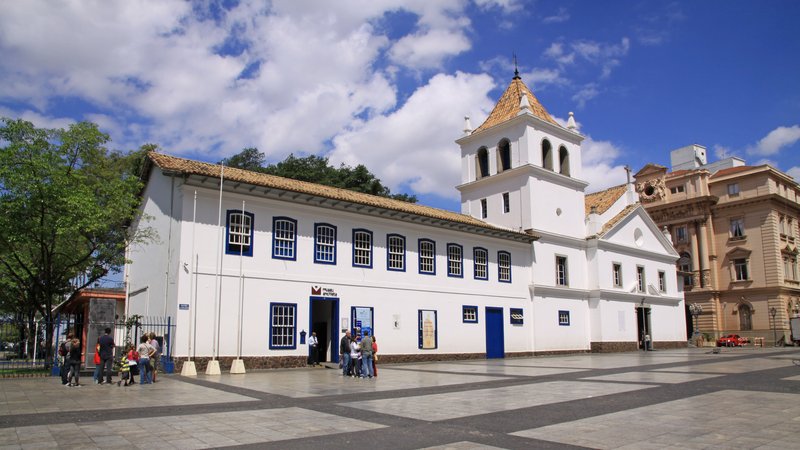
Jesuit priests José de Anchieta and Manuel da Nóbrega founded São Paulo in this hilltop clearing. The rebuilt church and Museu Anchieta hold 600 artifacts from the earliest Jesuit missions, including Anchieta's handwritten letters.
Tuesday - Saturday 9:00am - 4:45pm
Closed Sunday & Monday
Cash Only
3.
Liberdade
~1 hr
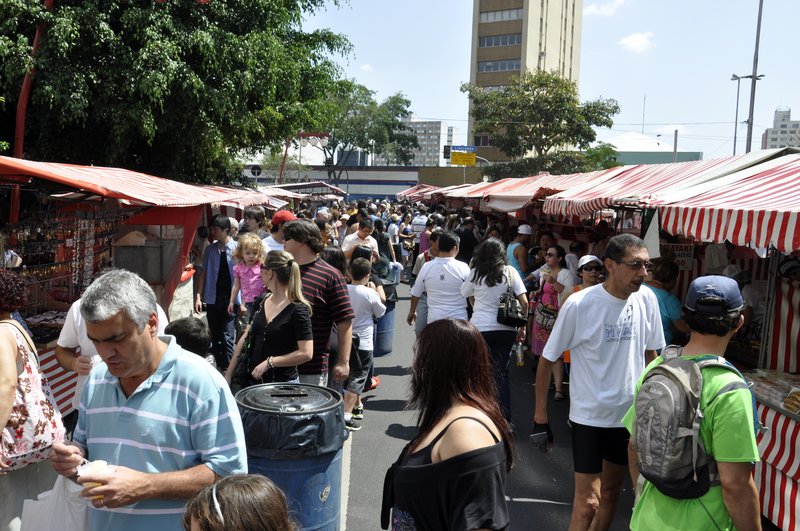
São Paulo's Japanese quarter, settled by Japanese immigrants in the early twentieth century, still hosts Brazil's largest Japanese community. Red torii-framed lampposts signal the district; the weekend street fair fills Praça da Liberdade with Japanese street food, crafts, and anime vendors.
4.
Museu Afro Brasil Emanoel Araujo
~1 hr
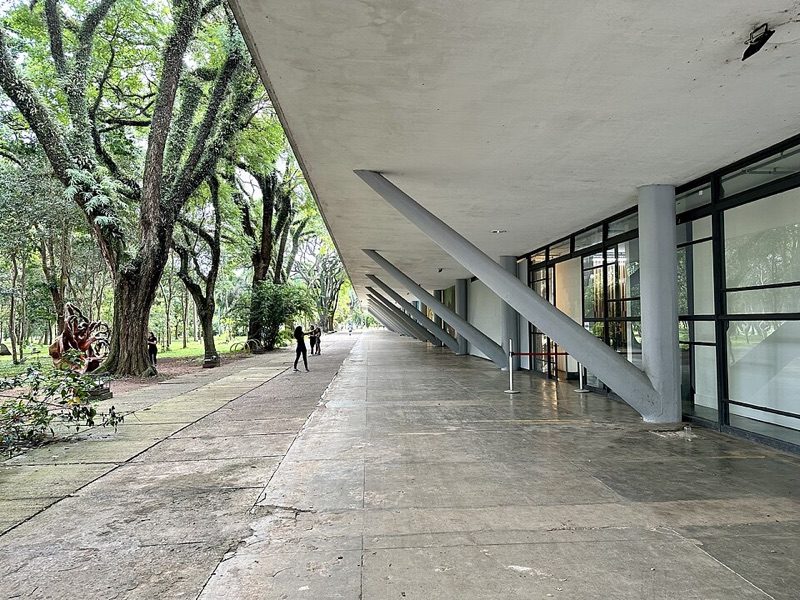
The most significant collection of African-diaspora art and history in Brazil — 6000 works spanning sculpture, painting, photography, and religious objects inside one of Niemeyer's Ibirapuera pavilions.
Tuesday - Sunday 10:00am - 6:00pm
Closed Monday
Free admission every Wednesday
Day 3
1.
Mosteiro de São Bento
~45 min
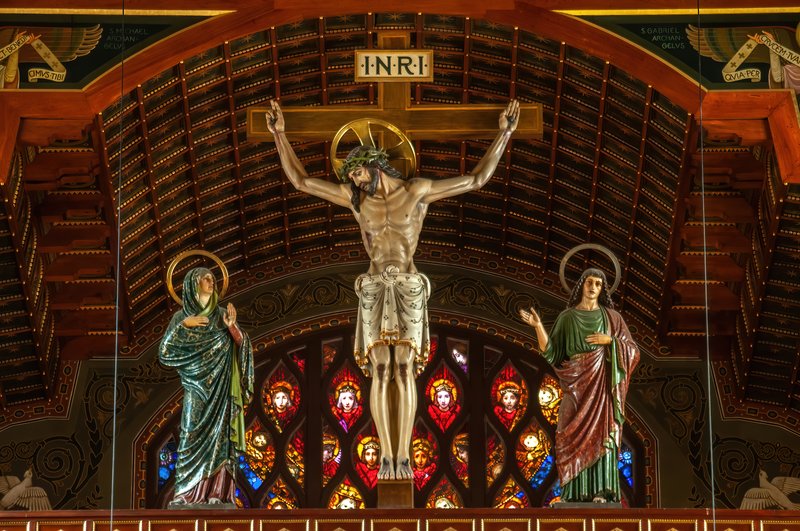
Benedictine monks have kept vigil on this hill for centuries. The soaring nave is encased in 17th-century carved wood, polychrome gilt altars, and icons by Frei Agostinho de Jesus — all illuminated by Gregorian chant at Sunday morning mass.
Monday - Wednesday 6:00am - 7:00pm · Thursday 6:00am - 12:00pm · Friday 6:00am - 7:00pm · Saturday 6:00am - 6:00pm · Sunday 6:00am - 6:00pm
Free
Gregorian chant Sunday mass 10:00am
Day 4
1.
Beco do Batman
~45 min
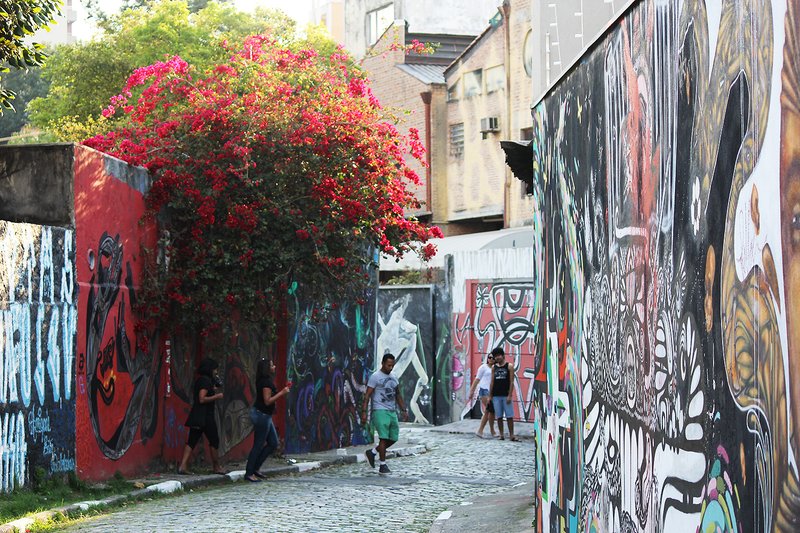
An unmarked alley in Vila Madalena surfaced in giant murals and tags by São Paulo's most prolific street artists, including Os Gêmeos. The walls, continuously repainted since the 1980s, form one of the world's longest-running open-air urban art galleries.
Open 24/7
2.
Instituto Tomie Ohtake
~1 hr 30 min
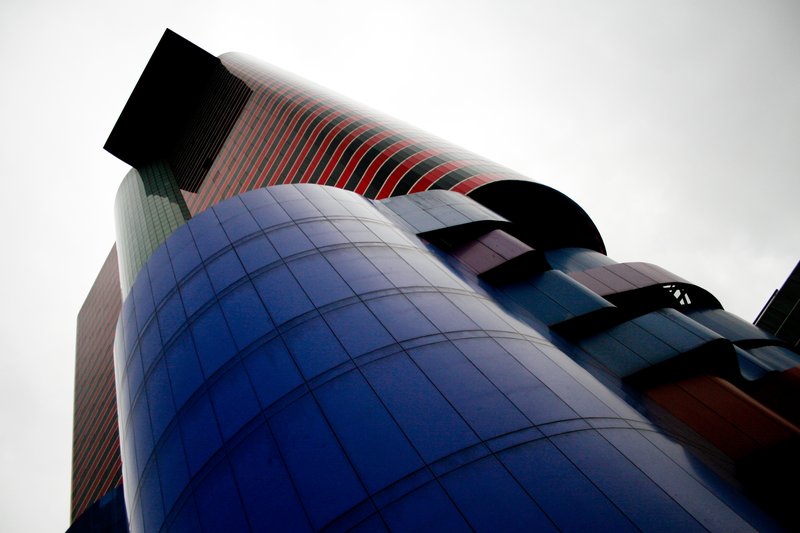
Named after Japan-born Brazilian modernist Tomie Ohtake, this Ruy Ohtake-designed arts institute programs large-scale exhibitions across 15000 sq m. The building's curved purple and orange drums are an unmistakable landmark on Avenida Faria Lima.
3.
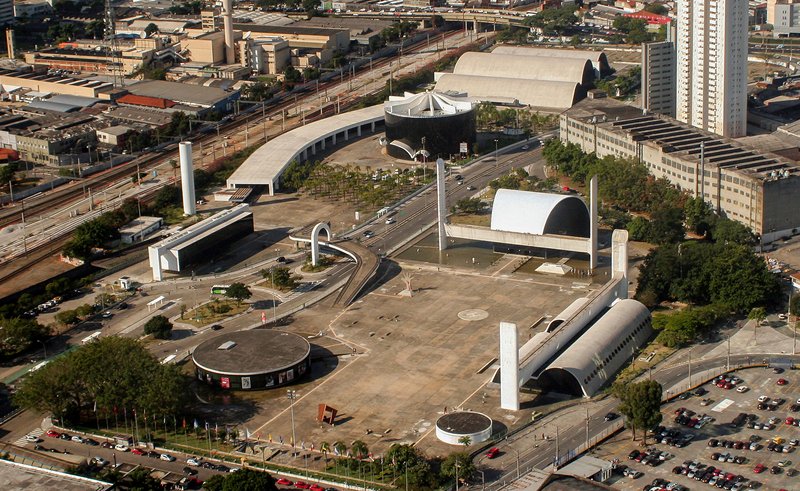
Memorial da América Latina
~1 hr
Oscar Niemeyer's concrete monument to Latin American unity anchors a cultural complex around a vast open plaza. The Pavilhão da Criatividade holds a 7-meter bronze hand sculpture by Niemeyer and rotating ethnographic exhibitions.
Tuesday - Sunday 9:00am - 6:00pm
Closed Monday
Free
Day 5
1.
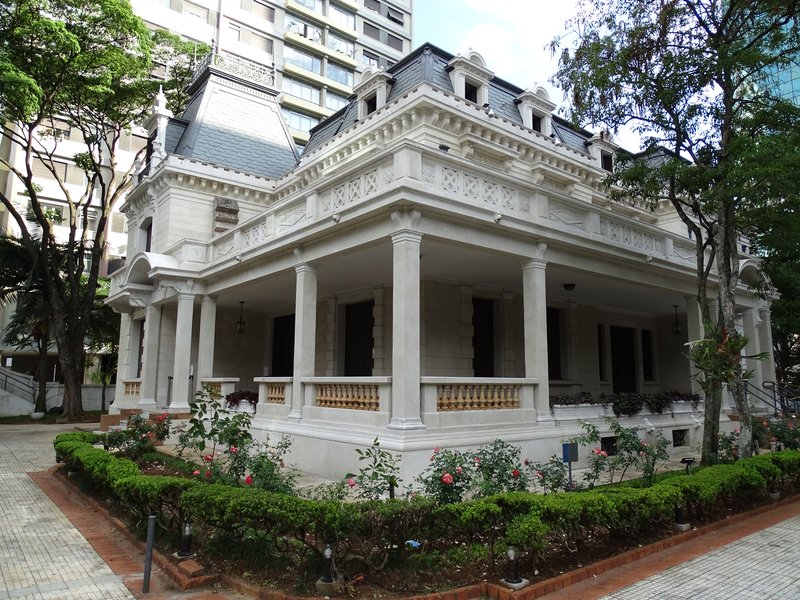
Casa das Rosas
~1 hr
This rose-garden villa on Paulista Avenue is São Paulo's poetry house. The permanent Haroldo de Campos collection anchors rotating exhibitions on Brazilian verse, translation, and concrete poetry.
Tuesday - Friday 10:00am - 9:00pm · Saturday 10:00am - 6:00pm · Sunday 12:00pm - 6:00pm
Closed Monday
Free
2.
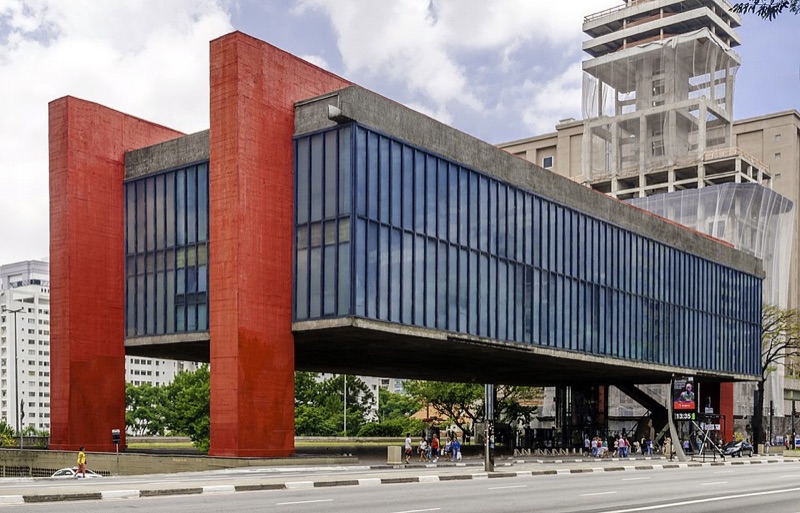
MASP
~2 hr
Lina Bo Bardi's landmark suspends 10000 works — Raphael, Rembrandt, Van Gogh, Manet — on a free-span concrete platform elevated above Paulista Avenue on four red pillars.
Tuesday 10:00am - 8:00pm · Wednesday - Sunday 10:00am - 6:00pm
Closed Monday
Free admission every Tuesday
3.
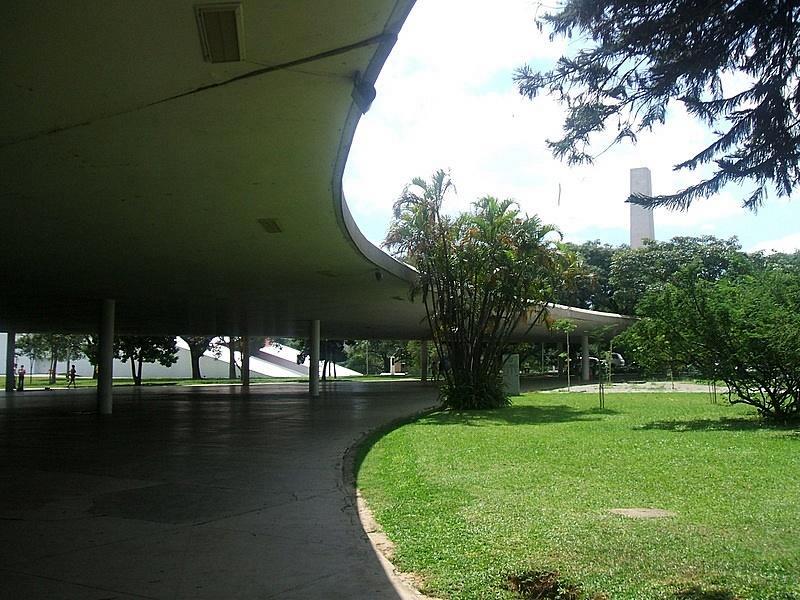
Parque do Ibirapuera
~1 hr 30 min
Oscar Niemeyer's modernist park designed with Roberto Burle Marx for the city's 400th anniversary. The Niemeyer pavilion complex and Burle Marx sculpture garden set this apart from any other urban park in South America.
Daily 5:00am - 12:00am
4.
Museu Paulista
~1 hr 30 min
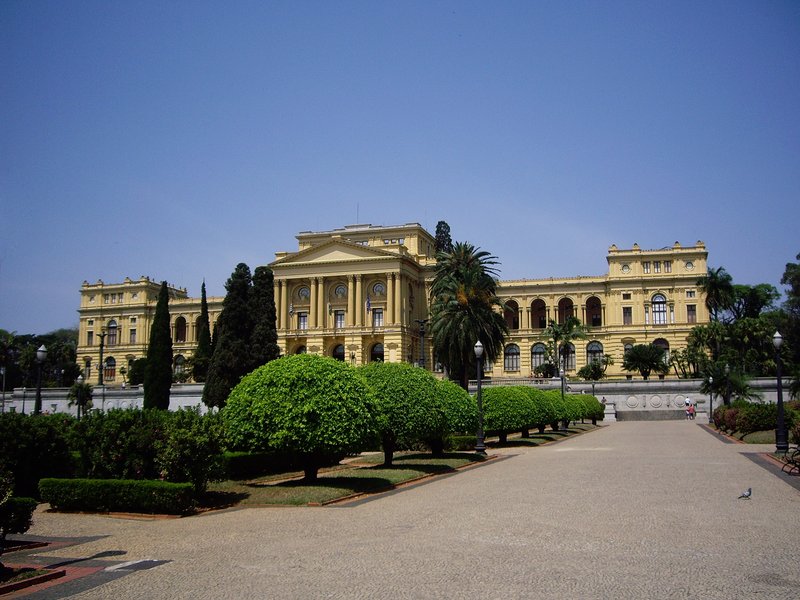
Pedro Américo's monumental Proclamation of Independence canvas anchors this neo-Renaissance palace in Ipiranga gardens. Following a decade-long restoration, the Museu Paulista holds 450000 objects spanning Brazil's colonial and imperial history.
Tuesday - Sunday 10:00am - 5:30pm
Closed Monday
Day 6
1.
Japan House São Paulo
~1 hr
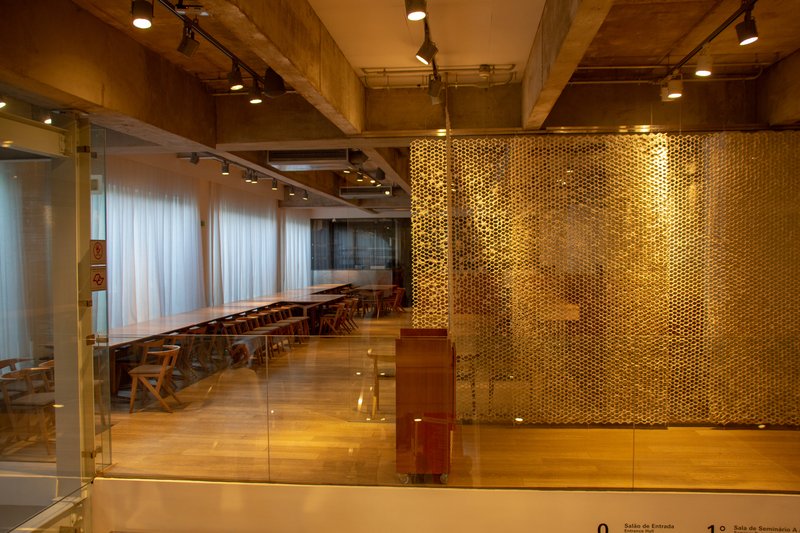
On Avenida Paulista, Japan House bridges contemporary Japan and Brazil through curated exhibitions, workshops, and a design shop that stocks objects unavailable outside Japan. One of three Japan Houses worldwide, it draws over a million visitors a year.
Tuesday - Friday 10:00am - 6:00pm · Saturday - Sunday 10:00am - 7:00pm
Closed Monday
Free
2.
MuBE
~1 hr
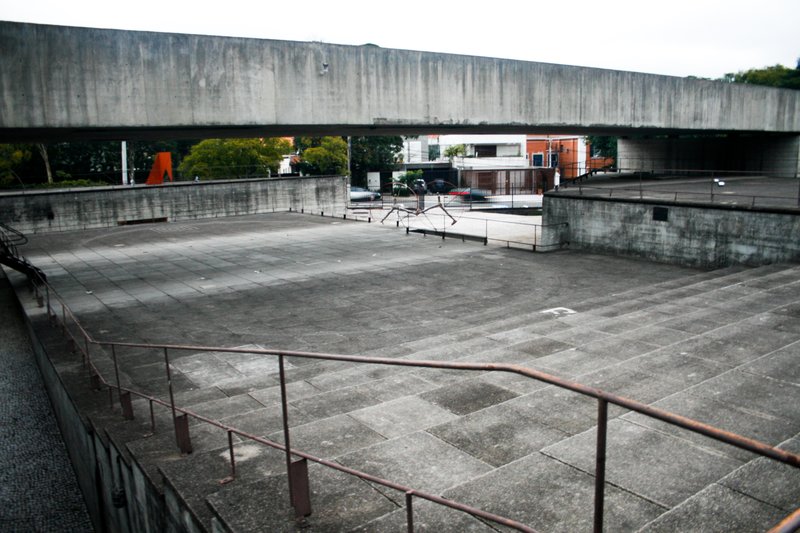
Paulo Mendes da Rocha's Pritzker Prize-winning design places sculpture below ground level in a vast open-air concrete trench, letting light and shadow become part of each installation. The permanent collection spans 5000 years of sculptural traditions across three continents.
Tuesday 11:00am - 5:00pm · Wednesday - Sunday 11:00am - 6:00pm
Closed Monday
Free
3.
Museu Lasar Segall
~1 hr
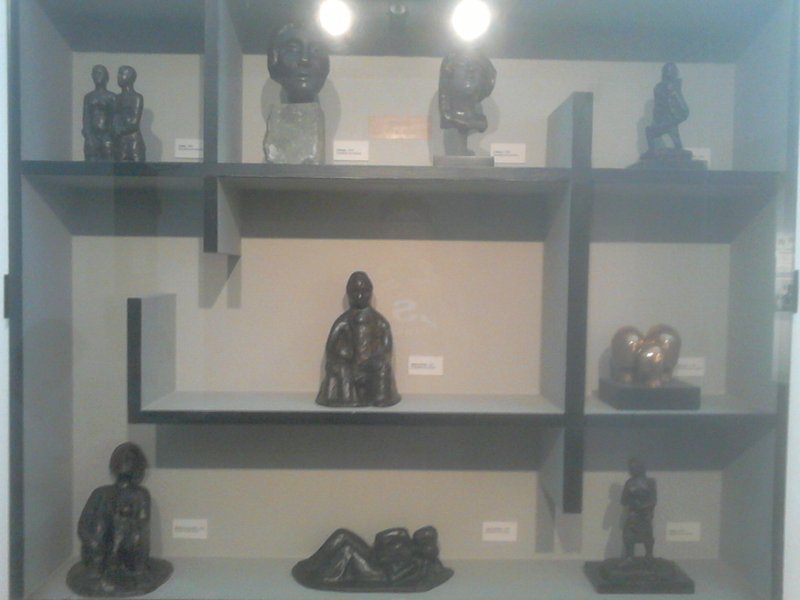
The former home-studio of Lithuanian-born expressionist Lasar Segall preserves 2500 works including his darkly charged São Paulo immigrant canvases, woodcuts, and Brazil series paintings — held today as a federal museum overseen by the Brazilian government.
Weekly Closures
State & City Museums · Closed Monday
Theatres & Libraries · Closed Sunday
State Art Museums · Closed Tuesday
Tours
Viator
Shared group tour covering MASP, Liberdade, Ibirapuera Park, and the historic center with bilingual guides.
7 hr · Small group
Half-day condensed city tour with small group covering Liberdade, Ibirapuera, and central neighborhoods.
4 hr · Small group
Personalized walking tour with flexible itinerary across Paulistano neighborhoods and street art.
3 hr · Small group
Walking tour of the historic downtown — Theatro Municipal, Viaduto do Chá, and Praça da Sé.
2 hr 30 min · Small group
Free — tip-based — guided walking tour of the historic center with local guides.
2 hr · Small group
GetYourGuide
Small-group 7-hour tour: MASP, Liberdade, Ibirapuera Park, and Mercado Municipal with English-speaking guide.
7 hr · Small group
Highlights tour through Paulista, Liberdade, and the historic downtown with bilingual guide.
4 hr · Small group
Six-hour tour covering Vila Madelena street art, Liberdade, and Ibirapuera Park with local stops.
6 hr · Small group
Full-day excursion to Campos do Jordão; colonial architecture, artisan chocolate, and Alpine-style streets.
10 hr · Small group
Day trip to Santos port city and Guarujá beach; Gonzaga seafront and Atlantic Forest scenery.
9 hr · Small group
TripAdvisor
Shared full-day group tour: MASP, Ibirapuera Park, Liberdade, and Mercado Municipal with bilingual guide.
7 hr · Small group
Half-day meeting point tour of Paulista, Liberdade, and the historic center.
4 hr · Small group
Local-guide walking tour with flexible emphasis on street art and food culture.
3 hr · Small group
Shared-group attractions tour covering São Paulo's main landmarks with English-speaking guide.
5 hr · Small group
Walking tour of São Paulo's historic downtown — Theatro Municipal, Viaduto do Chá, and central market.
2 hr 30 min · Small group
Cappuccino
Coffee Lab · 4.6 · 5229+ reviews
Monday - Saturday 9:00am - 6:00pm
Closed Sunday
Santo Grão · 4.6 · 4490+ reviews
Monday 9:00am - 1:00am · Tuesday - Friday 7:30am - 1:00am · Saturday 8:00am - 2:00am · Sunday 8:00am - 12:00am
Restaurants Near Hotel
El Tranvía · 4.6 · 1020+ reviews
Uruguayan parrilla with wood-fired grill; Michelin-listed.
Sunday 12:00pm - 5:00pm · Monday - Saturday 11:30am - 12:00am
Corrientes 348 · 4.6 · 2874+ reviews
Argentine steakhouse; prime dry-aged beef cuts in a lively setting.
Monday - Saturday 12:00pm - 11:00pm · Sunday 12:00pm - 9:00pm
A Figueira Rubaiyat · 4.6 · 10765+ reviews
São Paulo institution under a century-old fig tree; Michelin-listed.
Sunday - Thursday 12:00pm - 11:00pm · Friday - Saturday 12:00pm - 12:00am
Spot · 4.5 · 5217+ reviews
Contemporary Brazilian bistro; lunch and dinner daily.
Monday - Wednesday 12:00pm - 3:00pm · Monday - Wednesday 6:30pm - 11:00pm · Thursday - Friday 12:00pm - 3:00pm · Thursday - Friday 6:30pm - 12:00am · Saturday 12:00pm - 12:00am · Sunday 12:00pm - 11:00pm
Chou · 4.3 · 387+ reviews
Farm-to-table seasonal tasting menu; vegetable-forward with natural wines.
Tuesday - Friday 7:00pm - 11:00pm · Saturday 1:00pm - 4:00pm · Saturday 7:30pm - 11:00pm
Closed Sunday & Monday
Downtown Restaurants
Bar do Juarez · 4.4 · 3200+ reviews
Classic Paulistano bar; Virado à Paulista served Mondays.
Monday - Saturday 11:00am - 12:00am · Sunday 11:00am - 6:00pm
Bar da Dona Onça · 4.3 · 1800+ reviews
Brazilian comfort food modernised in the ground floor of Edifício Copan.
Tuesday - Sunday 12:00pm - 12:00am
Closed Monday
Tordesilhas · 4.4 · 2100+ reviews
Regional Brazilian cuisine spanning all states; chef Mara Salles.
Tuesday - Saturday 12:00pm - 3:00pm · Tuesday - Saturday 7:00pm - 11:00pm · Sunday 12:00pm - 4:00pm
Closed Monday
A Casa do Porco · 4.7 · 5600+ reviews
Whole-pig nose-to-tail tasting menu; World's 50 Best; chef Jefferson Rueda.
Tuesday - Saturday 12:00pm - 3:00pm · Tuesday - Saturday 6:00pm - 11:00pm
Closed Sunday & Monday
Mocotó · 4.6 · 4800+ reviews
Northeastern Brazilian since the 1970s; chef Rodrigo Oliveira.
Tuesday - Friday 12:00pm - 4:00pm · Tuesday - Friday 7:00pm - 11:00pm · Saturday - Sunday 12:00pm - 6:00pm
Closed Monday
Dining Areas
Liberdade
Vila Madalena
Local Tastes
Virado à Paulista
Declared Intangible Cultural Heritage of São Paulo. Pork chop with black beans fried in manioc flour, braised kale, fried egg, rice, and banana. Served Mondays across 500000 plates citywide per week.
Coxinha
Teardrop-shaped croquette of shredded chicken and cream cheese in fried dough; invented in São Paulo's factory districts.
Pastel de Mortadela
Thin-crust fried pastry adapted from Japanese-Brazilian spring rolls; the mortadella pastel at Mercado Municipal is the iconic street bite of São Paulo.
Pizza Paulistana
Thin-crust wood-fired whole-pie pizza; São Paulo has more pizza restaurants per capita than any city outside Italy.
Caipirinha
Brazil's national cocktail — cachaça, sugar, and lime. Best made with artisan cachaça aged in native wood barrels from the interior of São Paulo state.
Food Delivery
iFood
Foreign number: not accepted. — a Brazilian number and CPF are both required to register.
The dominant food delivery platform in Brazil, covering restaurants, groceries, and pharmacy citywide; registration requires a Brazilian phone number and CPF tax ID.
Rappi
Foreign number: not accepted. — Rappi only accepts numbers from the countries where it operates.
Colombian multi-category app covering food delivery, groceries, and on-demand services across São Paulo; account creation requires a local phone number from a supported country.
Shows, Performances & Concerts
Theatro Municipal de São Paulo
São Paulo Symphony Orchestra, City Ballet, and opera in the Beaux-Arts opera house on Praça Ramos de Azevedo; Brazil's premier performing arts venue.
Getting Around
Uber
Foreign number: accepted. — verified on the Apple App Store.
The most reliable ride option for visitors; international payment cards work in-app, English-language interface, and fares are confirmed before booking.
99
Foreign number: not accepted — a Brazilian phone number is required to register.
São Paulo's most widely used Uber alternative, with Pop, Comfort, and Black tiers; often cheaper than Uber for in-city rides once a Brazilian number is obtained.
Train Stations Near Hotel
Estação Faria Lima
CPTM Line 9 Esmeralda — connects Osasco to Grajaú via Itaim Bibi.
Michelin Restaurants
D.O.M.
Chef Alex Atala; Amazonian ingredients within refined European technique.
Maní
Chef Helena Rizzo; Amazonian biodiversity paired with European technique.
Evvai
Chef Luiz Filipe Souza; Italian and Brazilian heritage on one tasting menu.
Tangará Jean-Georges
Jean-Georges Vongerichten; French technique with Brazilian produce.
Worth Knowing
São Paulo in Layers
São Paulo's stops exist in three distinct time bands that barely overlap. The Victorian terminus at Luz was already 40 years old when the Art Deco library opened. MASP arrived while the Copan building was still new. Theatro Municipal predates all of it by more than a century. The city didn't replace one era with the next — it buried each layer and built a new city on top. Walking from Copan to the Theatro Municipal in eight minutes crosses from modernism to Beaux-Arts without transition.
The Museu Afro Brasil sits inside a Niemeyer pavilion designed for an industrial fair. Almost nothing in São Paulo is where you'd expect it to be, and that contrast is very much in the Paulistano spirit.
Also on this site
Nearby Guides