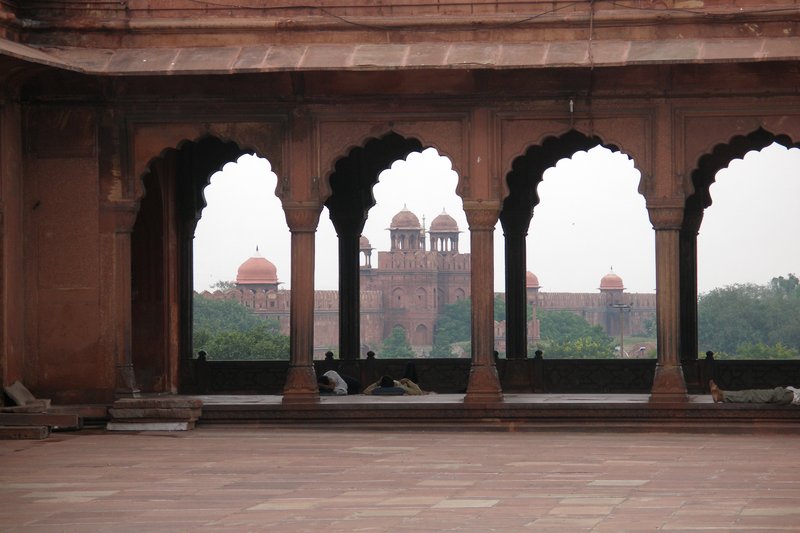
Shah Jahan’s 1656 mosque has a courtyard for 25,000 worshippers. Foreign visitors pay admission and may enter from 8:00am until sunset; Indian visitors enter free from 11:00am. Tourist access pauses for prayers.
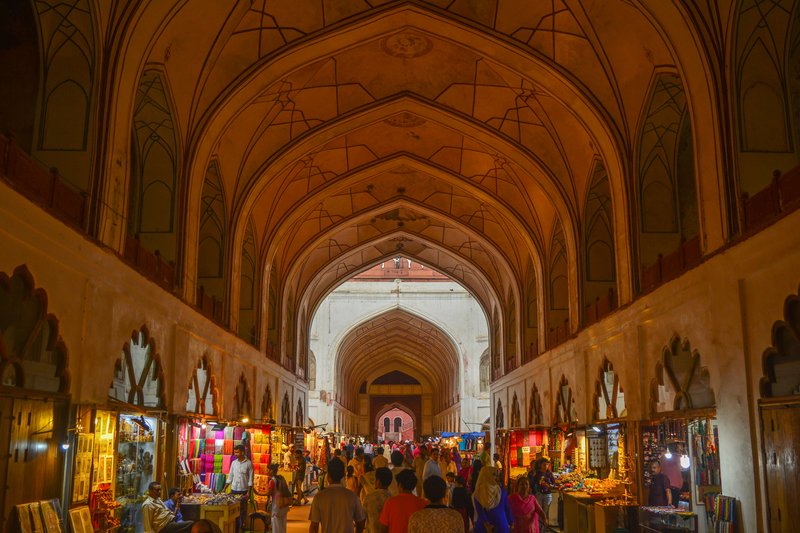
The 17th-century Mughal fortress of red sandstone from which India's Prime Minister addresses the nation on Independence Day, a UNESCO World Heritage Site with palaces, pavilions, and a sound-and-light show by night.
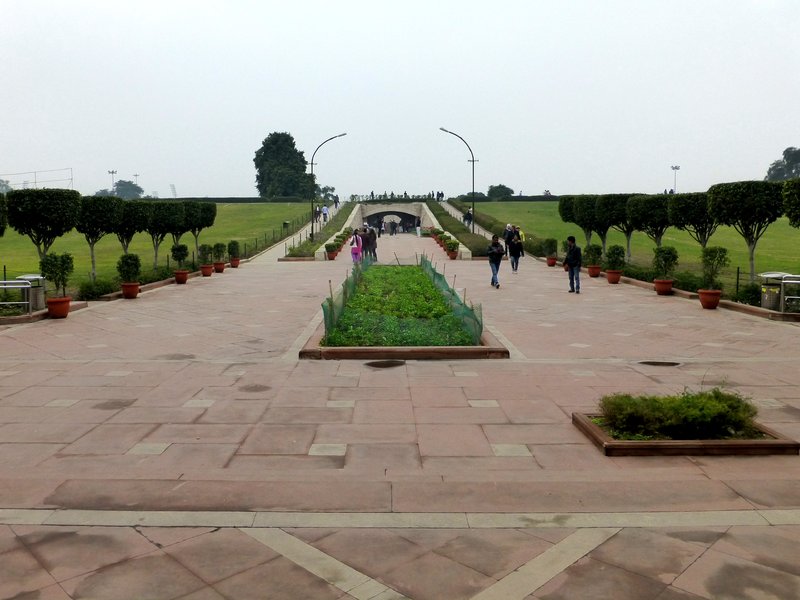
The riverside memorial garden marking the site where Mahatma Gandhi was cremated on 31 January 1948, centred on a simple black marble platform with an eternal flame.
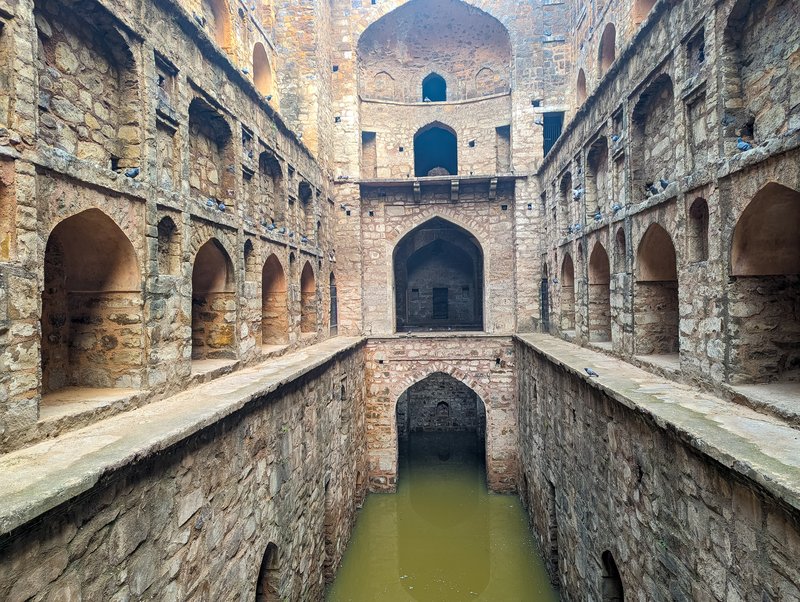
A 14th-century stepwell of 103 symmetrical steps descending to a dark water tank, hidden in the heart of Connaught Place — a rare medieval structure preserved inside a modern commercial district.
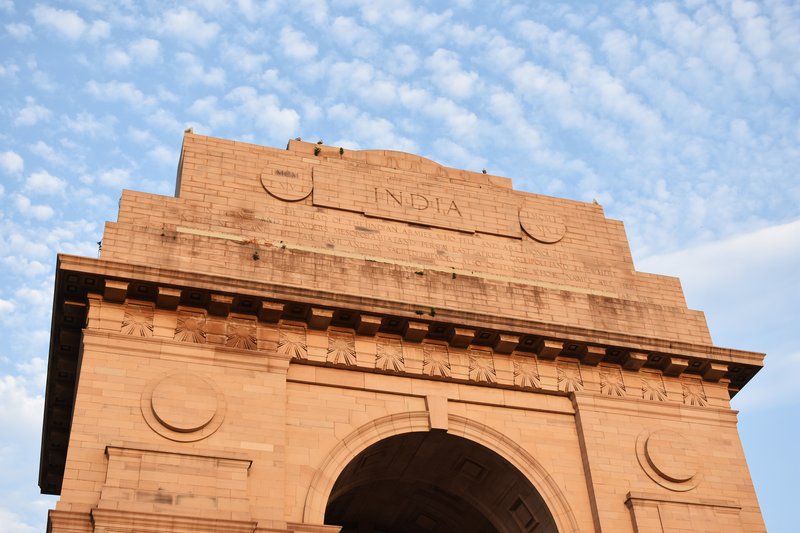
The 42-metre triumphal arch on Kartavya Path commemorating the 70,000 Indian soldiers killed in World War I; the Eternal Flame of the National War Memorial burns beneath it around the clock.
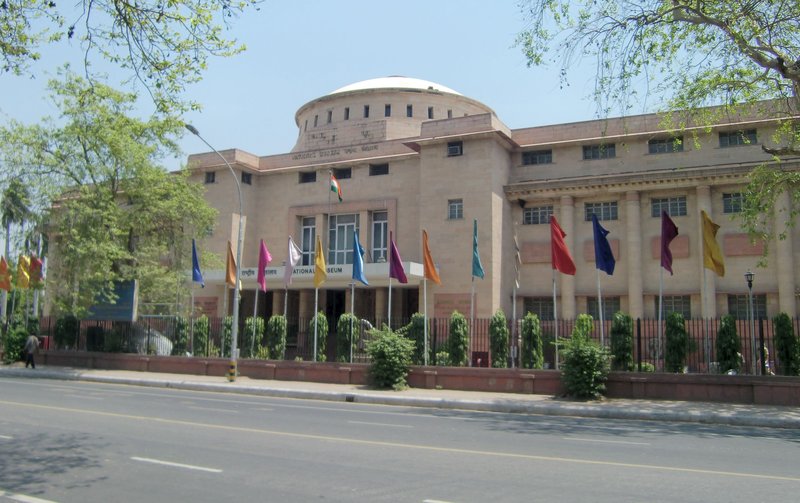
India's largest museum, holding over 200,000 artefacts spanning five millennia — from Harappan seals and Mughal manuscripts to Buddhist sculpture and tribal jewellery.
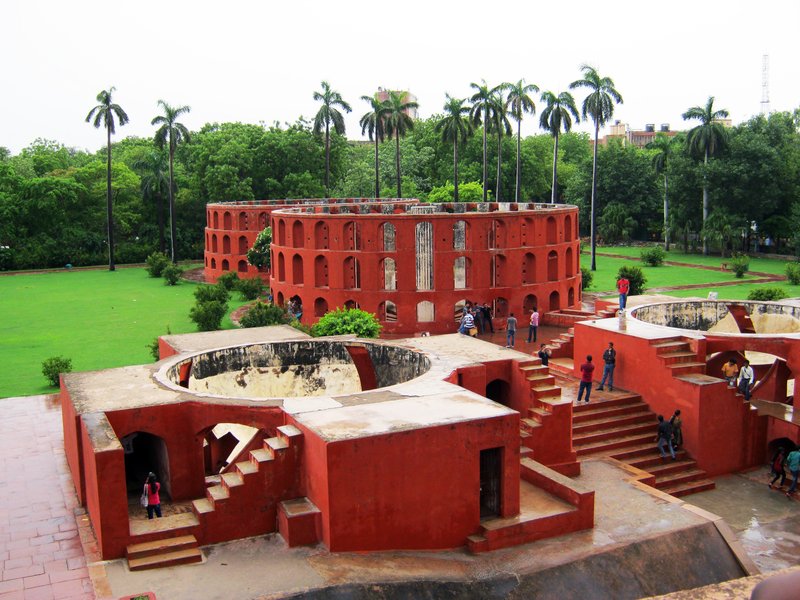
The 1724 open-air astronomical observatory built by Maharaja Jai Singh II, its masonry instruments — including a sundial accurate to within two seconds — are still used for stellar observation.
The 1572 garden tomb of the Mughal Emperor Humayun, a UNESCO World Heritage Site that served as the design prototype for the Taj Mahal, set in a formal Persian charbagh with water channels and cypress trees.
A 14th-century royal reservoir ringed by Feroz Shah Tughlaq's madrasa, mosque, and tomb; the ruins sit above a deer park with open rooftop views across the water, and the village lane below is lined with galleries and cafés.
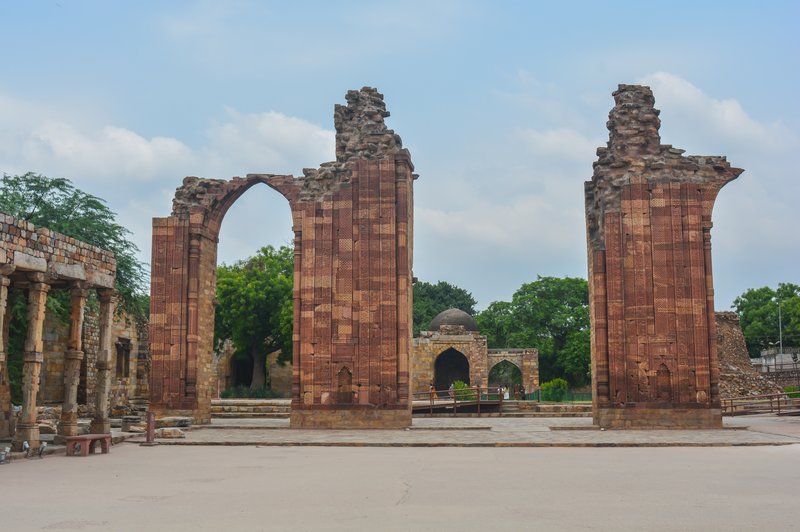
The 73-metre sandstone minaret begun in 1193 — the world's tallest brick minaret — UNESCO World Heritage Site surrounded by a complex of mosques, tombs, and an iron pillar that has not rusted in 1,600 years.
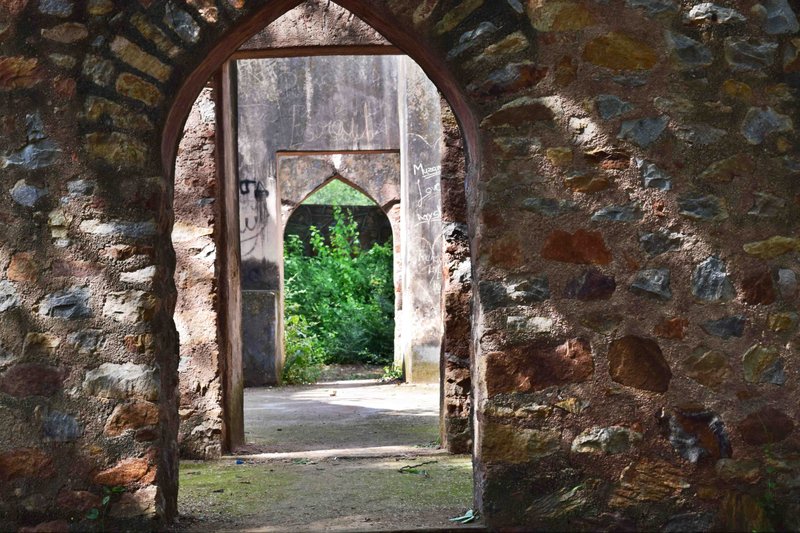
A forested urban park containing over 70 medieval monuments from the Delhi Sultanate and Mughal eras — tombs, mosques, and the 14th-century Balban's Tomb — mostly unvisited and free to explore.
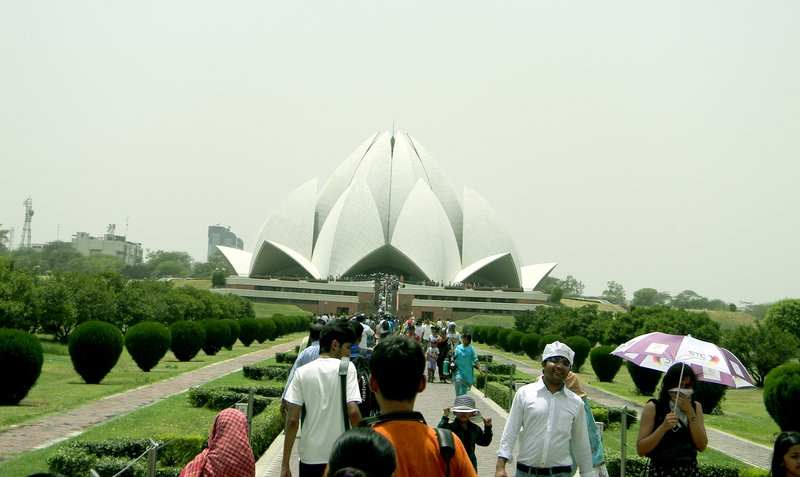
The Bahá'í House of Worship completed in 1986, its 27 free-standing marble petals forming a lotus flower open to people of all faiths — one of the most visited buildings on earth, seating 2,500 in complete silence.
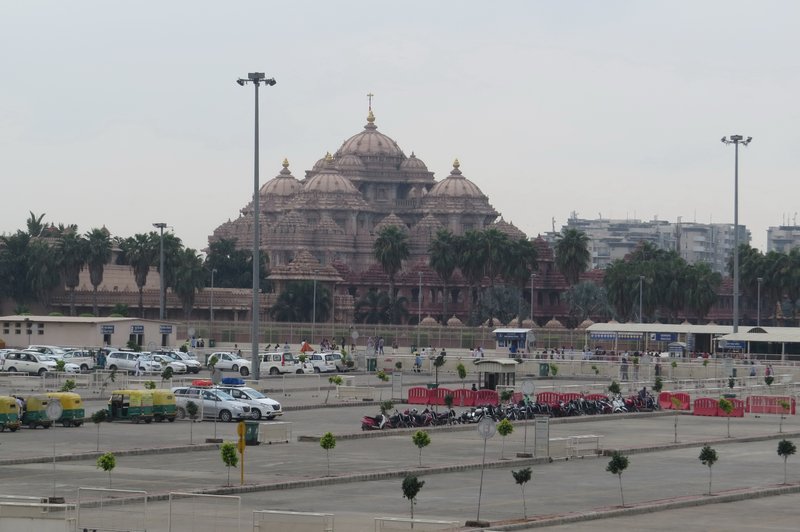
The Swaminarayan Akshardham temple completed in 2005, its central monument carved from 234 ornate pillars of pink sandstone; the exhibitions inside trace 10,000 years of Indian culture. No cameras or electronics permitted inside.
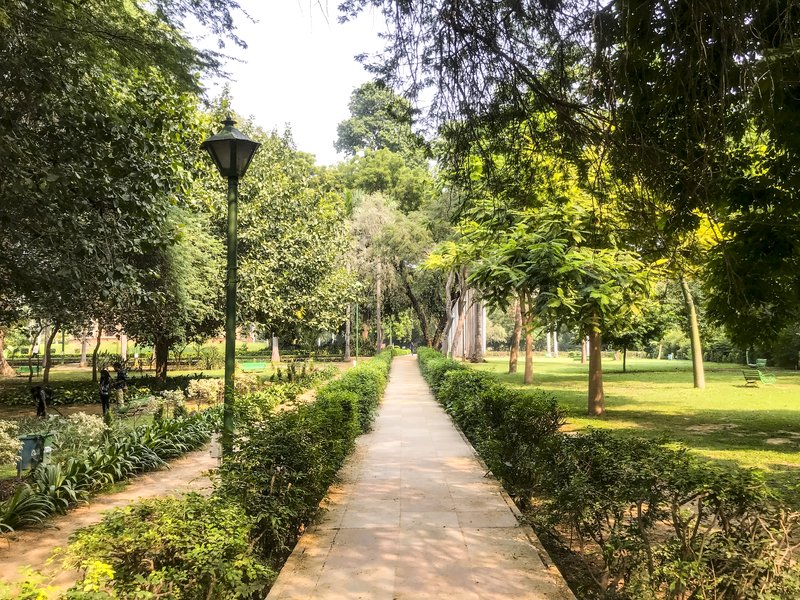
A 90-acre landscaped park enclosing the 15th-century tombs of the Sayyid and Lodi dynasties — domed mausoleums surrounded by birdwatching trails and joggers, a calm contrast to the city's monuments.
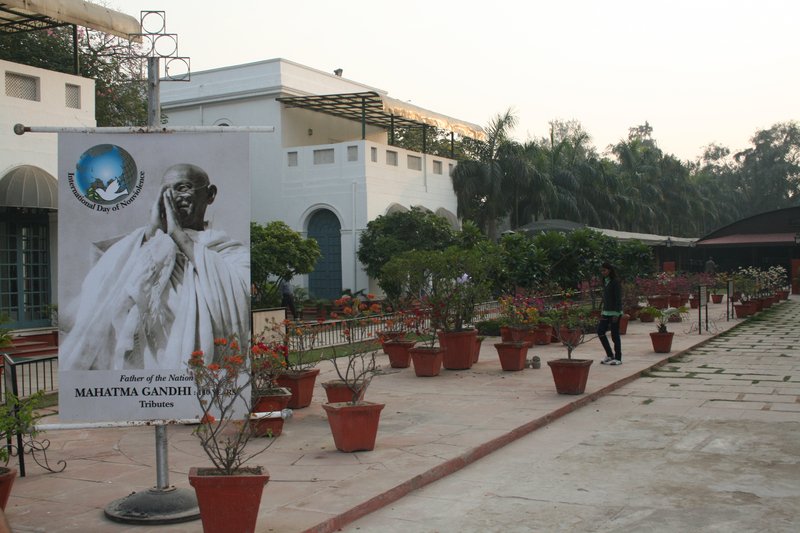
The former Birla House where Gandhi spent his final 144 days; the museum traces his life across 11 rooms and the garden marks with a footpath the exact route he walked to his assassination on 30 January 1948.
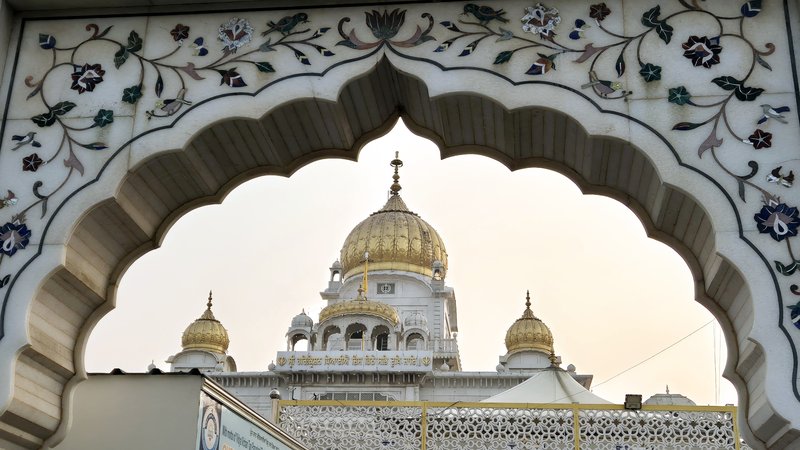
Delhi's most prominent Sikh gurudwara, built on the site where Guru Har Krishan stayed in 1664; its golden dome reflects in the sarovar pool, and its langar serves free meals around the clock to anyone who arrives — one of the largest community kitchens in the city.
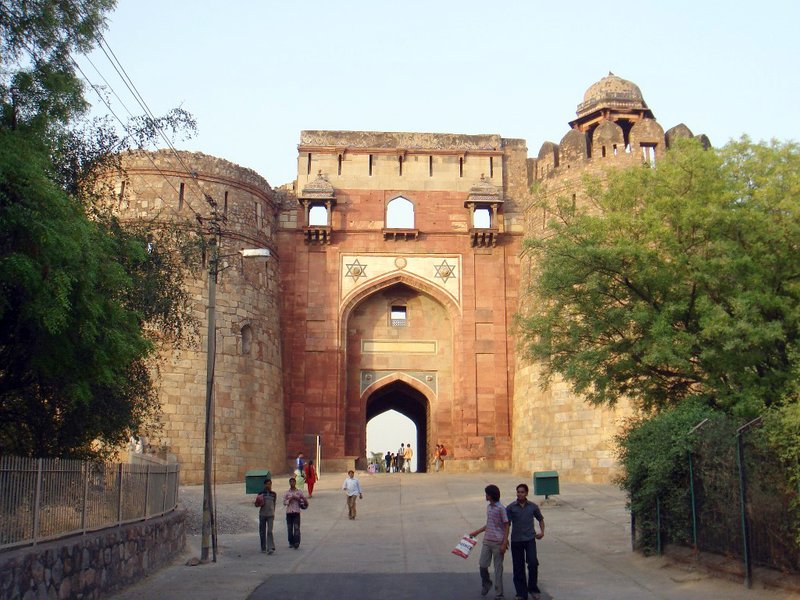
The Old Fort, built by Sher Shah Suri after his defeat of Humayun in 1540 and completed under Humayun's own restoration a decade later, its massive stone ramparts enclose the Qila-i-Kuhna Mosque, the octagonal Sher Mandal tower, and a stepped baoli reservoir on a site linked by archaeologists to the ancient city of Indraprastha.
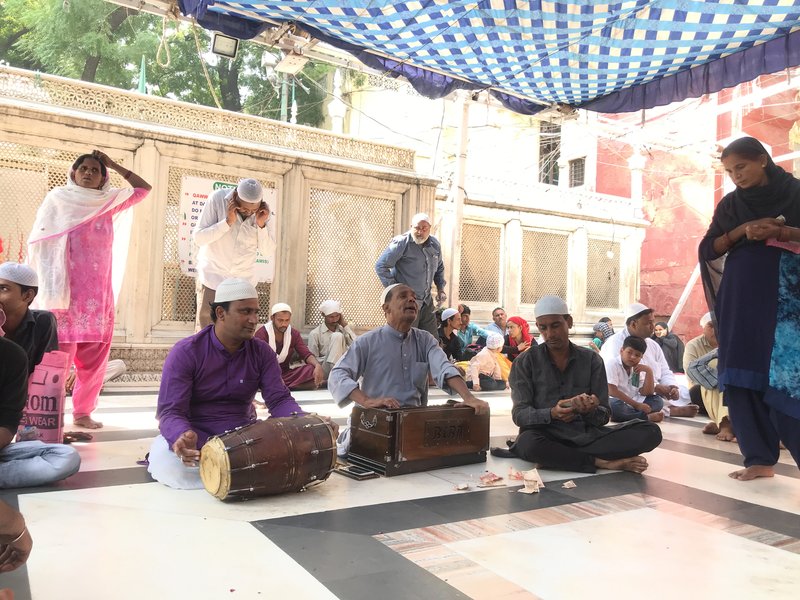
The Sufi shrine of the 14th-century saint Nizamuddin Auliya, its marble courtyard threaded with narrow lanes leading to the tombs of poet Amir Khusrau and Mughal princess Jahanara; qawwali singers perform beside the tomb most evenings, continuing a tradition unbroken for seven centuries.
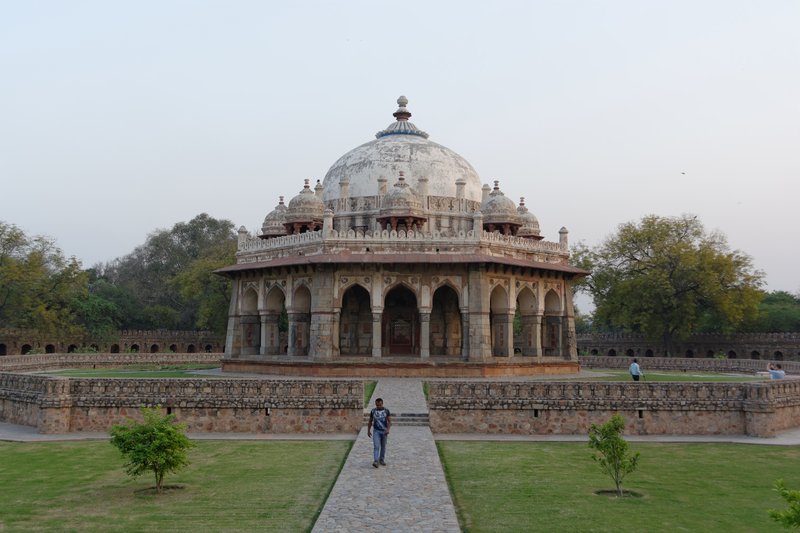
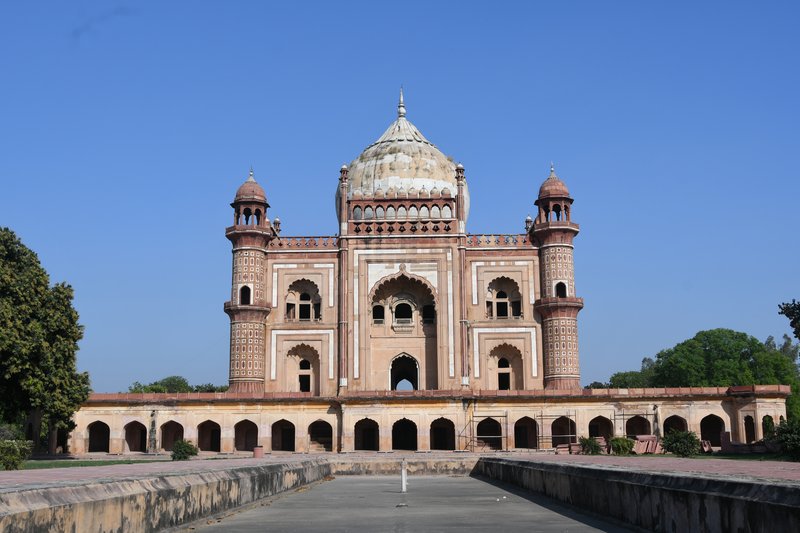
The last significant garden tomb of the Mughal era, built in 1754 for the statesman Safdarjung in a charbagh layout modeled on Humayun's Tomb; sandstone and marble combine on a raised platform surrounded by fountains and water channels, described by one historian as the last flicker of Mughal architecture.
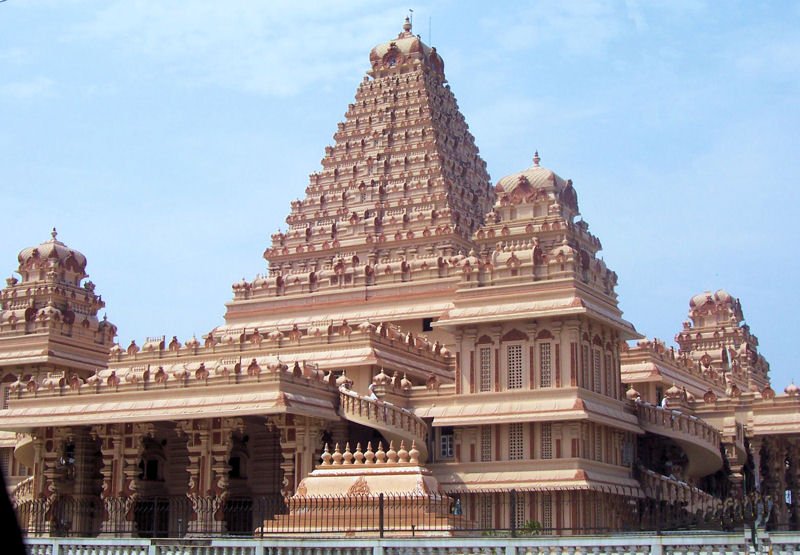
Delhi's second-largest temple complex after Akshardham, a marble compound of interconnected shrines built from 1974 dedicated to the goddess Katyayani, its lattice screens and carved pillars spread across 60 acres on the city's southern edge.
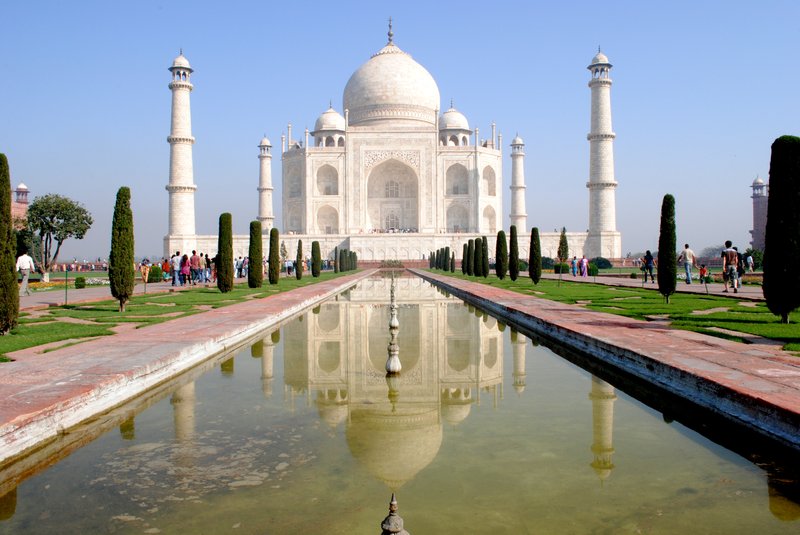
The ivory-white marble mausoleum Shah Jahan built for his wife Mumtaz Mahal, completed after 22 years of construction by thousands of artisans; a UNESCO World Heritage Site and one of the New Seven Wonders of the World, its symmetry and inlaid pietra dura work are considered the high point of Mughal architecture.
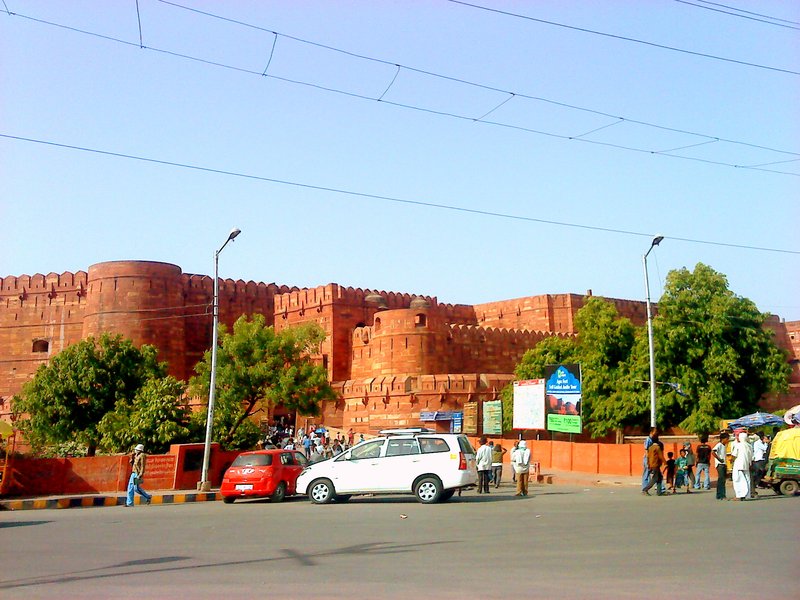
A red sandstone fortress on the Yamuna River that served as the main residence of the Mughal emperors until 1638, holding the Diwan-i-Am, the Jahangiri Mahal, and the Musamman Burj tower where Shah Jahan spent his final years under house arrest, gazing out at the Taj Mahal he built.
Allow four to five hours to discover Old Delhi’s street-food traditions on a guided walk through the historic lanes, with heritage stories between tastings.
Delhi's most famous export, invented at Moti Mahal in Daryaganj in the 1950s — tender chicken in a velvety tomato-cream sauce, best eaten with naan. The original restaurant still operates on Netaji Subhash Marg near Daryaganj.
Street snacks built on contrasting layers — golgappa, aloo tikki, and papdi chaat. Chandni Chowk has the oldest chaat vendors in the city; the narrow lanes around Paranthe Wali Gali are the most concentrated stretch.
Dense, slow-frozen Indian ice cream in flavours of pistachio, saffron, and rose — richer and less airy than Western ice cream; sold on sticks or in clay cups throughout Old Delhi and Connaught Place.
A slow-cooked meat stew — beef or mutton — simmered overnight with whole spices, eaten for breakfast in Old Delhi; Karim's near Jama Masjid has served it since 1913 and remains the city's best-known address for it.
Foreign number: not accepted. — Swiggy requires an Indian mobile number; the sign-up form does not accept international country codes.
Delhi's leading food delivery platform with the widest restaurant network — Old Delhi kebab kitchens to Connaught Place chains. Delivery windows run 30-45 minutes; coverage extends across the full NCR region.
Foreign number: not accepted. — Zomato requires an Indian mobile number; international numbers are rejected at sign-up.
Matches Swiggy's Delhi coverage and often runs steeper discounts; doubles as Delhi's most comprehensive restaurant discovery tool with photos, ratings, and menus. Delivery fees and offers depend on the order and membership terms.
Foreign number: accepted. — Use the country-code selector and a number that can receive the verification code.
Uber covers all of Delhi and the NCR region. UberAuto and UberMoto cost a fraction of standard cars for short hops; surge pricing is common during evening peak hours and monsoon rains.
Foreign number: accepted. — The form offers international country codes; verify your number before relying on the app.
Ola is Uber's main rival in India and is often cheaper, with broader coverage in outer Delhi neighbourhoods. The app includes auto-rickshaws, bike taxis, and a cash payment option — useful if you prefer not to link a foreign card.
Major terminus for south-bound routes → Gatimaan Express to Agra Cantt · 1 hr 40 min · Shatabdi Express to Agra and Bhopal, overnight trains to Mumbai, Chennai, and Hyderabad.
Amber Fort, Hawa Mahal, City Palace, and Jantar Mantar are all within auto-rickshaw distance of the station; the bazaars in the old walled city — textiles, lac bangles, blue pottery — are best in the afternoon.
Store phones and cameras in the free cloakroom. Last entry is 6:30pm for the evening show; the complex closes on Mondays.
Worth Knowing
Start early — the best Delhi is before 9am
Every major monument is quieter and better-lit in the first hour after opening. The Qutb Minar complex and Humayun's Tomb are nearly empty before 8am; by 10am both can be crowded with school groups. The November-January smog period sees air quality drop sharply — an N95 mask is worth packing if your visit falls in that window.
The Delhi Metro covers most of this itinerary cheaply. The Yellow Line runs through Rajiv Chowk · Connaught Place · to Chawri Bazar for Old Delhi. A stored-value Metro card costs ₹100 deposit and rides are ₹10-60 depending on distance.
Remove shoes at every mosque, gurudwara, and many temples before entering; carry a small bag or use the free shoe racks provided. Jama Masjid and Bangla Sahib provide free head coverings at the entrance — head covering is required for women at both. Akshardham enforces a strict dress code: shorts, sleeveless tops, and short skirts are not permitted; sarongs are sold at the entrance if your clothing does not meet the requirements.