TRIP OVERVIEW
Day 1 – Museum of the Future · Jumeirah Mosque · La Mer Beach
Day 2 – Burj Khalifa · The Dubai Fountain · Dubai Design District · Dubai Frame
Day 3 – Dubai Creek · Al Fahidi Historical Neighbourhood · Abra Ride on Dubai Creek · Al Shindagha Museum · Sheikh Saeed Al Maktoum House
Day 4 – Kite Beach · Alserkal Avenue · The View at The Palm
Day 5 – Dubai Marina · Ain Dubai · Ski Dubai
Day 1
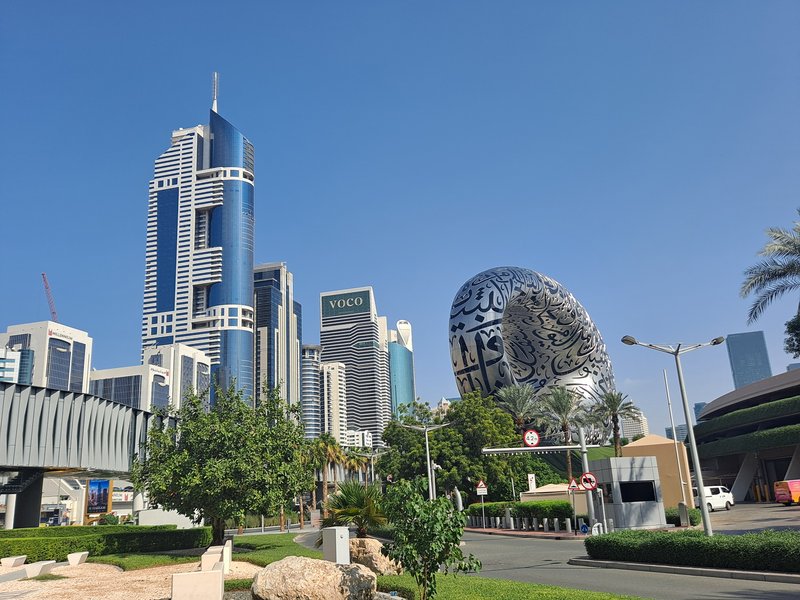
1. Museum of the Future~1 hr 30 min
A torus of polished steel wrapped in Arabic calligraphy, hollow at the centre, standing on Sheikh Zayed Road. Inside, themed floors stage an immersive vision of space, ecology, and wellbeing decades from now.
Daily 10:00am - 9:30pm
2.
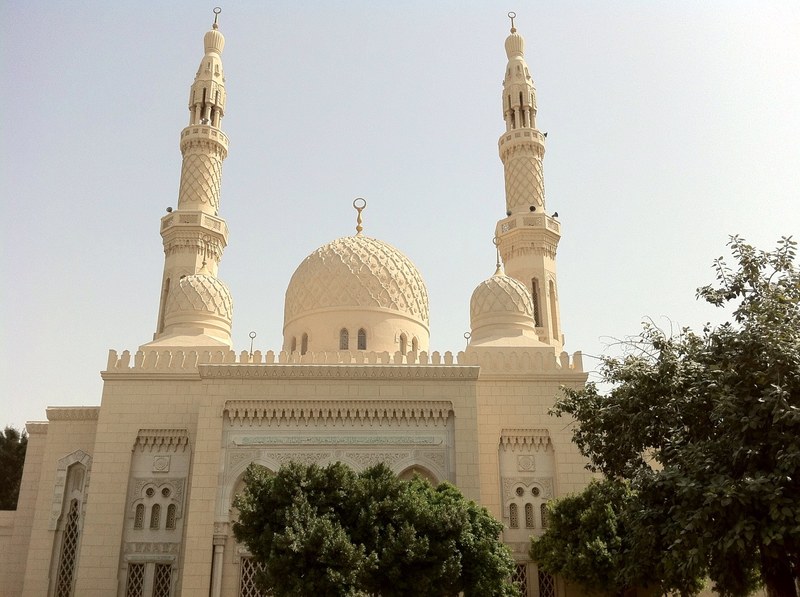
Jumeirah Mosque
~1 hr
A white stone mosque built in 1979 in a Fatimid-Mamluk style, with twin minarets and a central dome on Jumeirah Road. The Sheikh Mohammed Centre for Cultural Understanding runs guided tours for non-Muslim visitors, covering Islamic practice and the mosque's architecture.
Saturday - Thursday 10:00am - 2:00pm
Closed Friday
Cash Only
Non-Muslim visitors on guided tours only; modest dress required
3.
La Mer Beach
~1 hr
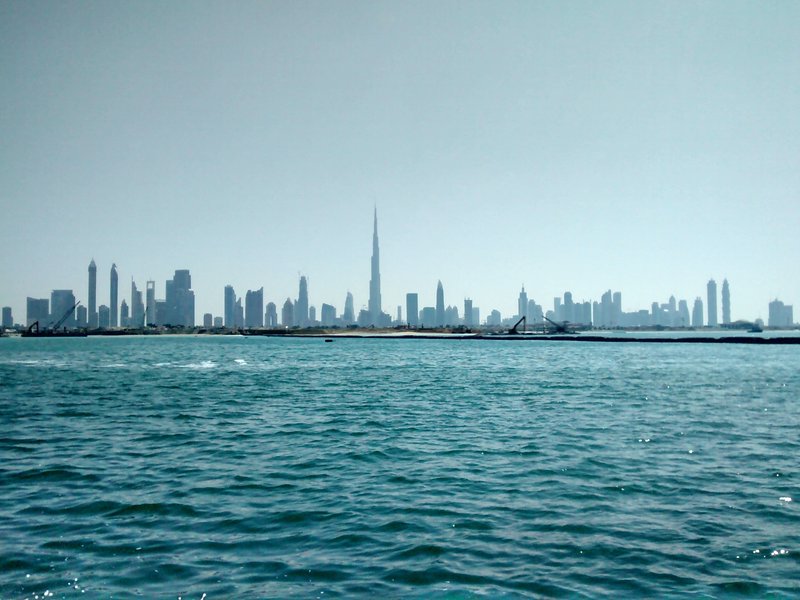
A public beach on the Jumeirah 1 coastline with a strip of low-rise cafés, restaurants, and retail units directly behind the sand. The beach faces the Arabian Gulf and sits on the same continuous coastal stretch as Kite Beach to the south.
Open 24/7
Day 2
1. Burj Khalifa — At the Top~1 hr 30 min
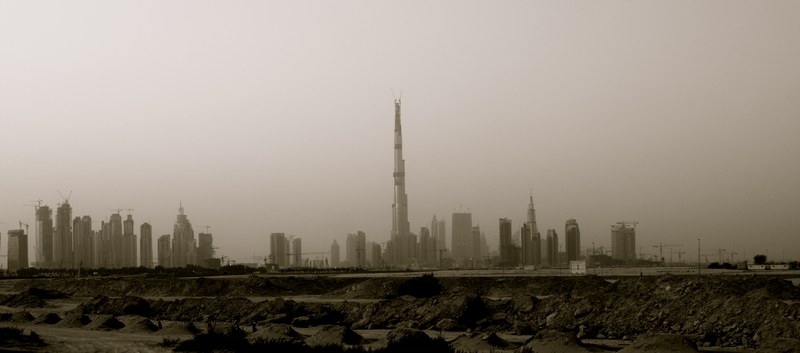
The tallest building on earth at 828 metres. The At the Top decks on levels 124 and 125 open to outdoor terraces with the whole city, the coast, and the desert laid out below.
Daily 9:00am - 11:00pm
Heights
2. The Dubai Fountain~30 min
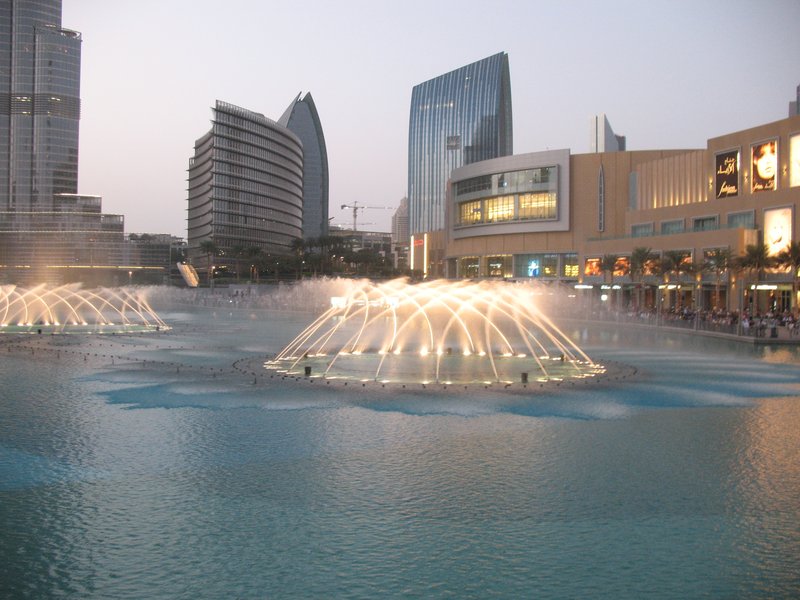
The world's largest choreographed fountain, set on the 12-hectare Burj Khalifa Lake. Jets shoot water 150 metres into the air in time to music every half hour after dark, with the tower lit behind.
3.
Dubai Design District · d3
~1 hr
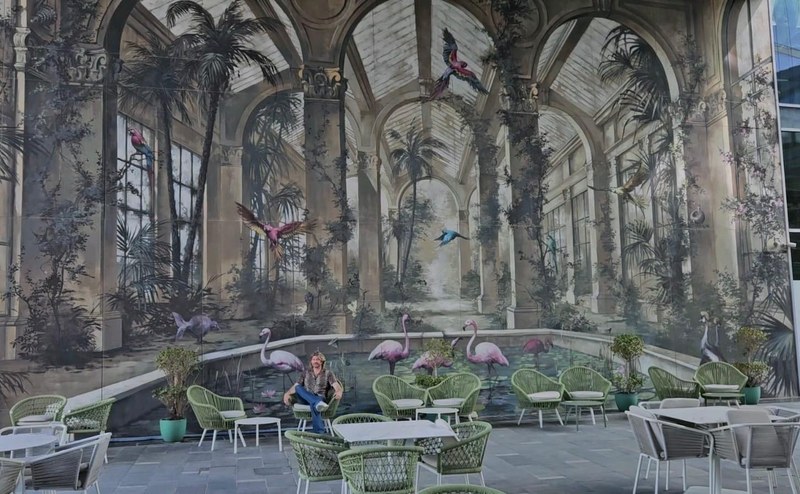
A purpose-built district of low-rise office blocks and public plazas on the edge of the Creek, housing architecture firms, fashion brands, and design studios. Outdoor sculptures and murals are installed across the walkways between buildings.
Open 24/7
4. Dubai Frame~1 hr
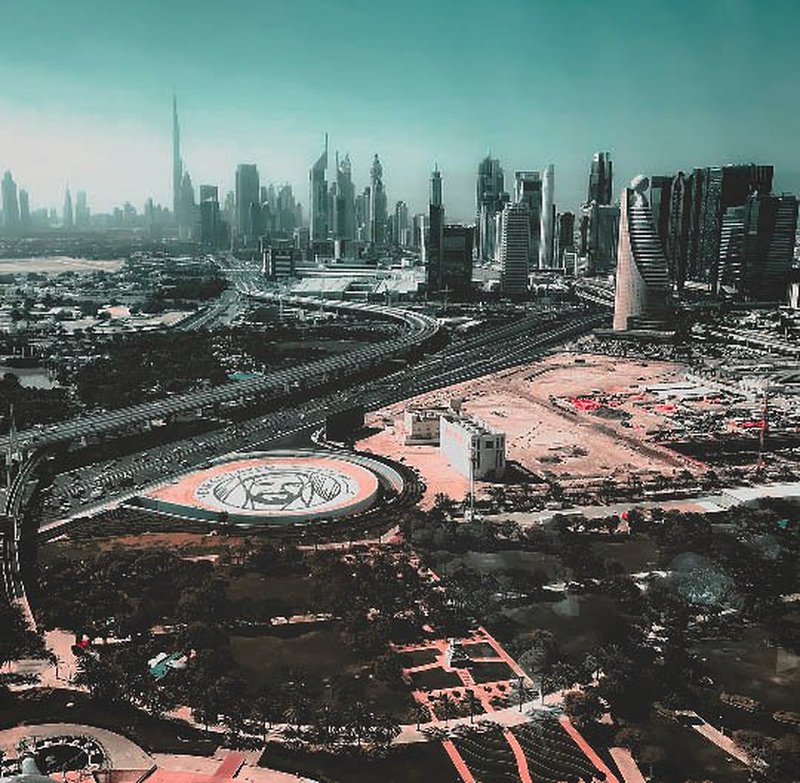
A 150-metre golden rectangle straddling Zabeel Park, framing the towers of new Dubai on one side and the low rooftops of the old city on the other. A glass-floored skywalk runs across the top between the two legs.
Daily 9:00am - 9:00pm
Heights · glass floor
Day 3
1. Dubai Creek~45 min
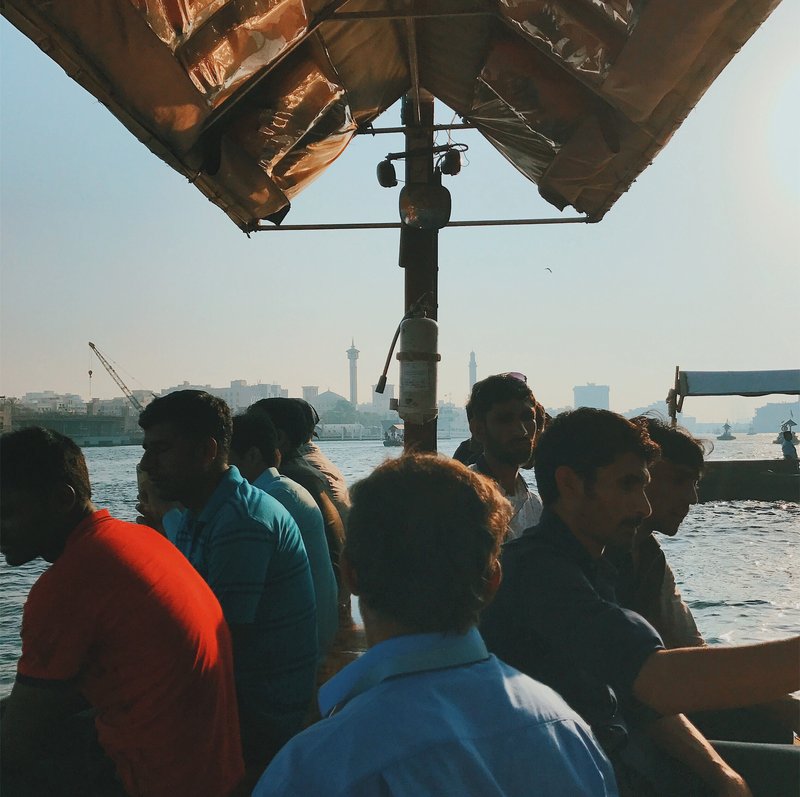
The saltwater inlet that was Dubai before the towers — lined with trading dhows and crossed by wooden abra water-taxis that still ferry passengers between Bur Dubai and Deira for one dirham.
Open 24/7
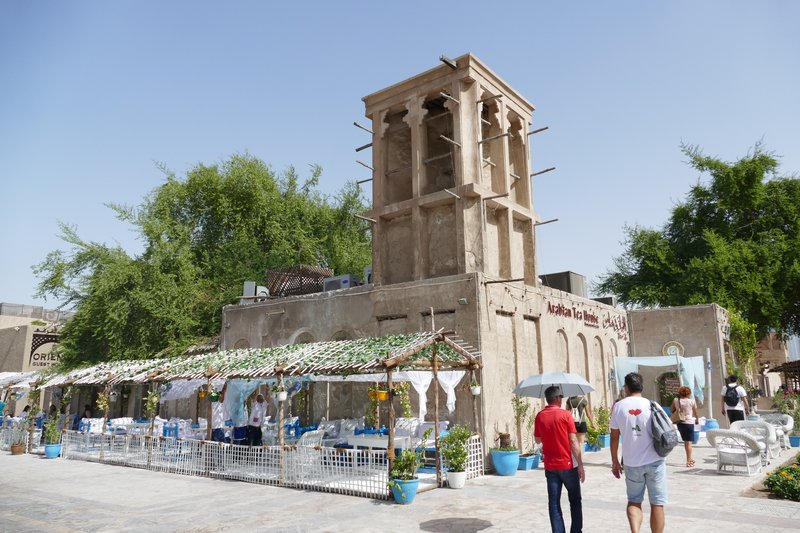
2. Al Fahidi Historical Neighbourhood~1 hr 30 min
Dubai's best-preserved historic quarter, a maze of sand-coloured lanes, wind-tower houses, and courtyards built by pearl merchants in the late 1800s. Galleries, cafés, and the Coffee Museum fill the old rooms today.
Open 24/7
3.
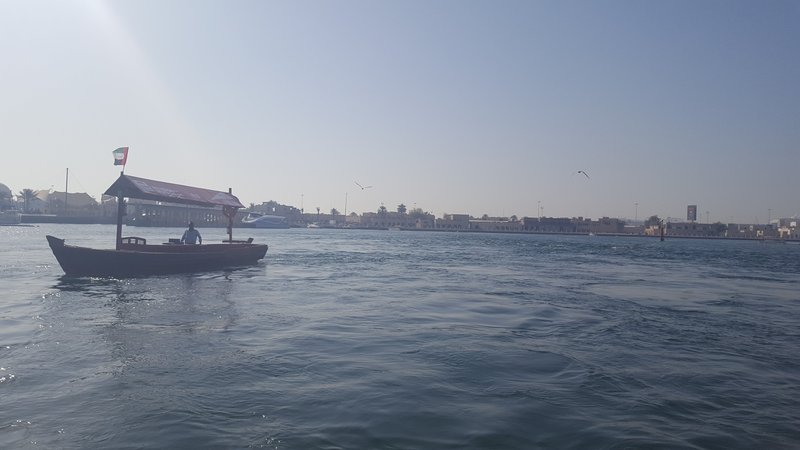
Abra Ride on Dubai Creek
~15 min
A crossing of Dubai Creek on an abra — a flat-decked wooden water taxi that has ferried passengers between Bur Dubai and Deira for decades. The ride takes under five minutes and passes alongside trading dhows moored at the bank.
4.
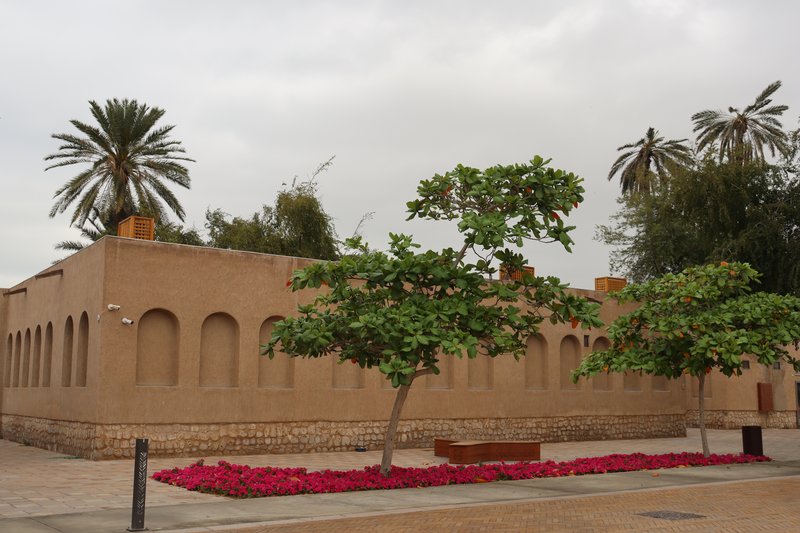
Al Shindagha Museum
~1 hr 30 min
A cluster of restored coral-and-gypsum houses at the mouth of Dubai Creek, converted into a museum covering the city's maritime trade, pearl-diving industry, and Bedouin life. The complex spans 13 pavilions arranged through the Shindagha heritage district.
Daily 10:00am - 8:00pm
5.
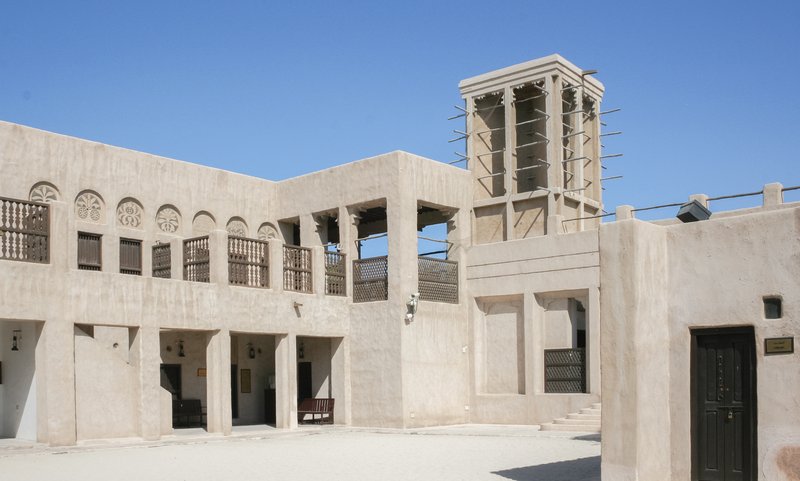
Sheikh Saeed Al Maktoum House
~45 min
The former residence of Sheikh Saeed Al Maktoum, ruler of Dubai from 1912 to 1958, built in the Shindagha district overlooking the mouth of the creek. The house is now a heritage museum displaying historic photographs, coins, stamps, and documents from Dubai's pre-oil era.
Saturday - Thursday 8:00am - 8:30pm
Closed Friday
Day 4
1.
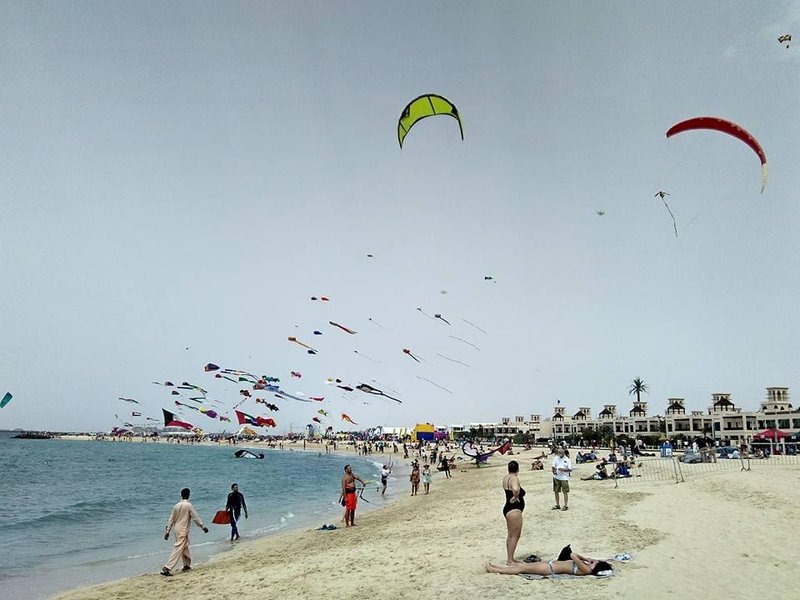
Kite Beach
~1 hr
A stretch of public beach in Jumeirah 3 named for the kitesurfers who use its consistent offshore breeze. The sand faces south toward the Burj Al Arab and has food trucks, beach volleyball courts, and a running track along the shorefront.
Open 24/7
2.
Alserkal Avenue
~1 hr 30 min
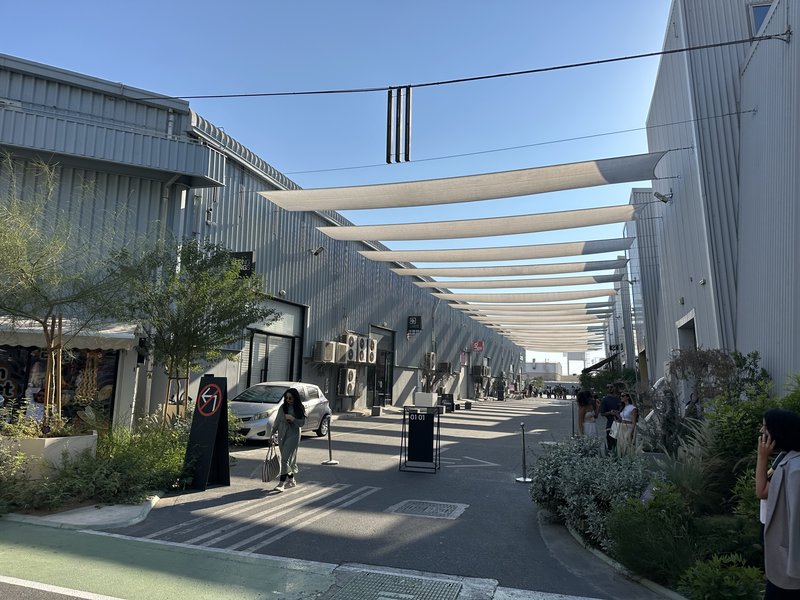
A cluster of repurposed industrial warehouses in Al Quoz housing around 60 galleries, artist studios, and cultural spaces. The complex includes Concrete, a building designed by OMA — the firm founded by architect Rem Koolhaas — which functions as an event and performance venue.
3. The View at The Palm~1 hr
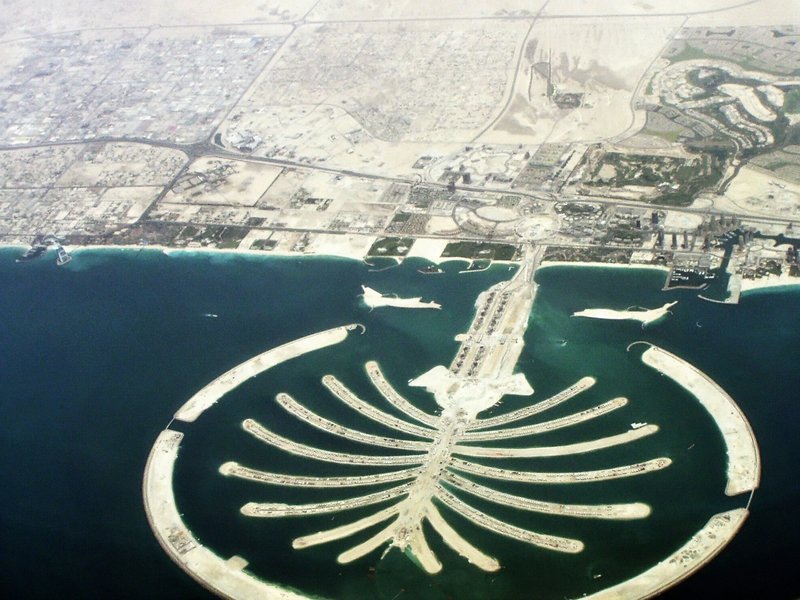
An observation deck on level 52 of the Palm Tower, 240 metres up, with the only public vantage point that takes in the full fronds of Palm Jumeirah spread across the Gulf below.
Daily 10:00am - 10:00pm
Day 5
1.
Dubai Marina Walk
~1 hr 30 min
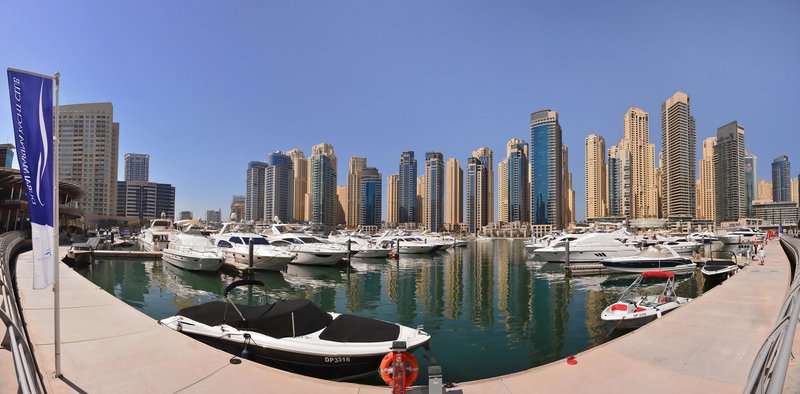
A 7-kilometre promenade wrapping around the man-made marina canal, lined with skyscrapers, restaurants, and cafés. At the southern end the canal opens into the Arabian Gulf; at the northern end it narrows under the Marina Mall footbridges, giving a sense of the marina's full scale.
Open 24/7
2.
Ain Dubai
~1 hr 30 min
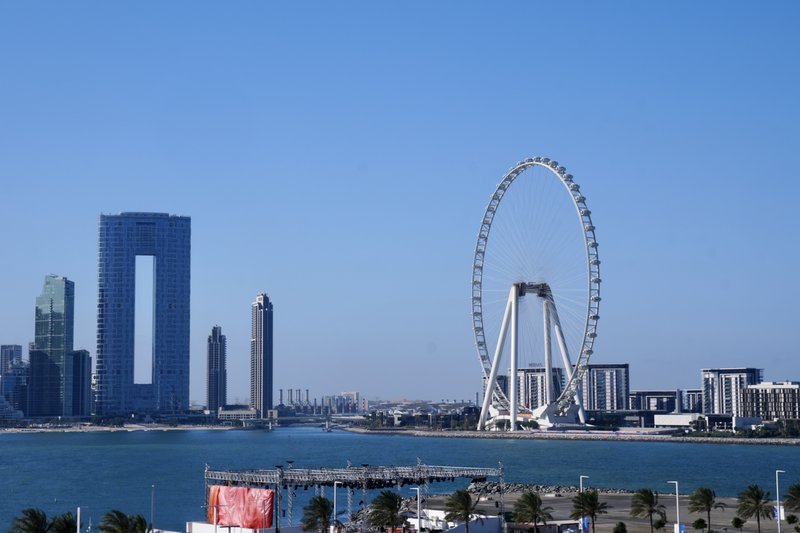
The world's tallest observation wheel at 250 metres, anchored on Bluewaters Island at the mouth of the Marina canal. Glass-floored cabins complete a full rotation in 38 minutes, taking in the Marina towers, Palm Jumeirah, and the open Gulf from directly above the water.
3.
Ski Dubai
~2 hr
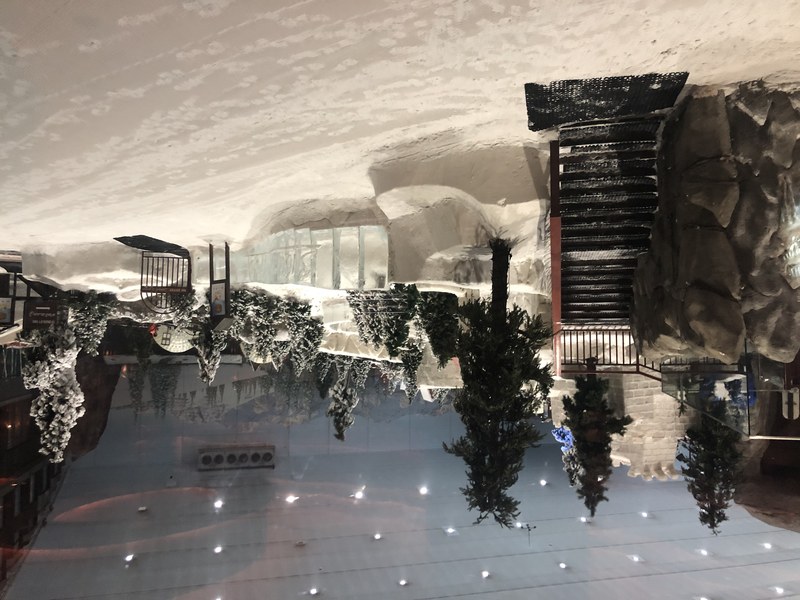
An 85-metre indoor mountain with five ski runs, a snow park, and a resident colony of South African penguins, built inside the Mall of the Emirates. Slope passes include rental gear — jacket, trousers, boots, and skis or snowboard.
Monday - Friday 10:00am - 12:00am · Saturday - Sunday 9:00am - 12:00am
Weekly Closures
Heritage, Museums & Mosques · Closed Friday
Tours
Viator
Afternoon run into the red dunes east of the city: dune-bashing in a 4×4 and a short camel ride, then a Bedouin camp for tea, henna, and a barbecue under the stars.
6 hr · Small group
↔
Red-dune safari with sandboarding and a sunset stop, ending at a desert camp for live shows — tanoura, fire, and belly dance — with an open barbecue buffet.
6 hr · Small group
↔
A smaller-group premium safari — newer 4×4s, seasoned drivers, and a quieter camp with camel rides, falcon photos, and a longer dinner before the drive back.
6 hr · Small group
↔
A 3-hour walk through Old Dubai — Al Fahidi historical quarter, Grand Souk, Spice Souk, and Gold Souk with tastings of Arabic coffee, dates, and street food, then a traditional abra ride across Dubai Creek.
3 hr · Small group
A 2-hour evening dhow cruise along Dubai Creek or Marina — buffet dinner on board while passing heritage buildings, modern towers, and illuminated bridges, with tanoura and belly-dance shows.
2 hr · Small group
↔
A 1-hour yacht cruise departing from the Dubai Marina dock, circling past Ain Dubai, the JBR waterfront, and Dubai Harbour. Drinks are included; the open upper deck gives direct views of the Marina canal and skyline from the water.
1 hr · Max 25
GetYourGuide
A 2-hour dinner cruise on a traditional dhow — buffet and sunset or cityscape views of Dubai Creek or Marina, with live dance and music entertainment on the water.
2 hr · Small group
↔
A guided walk through Al Fahidi quarter, Spice and Gold Souks, with local food and drink tastings, an abra crossing of Dubai Creek, and commentary on Dubai's pearl-trading past.
3 hr · Small group
Drive to the Al Lahbab red dunes for dune bashing, sandboarding, and a camel ride at sunset, then a Bedouin camp BBQ dinner with live shows — and drop-off included.
7 hr · Small group
↔
TripAdvisor
1. Dubai: Old Town · Souks · Street Food · Guided Tour & Abra Ride · TripAdvisor · 5.0 · 2789+ reviews
A 3–4 hour guided walk through Al Fahidi, the Gold and Spice Souks, and Dubai Creek with street food tastings — finishing with an abra ride across the Creek. Max 15 per group; meet at Al Khayma Heritage House.
3 hr · Max 15
A 5–6 hour guided half-day trip from Dubai to Abu Dhabi's Sheikh Zayed Grand Mosque — architectural history, Islamic art, and photography guidance from a knowledgeable guide, with morning and afternoon departure options.
6 hr · Small group
↔
3. Guided Abu Dhabi City Tour with Sheikh Zayed Grand Mosque & BAPS · TripAdvisor · 4.9 · 256+ reviews
A full-day guided trip from Dubai to Abu Dhabi — Grand Mosque, BAPS Hindu Mandir, Heritage Village, Emirates Palace, and the Corniche, with or Sharjah.
8 hr · Small group
↔
A 3-hour guided walk through Al Fahidi quarter, Spice Souk, and Gold Souk with tastings of shawarma, falafel with hummus, saffron tea, madhbi, and kunafa, ending with an abra ride across Dubai Creek.
3 hr · Small group
5. Dubai Old Town Walking Tour with Abra Ride · Spice and Gold Souk · TripAdvisor · 5.0 · 30+ reviews
A 2–3 hour guided walk through the Al Fahidi Bastakiya quarter, Spice Souk, and Gold Souk with cultural commentary and Arabic treats, ending with an abra boat ride across Dubai Creek to Deira.
2 hr · Small group
Cappuccino
Roasters Specialty Coffee House · 4.5 · 450+ reviews
Café Bateel · 4.2 · 800+ reviews
% Arabica — The Dubai Mall · 4.4 · 600+ reviews
Drop Coffee — The Dubai Mall · 4.3 · 300+ reviews
Common Grounds — The Dubai Mall · 4.3 · 1500+ reviews
Restaurants Near Hotel
Asado — Palace Downtown · 4.5 · 900+ reviews
Argentine grill — wood-fired steaks and empanadas with Burj Khalifa views.
Daily 7:00pm - 11:30pm
Maison de Curry — Souk Al Bahar · 4.5 · 700+ reviews
Contemporary Indian curry house with a fountain-facing terrace.
Daily 12:00pm - 2:00am
Karma Kafé — Souk Al Bahar · 4.4 · 1200+ reviews
Pan-Asian dining and dim sum under a giant golden Buddha with fountain views.
Daily 12:00pm - 2:00am
Mango Tree — Souk Al Bahar · 4.3 · 900+ reviews
Authentic Thai cooking with a terrace over the Burj Khalifa Lake.
Daily 12:00pm - 12:00am
Eataly — The Dubai Mall · 4.2 · 2000+ reviews
Italian market-restaurant — fresh pasta, pizza, and a deli counter.
Daily 10:00am - 12:00am
Downtown Restaurants
Arabian Tea House · 5.0 · 77+ reviews
Emirati breakfasts and mezze in a courtyard of white wicker chairs.
Daily 7:00am - 11:00pm
Al Ustad Special Kabab · 4.1 · 1500+ reviews
Cult Iranian kebab house grilling skewers since 1978 under walls of old photos.
Daily 12:00pm - 4:00pm · 6:30pm - 1:00am
XVA Café · 4.3 · 400+ reviews
Vegetarian Middle Eastern plates in a wind-tower courtyard art hotel.
Daily 8:00am - 7:00pm
Local House Restaurant · 4.2 · 500+ reviews
Emirati home cooking and the original camel burger in old Bastakiya.
Daily 9:00am - 9:00pm
Aroos Damascus · 4.3 · 5000+ reviews
Long-running Syrian institution — grills, mezze, and fresh bread all day.
Daily 7:00am - 2:00am
Dining Areas
La Mer · Jumeirah 1
Dubai Marina Walk
Palm West Beach · Palm Jumeirah
Local Tastes
Luqaimat
Deep-fried dough dumplings, crisp outside and soft within, drizzled with date syrup and sesame — the classic Emirati sweet, everywhere during Ramadan.
Karak Chai
Strong black tea boiled thick with evaporated milk, sugar, and cardamom. The everyday Emirati cup, pulled at roadside cafeterias for a dirham or two.
Machboos
The UAE's signature one-pot dish: spiced basmati cooked with meat or fish, dried lime, and a blend of bezar spices, finished with caramelised onions.
Camel Milk Chocolate
Dubai-made chocolate built on camel milk — smoother and less sweet than dairy, often spiced with dates, saffron, or Arabic coffee.
Food Delivery
Talabat
Foreign number: not accepted. — a UAE number is required to receive the verification code.
The dominant delivery platform in Dubai with the broadest restaurant roster, covering Downtown, JBR, JLT, and the main hotel zones; selection spans local Emirati cuisine, South Asian restaurants, and international chains; the registration barrier makes it impractical without a local SIM.
Deliveroo
Foreign number: not required. — sign-up runs on Google, Apple, Facebook or email with no phone field at all, so no verification code has to arrive.
The most accessible platform for visitors; covers Downtown Dubai, DIFC, JBR, and the Marina; restaurant selection is strong across European, Middle Eastern, and Asian options; the accepted foreign number makes registration straightforward from arrival.
Careem
Foreign number: accepted. — roaming SMS can be unreliable, so verifying before you travel is worth doing.
Operated by Uber and used across the UAE; covers both ride-hailing and food delivery through one app; delivery coverage extends across the city with a good selection of local and regional restaurants; useful if you are already using Careem for rides.
Shows, Performances & Concerts
Dubai Opera
A 2,000-seat dhow-shaped opera house in the shadow of the Burj Khalifa, staging opera, ballet, musicals, and headline concerts.
Getting Around
Careem
Foreign number: accepted. — verify the app before travel; roaming SMS can be slow at registration.
The primary ride-hailing app in Dubai; well-supplied across Downtown, JBR, DIFC, and the Marina; fares are metered and transparent in the app before confirming; useful for longer cross-city runs to Old Dubai and Deira where hailing a taxi can be slower.
Train Stations Near Hotel
Burj Khalifa / Dubai Mall Metro
Michelin Restaurants
Trèsind Studio
Avant-garde Indian tasting menu — the world's only three-star Indian table.
FZN by Björn Frantzen
Nordic-rooted fine-dining tasting menu — the UAE's first three-star.
Il Ristorante — Niko Romito
Pared-back ingredient-led Italian from the Abruzzo three-star chef.
Row on 45
STAY by Yannick Alléno
French haute cuisine and the famous all-pastry dessert library.
Not shown: 0 · 0 · 14 more in Dubai
Worth Knowing
Old City · New City
This whole trip is a study in the same view from two sides. Day 1 climbs the tallest things people have ever built — a steel torus, an 828-metre spire, a golden picture frame — and Day 2 drops down to a creek where wooden boats still cross for a single dirham. The Dubai Frame, sitting almost exactly between the two days, was designed to make the point literally: stand inside it and old Dubai fills one pane of glass while the skyline fills the other.
The abra is the detail I'd hold onto. In a city that sells the biggest and the newest of everything, the cheapest, oldest thing on the itinerary — a one-dirham boat ride that predates all the towers — is also the one most locals will tell you not to miss.
Also on this site