From Hotel: 21 min · 5 min → Fortaleza de Nossa Senhora da Assunção
1.Fortaleza de Nossa Senhora da Assunção~45 min
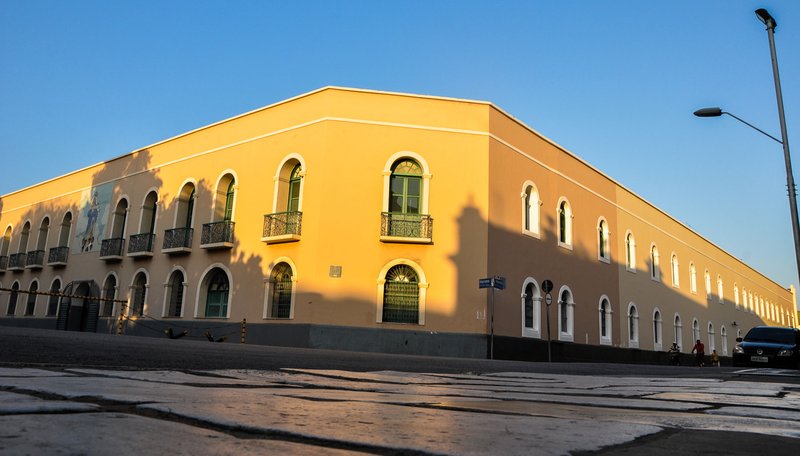
The fort that gave Fortaleza its name. Dutch-built 1649 as Fort Schoonenborch; the Portuguese rebuilt it in stone 1812–1817. Today it houses the 10th Military Region Command and a museum with cannons, period cartography, and exhibits on colonial Ceará. Open to the public.
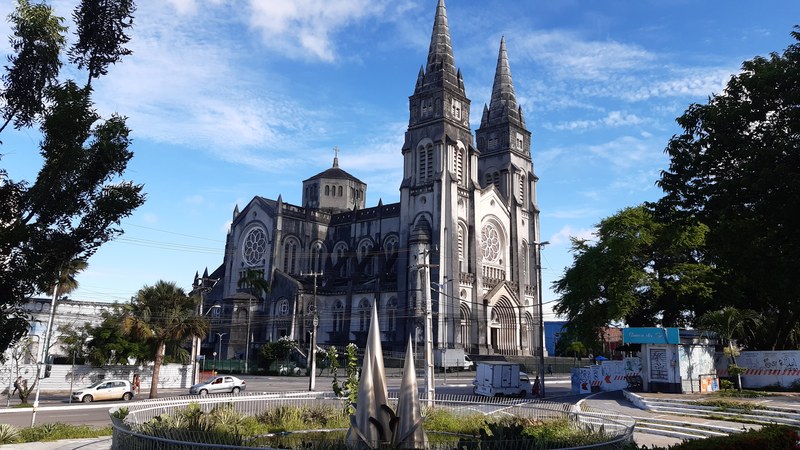
Metropolitan cathedral built 1939–1978, designed by French architect George Mounier. Neo-Gothic with twin spires above the Centro skyline and stained glass in cobalt, amber, and green. Construction stretched four decades due to interrupted funding. Dedicated to Saint Joseph, patron of the city.
16 min · 3 min → Dragão do Mar Center of Art and Culture
3.Dragão do Mar Center of Art and Culture~2 hr
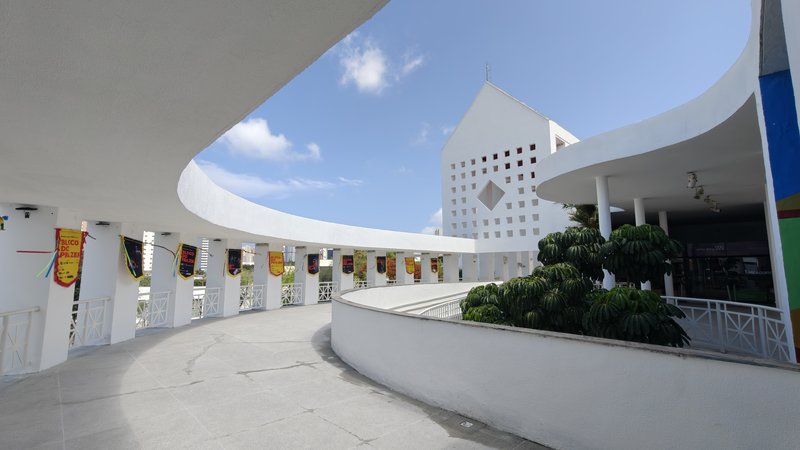
Cultural complex opened 1999 across 30,000 sq m in Praia de Iracema. Named after abolitionist Francisco José do Nascimento. Houses the Museu de Arte Contemporânea do Ceará, the Memorial da Cultura Cearense, a planetarium, two cinemas, and the Public Library.
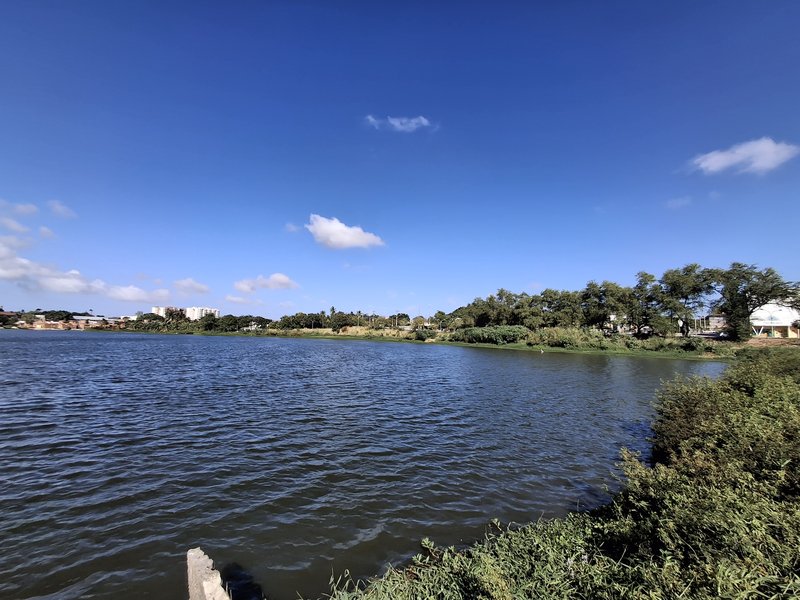
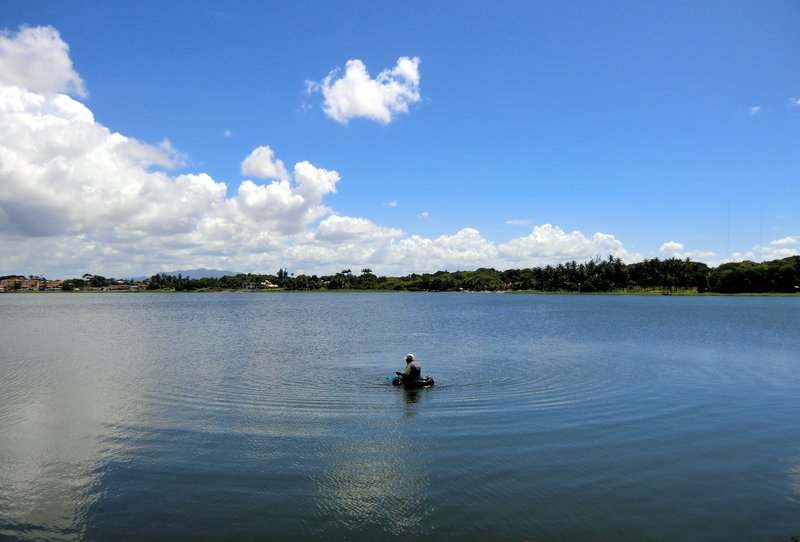
The largest freshwater lake in Fortaleza by volume, a 36-hectare urban nature park in the Parangaba district. A 3 km cycling and walking path circles the lake, with paddle-boat rentals, fishing spots, and shaded picnic areas. The metro station Lagoa do Opaia sits adjacent to the park.
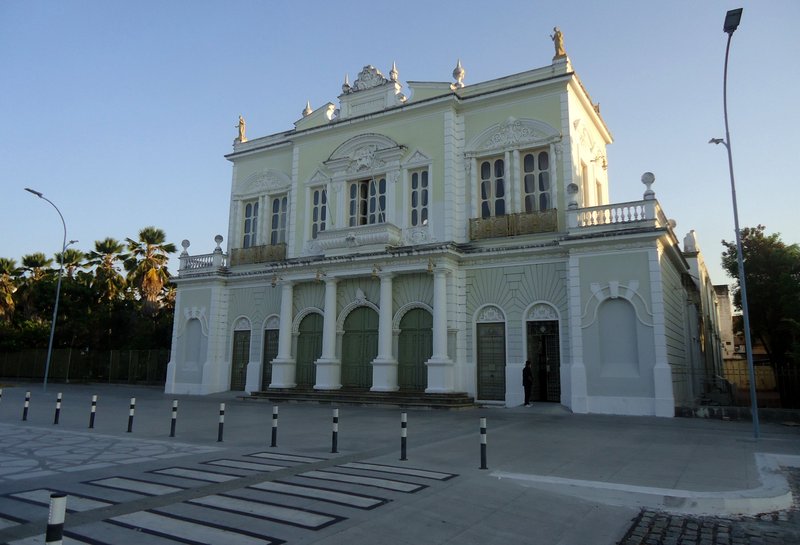
Opened 1910, combining Art Nouveau and neoclassical elements around a cast-iron structure made at the Saracen Foundry in Glasgow. The ceiling is a stained glass dome. The main auditorium seats 120. Designated National Historic Heritage in 1962 and Ceará's principal performing arts venue.
Beach neighborhood named after the character in José de Alencar's 1865 novel. Until 1947 this was Fortaleza's working port. The Ponte dos Ingleses steel pier — built 1921 — extends 120 m into the Atlantic and draws crowds for sunsets. The 1996 Iracema Guardiã sculpture stands on the beachfront.
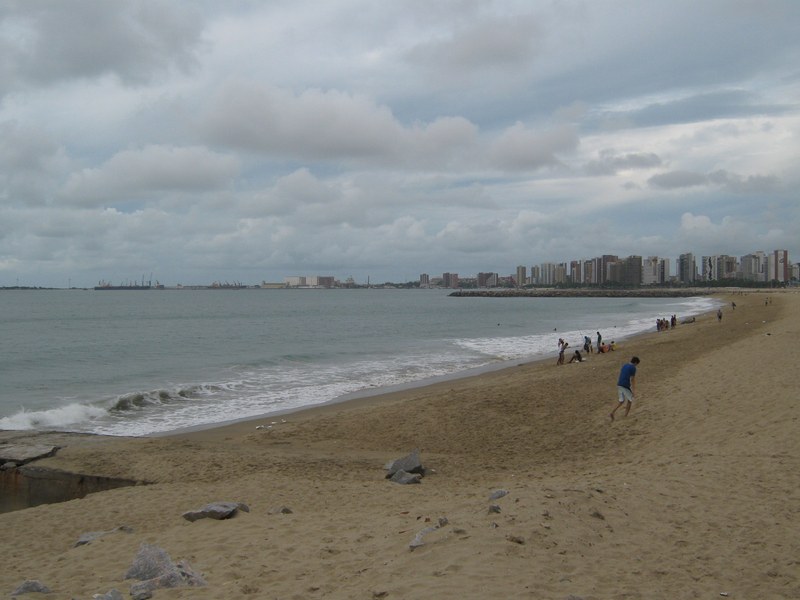
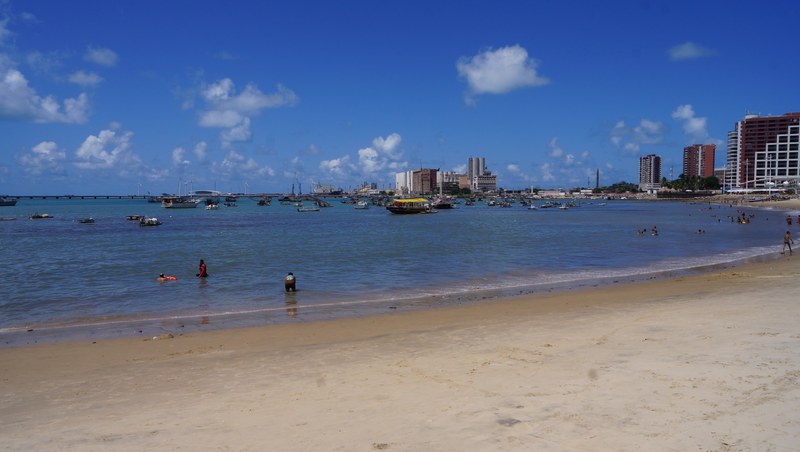
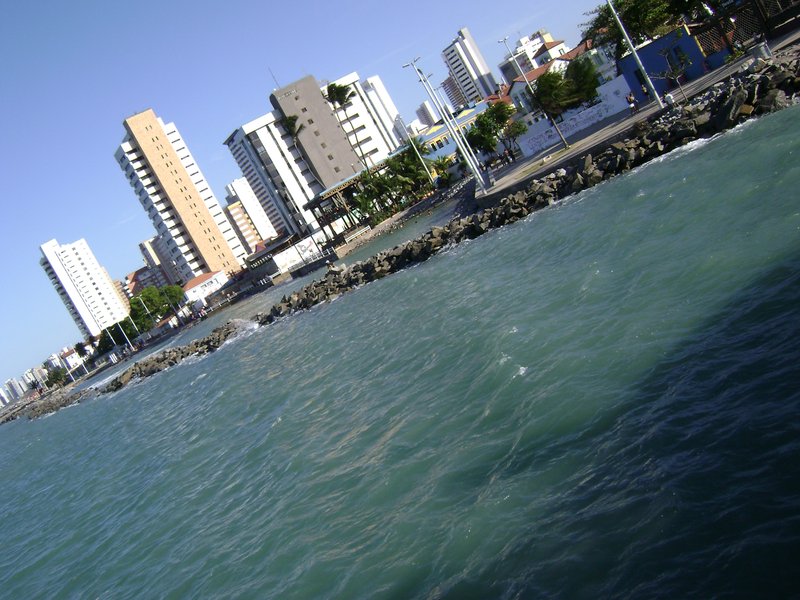
Fortaleza's most visited city beach, a 4 km arc of pale sand backed by the Avenida Beira Mar calçadão. The beachfront alternates between shaded kiosks, volleyball courts, and rental equipment stalls, with hotels and restaurants on the landward side. A weekly craft fair sets up along the avenue on weeknights.
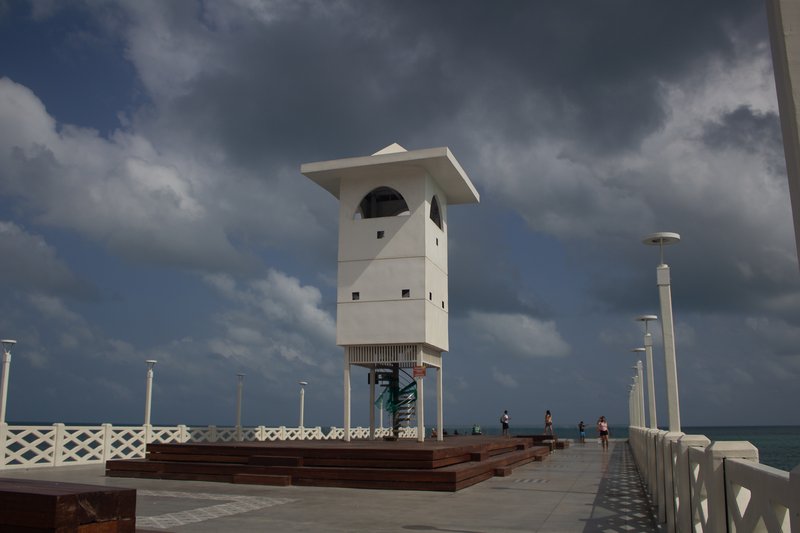
An 825 m iron pier built in 1903 as a loading dock for the Ceará Great Western railway, colloquially named for the British engineers who built it. Long deteriorated and closed to the public, it was fully restored and reopened in 2019 as a pedestrian promenade extending into the bay.
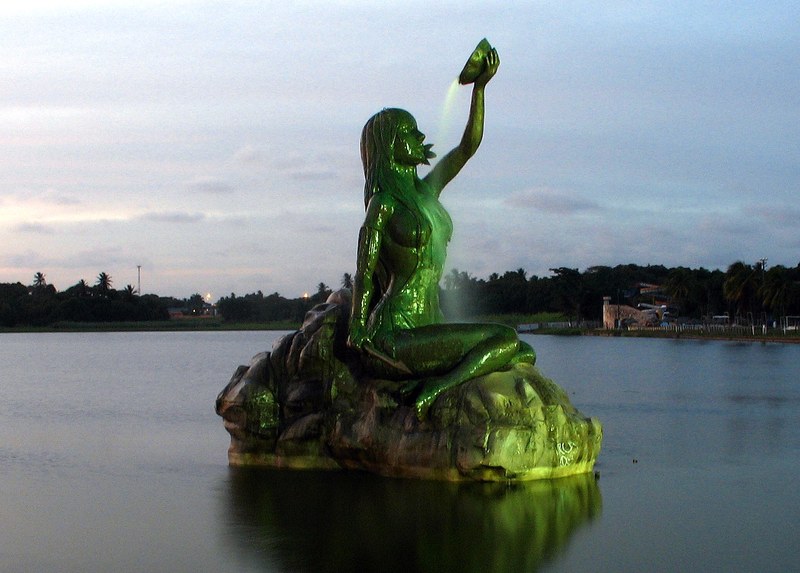
The second-largest lake in Fortaleza, a 33-hectare freshwater body in the historic Messejana district, one of the oldest settlements in Ceará. The park path encircling the lake passes a 12 m Iracema statue and a series of waterfront restaurants serving caldeirada and other Cearense dishes.
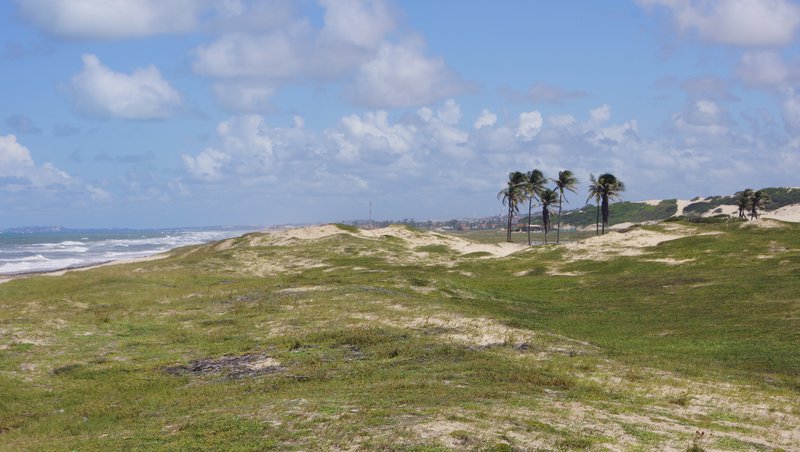
A protected estuary beach at the mouth of the Cocó River inside the APA Sabiaguaba conservation area, one of the few undeveloped beaches within Fortaleza's municipal limits. A sandbar forms at the tidal confluence where freshwater meets the sea, and dense native Atlantic Forest runs to the dune edge.
A bronze sculpture on the waterfront at Volta da Jurema depicting Iracema, the indigenous heroine of José de Alencar's 1865 novel and the literary origin of the city's name. Created by Zenon Barreto in 1996, the figure stands at the water's edge where the beach road meets the Praia de Iracema seafront.
Eight kilometers of open Atlantic coastline on Fortaleza's eastern edge. The cleanest swimming beach in the city. A corridor of barracas — open-air beach clubs — lines the shore serving fresh seafood and forró. Thursday is caranguejada night, when crowds gather at the barracas for crab.
State park along the Rio Cocó, one of the largest urban parks in South America. Protects an extensive mangrove system and Atlantic Forest remnants with trails sheltering bird species and capybaras. Trail loops range 1–6 km. Used for walking, cycling, and jogging; the trail system fills a half-day.
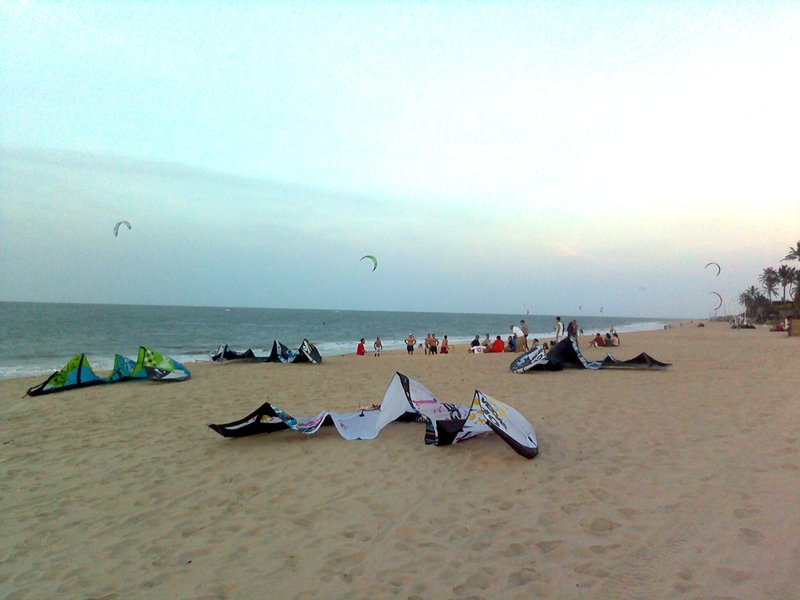
A 3.9 km dune-backed beach in the municipality of Caucaia, 28 km west of Fortaleza's center. Northeast trade winds from July to February create ideal kitesurfing conditions, drawing an international surf crowd, while low season brings calm water for swimming and stand-up paddleboarding.
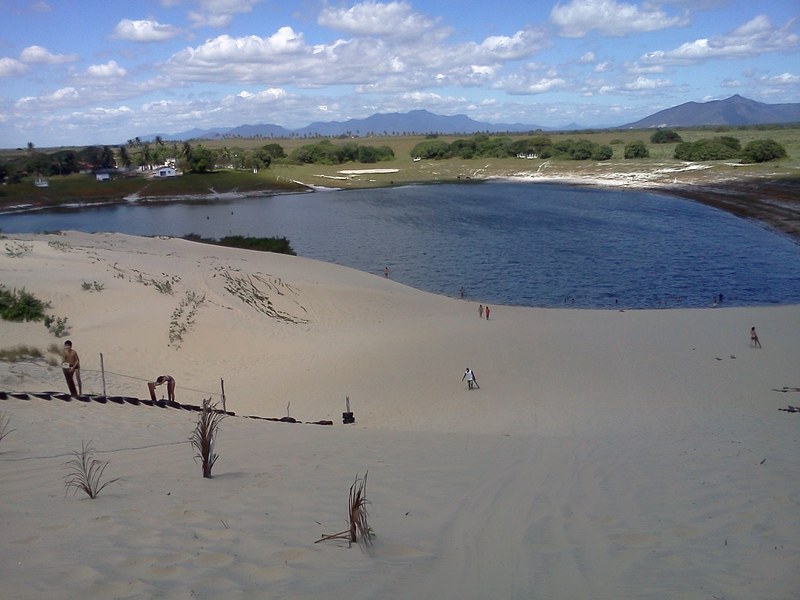
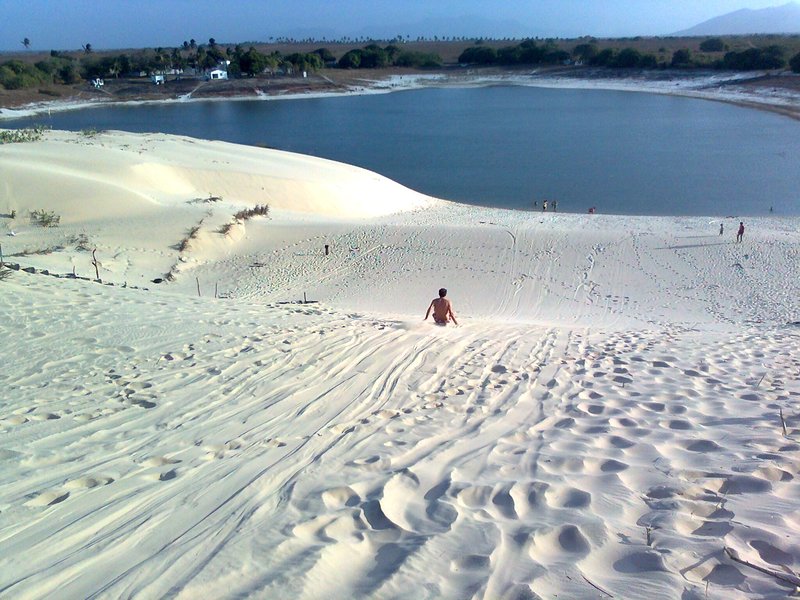
A coastal dune field rising to 30 m immediately behind Cumbuco beach, offering dune buggy circuits, sandboarding, and views across the Atlantic. The dunes extend inland for several kilometres and form a natural buffer between the beach and the village's freshwater lagoons.
A warm freshwater lagoon 10 km west of Cumbuco beach, part of the Barra do Cauípe system. The clear teal water is calm enough for swimming and stand-up paddleboarding, with traditional jangada raft rides and palapa-shaded restaurants serving grilled fish along the shore.
Sun-dried and lightly salted beef, a staple of the Ceará interior. Served grilled or shredded with butter, rice, and baião de dois — the definitive Ceará plate.
Rice and beans cooked together with coalho cheese, butter, and dried meat — the foundational dish of Ceará's sertão tradition. Found on virtually every restaurant menu in Fortaleza.
Blue mangrove crab, freshly caught and steamed or grilled at the Praia do Futuro barracas. Thursday is the traditional caranguejada night at the beach clubs.
Cassava starch flatbread, eaten hot off a flat griddle with fillings from coalho cheese and coconut to carne de sol and butter. Street food sold at market stalls and beachfront stands across Fortaleza.
Fresh white cheese with high melting resistance, grilled on skewers on the beach or eaten cold. A required item in baião de dois and one of the staples of the Ceará diet.
Foreign number: not accepted. — a Brazilian mobile number is required to register.
The dominant delivery platform in Fortaleza with wide restaurant coverage across Meireles, Mucuripe, and Aldeota. Most beachside restaurants partner here before Rappi.
Foreign number: not accepted. — Rappi only accepts numbers from the countries where it operates.
Secondary delivery option covering restaurants and grocery delivery; focused on the coastal neighborhood strip and slower than iFood in the inland districts.
Two cinema halls and a main stage at the cultural complex — Brazilian and international films, theater productions, and free outdoor performances on weekends.
Foreign number: accepted. — the verification code arrives by SMS on a foreign SIM, and the app can also verify through WhatsApp.
Reliable and consistently available around Meireles and the beach front. Surge pricing applies on Sunday afternoons when the coastal promenade closes to traffic.
A Fisherman's Blockade Ended Slavery Here Four Years Before the Rest of Brazil
The cultural center at the center of Day 1 carries the nickname of a man who changed Brazilian history from the deck of a raft. Francisco José do Nascimento, an Afro-Brazilian jangada captain known as Dragão do Mar — the Dragon of the Sea — led his fellow raftsmen in an 1881 blockade of Fortaleza's port, refusing to ferry enslaved people out to the ships that would carry them to plantations further south. The action became the rallying point for Ceará's abolitionist movement, and in 1884 the province declared freedom for everyone still enslaved within it — a full four years before Brazil's national abolition law, making Ceará the first Brazilian province to end slavery entirely.
The beach and statue named Iracema carry a hidden message in plain sight. Novelist José de Alencar invented the character for his 1865 book as a deliberate anagram of "America," casting a Tabajara woman and a Portuguese colonist as the parents of Ceará's first mestizo son — a founding myth written to explain the origin of Brazil itself through a love story set on this exact stretch of coast. The neighborhood, the pier, and the sculpture on the sand are all still named for a character invented specifically to be the country's own creation story.