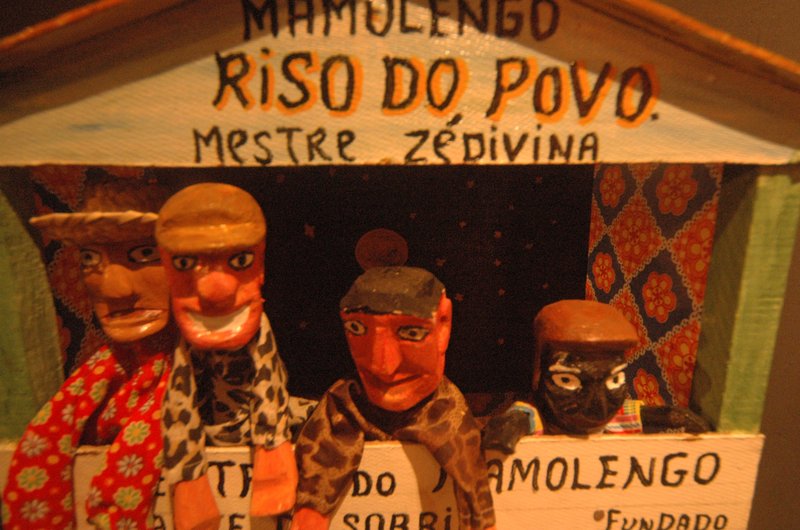
The world's largest dedicated collection of mamulengos — hand-and-string puppets of the northeastern Brazilian theatrical tradition; over 1200 figures from three centuries; the adjacent workshop is active on weekday afternoons.
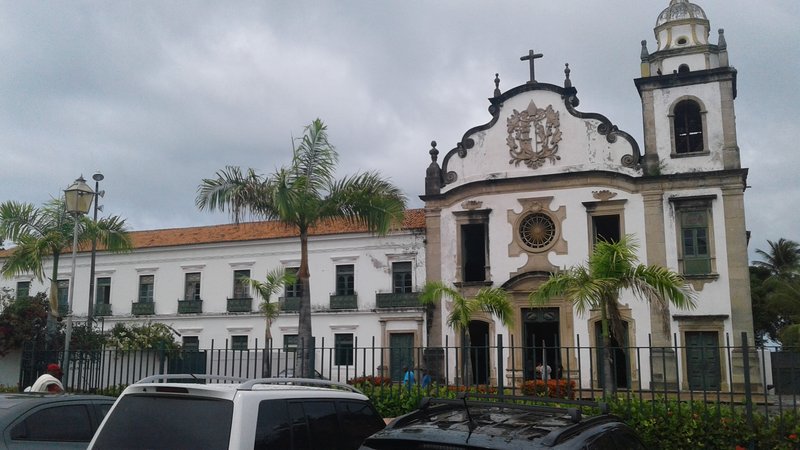
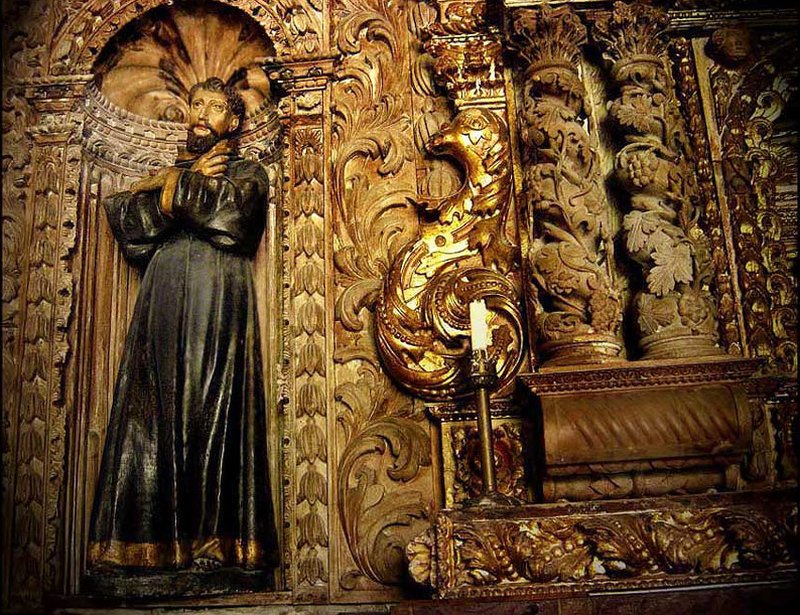
Benedictine monastery founded in 1586; the church interior holds one of the finest examples of gilded baroque woodwork in northeastern Brazil; monks hold Gregorian chant at Sunday mass open to the public.
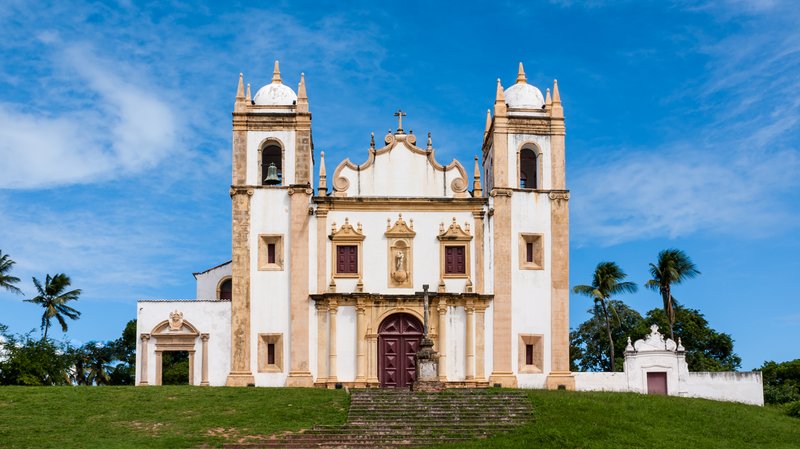
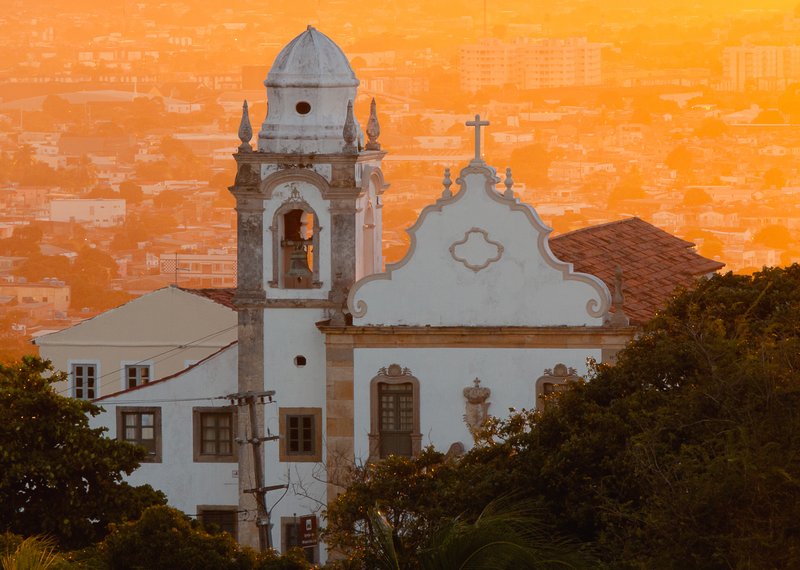
Carmelite church founded in 1580 at the brow of Olinda's hill; the interior holds an elaborate gold-leaf altarpiece and painted ceiling panels; a terrace at the rear looks over the tiled rooftops toward the sea.
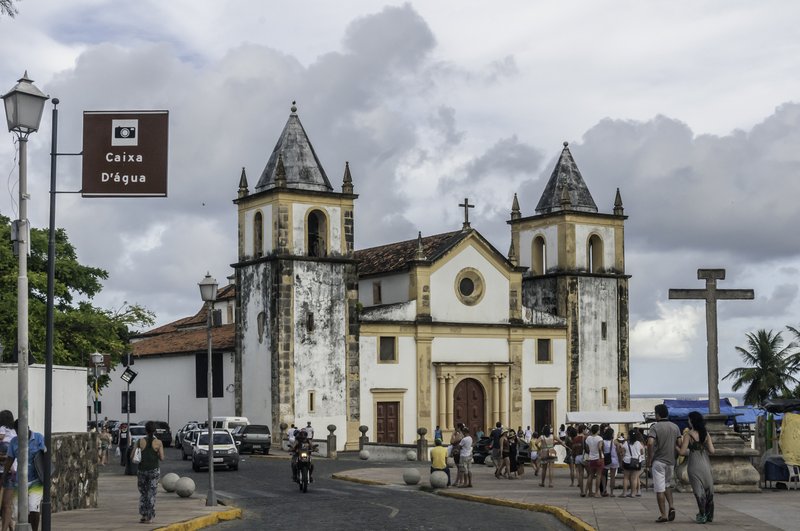
18th-century baroque cathedral at the summit of Olinda's UNESCO-listed hill; wide terrace commands an unobstructed panorama over Recife and the Atlantic; the site has housed a church since 1537.
From Hotel: 3 min · 3 min → Casa dos Bonecos Gigantes
1.Casa dos Bonecos Gigantes~45 min
Permanent collection of the oversize papier-mâché puppets that lead Olinda's Carnival; the figures reach four metres tall and satirize politicians and cultural archetypes; the workshop where new bonecos are built operates year-round.
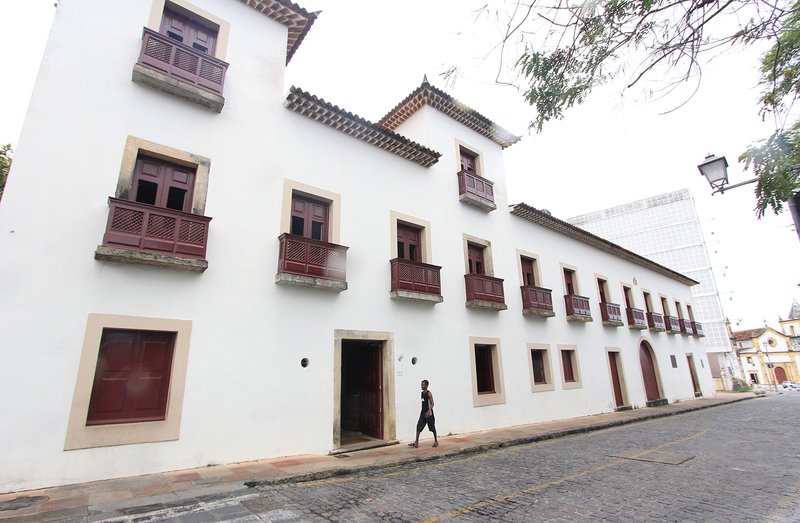
The Museu de Arte Sacra de Pernambuco occupies the 17th-century bishop's palace adjacent to the Catedral da Sé; the collection spans liturgical gold work, baroque relics, and Flemish-era religious imagery recovered from churches across Pernambuco.
16th-century chapel of the Santa Casa da Misericórdia; the exterior carries one of the few surviving Manueline-style decorative elements in northeastern Brazil; the interior is lined with hand-painted tile panels depicting the works of mercy.
Founded in 1585, the oldest Franciscan complex in Brazil; the cloister chapel is lined with hand-painted blue-and-white azulejo tiles from the 18th century; the courtyard holds the best-preserved colonial stonework in the historic center.
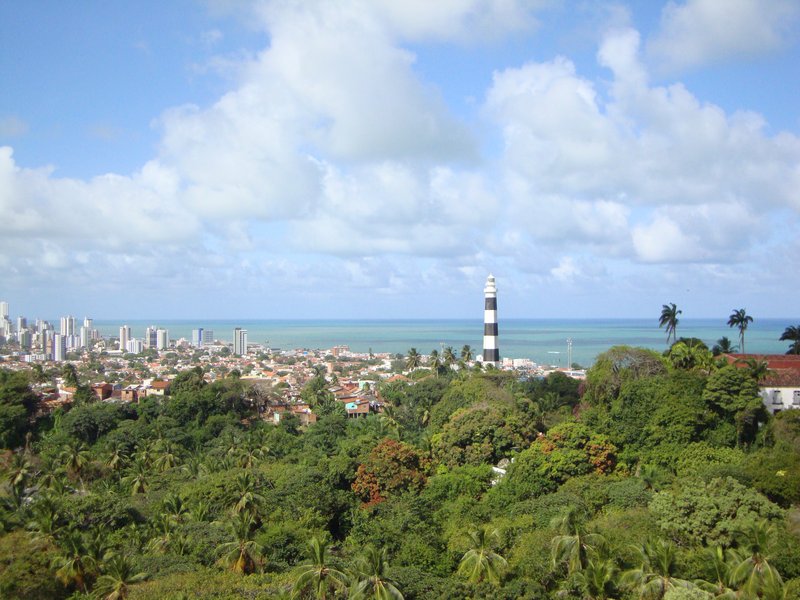
Active 19th-century lighthouse on Olinda's coastal promontory; exterior plaza gives open views over the Atlantic and back toward the hilltop churches of the historic center.
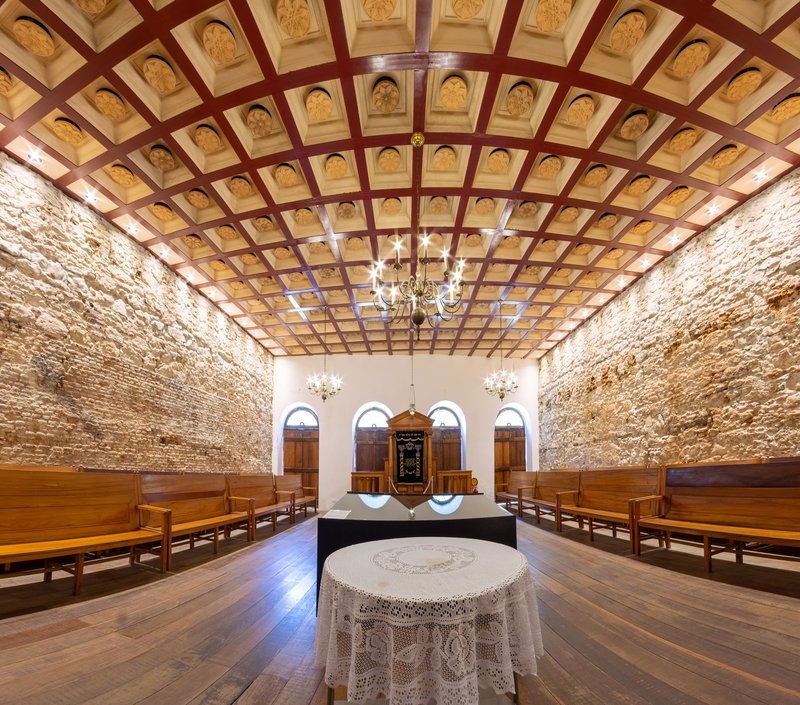
The building on this site housed the first synagogue in the Americas, founded by Sephardic Jews during the Dutch occupation of Pernambuco — 1630 to 1654; the current museum traces the history of Jewish settlement and the community's later departure for New Amsterdam — the settlement that became New York.
Cultural center dedicated to frevo, the frenetic brass-and-percussion music that defines Pernambuco's Carnival and was recognized by UNESCO as Intangible Cultural Heritage in 2012; includes a costume gallery, interactive rhythm room, and live frevo demonstrations.
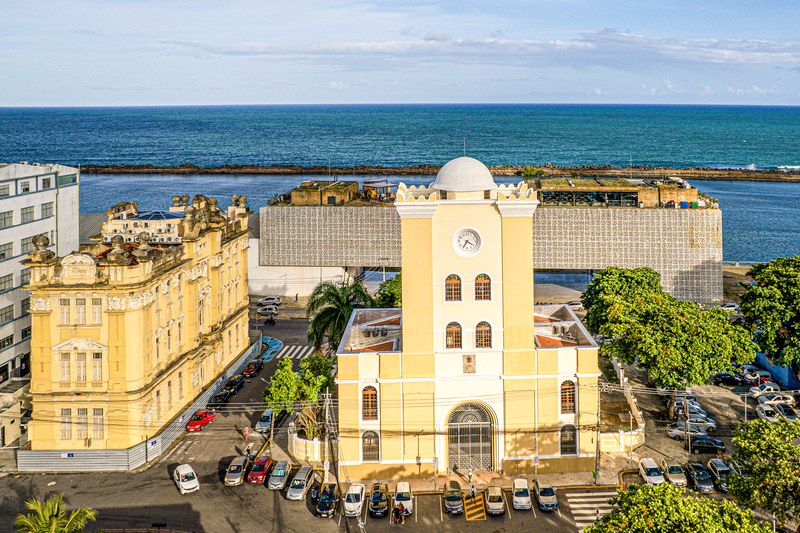
Neoclassical tower and gateway arch built in 1855 as an astronomical observatory for the port of Recife; now a cultural center with rotating contemporary art exhibitions; open gallery terrace gives harbor and waterfront views.
Full-day guided circuit of Recife Antigo, the Dutch-era waterfront, and Olinda's hilltop historic center; includes major squares, churches, and colonial architecture with a local guide covering the colonial, Dutch, and African layers of the region's history.
Discs of cassava starch toasted on a griddle and folded over coconut, cheese, or carne de sol; the defining breakfast and street snack sold by tapioceiras throughout the historic center.
Ultra-thin sponge layers rolled around sweet guava paste; a registered product of Pernambuco protected by state law since 2007; visible spiral when sliced is legally required.
Dry-salted beef air-cured 24–48 hours in the sertão wind, then grilled to order; served on every menu in the historic center with macaxeira and manteiga de garrafa.
Sun-dried beef pounded with toasted manioc flour in a wooden mortar until it crumbles into a dry savory mix; served as a side or standalone plate at northeastern kitchens.
Still, unfermented juice of the cashew apple, slow-processed and bottled in Pernambuco; sweet with a faintly astringent finish; served ice-cold at most bars and restaurants.
Foreign number: not accepted — a Brazilian phone number is required to receive the SMS verification code.
iFood is Brazil's largest delivery platform and dominates the Recife–Olinda area; restaurant selection is wider than any rival but a Brazilian CPF or phone number is required to register — the most common obstacle for foreign visitors.
Foreign number: not accepted — a Brazilian phone number is required to receive the SMS verification code.
Rappi covers Recife and Olinda with reasonable restaurant variety but also requires a Brazilian phone number to complete registration; useful mainly if a local contact has set the account up for you.
Foreign number: accepted — the app verifies by SMS and most international numbers receive the code.
Uber operates across Recife and Olinda and accepts foreign phone numbers and payment cards; it is the most reliable option for rides from the historic centre and to the beachfront. Wait times in Olinda's hills can be longer than in flat Recife — request early if heading down to the coast.
Foreign number: accepted — the app verifies by SMS and most international numbers receive the code.
99 is the Brazilian rival to Uber and covers the same Recife–Olinda corridor; fares are frequently lower, especially in the 99Pop tier. Foreign numbers work for registration and the app is easy to switch between if one has no cars available in the hills.
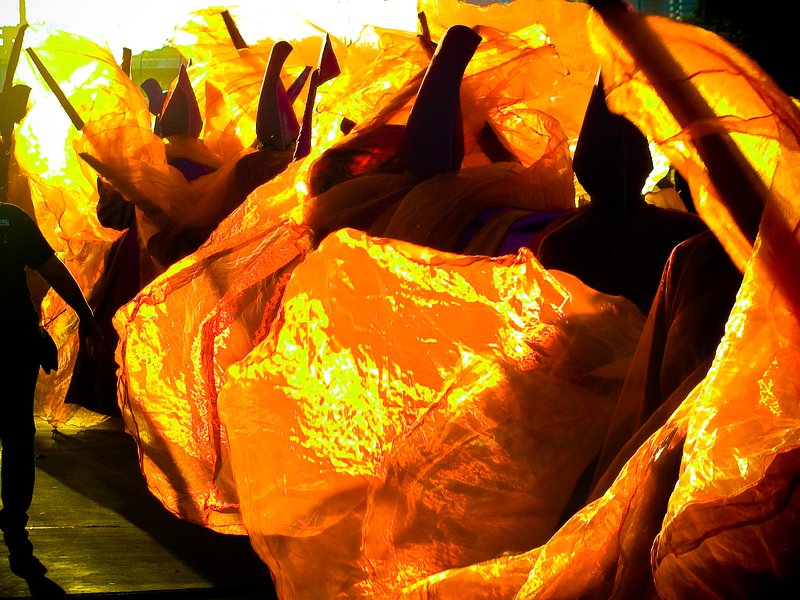
Olinda's Carnival predates Rio's and runs by different logic. Where Rio fills a stadium and sells tiered ticket access to one enormous procession, Olinda opens its streets and lets the city become the stage. The bonecos gigantes — the four-metre papier-mâché puppets that lead the processions — are not decorations; they are satirical documents, each commissioned to make a specific point about a specific public figure at a specific moment. A boneco that stops appearing in Carnival has made its argument and retired.
Frevo, the music driving all of it, was engineered as confrontation. It evolved in the early 20th century from the clash between brass bands and the capoeira practitioners who escorted rival groups through the streets; the fast lurching tempo was designed to be impossible to fight to while staying on beat. The small colored parasols carried by frevo dancers were originally weapons. The choreography preserves the evasive footwork of capoeira stripped of its martial intent.