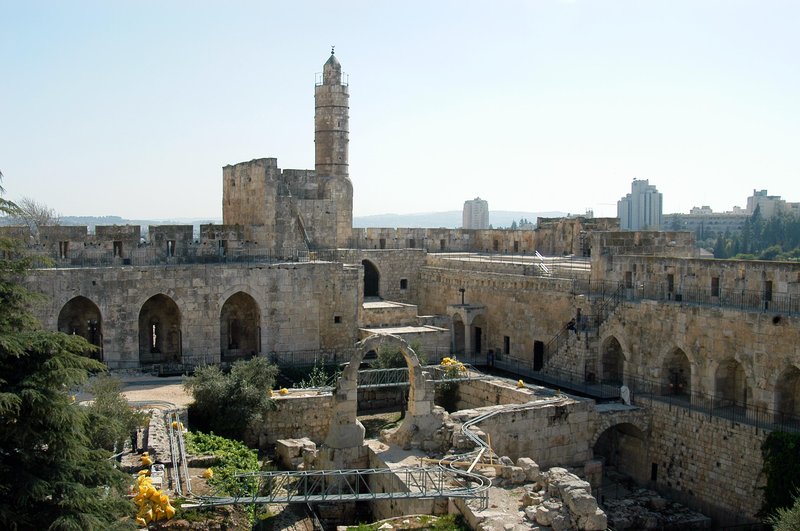
A medieval citadel beside Jaffa Gate, rebuilt by Ottoman sultans over Herodian and Crusader foundations, now a museum tracing 3,000 years of the city's history with a climb to the ramparts for a 360° view.
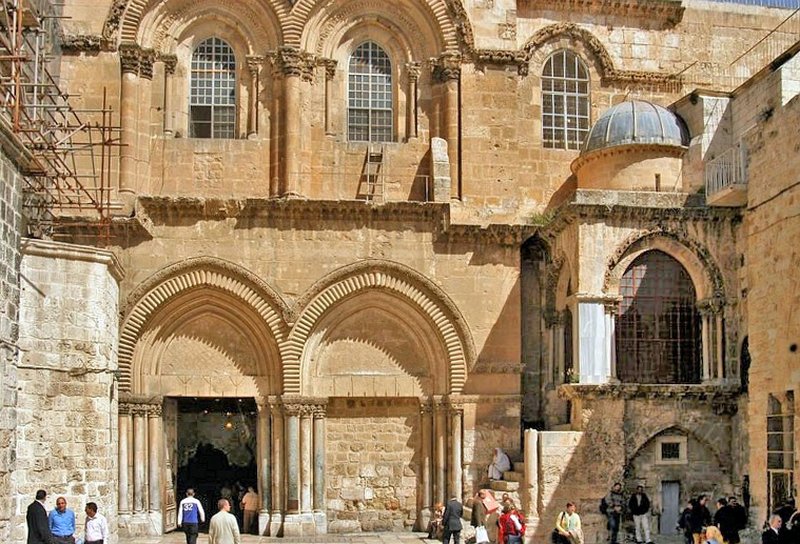
The traditional site of Christ's crucifixion and burial, shared by six Christian denominations under one Byzantine-era rotunda since the 4th century — Emperor Constantine first built a church here in 335 CE.
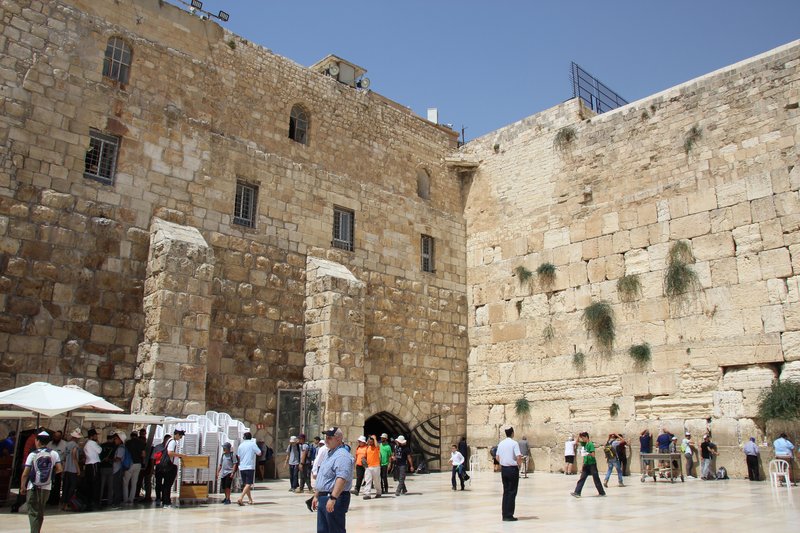
Judaism's holiest accessible prayer site, the retaining wall of the Second Temple's platform, open to visitors of every faith around the clock, with separate sections for men's and women's prayer.
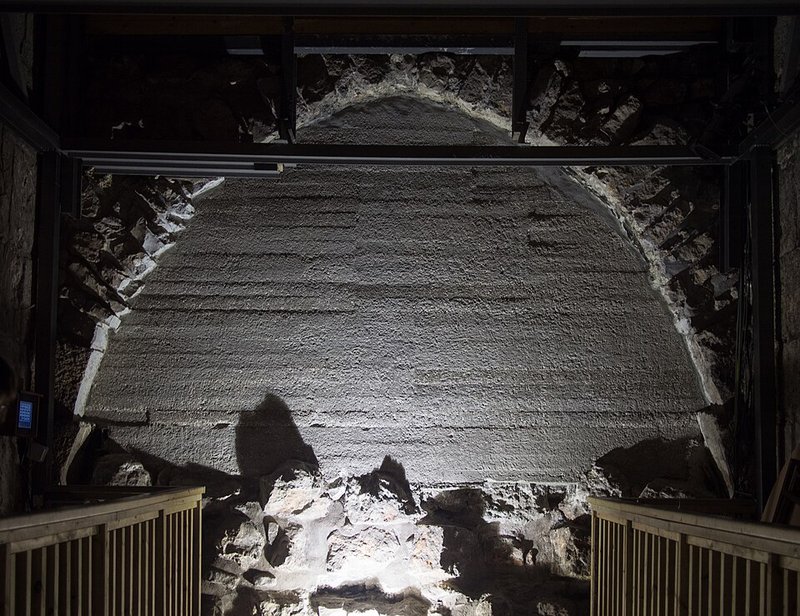
A guided walk along the Wall's full original length, hidden beneath the Old City's Muslim Quarter since Herod's expansion of the Temple Mount two thousand years ago.
From Hotel: 35 min · 12 min → Mount of Olives Observation Point
1.Mount of Olives Observation Point~30 min
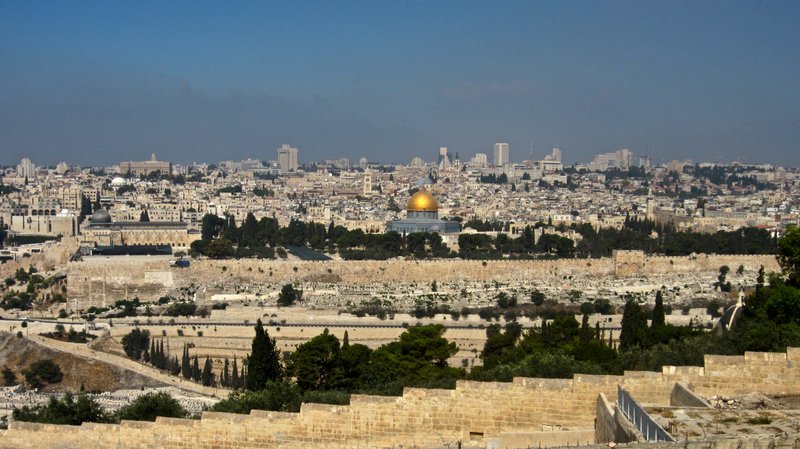
The classic panorama over the Old City's walls, domes and the Temple Mount, framed by the ancient Jewish cemetery covering the hillside below — one of the oldest and most continuously used cemeteries in the world.
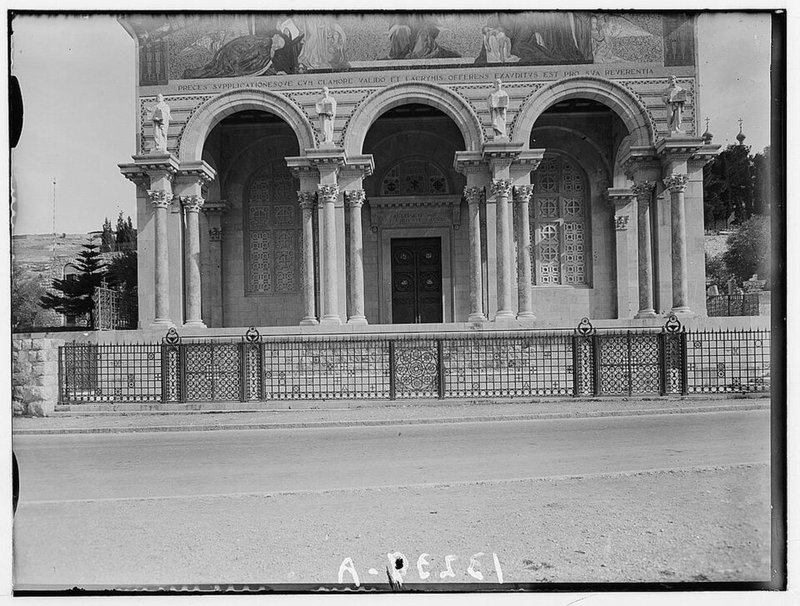
A domed basilica beside the ancient olive grove of the Garden of Gethsemane, funded by donations from a dozen countries around the traditional rock of Jesus's night of prayer.
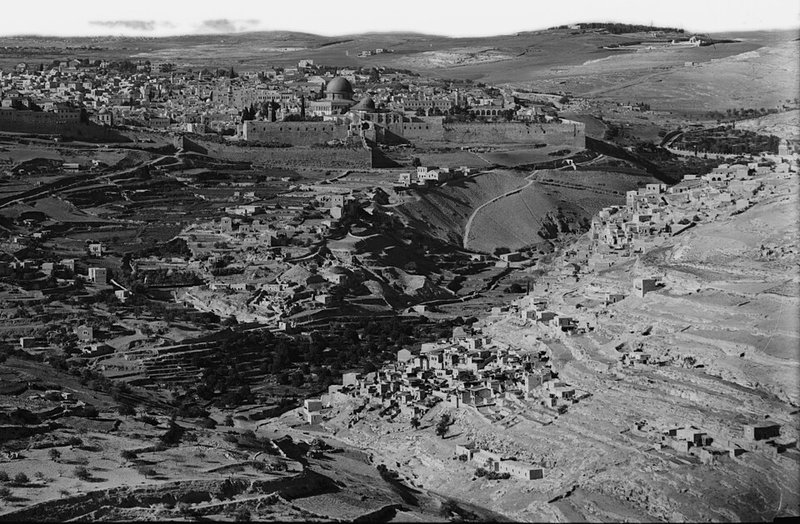
The archaeological site of Jerusalem's original settlement, where ongoing excavations uncover the biblical-era city beneath modern Silwan, ending in a wade through Hezekiah's Tunnel.
A revered pilgrimage site on Mount Zion marking the traditional burial place of King David, one floor below the Room of the Last Supper, drawing Jewish, Christian and Muslim visitors alike.
Israel's national museum, home to the Dead Sea Scrolls in the Shrine of the Book, a large-scale model of Second Temple-era Jerusalem, and major archaeology and art collections.
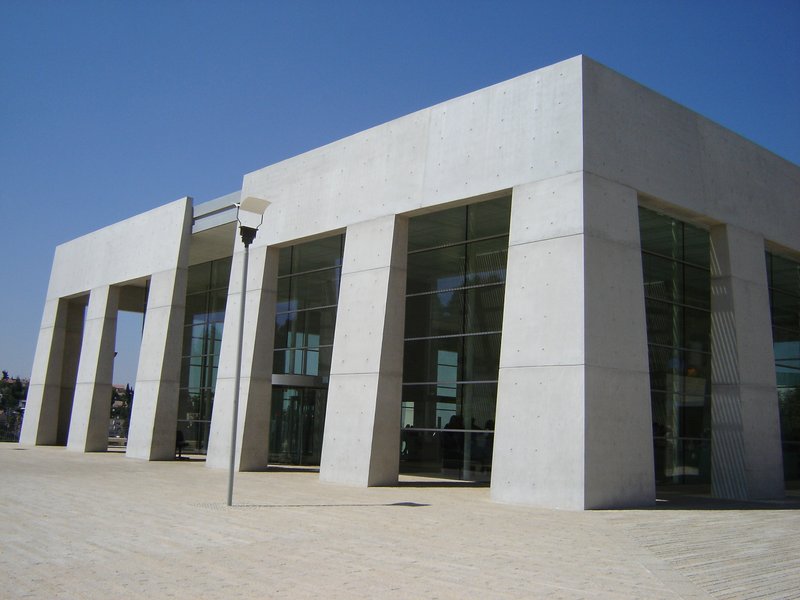
Israel's official memorial to the six million Jews murdered in the Holocaust, anchored by the Holocaust History Museum and the Hall of Names, set on a wooded hilltop known as the Mount of Remembrance.
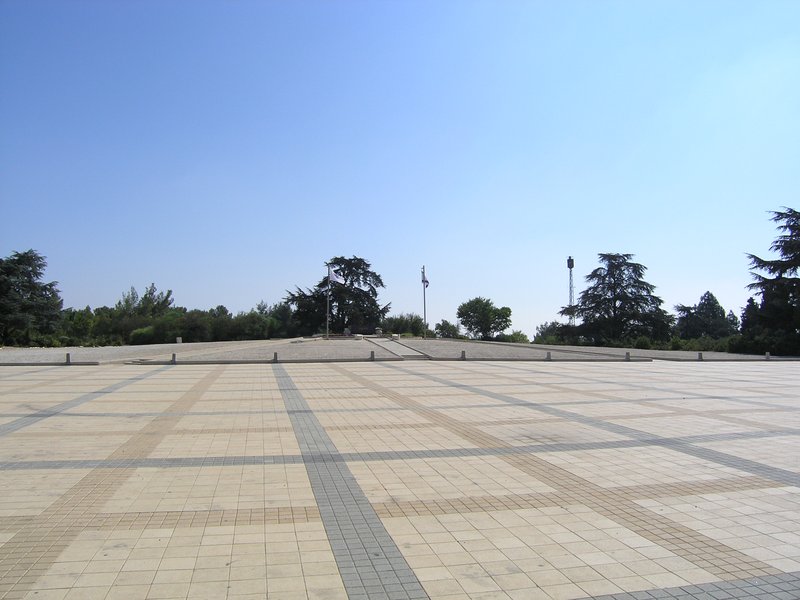
Israel's national cemetery and the burial place of Theodor Herzl, the founder of modern Zionism, set on a pine-covered hilltop beside a small museum on his life.
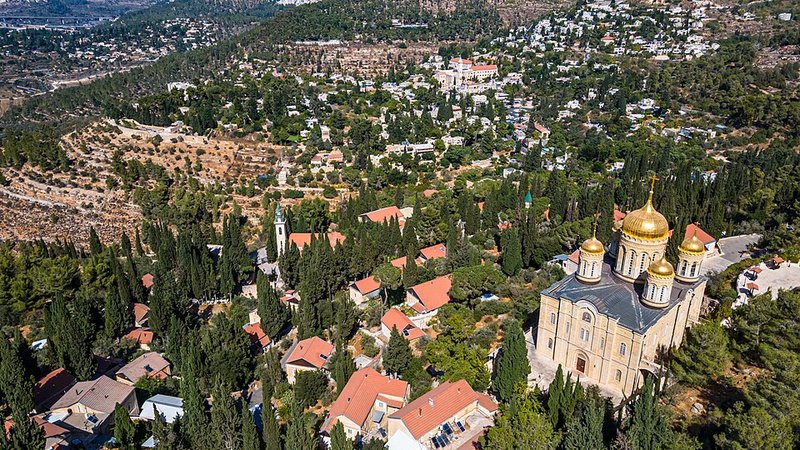
A stone-built former village in a green valley on the city's western edge, its lanes of galleries and cafés built around the traditional birthplace of John the Baptist.
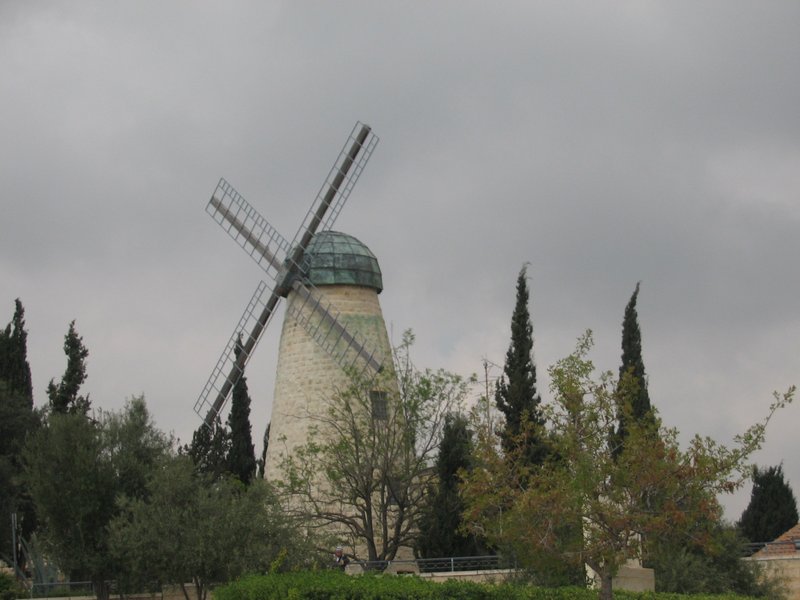
A restored 1857 tower mill on the ridge above Mishkenot Sha'ananim, funded from American banker Judah Touro's estate at Sir Moses Montefiore's direction — Jerusalem's first Jewish neighborhood outside the Old City walls grew up around it three years later.
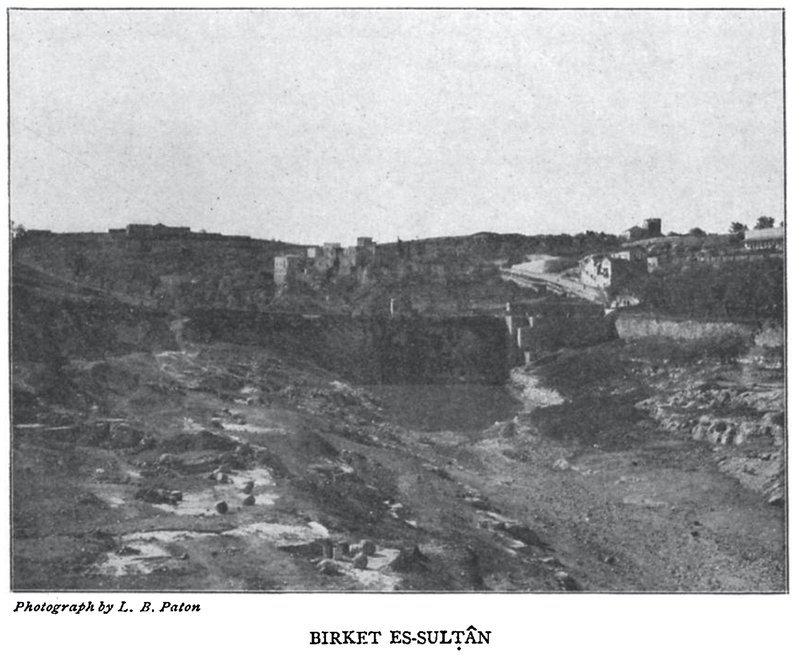
A vast dry reservoir in the Valley of Hinnom below the Old City walls, enlarged by Suleiman the Magnificent in the 16th century over Second Temple-era waterworks and now a natural amphitheatre that has hosted Madonna, Bob Dylan and Radiohead.
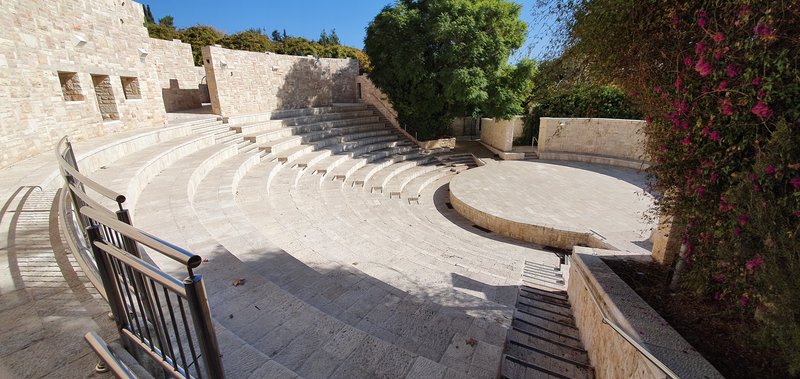
A 9-acre hillside park opened in 1976 for the US Bicentennial around an exact replica of the Liberty Bell donated by the mayor of Philadelphia, its amphitheatre, play sculptures and puppet theatre making it the city's most popular park.
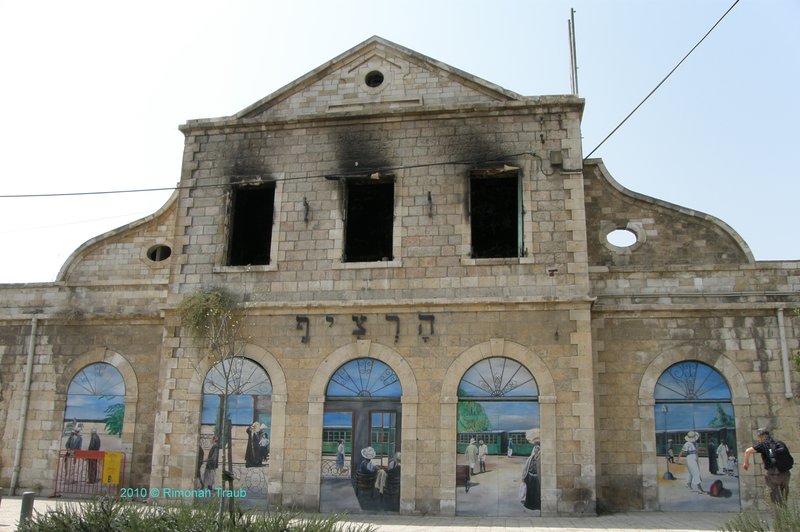
The 1892 Ottoman-era terminus of the Jaffa–Jerusalem railway, the first line built in the region, restored in 2013 into a car-free strip of restaurants, live music and events inside the original stone station building.
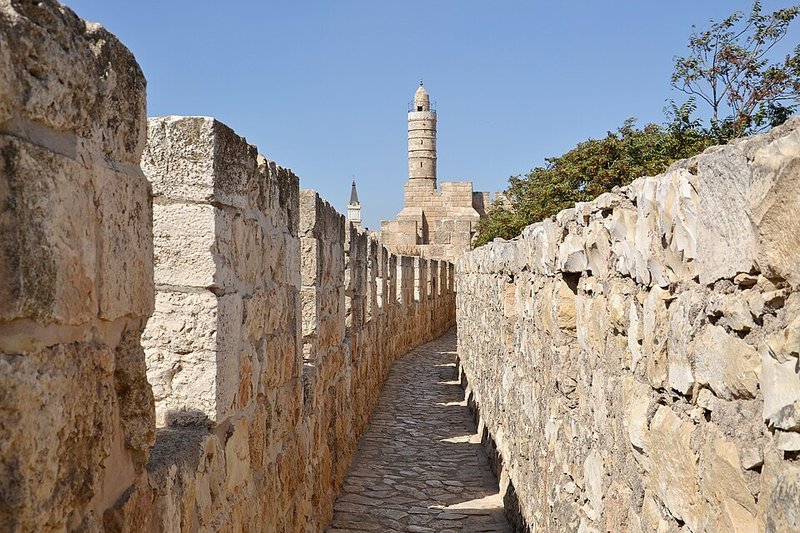
A walkway along the top of Suleiman the Magnificent's 16th-century Old City walls, the northern route climbing from Jaffa Gate past the rooftops of the Christian and Muslim Quarters down to Damascus Gate.
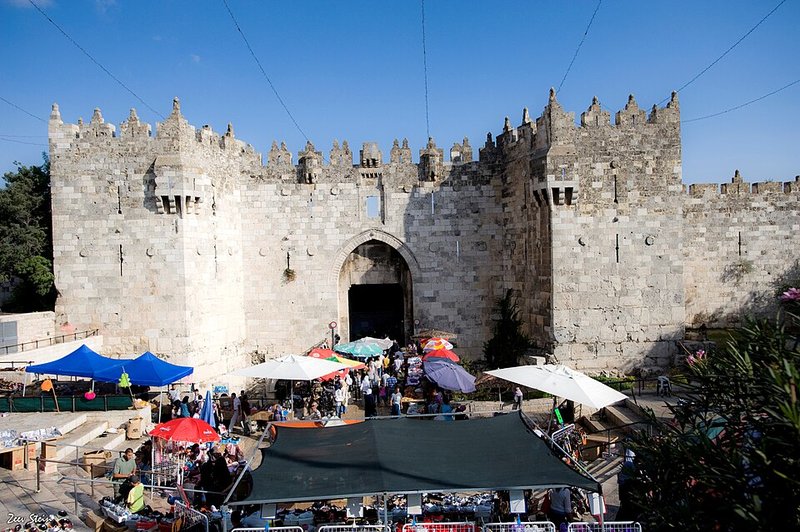
The grandest of the Old City's gates, its twin towers and machicolations rebuilt in 1537 over a Roman triumphal gate raised by Emperor Hadrian — the only gate to keep its Arabic name, Bab al-Amud, since at least the 10th century.
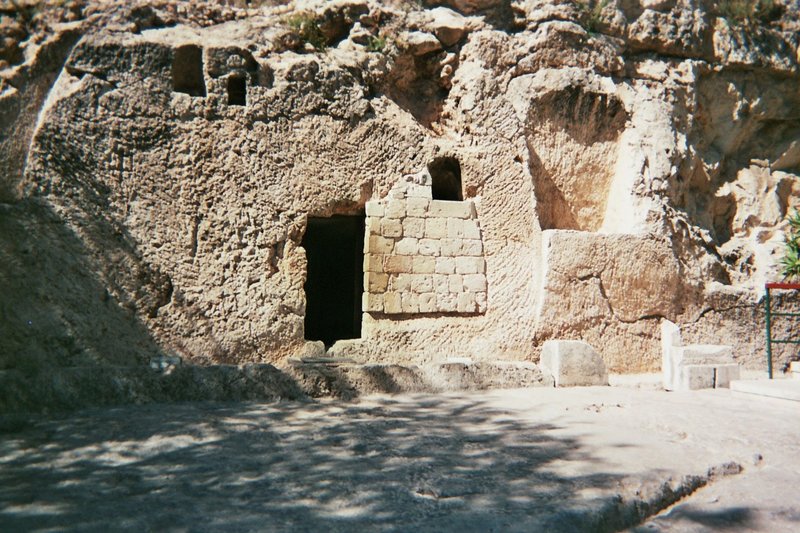
A rock-cut tomb set in a quiet walled garden just north of Damascus Gate, held by many Protestant and Evangelical pilgrims to be the true site of Christ's burial and resurrection, an alternative tradition to the Holy Sepulchre.
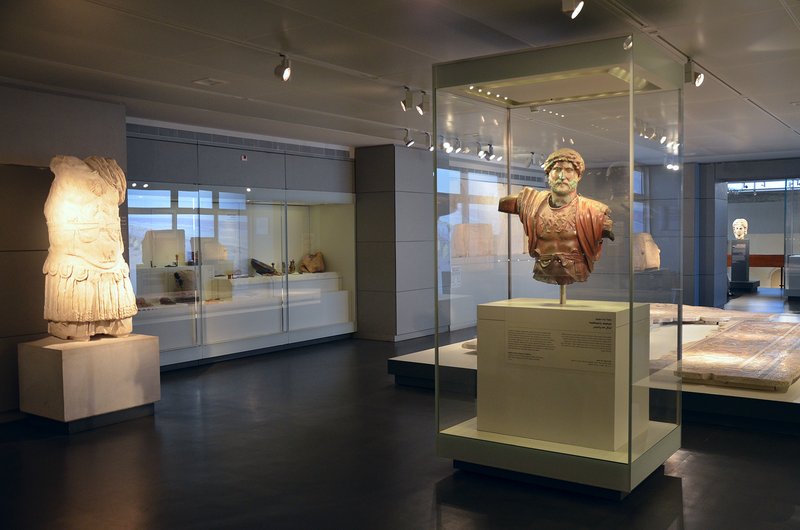
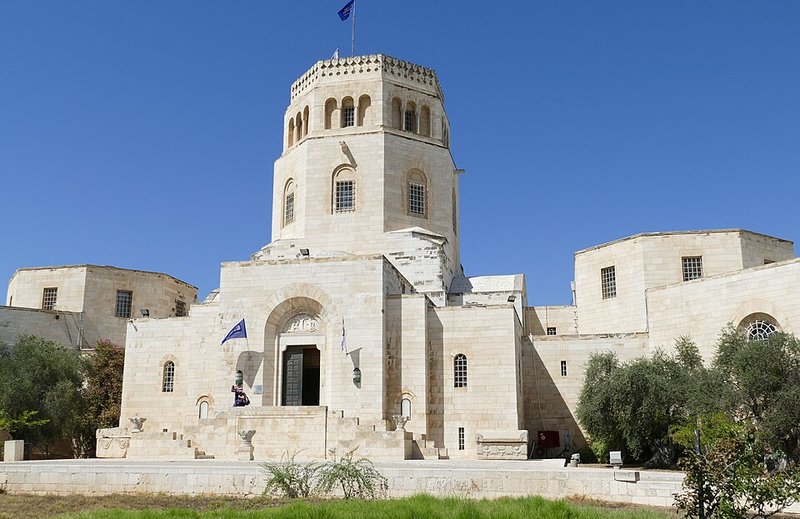
A 1938 archaeology museum funded by a $2 million donation from John D. Rockefeller Jr., its Mandatory-era limestone building holding the Dead Sea Scrolls from their 1947 discovery until 1967 and now the Israel Antiquities Authority's own antiquities collection.
A small-group day tour of the Old City's Four Quarters, the Western Wall and Temple Mount, ranked #1 for Israel on TripAdvisor's Travelers' Choice list.
Foreign number: accepted. — sign-up takes a foreign mobile number and the verification code arrives by SMS from an international sender.
The dominant delivery app in Jerusalem, covering the Mamilla and city-center restaurant scene in full; payment is by foreign Visa or Mastercard with no local ID required, though card-issuer foreign-transaction fees may apply.
Foreign number: not accepted. — sign-up asks for an Israeli Teudat Zehut national ID to link a card, which a foreign visitor does not have.
Israel's other major food-ordering platform, strong on workplace lunch delivery, but its account setup is built around local ID and a local card — tourists consistently report being unable to complete checkout.
A 45-minute outdoor sound-and-light show projected across the citadel walls, retelling Jerusalem's history through 20 projectors in two projection rooms.
Foreign number: not accepted. — registration requires an Israeli mobile number for SMS verification; a foreign SIM does not receive the code.
Israel's most widely used taxi-hailing app, with strong Jerusalem coverage and English-language support; visitors typically register once they have a local eSIM or SIM active.
Foreign number: accepted. — sign-up takes an international mobile number and the SMS verification code arrives from a foreign-reachable sender.
A licensed-taxi-hailing app with growing coverage in Jerusalem; shows an upfront fixed price before booking and accepts cash as well as card, though its driver density is thinner than Gett's outside the city center.
Israel's coastal commercial capital, a direct 30 - 40 minute train — beaches, the White City's Bauhaus architecture, and the Carmel Market, a full contrast to Jerusalem's historic core.
A port city built up Mount Carmel, best known for the golden-domed Baháʼí Gardens terracing down to the harbor; reached via a change of train at Tel Aviv onto the coastal line north.
A UNESCO-listed Ottoman and Crusader walled port town north of Haifa, its underground Crusader halls and covered market reached by continuing north on the coastal line past Haifa.
A city where the same building serves more than one faith
Mount Zion holds the clearest example: David's Tomb, the Room of the Last Supper and Dormition Abbey sit stacked in and around one small complex, sacred to Judaism, Christianity and, historically, Islam at once. The Church of the Holy Sepulchre is shared among six Christian denominations under one roof, each holding a fixed portion of the building down to the minute of who may clean which step — a 19th-century arrangement called the Status Quo that still governs the church today.
Most ticketed national sites and government offices close on Saturday for Shabbat, and many shift to shortened Friday hours from early afternoon — this affects Yad Vashem, City of David, Mount Herzl and the Chagall Windows at Hadassah, all of which this itinerary places on non-Friday, non-Saturday visiting days by design. The Western Wall and its plaza are the exception and stay open around the clock, busiest and most atmospheric as Shabbat begins on Friday evening.
Modest dress — shoulders and knees covered — is expected at the Western Wall, the Church of the Holy Sepulchre, David's Tomb and the Dome of the Rock plaza; men are asked to cover their heads at the Wall and at David's Tomb, and paper kippahs are provided free at both.