TRIP OVERVIEW
Day 1 – Quepos · Manuel Antonio National Park
Day 2 – Isla Damas
Day 3 – Nauyaca Waterfalls
Day 1
1. Quepos~2 hr
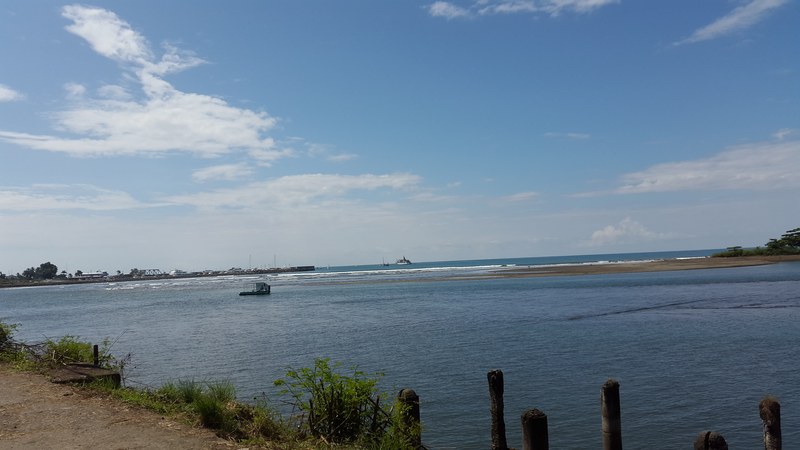
A working fishing town and sportfishing hub on the Pacific coast. Marina Pez Vela occupies the waterfront — 300 slips, open walkways over the water, and unobstructed views of the bay and forested hills. The compact town centre holds a covered market, central park, and the flat grid of Barrio El Carmen.
Open 24/7
2. Manuel Antonio National Park~5 hr
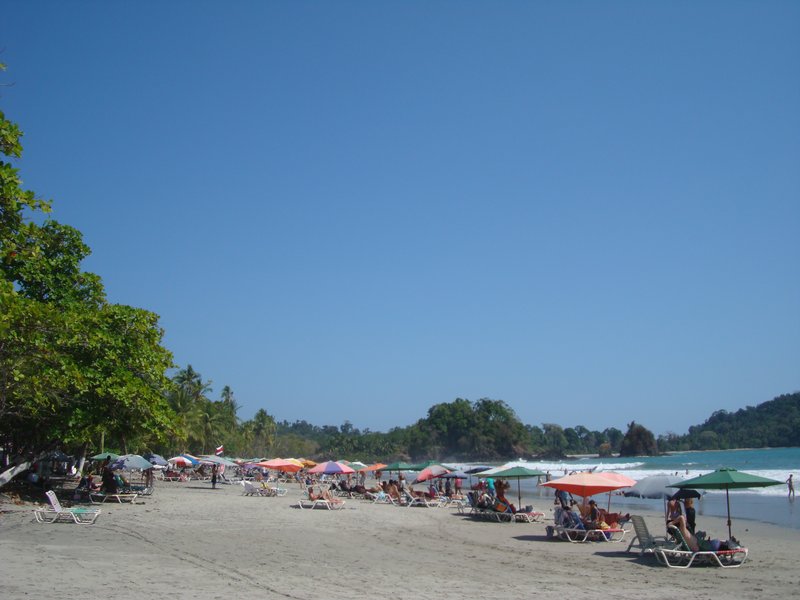
The park protects 1,625 hectares of primary rainforest and four white-sand beaches on the Central Pacific coast. White-faced capuchins, three-toed sloths, squirrel monkeys, and scarlet macaws are spotted at trail level. Playa Manuel Antonio is the main beach — calm water and a tombolo connecting to Punta Catedral.
Wednesday - Monday 7:00am - 4:00pm
Closed Tuesday
Last entry 3:00pm — advance online reservation mandatory; tickets sell out 3 to 4 weeks ahead in peak season
20 min walk
Day 2
1. Isla Damas~5 hr
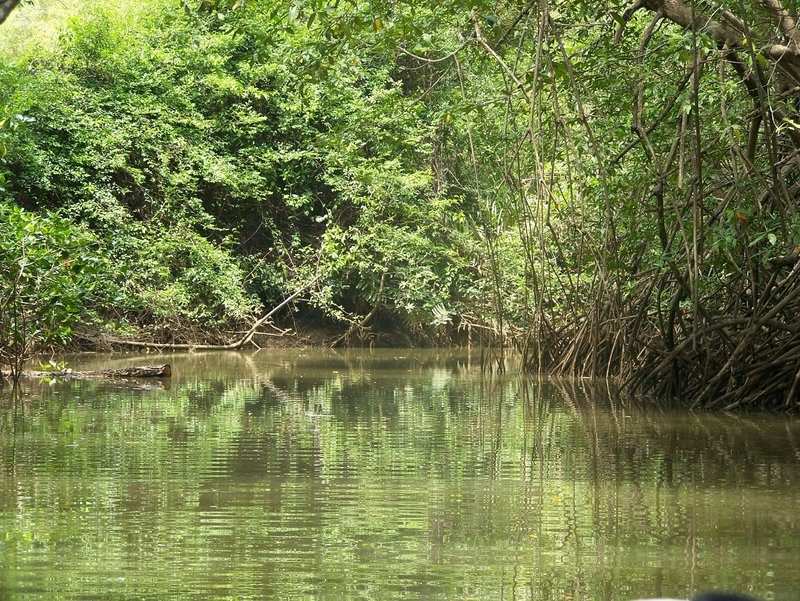
A mangrove island in the Damas Estuary, 6 km north of Quepos. Boat tours navigate narrow tidal channels through 800+ hectares of red mangrove forest where crocodiles bask, white-faced monkeys move through the canopy, anteaters cling to roots, and kingfishers and herons work the waterline.
Daily 7:00am - 2:00pm
Departures are tide-dependent — confirm exact departure time on booking
Day 3
1. Nauyaca Waterfalls~5 hr
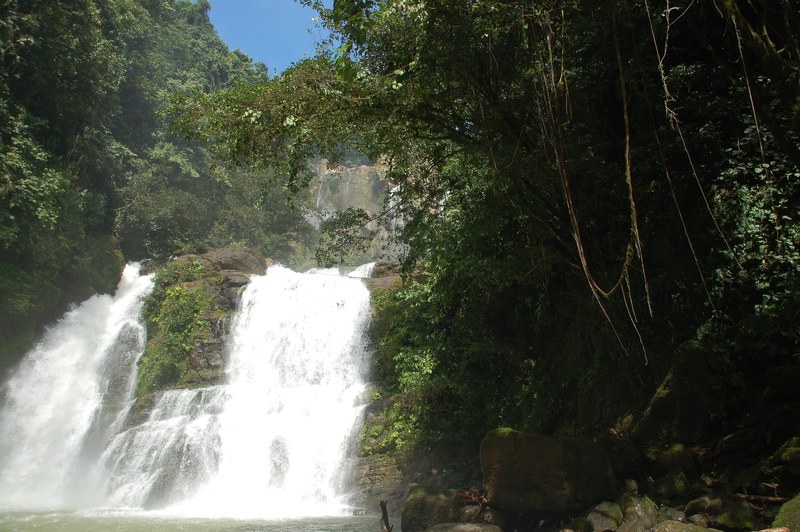
Twin-tiered waterfall on a private reserve inland from Dominical. The upper fall drops 45 metres into a wide pool; the lower fall drops a further 15 metres. A 3.2 km trail from the trailhead crosses secondary forest and cattle pasture. Swimming is permitted in both pools.
Monday - Saturday 7:00am - 2:00pm · Sunday 8:00am - 2:00pm
Cash Only
4WD truck or horseback transfer available from entrance — the access road is unpaved and steep; trail is slippery when wet
45 min walk
20 min uphill
Weekly Closures
National Parks · Closed Tuesday
Nature Reserves · Closed Saturday
Cafés · Closed Wednesday
Tours
Viator
Small-group guided walk through the national park with a trained naturalist. Sloths, monkeys, and scarlet macaws spotted at close range.
4 hr · Max 10
Group guided tour combining wildlife spotting on the forest trail with free time on Playa Manuel Antonio. Park entrance included.
4 hr · Max 12
Naturalist-led park tour with optional ticket add-on for visitors who have not pre-booked via SINAC. Trails through primary forest with guaranteed wildlife sightings.
4 hr · Max 10
Wildlife-focused guided walk through the park forest trails. Ticket option available. Small group for better wildlife sighting opportunities.
3 hr · Max 12
Small-group hiking tour departing from the Quepos area. Naturalist guide, park entry logistics handled. Maximum 8 participants.
4 hr · Max 8
GetYourGuide
1. Manuel Antonio National Park Guided Tour with Entrance Included · GetYourGuide · 4.8 · 914+ reviews
Guided naturalist tour with park entrance included. Primates, sloths, and forest birds spotted along the main coastal trail.
4 hr · Max 8
Guaranteed-entry guided tour — operator handles all park entry logistics. Small group. Wildlife spotting and beach time.
4 hr · Max 10
Ten zip lines and 16 platforms above the rainforest canopy, plus a butterfly garden and crocodile lagoon. Optional 100-ft waterfall rappel. All gear included.
3 hr · Max 12
Ten zip lines above the rainforest canopy in the biological corridor, with a full Costa Rican meal, fruit, and drinks at the end. Round-trip transport included.
4 hr · Max 12
TripAdvisor
Naturalist-guided walk through the national park. Wildlife focus: sloths, monkeys, birds. 97% of reviewers recommend. Small local operator.
4 hr · Max 8
Restaurants Near Hotel
El Patio de Café Milagro · 4.5 · 500+ reviews
Open-air restaurant on the beach road. Latin menu, local coffee, full bar.
Daily 6:30am - 9:30pm
Café Agua Azul · 4.3 · 300+ reviews
Hillside café and bar above the coast road with Pacific views.
Daily 11:00am - 10:00pm
El Avión · 4.3 · 1000+ reviews
Restaurant built around a WWII cargo plane on the hillside with coastal views.
Monday - Sunday 11:00am - 10:00pm
Downtown Restaurants
Emilio's Café · 4.4 · 200+ reviews
Hilltop café with Pacific views. Local coffee, plates, and desserts.
Daily 6:00am - 9:00pm
Soda Sanchez · 4.4 · 300+ reviews
Traditional soda in the Quepos grid. Casados, gallo pinto, and juice.
Daily 6:00am - 8:00pm
The Runaway Grill · 4.1 · 200+ reviews
Casual grill at Marina Pez Vela with marina views. Burgers, ribs, salads.
Daily 11:00am - 10:00pm
Dining Areas
Marina Pez Vela
Local Tastes
Gallo Pinto
Black beans and rice cooked together with Salsa Lizano, served with eggs, natilla, and fried plantains at breakfast. The Costa Rican national dish — every soda in Quepos serves it.
Casado
The standard Costa Rican lunch plate: white rice and black beans side by side, a protein, patacones, and salad. Best value at any local soda.
Ceviche
Raw corvina or mahi-mahi marinated in lime juice with onion, cilantro, and jalapeño, served cold with soda crackers. The Central Pacific coast standard.
Patacones
Twice-fried green plantain rounds, flattened and salted, served as a side or topped with beans, cheese, or guacamole. Ubiquitous across every meal type.
Café de Tarrazú
Highland Arabica from the Tarrazú region south of San José — one of the world's most-exported specialty coffees. Clean, bright, with low bitterness. Café Milagro has been roasting Tarrazú since 1994.
Food Delivery
Uber Eats
Foreign number: accepted — it uses the same Uber account and number as the ride app.
Covers Quepos and the Playa Espadilla strip. Delivery radius is limited; most restaurants inside the national park zone are not on the app. Works best for hotels near Quepos centro.
Getting Around
Uber
Foreign number: accepted. — the SMS code arrives on a roaming foreign number; set the account up before the trip, as some carriers block short-code SMS.
The main option between Quepos and Playa Espadilla. Surges spike at park opening and closing hours; availability drops past 9:00pm in the beach zone.
Hiking
Punta Catedral Loop · Moderate
Causeway loop round the headland with Pacific water on both sides.
1.4 km loop · 80 m ascent
1 hr
Inside the national park — advance SINAC ticket required; closed Tuesday
El Mirador Trail · Moderate
Out-and-back climb to the park's highest lookout over the coast.
2.6 km return · 95 m ascent
1 hr 30 min
Inside the national park — advance SINAC ticket required; closed Tuesday
Worth Knowing
Where the Forest Meets the Water
The park is one of the few places where primary rainforest and white-sand beach share the same footpath. You walk through dense canopy — sloths overhead, capuchins two metres away on a parallel branch — and step out onto Playa Manuel Antonio without the scenery changing register. The transition is so abrupt it feels designed.
Day 2 inverts this: the Damas mangroves are the park's wilder, quieter inverse. No beach, no casual swimmers — just 800 hectares of tidal channels that the forest has grown down into. The boat navigates at a crocodile's pace because that is the only pace the place allows.
Also on this site
Nearby Guides