From Hotel: 10 min → Palacio de la Cultura Rafael Uribe Uribe
1.Palacio de la Cultura Rafael Uribe Uribe~30 min
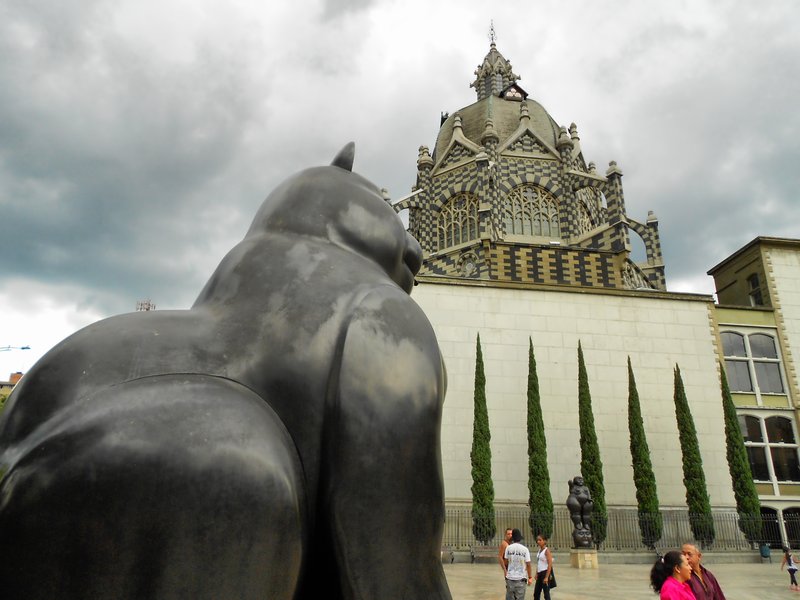
A Flemish Gothic landmark of glazed brick and stained glass, built in the early 20th century as the seat of Antioquia's government and now home to the department's historical archives, galleries and a library.
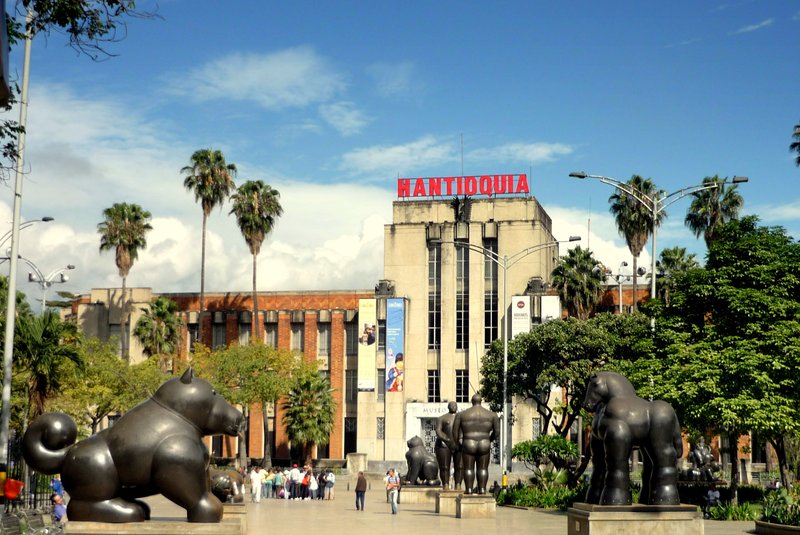
An open-air sculpture garden of 23 bronze Botero works donated by the artist himself, ringed by the city's grandest 19th-century civic buildings and always free to walk through.
Colombia's oldest museum, founded in 1881 and built around the largest public collection of Fernando Botero's paintings and sculptures, alongside pre-Columbian gold work and colonial-era religious art.
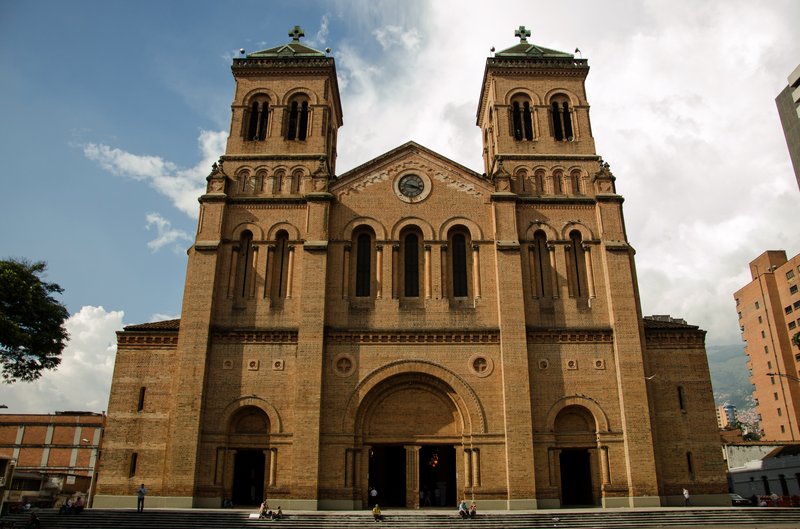
The largest cathedral in the world built entirely of fired brick, a Romanesque basilica on Parque Bolívar designed by a French architect and completed in 1931 after 46 years of construction.
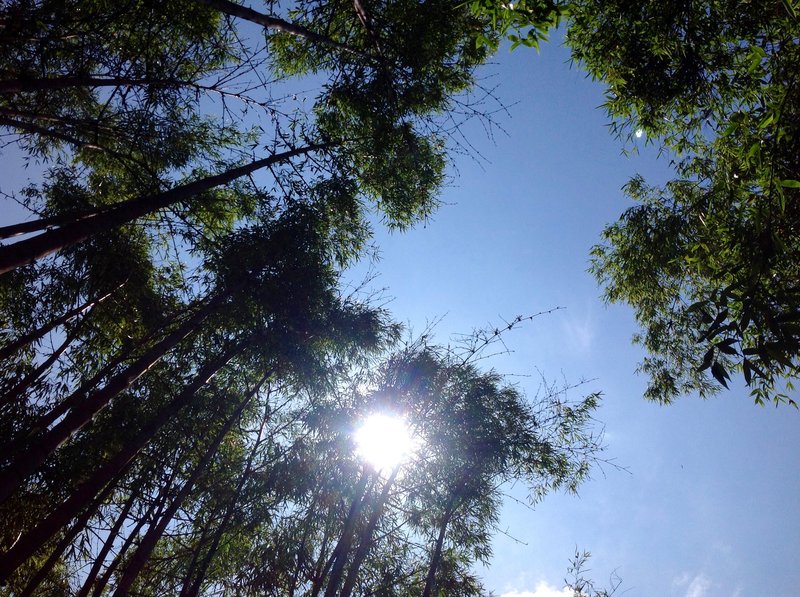
A zen-inspired public park funded by the city's utility company, where visitors are invited to walk barefoot through sand, bamboo groves and shallow fountains beside the Medellín River.
39 min · 7 min → Museo de Arte Moderno de Medellín
2.Museo de Arte Moderno de Medellín~1 hr
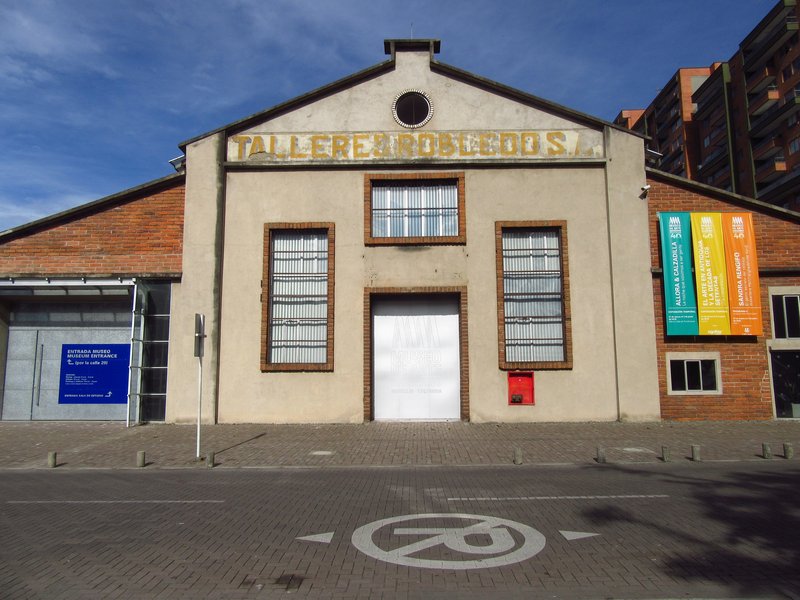
A converted 1930s steel foundry turned contemporary-art museum in the Ciudad del Río district, anchored by the largest public collection of paintings by Medellín-born painter Débora Arango.
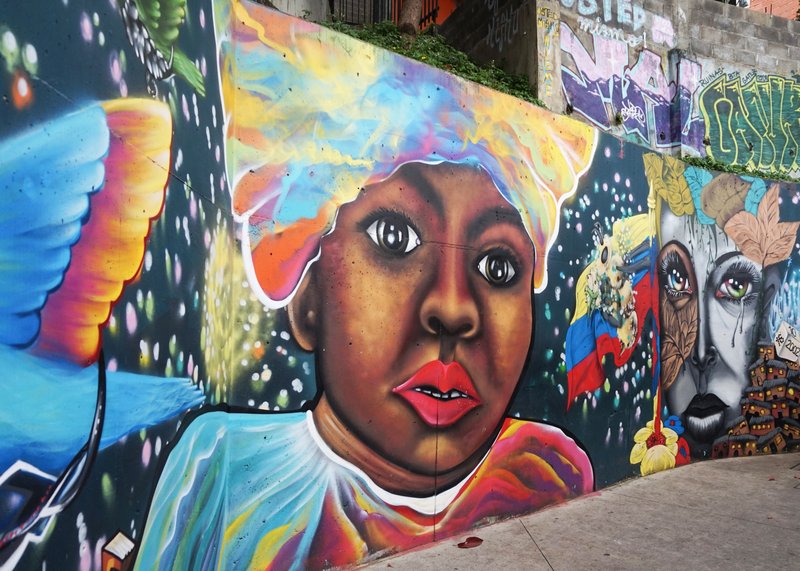
A once-notorious hillside barrio transformed by public outdoor escalators, hip-hop and constantly repainted murals into Medellín's most celebrated open-air street-art gallery and a symbol of the city's turnaround.
A memorial museum built from and for Medellín's decades of armed conflict, telling that history through survivor testimony, multimedia archives, public art installations and a free permanent exhibition.
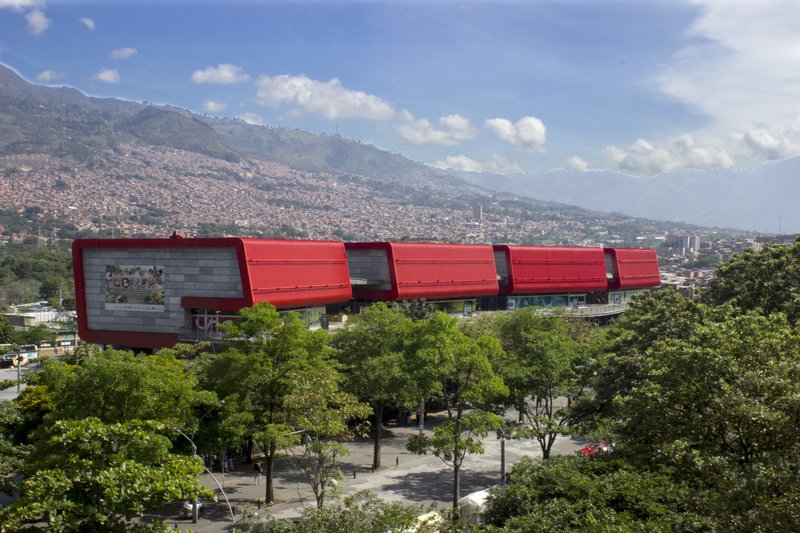
An interactive science museum and freshwater aquarium built around an Amazon-basin theme, with more than 300 hands-on exhibits spread across its four connected pavilions beside the Metro line.
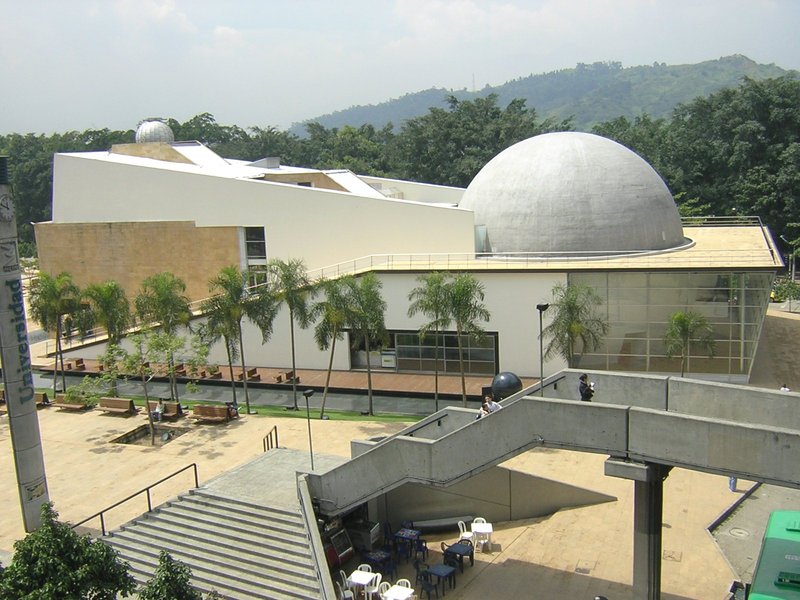
South America's first computer-controlled planetarium, opened in 1984, its dome theater and public observatory a longtime anchor of the city's science culture right next to Parque Explora.
10 min · 3 min → Jardín Botánico Joaquín Antonio Uribe
3.Jardín Botánico Joaquín Antonio Uribe~1 hr
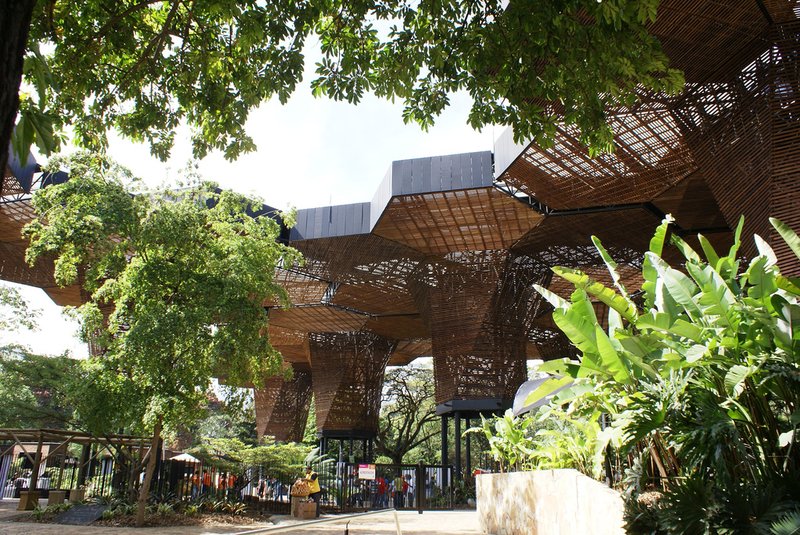
A 14-hectare botanical garden holding 4,500 flowering plants and 139 recorded bird species, centered on the flower-shaped timber canopy of the award-winning Orquideorama pavilion.
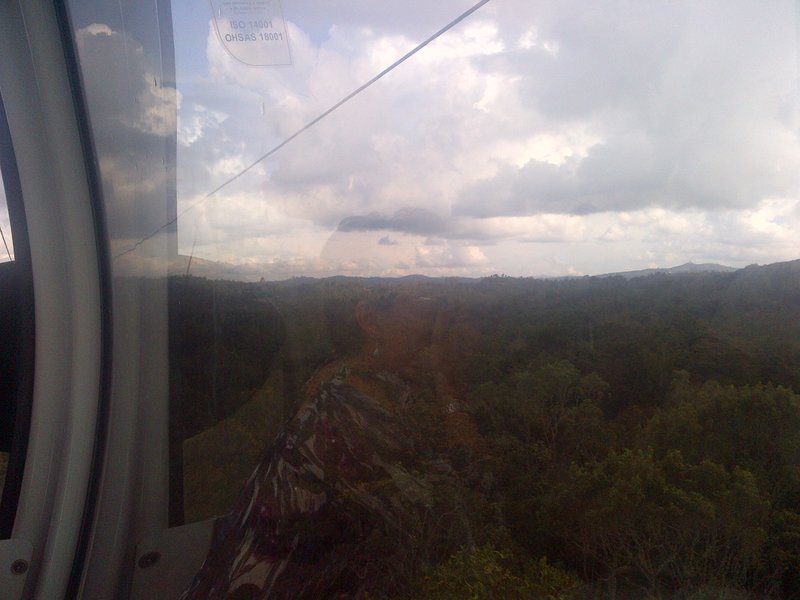
A 16,000-hectare cloud-forest reserve on the eastern rim of the valley, reached by a Metrocable ride over the hillside barrios that is itself one of the best views the city offers.
A 220-million-year-old granite monolith rising sheer from the reservoir, its zigzag staircase built into a fissure in the rock and climbing to a 360-degree view over Guatapé's flooded valley.
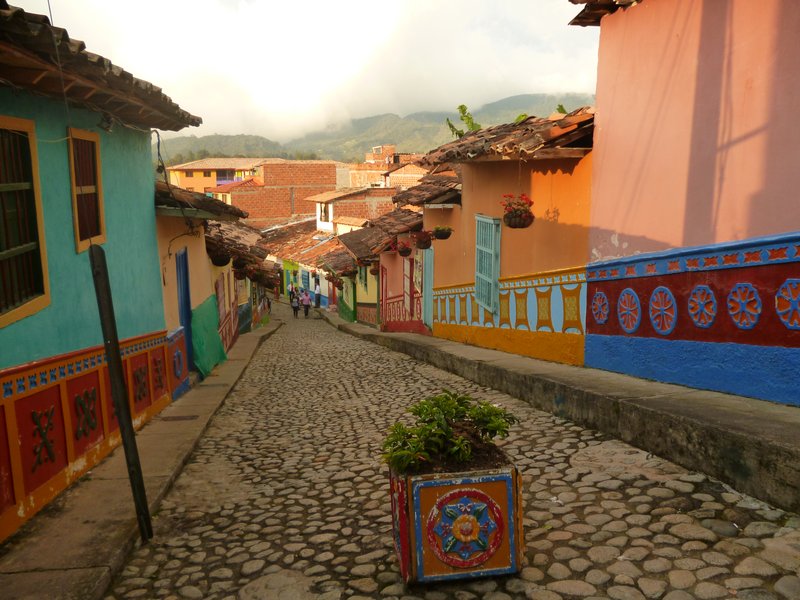
Colombia's most photographed lakeside town, its every wall painted with folk-art zócalo reliefs telling the story of the families who live behind them, ringed by a boardwalk on the reservoir.
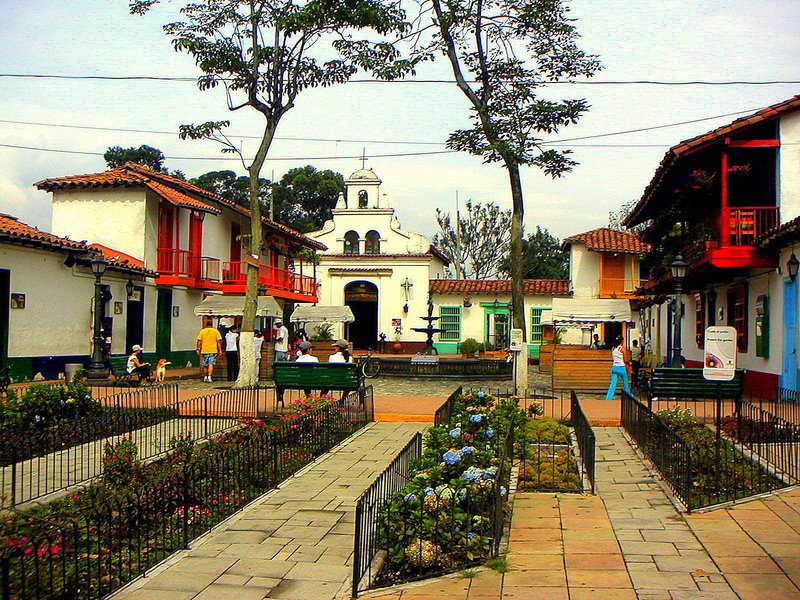
A sculpted hilltop park on one of the city's tutelary hills, crowned by Pueblito Paisa — a full-scale replica Antioquian village — and offering the clearest skyline view anywhere in Medellín.
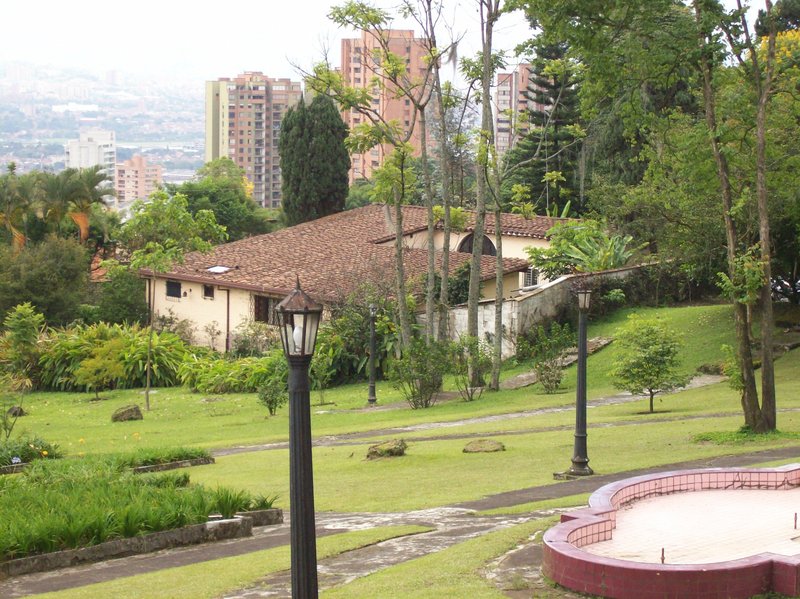
A 1930s Medieval-Gothic mansion modeled on the castles of France's Loire Valley, its rooms and terraced gardens now displaying porcelain, stained glass, antiques and period furniture.
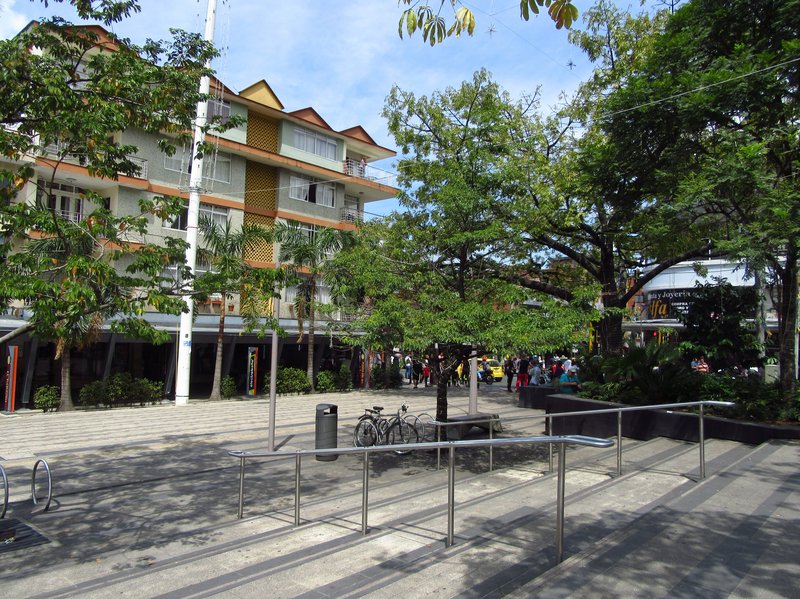
The historic main square of Envigado, a once-separate colonial town absorbed by the city's growth, ringed by cafés, market stalls and the Greek-Revival facade of the Santa Gertrudis church.
The city's largest natural park, an 82-metre tutelary hill holding pre-Columbian burial sites and funerary complexes, topped by a 360-degree view over the whole Aburrá Valley.
Antioquia's signature platter — beans, rice, ground beef, chicharrón, chorizo, fried egg, plantain, avocado and arepa on one plate, built for the region's coffee-farming laborers.
A deep-fried cheese-and-corn-flour ball paired with a cinnamon-spiced corn custard, the classic Colombian December pairing sold from street carts year-round in Medellín.
Foreign number: not accepted. — Rappi's sign-up only issues verification codes to local numbers from its live countries, so a foreign SIM never receives the code.
Colombia's dominant delivery app by far, covering nearly every restaurant in El Poblado and beyond; also handles groceries and pharmacy runs, but new accounts need a Colombian number to register.
Foreign number: accepted — the sign-up form takes a foreign country code and delivers the SMS code over international roaming, though a local SIM is more reliable.
A smaller second option to Rappi with a lighter restaurant list, but useful as a backup when Rappi has no delivery slots at peak hours.
Feria de las Flores — Desfile de Silleteros · August
Medellín's flagship festival — Santa Elena farmers parade 2.4km carrying towering flower-laden silletas, a folk tradition since 1957 and national heritage.
Medellín's Christmas lights, centered on the EPM building by Parque de los Pies Descalzos — a National Geographic top-10 holiday light display worldwide.
Foreign number: accepted — international numbers work at sign-up and international cards are accepted for payment.
Operates in Medellín in a legal gray area — drivers sometimes ask riders to sit in front to avoid attention — but is reliable, cashless and the most familiar option for visitors.
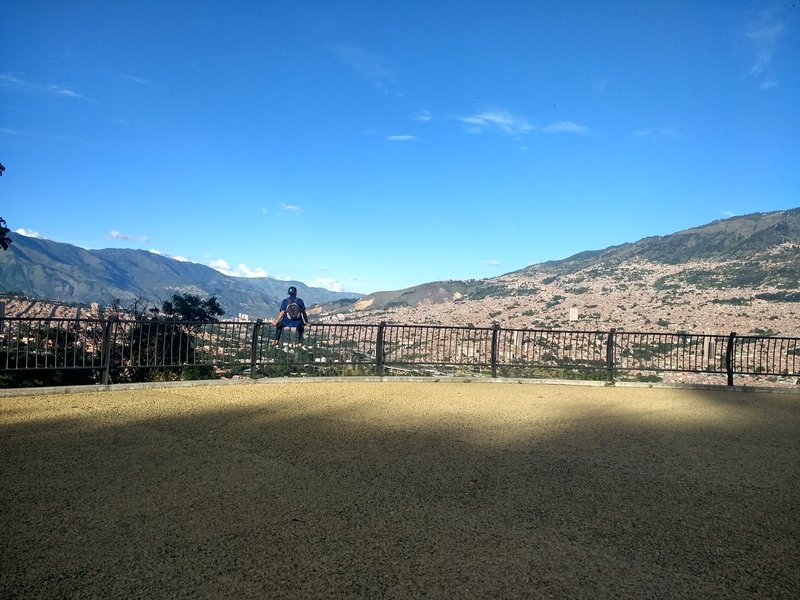
A city that rebuilt itself in one generation, and it shows on every hill
Every cable car in this guide — to Comuna 13's overlooks, to Parque Arví — runs on the same fare card as the Metro below it. Medellín built the system specifically to connect hillside barrios once considered no-go zones into the transit network on equal footing with downtown, and locals treat the ride as ordinary transit, not a tourist gondola. Riding it end to end is one of the cheapest, clearest ways to see how the city's geography and its social history are the same story.
Fruit here is not a novelty stop — it is a real category of local eating. Vendors around Plaza Botero and the Provenza cafés both keep Colombian fruit rarely sold outside the country: lulo, granadilla, mamoncillo, zapote. It is worth trying a few plain before assuming they only work as juice.
Medellín sits at 1,495 meters, which gives it the "eternal spring" climate the tourism board advertises — daytime highs stay in the low-to-mid 20s°C year-round. The trade-off is the afternoon: rain arrives fast and often, especially April to May and October to November, so an afternoon outdoor stop such as Guatapé, the hikes or Parque Arví is safest scheduled for the morning.
Taxis and rideshares in El Poblado routinely ask riders to sit in the front seat rather than the back — a legacy of a period when a passenger in the back of an unmarked car read as a kidnapping risk to police checkpoints. It is a harmless local habit now, not a safety signal either way.