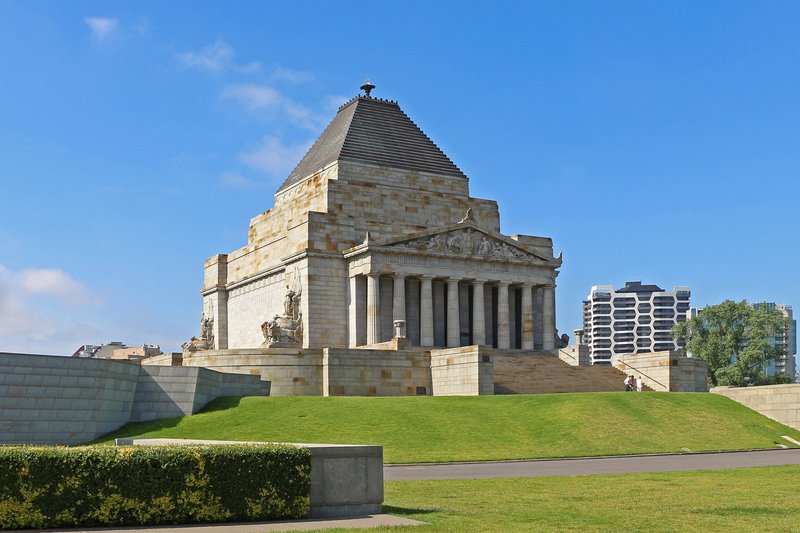
Victoria's principal war memorial, built in 1934. The inner sanctuary holds the Stone of Remembrance; a single ray of sunlight falls through the roof aperture at 11:00am on 11 November — the exact minute of the armistice. The rooftop terrace commands the finest city panorama from the gardens.
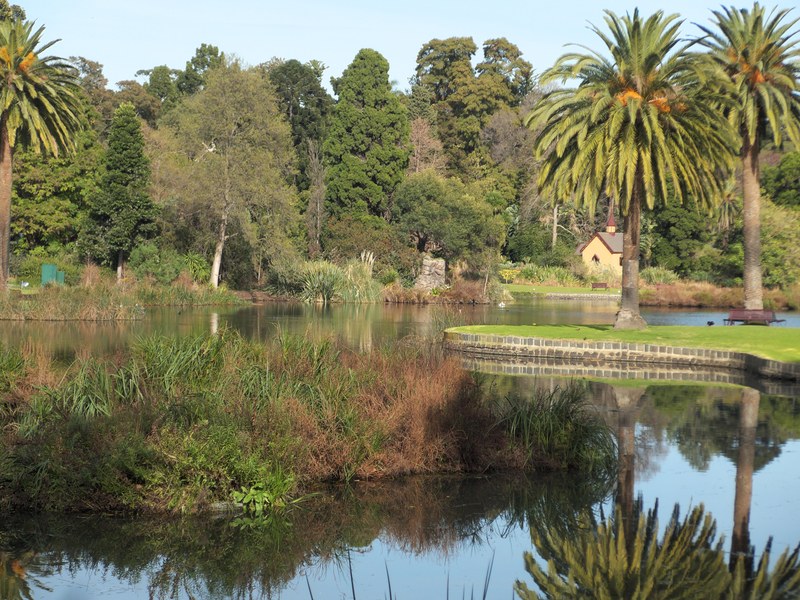
Established in 1846 on the south bank of the Yarra. These 38 hectares hold over 50,000 plant specimens from 10,000 species. Guilfoyle's Volcano — a restored 19th-century ornamental reservoir designed as a garden folly — is the most photographed feature. Free guided walks depart daily at 11:00am.
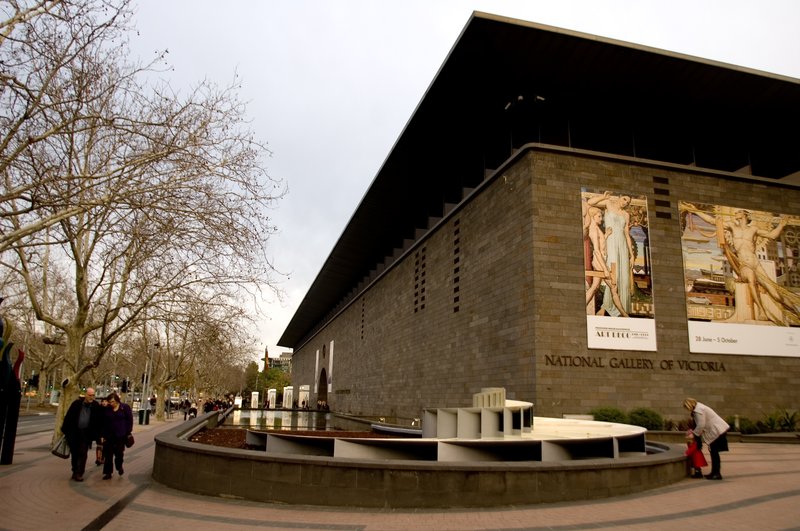
Australia's oldest and most visited art gallery. The Great Hall ceiling by Leonard French — 4,096 hand-cut glass panels forming a luminous canopy — is one of the largest in the world. The permanent collection spans 75,000 works; Rembrandt, Tiepolo, and Monet holdings are the strongest in Australia.
From Hotel: 18 min · 7 min → Royal Exhibition Building
1.Royal Exhibition Building~1 hr
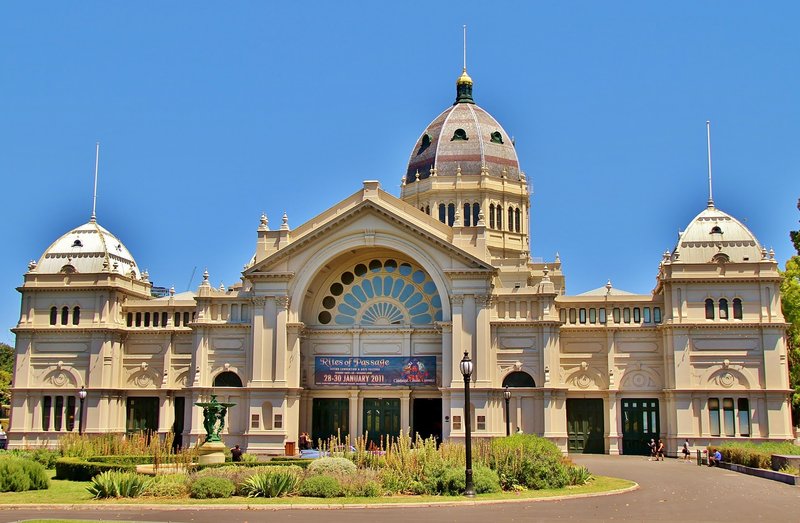
The only surviving purpose-built 19th-century exhibition hall still in active use — Australia's first UNESCO World Heritage Site. Completed in 1880, it hosted the inauguration of Australia's Commonwealth Parliament in 1901. The Great Hall rises 60 metres to the dome; its gardens are free to enter.
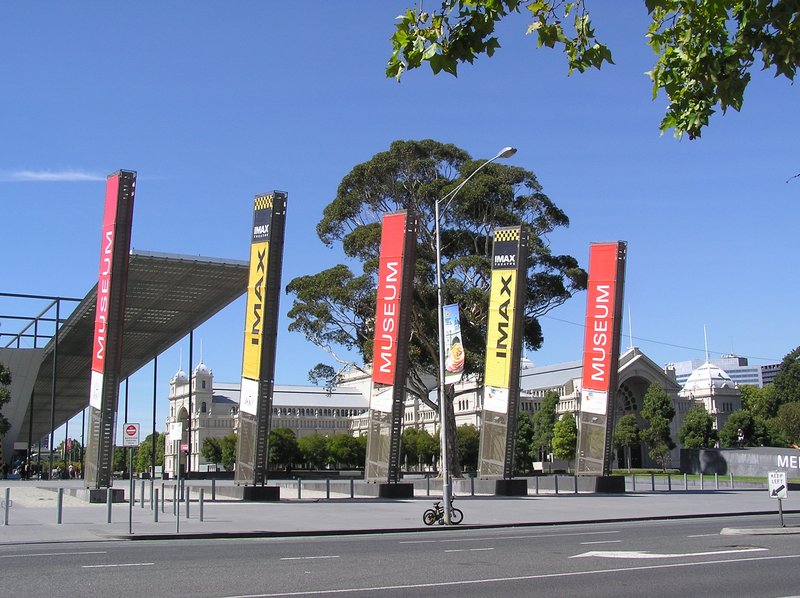
Australia's largest museum, opened in 2000. Six galleries cover human minds, Australian ecosystems, Aboriginal cultural heritage, and Victoria's history. The Forest Gallery — a living rainforest inside a glass enclosure with 8,000 plants and free-roaming birds — is one of the most unusual spaces in any museum.
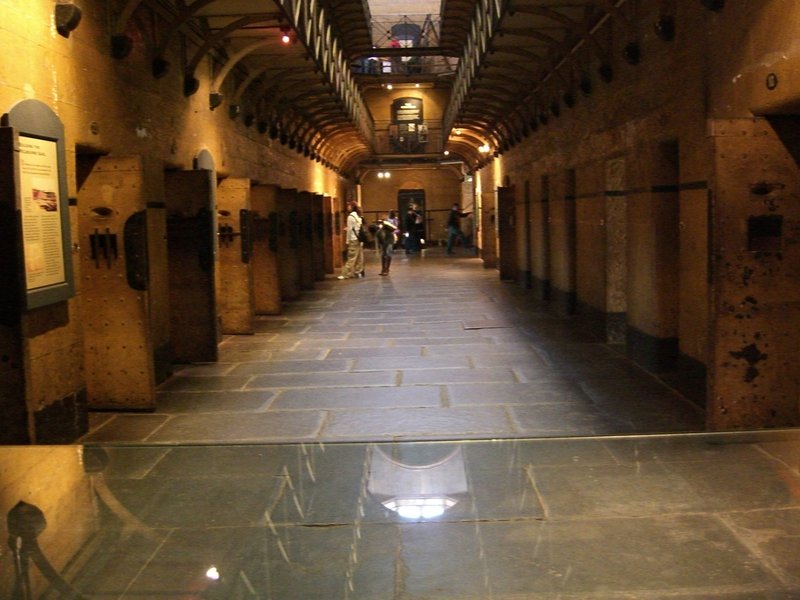
A bluestone prison operating from 1845 to 1924, where 135 people were executed, including bushranger Ned Kelly in 1880. The original cell blocks, gallows, and Kelly's armour are on display. The building is listed on the Victorian Heritage Register.
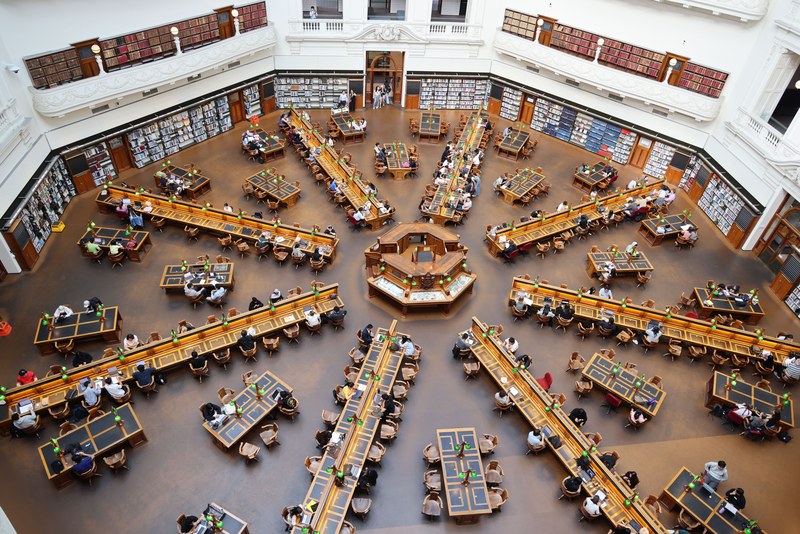
Founded in 1854 and one of the first free public libraries in the world. The La Trobe Reading Room — a five-tier octagonal gallery beneath a 35-metre concrete dome — is the city's most extraordinary interior. The collection includes Ned Kelly's armour and the Burke and Wills expedition diary.
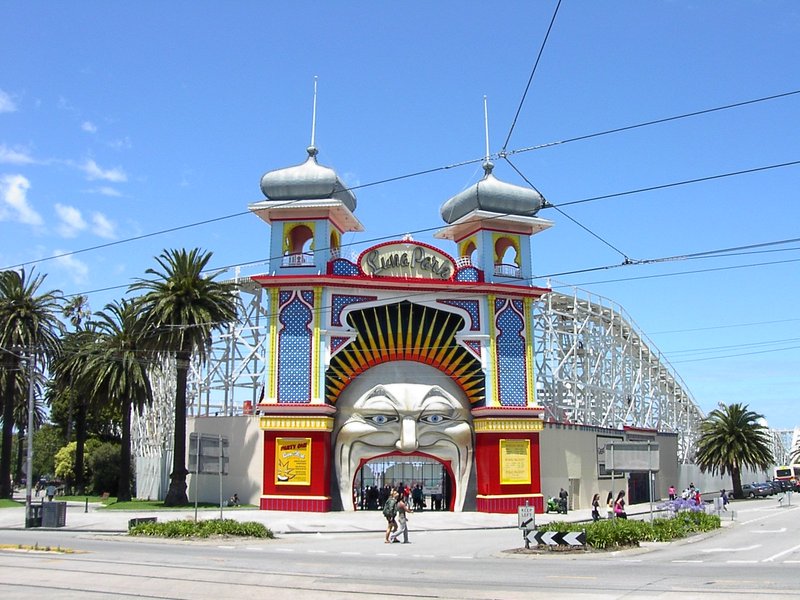
An amusement park on the St Kilda foreshore open since 13 December 1912. The Scenic Railway — a timber roller coaster from 1912 — is the oldest continually operating roller coaster in the world. The park's iconic laughing-face entrance is a registered heritage structure.
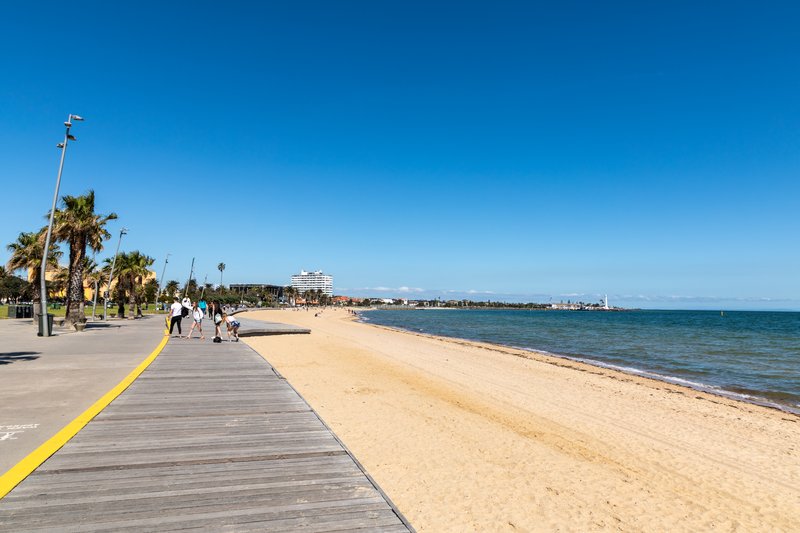
Melbourne's most visited beach, stretching along Port Phillip Bay 6 kilometres south of the CBD. The sandy foreshore has a promenade, a historic kiosk dating from 1931, and views across the bay toward the Mornington Peninsula.
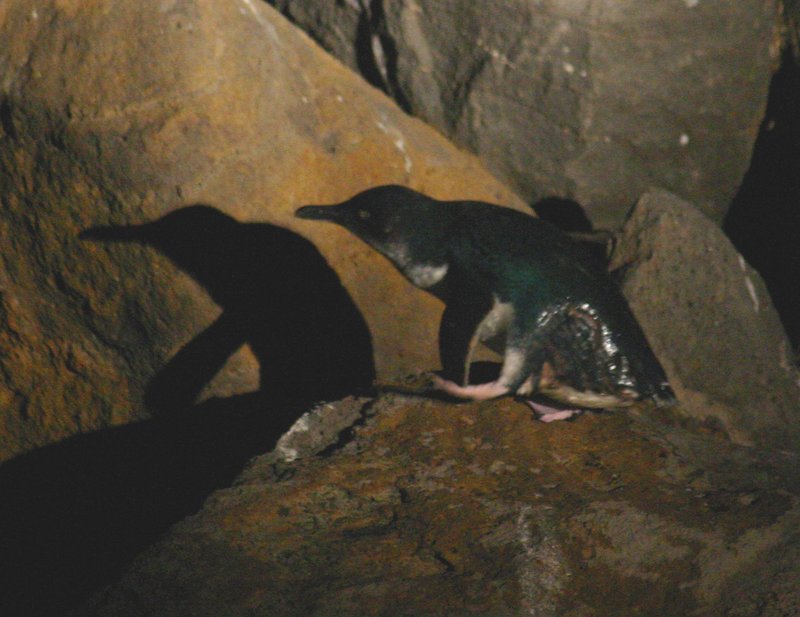
A 150-metre timber pier extending into Port Phillip Bay with a kiosk at its end dating from 1904. The breakwater at the base of the pier is home to around 1,200 Little Penguins — the world's smallest penguin species — which return to their burrows each evening after feeding at sea.
The Little Penguins return to the breakwater at dusk — arrive at sunset for the best sighting. Viewing is free; do not approach or use flash photography.
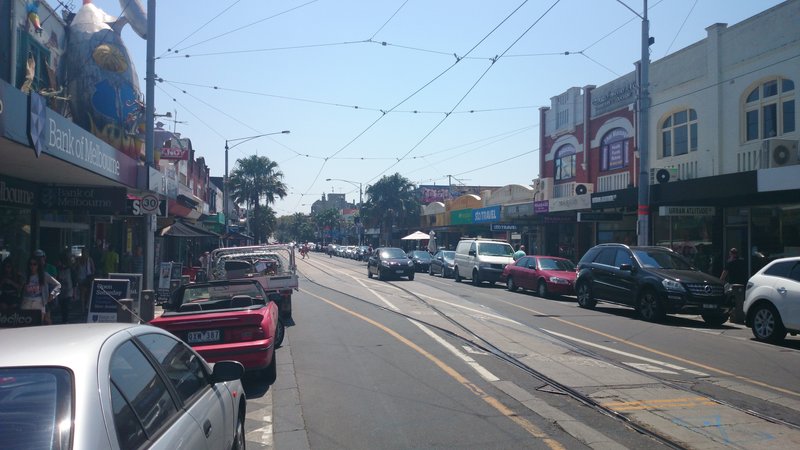
The main commercial strip through St Kilda, associated since the post-war years with Central European Jewish immigrants who established its pastry shops and cake counters. Independent restaurants and cafes now line the full length of the street.
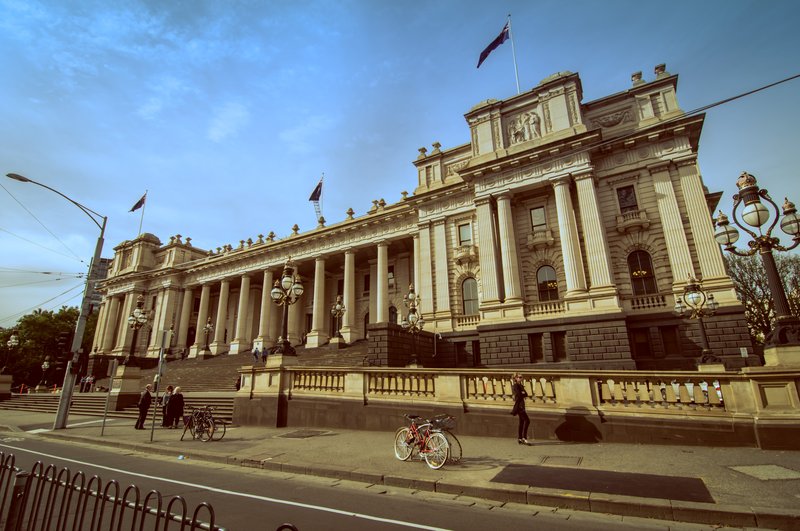
Victoria's Parliament has met here since 1856 — the year the colony introduced the secret ballot to the world. The Neoclassical Corinthian colonnade on Spring Street is one of the city's grandest facades. Free guided tours visit both legislative chambers when Parliament is not sitting.
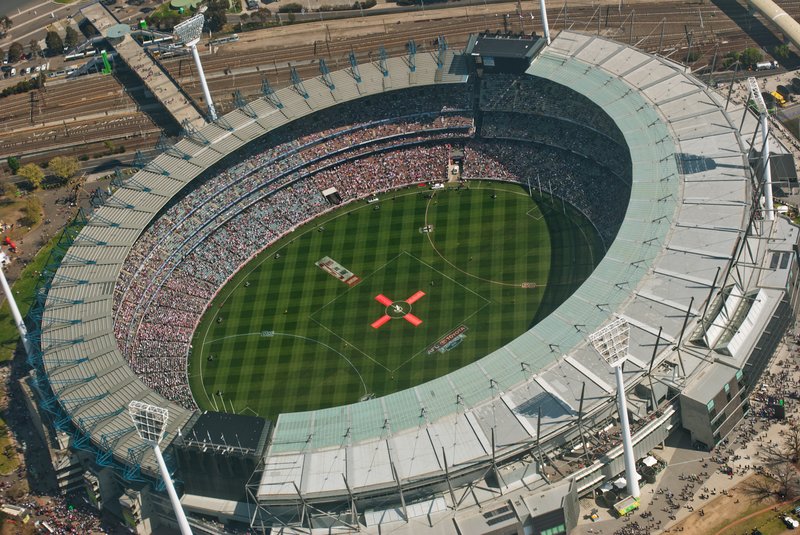
The MCG — capacity 100,024 — is the world's largest cricket ground. The first Test match in cricket history was played here in 1877. The ground hosted two Olympic Games and AFL Grand Finals watched by over 100,000 spectators. The National Sports Museum occupies the Great Southern Stand.
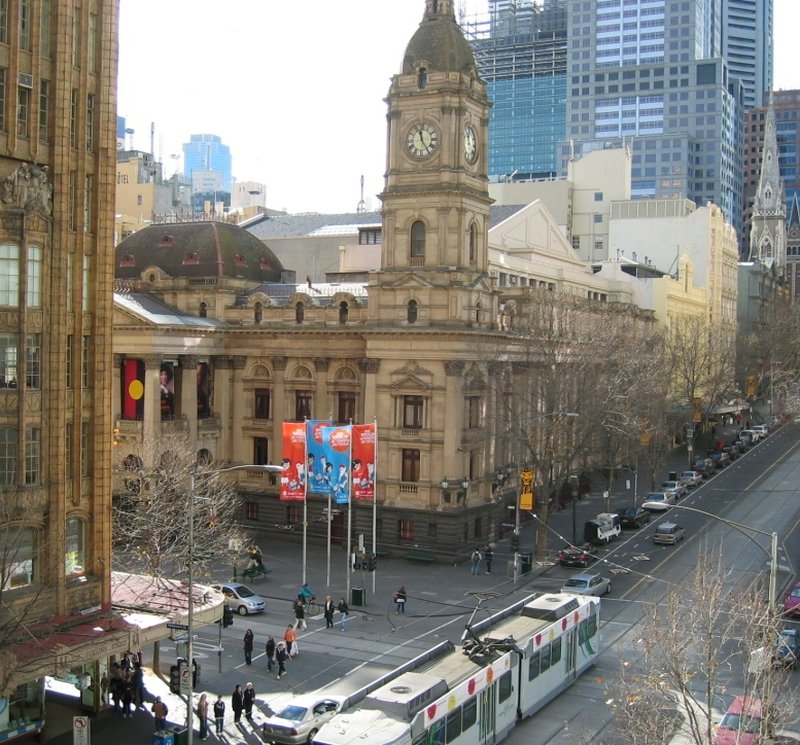
The civic administrative centre of Melbourne, constructed between 1867 and 1870 on the corner of Swanston and Collins Streets. The Classical Revival facade and the Grand Organ — one of the largest in the Southern Hemisphere with 4,452 pipes — are both listed on the Victorian Heritage Register.
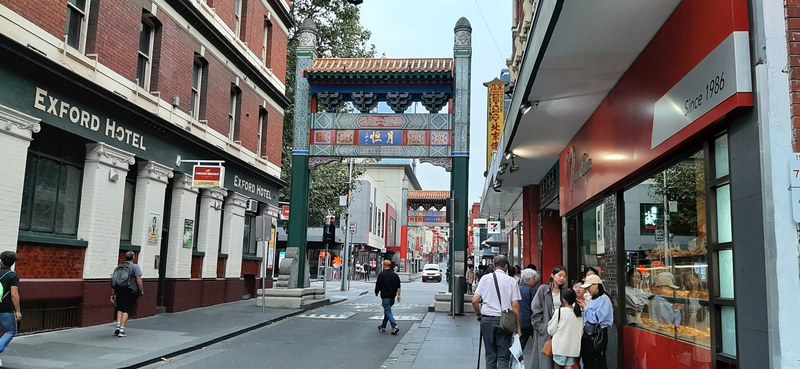
Centred on Little Bourke Street between Exhibition and Swanston Streets, Melbourne's Chinatown is one of the oldest continuous Chinese settlements outside Asia, established during the Gold Rush of the 1850s. The precinct holds 19th-century buildings, restaurants, herbalists, and the Chinese Museum at 22 Cohen Place.
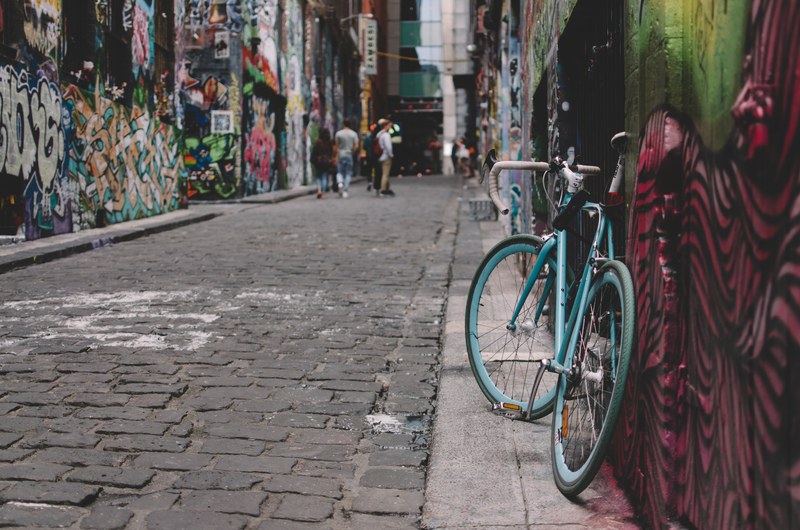
A cobblestone CBD laneway between Flinders Street and Flinders Lane, directly opposite Federation Square. Since the late 1990s it has become Melbourne's most documented street art destination, with murals covering both walls from ground to roofline under a de facto free-to-paint policy.
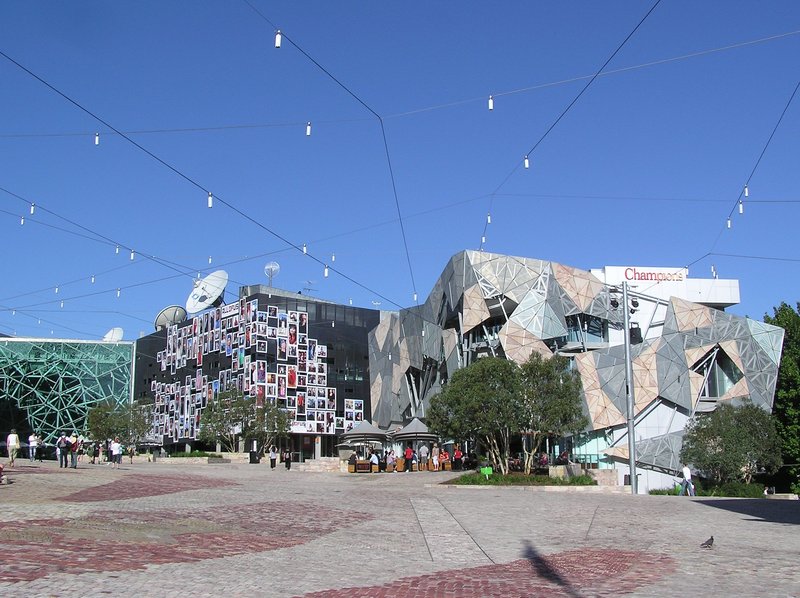
Opened in 2002 on a 3.2-hectare site at the symbolic heart of the city. The angular facade of zinc, sandstone, and glass covers the rail corridor below and frames an open forecourt used for every major public gathering in the city. Houses ACMI and the Ian Potter Centre NGV Australia.
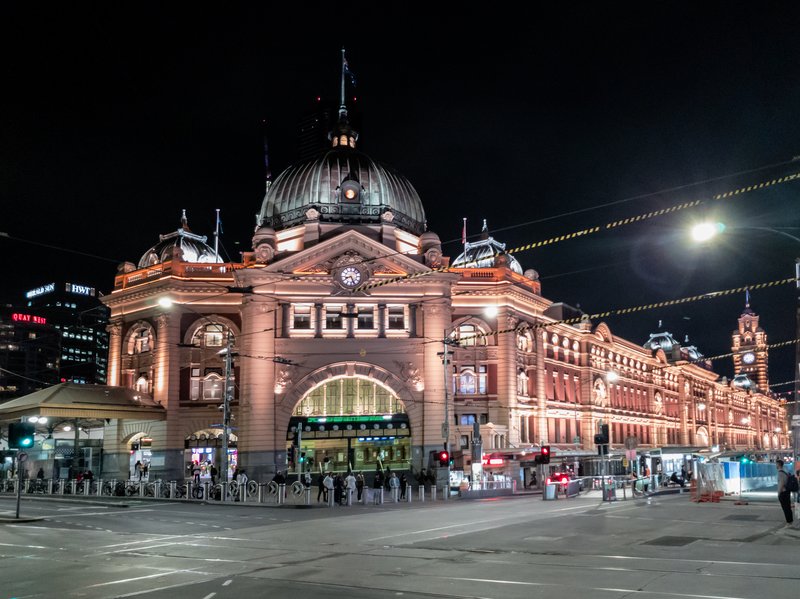
Melbourne's oldest railway station, completed in 1910. The Edwardian Baroque ochre facade and clocks above the entrance — "meeting under the clocks" — have been the city's most iconic rendezvous point for a century. The dome caps the view south from Swanston Street.
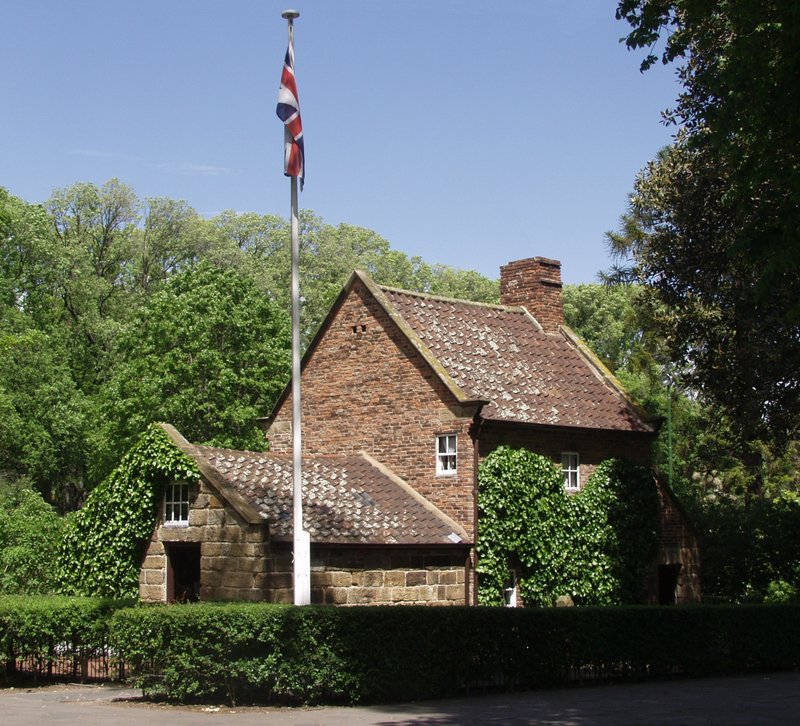
Built in 1755 by James Cook's parents and shipped to Melbourne brick by brick — 253 cases and 40 barrels — and rebuilt in the 26-hectare Fitzroy Gardens for the city's centenary in 1934. The oldest surviving European structure in Australia. The formal elm avenues were laid out in the 1860s.
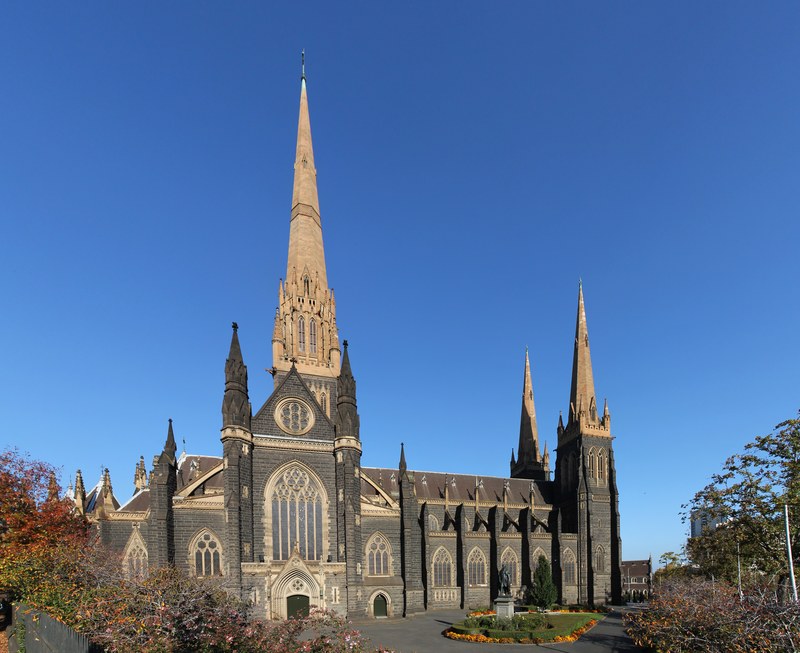
Built in bluestone between 1858 and 1939 to William Wardell's Gothic Revival design. The central spire reaches 105 metres — the tallest Catholic cathedral in Australia. Ranked alongside St Patrick's in New York as one of the two largest churches completed in the world in the 19th century.
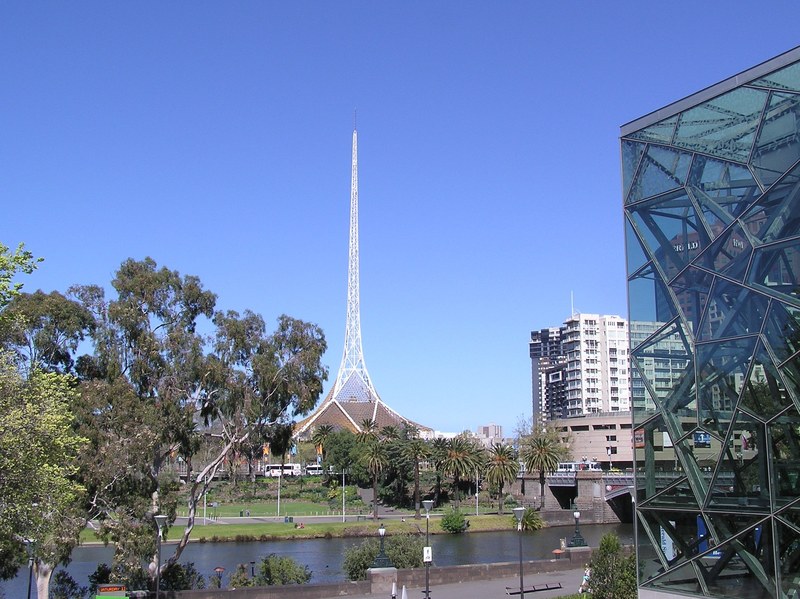
Australia's largest performing arts venue and the most recognisable spire on the Southbank skyline. The 162-metre lattice mast — modelled on a ballerina's tutu — was completed in 1996. It houses Hamer Hall, the State Theatre, Playhouse, and Fairfax Studio; the atrium and riverside promenade are freely accessible.
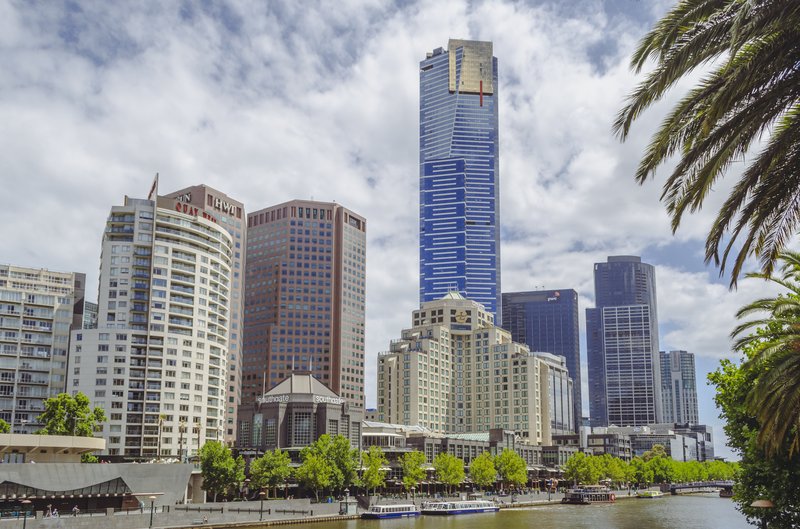
A 297-metre residential tower completed in 2006. Skydeck 88 at 285 metres is the highest public vantage point in a building in the Southern Hemisphere. The Edge — a glass cube projecting 3 metres from the facade — shifts from opaque to transparent as it extends over the city below.
8:30am Southern Cross Station → 9:51am Ballarat Station
9:30am Southern Cross Station → 10:51am Ballarat Station
10:30am Southern Cross Station → 11:51am Ballarat Station
ARRIVE Ballarat Station: 20 min · 6 min → Sovereign Hill
1.Sovereign Hill~2 hr 30 min
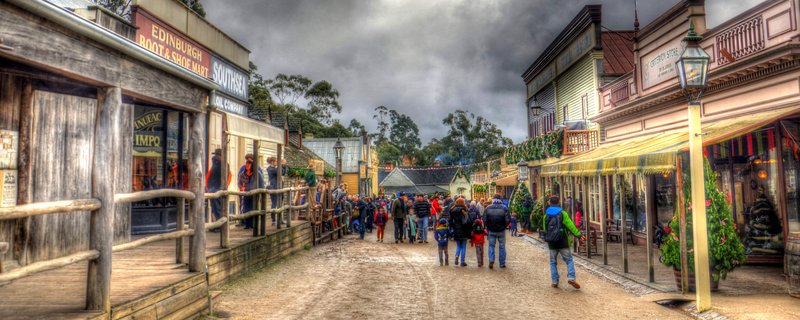
An 1850s gold-rush townscape and working mine across 25 hectares. Visitors pan for gold in period creeks, descend an underground mine shaft, and watch costumed tradespeople in 60 heritage buildings reconstructed from the original goldfields.
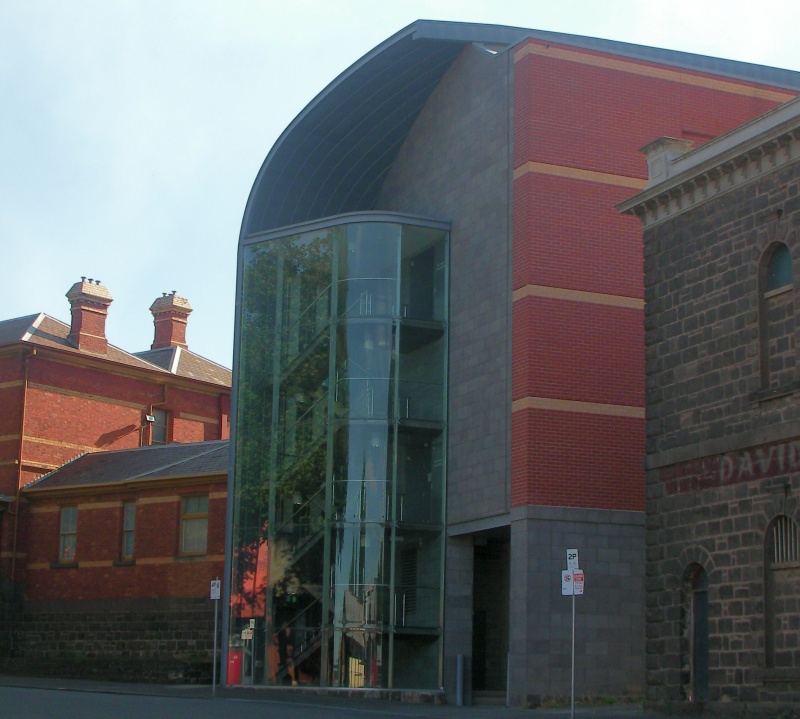
Established in 1884, the oldest regional gallery in Australia. The collection spans 6,000 works with particular strength in 19th-century Australian painting; the Eureka Gallery covers Ballarat's gold rush history through the lens of art. The Brutalist 1971 extension fronts Lydiard Street North.
A 5-kilometre lake in western Ballarat that served as the rowing course for the 1956 Melbourne Olympics. A 6-kilometre promenade encircles the lake and connects the Ballarat Botanical Gardens, the Avenue of Honour, and the Victoria Park foreshore. Black swans are resident year-round.
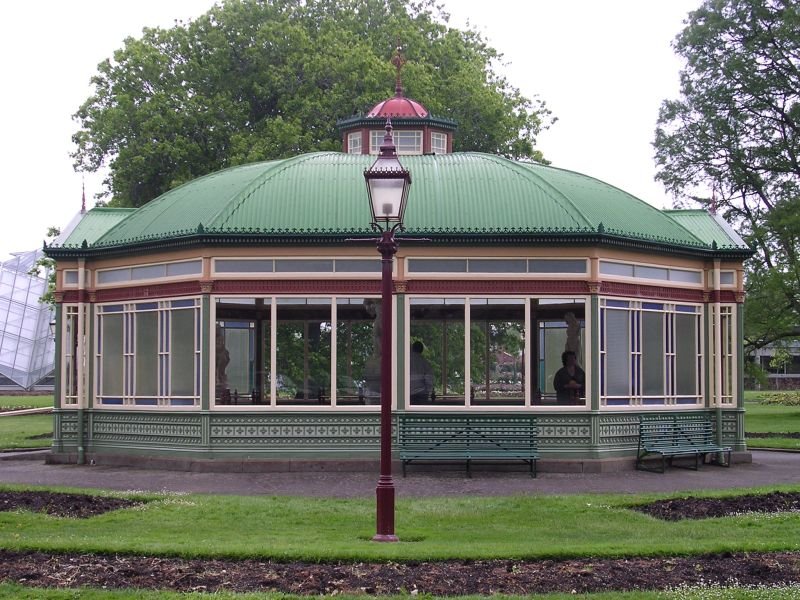
Established in 1858 on the northern shore of Lake Wendouree. The 40-hectare gardens hold a statuary collection spanning marble works acquired during the gold-rush prosperity of the 1860s, a conservatory built in 1887, and avenues of elms and conifers that are among the oldest plantings in regional Victoria.
Melbourne's essential walking tour — CBD grid, Hosier Lane street art, the Gold Rush stories that built the city, and the hidden laneways that define its character, with small-group intimacy throughout.
The world's most scenic coastal road in one full day — limestone arches, koala colonies at Cape Otway, the Twelve Apostles rising from the Southern Ocean, and Loch Ard Gorge in a group of eleven or fewer.
An evening drive to Phillip Island to watch hundreds of Little Penguins — the world's smallest penguin species — emerge from the surf at sunset and waddle home to their burrows, one of Australia's great wildlife experiences.
A vehicle-based city overview covering the MCG, Fitzroy Gardens, St Patrick's Cathedral, the Shrine of Remembrance, and Melbourne's famous laneways — a solid orientation for first-time visitors.
The Great Ocean Road reverse — visiting the Twelve Apostles first, before the tourist buses arrive, then heading east back along the coast as the light improves throughout the day.
Two hours through Melbourne's iconic sites with a local guide — Federation Square, Hosier Lane, Chinatown, Old Melbourne Gaol, and the laneways that make the city unlike anywhere else in Australia.
Walk the CBD's most celebrated laneways — Hosier Lane, ACDC Lane, Union Lane — with an artist active in the scene, who explains who made each piece, why the city supports it, and how Melbourne's laneway culture grew from a bylaw overlooked to a global destination.
The most popular single-day tour: the Great Ocean Road's cliff roads, Twelve Apostles limestone stacks, koalas at Cape Otway, and rainforest walks in the Otway Ranges in a small minibus with a highly rated guide.
A small-group day on the Mornington Peninsula — panoramic views from Arthur's Seat, a coastal hike to Bushrangers Bay, the Cape Schanck lighthouse precinct, and two hours of bathing at the award-winning Peninsula Hot Springs.
The lush Dandenong Ranges — fern gullies and mountain ash forest — followed by a ride on Puffing Billy, Victoria's beloved narrow-gauge steam railway threading through the hills east of the city.
The laneways behind the laneways — a small-group walk through the CBD's least-discovered arcades, basements, and back streets with a local guide who lives the Melbourne laneway culture.
Full-day coastal drive to the Twelve Apostles and the Great Otway National Park in a small group. Stops include Gibson Steps, Loch Ard Gorge, and the Cape Otway Lighthouse rainforest boardwalk.
Small-group afternoon tour to Phillip Island — koalas, kangaroos, and the evening Penguin Parade at Summerland Beach, where hundreds of Little Penguins emerge from the Southern Ocean at dusk.
A full day through the Yarra Valley's rolling hills — boutique winery visits, free-roaming kangaroos at a wildlife sanctuary, and lush countryside one hour east of the city, in a group of eleven or fewer.
The Dandenong Ranges' fern gullies and mountain ash forest, plus a ride on the Puffing Billy steam railway — Victoria's beloved narrow-gauge heritage line threading through the hills east of the city.
Melbourne's defining coffee: a double ristretto beneath a thin layer of microfoam — smaller and more espresso-forward than a latte, with no dry foam. Every serious café in the city does one well.
A distinctly local creation: a large steamed or fried dumpling of minced pork and cabbage in thick pastry, popularized by South Melbourne Market since the 1940s. Steamed with soy sauce is the canonical order.
Victoria's unofficial state dish: a crumbed chicken breast topped with napolitana sauce and melted cheese, served alongside thick-cut chips in every pub. The parma is a Melbourne institution — ask the hotel concierge for the best nearby.
Foreign number: accepted. — it uses the same Uber account, so the SMS code reaches foreign carriers and Google or Apple sign-in works without one.
Melbourne's most widely used delivery platform, reaching virtually every inner suburb and beyond. Strong on café-style menus, diverse cuisine from the city's multicultural restaurant base, and late-night options. Delivery windows average 25–40 minutes from the CBD.
Foreign number: accepted — SMS delivery can be slower on a foreign number, but sign-up works.
Good coverage across Melbourne's inner suburbs, particularly Fitzroy, Collingwood, Prahran and South Yarra. Competitive restaurant selection alongside Uber Eats; a useful fallback when Uber Eats shows higher fees. Delivery times are typically 30–45 minutes from the CBD.
Foreign number: accepted. — the SMS code reaches foreign carriers, and Google or Apple sign-in works without one.
Melbourne's dominant rideshare platform, active across the CBD and the inner suburbs. Surge pricing is common on weekend nights around Chapel Street, Fitzroy and the CBD; daytime waits in the centre are rarely more than a few minutes.
Foreign number: accepted. — the sign-up form takes any country code and the SMS code reaches foreign carriers.
A lower-cost Uber alternative with solid CBD and inner-suburb coverage; driver numbers are thinner than Uber but fares are typically 15–20% cheaper at standard hours. Reliable for daytime trips within the inner ring and along Southbank; less so late at night in outer suburbs.
Melbourne's suburban rail hub — 16 lines serving the city and outer suburbs; interchange for all suburban and outer suburban services. Also the start point for Day 1.
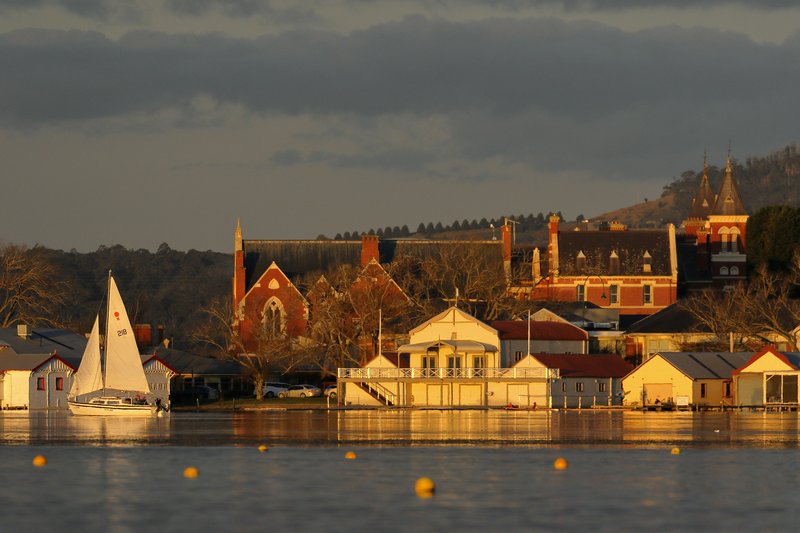
Victoria's second city on Corio Bay — a revitalized waterfront precinct, the Geelong Gallery, and a historic carousel operating since 1892. Also the gateway to the Great Ocean Road. The waterfront is steps away on arrival.
Gold Rush boomtown turned UNESCO Creative City of Gastronomy — the Central Deborah Gold Mine descends 228 metres underground; the Golden Dragon Museum holds Australia's largest collection of Chinese processional dragons; the Bendigo Art Gallery is among the finest regional galleries in the country.
Melbourne has no obvious reason to exist. Sydney has one of the most spectacular natural harbours on earth and was founded by the British as a matter of imperial policy. Melbourne was founded in 1835 by a sheep farmer who paid a handful of trinkets to Indigenous elders for a land deal the colonial government refused to recognize — and then built a city on it anyway. Within twenty years, the Gold Rush had made it one of the wealthiest cities in the world. Within fifty, it had electrified its trams, built a free public library, and introduced the secret ballot to the world. The city essentially willed itself into existence through sheer competitive energy, and it has never entirely stopped competing with Sydney since.
What makes Melbourne genuinely distinctive is its relationship with culture as a form of civic argument. The coffee obsession — Melbourne pioneered the flat white, the single-origin espresso bar, the café as a room you sit in for two hours — is not a trend but a 30-year project. The laneway street art, which began as illegal graffiti on the walls of forgotten service lanes, is now a municipal policy: the City of Melbourne funds the walls, defends the artists from prosecution, and markets Hosier Lane to the world. The Australian Rules Football Grand Final at the MCG, watched by 100,000 people inside the ground and millions more on television, is a public holiday for the city. Everywhere you go in Melbourne, someone has turned a hobby into a religion, and the city has decided this is worth celebrating.