A city built on a lake that keeps reminding you
Mexico City sits at 2,240 meters — higher than Denver — on the drained bed of Lake Texcoco, and the ground has never stopped settling. Parts of the historic center have sunk more than 10 meters over the last century, unevenly enough that door frames and church floors visibly tilt; the altitude itself is the more immediate thing to plan around, since a first afternoon of stair-climbing and hill-walking can leave even fit travelers short of breath before they acclimatize.
The Metro carries about 4.5 million riders a day for roughly 5 pesos a ride, one of the best transit bargains anywhere, and its stations are worth a glance even without boarding — several sit atop excavated Aztec ruins uncovered during construction, with the artifacts displayed behind glass in the platform walls themselves.
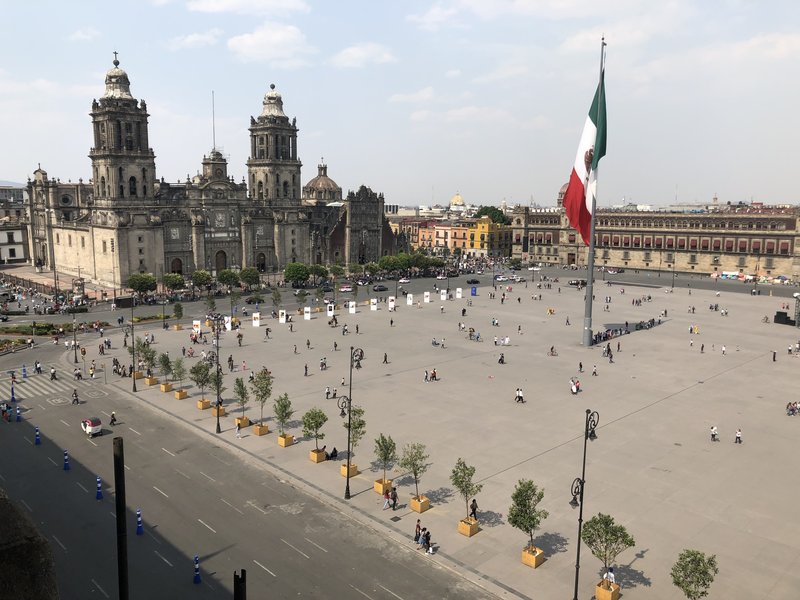
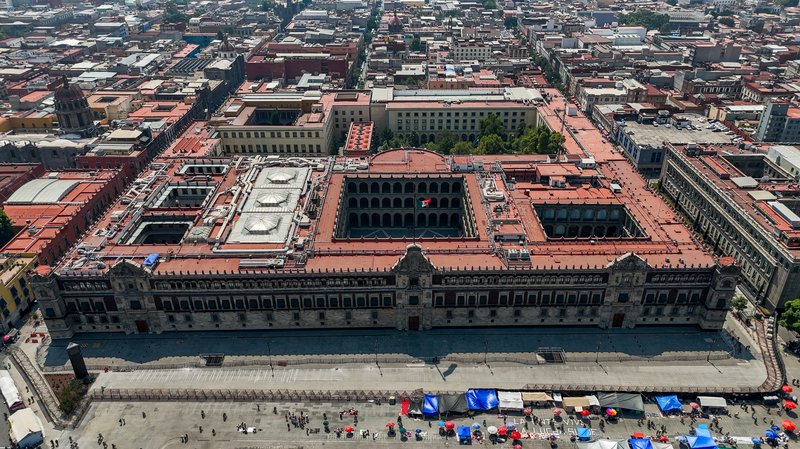
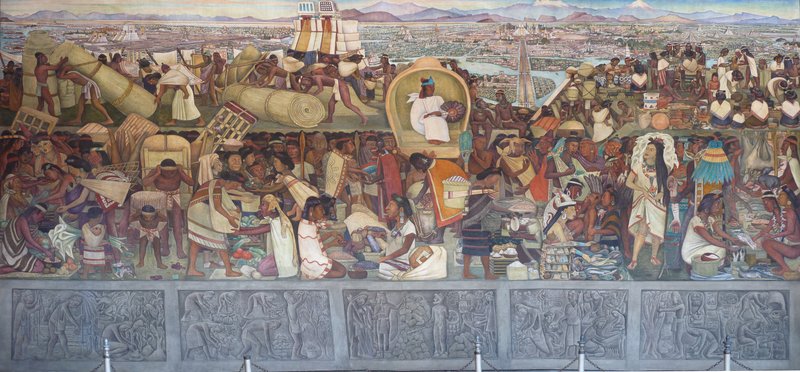
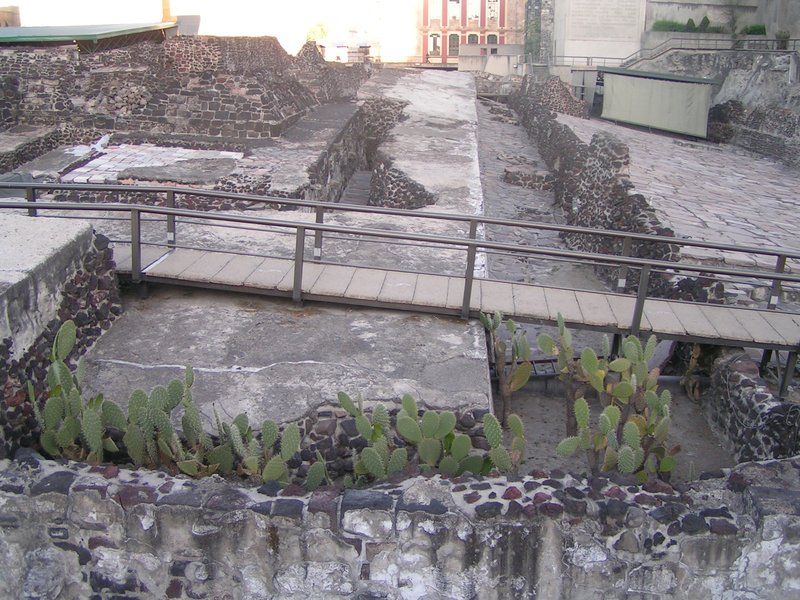
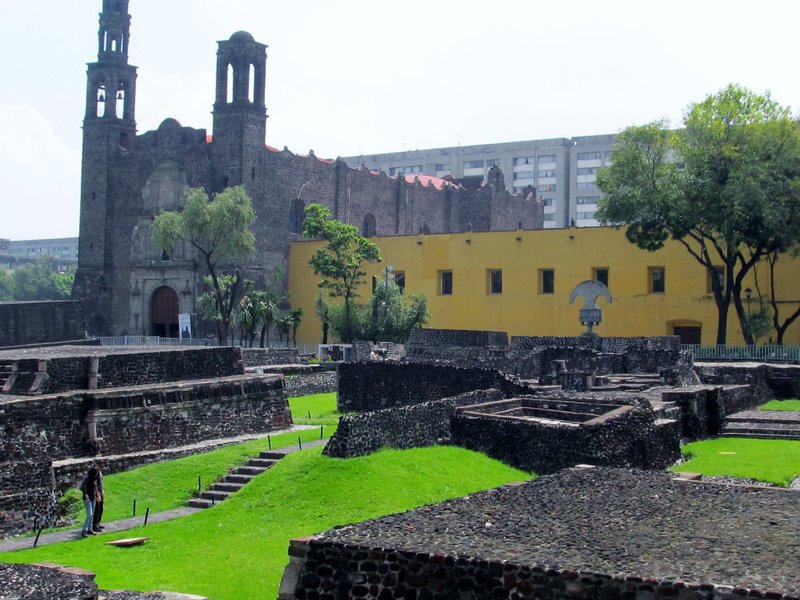
Much of what a visitor sees is layered rather than replaced: the Spanish built their cathedral and government palace directly on top of Tenochtitlan's own sacred precinct and imperial palace, using the same stones, on the same site, so the city's Aztec and colonial history are not separate chapters but literally stacked on top of one another under the Zócalo.