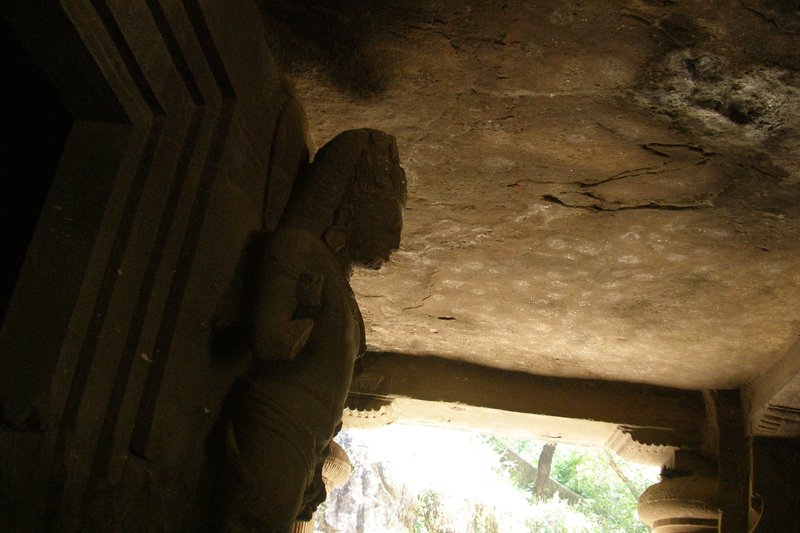
A cluster of 5th–8th century rock-cut Shiva temples on an island in Mumbai Harbour, centred on a cave holding the extraordinary 6-metre Trimurti — three aspects of Shiva carved from a single basalt wall.
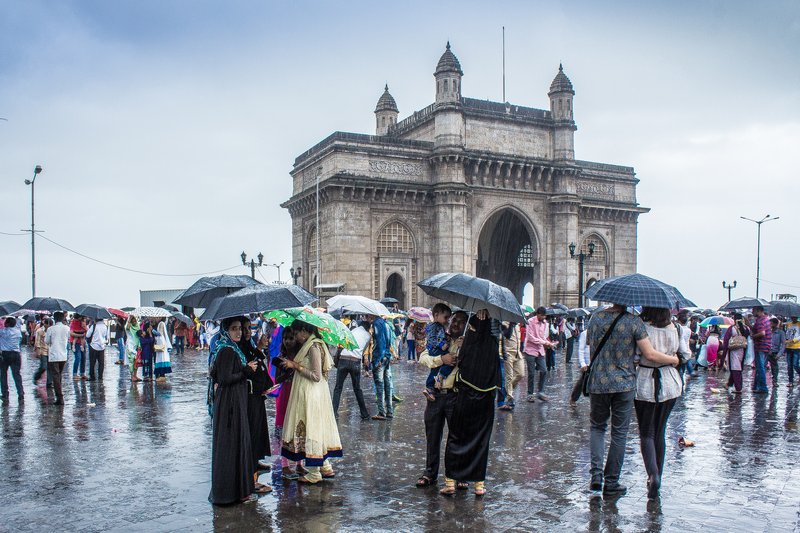
A 1924 basalt triumphal arch built for the arrival of King George V and Queen Mary, standing at the harbour's edge as the city's defining landmark and the embarkation point for Elephanta island ferries.
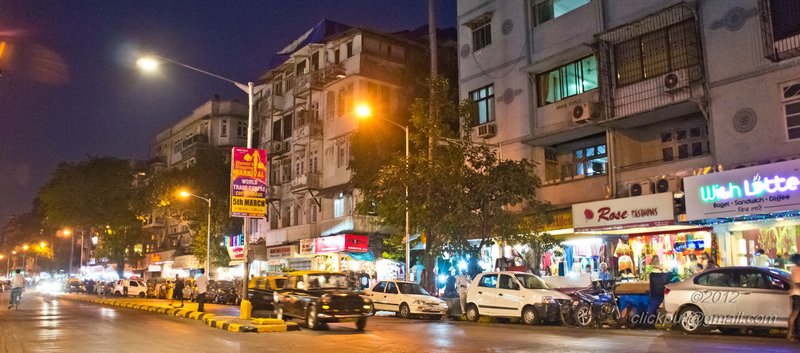
A lively street market running through South Mumbai's colonial quarter where antique dealers, textile vendors and pavement stalls crowd the footpaths between Victorian-era buildings.
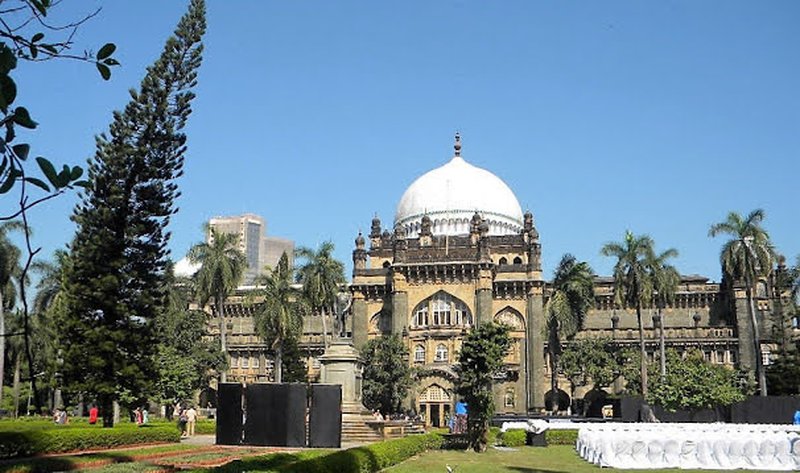
The Chhatrapati Shivaji Maharaj Vastu Sangrahalaya — Mumbai's pre-eminent museum — holds 50,000 objects from across South Asia under a 1914 Venetian-Gothic dome with Mughal embellishments, including sculpture, miniatures, decorative arts and natural history.
From Hotel: 11 min → Chhatrapati Shivaji Maharaj Terminus
1.Chhatrapati Shivaji Maharaj Terminus~1 hr
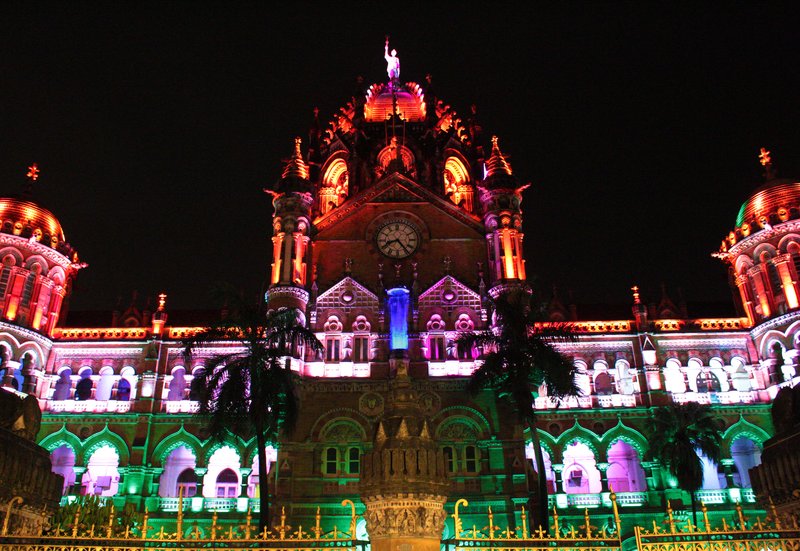
An 1888 UNESCO World Heritage railway station combining Victorian Gothic and Mughal architectural traditions — still a working terminus, its soaring stone facade encrusted with turrets, gargoyles and a central dome topped by Progress.
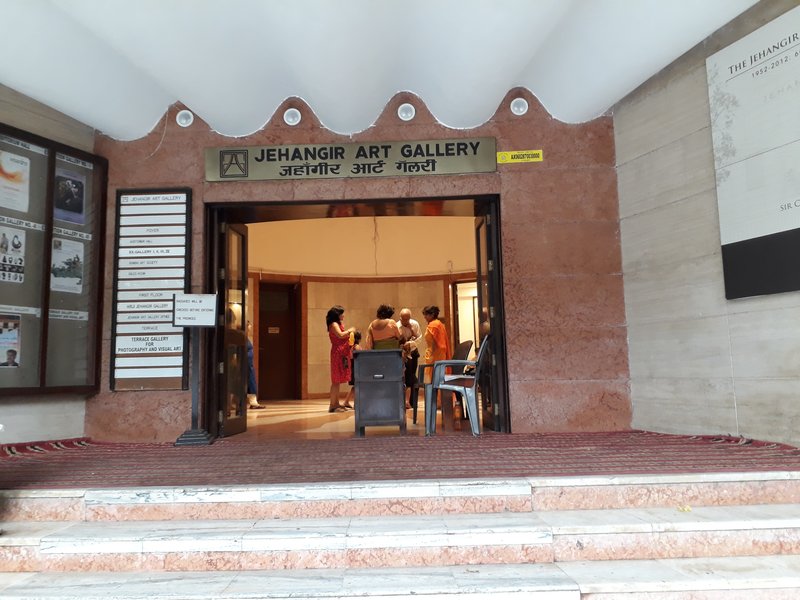
Mumbai's arts and culture precinct, anchored by the Jehangir Art Gallery — a neighbourhood of changing exhibitions, street art, heritage hotels, bookshops and the best coffee in the Fort quarter.
An 1878 Gothic Revival tower at Mumbai University campus, designed by Sir Gilbert Scott — the same architect who designed London's Albert Memorial and St Pancras station — rising 85 m above the Fort quarter with Venetian and Mughal decorative work on its six stone tiers.
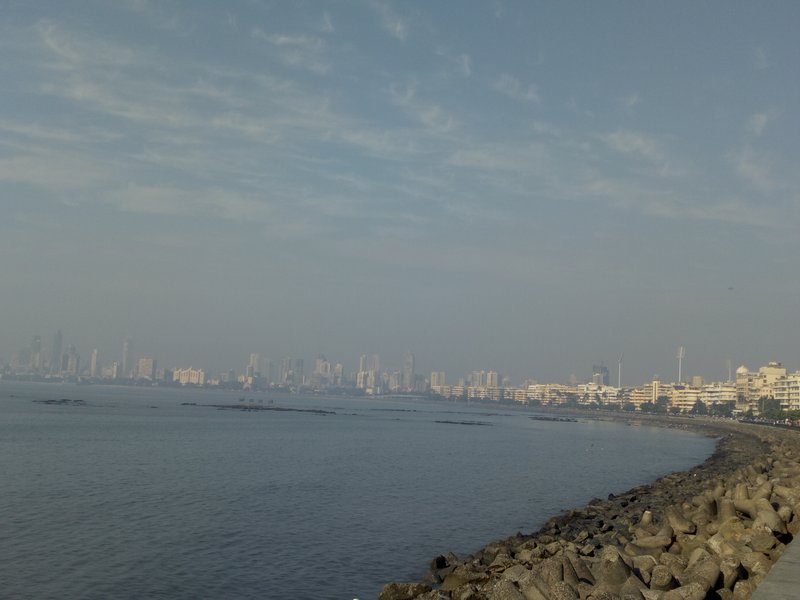
A 3.6-kilometre Art Deco seafront promenade curving along the Arabian Sea from Nariman Point to Malabar Hill, lined with 1930s buildings and lit into a famous necklace of lights after dark.
An 18th-century clifftop temple housing three goddesses — Mahalaxmi, Mahasaraswati and Mahakali — facing the Arabian Sea, its gopuram fluttering with votary flags and the seafront promenade directly outside.
A 15th-century Sufi shrine built on a small rocky islet 500 metres off the coast, reached by a narrow tidal causeway — at high tide the walkway floods and the white marble tomb appears to float on the sea.
Mumbai's most important Hindu temple — the shrine of Lord Ganesh beneath a golden dome, attracting hundreds of thousands of devotees weekly and drawing cabinet ministers, Bollywood stars and ordinary families with equal reverence.
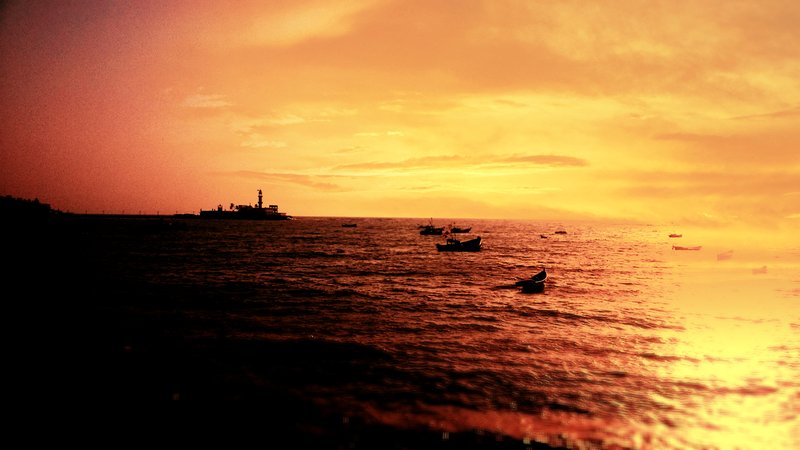
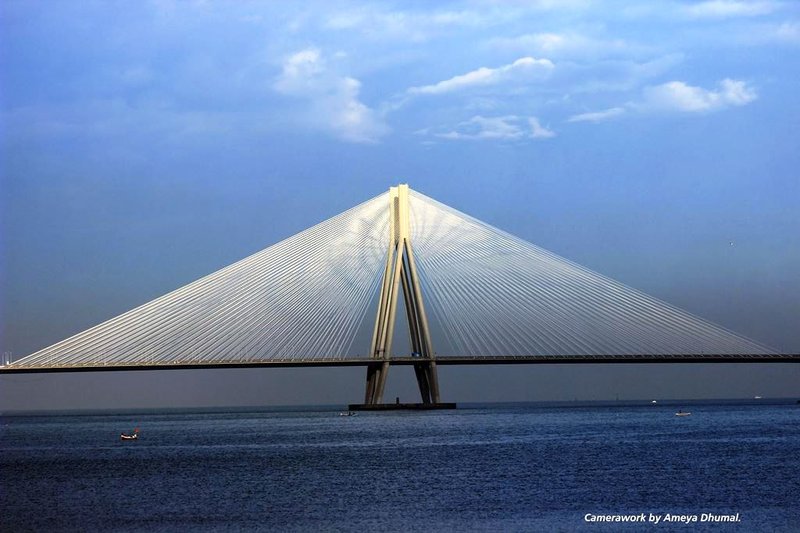
A broad promenade tracing the Worli headland with the cleanest views of the Bandra–Worli Sea Link — especially striking at sunset when the cable-stayed spans are silhouetted against the Arabian Sea sky.
Asia's largest self-sustaining urban neighbourhood — a city within a city producing leather goods, recycled plastics, pottery and food products. Reality Tours runs the only ethical guided walks, with 80% of profits returning to community initiatives.
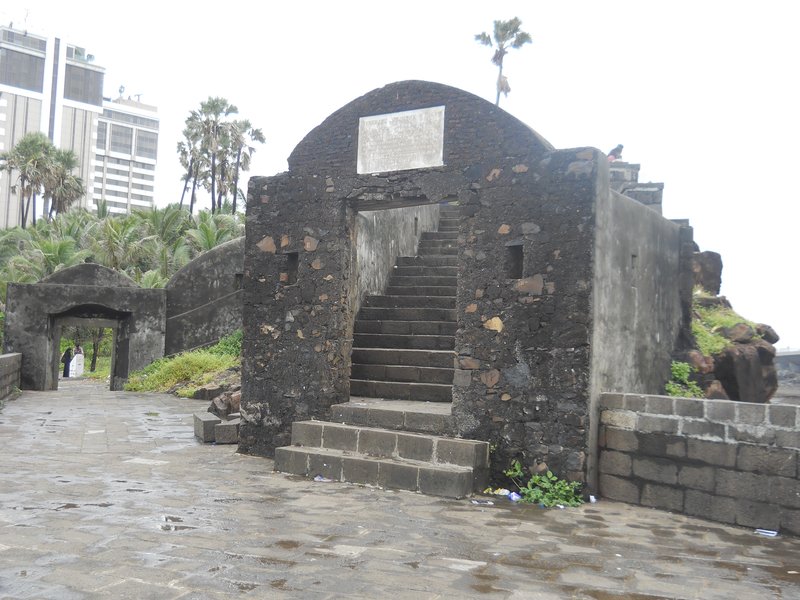
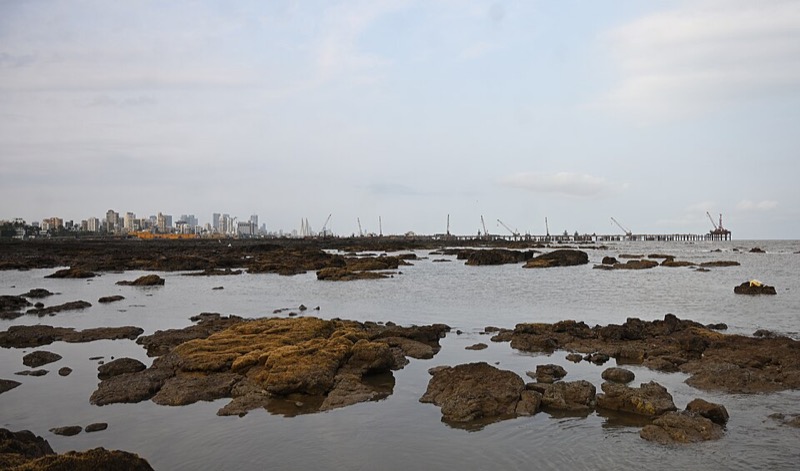
A 17th-century Portuguese sea fortification overlooking the Bandra–Worli Sea Link — weathered basalt battlements, cannon platforms and a small chapel ruin, with the Arabian Sea on three sides and the cable-stayed bridge straight ahead.
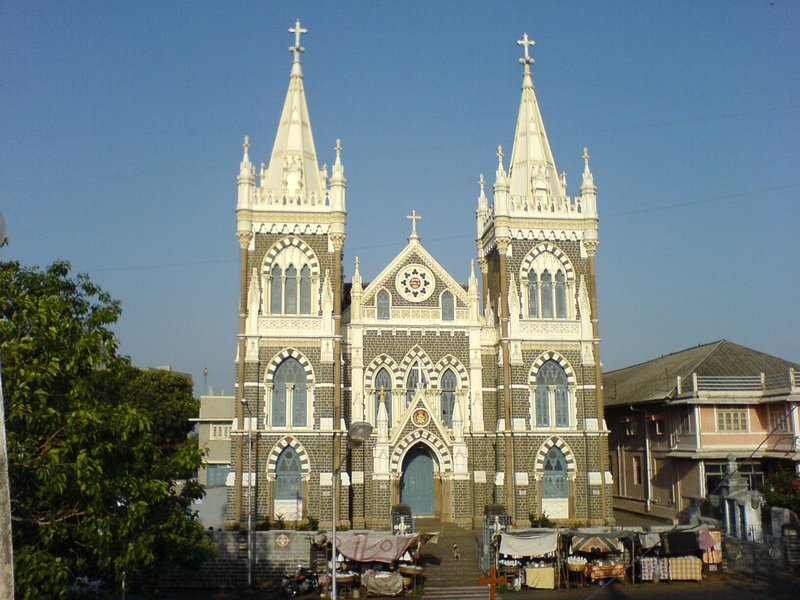
A 16th-century Portuguese basilica on a wooded hilltop above Bandra — white-and-gold Baroque interior, a famous votive offering chapel where wax models represent answered prayers, and the annual September Bandra Fair drawing over 500,000 pilgrims.
Bandra's curved seafront promenade — alive with joggers, families, street food stalls and alfresco cafés from early morning to midnight, with some of the city's best sunset views over the Arabian Sea and the lights of the Sea Link.
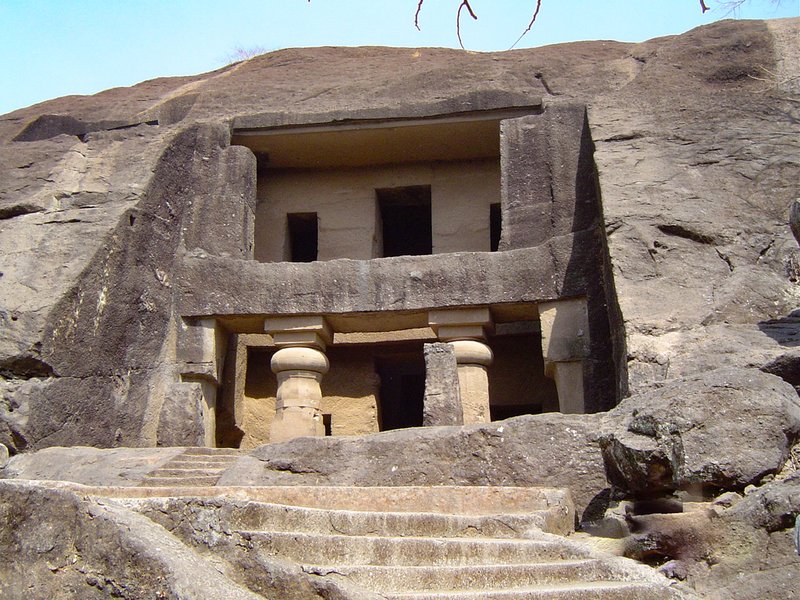
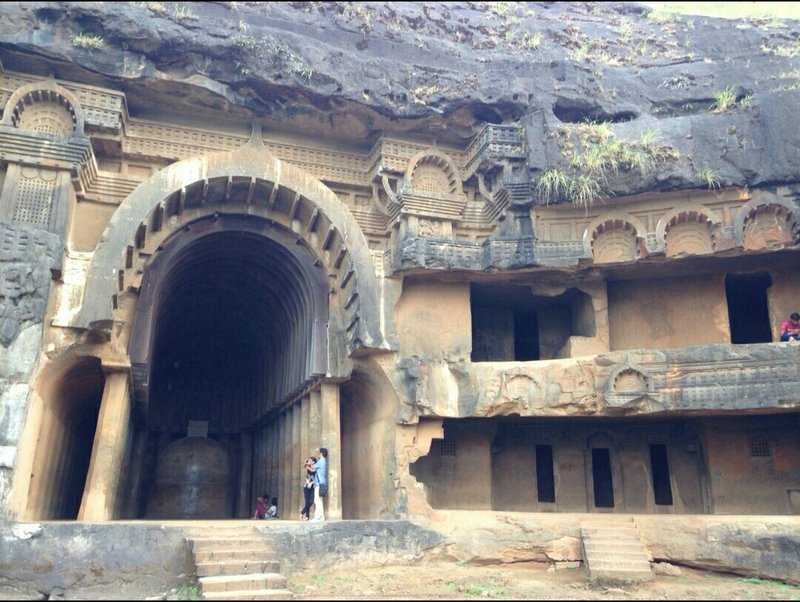
A complex of 109 Buddhist rock-cut caves carved into a basalt hillside inside Sanjay Gandhi National Park between the 1st century BCE and 10th century CE — monasteries, stupas and a grand Chaitya prayer hall with a 3rd-century pillared facade, once a major hub on the ancient trade route linking Mumbai's coast to the Deccan interior.
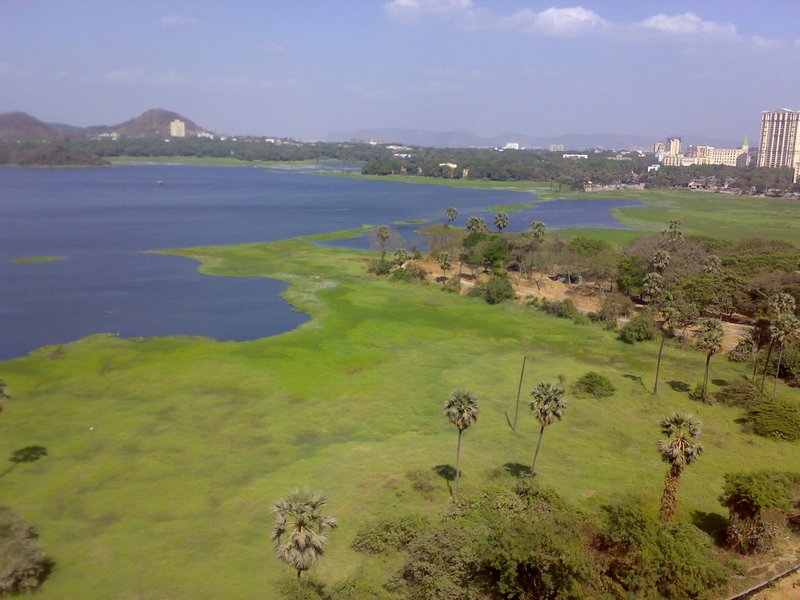
A British-era artificial lake built in 1891, ringed by the IIT Bombay campus and Powai's high-rise skyline — a calm waterside walk popular with birdwatchers for the kingfishers and migratory waterfowl that gather along its reed-lined banks.
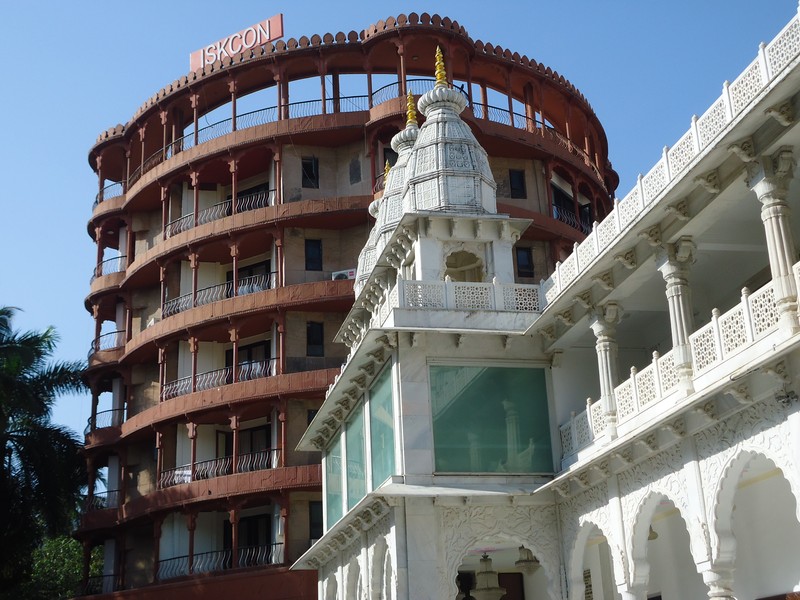
The Sri Sri Radha Rasabihariji Temple — flagship Indian temple of the Hare Krishna movement — ISKCON — spread across four acres behind Juhu Beach. White-marble shrine halls, daily aarti ceremonies and a free vegetarian canteen draw both devotees and visitors.
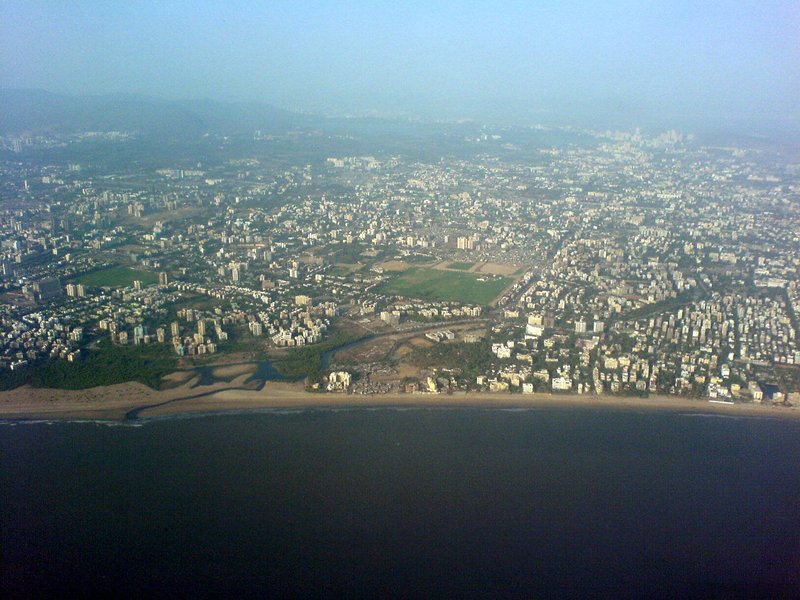
A six-kilometre stretch of sand along the Arabian Sea in Mumbai's celebrity suburb — packed with bhel puri and pav bhaji stalls, camel and pony rides, and joggers from dawn, building to one of the city's best sunset scenes by evening.
India's largest and best-preserved rock-cut Chaitya prayer hall, carved around 120 CE — a soaring vaulted nave lined with elephant-topped pillars and lit through a horseshoe-shaped sun window above a monumental stone Ashokan pillar at the entrance.
A group of 22 rock-cut Buddhist caves dating to the 2nd century BCE, older than Karla and carved in a style that still imitates timber construction — a plain Chaitya hall, monastic cells and a rare cluster of 14 votive stupas at the southern end.
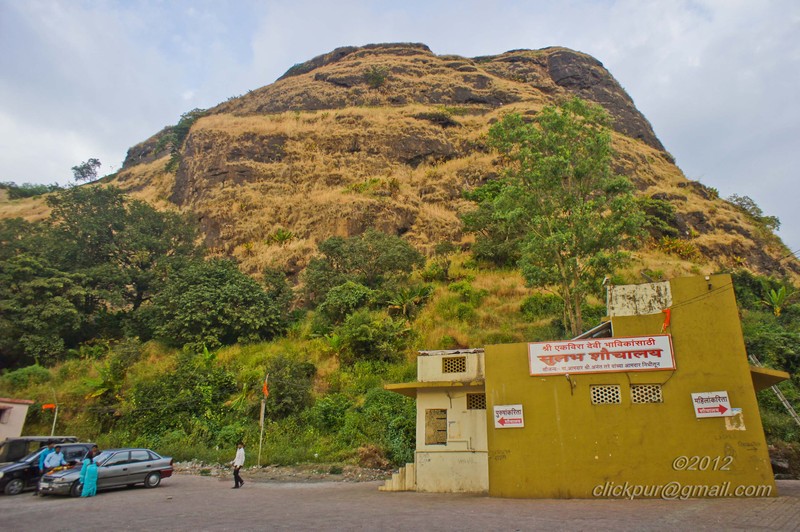
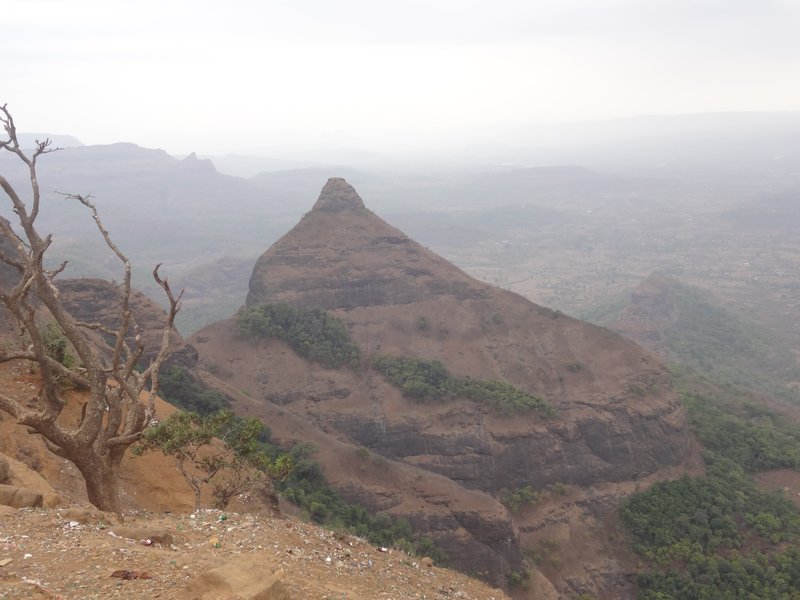
A cliff-edge viewpoint on the Lonavala–Aamby Valley road with a sheer 650-metre drop into the Sahyadri hills, named for a rock outcrop shaped like a leaping tiger — the widest, greenest panorama around Lonavala, especially after monsoon.
Reality Tours' community walk through Dharavi's leather, pottery and recycling quarters — 80% of revenue returns to local schools and skills programmes. No photography inside the residential lanes.
A guided walk through South Mumbai's UNESCO and Victorian heritage — CST, Kala Ghoda, Bombay High Court and the old trading lanes of the Fort quarter, with a knowledgeable local guide.
A three-hour walk through South Mumbai's best street food — vada pav at the station stalls, pav bhaji at Sardar's, Bombay sandwiches in Crawford Market and falooda at Mohammed Ali Road; local guide explains each dish.
A photography-focused morning walk taking in the open-air Dhobi Ghat laundry — best light before 8:00am — the Colaba Causeway market and the 1924 Gateway of India at the waterfront; guide helps with framing and access timing.
Half-day tour covering Mumbai's film industry geography — a drive through Juhu's Bollywood star residences, a stop at Film City in Goregaon and a studio set walk; chance of spotting a live shoot depending on the day's schedule.
Guided full-day trip including ferry, licensed ASI guide at the caves, and a stop at the Gateway of India — structured for visitors who want expert context on the 5th–8th century Shiva rock-cut temples.
Community-funded walk through Dharavi's working quarters, run by the operator that founded the ethical neighbourhood-tour model here in 2005; 80% of profits to local education and community programmes.
An evening food walk starting at Chhatrapati Shivaji Maharaj Terminus and moving through the Bhuleshwar flower market, Crawford Market and the street stalls of Mohammed Ali Road — seven to nine tastings, no sitting-down meal format.
A 3-hour walk through the UNESCO Victorian Gothic and Art Deco precinct — the Bombay High Court, Flora Fountain, the Elphinstone College facade and the 1930s Art Deco apartment buildings along Marine Drive; architectural historian guide.
A one-hour boat tour of Mumbai Harbour departing from the Gateway of India — views of the Art Deco skyline from the water, the Raj Bhavan sea facade and the lights of Marine Drive coming on as the sun sets over Back Bay.
An evening walk through the illuminated Fort district — CST, the Bombay High Court, Kala Ghoda galleries and the lit facades of the Victorian Gothic quarter; ends close to midnight at the Gateway of India waterfront.
Daytime food and culture walk through South Mumbai — Crawford Market, Bhuleshwar, the Mahalaxmi flower market and Chowpatty Beach, with stops to try pav bhaji, chaat and cutting chai at each neighbourhood's best-known stalls.
Reality Tours' community walk listed separately on TripAdvisor — same ethical format, same operator, rated independently by a different reviewer cohort. Good option when the Viator or GYG slots are full on a given day.
Full guided day to Elephanta Island — expert archaeologist guide for the rock-cut Shiva caves, ferry from the Gateway included; combines well with a morning walk around the Gateway and Colaba Causeway before departure.
An early-morning cycling tour along Marine Drive, through Mahalaxmi and across the Worli seafront to Bandra — the city at its quietest, with the Arabian Sea to the right the entire way; bicycle and helmet included.
India's leading specialty roaster — single-origin beans from Coorg, Chikmagalur and Araku; exceptionally well-made flat whites; the Fort branch is the quietest and most focused.
A small, carefully run specialty café in Colaba with beans sourced from Indian and East African farms — compact menu, good pour-overs, and a relaxed crowd of regulars away from the tourist noise of Colaba Causeway.
A Mumbai institution since 1956 — Mughlai and Continental classics under white tablecloths in Churchgate; the clientele has been coming back for generations.
Regional Indian recipes from every state reworked with produce-first discipline and real ambition; the cocktail menu is equally serious. Book well ahead.
Masaharu Morimoto's Mumbai outpost inside the Taj Mahal Palace Hotel — omakase menus, a 14-seat chef's counter and a sushi bar that is among the best in India.
Mumbai's defining street food — a spiced potato fritter in a soft bread roll with three chutneys. Every street corner has a stall; the best are outside railway stations.
A thick, butter-rich vegetable curry served with soft bread rolls griddled in more butter — invented in the 1850s as a quick meal for textile mill workers.
A cold layered dessert drink — rose syrup, basil seeds, vermicelli noodles, milk and ice cream — sold at dedicated falooda shops in Mohammed Ali Road and Bhendi Bazaar.
Foreign number: accepted. — verification SMS reaches international numbers with a short delay; WhatsApp OTP available as backup.
Mumbai's dominant food delivery app, covering every neighbourhood from Colaba to Bandra and the suburbs; enormous restaurant pool from street food to fine dining. Delivery times are fast and tracking reliable.
Foreign number: accepted. — OTP arrives via SMS; WhatsApp OTP offered as a fallback if SMS fails.
Zomato's main competitor, equally well stocked in Mumbai — similar restaurant selection, comparable prices. Swiggy Instamart adds 30-minute grocery delivery. Response times on a par with Zomato.
Foreign number: accepted. — SMS verification reaches international numbers without issue; WhatsApp OTP is available as a backup.
The most reliable option for visitors in Mumbai — clean vehicles, upfront pricing, a driver name and plate you can verify before getting in. Covers all zones including South Mumbai and Bandra; surge pricing applies during rush hours and rain.
Foreign number: not accepted — Ola requires an Indian mobile number; sign-up with a foreign number is blocked at the OTP stage. Use Uber instead.
India's largest ride-hailing company, dominant in many cities but effectively inaccessible to visitors without a local SIM. The app is practical once you have an Indian number — the driver pool is large and prices are comparable to Uber.
Foreign number: not required — Metro smart cards are bought at station counters with cash; no registration or phone number needed.
An expanding rapid transit network covering Andheri, Ghatkopar, BKC, Goregaon and Aarey — useful for navigating the northern suburbs. The older Western and Central suburban railways go further but are very crowded at peak hours. The Metro is the cleaner, faster option for visitors.
Foreign number: not required — flagged from the street, no app or sign-up needed.
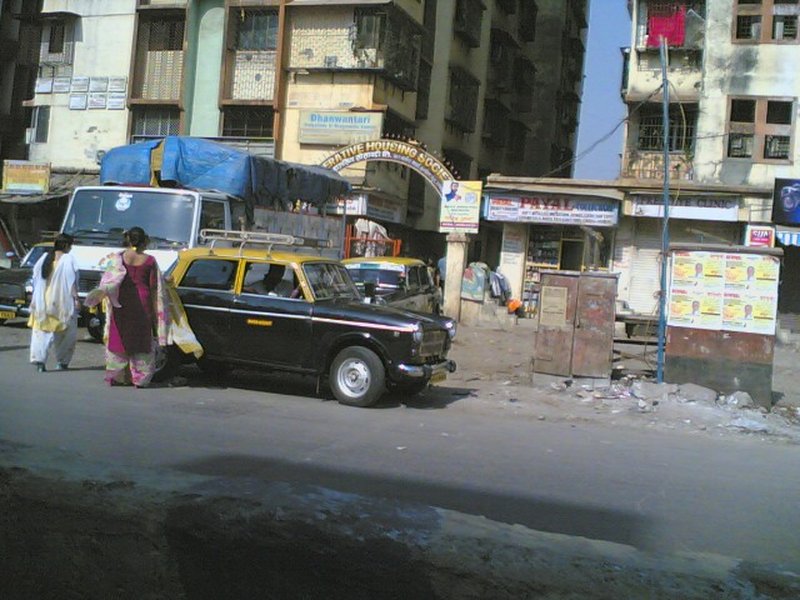
Available only in the northern suburbs — banned south of Mahim, which covers the entire South Mumbai itinerary. Metered and plentiful in Bandra and Andheri. Rapido also offers auto-rickshaw bookings in these areas. Having a destination written in Hindi is useful.
Western Railway terminus — all slow and fast trains to Andheri, Bandra, Borivali and Virar. The only Western Railway station in South Mumbai; also the start point for outbound trains to Gujarat via Mumbai Central.
Central Railway and mainline terminus — the UNESCO heritage building that is Day 2's first stop; trains on the Harbour and Central lines, and the starting point for Shatabdi services to Pune.
The cultural heart of Maharashtra — the Aga Khan Palace, Shaniwar Wada fort, the Osho International Meditation Resort and a thriving café and restaurant scene.
Maharashtra's wine capital and one of India's four Kumbh Mela sites — 50+ wineries in the Nashik Valley, the Panchavati ghats on the Godavari and the ancient Trimbakeshwar Shiva temple.
No Michelin Guide is published for Mumbai. The Michelin Guide covers India through its Bib Gourmand selections in Delhi and Kolkata but does not yet include the Mumbai restaurant scene.
Worth Knowing
The monsoon reshapes the city — but it doesn't close it
Mumbai's monsoon runs from June to September, peaking in July. Rainfall can be biblical — the city recorded 944 mm in a single day in 2005. The Gateway of India terrace floods, the Elephanta ferry runs reduced schedules, and Haji Ali Dargah closes when the causeway submerges. What it does not do is shut the city down: the colonial-era restaurants are busiest, the NCPA schedule is full, and Marine Drive in the rain is one of the great urban sights. Travel with waterproof sandals and a small fold-up umbrella; a full rain jacket is rarely needed.
Taxi apps and cash — Mumbai runs on both, and you need both. Uber works well for hotel-to-sight journeys, but the moment you are in a crowd at a street market or entering a temple, cash takes over entirely. ATMs are plentiful along Marine Drive and in Fort but sometimes run dry on weekends. Draw ₹5,000–10,000 before day one. Carry small notes: a ₹500 note for a ₹40 vada pav causes genuine inconvenience.
Dressing for temples requires more than covered shoulders — the major Hindu and Sufi shrines, Siddhivinayak, Mahalaxmi, and Haji Ali, ask for footwear removal at the gate, often on warm stone in direct sun. Wearing slip-on shoes rather than laced trainers saves real time. For Haji Ali Dargah specifically, women must cover their heads in the inner sanctum; a scarf carried in a bag is sufficient.
The Gateway of India sells its own ferry tickets to Elephanta through Maharashtra Tourism — buy them at the booth at the waterfront, not from the private touts standing between the booth and the water. The MTDC ticket includes the Maharashtra Tourism guide on the island; private boats cost more and land at the same jetty. Early departures at 9:00am reach the caves before the heat and the school groups arrive.
South Mumbai and the suburbs are not the same city. Below Mahim Creek: leafy streets, 19th-century architecture, walkable distances, expensive restaurants. Above it: the Metro, auto-rickshaws, Bandra's nightlife, the airport. The rule is: use Uber everywhere — an auto-rickshaw cannot take you south of Mahim, and knowing this in advance prevents the argument at the kerbside.