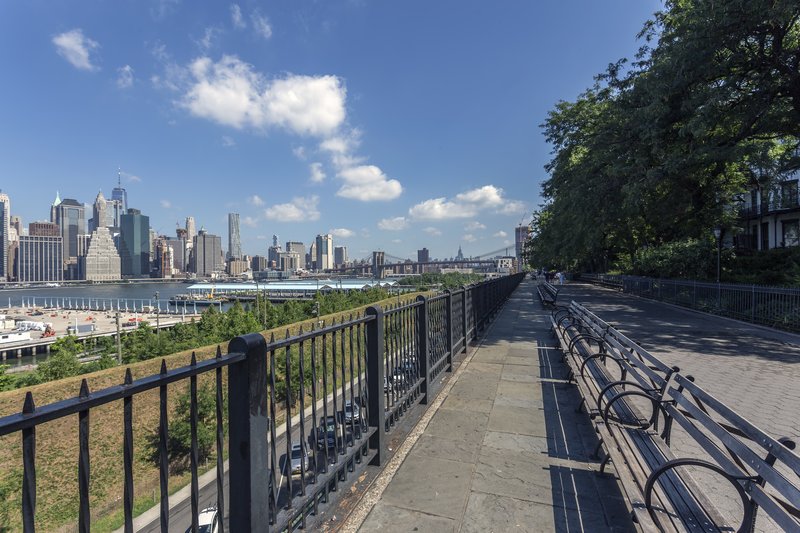
A half-mile esplanade cantilevered over the BQE delivers the single best unobstructed view of the Manhattan skyline. One World Trade dominates the northern anchor, Victorian brownstones line the path behind you, and the whole island spreads across the water before you.
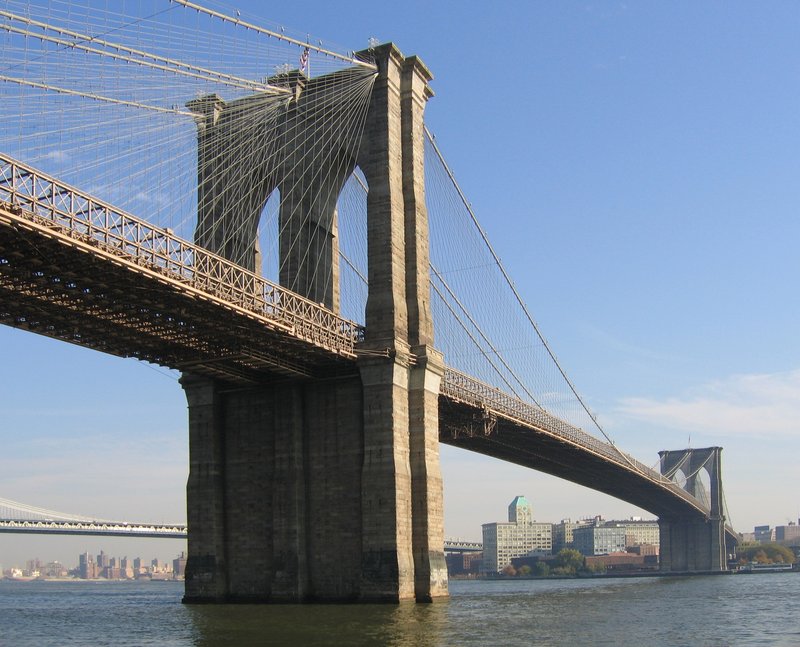
A nineteenth-century suspension bridge — a cathedral of cables and granite towers — one of the great civic achievements of any age. Walk the elevated wooden pedestrian path from Manhattan to Brooklyn for skyline views that improve with every step.
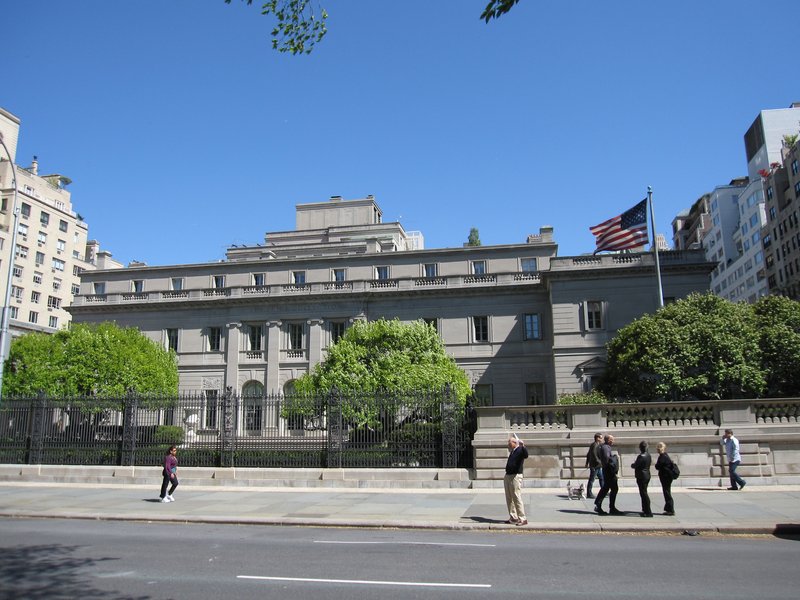
Henry Clay Frick's gilded-age Fifth Avenue mansion houses one of the world's most intimate Old Master collections — Vermeer's Officer and Laughing Girl, Rembrandt's Self-Portrait, Velázquez's Philip IV in a single room. Recently reopened after a landmark renovation, now with a stunning new garden court.
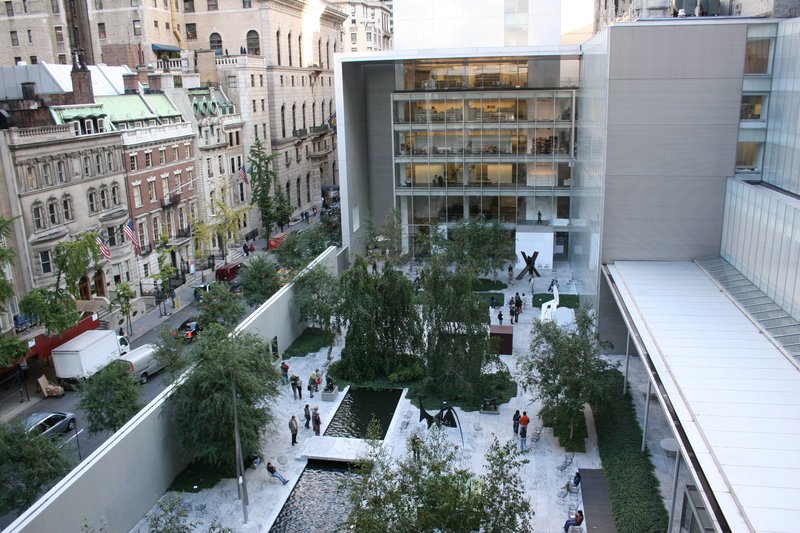
MoMA's permanent collection is a condensed history of modern art — Van Gogh's Starry Night, Monet's Water Lilies panels, Picasso's Les Demoiselles d'Avignon, Warhol, Pollock. The sculpture garden, open to the sky, is one of Manhattan's great civic spaces.
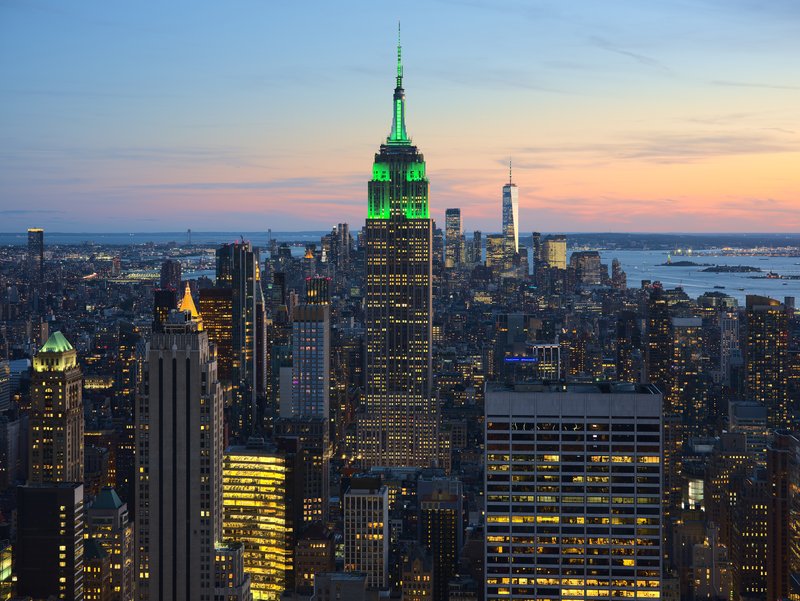
Rockefeller Center's 70th-floor observation deck offers what many consider the best skyline photograph in New York — the Empire State Building dead-center against Midtown, with Central Park stretching north behind it. Three levels, the top fully open-air. Book the sunset time slot for the most dramatic light.
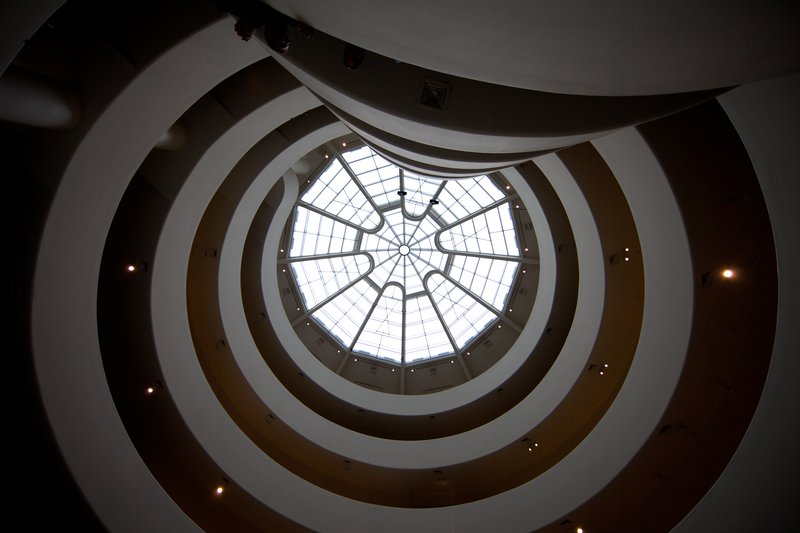
Frank Lloyd Wright.s iconic spiral building remains one of the great architectural statements of the twentieth century — the continuous spiral ramp is the exhibit as much as what hangs on it. The collection runs from Kandinsky and Picasso to contemporary commissions. Walk down from the top for the best experience.
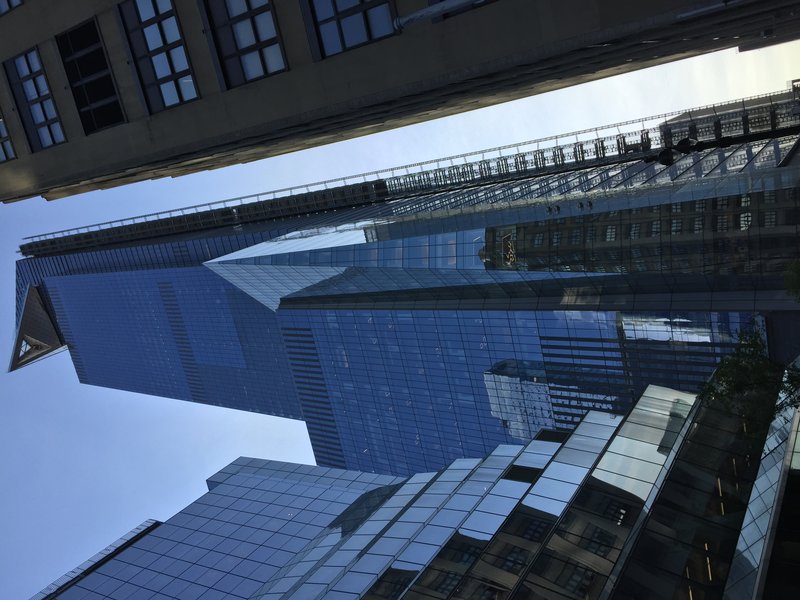
The highest outdoor sky deck in the Western Hemisphere — on the 100th floor of 30 Hudson Yards. A glass-floored platform suspended in mid-air with 360° views across the Hudson and five states. The sensation of floating over Manhattan is real.
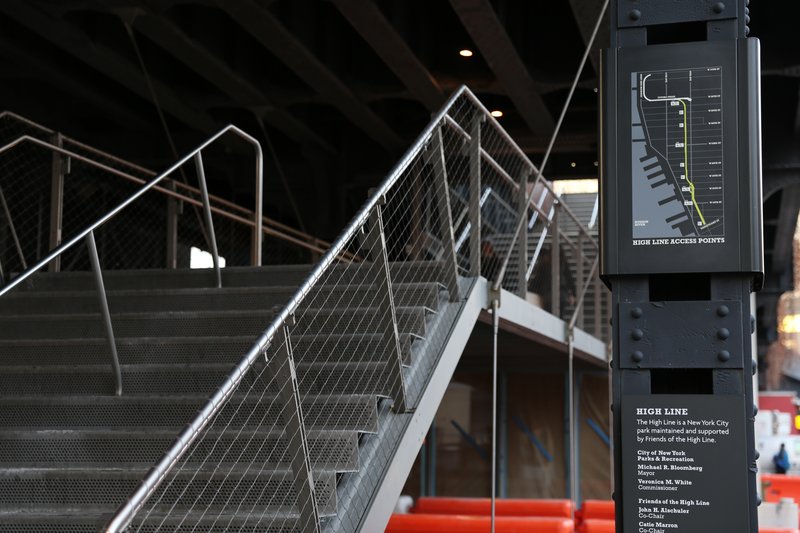
A decommissioned freight rail line transformed into a 1.45-mile elevated park with meadow plantings, public art, and Hudson River views. Walk south from 34th St to Gansevoort — it narrows to a glass-floored walkway over 10th Avenue.
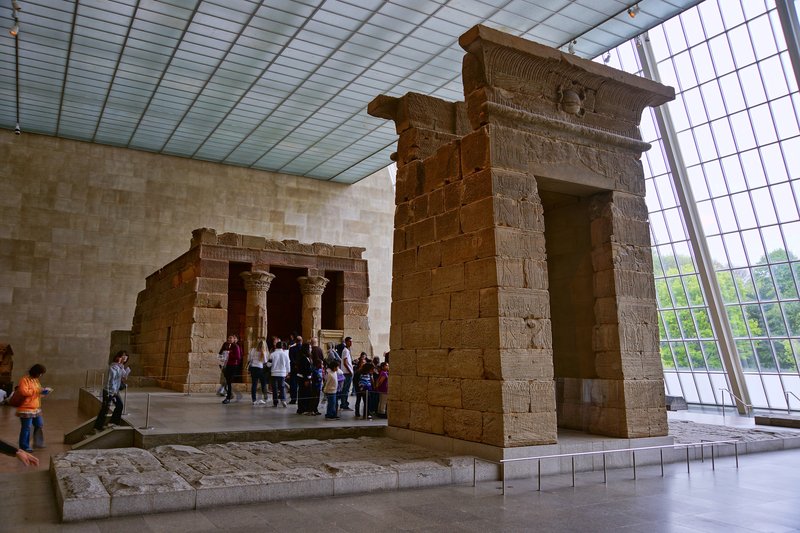
Two million objects across five thousand years under one roof. The Egyptian wing's Temple of Dendur glows in late-afternoon light. Set priorities before entering — this building rewards a slow visit, not a sprint.
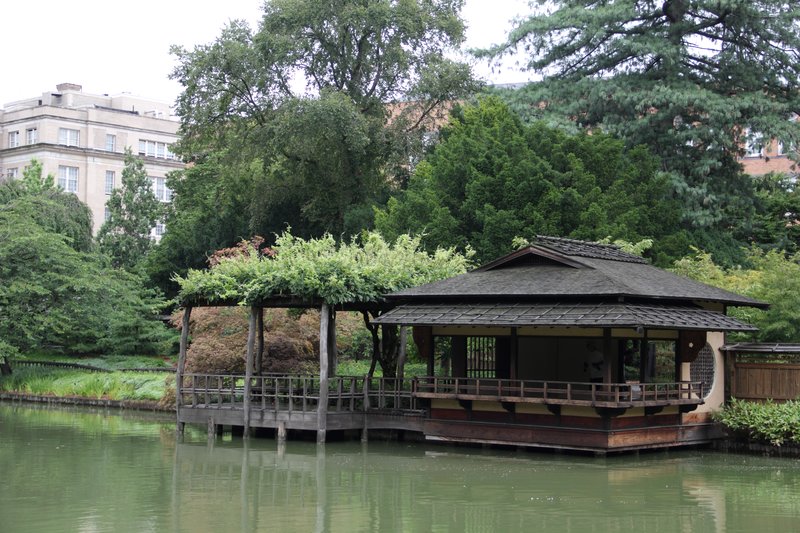
Fifty-two acres of meticulously curated gardens including the Japanese Hill-and-Pond Garden — one of the oldest Japanese-inspired gardens in the United States, with a floating torii gate and a wooden viewing pavilion. The Cherry Esplanade hosts one of New York's most celebrated spring displays.
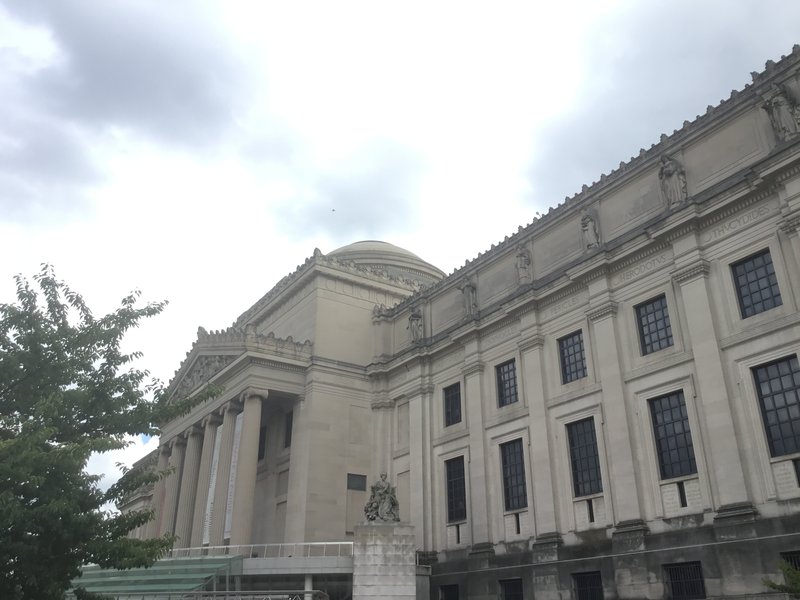
The second-largest art museum in the US — far less crowded than the Met — houses 1.5 million objects including one of the world's finest Egyptian collections and Judy Chicago's The Dinner Party in the Sackler Center for Feminist Art.
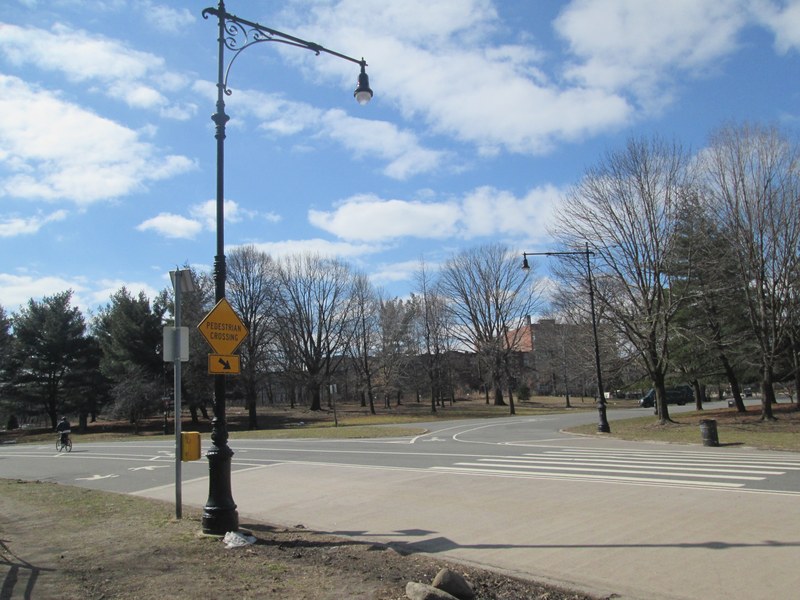
Olmsted and Vaux considered this 585-acre Brooklyn park their finest work — a forest, a glacial lake, and the Long Meadow, one of the longest unbroken lawns in any American park. Brooklyn's living room; its rhythms feel genuinely local.
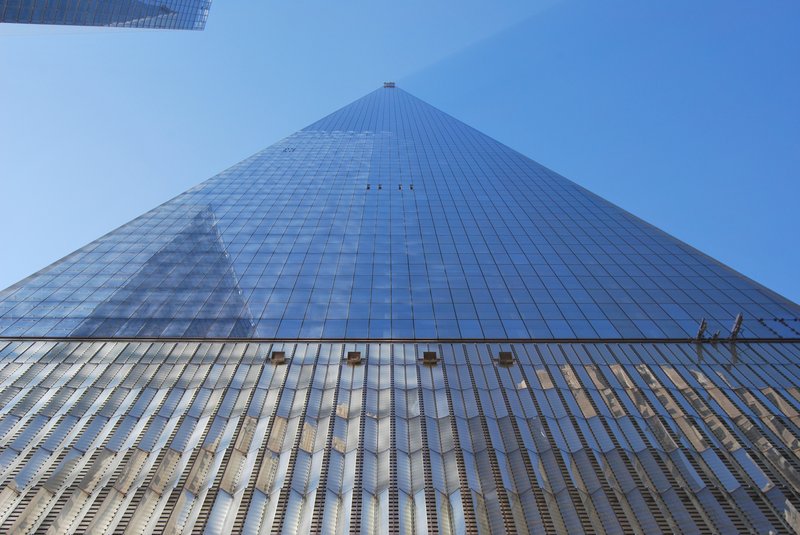
The tallest building in the Western Hemisphere rises at a height deliberately symbolic of the nation. The observatory on floors 100–102 delivers a 360° panorama that spans five states. A sky-rise experience with genuine emotional weight given the site it stands on.
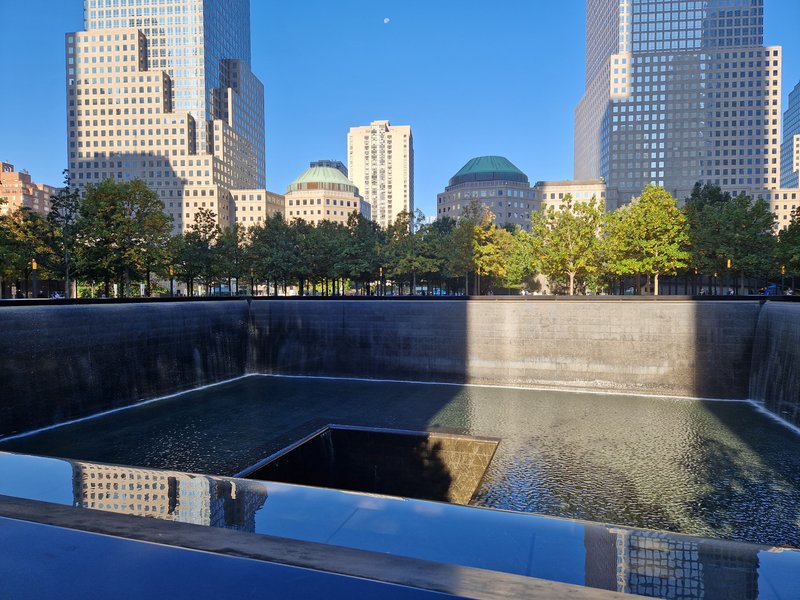
The twin reflecting pools — the largest man-made waterfalls in North America — mark the footprints of the original towers. The museum beneath traces the attacks and their aftermath through 40,000 artifacts and 23,000 photos with unflinching honesty. A profound, necessary stop.
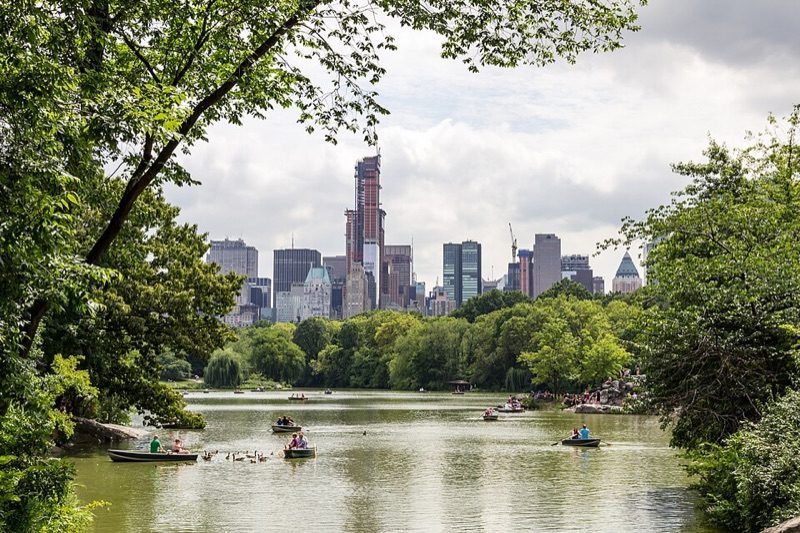
Olmsted and Vaux's 843-acre masterwork is Manhattan's democratic commons. Enter at Grand Army Plaza — 59th St and Fifth Ave — and walk north to Strawberry Fields at 72nd, Bethesda Terrace and Bow Bridge over The Lake, then exit at 81st St west. The AMNH is directly across Central Park West.
15 min · 5 min → American Museum of Natural History
4.American Museum of Natural History~2 hr 30 min
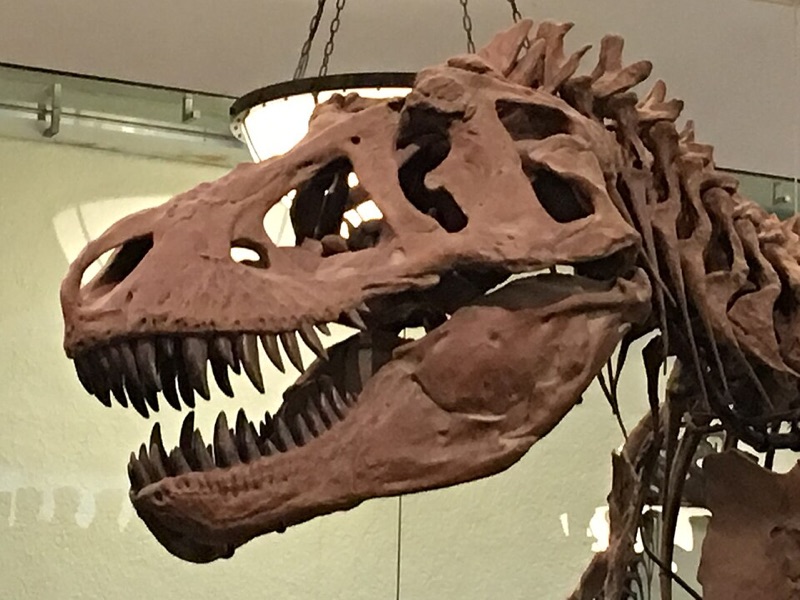
The world's largest natural history museum, four city blocks along Central Park's west edge. The Dinosaur Hall holds the first T. rex ever found, mounted in full attack posture. The Hall of Ocean Life suspends a 94-foot blue whale overhead. Forty-five halls, 45 million specimens.
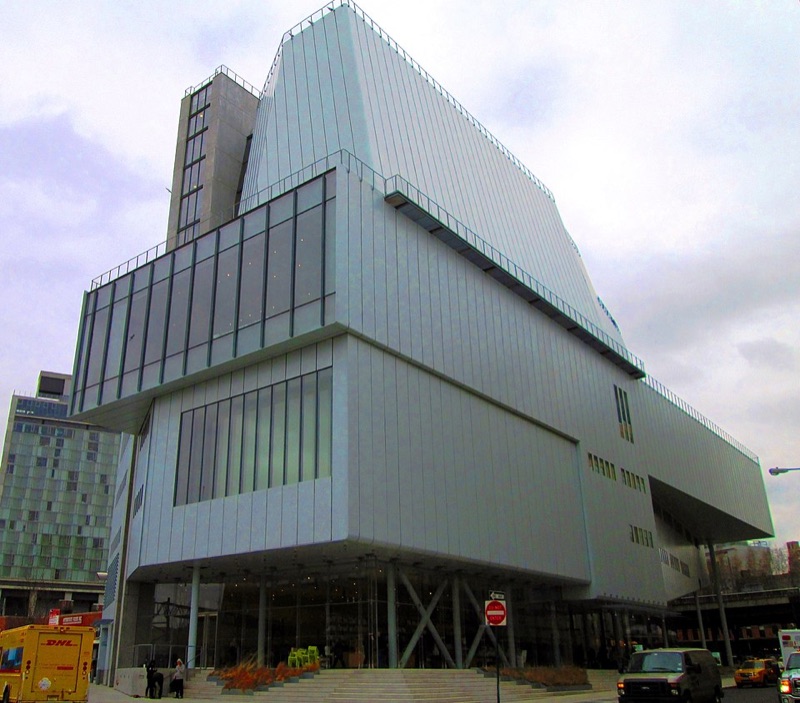
The foremost collection of American art — Hopper's Nighthawks, O'Keeffe, Calder, Basquiat — all permanent. Renzo Piano's 2015 building sits between the Hudson and the High Line: outdoor terraces at every level with river views, the entrance floor looking straight through to the water.
7:00am New York Penn Station → 8:20am Philadelphia 30th St Station
8:00am New York Penn Station → 9:20am Philadelphia 30th St Station
9:00am New York Penn Station → 10:25am Philadelphia 30th St Station
ARRIVE Philadelphia 30th St Station: 15 min → Liberty Bell Center
1.Liberty Bell Center~45 min
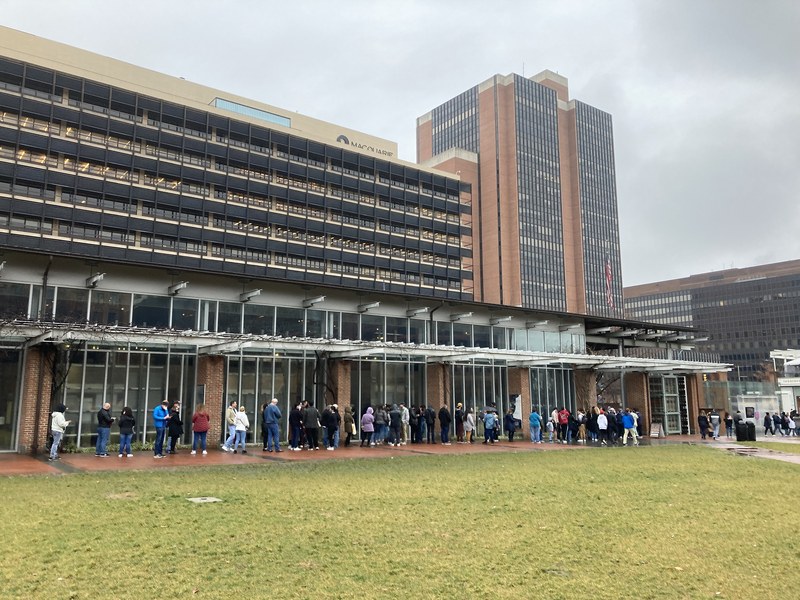
Rung on July 8, 1776 to summon citizens to the first public reading of the Declaration of Independence. The crack appeared in the early nineteenth century. The glass pavilion frames the bell against Independence Hall across Chestnut Street — the visual axis is part of the experience.
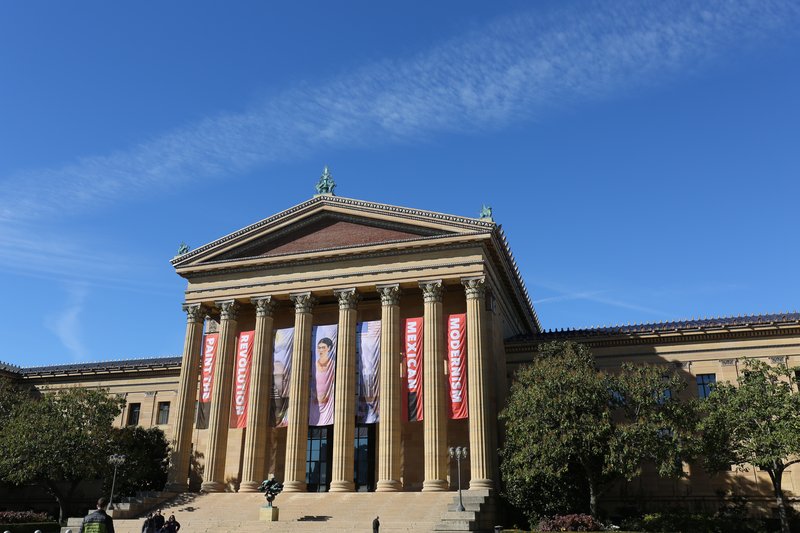
The grand neoclassical building at the top of the Benjamin Franklin Parkway — the "Rocky Steps" — houses 240,000 objects including the world's largest Duchamp collection, outstanding Impressionist paintings, and Japanese and Chinese temple rooms. The Parkway view from the top step is Philadelphia's defining vista.
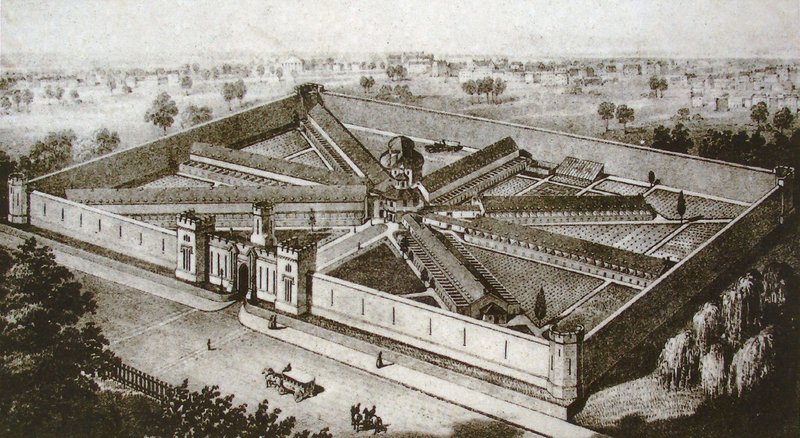
Eastern State pioneered solitary confinement under a radical philosophy of rehabilitation through silence. Al Capone served time here. Today the crumbling cellblocks — roofless, overtaken by plants, deeply atmospheric — constitute one of America's most extraordinary historic sites.
The intersection of science and history: how NYC is built on trash, how rats thrive on human consumption, and how the city has wrestled with both during its four centuries of history. Led by a graduate of the NYC Rat Academy — one of the city's most distinctive tours.
A 10,000-step journey through Harlem's cultural geography — the Apollo Theater, Sylvia's Soul Food, the home of Langston Hughes, Astor Row — told by a guide who literally wrote the book on the subject. The Harlem Renaissance and gentrification as living history.
Six stops in historic Greenwich Village — a classic New York bagel, street falafel, a hot pizza slice, artisanal cupcakes, gourmet doughnuts, and a surprise sixth stop. Bohemian history woven through each stop.
Cross the Brooklyn Bridge with a guide who narrates its engineering history and cultural mythology, then explore DUMBO's cobblestone streets, waterfront galleries, and the spot where Washington St frames the bridge in the most photographed view in Brooklyn.
A 90-minute cruise aboard a 1920s-style yacht around New York Harbor, past the Financial District, Ellis Island, and the Statue of Liberty. One complimentary drink included; table seating assigned. Max 80 guests — one of the most intimate ways to see the harbor.
Two hours on the elevated park with a guide who contextualizes the railroad history, the architecture along the route, and the Meatpacking District's transformation from slaughterhouses to fashion district. Ends at Chelsea Market.
Three layered neighborhoods packed into a single walk — SoHo's cast-iron loft buildings and independent galleries, the shrinking enclave of Little Italy, and the dense sensory world of Chinatown, with its herbal medicine shops and roast duck windows.
Manhattan from 1,000 feet: Central Park, Midtown towers, Brooklyn Bridge, Ellis Island, and the Statue of Liberty — all in 15 minutes from the Downtown Heliport. Wraparound views with open sides.
A narrated military-style speedboat through New York Harbor, captained by a US Coast Guard-licensed guide. Close-up views of the Statue of Liberty, Brooklyn Bridge, and lower Manhattan skyline. Maximum 12 guests.
NYC's fastest harbor tour — a jet-powered 45-mph speedboat to the Statue of Liberty with thumping music and guaranteed splash. Thirty minutes of kinetic chaos on the Hudson. Operated by Circle Line.
A rare look at abandoned and decommissioned subway stations beneath the city streets — the City Hall loop station, now decommissioned, remains one of New York's most beautiful rooms that almost no one sees. A genuinely unusual perspective on the city.
A 1920s-style yacht circles New York Harbor at dusk with a live jazz trio on board. Views of the Statue of Liberty and lower Manhattan, first drink included. Maximum 63 guests — intimate scale for a harbor cruise.
A 90-minute daytime or sunset cruise on a 1950s-style boutique yacht around New York Harbor. Complimentary cocktail and hors d'oeuvres included. Statue of Liberty and lower Manhattan viewed from the water.
90 minutes on the open water past One World Trade Center, Brooklyn Bridge, Statue of Liberty, Ellis Island, and Hudson Yards, narrated by a live guide. Daytime and evening departures; indoor and outdoor seating.
Three hours of dining, dancing, and live entertainment on the Hudson River. Full-service sit-down dinner with panoramic skyline views; open bar packages available. NYC's most-reviewed dinner cruise.
A wide, thin, foldable slice with a crisp-then-chewy crust — baked in a coal or gas deck oven, eaten standing at the counter. The style evolved from Neapolitan in the early 1900s and is now legally inseparable from the city itself.
Chewy inside, glossy crust — boiled before baking, a technique brought by Eastern European Jewish immigrants. The New York water is widely credited for the result. Eat with lox and cream cheese.
Beef brisket cured in salt and spices, then smoked and steamed — piled on seeded rye with brown mustard. The Lower East Side Jewish deli tradition at its apex. Order it hand-sliced, never the machine-cut version.
Dense, rich, creamy — the New York style uses cream cheese, heavy cream, and a graham cracker crust. Nothing subtle about it. Best eaten at a diner counter.
Foreign number: accepted — SMS delivery can be slower on a foreign number, but sign-up works.
Coverage is city-wide across all five boroughs; restaurant selection is the widest of any platform in New York. Delivery fees vary by distance and surge pricing applies at peak hours.
Foreign number: accepted — standard international numbers work without issue; verification code arrives by SMS.
Strong across Manhattan and the outer boroughs, with a large number of exclusive restaurant partnerships not on DoorDash. Integrates with the same Uber account used for rides.
Foreign number: not required — the app accepts any international number and payment card; no US SIM needed.
The most reliable option for in-city travel; coverage across all five boroughs and surge pricing is common during peak hours and rain. Set the pickup point precisely — mismatches are common at busy intersections.
Foreign number: not accepted — Lyft's own help says the number must be a US, Canadian or Puerto Rican one, and the code is texted only to that number.
Alternative to Uber with comparable coverage in New York; often competitive on price during non-surge periods. Requires a US, Canadian, or Puerto Rican number to verify the account.
Yale's campus includes the Beinecke Rare Book Library and the Yale Center for British Art — two world-class institutions in a walkable collegiate town.
The Mall, the Capitol, the Library of Congress, the Smithsonian museums, the Lincoln Memorial at dusk. A dense day possible by departing early; the Acela shaves 45 minutes each way.
The Robber Baron Who Built a Serene Art Museum After Surviving an Assassin's Knife
The elegant galleries of the Frick Collection sit inside the former home of a man who, thirteen years before he began assembling this collection, had ordered an armed private security force against his own steelworkers. Henry Clay Frick's 1892 crackdown on the Homestead strike ended in a pitched battle that killed several men on both sides, and weeks later an anarchist gained entry to Frick's office, shot him twice, and stabbed him repeatedly with a sharpened file before being wrestled to the ground. Frick survived and went on to spend much of the rest of his life quietly acquiring Vermeers, Rembrandts, and Titians — the same paintings that now hang, in near-total silence, in the mansion he built on Fifth Avenue.
Frank Lloyd Wright never saw the reaction to his most famous building. He died six months before the Guggenheim opened in 1959, and the reaction that followed was not what the museum's namesake had hoped for: more than twenty artists, including Franz Kline and Robert Motherwell, signed a public letter of protest before the doors even opened, arguing that the building's curved, sloped walls would overwhelm and distort the paintings hung on them. Critics mocked the design as an "upside-down washbasin." Wright, who had fought the museum's own board for years over the unconventional plan, missed both the backlash and the decades of visitors who came to agree the spiral itself was the real masterpiece.