From Hotel: 1h 45min → Puerto Princesa Subterranean River National Park
1.Puerto Princesa Subterranean River National Park~4 hr
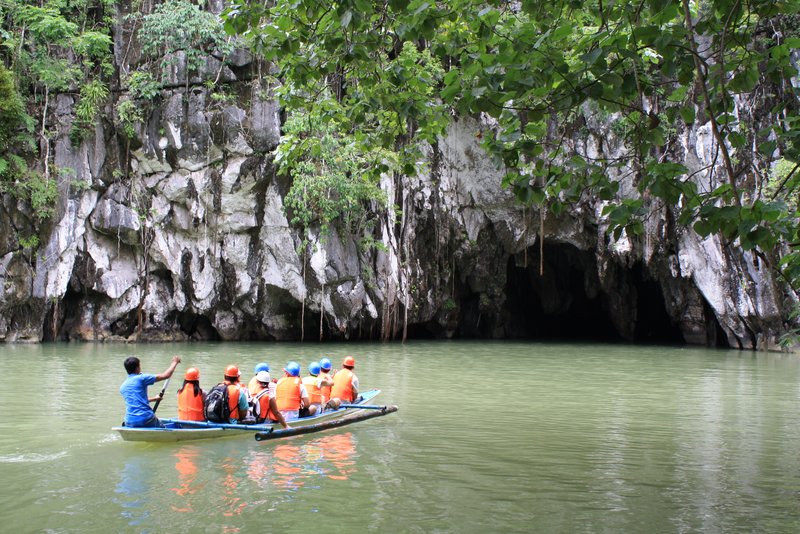
UNESCO World Heritage Site and New Seven Wonders of Nature finalist. Park guides paddle visitors by boat through 8.2 km of underground river inside a limestone karst mountain above a navigable underground lagoon.
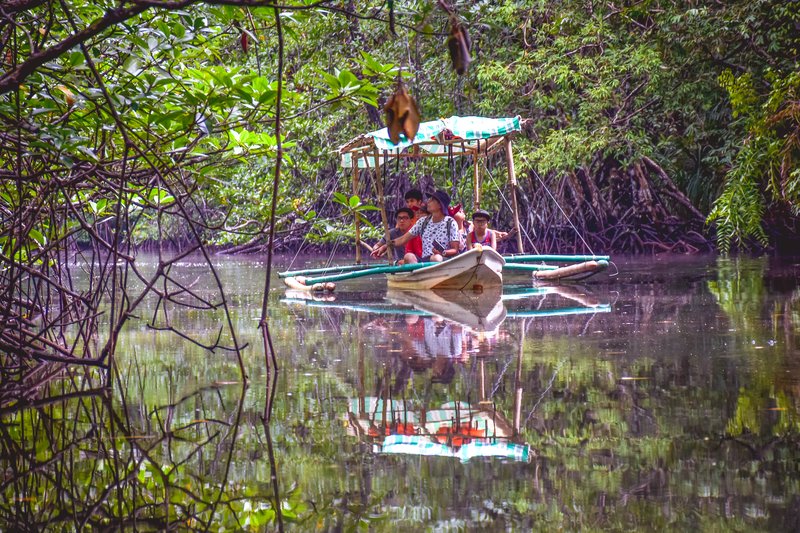
Local boatmen paddle small outriggers through dense mangrove channels lining the Sabang shoreline. Monitor lizards, kingfishers, and macaque monkeys are visible at close range from the water.
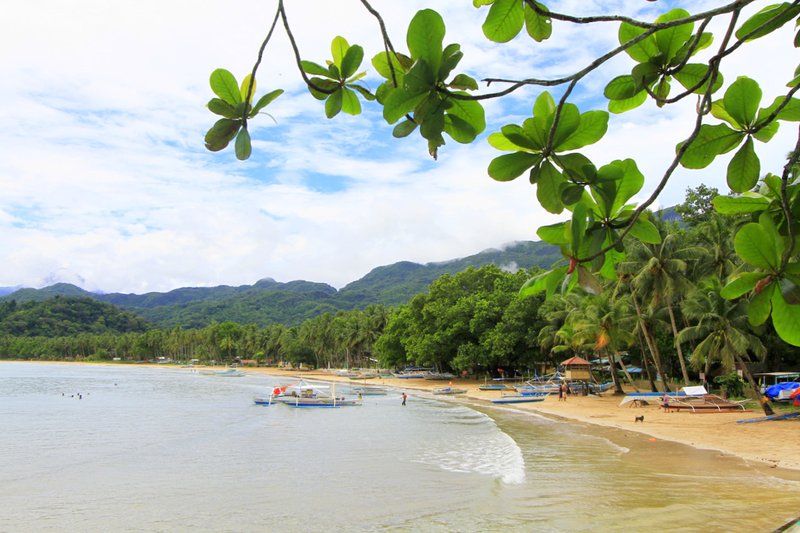
A jungle-fringed black-sand beach at the foot of forested cliffs above St. Paul Bay. Swimmers enter calm shallow water sheltered by headlands. Basic food stalls and hammocks line the shore.
An 800-meter cable crossing from a hilltop platform above Sabang Beach to a tower near the wharf, with the South China Sea and jungle canopy below. Riders launch seated; return is by forest trail.
A protected coral reef in Honda Bay where sea turtles, reef fish, and coral formations are visible in 2 to 5 meters of clear water. The first snorkeling stop on the Honda Bay island-hopping circuit.
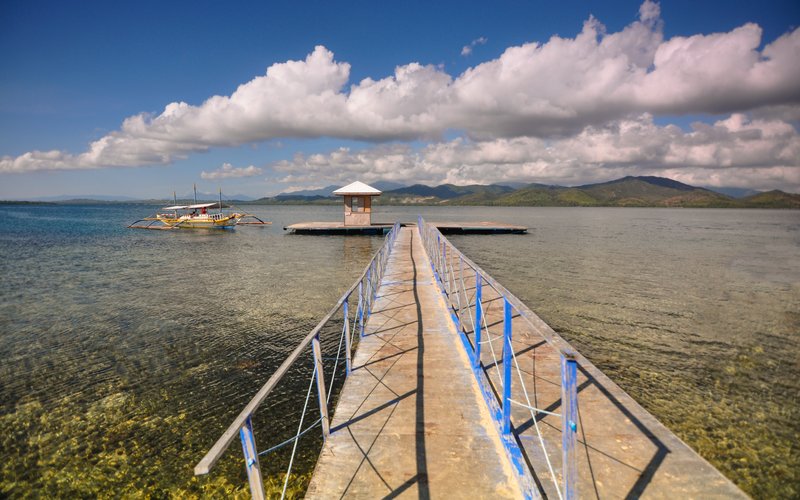
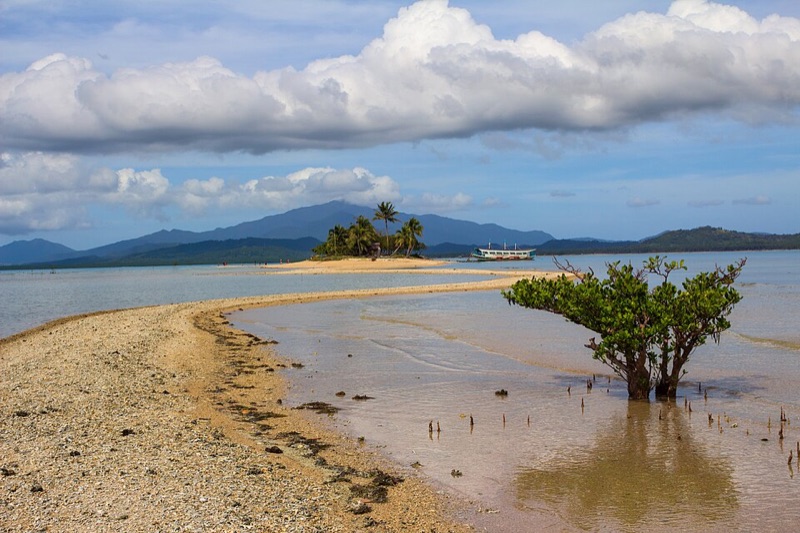
A narrow white sandbar in Honda Bay that disappears at high tide. At low tide the bar stretches roughly 100 meters surrounded by turquoise shallows. The name translates as "sinking and emerging."
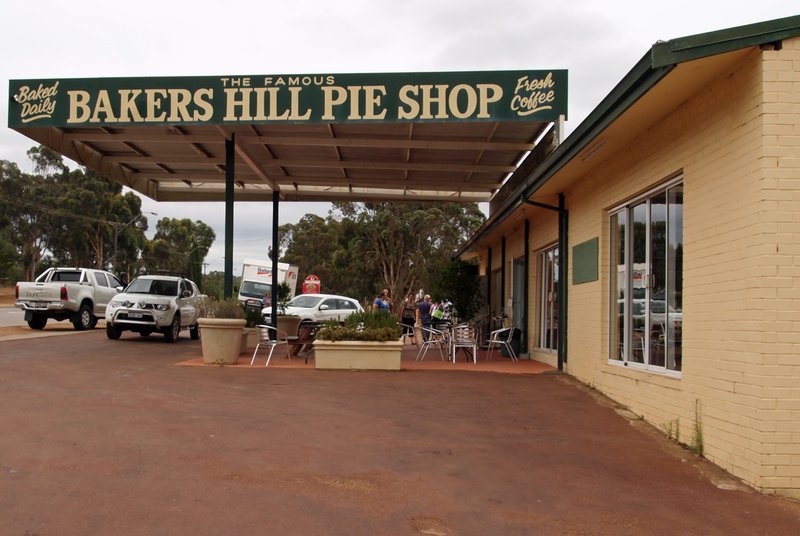
A hilltop park and bakery complex southwest of the city center, covered with life-sized fairy-tale sculptures and themed gardens. The grounds include a popular pie shop selling pineapple and ube varieties and a viewpoint overlooking Puerto Princesa Bay.
An evening paddle along the Iwahig River through mangroves colonized by thousands of synchronously flashing fireflies. Guides row small outrigger boats in silence as both banks pulse with light between 7:00pm and 9:00pm.
From Hotel: 1h → Ugong Rock Adventures — Puerto Princesa
1.Ugong Rock Adventures — Puerto Princesa~2 hr
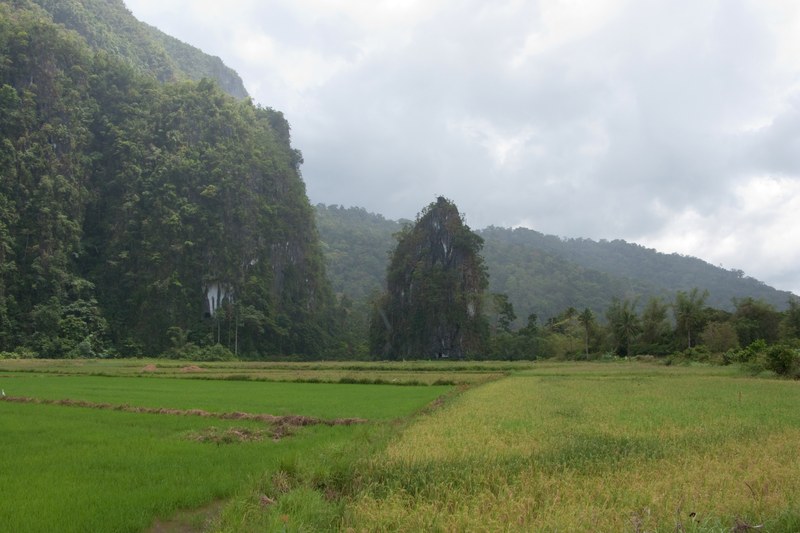
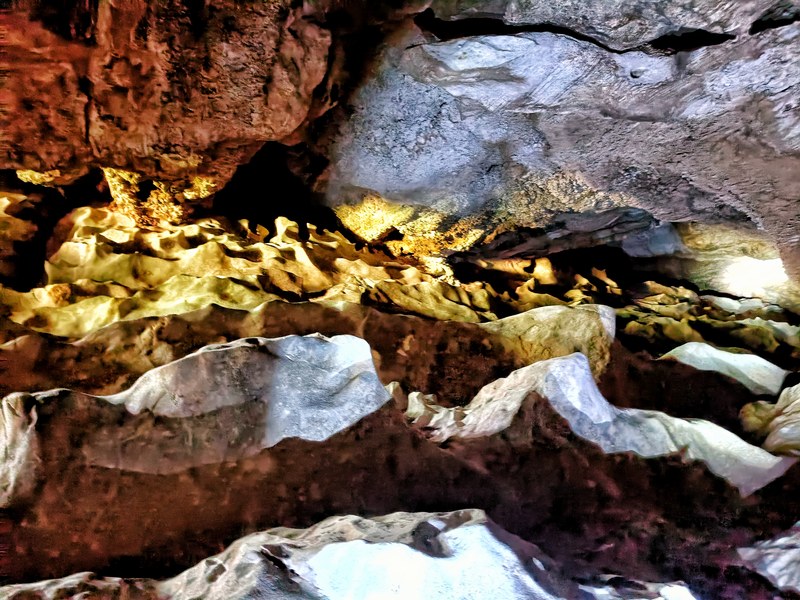
A limestone cave system where visitors spelunk through narrow passages fitted with rope guides. The cave exits onto a platform from which a face-down zipline drops riders down the rock face to a landing pad below.
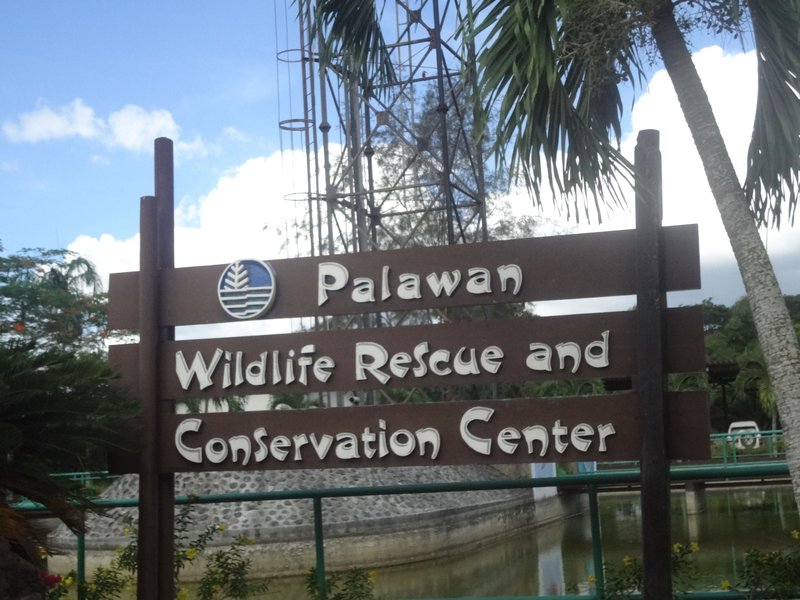
2.Palawan Wildlife Rescue and Conservation Center~1 hr 30 min
The only Philippine crocodile captive breeding facility open to visitors, housing over 900 crocodiles in open enclosures visible from elevated walkways. The center also holds bearcat, monitor lizards, and native birds rescued from poaching.
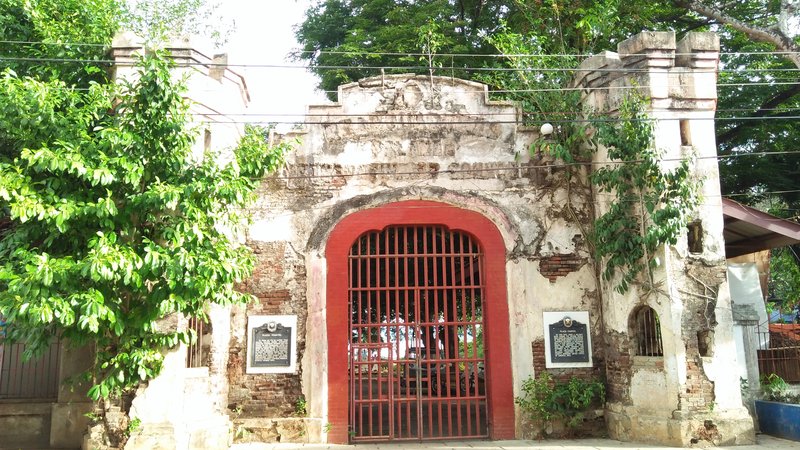
3.Palawan Massacre Memorial — Plaza Cuartel~45 min
A WWII memorial marking the site of the 1944 Palawan Massacre, where 139 American prisoners of war were killed by Japanese forces. The original garrison wall ruins remain standing with plaques and statues documenting the event around an open plaza.
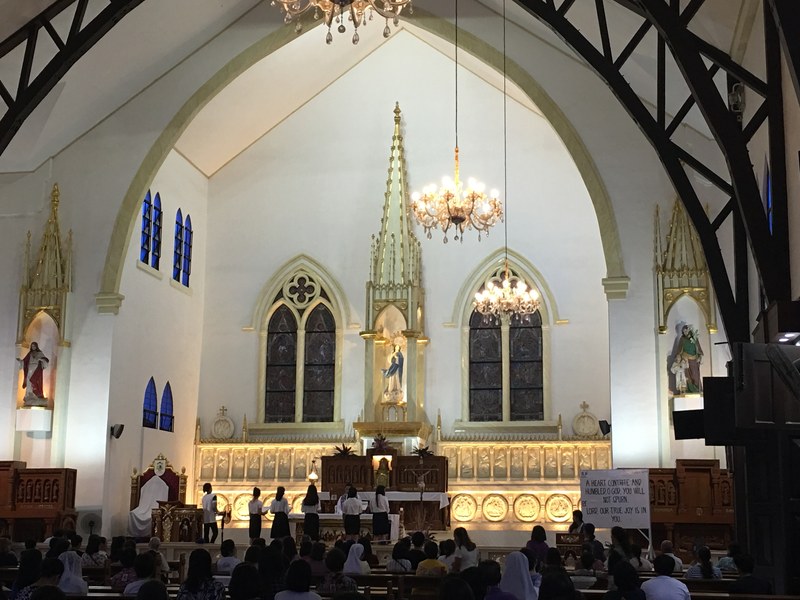
The seat of the Roman Catholic Diocese of Puerto Princesa, a twin-towered Spanish colonial church on Rizal Avenue rebuilt after WWII. The white neoclassical facade overlooks the main city plaza and Jose Rizal monument on the central boulevard.
From Hotel: 40 min → Nagtabon Beach — Puerto Princesa
1.Nagtabon Beach — Puerto Princesa~2 hr
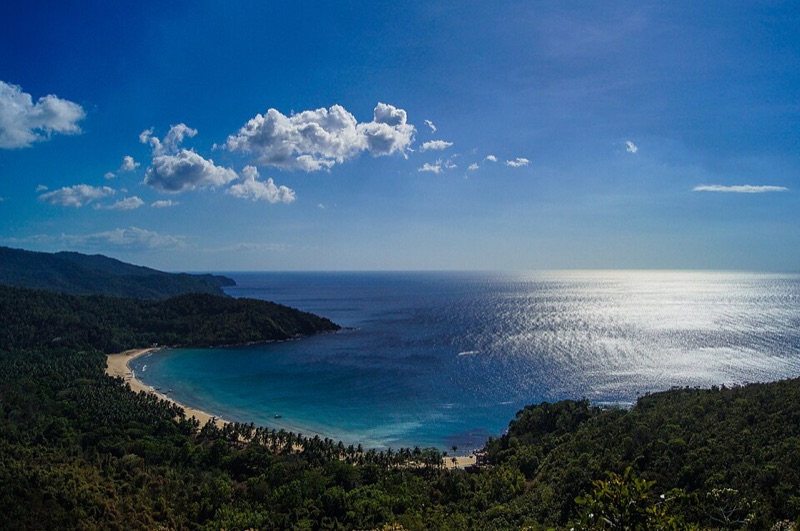
Secluded beach on the Sulu Sea coast 25km northwest of Puerto Princesa. A 700-meter arc of pale sand flanked by forested limestone hills. Faces west with open-water views at sunset. No facilities beyond rented bamboo cottages and a handful of food stalls.
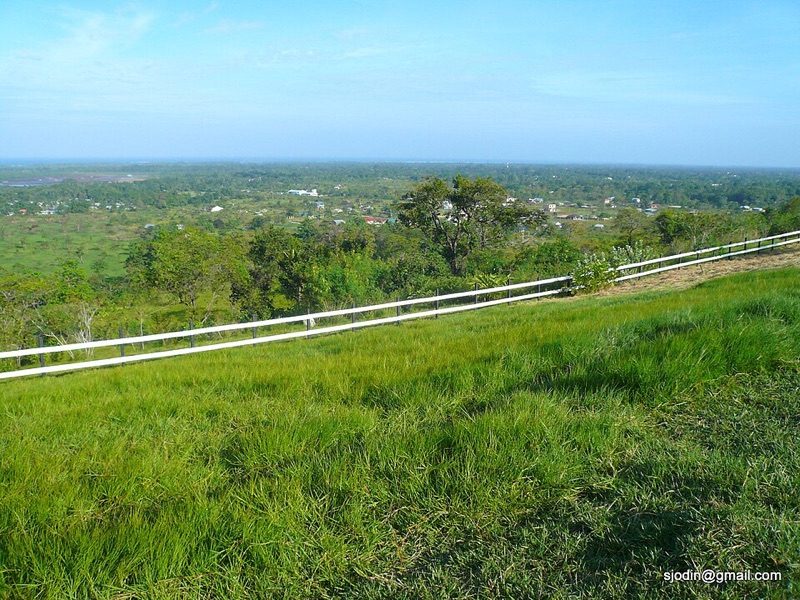
A hilltop ranch at Barangay Santa Monica with 360-degree views of Puerto Princesa Bay and the forested interior. Owned by the family of former Senate President Ramon Mitra Jr. Horseback riding, zipline, and a giant swing available on the grounds; the ancestral house exhibits political memorabilia.
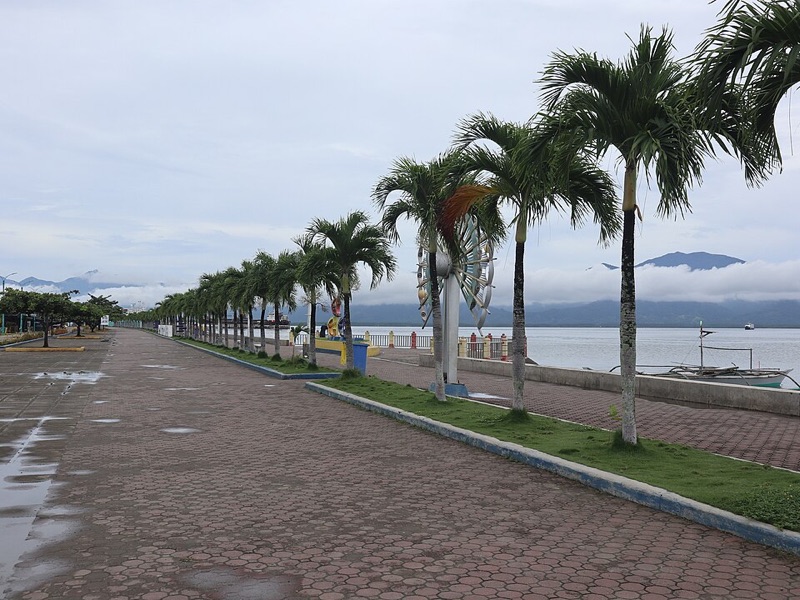
A 2-kilometer waterfront promenade along Rizal Avenue above Honda Bay, lined with palm trees, benches, and food kiosks facing the water. Fishing boats anchor offshore; the promenade is particularly animated at dusk.
From Hotel: 15 min → Palawan Museum — Puerto Princesa
1.Palawan Museum — Puerto Princesa~1 hr 30 min
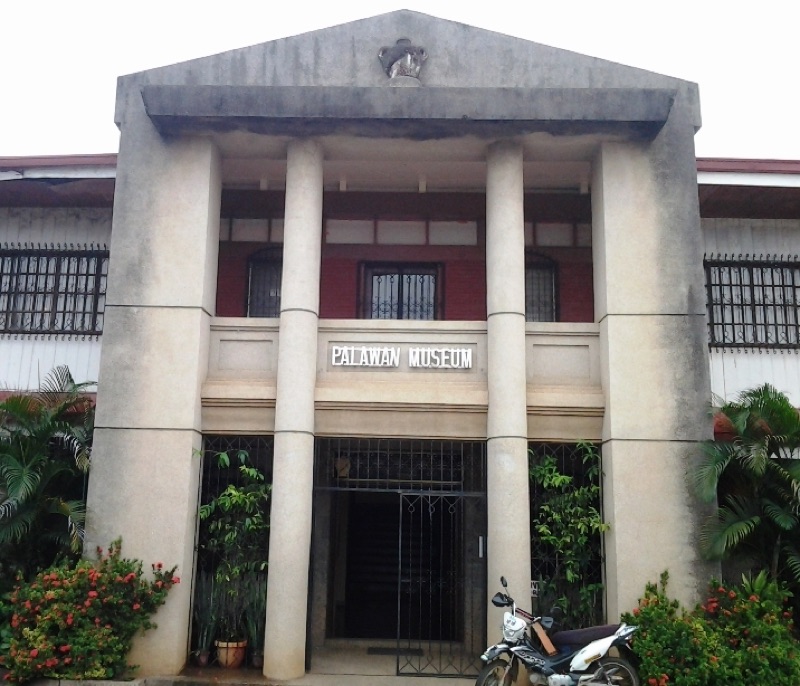
An ethnographic and natural history museum in the city's former town hall on Valencia Street. Two exhibition floors display pre-colonial Palawan artifacts, indigenous tribal tools and clothing, local fauna specimens, and WWII-era documents.
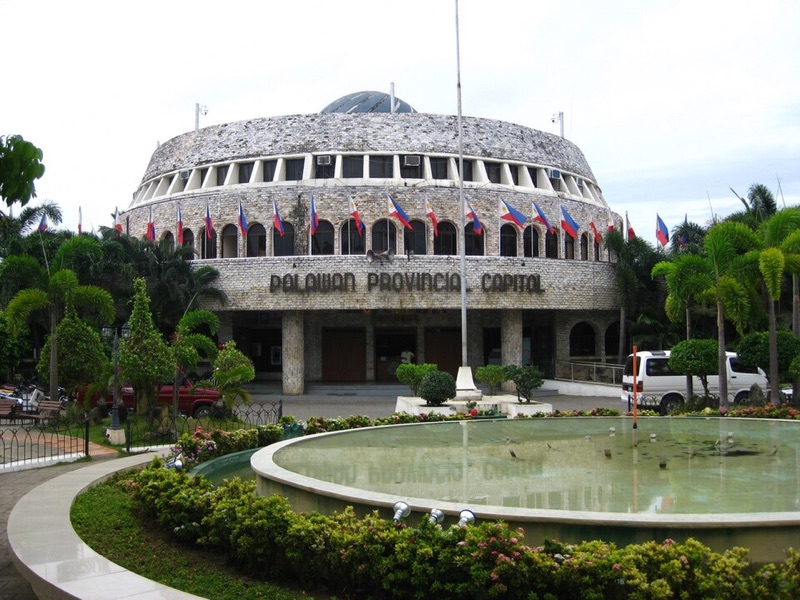
The seat of Palawan's provincial government, built in 1989 with a Christian-Muslim architectural motif reflecting the province's religious diversity. A guitar-shaped lobby with black-and-white marble floors, spiral staircases, and a stained-glass ceiling sculpture by Eduardo Castrillo.
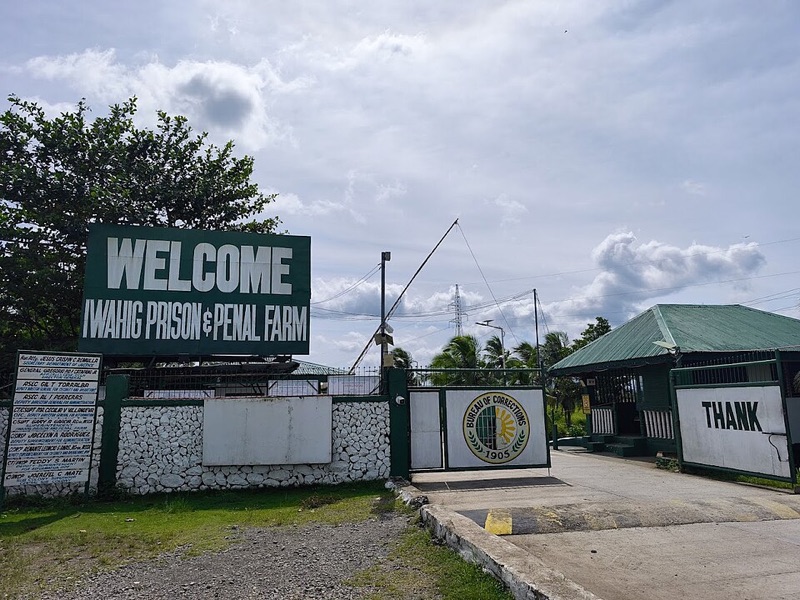
An open-air penal colony established in 1904, where inmates called colonists with good behavior live in barangays, farm plots, and tend livestock. Visitors enter the recreation hall to watch performances, browse handmade crafts, and walk freely among colonists and their families on the farm grounds.
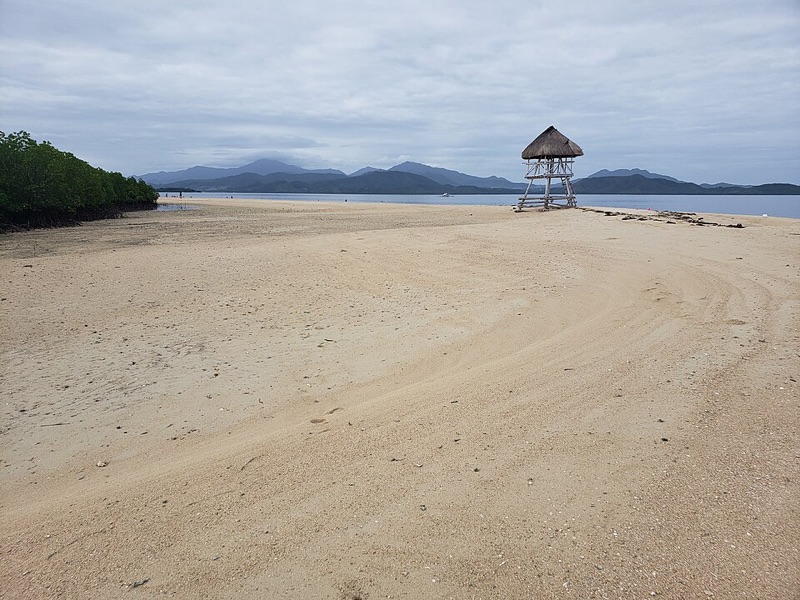
A sandbar island in Honda Bay where hundreds of large blue sea stars are visible in 1 to 2 meters of clear water. At low tide a narrow strip of white sand emerges. No built facilities; the island is a stop on the Honda Bay outrigger circuit from Santa Lourdes Pier.
The most developed Honda Bay island, with a white-sand beach, nipa huts, a beach bar, and kayak rentals. Named for cowrie shells historically collected along its shore. A reef shelf on the eastern side is a popular snorkeling spot; banana boat rides available from the landing area.
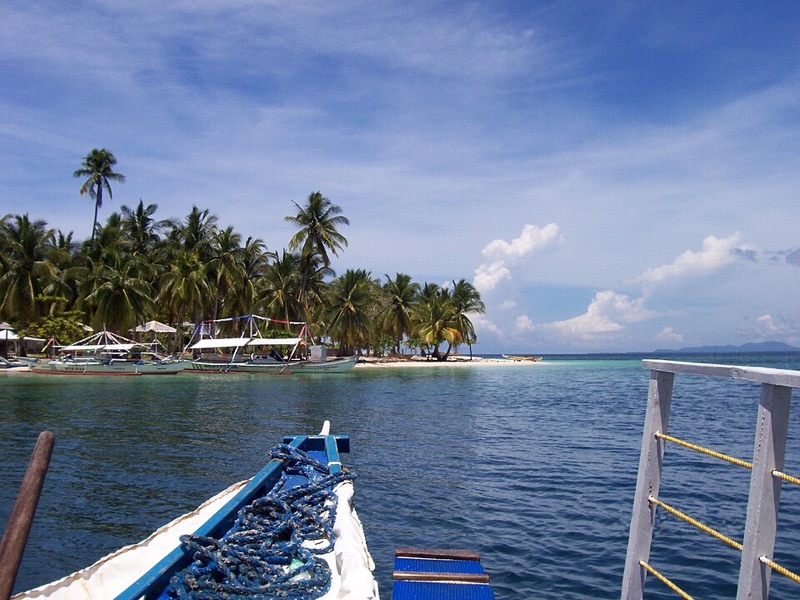
A small uninhabited island on the outer edge of Honda Bay with calm turquoise water and a coconut-fringed strip of sand. Reached by outrigger boat from Santa Lourdes Pier as part of the island-hopping circuit. Shallow reef fringe suitable for snorkeling.
A Vietnamese-Filipino beef noodle soup unique to Puerto Princesa. Vietnamese immigrants brought the pho-style technique; locals adapted it into a sweeter heartier broth with thick rice noodles and large meat cuts.
A saltwater woodworm harvested from rotting mangrove wood, eaten raw with vinegar, calamansi, and chili. Texture resembles a large oyster. Found only in Palawan.
A Palawan twist on Filipino sizzling pork sisig made with crocodile meat from the city's licensed farm. Mild and firm, served chopped and sizzling on a cast-iron plate with calamansi and chili.
Foreign number: accepted. — the SMS code reaches a foreign number with roaming on, and signing in with Google or Apple skips the code entirely.
The one delivery app with real coverage in Puerto Princesa: chains along Rizal Avenue, local kinilaw and grilled-seafood kitchens, and pandamart groceries. Riders rarely reach Sabang or the Honda Bay resorts, and cash on delivery is the norm.
Foreign number: accepted. — the verification code arrives by SMS on a foreign carrier with roaming on; a Philippine SIM or eSIM gets it through faster.
The only ride-hailing app with cars in Puerto Princesa, and pick-ups cluster around Rizal Avenue, the Baywalk and Robinsons mall; coverage thins past the city edge, where a tricycle is still quicker for a short hop. The fare is fixed at booking, so there is nothing to haggle.
Survivors Swam Five Miles Through Open Water to Warn of the Palawan Massacre
On December 14, 1944, Japanese guards at the Puerto Princesa POW camp ordered roughly 150 American prisoners into trenches dug as air-raid shelters, then doused the entrances with gasoline, set them alight, and shot or bayoneted anyone who tried to climb out. A hidden exit at the back of one trench led toward a cliff above the bay, and a handful of men broke through it and threw themselves into the water rather than burn. The survivors swam for miles through open water — one Marine sergeant fought off a shark mid-crossing — to reach the far shore near what is now Iwahig Prison and Penal Farm, where they raised the alarm. Only eleven men lived. Plaza Cuartel marks the exact site of the trenches where the rest died.
Ugong Rock earned its name completely by accident. In 1998, a group of university students exploring an unmapped limestone formation in Barangay Tagabinet knocked on one of the hollow rock walls inside and heard it ring out with a deep, resonant echo — the sound locals call ugong. That accidental knock turned a nameless outcrop into a mapped attraction; the cave system now sends visitors scrambling through the same passages the students first explored, before they exit onto the platform for the face-down zipline back down.