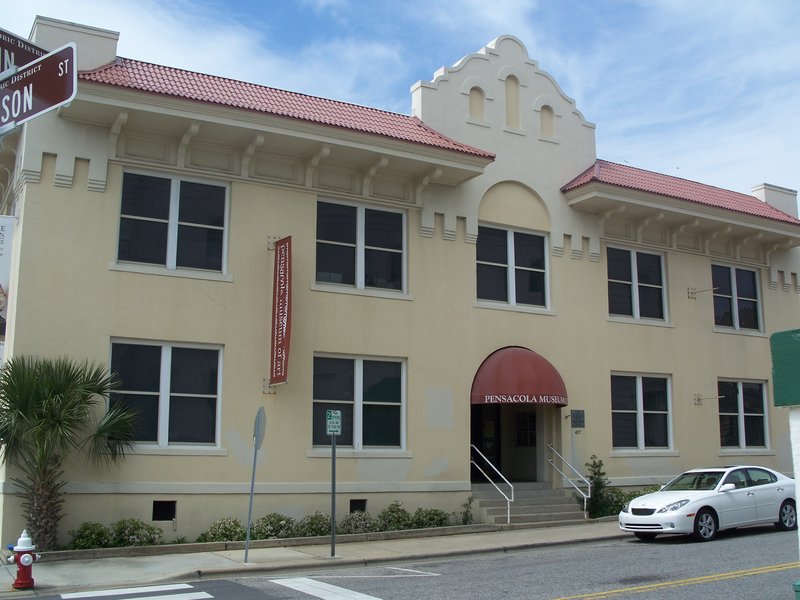
A museum in the restored 1906 Spanish Renaissance Pensacola City Jail, showcasing European masterworks including Picasso, Warhol, and Dali alongside contemporary installations. Rotating exhibitions span painting, photography, and sculpture.
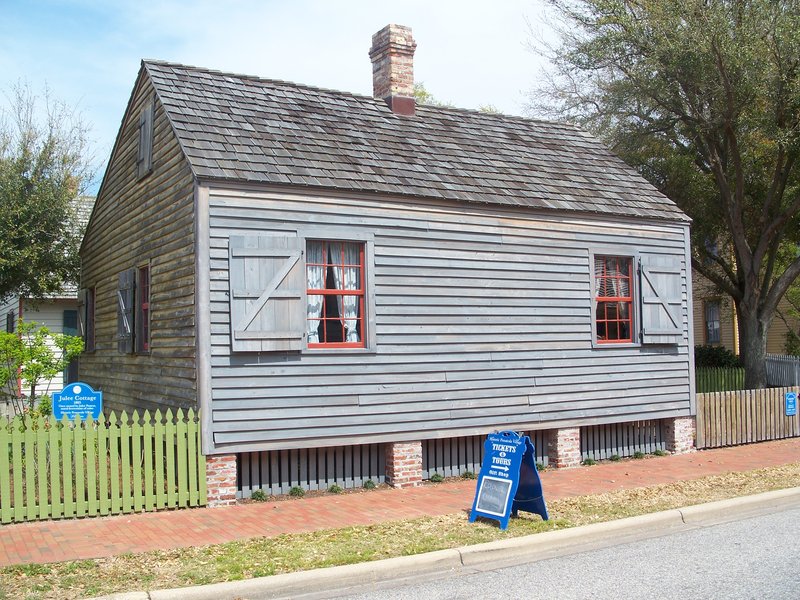
A living museum preserving 450+ years of history across a six-block district. Authentically furnished homes from Spanish and American colonial periods include the 1805 Lavalle House and Victorian-era Lear-Rocheblave House alongside a French schoolhouse and church.
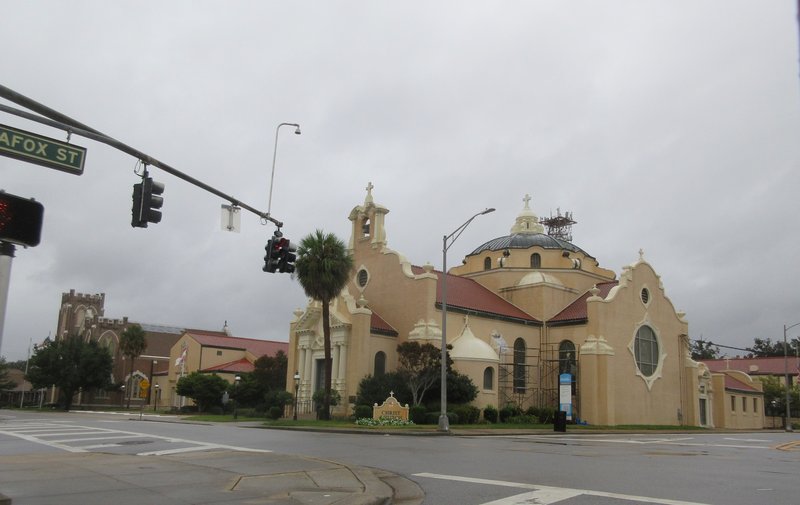
Pensacola's restored historic district with cobblestone streets and brick warehouses converted to galleries and restaurants along the bay. The 1927 Palafox Pier extends into the bay with views of sailboats and the Gulf ecosystem.
From Hotel: 5 min → National Naval Aviation Museum
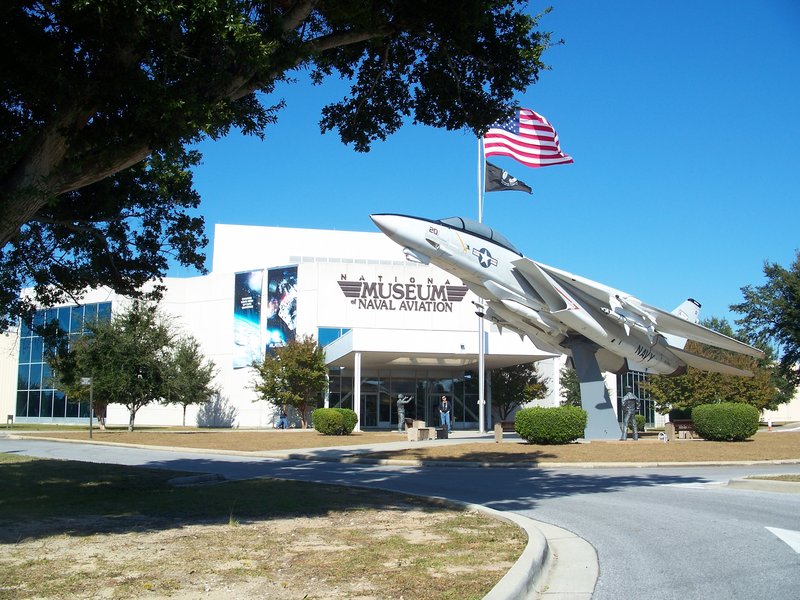
1.National Naval Aviation Museum~3 hr
The world's largest naval aviation museum with 150+ restored aircraft from the Navy, Marine Corps, and Coast Guard. Blue Angels practice flights visible from the flight line. Interactive simulators and restoration hangars span the NAS grounds.
7 min · 2 min → Pensacola Lighthouse & Maritime Museum
2.Pensacola Lighthouse & Maritime Museum~1.5 hr
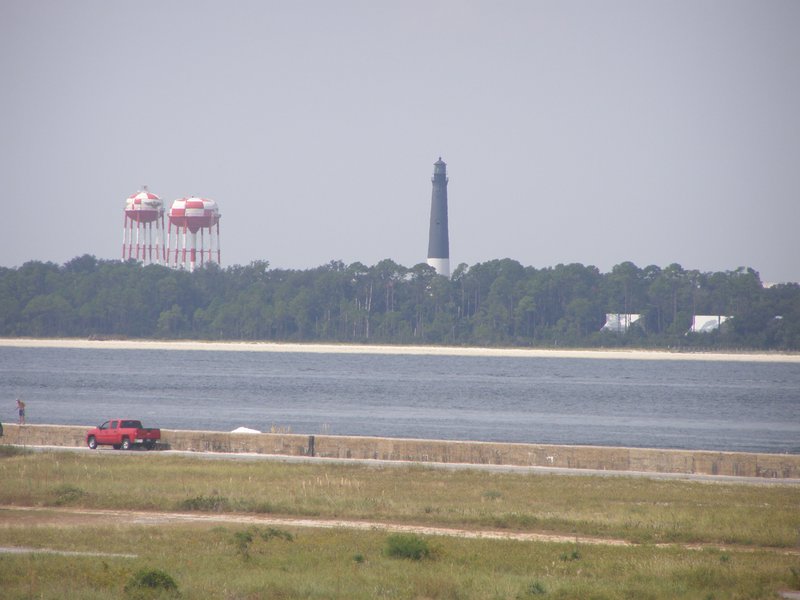
Built in 1858, this 160-foot lighthouse is one of the oldest continuously operating lighthouses in the United States. The 177-step spiral climb offers panoramic views across the bay. The Maritime Museum exhibits ship models, navigation instruments, and naval heritage.
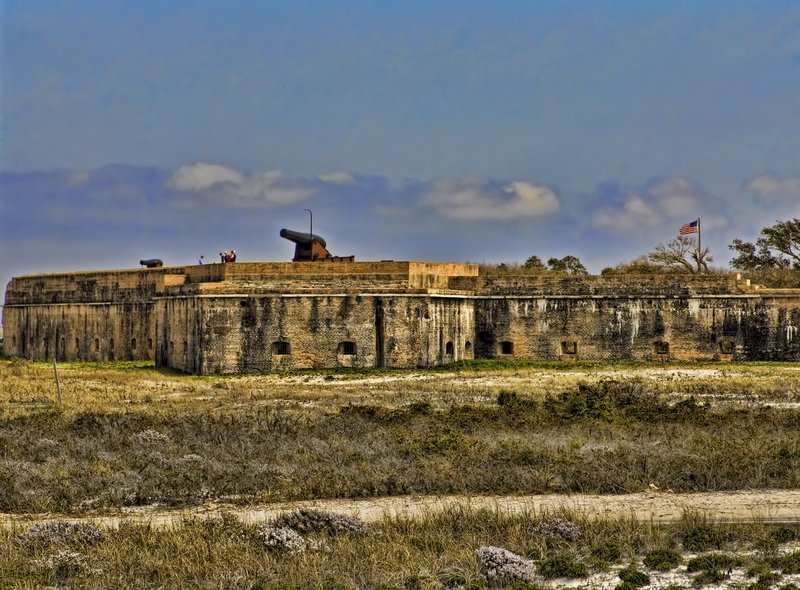
A five-bastion coastal defense fort built between 1829 and 1834 within Gulf Islands National Seashore. The brick fortress spans 50 acres with self-guided tours through casemates, gun emplacements, and barracks where Geronimo was once held.
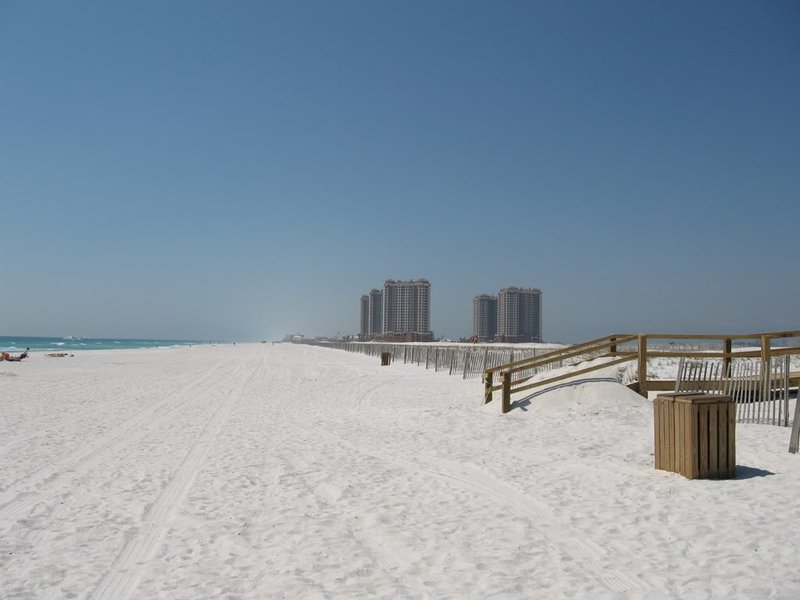
Pensacola Beach stretches 16 miles of pristine white quartz sand famous for its distinctive squeaking quality. Crystal-clear turquoise water with a family-friendly atmosphere. The beach offers parasailing, kayaking, and paddleboarding.
A 2-hour guided tour aboard a 42-foot shaded tritoon vessel through Pensacola Sound and bay. Dolphin sightings are common, with an educational crew providing ecological commentary on marine life and the local ecosystem. The boat accommodates 40+ passengers.
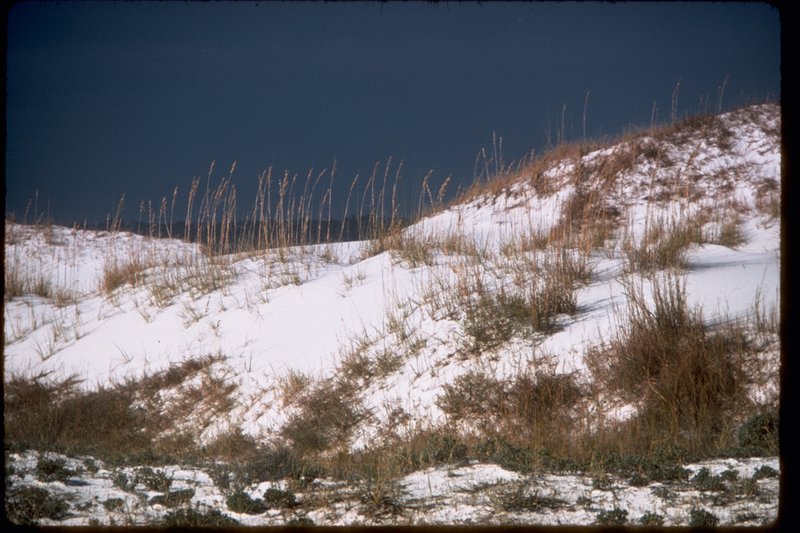
Part of Gulf Islands National Seashore, Opal Beach offers a quieter alternative to the main beach with pristine white sand and clear water. Full facilities include restrooms, showers, and picnic shelters for a full beach day.
2-hour air-conditioned 1930s Ford transit bus tour. Stories behind monuments, buildings, and businesses. Knowledgeable guides with historical insights.
Fresh wild-caught Gulf shrimp — a Florida Panhandle staple served boiled, grilled, or fried. Larger and sweeter than farmed varieties. Classic version is shrimp and grits or peel-and-eat with cocktail sauce.
A Florida Panhandle tradition — oily fish holds up well to cornmeal breading and deep-frying. Found at old-school fish camps around Pensacola Bay; served with coleslaw and hush puppies.
A Southern staple sold from roadside stands across the Florida Panhandle. Raw peanuts boiled for hours in heavily salted water until soft — eaten wet, nothing like roasted peanuts.
Foreign number: accepted. — the SMS code reaches a foreign number with roaming on, and an email code is offered if it does not arrive.
The widest roster in Pensacola — Palafox Street restaurants, the Navy Boulevard chains and grocery runs from Publix — with live tracking and DashPass for fee-free delivery; Pensacola Beach is covered but fees climb for the bridge crossing.
Foreign number: accepted. — it is the same Uber account as the ride app, so a foreign number already verified there signs straight in.
Thinner than DoorDash here but strong on the downtown and Cordova Mall chains, and the app shows the real delivery fee before checkout; late in the evening the list shrinks fast outside the centre.
Foreign number: accepted. — the verification code arrives by SMS on a foreign carrier, and an existing Uber account from home signs straight in.
The bigger of the two fleets in Pensacola, with a car downtown in a few minutes and reliable pick-ups at the Naval Aviation Museum gate; Pensacola Beach and Fort Pickens are the thin spots, where a return ride can mean a fifteen-minute wait on a summer evening.
Foreign number: accepted. — the SMS code is sent to a foreign number with roaming on; verification is by text only, so there is no email route if it stalls.
Often a few dollars cheaper than Uber on the downtown to Pensacola Beach run and worth a price check, but the fleet is smaller, so waits stretch on the beach side and late at night; the Bob Sikes Bridge toll is added to the fare either way.
Geronimo Was Held Prisoner Here — and Became a Tourist Attraction
When Geronimo and fifteen other Apache men arrived as prisoners of war at Fort Pickens in October 1886, Pensacola business leaders had specifically lobbied to have them sent here rather than elsewhere, hoping to profit off Geronimo's fame. It worked immediately: roughly 2,000 people crowded the wharf just to watch the prisoners get ferried in. Over the following months, visitors kept arriving by train and ferry specifically to see them, with hundreds showing up on a single Sunday to stare through the fort's walls while the prisoners were put to work clearing weeds and repairing the old fortifications. The army finally moved them out in 1888 over fears of yellow fever in the area — but for nearly two years, one of the most famous men in America was held, and gawked at, on this exact stretch of Santa Rosa Island.
Pensacola has a real claim to being the first European settlement in what is now the continental United States — six years before St. Augustine gets the credit. Tristán de Luna landed a large fleet in this bay in 1559 intending to found a permanent Spanish colony, but a hurricane wrecked most of the ships within weeks and the settlement collapsed entirely within two years, leaving nothing behind to anchor the claim. St. Augustine, founded in 1565, gets to call itself the oldest continuously occupied city in the country only because Pensacola's head start ended in a storm before it had the chance.